
The Concept of Karma: How Actions Shape Our Destiny in Hinduism


Welcome to Ancient India History, where we delve into the incredible tapestry of India's rich and diverse past. Here, you'll uncover the profound impact of karma in Hinduism, a concept that not only shapes individual destinies but also weaves through the very fabric of ancient Indian thought. Join us as we unravel the intricacies of this philosophical cornerstone and discover how the actions of yesterday continue to influence the spiritual journey of today. Prepare to embark on an enlightening exploration that will leave you questioning how your own choices resonate through time!
Introduction to Karma in Hinduism
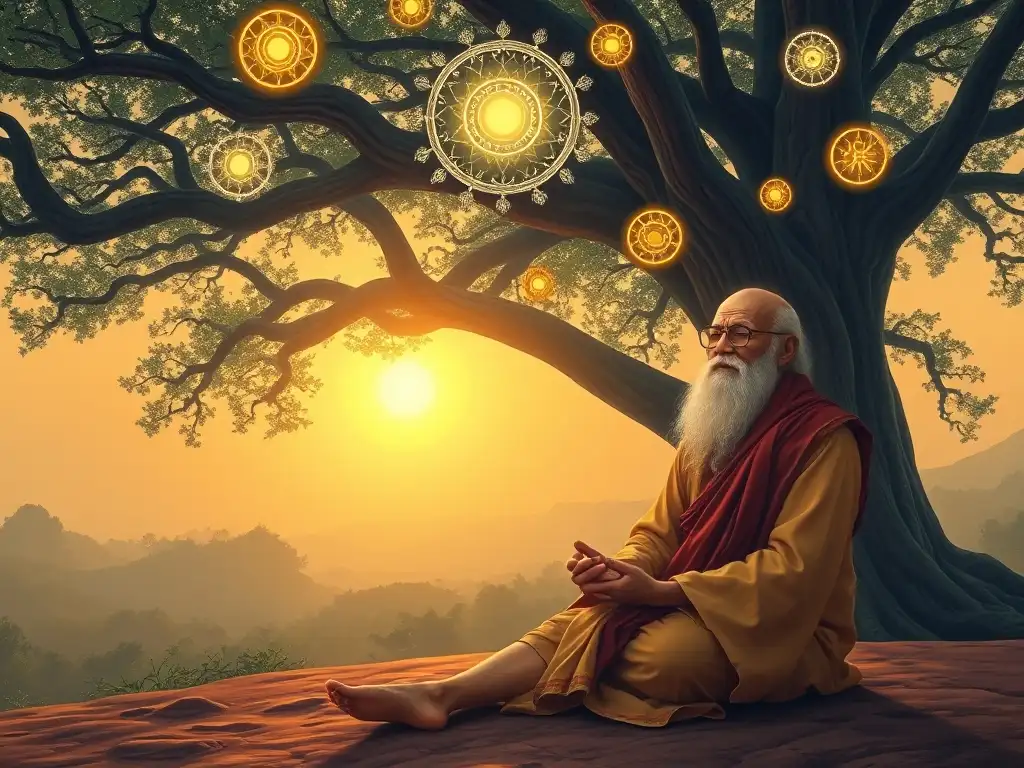
The concept of Karma is a foundational tenet in Hindu philosophy, representing the intricate relationship between actions and their consequences. Rooted in ancient Indian thought, Karma encapsulates the idea that every action, whether good or bad, has a corresponding impact on an individual's future experiences. This principle not only influences personal destinies but also shapes the moral framework of society. As we delve into the impact of karma in Hinduism, we will explore its definitions, historical context, and its profound significance in guiding human behavior and ethical decision-making.
Definition of Karma
Karma, derived from the Sanskrit word "karman," translates to "action" or "deed." In Hinduism, it encompasses all physical and mental actions, which are believed to accumulate over time and influence one's future. The fundamental belief is that:
- Good Karma: Actions that are virtuous, selfless, and aligned with Dharma (moral duty) lead to positive outcomes and favorable rebirths.
- Bad Karma: Actions that are harmful or unethical result in negative consequences, potentially leading to suffering in this life or future ones.
This cyclical nature of actions and their repercussions forms the basis of the moral law of cause and effect, which governs not only individual lives but also the broader universe.
Historical Context of Karma in Ancient Indian Thought
The origins of the concept of Karma can be traced back to ancient Indian texts, such as the Vedas and Upanishads, where it began to take shape as a philosophical idea. By the time of the Bhagavad Gita, Karma evolved into a comprehensive doctrine explaining the significance of action in the pursuit of Moksha (liberation from the cycle of birth and death).
Historical highlights include:
- Vedic Period: Early references to ritualistic actions and their consequences, emphasizing the importance of performing one’s duties.
- Upanishadic Philosophy: A shift towards internalizing Karma, where the focus moved from external rituals to the moral implications of one's actions.
- Bhagavad Gita: Introduced the notion of Nishkama Karma (selfless action), advocating for duty without attachment to results.
This evolution reflects the deepening understanding of how actions shape individual destinies and the overarching cosmos in Hindu thought.
Understanding the Impact of Karma in Hinduism
The impact of Karma in Hinduism extends beyond mere philosophical discourse; it profoundly affects individual lives and societal norms. Understanding this impact requires an exploration of how Karma influences personal destinies and the interconnectedness of actions and their consequences.
The Role of Karma in Shaping Personal Destiny
In Hindu belief, Karma plays a pivotal role in determining one's life path. The accumulation of past actions influences present circumstances, creating a unique tapestry of experiences for each individual. This relationship can be summarized as follows:
- Current Life: Individuals face the fruits of their past actions, which can manifest as opportunities or challenges.
- Future Rebirths: The quality of one's actions in this life directly impacts future incarnations, reinforcing the idea of continuous growth and moral evolution.
This belief fosters a sense of personal responsibility, encouraging individuals to act ethically and mindfully, knowing that their choices will shape their destinies.
The Interconnection Between Actions and Consequences
The interconnectedness of actions and consequences in Hinduism is essential to understanding Karma. Every decision made contributes to a larger karmic narrative, illustrating the principle of Samsara (the cycle of birth, death, and rebirth). Key aspects include:
- Immediate Consequences: Actions often yield immediate results, influencing one's mental and emotional state.
- Long-term Effects: The cumulative nature of Karma means that even small actions can have significant impacts over time.
Ultimately, this interconnectedness underscores the importance of ethical living, as individuals navigate their lives with the awareness that every action contributes to a larger cosmic order. Through this lens, the impact of Karma in Hinduism emerges as a guiding principle in achieving harmony with oneself and the universe.
Types of Karma in Hindu Philosophy
In Hindu philosophy, karma is not merely a concept of fate but a profound understanding of how actions influence one's life and future. It is divided into three primary types: Sanchita Karma, Prarabdha Karma, and Agami Karma. Each type represents a different stage of action and consequence, illustrating the continuity and complexity of life experiences.
Sanchita Karma: Accumulated Actions
Sanchita Karma refers to the total accumulation of all past actions—both good and bad—that an individual has performed over their lifetimes. This stored karma acts as a reservoir from which future experiences arise. It is often seen as the karmic bank balance that one carries into each new birth. The actions stored in Sanchita Karma are not all immediately activated but remain dormant until conditions are right for them to manifest.
The ramifications of Sanchita Karma can be extensive. For instance, a person with a significant amount of positive Sanchita Karma may find themselves in favorable circumstances, while someone with a heavier negative balance may face more challenges. This type of karma emphasizes the importance of one's actions throughout life, highlighting that every deed, no matter how small, contributes to this accumulation.
Prarabdha Karma: Actions Currently Experiencing
Prarabdha Karma is the portion of Sanchita Karma that is currently active and has begun to manifest in an individual’s life. It represents the karma that has ripened and is responsible for the current life situations, experiences, and challenges one faces. In simple terms, it can be understood as the karma that is responsible for the present circumstances.
This type of karma plays a crucial role in shaping one’s destiny at any given moment. For example, if an individual encounters difficulties in their career or personal relationships, these experiences can be traced back to their Prarabdha Karma. It is important to note that while Prarabdha Karma establishes the framework of one's current life, individuals still have the agency to respond to their circumstances through their actions, potentially influencing future karma.
Agami Karma: Future Actions and Their Effects
Agami Karma encompasses the actions that a person performs in the present, which will yield results in the future. Unlike Sanchita Karma, which is accumulated from past lives, or Prarabdha Karma, which is the karma currently being experienced, Agami Karma is all about the choices and actions taken in the present moment.
Every decision made or action taken today contributes to Agami Karma, thereby shaping future experiences. For instance, engaging in charitable acts today can lead to positive outcomes in the future, whereas harmful actions may cultivate negative karma that could be faced later on. Understanding Agami Karma empowers individuals to make conscious choices, thereby actively shaping their destiny.
The Principle of Dharma and Its Relation to Karma
The interconnection between karma and dharma is a fundamental aspect of Hindu philosophy. Dharma refers to the moral law and ethical duty that governs an individual's actions and responsibilities. The idea is that one's actions (karma) must align with their dharma to create a harmonious existence.
Defining Dharma in Hinduism
Dharma in Hinduism is a complex and multifaceted concept that encompasses duty, righteousness, and moral order. It varies based on factors such as age, caste, gender, and situation, making it a personalized ethical guideline. The essence of dharma is to act in accordance with cosmic law and one's own nature, leading to a balanced life.
Dharma is not merely about following rules; it involves understanding the intent behind actions and ensuring that they contribute positively to oneself and society. By adhering to dharma, individuals can navigate the complexities of life while ensuring that their karma remains favorable.
How Dharma Influences Karma
The relationship between dharma and karma is reciprocal. Adhering to one's dharma generates positive karma, while neglecting or violating it can lead to negative karma. For instance, fulfilling one's responsibilities—whether to family, community, or society—creates a foundation for positive actions, thereby enhancing future experiences.
Moreover, dharma acts as a guiding principle in determining the nature of actions. When individuals align their actions with their dharma, they cultivate a life that not only fosters personal growth but also contributes to the greater good. This alignment ultimately influences the quality of karma generated, ensuring a cycle of positive outcomes and experiences.
Understanding the interplay of karma and dharma is essential for grasping how actions shape one's destiny in Hinduism. By recognizing the different types of karma and the significance of dharma, individuals can make more informed choices in their daily lives, fostering a path towards spiritual growth and fulfillment.
The Cycle of Birth, Death, and Rebirth (Samsara)
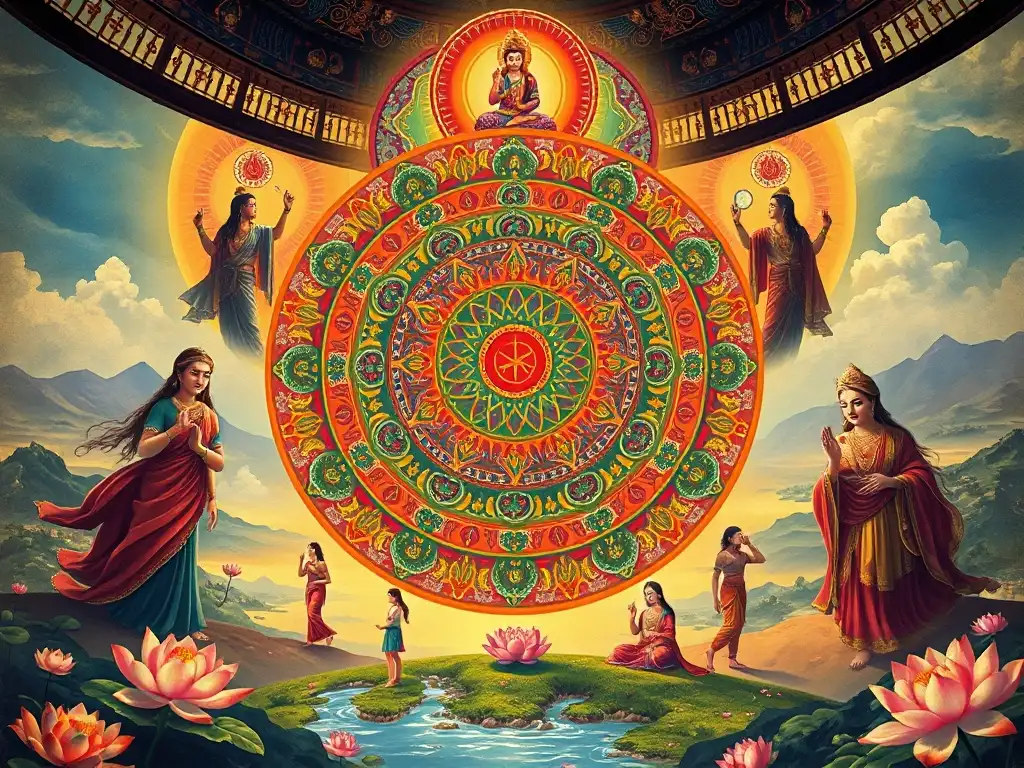
In Hindu philosophy, the concept of Samsara refers to the continuous cycle of birth, death, and rebirth, which is intrinsically linked to the law of Karma. This cycle illustrates the belief that the soul (Atman) undergoes numerous lifetimes, experiencing various forms and circumstances based on the accumulated actions from previous lives. Each birth is perceived as a result of past deeds, and the quality of one's current life is determined by the moral and ethical decisions made in earlier existences.
Samsara is not merely a cycle of existence; it is also a profound journey of spiritual evolution. The ultimate goal of this journey is to attain Moksha, or liberation, which signifies the exit from this cycle. The teachings encapsulated within sacred texts like the Bhagavad Gita and the Upanishads emphasize that understanding and navigating this cycle is essential for spiritual growth and development.
The Relationship Between Karma and Samsara
Karma serves as the mechanism by which Samsara operates. Every action, whether good or bad, generates consequences that influence the soul's future incarnations. This relationship can be understood through the principle of cause and effect:
- Positive Actions: Good deeds, moral conduct, and selfless acts lead to positive karma, which can result in favorable rebirths and a more advantageous life situation.
- Negative Actions: Conversely, immoral actions and harmful behaviors accumulate negative karma, resulting in suffering and challenging circumstances in future lives.
The interplay between Karma and Samsara underscores the importance of ethical behavior and self-awareness in Hindu philosophy. Each lifetime is an opportunity to learn, grow, and rectify past mistakes, ultimately steering the soul closer to liberation.
The Concept of Moksha: Liberation from the Cycle of Karma
Moksha is the ultimate spiritual goal in Hinduism, representing liberation from the cycle of Samsara and the burdens of Karma. Achieving Moksha involves transcending the material existence and realizing the true nature of the self (Atman) as one with the Supreme Reality (Brahman).
The pursuit of Moksha is often achieved through various paths, including:
- Jnana Yoga: The path of knowledge and wisdom, emphasizing the understanding of the self and the universe.
- Bhakti Yoga: The path of devotion, focusing on love and devotion towards a personal deity.
- Karma Yoga: The path of selfless action, where individuals perform their duties without attachment to the results.
Through these practices, individuals can purify their hearts and minds, cultivate positive karma, and ultimately liberate themselves from the shackles of Samsara. Moksha is not just an end state but a realization of the interconnectedness of all beings and the divine nature of existence.
The Ethical Implications of Karma in Everyday Life
The concept of Karma carries significant ethical implications in everyday life, shaping individual behavior and societal norms. It instills a sense of responsibility and accountability in one's actions, as every choice made has consequences that may extend beyond the current life. This understanding encourages individuals to live virtuously, fostering a community grounded in compassion, honesty, and integrity.
How Actions Influence Relationships and Society
Karma profoundly influences interpersonal relationships and societal dynamics. The awareness that actions impact not only the individual but also others fosters a culture of empathy and cooperation. Positive actions, such as acts of kindness and support, can create a ripple effect, enhancing social harmony and strengthening bonds among community members.
Conversely, negative actions can lead to discord and suffering, highlighting the importance of ethical decision-making. By practicing good karma, individuals contribute to a more just and equitable society, nurturing an environment where everyone thrives.
The Importance of Intention Behind Actions
In Hindu philosophy, the intention behind an action holds paramount importance. It is not solely the deed itself that generates karma, but the motivation and mindset that accompany it. Actions performed with selfless intentions, such as altruism and compassion, yield positive karma, while those undertaken with selfish motives can result in negative repercussions.
This principle emphasizes the need for mindfulness and self-reflection in daily actions. By cultivating pure intentions, individuals can enhance their karma, contributing to their spiritual growth and the welfare of those around them. Ultimately, the focus on intention reinforces the belief that true ethical living extends beyond mere actions to encompass the heart and mind's purity.
Misconceptions About Karma in Hinduism
The concept of karma is frequently misunderstood, leading to several misconceptions that detract from its true essence in Hindu philosophy. Many people simplify karma to a mere system of reward and punishment, overlooking its deeper implications about choices, intentions, and the interconnectedness of life. This section aims to clarify these misconceptions and provide a more nuanced understanding of how karma influences individuals and their destinies in Hinduism.
Common Myths Surrounding the Concept of Karma
- Karma is Fate: One prevalent myth is that karma equates to fate, suggesting that individuals have no control over their lives. In reality, karma emphasizes personal responsibility and the idea that one's actions directly influence future outcomes. While past actions can shape current circumstances, individuals can alter their future through conscious choices.
- Karma Always Leads to Punishment: Many assume that karma only administers punishment for wrong actions. However, karma also rewards positive deeds. The concept highlights a holistic view of actions, where good deeds can lead to positive outcomes, encouraging individuals to act ethically and compassionately.
- Instant Karma: The idea that karma operates instantaneously is another misconception. While some may experience immediate consequences for their actions, karma often unfolds over a longer time frame, sometimes across multiple lifetimes, making it a complex and intricate process.
- Karma is a Legalistic System: Some view karma as a strict legalistic system of moral judgment. In truth, karma is more about the natural consequences of actions rather than punitive measures imposed by an external authority. It is rooted in the principle of cause and effect, where the intention behind actions plays a crucial role.
Clarifying Misunderstandings About Karma's Impact
To fully grasp the impact of karma in Hinduism, it is essential to understand its multifaceted nature. Karma encompasses not only actions (karma) but also intentions (sankalpa) and the results of actions (phala). This triad reflects the comprehensive approach that Hindu philosophy takes toward ethics and morality.
- Intentions Matter: The quality of intentions behind actions significantly influences karmic outcomes. A good deed performed with selfish motives may yield different results than the same deed done selflessly. Therefore, understanding the nuances of intent is crucial in assessing karma's impact.
- Karma and Rebirth: In Hindu belief, the consequences of karma can extend beyond a single lifetime. The concept of rebirth (samsara) illustrates how accumulated karma shapes future lives, creating a continuous cycle of birth, death, and rebirth until one attains liberation (moksha).
- Collective Karma: Beyond individual actions, Hinduism also recognizes collective karma, where the actions of groups, communities, or even nations can have a significant impact. This perspective encourages individuals to consider the wider implications of their actions on society as a whole.
Conclusion: The Lasting Influence of Karma in Hindu Thought
The philosophy of karma has profoundly shaped Hindu thought, providing a framework for understanding morality, ethics, and the nature of existence. Its implications extend beyond personal responsibility, influencing social structures and cultural practices throughout history.
Summary of the Impact of Karma in Hinduism
The impact of karma in Hinduism is far-reaching and deeply embedded in the fabric of its philosophical and spiritual teachings. It serves as a guiding principle for ethical behavior, emphasizing that every action has consequences. This belief encourages adherents to live with mindfulness, cultivating positive intentions and actions that contribute to their spiritual evolution and the betterment of society.
Reflections on the Relevance of Karma Today
Today, the relevance of karma continues to resonate in modern society. As individuals grapple with complex moral dilemmas and seek deeper meanings in their lives, the lessons of karma provide valuable insights. The emphasis on personal responsibility and the interconnectedness of all beings fosters a greater awareness of the consequences of one's actions, encouraging a more compassionate and ethical approach to living. Ultimately, the concept of karma invites individuals to reflect on their choices and their impact on the world around them, reaffirming its enduring significance in the contemporary context.
- Introduction to Karma in Hinduism
- Understanding the Impact of Karma in Hinduism
- Types of Karma in Hindu Philosophy
- The Principle of Dharma and Its Relation to Karma
- The Cycle of Birth, Death, and Rebirth (Samsara)
- The Ethical Implications of Karma in Everyday Life
- Misconceptions About Karma in Hinduism
- Conclusion: The Lasting Influence of Karma in Hindu Thought
Frequently Asked Questions
What is the concept of karma in Hinduism?
The concept of karma refers to the law of cause and effect, where every action has consequences that shape an individual's destiny in this life and beyond.
How does karma influence daily life in Hindu culture?
In Hindu culture, karma encourages individuals to act with morality and ethical considerations, knowing that their actions will determine their future experiences and spiritual growth.
Can karma be changed or altered through actions?
Yes, karma can be altered by performing good deeds and selfless actions, which may help to mitigate negative karma accumulated from past actions.
What role does karma play in the cycle of rebirth?
Karma is fundamental to the cycle of rebirth (samsara) in Hinduism, as it determines the conditions of one's future lives based on the accumulated karma from previous existences.
How does the understanding of karma shape one's mindset?
Understanding karma fosters a sense of responsibility and encourages individuals to be more mindful of their actions, promoting a life of compassion, kindness, and self-improvement.
Final Reflection: The Enduring Impact of Karma in Hinduism
The concept of karma remains profoundly relevant in today's fast-paced world, reminding us that our actions have consequences that extend far beyond our immediate experiences. In a society increasingly focused on instant gratification, the principle of karma serves as a powerful counterbalance, urging us to consider the long-term effects of our choices. As we navigate our daily lives, the understanding that every action contributes to our destiny can inspire us to act with greater mindfulness and intention.
Culture and society are continually shaped by the beliefs we hold, and the impact of karma in Hinduism is a testament to this truth. The notion that our deeds—whether good or bad—will return to us in some form fosters a sense of accountability and interconnectedness within communities. As Mahatma Gandhi once said, The best way to find yourself is to lose yourself in the service of others.
This sentiment encapsulates the essence of karma, emphasizing that our actions toward others ultimately define our own paths and experiences.
As we reflect on the teachings of karma, I invite you to consider how you can integrate this wisdom into your own life. What actions can you take today that will not only benefit yourself but also contribute positively to the world around you? By embracing the principles of karma, we can cultivate a more compassionate and responsible existence, shaping not only our destinies but also the collective future of humanity. Let us strive to be mindful of our actions, understanding that each choice we make is a step toward a more harmonious and just world.
Embrace Your Journey: Cultivate Positive Karma Today!
Thank you for taking the time to explore the profound concept of karma and its impact on our lives. You've uncovered valuable insights into how our actions shape our destiny—now it's time to put this knowledge into practice!
Here are a few actionable steps you can take to manifest positive karma in your daily life:
- Start a Gratitude Journal: Document at least three things you are grateful for each day. This simple practice can shift your mindset toward positivity and create a ripple effect in your actions.
- Engage in Random Acts of Kindness: Challenge yourself to perform a small, unexpected act of kindness. Whether it's complimenting a stranger or assisting someone in need, these gestures can significantly enhance your karma.
- Share Your Knowledge: Discuss the insights you've gained about karma with friends or family. By engaging in meaningful conversations, you can inspire others to reflect on their own actions and the consequences that follow.
What steps are you willing to take today to create positive karma in your life and the lives of others? **Share your thoughts in the comments below! **