
The Jain Community's Response to Colonialism: Historical Resilience

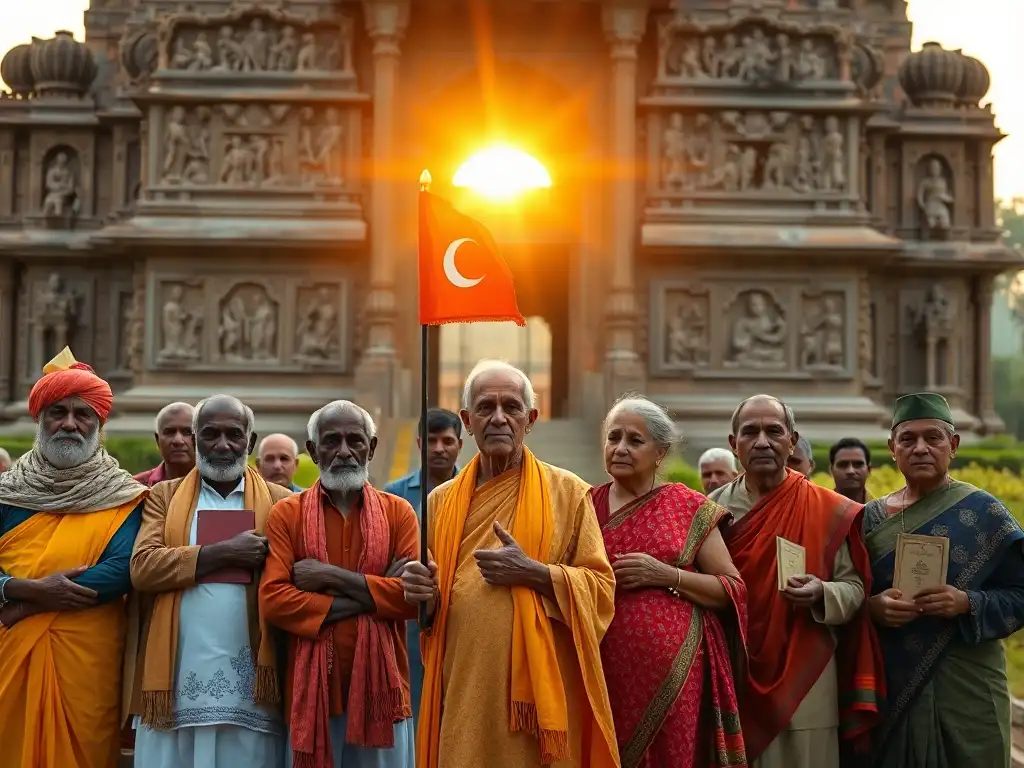
Welcome to Ancient India History, where we embark on a captivating journey through the rich tapestry of ancient Indian civilizations. From the remarkable achievements of the Indus Valley to the profound wisdom of the Gupta Empire, this site is dedicated to uncovering the diverse history and culture that shaped a remarkable era. In our featured article, "The Jain Community's Response to Colonialism: Historical Resilience," we delve into the intriguing dynamics of how the Jain community navigated the challenges of colonial rule.
Discover the resilience, adaptability, and profound impact of this ancient faith as we explore its legacy. Prepare to be inspired—your journey into the depths of history begins now!
The response of the Jain community to colonialism is a significant chapter in the narrative of ancient Indian religions, showcasing their historical resilience and adaptability in the face of profound external challenges. As a religious and cultural group with roots extending deep into India's past, the Jains have faced various upheavals, including the impacts of colonial rule.
This article aims to explore how the Jain community navigated the complexities of colonialism, preserving their beliefs, practices, and identity while also engaging with the socio-political changes that accompanied British intervention in India. By examining historical accounts and community responses, we can gain a deeper understanding of the Jain community's resilience and their contributions to India's broader struggle for independence.
Historical Context of Jainism and Colonialism
The Jain community traces its origins back to ancient India, with a rich tradition centered around the teachings of Mahavira, the 24th Tirthankara. During the colonial era, which began in the 18th century, Jains found themselves in a rapidly changing socio-political landscape. The British colonial policies and practices not only disrupted traditional power structures but also introduced new economic challenges that affected the livelihoods of many communities, including the Jains.
- Economic Impact: British economic policies led to significant changes in trade and agriculture, which directly impacted Jain merchants and landowners. The imposition of taxes and the introduction of new land revenue systems often disadvantaged the Jain community.
- Cultural Shifts: The colonial period also brought about cultural exchanges and challenges, leading Jains to reassess their identity and practices in response to Western ideologies.
Jain Community's Strategies of Resilience
In response to the pressures of colonialism, the Jain community employed various strategies to maintain their cultural identity and religious practices:
- Community Solidarity: The Jains leveraged their strong community networks to support one another during challenging times. This solidarity fostered resilience against the socio-economic pressures brought by colonial rule.
- Educational Initiatives: Many Jains established educational institutions aimed at preserving their religious teachings while also adapting to modern educational practices. This dual approach allowed them to engage with the broader national discourse on education and reform.
- Social Reform Movements: The Jain community actively participated in social reform movements, advocating for issues such as the abolition of untouchability and the promotion of women's rights, showcasing their commitment to social justice even amidst colonial challenges.
Conclusion: The Legacy of Jain Resilience
The response of the Jain community to colonialism exemplifies a profound historical resilience that has shaped their identity and cultural practices to this day. By navigating the challenges posed by colonial rule, the Jains not only preserved their religious heritage but also contributed to the larger narrative of India's fight for independence. Understanding their response offers valuable insights into the interconnections between religion, culture, and socio-political movements during one of the most transformative periods in Indian history.
- Historical Context of Jainism and Colonialism
- Jain Community's Strategies of Resilience
- Conclusion: The Legacy of Jain Resilience
- What was the Jain community's stance during colonialism?
- How did the Jains maintain their cultural identity under colonial rule?
- What were the significant contributions of the Jain community during the colonial period?
- How did the colonial government impact Jain economic practices?
- What role did Jain leaders play in the independence movement?
Introduction to the Jain Community and Colonialism

The Jain community, one of the oldest religious groups in India, has a profound history characterized by its unique beliefs, practices, and social contributions. The arrival of colonial powers in India, particularly during the 19th century, posed significant challenges to their traditions and way of life. This section delves into the intricate relationship between the Jain community and colonialism, highlighting their historical resilience and adaptive strategies.
Overview of the Jain Community in Ancient India
The Jain community has its roots in ancient India, with its origins traced back over 2,500 years. Central to Jainism are the teachings of Mahavira, the 24th Tirthankara, who emphasized non-violence (ahimsa), truth (satya), and asceticism. The community is known for its contributions to various fields, including philosophy, art, and commerce.
- Philosophical Contributions: Jain philosophy offers a unique perspective on the nature of reality, emphasizing the concept of anekantavada, or the principle of non-absolutism. This ideology promotes understanding and tolerance, reflecting the community's intrinsic values.
- Art and Architecture: Jain temples, often adorned with intricate carvings, serve as a testament to the community's artistic prowess. Notable examples include the Dilwara Temples in Rajasthan and the Ranakpur Temple, which showcase exquisite craftsmanship.
- Economic Influence: Historically, the Jain community has been influential in trade and commerce. Their ethical business practices, rooted in religious principles, have led to success in various economic ventures, fostering a prosperous merchant class.
As colonialism began to take shape in India, the Jain community found itself navigating a complex socio-political landscape, requiring resilience and adaptability to preserve their identity and values.
The Impact of Colonialism on Indian Society
Colonialism brought about profound changes to Indian society, affecting various religious and cultural communities, including the Jains. The British colonial administration altered traditional power structures, leading to significant social and economic upheaval.
- Disruption of Traditional Practices: The introduction of Western legal and educational systems challenged the established norms within the Jain community. Traditional practices were often undermined, leading to a crisis of identity among the younger generation.
- Economic Challenges: The colonial economy favored certain industries, leading to a decline in traditional Jain businesses. The community's reliance on trade faced obstacles as colonial policies disrupted local markets and imposed new taxes.
- Cultural Resistance and Adaptation: In response to these challenges, the Jain community exhibited remarkable resilience. They adapted their practices to align with the changing socio-economic landscape while striving to preserve their cultural heritage. Initiatives such as the establishment of educational institutions and the promotion of social reform movements became prominent during this period.
The Jain community’s response to colonialism was characterized by a blend of resistance, adaptation, and resilience. Through their efforts to maintain their identity and values, the Jains contributed significantly to the broader Indian struggle for independence, showcasing their enduring legacy and commitment to their principles.
Historical Context of Colonialism in India

The historical context of colonialism in India is marked by a series of events that led to the establishment of foreign powers, primarily the British Empire, which significantly impacted Indian society, culture, and economy. The arrival of European traders in the late 15th century initiated a period of exploration and exploitation, which gradually transformed into the colonial rule that profoundly affected various communities, including the Jain community.
Key Events Leading to Colonial Rule
The journey towards colonial rule in India was not instantaneous; rather, it unfolded through a series of pivotal events:
- Portuguese Arrival (1498):
- Vasco da Gama's arrival marked the beginning of European exploration in India.
- The Portuguese established coastal trading posts, which opened the door for other European powers.
- Establishment of the British East India Company (1600):
- The East India Company was granted a charter by Queen Elizabeth I, allowing it to trade in the East Indies.
- The Company gradually expanded its influence through diplomacy and military might.
- Battle of Plassey (1757):
- This decisive battle against Siraj-ud-Daulah established British control over Bengal.
- It marked the beginning of direct British rule in India, leading to the expansion of colonial territories.
- Regulating Act of 1773:
- This act aimed to address the mismanagement of the East India Company, introducing a degree of government oversight.
- It laid the groundwork for increased British administrative control over India.
- Sepoy Mutiny (1857):
- Also known as the First War of Independence, this uprising against the British rule was fueled by widespread discontent.
- Although it was suppressed, it led to the dissolution of the East India Company and the establishment of direct British Crown rule.
The impact of colonialism on Indian communities was multifaceted, affecting social structures, economic practices, and cultural expressions. The Jain community, known for its trade and commerce, faced both challenges and adaptations in this new colonial landscape.
Economic Disruption
- Displacement of Traditional Trades:
- The British policies favored their own goods, disrupting the traditional trade networks established by Jains and other communities.
- Many Jain merchants faced financial difficulties, leading to a decline in their economic status.
- Land Revenue Systems:
- The introduction of exploitative land revenue systems, such as the Zamindari system, affected agricultural practices.
- Many Jains, who were landowners, struggled to maintain their holdings under the new tax regimes.
Social Changes
- Cultural Assimilation:
- The colonial period saw an infusion of Western education and ideologies, leading to a gradual cultural assimilation.
- Some members of the Jain community embraced modern educational opportunities, while others resisted these changes to preserve traditional values.
- Religious Reform Movements:
- The colonial context catalyzed reform movements within Jainism to address the challenges posed by colonial rule.
- Leaders emerged within the community advocating for a revival of Jain principles, promoting social reforms, and addressing contemporary issues.
Resilience and Adaptation
- Formation of Educational Institutions:
- The Jain community actively established educational institutions to promote learning and cultural preservation.
- This emphasis on education helped the community adapt to changing socio-economic circumstances.
- Political Engagement:
- The Jains began engaging in political discourse, advocating for their rights and interests within the broader national movement against colonial rule.
- Their involvement in social reforms and political movements contributed to the larger narrative of resistance against colonialism.
The Jain community's response to colonialism is emblematic of their historical resilience, showcasing their ability to navigate and adapt to the challenges posed by foreign rule while striving to preserve their rich cultural heritage.
The Jain Community's Historical Resilience

Principles of Jainism: Non-Violence and Tolerance
The Jain community is fundamentally rooted in the principles of Ahimsa (non-violence) and Aparigraha (non-possessiveness), which have significantly influenced their philosophical outlook and social practices throughout history. These guiding tenets have shaped their responses to external pressures, including colonialism, providing a framework for resilience and adaptation in challenging circumstances.
- Ahimsa (Non-Violence):
- Ahimsa is the cornerstone of Jain philosophy, emphasizing the importance of causing no harm to any living being. This principle not only governs individual behavior but also extends to social and political engagements. During the colonial period, Jains leveraged this principle to advocate for peaceful resistance against oppressive policies.
- The commitment to non-violence allowed the Jain community to engage in constructive dialogue with colonial authorities, often positioning themselves as mediators between the British and other Indian communities.
- Aparigraha (Non-Possessiveness):
- This principle encourages detachment from material possessions and desires, fostering a sense of community and mutual support among Jains. During colonial rule, this led to a robust network of financial and social support systems, enabling Jains to sustain their cultural identity despite external pressures.
- By prioritizing spiritual over material wealth, the Jain community maintained its integrity and cohesion, which proved vital in resisting cultural assimilation.
- Tolerance and Pluralism:
- Jainism promotes an inclusive worldview that respects diverse beliefs and practices. This ethos of tolerance allowed the Jain community to coexist peacefully with other religious groups during the tumultuous colonial era.
- The Jains actively participated in social reform movements, advocating for religious tolerance and harmony, which helped forge alliances with other communities resisting colonial rule.
Through these principles, the Jain community not only preserved its identity but also asserted its voice against colonial encroachments, illustrating a remarkable resilience rooted in their ancient teachings.
Adaptation and Resistance: Jain Responses to Colonial Policies
The response of the Jain community to colonial policies was marked by both adaptation and resistance, reflecting a nuanced understanding of the socio-political landscape during British rule in India.
- Educational Initiatives:
- Jains recognized the importance of education in combating colonial narratives and fostering a sense of identity. They established schools and colleges, emphasizing the study of Jain philosophy alongside modern subjects, which empowered the community to engage with colonial authorities on equal footing.
- Institutions like the Jain Vishva Bharati University were founded to promote Jain values while also contributing to broader educational reforms in the country.
- Political Engagement:
- The Jain community was not passive; they actively participated in the political sphere, leveraging their economic influence to advocate for rights and reforms. Many affluent Jains supported nationalist movements and aligned themselves with leaders who sought to challenge colonial dominance.
- Figures such as Rai Bahadur K. C. Jain played pivotal roles in local governance and were influential in lobbying for policies favorable to Indian interests.
- Cultural Preservation:
- In response to colonial attempts at cultural hegemony, Jains made concerted efforts to document and preserve their rich heritage. This included the translation of ancient Jain texts and the promotion of Jain art and architecture, ensuring that their cultural identity remained intact.
- Celebrations of traditional festivals and rituals were emphasized as acts of resistance, reinforcing community bonds and resisting cultural dilution.
- Social Reform Movements:
- Many Jains were at the forefront of social reform movements, advocating for changes such as the abolition of untouchability and the promotion of women's rights within the framework of Jain teachings. This proactive stance not only addressed social injustices but also aligned with the broader anti-colonial struggle.
- The establishment of organizations like the Jain Social Group facilitated collective action against colonial policies, fostering a spirit of unity and resilience among Jains.
The Jain community's response to colonialism illustrates a blend of steadfast adherence to their core principles and strategic adaptation to changing circumstances. Their historical resilience serves as a testament to their enduring legacy and influence in the broader narrative of India's struggle for independence.
Key Figures in the Jain Community's Response to Colonialism
Prominent Jains Influencing Resistance Movements
The Jain community played a significant role in resisting colonial rule in India, with several prominent figures emerging as key influencers in the struggle for independence. These leaders not only advocated for the rights of their community but also worked tirelessly for the broader national cause.
-
Shri J. C. Jain
A notable figure, Shri J. C. Jain, was instrumental in mobilizing support among the Jains for the freedom struggle. He organized various campaigns that highlighted the injustices faced by Indians under British rule. His efforts were crucial in aligning the Jain community with the national movement.
-
Sardar Vallabhbhai Patel
Although not solely identified with Jainism, Patel's close connections with the Jain community, particularly through his friendships and alliances, helped in rallying support among Jain leaders. His advocacy for civil rights resonated deeply, prompting many Jains to become actively involved in the independence movement.
-
Mahatma Gandhi
Mahatma Gandhi, while not a Jain himself, drew significant inspiration from Jain principles, especially the emphasis on non-violence (ahimsa). Many Jains were inspired by his philosophy and became staunch supporters of his campaigns, contributing to the larger independence struggle.
Contributions of Jain Leaders to Indian Independence
The contributions of Jain leaders to the Indian independence movement were multifaceted, spanning various domains, including social reform, economic development, and political activism.
- Philosophical Influence: Jain philosophy, which emphasizes non-violence and truth, greatly influenced the moral framework of the independence movement. Many Jain leaders advocated for these principles, encouraging peaceful protests and civil disobedience against colonial rule.
- Economic Support: Prominent Jain businessmen provided financial backing to the independence movement. Their wealth was crucial in funding various initiatives, from organizing protests to publishing revolutionary literature. This economic support showcased the community's commitment to the national cause.
- Social Reforms: Jain leaders actively participated in social reform movements, emphasizing education and the upliftment of marginalized communities. Their efforts contributed to a more united front against colonial oppression, fostering a sense of solidarity among diverse Indian communities.
- Political Engagement: Many Jain leaders took on significant political roles, joining the Indian National Congress and other nationalist organizations. Their involvement ensured that the voices of Jains were heard in the broader struggle for independence, advocating for their rights and the rights of all Indians.
The Jain community's response to colonialism was marked by strong leadership and a commitment to the principles of non-violence and social justice. Their contributions were vital in shaping the narrative of resistance during a critical period in Indian history, ultimately aiding in the quest for independence.
The Role of Jain Institutions during Colonial Rule

During the colonial period in India, the Jain community played a pivotal role in maintaining their cultural identity and resisting external pressures through various institutions. These institutions not only served spiritual purposes but also acted as platforms for socio-political engagement and cultural preservation. The resilience of the Jain community during this tumultuous time was reflected in the strategic actions taken by their institutions, particularly temples and educational initiatives.
Jain Temples as Centers of Resistance
Jain temples emerged as critical centers of resistance against colonial rule. Beyond their religious significance, they became hubs for community organization and activism. The temples provided a space for the Jain community to gather, discuss their concerns, and strategize their response to colonial policies.
- Community Mobilization: Temples served as venues for meetings where community leaders would address issues related to colonial oppression and advocate for social justice. This mobilization fostered a sense of unity and purpose among Jains, reinforcing their collective identity.
- Cultural Preservation: The architecture, rituals, and festivals associated with Jain temples played a crucial role in preserving the community's cultural heritage. By maintaining these traditions, the Jain community reinforced their identity in the face of colonial challenges.
- Philanthropic Activities: Many Jain temples engaged in charitable works, helping the less fortunate within the community and beyond. This not only strengthened community bonds but also showcased the ethical values emphasized in Jainism, such as compassion and non-violence.
The temples were not just places of worship; they became active agents of change, embodying the principles of Jainism while resisting colonial imposition.
Educational Initiatives by the Jain Community
Education was another vital area where the Jain community demonstrated resilience against colonialism. The establishment of educational institutions reflected their commitment to empowering future generations and preserving their cultural identity.
- Founding Schools and Colleges: The Jain community established numerous schools and colleges during the colonial period. These institutions aimed to provide quality education grounded in Jain values while also equipping students with the skills necessary to navigate a changing socio-political landscape.
- Curriculum Development: The curriculum in these educational institutions often included a blend of traditional Jain teachings and modern subjects. This approach ensured that students not only learned about their heritage but also about contemporary issues, fostering a well-rounded worldview.
- Promoting Social Reforms: Jain educational initiatives often promoted social reforms, addressing issues such as caste discrimination and women's education. By advocating for these changes, the Jain community sought to uplift society while maintaining their core values.
| Educational Institutions | Year Established | Key Contributions |
|---|---|---|
| Jain College, Bangalore | 1882 | Focused on higher education and social reforms |
| Shree Jain Vidyalaya, Mumbai | 1917 | Promoted women's education and empowerment |
| Jain School, Ahmedabad | 1925 | Integrated traditional Jain teachings with modern education |
The Jain community's response to colonialism was multifaceted, with institutions playing a crucial role in preserving their identity and advocating for change. Through temples as centers of resistance and innovative educational initiatives, the community demonstrated resilience and adaptability in the face of colonial pressures. The legacy of these efforts continues to influence the Jain community's approach to modern challenges, reflecting their enduring commitment to their principles and values.
Cultural Contributions of the Jain Community during Colonialism

The Jain community demonstrated remarkable resilience in the face of colonialism, contributing significantly to the preservation of their cultural heritage. Their response was characterized by a steadfast commitment to their literature, philosophy, and artistic expressions, which played a crucial role in maintaining their identity during a tumultuous period.
Preservation of Jain Literature and Philosophy
The colonial era posed several challenges to the preservation of Jain literature and philosophy, as external influences threatened traditional practices and beliefs. However, the Jain community undertook various initiatives to safeguard their literary treasures.
- Translation and Publication Efforts:
- Jains actively engaged in translating ancient texts into vernacular languages, making them accessible to a broader audience. This effort not only preserved their religious doctrines but also ensured the continuity of their teachings.
- Notable figures, such as Acharya Tulsi, initiated the publication of significant Jain scriptures, which were instrumental in revitalizing interest in Jain philosophy.
- Establishment of Educational Institutions:
- The community founded numerous educational institutions focused on Jain studies. These institutions served as centers for learning, where students could study classical texts, philosophy, and ethics rooted in Jainism.
- The Jain Vishva Bharati University, established in 1991, is a prime example of this commitment to education, promoting advanced studies in Jain philosophy and culture.
- Promotion of Jain Philosophy:
- Jains emphasized the universal principles of non-violence (ahimsa), truth (satya), and asceticism (tapas) during colonialism. These values were not only integral to their identity but also resonated with broader socio-political movements, influencing leaders like Mahatma Gandhi.
Art and Architecture: Jain Expressions of Resilience
Jain art and architecture flourished during the colonial period, reflecting the community's resilience and cultural richness. This artistic expression served as both a form of resistance and a means of preserving their identity.
- Architectural Marvels:
- The construction of magnificent Jain temples continued during colonial rule, showcasing intricate designs and craftsmanship. Temples like the Dilwara Temples in Rajasthan stand testament to the community’s dedication to preserving their architectural heritage.
- These temples not only provided a spiritual refuge but also became symbols of cultural pride and resilience.
- Artistic Expression through Sculpture and Painting:
- Jain artists produced exquisite sculptures and paintings that depicted themes from Jain cosmology, mythology, and teachings. The use of vibrant colors and meticulous detailing in works such as the Jain Miniature Paintings highlighted the community’s artistic prowess.
- These artworks were often commissioned for temples and homes, reinforcing the community's commitment to their faith and culture in the face of colonial challenges.
- Cultural Festivals and Rituals:
- The continuation of traditional festivals, such as Paryushana, played a vital role in uniting the community and reinforcing their cultural identity. These festivals served as occasions for the community to gather, celebrate, and reflect on their rich heritage.
- Rituals and practices were preserved and adapted, ensuring that the essence of Jainism remained intact despite external pressures.
Through these cultural contributions, the Jain community not only responded to colonialism but also laid the groundwork for future generations to embrace their heritage with pride and resilience. Their efforts to preserve literature, philosophy, art, and architecture continue to inspire and educate, highlighting the enduring legacy of Jainism in the broader narrative of Indian history.
The Modern Legacy of the Jain Community's Response to Colonialism
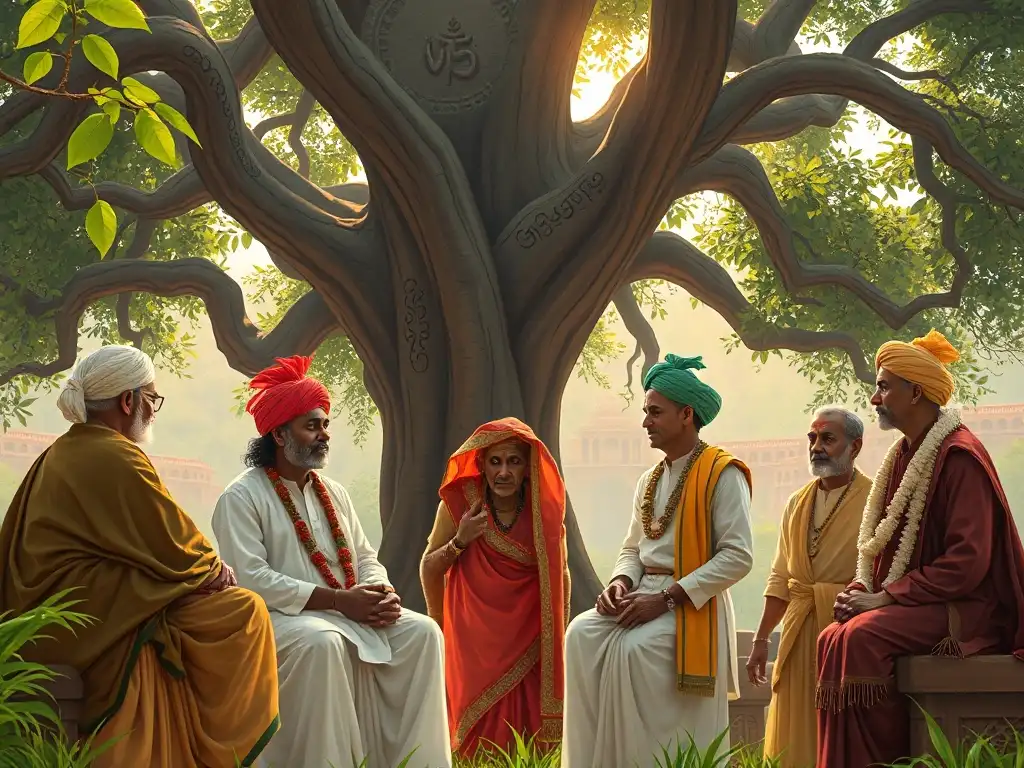
Contemporary Jain Identity and Colonial History
The response of the Jain community to colonialism has significantly shaped its contemporary identity. Historically, the Jains were known for their commitment to non-violence (ahimsa) and truth (satya), principles that not only defined their religious practices but also influenced their socio-political strategies during the colonial period. As colonial powers sought to impose their systems of governance and cultural norms, the Jains navigated this tumultuous landscape by adhering to their core values while adapting to new challenges.
One of the pivotal moments in this historical narrative was the establishment of the Jain Mahasabha in 1914, which served as a platform for unity among Jains and a voice for their rights against colonial injustices. The Mahasabha not only aimed to preserve Jain identity but also sought to engage with the British administration, advocating for educational and social reforms. This dual approach of maintaining traditional values while participating in the modern political discourse illustrates the adaptive resilience of the Jain community.
In contemporary society, the legacy of this colonial response is evident in the strong emphasis on education and entrepreneurship within the Jain community. Many Jains have emerged as influential business leaders and educationalists, contributing to India's economic landscape while upholding their cultural heritage. This modern identity reflects a synthesis of historical struggles and achievements, showcasing how the community has transformed adversity into opportunity.
Lessons from Jain Resilience for Current Societal Challenges
The resilience demonstrated by the Jain community during the colonial era offers valuable lessons for addressing current societal challenges. One of the most pertinent lessons is the importance of non-violent activism in the face of oppression. The Jains' commitment to ahimsa not only guided their actions against colonial rule but also resonates with contemporary movements advocating for social justice and human rights worldwide.
Furthermore, the community's emphasis on education and social reform serves as a blueprint for other groups facing marginalization. By prioritizing knowledge and awareness, the Jains have empowered themselves and others to engage meaningfully in societal discourse. This focus on education can be seen as a powerful tool for combating ignorance and prejudice, fostering a more inclusive society.
Additionally, the Jain community's ability to adapt to changing circumstances without compromising core values is a critical lesson for today’s societal landscape. In an era marked by rapid globalization and cultural shifts, maintaining one's identity while being open to change is essential. The Jains exemplify how a community can preserve its heritage while navigating the complexities of modern life.
The Jain community's response to colonialism is not merely a historical account but a continuing legacy that informs current social dynamics. By learning from their resilience, contemporary society can better address challenges related to identity, justice, and coexistence, ultimately fostering a more harmonious world.
Conclusion: Reflecting on the Jain Community's Colonial Experience
The Jain community's experience during the colonial era is a profound testament to their resilience and adaptability in the face of significant sociopolitical challenges. Throughout the British colonial period, Jains were not merely passive observers but actively engaged in safeguarding their cultural identity and religious beliefs. Their strategic responses encompassed a blend of socio-political activism, economic adjustments, and cultural preservation efforts that were integral to their survival and flourishing.
Summarizing the Jain Community's Colonial Resilience
During colonial rule, the Jain community demonstrated remarkable resilience through various means:
- Economic Adaptation: Jains, known for their mercantile skills, adapted to the changing economic landscape by diversifying their businesses. Many Jains shifted their focus from traditional industries to emerging sectors, such as textiles and banking, which allowed them to maintain economic stability despite colonial pressures.
- Cultural Preservation: The community placed great emphasis on preserving their religious texts, rituals, and practices. Institutions such as the Jain Swetambar Terapanthi Sabha were pivotal in ensuring the continuity of Jain teachings and the promotion of religious education, even as external influences threatened to dilute their traditions.
- Political Engagement: Jains actively participated in the Indian independence movement, aligning with broader nationalist efforts while also advocating for their specific rights. Notable figures like Jainacharya Shantisagar emerged as leaders who mobilized the community politically, thereby enhancing their visibility and influence.
- Social Reforms: The colonial context spurred the Jain community to introspect and initiate reforms aimed at modernizing their practices. This included addressing social issues such as caste discrimination within their ranks, promoting education, and fostering women's rights, which ultimately fortified their communal identity.
The collective resilience of the Jain community during colonialism not only helped them navigate the complexities of the era but also laid the groundwork for their future contributions to Indian society.
The Importance of Understanding Historical Responses to Colonialism
Understanding the Jain community's response to colonialism is critical for several reasons:
- Cultural Identity: Analyzing how Jains preserved their cultural identity amidst colonial pressures provides insights into the broader dynamics of cultural resilience faced by many communities during similar historical contexts. It highlights the importance of cultural heritage and its role in fostering community solidarity.
- Socio-Political Dynamics: The community's political engagement showcases the intricate relationship between religion and politics in colonial India. This understanding can inform contemporary discussions on how religious communities navigate political landscapes today.
- Lessons for Modern Society: The adaptive strategies employed by the Jain community serve as valuable lessons for modern societies facing globalization and cultural homogenization. Their ability to balance tradition with modernity offers a template for other communities striving to maintain their identity in changing environments.
- Historical Recognition: Documenting the contributions and responses of the Jain community during colonialism enriches the historical narrative of India. It emphasizes the diversity of experiences in the colonial era, advocating for a more inclusive understanding of Indian history beyond mainstream narratives.
The Jain community's response to colonialism exemplifies a unique interplay of resilience, adaptation, and cultural preservation. Their historical experience offers essential insights not only into their specific journey but also into the broader framework of colonial responses among diverse Indian communities. Understanding these dynamics is crucial for appreciating the complexities of India's historical tapestry.
Frequently Asked Questions
What was the Jain community's stance during colonialism?
The Jain community responded to colonialism with a mix of resilience and adaptation, preserving their cultural identity while engaging with the colonial system.
How did the Jains maintain their cultural identity under colonial rule?
Despite colonial pressures, the Jains emphasized their religious practices and community structures, ensuring the continuation of their traditions and values.
What were the significant contributions of the Jain community during the colonial period?
The Jain community played a crucial role in social reform, education, and economic development, establishing institutions that supported their community and broader society.
How did the colonial government impact Jain economic practices?
Colonialism introduced new economic challenges that led the Jain community to adapt their business practices, focusing on trade and investment opportunities that aligned with the colonial economy.
What role did Jain leaders play in the independence movement?
Many Jain leaders actively participated in the independence movement, using their influence and resources to advocate for social justice and national unity against colonial rule.
Final Reflection: Resilience of the Jain Community in the Face of Colonialism
The historical resilience of the Jain community in response to colonialism is not merely a tale of survival but a profound testament to the strength of cultural identity and the power of adaptation. As we navigate the complexities of our modern world, the lessons drawn from the Jain experience remind us that communities can thrive even in the face of overwhelming challenges. This resilience is a striking reminder that cultural heritage can serve as a beacon of hope and strength during tumultuous times.
The influence of the Jain community's response to colonialism continues to resonate within our cultural and social landscapes today. Their ability to maintain core values while adapting to external pressures speaks volumes about the importance of cultural preservation. As we witness various communities grappling with globalization and cultural erosion, we can look to the Jains as a model of how to embrace change without losing one's essence. In the midst of chaos, there is also opportunity.
This quote encapsulates the spirit of the Jain community, showcasing how adversity can foster innovation and resilience.
As we reflect on the lessons of the Jain community's historical journey, I invite you to consider your own responses to challenges in your life. How can you draw from the resilience demonstrated by the Jains to navigate your own obstacles? Embrace the opportunity to reflect on your values and adapt them in ways that honor your heritage while embracing the future. Let the story of the Jain community inspire you to cultivate resilience in your own life, ensuring that you too can thrive amidst adversity.
Embrace the Legacy: Take Action for Understanding Resilience
Thank you for dedicating your time to explore the rich history of the Jain community's resilience during colonial times. You've gained valuable insights into how this vibrant culture navigated challenges while preserving its core values. Now, let’s turn that understanding into action!
- Delve deeper: Explore more articles on our site that discuss similar historical themes and uncover the profound impact of the Jain community on India’s culture.
- Share your thoughts: Join the conversation—share this article with friends or family who are interested in history or the arts of resilience, and spark thoughtful discussions!
- Engage with history: Participate in local cultural events that celebrate Jain traditions or organize a book club focused on literature that highlights themes of resilience.
What aspect of the Jain community's journey resonates most with you, and how can their spirit of resilience inspire you to face your own challenges today?