
The Ingenious Engineering Marvels of the Indus Valley Civilization

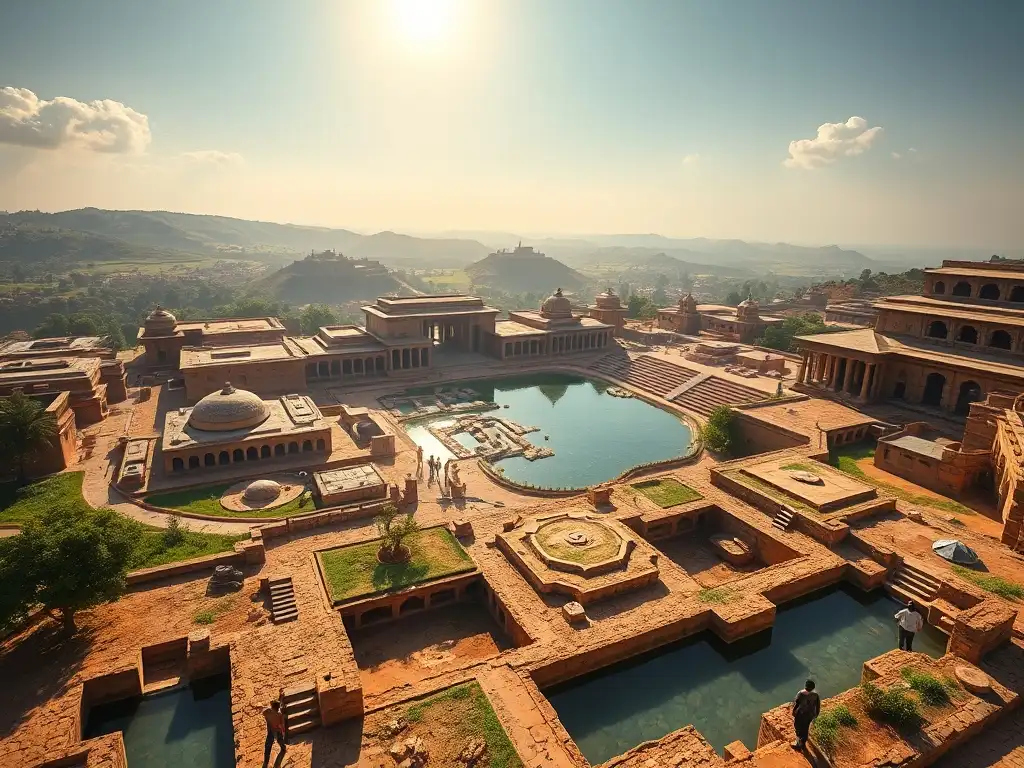
Welcome to Ancient India History, where we embark on a fascinating journey through the rich tapestry of ancient Indian civilizations. Today, we delve into the ingenious engineering innovations of the Indus Valley Civilization, a remarkable testament to human creativity and ingenuity. From sophisticated urban planning to cutting-edge drainage systems, these ancient marvels not only shaped their time but continue to inspire modern engineering. Are you ready to uncover the secrets behind one of history's greatest civilizations? Join us as we explore these technological wonders and their lasting impact!
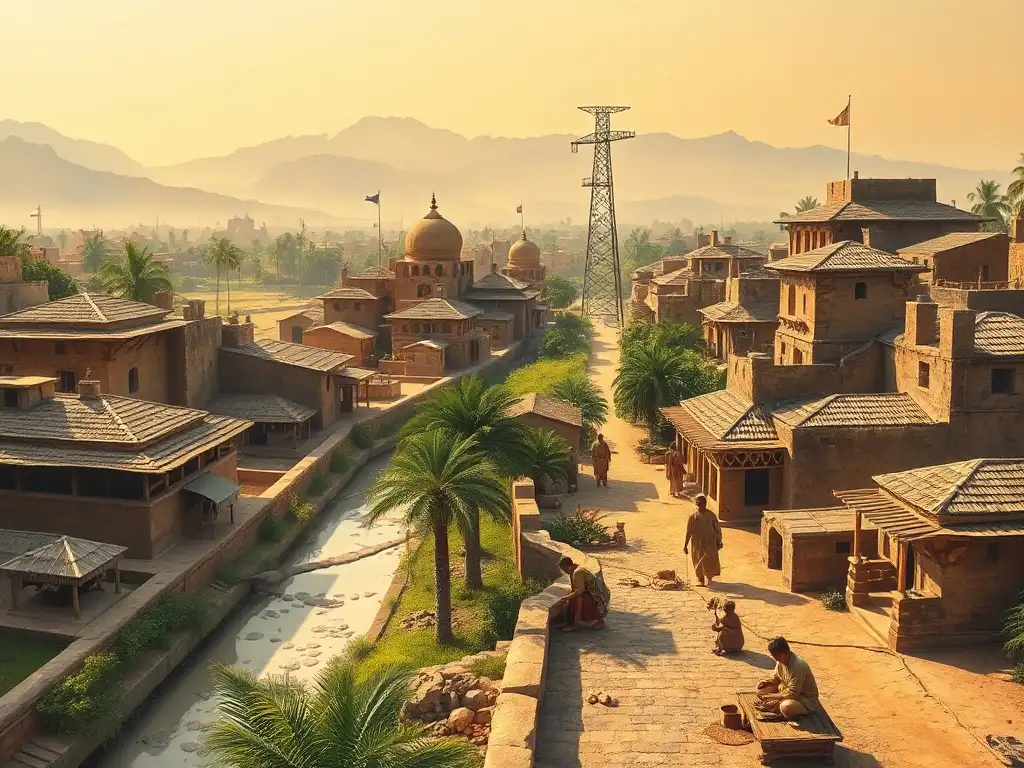
Introduction to Indus Valley Engineering Innovations
The Indus Valley Civilization, one of the world's earliest urban cultures, flourished around 2500 BCE in what is today Pakistan and northwest India. This remarkable civilization is renowned for its sophisticated engineering innovations that laid the groundwork for urban planning and infrastructure development. The Indus Valley engineering innovations demonstrate a profound understanding of construction techniques, urban management, and environmental adaptation, showcasing the civilization's ingenuity and foresight. As we delve into this topic, we will explore how these advancements not only enhanced the quality of life for its inhabitants but also influenced subsequent cultures and civilizations.
Overview of the Indus Valley Civilization
The Indus Valley Civilization, also known as the Harappan Civilization, spanned across a vast area covering approximately 1.25 million square kilometers. It included prominent urban centers such as Harappa, Mohenjo-Daro, and Dholavira. The civilization is characterized by:
- Highly Organized Urban Centers: Cities were meticulously planned with grid patterns, ensuring efficient movement and land use.
- Standardized Weights and Measures: This facilitated trade and commerce, promoting economic stability.
- Artistic and Cultural Flourishing: Craftsmanship in pottery, seal-making, and metallurgy reflected a rich cultural life.
The civilization's decline around 1900 BCE remains a topic of scholarly debate, but its engineering prowess continues to captivate historians and archaeologists alike.
Significance of Engineering Innovations in Ancient India
The engineering innovations of the Indus Valley Civilization are significant for several reasons:
- Foundation for Future Civilizations: Many techniques and principles of urban planning and construction established by the Indus Valley influenced later Indian cultures and cities.
- Sustainability and Resilience: The emphasis on environmental management and resource allocation showcased an advanced understanding of sustainability that is relevant even today.
- Cultural Identity: Engineering achievements contributed to a distinct cultural identity, reflecting the civilization's values, priorities, and technological capabilities.
These innovations illustrate the advanced level of knowledge possessed by the people of the Indus Valley, making it a critical area of study for understanding ancient engineering and architecture.
Urban Planning and Infrastructure of the Indus Valley
Urban planning in the Indus Valley was characterized by a comprehensive approach that encompassed various facets of city life.
Advanced City Layout and Design
The cities of the Indus Valley were designed with remarkable foresight. Key features include:
- Grid Layout: Streets were laid out in a grid pattern, which allowed for organized traffic flow and efficient land use.
- Zoning: Different areas were designated for residential, commercial, and public spaces, promoting a well-structured community.
- Public Buildings: Structures such as granaries, baths, and assembly halls indicated a focus on community and governance.
This meticulous planning not only facilitated daily life but also enhanced communal activities and social organization.
Drainage Systems: The Ingenious Sanitation Solutions
One of the most impressive engineering feats of the Indus Valley was its sophisticated drainage system. This system consisted of:
- Covered Drains: Most houses were connected to a network of drainage channels, allowing for the efficient disposal of wastewater.
- Sewage Treatment: The use of brick-lined drains and inspection holes reflected an advanced understanding of sanitation and public health.
- Access Points: Regular access to drainage systems ensured maintenance and cleanliness, contributing to the overall hygiene of the urban environment.
These features highlight the civilization's commitment to public health and urban hygiene, setting a standard that many civilizations would strive to emulate in later years.
Water Supply and Management Techniques
The Indus Valley Civilization also excelled in water management, employing various techniques to ensure a reliable water supply:
- Well Systems: Deep wells were constructed within cities, providing easy access to groundwater.
- Reservoirs: Large storage tanks and reservoirs collected rainwater, ensuring a steady supply even during dry seasons.
- Irrigation Techniques: Advanced irrigation methods supported agriculture, enabling the civilization to thrive in diverse climates.
The innovative water management practices of the Indus Valley not only sustained its inhabitants but also contributed to agricultural productivity, further establishing the region as a cradle of early civilization.
Construction Techniques of the Indus Valley
The Indus Valley Civilization (IVC), which flourished between 2600 BCE and 1900 BCE, is renowned for its advanced construction techniques that highlight the ingenuity of its architects and engineers. The cities of Harappa and Mohenjo-Daro exemplify sophisticated urban planning, characterized by a grid layout and the meticulous alignment of streets. This level of organization is indicative of a highly developed understanding of urban design, where residential and public spaces were thoughtfully integrated.
One key aspect of their construction techniques was the use of drainage systems. The IVC boasted a remarkable network of drains, often made from fired bricks, which were laid out along the streets and connected to individual homes. This ensured effective waste management and sanitation, significantly improving public health. The drainage systems were often covered with stone slabs, which allowed for easy maintenance.
Another notable construction technique was the use of raised platforms for buildings. These platforms not only protected structures from seasonal flooding but also provided a stable foundation. Additionally, the use of courtyards in residential buildings facilitated ventilation and natural light, contributing to the overall comfort of the living spaces.
Materials Used in Indus Valley Architecture
The Indus Valley Civilization made significant strides in material usage, primarily utilizing locally available resources. The primary building material was baked brick, which was preferred for its durability and strength. This innovation was crucial, as the region experienced varying climatic conditions, including monsoons that could cause flooding.
Aside from bricks, the IVC also employed stone for more critical structures, such as public baths and granaries, showcasing their ability to work with diverse materials. Additionally, mud and timber were used in the construction of residential buildings, highlighting a blend of traditional and innovative techniques. The use of plaster made from gypsum and lime was another notable aspect, providing a smooth finish to walls and enhancing their aesthetic appeal.
Brick Making and Standardization of Sizes
One of the most remarkable achievements of the Indus Valley Civilization was the standardization of brick sizes. The IVC bricks typically measured 3:1:1 dimensions, which facilitated uniformity in construction. This standardization allowed for greater efficiency in building practices and ensured that structures were compatible with one another, fostering a cohesive architectural style across cities.
The brick-making process itself was labor-intensive, involving the mixing of clay with water and shaping it into molds. The bricks were then sun-dried or fired in kilns at high temperatures to enhance their strength. This innovation not only improved the quality of construction but also contributed to the long-lasting nature of many IVC structures, some of which still stand today.
Techniques for Building Durable Structures
The Indus Valley engineers employed various techniques that contributed to the durability of their structures. One such technique was the use of load-bearing walls, which distributed weight effectively and minimized the risk of collapse. The walls were often thick, providing additional stability and insulation.
Moreover, the incorporation of arches and corbelled roofs in certain structures allowed for larger open spaces without the need for extensive support. This architectural approach not only increased the functionality of buildings but also demonstrated a sophisticated understanding of structural mechanics.
The strategic use of drainage systems further enhanced durability, as it mitigated the effects of moisture on buildings. By keeping foundations dry and directing water away from structures, the IVC engineers ensured that their buildings could withstand the test of time.
Engineering Innovations in Transportation
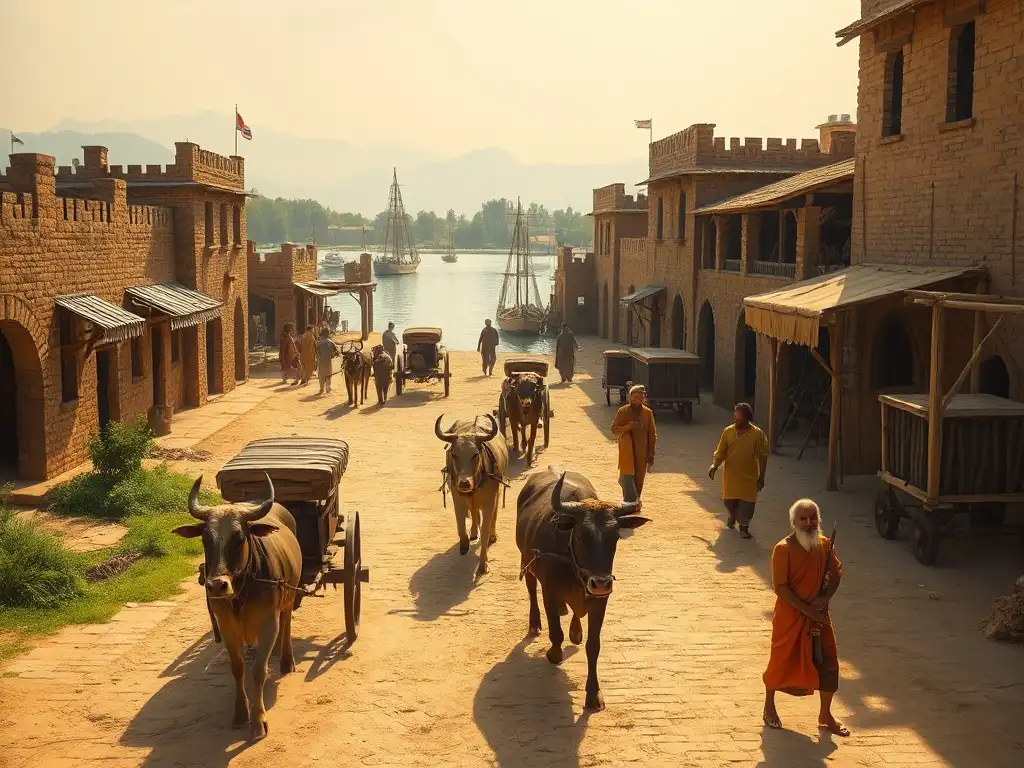
The transportation infrastructure of the Indus Valley Civilization reflects their remarkable engineering capabilities. The careful planning of roads and pathways facilitated not only mobility but also trade, contributing to the civilization's economic prosperity.
Roads and Pathways: Engineering for Mobility
The Indus Valley cities featured a grid pattern of streets that were remarkably straight and wide, often exceeding 9 meters in width. This design not only improved traffic flow but also allowed for the easy movement of goods and people. The use of cobblestones and compacted earth as road surfaces provided durability and ensured that the pathways remained passable in various weather conditions.
In addition to the roads, the presence of sidewalks along major thoroughfares highlights a commitment to pedestrian safety, a testament to the advanced urban planning of the time. The strategic placement of crossroads further enhanced connectivity and accessibility, demonstrating an intricate understanding of transportation needs.
River and Canal Systems: Enhancing Trade and Agriculture
The Indus Valley Civilization's engineering innovations extended to its sophisticated river and canal systems. The civilization thrived along the banks of the Indus River, and extensive canal networks were constructed to facilitate irrigation and trade. These canals not only provided water for agriculture, supporting the growth of crops but also served as vital trade routes, linking various settlements.
The ability to control water flow through these canal systems was a significant engineering achievement. The canals were designed with careful consideration of gradient and slope, ensuring efficient drainage and irrigation. This capability allowed the IVC to sustain its agricultural base and enhance trade, making it one of the most prosperous civilizations of its time.
Indus Valley Innovations in Agriculture
The Indus Valley Civilization, one of the earliest urban cultures, made significant strides in agriculture, which played a crucial role in sustaining its population and economic stability. The fertile plains of the Indus River provided an ideal environment for farming, yet it was the innovative engineering practices that truly distinguished this civilization. With a deep understanding of their environment, the people of the Indus Valley developed sophisticated agricultural techniques that enhanced productivity.
Their agricultural innovations included the cultivation of various crops, such as wheat, barley, peas, and cotton. The evidence of crop storage in granaries indicates a well-organized approach to farming and food management. This foresight not only ensured food security but also allowed for trade with neighboring regions, contributing to the civilization's wealth and influence.
Irrigation Systems: Engineering for Crop Yield
The Indus Valley Civilization is renowned for its advanced irrigation systems, which were pivotal in maximizing agricultural output. They constructed extensive canal networks, which facilitated the distribution of water from the Indus River to distant fields. These canals were designed with remarkable precision, including features like sluices and embankments that regulated water flow and minimized flooding.
Archaeological evidence suggests that the inhabitants used a combination of surface and subsurface irrigation methods. The sophisticated engineering of these systems allowed them to cultivate land even in areas that were otherwise arid, thereby greatly expanding their agricultural reach. The ability to manage water resources effectively was a key factor in their agricultural prosperity, allowing for multiple cropping seasons and a surplus of produce.
Tools and Techniques for Sustainable Farming
The agricultural practices of the Indus Valley were complemented by a range of innovative tools and techniques aimed at sustainable farming. Archaeologists have unearthed various implements, such as plows made from wood and metal, which were instrumental in tilling the soil efficiently. These tools reflect an understanding of both material properties and agricultural needs.
Additionally, crop rotation and intercropping techniques were likely practiced to maintain soil fertility and prevent pest infestations. Evidence of seed storage facilities indicates that the civilization engaged in careful planning and experimentation with different crop varieties. The combination of these tools and techniques facilitated a robust agricultural system that sustained the Indus Valley Civilization for centuries.
Artifacts Reflecting Engineering Expertise
The archaeological discoveries from the Indus Valley Civilization reveal a wealth of artifacts that showcase their engineering expertise. From intricate pottery to advanced construction materials, these artifacts provide insights into the technological advancements that defined this civilization. They not only highlight the aesthetic sensibilities of the people but also their practical approach to problem-solving.
Tools and Machinery: Insights into Daily Life
Artifacts such as grinding stones, looms, and specialized tools signify the engineering acumen in everyday life. These tools were essential for various tasks, including food preparation, textile production, and construction. The presence of sophisticated machinery, like potter's wheels, indicates a level of craftsmanship that was both innovative and functional.
Moreover, the design and manufacturing techniques used in creating these tools suggest a high degree of specialization among artisans. This division of labor not only enhanced productivity but also fostered a culture of innovation, as craftsmen built upon existing technologies to create more efficient tools for daily tasks.
Weights and Measures: Standardization for Trade
Another remarkable aspect of Indus Valley engineering is the development of weights and measures, which facilitated trade and commerce. Standardized weights, made from stone and metal, were used to ensure fair trading practices and accuracy in transactions. The uniformity in these measures indicates a highly organized economic system.
The use of a decimal system for weighing goods demonstrates advanced mathematical understanding. This standardization was crucial not only for local trade but also for interactions with neighboring cultures. By establishing a reliable system of weights and measures, the Indus Valley Civilization laid the groundwork for a thriving economy that relied on trust and efficiency in trade practices.
Comparison of Indus Valley Engineering with Contemporary Civilizations
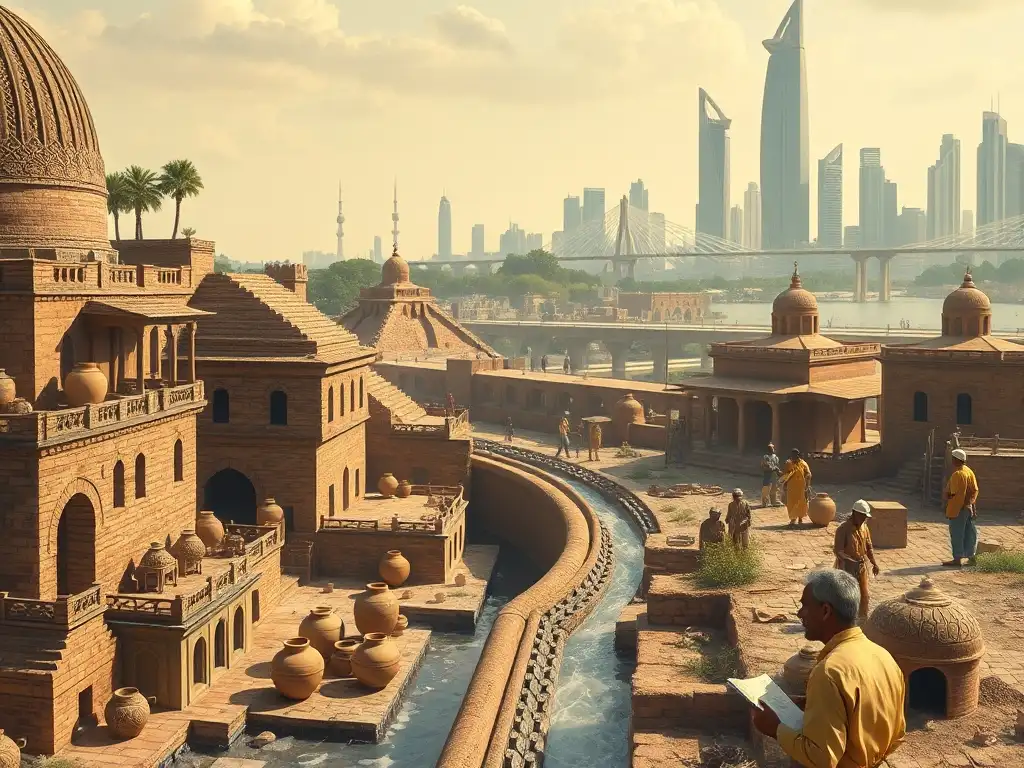
The engineering innovations of the Indus Valley Civilization (IVC) represent a remarkable achievement in the context of ancient civilizations. When we compare the engineering techniques and methodologies employed by the IVC with those of their contemporary counterparts, it becomes evident that the Indus Valley people exhibited a unique ingenuity that set them apart. This section delves into the engineering techniques of the Indus Valley in relation to two major civilizations of the time: Mesopotamia and Ancient Egypt.
Engineering Techniques of the Indus Valley vs. Mesopotamia
The engineering techniques of the Indus Valley Civilization were notable for their advanced urban planning and hydraulic engineering. The cities of Harappa and Mohenjo-Daro featured a grid layout, which was meticulously planned, showing a level of urban sophistication that was unmatched by many contemporary civilizations, including Mesopotamia.
- Urban Planning: The IVC utilized a grid system for city layouts, with standardized brick sizes, which facilitated organized construction. In contrast, Mesopotamian cities were often more chaotic in structure, influenced by the natural landscape and less stringent planning.
- Drainage Systems: One of the most impressive aspects of Indus Valley engineering was its sophisticated drainage systems. Streets were lined with covered drains that transported waste away from residential areas, a contrast to the more rudimentary and less effective drainage methods used in Mesopotamia, where waste management was not as advanced.
- Water Management: The Indus Valley Civilization excelled in water management, evidenced by the extensive use of wells and public bathing areas, such as the Great Bath in Mohenjo-Daro. Mesopotamian civilizations relied heavily on river systems for irrigation but faced challenges such as flooding, which were less effectively managed than the Indus Valley's engineering solutions.
Innovations in Indus Valley Engineering Compared to Ancient Egypt
While the Indus Valley Civilization shared certain similarities with Ancient Egypt, particularly in terms of large-scale construction, its engineering innovations were distinct and noteworthy.
- Materials and Construction Techniques: The IVC utilized standardized baked bricks that were uniform in size, contributing to the structural integrity of their buildings. In contrast, Ancient Egyptian architecture predominantly relied on large stone blocks, which were often more difficult to transport and work with, leading to different structural challenges.
- Urban Infrastructure: The Indus Valley's emphasis on urban infrastructure—complete with public baths, granaries, and well-planned residential areas—was more advanced than the urban centers of Ancient Egypt, which often centered around monumental structures, with less attention to public amenities and sanitation.
- Hydraulic Engineering: While the Egyptians developed impressive irrigation systems along the Nile, the Indus Valley's expertise in hydraulic engineering, including their intricate water reservoirs and drainage systems, showcased a level of sophistication that was innovative for the time.
Legacy of Indus Valley Engineering Innovations
The engineering innovations of the Indus Valley Civilization laid a foundation that would influence subsequent cultures and civilizations in the Indian subcontinent and beyond. Their legacy is evident in various aspects of urban planning, construction techniques, and water management practices.
Influence on Later Indian Civilizations
The meticulous urban planning and engineering practices of the Indus Valley Civilization significantly influenced later Indian civilizations, including the Maurya and Gupta empires.
- Urban Planning: The grid pattern and organization witnessed in Indus Valley cities can be observed in later urban centers, where similar principles of city planning were adopted.
- Water Management Practices: The advanced water management systems developed by the IVC were later emulated by subsequent civilizations, which recognized the importance of sanitation and efficient water supply in urban environments.
- Cultural Continuity: Elements of the Indus Valley's architectural styles and construction techniques persisted in later Indian architecture, contributing to the development of regional building practices that can still be seen today.
Recognition in Modern Engineering Practices
The engineering marvels of the Indus Valley Civilization have garnered recognition in modern engineering practices, highlighting the civilization's advanced understanding of construction and urban planning.
- Sustainable Urban Design: Modern urban planners and engineers often draw inspiration from the sustainable practices of the Indus Valley, particularly in water management and waste disposal systems.
- Engineering Research: Recent archaeological studies and engineering research have shed light on the advanced techniques employed by the IVC, prompting a reevaluation of ancient engineering capabilities and their relevance to contemporary challenges.
- Cultural Heritage: The recognition of the Indus Valley's engineering innovations contributes to a broader understanding of how ancient civilizations have shaped modern infrastructure and urban planning methodologies, underscoring the importance of preserving this cultural heritage for future generations.
Conclusion: The Lasting Impact of Indus Valley Engineering
The engineering innovations of the Indus Valley Civilization not only exemplified remarkable ingenuity but also set foundational principles that influenced subsequent cultures and civilizations. The sophisticated urban planning, advanced drainage systems, and standardized weights and measures were revolutionary for their time and contributed significantly to the efficiency of daily life and trade. Their impact can be observed in the engineering practices that followed, showcasing how the principles of functionality and sustainability became integral to later Indian architecture and infrastructure.
The legacy of the Indus Valley engineers is evident in how ancient Indian societies approached construction and urban design. The meticulous planning of cities like Harappa and Mohenjo-Daro reflected an understanding of community needs and environmental factors, which continue to resonate in modern urban planning. The emphasis on public health, through their drainage and sanitation systems, highlights a progressive approach to community well-being that is still relevant today.
Summary of Key Innovations and Their Importance
The Indus Valley Civilization was characterized by several key innovations that demonstrate their advanced understanding of engineering:
- Urban Planning: The cities were laid out in a grid pattern, with streets aligned at right angles. This organization facilitated efficient movement and trade.
- Drainage Systems: Homes were equipped with private bathrooms connected to a sophisticated drainage system, showcasing an early commitment to hygiene and sanitation.
- Water Management: The civilization constructed extensive reservoirs and wells, indicating a high level of expertise in water conservation and management, critical for agriculture and daily life.
- Standardized Weights and Measures: This innovation allowed for fair trade and commerce, which was vital for the economic stability of the civilization.
These innovations were not mere conveniences but reflected a comprehensive understanding of engineering principles, social organization, and environmental adaptation. The importance of these developments lies in their role in shaping urban life and setting standards that would influence future generations.
Reflection on the Evolution of Engineering in Ancient India
The engineering feats of the Indus Valley Civilization mark a significant point in the evolution of engineering in ancient India. Following the decline of the Indus Valley, the engineering practices continued to evolve, drawing inspiration from the foundational concepts established by these early innovators.
In subsequent periods, such as during the Vedic age and the Mauryan Empire, we see the integration of new materials and techniques, including the use of iron and elaborate stone structures. The architectural marvels of this period, such as the rock-cut caves of Ajanta and Ellora, reflect a continuation of the engineering spirit that began in the Indus Valley.
Moreover, as we trace the timeline of Indian engineering, it's evident that the principles of sustainability, community planning, and resource management initiated by the Indus engineers persisted throughout history, culminating in the diverse architectural styles and engineering solutions that define India's cultural heritage today. The innovations of the Indus Valley serve as a reminder of the importance of thoughtful engineering that not only meets immediate needs but also fosters long-term sustainability and growth.
- Introduction to Indus Valley Engineering Innovations
- Urban Planning and Infrastructure of the Indus Valley
- Construction Techniques of the Indus Valley
- Techniques for Building Durable Structures
- Engineering Innovations in Transportation
- Indus Valley Innovations in Agriculture
- Artifacts Reflecting Engineering Expertise
- Comparison of Indus Valley Engineering with Contemporary Civilizations
- Legacy of Indus Valley Engineering Innovations
- Conclusion: The Lasting Impact of Indus Valley Engineering
- What are some key engineering innovations of the Indus Valley Civilization?
- How did the Indus Valley influence modern engineering?
- What materials were commonly used in Indus Valley engineering?
- Were there any notable structures from the Indus Valley Civilization?
- How does the Indus Valley Civilization compare to other ancient civilizations in terms of engineering?
Frequently Asked Questions
What are some key engineering innovations of the Indus Valley Civilization?
The Indus Valley Civilization is renowned for its advanced urban planning, including sophisticated drainage systems, grid-patterned streets, and the construction of public baths.
How did the Indus Valley influence modern engineering?
The innovations of the Indus Valley set early standards for urban infrastructure, influencing modern engineering practices in city planning and water management systems.
What materials were commonly used in Indus Valley engineering?
The Indus Valley engineers primarily utilized baked bricks, stone, and wood to construct their impressive structures, showcasing their expertise in material selection.
Were there any notable structures from the Indus Valley Civilization?
Yes, notable structures include the Great Bath of Mohenjo-Daro, which exemplifies their engineering prowess, as well as fortified citadels that highlight their defensive architecture.
How does the Indus Valley Civilization compare to other ancient civilizations in terms of engineering?
The Indus Valley Civilization is often regarded as one of the most advanced of its time, particularly in urban planning and civil engineering, surpassing many contemporary civilizations in technological achievements.
Final Reflection: The Enduring Legacy of Indus Valley Engineering Innovations
The engineering innovations of the Indus Valley Civilization continue to resonate in today's world, showcasing the brilliance of ancient architects and planners. As we navigate modern challenges in urbanization and sustainability, the ingenuity displayed in the sophisticated urban planning, drainage systems, and water management of the Indus Valley serves as a powerful reminder of how advanced these early societies were. Their ability to harmonize with their environment and create lasting infrastructure is a striking testament to human creativity and resilience.
Cultural and social landscapes are profoundly shaped by the legacies of our ancestors, and the Indus Valley Civilization is no exception. The innovations they pioneered not only laid the groundwork for future civilizations but also inspire contemporary engineers and architects to rethink urban design and infrastructure. As we grapple with the complexities of modern living, we can draw from the wisdom of the past. > “The greatest achievements of the human spirit are the ones that are born from the depths of our history.”
As you reflect on the remarkable engineering feats of the Indus Valley, consider how these lessons can be applied to our current challenges. Let the ingenuity of the past inspire you to think creatively and sustainably in your own life. Whether it's in your community, workplace, or personal projects, strive to innovate and build with purpose, ensuring that the legacy of the Indus Valley continues to inspire future generations. Embrace the spirit of ingenuity and let it guide you toward creating a better, more sustainable world.
Unveil the Wonders of the Indus Valley!
Thank you for exploring the fascinating engineering marvels of the Indus Valley Civilization with us! We hope you’ve gained a deeper appreciation for these ancient innovations and their significance in history. Now, it's time to take your curiosity further—here are some engaging steps you can take right now:
- Dive deeper! Research and discover a specific engineering marvel that captivates you, and share your findings with friends or family.
- Engage with fellow enthusiasts! Join online forums or social media groups dedicated to ancient civilizations and start a discussion about the remarkable achievements of the Indus Valley.
- Explore the sites firsthand! If possible, plan a visit to archaeological sites related to the Indus Valley and document your experience to inspire others on your journey.
What aspect of Indus Valley engineering impressed you the most, and how can you apply its ingenious concepts to address modern challenges?