
The Advanced Techniques Behind Ancient Indian Fortifications

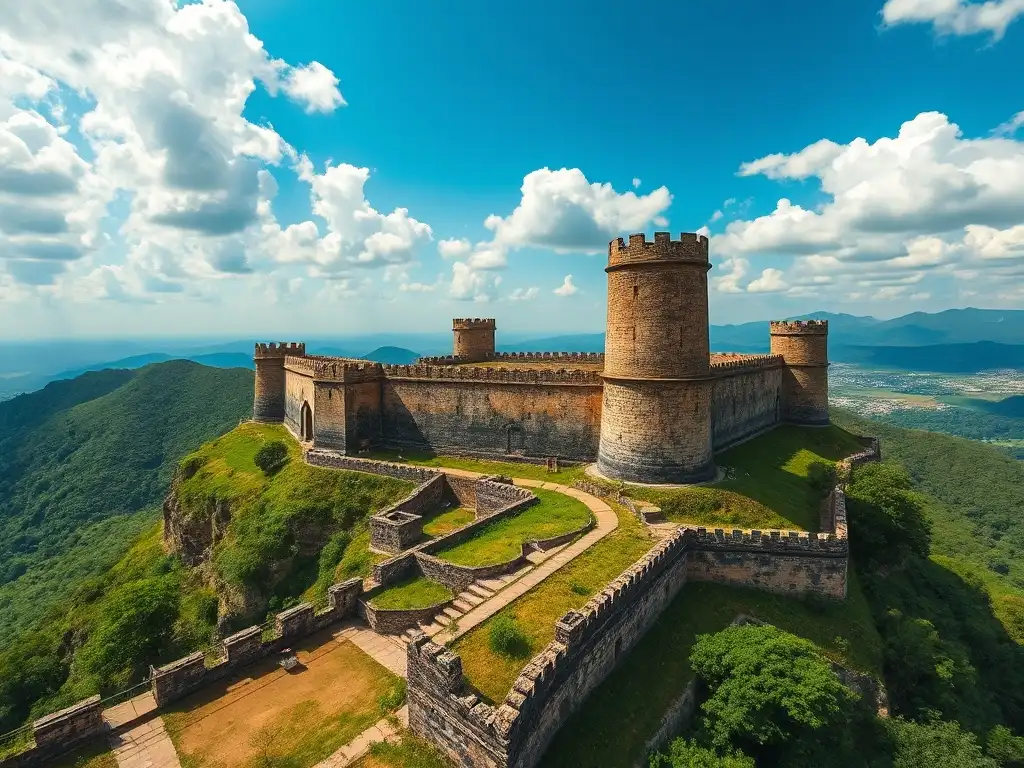
Welcome to Ancient India History, where we embark on an enlightening journey through the rich tapestry of ancient Indian civilizations. In our latest article, "The Advanced Techniques Behind Ancient Indian Fortifications," we delve into the intriguing world of ancient Indian fortification techniques. Discover how these remarkable innovations not only protected empires but also reflect the ingenuity and resilience of a culture that thrived for millennia. Prepare to uncover the secrets of these ancient marvels and see how they shaped the landscape of India's historical narrative. Your exploration begins now!
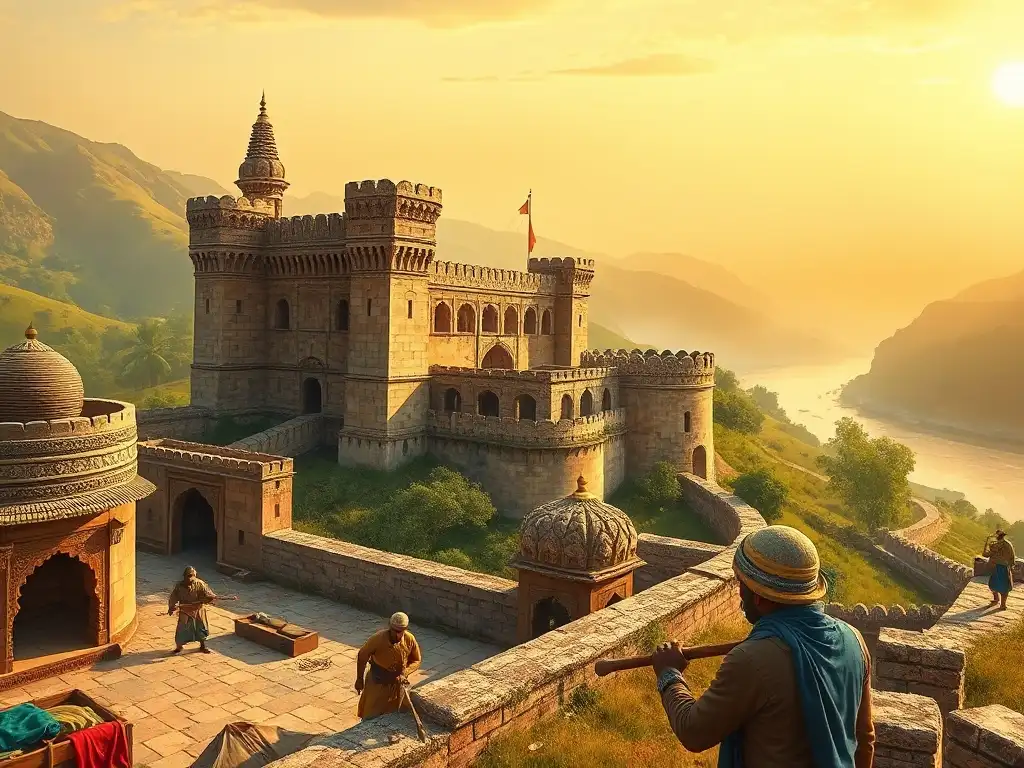
Introduction to Ancient Indian Fortification Techniques
The vast expanse of ancient India was home to numerous civilizations, each contributing to the rich tapestry of its history. Among these contributions, the engineering prowess displayed in the construction of fortifications stands out as a significant achievement. Ancient Indian fortification techniques were not merely about erecting walls; they embodied complex strategies that reflected the socio-political dynamics, geographical considerations, and military needs of the time. This article delves into the advanced techniques behind these fortifications, exploring their designs, the materials used, and their critical role in warfare and defense.
Overview of Ancient Indian Fortifications
Ancient Indian fortifications were marvels of engineering that showcased a blend of artistry and functionality. Distinctive features of these fortifications included:
- Materials Used: Stone, mud, and brick were commonly employed, with local resources determining the choice of construction materials.
- Designs and Structures: Forts often featured thick walls, bastions, gates, and watchtowers, designed to withstand assaults while allowing for effective defense strategies.
- Geographical Integration: Many fortifications were strategically located on hills or near rivers, integrating natural landscapes into their defensive architecture.
These elements collectively contributed to the resilience and effectiveness of ancient Indian fortifications, making them formidable structures in their time.
Importance of Fortifications in Ancient Indian Warfare
Fortifications played a pivotal role in ancient Indian warfare, serving multiple purposes:
- Defense Against Invaders: They provided a stronghold against external threats, allowing kingdoms to protect their territories and maintain sovereignty.
- Symbol of Power: Forts often represented the might of a ruler or a dynasty, serving as a deterrent to potential aggressors.
- Cultural and Administrative Centers: Many fortifications housed important administrative and cultural activities, acting as hubs for governance and societal functions.
The strategic importance of these fortifications cannot be overstated, as they were crucial in shaping the political landscape of ancient India.
Historical Context of Fortification Techniques in Ancient India
Evolution of Fortification Strategies in Indian Civilizations
The evolution of fortification techniques in ancient India can be traced through various phases, marked by technological advancements and changes in warfare tactics:
- Indus Valley Civilization: Early examples of fortifications can be found in cities like Harappa and Mohenjo-Daro, characterized by grid layouts and fortified walls.
- Maurya Empire: The Mauryan period saw the introduction of more elaborate fortifications, including the use of stone and complex architectural designs.
- Gupta Empire: During this era, fortifications evolved further, integrating advanced military strategies and architectural innovations.
Each civilization contributed to the refinement of fortification techniques, adapting to the challenges posed by their enemies and the environment.
Key Periods Influencing Fortification Development
Several key periods significantly influenced the development of ancient Indian fortification techniques:
- Vedic Period: Early mentions of fortifications in texts indicate their initial conceptualization and use.
- Mauryan Era: Marked by the establishment of large empires, leading to the need for stronger fortifications.
- Medieval Period: The rise of regional powers and the influx of foreign invasions prompted innovations in defensive architecture.
The interplay of these periods illustrates how the socio-political landscape of ancient India shaped its fortification techniques, highlighting a dynamic relationship between technology and warfare.
Materials and Resources in Ancient Indian Fortifications
The fortifications of ancient India were built using a variety of materials and resources, reflecting the availability of local materials and the technological advancements of the time. The choice of materials was paramount, as it directly influenced the durability and strength of the structures. Ancient Indian architects skillfully combined natural resources with innovative engineering techniques to create formidable defenses.
Common Materials Used in Ancient Indian Fortifications
- Stone:
- Stone was one of the most widely used materials. Different types of stones, such as granite, sandstone, and limestone, were selected based on their availability in the region. The use of stone ensured resilience against weathering and provided a solid foundation for fortifications.
- Mud and Clay:
- In regions where stone was scarce, mud and clay were often used to construct walls and ramparts. These materials were easily accessible and could be molded into various shapes. Techniques like adobe construction made them effective for fortifications, especially in arid climates.
- Brick:
- Fired bricks were another common material, particularly in areas influenced by the Indus Valley Civilization. The use of bricks facilitated the construction of complex structures and offered better insulation compared to raw mud.
- Wood:
- Timber was used for various purposes, including building gates, scaffolding, and supports for towers. Wood's availability in forested regions made it a practical choice, although it was less durable than stone.
- Iron:
- Iron was utilized for reinforcing structures, creating gates, and crafting weapons. The knowledge of metallurgy allowed ancient Indian builders to enhance the strength of their fortifications significantly.
Geographic Considerations in Material Selection
The selection of materials for fortification construction was heavily influenced by geographic factors:
- Local Resources: Builders primarily used materials abundant in their vicinity. For instance, fortresses in the rocky terrains of Rajasthan often employed granite, while those in the fertile plains utilized clay and mud.
- Climate Adaptation: The choice of materials also depended on the climate. In humid regions, brick and stone were preferred to prevent erosion, while in arid areas, mud and clay were used to maintain cool temperatures within the structures.
- Strategic Location: Many fortifications were built at elevated locations or near water sources. This strategic placement influenced the choice of materials, as builders sought to utilize what was readily available in those locations.
Architectural Features of Ancient Indian Fortresses
The architectural features of ancient Indian fortresses were characterized by a blend of functionality and aesthetics. These structures not only served a defensive purpose but also reflected the cultural and artistic sensibilities of the time.
Design Principles of Ancient Indian Fortifications
- Defensive Orientation:
- Fortifications were designed with a focus on defense. This included high walls, moats, and strategically placed towers that provided vantage points for surveillance and protection.
- Modular Design:
- Many fortresses featured modular designs, allowing for expansions and modifications over time. This adaptability was crucial for accommodating changing military needs and technologies.
- Integration with Landscape:
- The design principles emphasized harmony with the surrounding landscape. Fortresses often utilized natural topography, making them harder to attack and easier to defend.
- Complex Layouts:
- The internal layout of fortifications was often labyrinthine, with narrow passages and hidden compartments that served as traps for invaders and shelters for the defenders.
Notable Architectural Elements: Walls, Gates, and Towers
- Walls:
- The walls of ancient fortresses were typically thick and constructed using interlocking stones or mud bricks. Some fortifications featured double walls, enhancing security.
- Gates:
- Gates were architecturally elaborate, often adorned with sculptures and carvings. They served as both entrances and defensive points, sometimes featuring mechanisms for quick closure during an attack.
- Towers:
- Towers were strategically placed at corners and along walls, allowing for better visibility and defense. Some towers included living quarters for soldiers or storage for weapons and supplies.
The advanced techniques behind ancient Indian fortifications were a remarkable fusion of engineering, local materials, and strategic design principles, reflecting the ingenuity of past civilizations.
Advanced Techniques in Fortification Construction
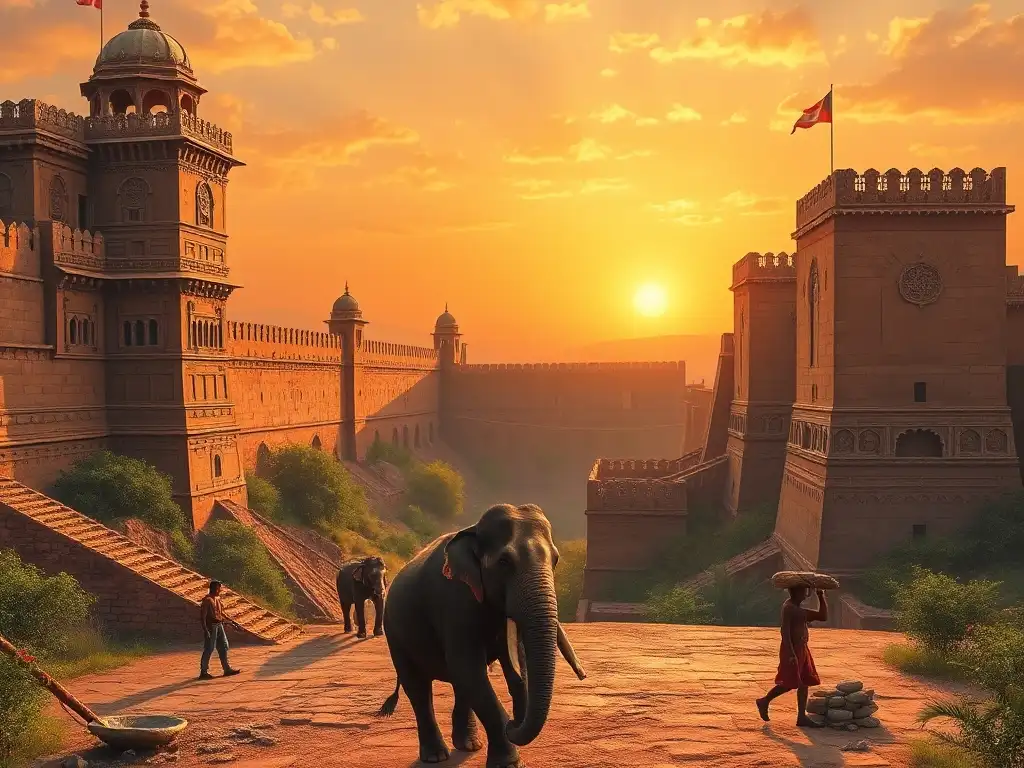
Ancient Indian fortifications were remarkable feats of engineering and design that showcased the ingenuity of their creators. The construction techniques used in these fortifications often reflected a deep understanding of materials, landscape, and military strategy. Builders utilized locally available resources, such as stone, mud, and timber, to create robust structures that could withstand sieges and invasions.
Key techniques included the use of massive walls, often several meters thick, designed to absorb the impact of projectiles. Additionally, the incorporation of bastions and towers allowed defenders to have a strategic vantage point, enhancing their ability to fend off attackers. The advanced craftsmanship involved in masonry and stone carving also contributed to the durability and aesthetic appeal of these forts, with intricate designs often depicting cultural motifs and artistic expressions.
Use of Geometry and Symmetry in Fortification Design
The design of ancient Indian fortifications was heavily influenced by principles of geometry and symmetry, reflecting not only aesthetic values but also practical considerations for defense. Architects employed geometric shapes, such as squares, rectangles, and circles, to maximize the strength and stability of the structures. The symmetrical arrangement of walls and towers allowed for efficient use of space and resources, providing uniform defensive capabilities across the fort.
These geometric designs also facilitated effective surveillance and communication among defenders. For instance, the strategic placement of watchtowers at regular intervals enabled guards to relay signals quickly across the fort. Furthermore, symmetrical layouts often contributed to the psychological deterrence of potential attackers, as the imposing structure conveyed power and readiness for defense.
Integration of Natural Landscapes in Defensive Structures
One of the most innovative aspects of ancient Indian fortification techniques was the integration of natural landscapes into their design. Many forts were strategically built on elevated terrain, such as hills or rocky outcrops, which provided a natural advantage against invaders. This elevation not only made it difficult for enemies to approach but also offered panoramic views of the surrounding areas for early warning of attacks.
Moreover, builders frequently utilized natural features such as rivers, cliffs, and dense forests as part of the defensive strategy. For example, moats were often dug around fortifications, and when combined with surrounding water bodies, they formed an additional barrier for attackers. By harmonizing architectural design with the existing environment, ancient Indian fortifications exemplified a sophisticated understanding of landscape and military strategy.
Famous Ancient Indian Fortifications and Their Techniques
The Great Wall of India: Kumbhalgarh Fort
Kumbhalgarh Fort, often referred to as the Great Wall of India, is one of the most impressive examples of ancient Indian fortification techniques. Built during the 15th century by Maharana Kumbha, this fort features a massive wall that stretches over 36 kilometers, making it one of the longest continuous walls in the world. The fort's design incorporates several advanced techniques, such as the use of thick walls made from locally sourced granite and a series of watchtowers that provide a strategic advantage.
The fort is also notable for its clever use of natural topography; it is situated on a hilltop, which enhances its defensive capabilities. The intricate layout of temples, palaces, and gardens within the fort reflects the fusion of military and cultural architecture, showcasing the sophistication of Rajput engineering.
The Strategic Layout of Chittorgarh Fort
Chittorgarh Fort is another remarkable example of ancient Indian fortification that highlights strategic military planning. Spread over 700 acres, this fort features a series of gates, each designed with intricate defensive mechanisms to thwart invaders. The fort's layout includes several water bodies, such as the Gaumukh reservoir, which served as a vital water supply for the inhabitants during long sieges.
The fort's defensive strategy included massive ramparts and bastions, along with a network of narrow pathways that made it challenging for armies to maneuver. These features, combined with the fort's elevated position, provided a formidable barrier against attacks, ensuring that Chittorgarh remained a stronghold for centuries.
The Engineering Marvels of Jaisalmer Fort
Jaisalmer Fort, known as Sonar Quila or the Golden Fort, is a stunning example of ancient Indian engineering set amidst the arid landscape of the Thar Desert. Built in the 12th century, the fort is constructed from yellow sandstone, which gives it a distinctive golden hue, particularly during sunset. This fort's design incorporates advanced techniques such as interlocking stone walls and intricate latticework, which not only enhance its beauty but also its strength.
The fort is designed to blend seamlessly with its surroundings, utilizing the desert landscape as a natural defense mechanism. Its elevated position provides a panoramic view of the surrounding areas, allowing for early detection of approaching threats. The fort's complex system of gates, narrow lanes, and bastions exemplifies the engineering prowess of its builders, making Jaisalmer Fort a true marvel of ancient Indian fortification techniques.
Military Strategies and Fortification Techniques
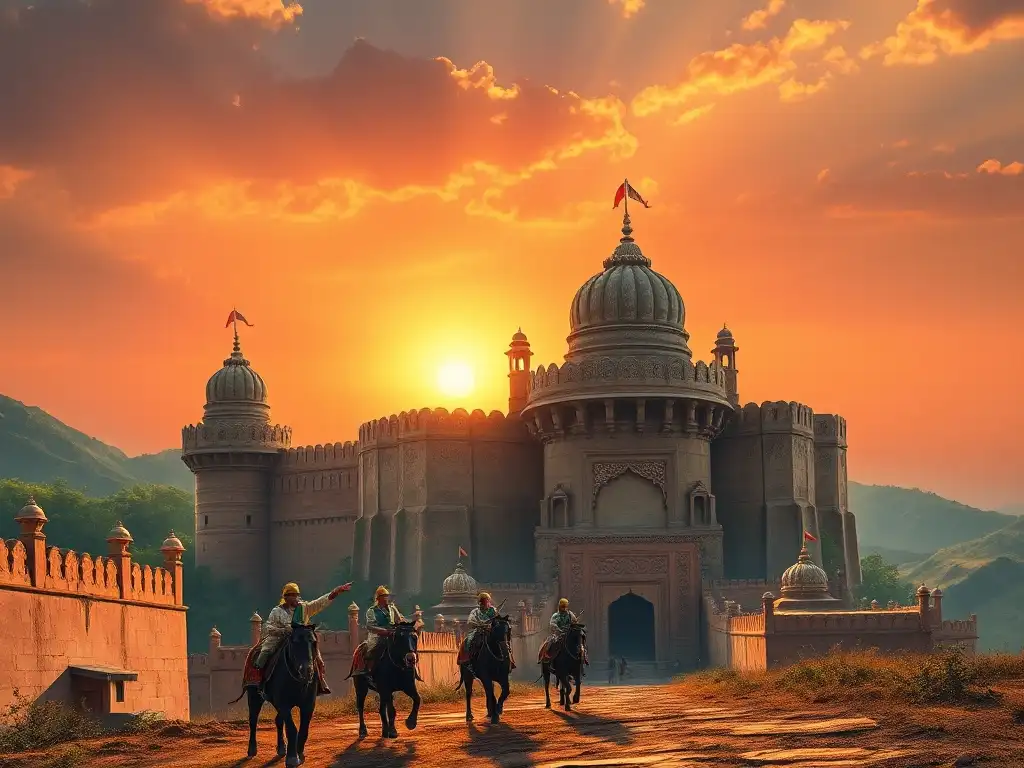
The military strategies and fortification techniques of ancient India were intricately linked to the geographical, political, and cultural contexts of the time. Fortifications were not merely structures for defense; they represented a complex interplay of military tactics and architectural ingenuity. The ancient Indian military recognized the importance of location, utilizing natural landscapes such as hills, rivers, and forests to enhance the defensive capabilities of their fortresses.
The construction of forts often involved advanced engineering techniques, including the use of solid materials like stone and brick, which provided durability against sieges. Walls were typically thick, often reinforced with battlements and watchtowers to offer vantage points for archers and sentinels. The strategic placement of gates and barriers was essential; they were designed to control access and funnel attackers into narrow passages where they could be easily overwhelmed.
Furthermore, ancient Indian texts such as the Arthashastra by Kautilya emphasized the significance of intelligence and espionage in warfare. This strategic approach, combined with robust fortification, allowed for effective defense against invasions and prolonged sieges. The integration of military tactics with architectural design made ancient Indian fortifications some of the most formidable in the world.
Role of Fortifications in Ancient Indian Warfare
Fortifications played a critical role in ancient Indian warfare, serving as the first line of defense against invading forces. They were not merely defensive structures but also symbols of power and authority, often reflecting the wealth and resources of the kingdom. The presence of a well-fortified city could deter potential attackers, as the costs of a siege could outweigh the benefits of conquest.
The architectural design of these fortifications was often influenced by the prevailing military tactics. For instance, many forts were built on elevated ground or near water bodies, providing natural barriers against invasions. These placements were strategic, allowing defenders to monitor enemy movements and deploy resources effectively.
Moreover, fortifications often included features like moats and drawbridges, enhancing their defensive capabilities. During battles, fortified cities became rallying points for troops, enabling a coordinated defense against larger armies. The psychological impact of a fortified city could also not be underestimated, as the sight of imposing walls and strongholds could instill fear in the hearts of potential invaders.
Case Studies of Successful Defensive Strategies
Several ancient Indian fortifications exemplify successful defensive strategies that have stood the test of time. One notable example is the Kumbhalgarh Fort in Rajasthan, renowned for its massive walls that stretch over 36 kilometers, making it one of the longest continuous walls in the world. The fort's design cleverly utilized the surrounding Aravalli hills to fortify its defenses, making it nearly impregnable.
Another significant case is the Chittorgarh Fort, which witnessed multiple sieges yet remained a bastion of resistance. The fort's strategic layout included multiple gates and a complex system of water reservoirs that not only supported the inhabitants during prolonged sieges but also provided a tactical advantage in terms of sustenance.
The Golconda Fort, known for its acoustics and innovative design, featured a unique system of sound signaling that allowed for quick communication among defenders. This fort's design incorporated vertical and horizontal gaps, creating an intricate network of defensive structures that made it difficult for attackers to breach.
These case studies illustrate how ancient Indian fortifications were not only built for protection but were also engineered with clever tactics that responded to the challenges of warfare at the time.
Innovations and Legacy of Ancient Indian Fortification Techniques
The innovations in fortification techniques during ancient India have left a lasting legacy, influencing both contemporary architectural practices and military strategies. The use of advanced materials and construction methods showcased the ingenuity of ancient Indian engineers, who were able to create structures that could withstand both natural elements and human conflict.
One significant innovation was the incorporation of architectural elements that allowed for better visibility and defense. Features such as arrow slits, machicolations, and parapets were designed to give defenders a strategic advantage while minimizing exposure to enemy fire.
The legacy of these fortification techniques is evident in the forts and palaces built in later periods, where elements derived from ancient designs were integrated into new constructions. The craftsmanship of ancient Indian masons and architects established a foundation upon which later innovations in fortification and architecture were built.
Influence on Later Architectural Practices
The influence of ancient Indian fortification techniques is palpable in the architectural practices of subsequent eras. The principles of strategic location and the integration of natural landscapes into design continued to guide the construction of forts and palaces during the medieval period and beyond.
Fortifications built during the Mughal era, for example, often borrowed elements from earlier designs, emphasizing grandiosity while retaining defensive capabilities. Structures like the Red Fort in Delhi and Agra Fort showcase the blend of aesthetic beauty and functional defense, featuring high walls, intricate gateways, and expansive courtyards.
Additionally, the use of local materials and construction techniques from ancient fortifications influenced regional architectural styles, leading to a rich tapestry of fort designs across India. These practices not only reflect a continuity of engineering knowledge but also highlight the cultural significance of fortifications as symbols of power and resilience.
Lessons from Ancient Techniques for Modern Fortifications
Ancient Indian fortification techniques offer valuable lessons for modern military engineering and urban planning. The strategic use of natural landscapes, for example, is a principle that can enhance the design of contemporary defensive structures. Integrating environmental features into fortifications can significantly bolster defense while minimizing construction costs.
Moreover, the emphasis on adaptability in ancient designs is crucial for modern fortifications, particularly in rapidly changing geopolitical landscapes. The ability to modify and reinforce structures in response to evolving threats is a lesson that remains relevant today.
Finally, the holistic view of fortification as not just a military necessity but also a cultural and symbolic element is a perspective that modern architects and planners can adopt. By appreciating the historical significance of fortifications, contemporary designs can reflect not only functionality but also the rich heritage of the regions in which they are built.
The advanced techniques behind ancient Indian fortifications reveal a sophisticated understanding of military strategy and architectural innovation. Understanding these techniques not only enriches our knowledge of ancient civilizations but also provides critical insights for contemporary practices in defense and construction.
Conclusion: The Significance of Ancient Indian Fortification Techniques
The ancient Indian fortification techniques are a testament to the ingenuity and architectural prowess of Indian civilizations. These techniques not only served the purpose of defense but also reflected the socio-political dynamics, cultural values, and technological advancements of their time. The strategic placement of forts, the use of local materials, and the integration of natural landscapes into fort designs highlight the profound understanding that ancient Indian architects had of their environment.
Moreover, these fortifications were more than mere military structures; they were symbols of power and authority, serving as administrative centers and hubs of trade. The intricate designs and features found in fortifications such as the ones at Chittorgarh, Gwalior, and the forts of Rajasthan illustrate the rich narrative of resilience and sophistication that characterized ancient Indian society.
Summary of Key Points
- Strategic Location: Ancient Indian fortifications were often built on elevated terrain or near crucial trade routes, enhancing their defensive capabilities and control over surrounding areas.
- Architectural Diversity: Different regions of India employed varying architectural styles and materials, leading to a rich diversity in fort designs, influenced by local resources and climate conditions.
- Innovative Techniques: The use of advanced techniques such as sloped walls, moats, and bastions not only provided effective defense mechanisms but also contributed to the aesthetic appeal of the structures.
- Cultural Significance: These fortifications often served as cultural and political symbols, representing the power of dynasties and the heritage of the communities they protected.
- Military Strategy: Understanding the military strategies that governed fort construction helps us appreciate the complexities of warfare and defense during ancient times, showcasing the strategic thought behind each fort's design.
Reflection on the Historical Impact of Fortifications in Ancient India
The fortifications of ancient India had a profound impact on the course of history in the region. They played a crucial role in the defense against invasions, enabling kingdoms to withstand prolonged sieges and maintain their sovereignty. The architectural advancements in fort construction not only offered insights into military strategy but also reflected the technological progress of the time.
Additionally, these structures fostered a sense of community and identity. Forts often served as nuclei for settlements, where trade flourished and cultural exchanges took place. As bustling centers of economic and political activity, they contributed to the rise and fall of various empires, shaping the historical landscape of ancient India.
The legacy of these fortifications endures today, as many of them are recognized as UNESCO World Heritage Sites, attracting scholars and tourists alike. Their historical significance continues to be a source of pride and inspiration, reminding us of the remarkable engineering skills and resilience of ancient Indian civilizations. The study of these fortifications not only enlightens us about the past but also influences contemporary engineering practices, showcasing the timeless nature of innovation and design.
- Introduction to Ancient Indian Fortification Techniques
- Historical Context of Fortification Techniques in Ancient India
- Materials and Resources in Ancient Indian Fortifications
- Architectural Features of Ancient Indian Fortresses
- Advanced Techniques in Fortification Construction
- Use of Geometry and Symmetry in Fortification Design
- Integration of Natural Landscapes in Defensive Structures
- Famous Ancient Indian Fortifications and Their Techniques
- Military Strategies and Fortification Techniques
- Innovations and Legacy of Ancient Indian Fortification Techniques
- Conclusion: The Significance of Ancient Indian Fortification Techniques
- What were the primary ancient Indian fortification techniques used in historical structures?
- How did the Indus Valley Civilization contribute to fortification methods?
- What role did architectural styles play in ancient Indian fortifications?
- How did the Gupta Empire enhance fortification strategies?
- Are there any notable examples of ancient Indian fortifications still standing today?
Frequently Asked Questions
What were the primary ancient Indian fortification techniques used in historical structures?
Ancient Indian fortification techniques included earthworks, stone walls, and moats. These methods were designed to enhance defense against invasions and natural disasters.
How did the Indus Valley Civilization contribute to fortification methods?
The Indus Valley Civilization showcased advanced urban planning with well-structured walls and drainage systems, reflecting their understanding of defensive architecture and city defense strategies.
What role did architectural styles play in ancient Indian fortifications?
Architectural styles influenced the design of fortifications, incorporating local materials and landscaping to create strongholds that blended with the environment while maximizing defense.
How did the Gupta Empire enhance fortification strategies?
During the Gupta Empire, fortifications evolved to include complex gate systems and high walls, showcasing an understanding of military tactics and the importance of strategic positioning in warfare.
Are there any notable examples of ancient Indian fortifications still standing today?
Yes, many ancient Indian fortifications, such as the Chittorgarh Fort and the Gwalior Fort, remain as testaments to the advanced techniques used in their construction and continue to attract historical interest.
Final Reflection: The Enduring Legacy of Ancient Indian Fortification Techniques
The intricate designs and strategic innovations of ancient Indian fortifications remain remarkably relevant today, as they reveal the ingenuity and resilience of a civilization that thrived against adversity. These techniques not only served as defensive measures but also as symbols of cultural identity and historical significance. In a world where modern security challenges persist, revisiting these ancient methods can inspire contemporary solutions that blend tradition with innovation.
The influence of ancient Indian fortification techniques extends beyond mere architecture; they shape our understanding of historical narratives and cultural heritage. The architectural prowess displayed in these fortifications speaks to the values of community, strength, and adaptability that resonate even in today's society. As historian John Keay aptly noted, The story of India is a story of fortifications, a testament to the resilience of its people and their ability to adapt to changing circumstances.
This observation highlights how these ancient structures continue to inform our cultural landscape, reminding us of the lessons learned from the past.
As we reflect on the significance of these ancient techniques, I invite you to consider how the principles of resilience, innovation, and community can be applied in your own life. Take a moment to explore the fortifications around you—be they physical, emotional, or social—and think about how you can strengthen your own foundations. By embracing the wisdom of our ancestors, we can build a future that honors our heritage while addressing the challenges of the present.
Unveil the Secrets of Ancient Indian Fortifications!
Thank you for joining us on this journey through the fascinating world of ancient Indian fortifications! We hope you've gained valuable insights into the advanced techniques and innovations that defined these remarkable structures. Now, it’s time to put this knowledge into action!
Here are some exciting steps you can take to deepen your understanding and appreciation of India’s historical fortresses:
- Explore further: Visit a local museum or plan a trip to one of the ancient forts to experience their grandeur firsthand.
- Share your knowledge: Discuss what you've learned with friends or engage in online forums to spark conversations about the importance of preserving these historical sites.
- Get involved: Volunteer for organizations that focus on heritage conservation or join a local history group that explores ancient architecture.
Which ancient fortification technique intrigues you the most, and in what ways do you believe it has influenced modern architecture? Let's discuss!