
Agrarian Practices in Ancient India: How Farming Shaped Economic Growth

Welcome to Ancient India History, where we embark on a captivating journey through the rich tapestry of India's past. Here, the echoes of ancient civilizations come alive, revealing the extraordinary contributions that have shaped the world we know today. Dive into our featured article, "Agrarian Practices in Ancient India: How Farming Shaped Economic Growth," and discover how the innovative farming techniques of the Indus Valley and beyond laid the groundwork for economic prosperity.
Curious about the integral role of agriculture in ancient trade and society? Let us guide you through the fascinating world of ancient Indian farming practices and inspire your exploration of this vibrant history!
- Introduction to Ancient Indian Farming Practices
- Historical Context of Farming in Ancient India
- Key Features of Ancient Indian Farming Practices
- Major Crops and Agricultural Products
- Social and Cultural Aspects of Ancient Indian Farming
- Economic Impact of Farming on Ancient Indian Civilizations
- Conclusion: Legacy of Ancient Indian Farming Practices
- References and Further Reading on Ancient Indian Farming Practices
-
Frequently Asked Questions
- What were the primary farming practices in ancient India?
- How did farming impact the economy of ancient Indian civilizations?
- What role did irrigation play in ancient Indian agriculture?
- How did ancient Indian farming practices influence cultural development?
- What were some crops cultivated in ancient India?
- Final Reflection: The Enduring Legacy of Ancient Indian Farming Practices
- Unveil the Rich Legacy of Ancient Farming Practices!
Introduction to Ancient Indian Farming Practices
India's agrarian history is as rich and diverse as its cultural heritage, playing a pivotal role in shaping the economic landscape of ancient civilizations. From the sophisticated irrigation systems of the Indus Valley to the crop diversification strategies employed during the Gupta Empire, ancient Indian farming practices laid the groundwork for sustainable agriculture and economic prosperity.
Understanding these practices not only highlights the ingenuity of ancient Indian societies but also underscores the importance of agriculture in their overall development. This article delves into the various agrarian practices that flourished in ancient India, exploring their significance in fostering economic growth and the dynamic interplay between agriculture and trade.
Overview of Agrarian Practices in Ancient India
Ancient Indian farming practices were characterized by a deep understanding of local environmental conditions and the application of innovative techniques. The agrarian landscape was predominantly shaped by the following key elements:
- Crop Cultivation: Ancient Indians cultivated a variety of crops, with staples like rice, wheat, and barley forming the backbone of their diet. Regions such as the fertile plains of the Ganges and the Deccan plateau were particularly known for high agricultural yields.
- Irrigation Techniques: To maximize productivity, ancient farmers developed intricate irrigation systems, including canals and wells, which allowed for the effective management of water resources. These systems were essential in arid regions, ensuring a steady water supply during dry spells.
- Crop Rotation and Diversification: Farmers practiced crop rotation and diversified their crops to maintain soil fertility and reduce the risk of crop failures. This practice not only enhanced agricultural resilience but also contributed to a varied diet.
- Animal Husbandry: Livestock played a crucial role in ancient Indian farming, providing labor for plowing and transportation, as well as manure for fertilization. Cattle, goats, and sheep were commonly raised alongside crops, creating a symbiotic relationship between crop production and animal husbandry.
Significance of Farming in Economic Growth
The agrarian practices of ancient India were not merely about food production; they were integral to the broader economic framework of society. The significance of farming in economic growth can be observed through several key factors:
- Foundation of Trade: Surplus production of crops allowed for the establishment of trade networks, both locally and with neighboring regions. Farmers and traders exchanged goods, leading to economic interdependence and the growth of cities.
- Social Structure: The agrarian economy influenced social hierarchies, with landowners and wealthy farmers often holding significant power. This structure contributed to the development of complex societies and governance systems.
- Cultural Development: Agriculture fostered a sense of community and cultural identity, as farming practices were often intertwined with religious and social rituals. Festivals celebrating harvests and agricultural deities reflect the cultural significance of farming.
- Economic Resilience: The ability to adapt farming practices in response to changing environmental conditions contributed to the resilience of ancient Indian economies. Innovations in agriculture allowed societies to withstand challenges such as droughts or floods.
Through these practices, ancient Indian civilizations not only supported their populations but also laid the foundation for economic growth that would influence generations to come. Understanding these agrarian practices provides valuable insights into the historical evolution of India's economy and its lasting impact on contemporary agricultural practices.
Historical Context of Farming in Ancient India
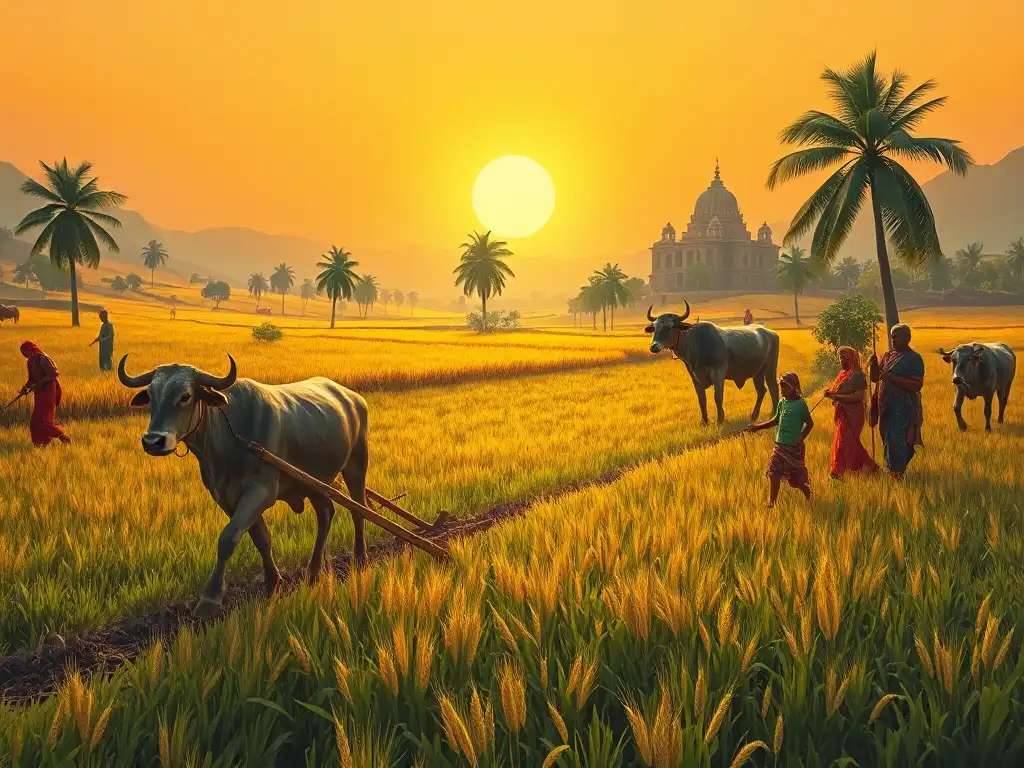
Farming has played a crucial role in shaping the economic landscape of ancient India, influencing both the daily lives of its inhabitants and the broader socio-political framework. The roots of agrarian practices can be traced back to the early civilizations of the Indus Valley, where agriculture not only emerged as a means of sustenance but also laid the foundation for complex societies. Understanding the historical context of these practices provides valuable insights into how ancient Indian farming practices evolved and affected economic growth.
The agrarian practices in ancient India were characterized by a diverse range of crops, farming techniques, and tools that were adapted to the varied geographical landscapes of the region. The evolution of these practices mirrors the transition from nomadic lifestyles to settled agricultural communities, marking significant milestones in India's economic history.
Early Agricultural Developments in the Indus Valley Civilization
The Indus Valley Civilization (c. 3300–1300 BCE) is often regarded as one of the earliest centers of agriculture in the world. Archaeological evidence suggests that the people of this civilization practiced sophisticated farming techniques that included:
- Crop Cultivation: The primary crops cultivated included wheat, barley, and pulses. The fertile plains of the Indus River provided an ideal environment for agriculture.
- Irrigation Systems: Ingenious irrigation methods were developed, including canals and storage systems, which allowed for systematic water management. This innovation was crucial during dry seasons and contributed to higher crop yields.
- Domestication of Animals: Livestock such as cattle, goats, and sheep were domesticated, providing not only labor for farming but also sources of milk, meat, and other products.
The presence of granaries in major urban centers like Harappa and Mohenjo-Daro indicates that surplus production was common, allowing for trade and storage. This surplus played a vital role in the rise of trade networks, supporting economic growth and cultural exchanges with neighboring regions.
Transition from Hunter-Gatherer to Agricultural Societies
The transition from hunter-gatherer societies to settled agricultural communities in ancient India was a gradual process influenced by several factors:
- Environmental Changes: As the climate shifted around 10,000 BCE, regions that were once rich in wild resources began to favor agricultural practices. This shift encouraged communities to settle in areas with fertile land and abundant water supply.
- Population Growth: As populations increased, the demand for stable food sources led to the adoption of farming. The need for reliable sustenance pushed communities to experiment with planting and harvesting techniques.
- Social Organization: The establishment of agricultural practices necessitated new forms of social organization. Communities began to form more structured societies, developing roles related to farming, trade, and governance.
This transition marked a significant turning point in ancient Indian history, leading to the establishment of early cities and trade networks. The advancements in agricultural practices not only supported local economies but also contributed to the wealth of emerging kingdoms and empires in the subsequent centuries.
As ancient Indian farming practices evolved, they laid the groundwork for future agricultural innovations and economic systems, significantly influencing the course of India's history. The legacy of these agrarian roots continues to resonate in modern agricultural practices, reflecting the enduring impact of ancient civilizations on contemporary society.
Key Features of Ancient Indian Farming Practices
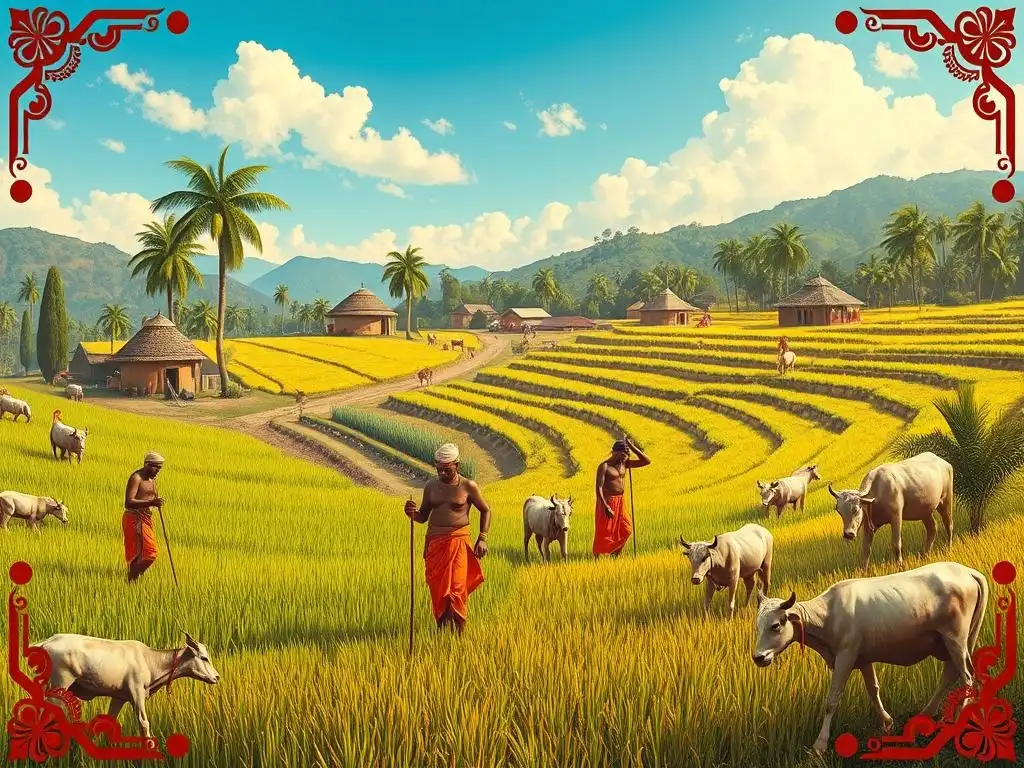
Ancient Indian farming practices were characterized by a deep understanding of the land, climate, and natural resources. These practices not only sustained the population but also laid the foundation for economic growth and cultural development. Some of the key features include:
- Diversity of Crops: Farmers cultivated a variety of crops, including grains, pulses, and oilseeds. The diversity helped in sustaining soil fertility and providing a balanced diet.
- Seasonal Farming: The agrarian calendar was intricately linked to monsoon patterns. Farmers timed their sowing and harvesting according to the seasonal rains, which were crucial for crop yields.
- Community Collaboration: Farming was often a communal activity, with villages working together for irrigation and harvest, fostering social cohesion and shared responsibility.
Crop Cultivation Techniques in Ancient India
Crop cultivation in ancient India involved various innovative techniques that maximized yields and ensured sustainability.
- Slash-and-Burn Agriculture: In regions with dense forests, this technique was employed where trees were cut down and burned to clear land for cultivation. This method enriched the soil with nutrients from the ash.
- Terracing: In hilly areas, farmers developed terraced fields to prevent soil erosion and to make efficient use of water. This method allowed them to cultivate crops on slopes, enhancing agricultural productivity.
- Crop Rotation: Ancient farmers practiced crop rotation to maintain soil fertility. By alternating different crops in a field, they prevented nutrient depletion and reduced pest infestations.
- Seed Selection and Storage: Farmers were adept at selecting high-yield seeds, and they developed techniques for storing seeds to ensure they remained viable for subsequent planting seasons.
Irrigation Systems and Their Impact on Agriculture
Irrigation played a pivotal role in enhancing agricultural productivity in ancient India. Several sophisticated systems were developed:
- Canal Systems: Major river systems like the Indus and Ganges facilitated the construction of extensive canal networks, which allowed for the irrigation of vast agricultural lands. These canals helped distribute water evenly, promoting crop growth.
- Wells and Tanks: In arid regions, farmers dug wells and constructed tanks to store rainwater. This practice ensured a reliable water supply during dry periods, allowing for year-round cultivation.
- Water Management Techniques: Ancient Indian farmers utilized techniques like bunding (creating embankments) to manage water flow and prevent flooding. Such practices were crucial in regions prone to heavy rains.
The impact of these irrigation systems was significant, leading to increased agricultural output, the ability to support larger populations, and ultimately contributing to economic growth.
Role of Livestock in Farming Practices
Livestock played an essential role in ancient Indian farming practices, serving multiple functions that supported agricultural productivity:
- Plowing: Animals such as oxen and buffaloes were commonly used for plowing fields. This mechanization of land preparation improved efficiency and reduced labor.
- Manure as Fertilizer: Farmers utilized animal dung as a natural fertilizer, enriching the soil and enhancing crop yields. This practice was a sustainable way to maintain soil health.
- Transport: Livestock were also crucial for transporting goods, including crops to markets and supplies to farms. This facilitated trade and commerce, linking rural economies with urban centers.
- Diverse Products: Beyond labor, livestock provided milk, meat, and wool, contributing to the overall economy and dietary needs of the population.
The integration of livestock into farming practices not only supported agricultural activities but also played a vital role in the broader economic systems of ancient India.
Major Crops and Agricultural Products
Staple Crops Grown in Ancient India
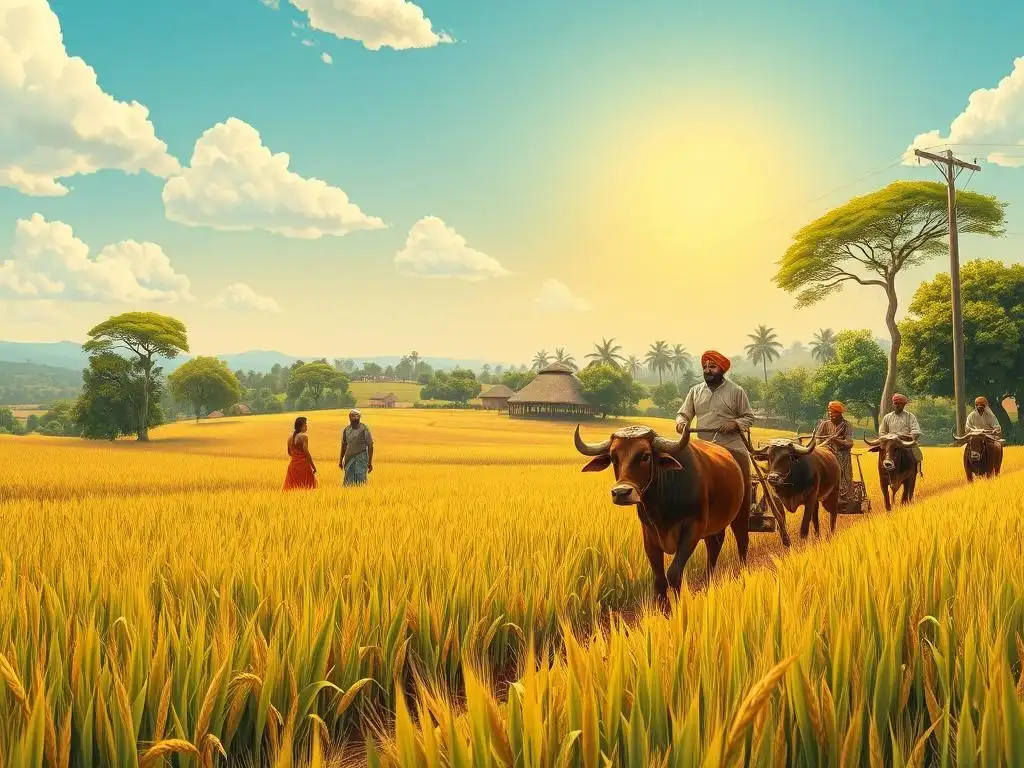
Ancient Indian farming practices revolved around a variety of staple crops that formed the backbone of the civilization's diet and economy. The most significant among these were rice, wheat, barley, and millet. Each of these staples played a crucial role in feeding the burgeoning populations and supporting the social structures of ancient India.
- Rice: Cultivated predominantly in the southern and eastern regions, particularly in the fertile river valleys like the Ganges and Brahmaputra, rice was a staple food that supported a large segment of the population. Archaeological evidence suggests that rice cultivation dates back to at least 3000 BCE in places like the Indus Valley.
- Wheat: Wheat was primarily grown in the northern plains, particularly in regions like the Punjab and Haryana. It was essential for making bread, a dietary staple, and was found in various forms such as unleavened chapatis.
- Barley and Millet: Barley was commonly used for both food and brewing, while millet varieties such as bajra and jowar were hardy crops suited to the arid climates of western India. These crops were significant for their nutritional value and resilience in less fertile areas.
The agricultural practices surrounding these crops included irrigation, crop rotation, and the use of natural fertilizers, which enhanced soil fertility and increased yields. These methods laid the groundwork for sustainable agrarian practices that would support ancient Indian societies.
The Importance of Spices and Cash Crops
In addition to staple foods, ancient Indian farming practices also emphasized the cultivation of spices and cash crops, which held both culinary and economic significance. These crops included pepper, cinnamon, turmeric, and ginger, all of which were highly sought after in both domestic and international markets.
- Spices: The spice trade was a significant aspect of ancient Indian agriculture, with spices like black pepper becoming a major export. This not only boosted the economy but also established India as a pivotal player in global trade networks. The demand for Indian spices spurred innovations in farming techniques, as farmers sought to maximize production.
- Cash Crops: Other significant cash crops included cotton, which was woven into textiles, and sugarcane, used to produce sugar. The cultivation of cash crops allowed farmers to generate surplus income, leading to economic diversification and the growth of markets.
The cultivation of these crops required specialized knowledge and techniques, such as irrigation for spice plants and crop management practices that ensured high-quality yields. The importance of these crops in ancient India cannot be overstated, as they not only fulfilled local needs but also connected India to distant trade routes, enhancing its economic stature.
Trade of Agricultural Goods and Economic Implications
The trade of agricultural goods in ancient India was a driving force behind the economic development of the region. As farming practices evolved, so too did the systems of trade that emerged to facilitate the exchange of surplus crops.
- Local Markets: Villages often organized local markets where farmers could sell their produce directly to consumers. This system fostered community ties and allowed for the exchange of goods and services, creating a localized economy that was vital for sustenance.
- Long-Distance Trade: Ancient Indian farmers not only supplied local markets but also participated in long-distance trade networks. Agricultural goods, especially spices and textiles, were traded with regions as far as the Roman Empire, Southeast Asia, and the Middle East. This trade brought wealth and cultural exchange, influencing various aspects of life in ancient India.
- Economic Growth: The surplus generated through advanced agricultural practices led to increased trade, which in turn stimulated economic growth. The rise of merchant classes and the establishment of trade guilds became pivotal in shaping the economic landscape. Additionally, the wealth from trade contributed to the patronage of arts and architecture, further enriching Indian culture.
Ancient Indian farming practices were not just about sustenance; they were integral to the economic systems that propelled the growth of civilizations. The interplay between agriculture, trade, and economic expansion laid the foundations for a rich historical tapestry that characterized ancient India.
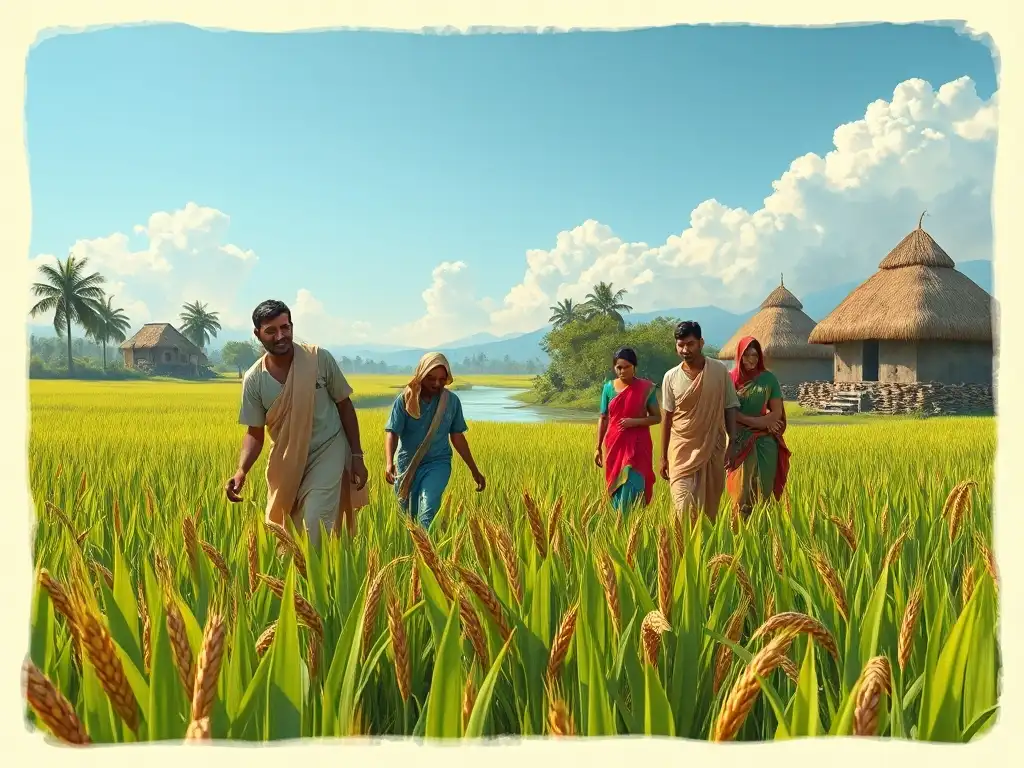
Ancient Indian farming practices were not just about cultivation; they shaped the very fabric of society. Farming communities formed the backbone of the agrarian economy, influencing social structures, relationships, and everyday life.
- Community Organization: Farming in ancient India often revolved around village communities. Villagers typically worked together to cultivate the land, share resources, and protect crops. This communal approach fostered a strong sense of belonging and mutual support among residents. The social hierarchy was often based on land ownership, with wealthier landowners at the top and laborers at the bottom, creating a stratified society.
- Roles and Responsibilities: Within these communities, roles were often delineated based on gender and age. Men typically performed more physically demanding tasks such as plowing and harvesting, while women were responsible for planting seeds, weeding, and post-harvest processing. Children often assisted in these tasks, learning the trade from a young age, which ensured the transmission of agricultural knowledge across generations.
- Caste System Influence: The caste system, which became prominent during the later Vedic period, also intersected with farming practices. Different castes had specific agricultural roles, with some engaged in farming while others specialized in related activities such as irrigation and animal husbandry. This division of labor contributed to the efficiency and productivity of agricultural practices.
In ancient India, agriculture was intertwined with religious beliefs and cultural practices. Festivals and rituals celebrated the agrarian calendar and played a crucial role in ensuring successful harvests.
- Harvest Festivals: Festivals such as Pongal in Tamil Nadu and Makar Sankranti in various regions were dedicated to celebrating the harvest. These festivals involved elaborate rituals, including cooking traditional dishes, making offerings to deities, and community gatherings to express gratitude for a bountiful harvest. Such celebrations reinforced community ties and the importance of agriculture in daily life.
- Rituals for Fertility and Rain: To ensure good yields, ancient farmers conducted various rituals aimed at appeasing deities associated with fertility and rain. For example, Yajnas (sacrificial offerings) were performed to invoke blessings from gods for favorable weather and abundant crops. Farmers believed that these rituals could directly influence agricultural productivity, highlighting the deep connection between spirituality and farming.
- Seasonal Celebrations: The agricultural calendar was marked by seasonal celebrations, which varied by region and crop cycle. For instance, Nabanna, celebrated in Bengal, marks the harvesting of rice and is a time for feasting and festivities. Such events not only celebrated the agricultural cycle but also reinforced cultural identity and social cohesion within farming communities.
The social and cultural aspects of ancient Indian farming were vital in shaping the agrarian economy. The interplay between farming practices, community organization, and religious rituals created a dynamic system that supported both economic growth and cultural heritage, reflecting how deeply agriculture was woven into the fabric of ancient Indian society.
Economic Impact of Farming on Ancient Indian Civilizations
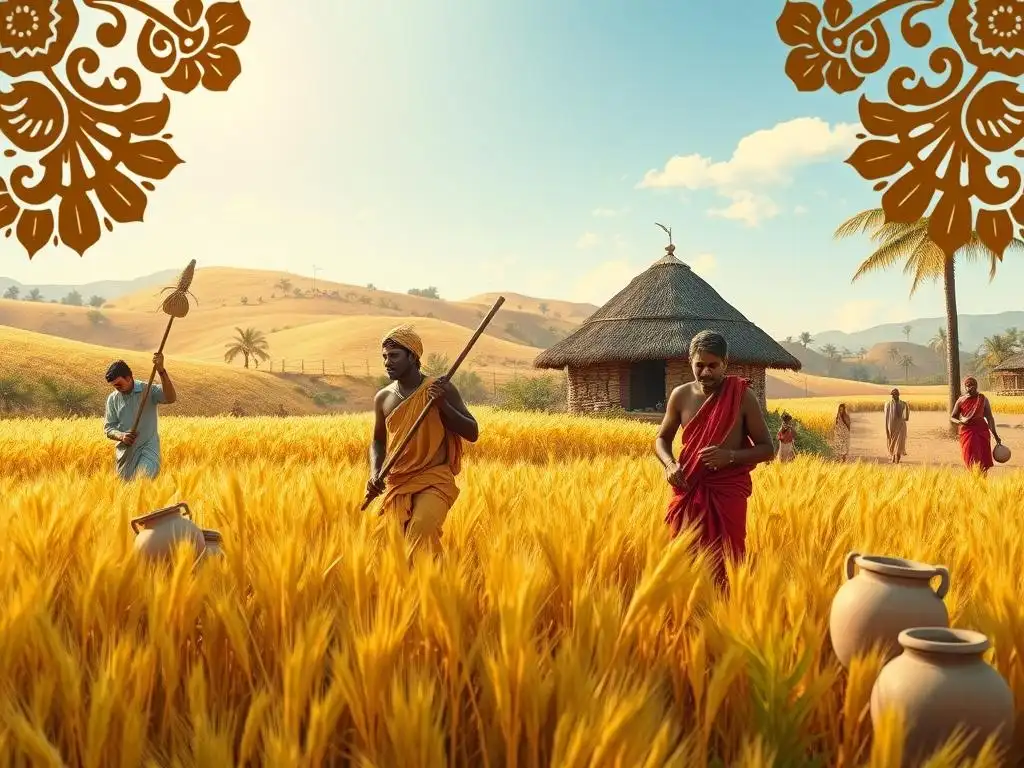
Agriculture played a pivotal role in shaping the economic landscape of ancient Indian civilizations. The agrarian practices not only supported the sustenance of populations but also catalyzed trade, urbanization, and overall economic growth. The fertile plains of the Indus Valley, the Ganges, and other river basins provided the ideal conditions for crop cultivation, leading to a surplus that fueled various aspects of society.
Contribution of Agriculture to Trade and Economy
The agricultural surplus generated through effective farming practices in ancient India laid the groundwork for the development of trade networks. This surplus allowed communities to engage in barter and trade, which were essential for economic expansion.
- Barter System: Farmers exchanged surplus grains for goods such as textiles, pottery, and metals. The diversity of crops cultivated, including wheat, barley, and rice, enhanced the variety of trade goods available.
- Market Development: Agricultural productivity led to the establishment of local markets, facilitating the exchange of goods. Larger settlements emerged around these markets, becoming important hubs of economic activity.
- Taxation and Revenue: Rulers imposed taxes on agricultural produce, which became a significant source of revenue for royal administrations. This taxation system allowed for the funding of public works, military expenditures, and cultural projects.
- Trade Routes: The production of cash crops like cotton and sugarcane fostered long-distance trade. Ancient Indian merchants established trade routes that connected India with regions in the Middle East, Southeast Asia, and beyond. The exchange of agricultural products played a crucial role in these interactions.
By the Gupta Empire, agricultural practices had become increasingly sophisticated, with advancements in irrigation and crop rotation further boosting productivity. This led to an economic boom that supported cultural and scientific advancements during this period.
Influence of Farming on Urbanization and Settlement Patterns
The agrarian practices in ancient India significantly influenced settlement patterns and the growth of urban centers. As agricultural productivity increased, communities began to shift from nomadic lifestyles to settled forms of living.
- Settlement Formation: The availability of fertile land encouraged the establishment of permanent settlements. Villages often formed near riverbanks, where irrigation was possible, leading to the growth of agrarian societies.
- Urbanization: As surplus production became common, larger settlements evolved into cities. For instance, the cities of Harappa and Mohenjo-Daro in the Indus Valley Civilization were well-planned urban centers that emerged due to agricultural surplus, showcasing advanced infrastructure and trade activities.
- Social Complexity: The increase in population density due to agriculture led to the development of social hierarchies and specialized professions. From farmers to artisans and traders, a diverse economy emerged, which required organized governance.
- Cultural Exchange: Urban centers became melting pots of culture and commerce, where ideas and technologies exchanged hands. The growth of cities enabled the cross-pollination of cultural practices, which in turn influenced agricultural techniques and crop selection.
In conclusion, ancient Indian farming practices were not merely a means of subsistence but a driving force behind economic growth, trade development, and urbanization. The interplay between agriculture and various facets of society contributed significantly to the rich tapestry of ancient Indian civilizations.
Conclusion: Legacy of Ancient Indian Farming Practices
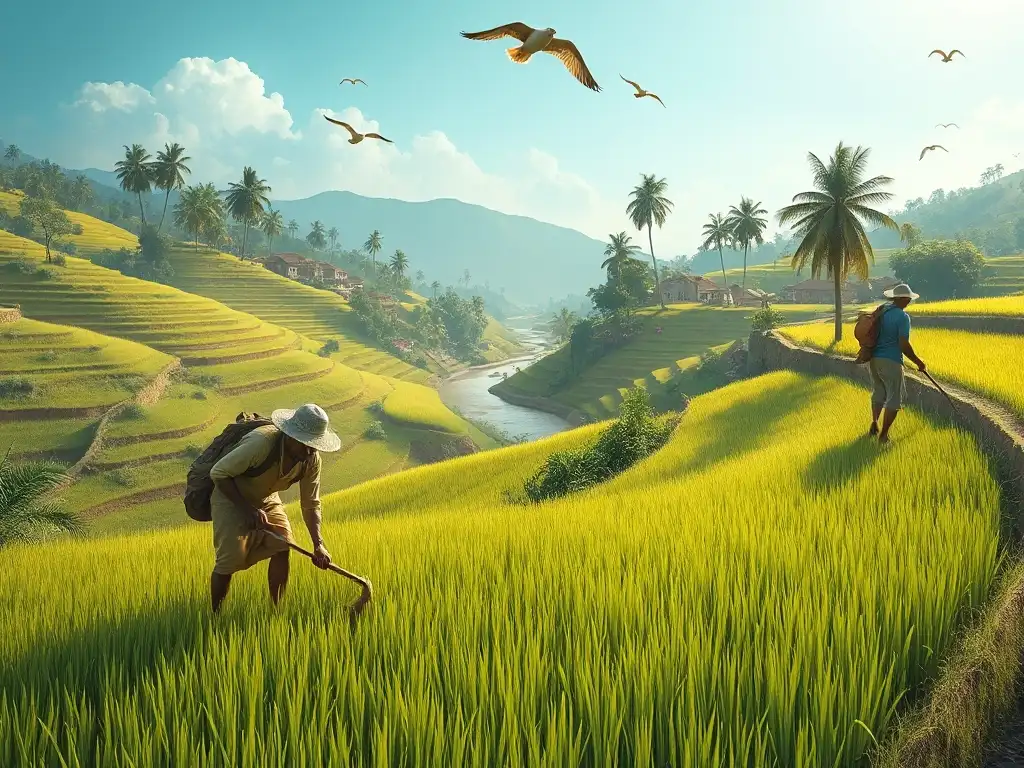
The agrarian practices of ancient India form a cornerstone of the subcontinent's historical narrative, significantly influencing its economic, social, and cultural frameworks. The systematic approach to agriculture, which included innovative techniques, crop diversification, and sustainable practices, laid the groundwork for future generations. The legacy of ancient Indian farming practices is not merely a relic of the past; rather, it continues to resonate in contemporary agricultural methods and economic systems.
Lasting Effects on Modern Agricultural Practices
Ancient Indian farming practices have left an indelible mark on modern agriculture, showcasing a blend of traditional knowledge and contemporary techniques. The following aspects illustrate how these ancient methods persist today:
- Crop Rotation and Diversity:
- Early Indian farmers practiced crop rotation to maintain soil fertility and enhance yields.
- The introduction of diverse crops such as rice, wheat, pulses, and millets exemplifies their understanding of ecological balance.
- Irrigation Techniques:
- Ancient civilizations developed sophisticated irrigation systems, including wells, canals, and step wells.
- Modern irrigation practices often draw inspiration from these systems, emphasizing water conservation and efficient usage.
- Organic Farming:
- The use of natural fertilizers like cow dung and compost was prevalent in ancient times.
- Today, organic farming is experiencing a resurgence as consumers seek sustainable and chemical-free produce.
- Terracing and Land Management:
- Techniques like terracing, seen in regions such as the Western Ghats, were implemented to prevent soil erosion and optimize land use.
- These practices are now recognized as vital for sustainable farming in hilly terrains around the world.
The resilience and adaptability of these ancient practices underscore their significance in shaping modern agricultural paradigms.
Relevance of Ancient Indian Farming in Today’s Economy
The relevance of ancient Indian farming practices extends beyond agriculture; it plays a critical role in today’s economy through several channels:
- Cultural Heritage:
- The agricultural traditions of ancient India are an integral part of its cultural identity, influencing festivals, rituals, and community gatherings.
- Economic Contributions:
- Agriculture remains a vital sector in India, contributing to approximately 17-20% of the GDP and employing around 58% of the workforce.
- Techniques and knowledge gained from ancient practices continue to inform policies and initiatives aimed at improving agricultural productivity.
- Sustainable Development:
- The ancient emphasis on sustainable practices aligns with modern global goals of sustainable development and environmental conservation.
- By integrating ancient wisdom with modern science, India can achieve food security while preserving its ecological heritage.
Ancient Indian farming practices not only shaped the historical landscape of the region but continue to offer valuable insights for contemporary agricultural challenges. Their legacy endures, reminding us of the importance of sustainable practices and the profound connection between culture and economy in shaping societies.
References and Further Reading on Ancient Indian Farming Practices
Suggested Books and Articles on Ancient Agricultural Systems
-
"The Indus Valley Civilization: A Recent Perspective" by Gregory L. Possehl
This book explores the agricultural practices of the Indus Valley civilization, providing insights into how their farming techniques influenced economic structures.
-
"Agriculture in Ancient India" by Ramesh Chandra Dutt
A comprehensive overview of ancient Indian farming practices, this text delves into various aspects of agriculture, including crop cultivation, irrigation methods, and the socio-economic implications of farming.
-
"The History of Agriculture in India" by Partha Chatterjee
This article presents a detailed analysis of the transformation of agricultural practices from the Vedic period through to the Gupta Empire, highlighting technological advancements and their effects on trade and economy.
-
"Farming Systems in Ancient India" by K. N. C. Rajan
Rajan's work focuses on the diverse farming systems adopted by different regions in ancient India, illustrating how local climates and cultures shaped agricultural practices.
-
"The Economic History of India" by Romila Thapar
Thapar discusses the broader economic frameworks of ancient India, emphasizing the critical role of agriculture in sustaining ancient Indian civilizations.
Online Resources for Exploring Ancient Indian Farming
-
Digital South Asia Library
This online resource offers a wealth of documents and images related to ancient Indian history, including farming practices and agricultural tools used throughout different periods.
-
Indian History Congress
Their website features publications and research papers that cover various aspects of ancient Indian history, including agriculture, land management, and agrarian economies.
-
The Archaeological Survey of India
A treasure trove of information, this site provides access to excavation reports that shed light on ancient agricultural sites and practices, particularly in the Indus Valley region.
-
National Digital Library of India
This digital repository includes a range of historical texts, journals, and articles on ancient Indian farming practices, making it an essential resource for researchers and enthusiasts alike.
-
YouTube Channels Focused on Ancient Civilizations
Channels such as "History for Kids" and "Ancient India" often feature educational videos that explore farming techniques and agricultural innovations in ancient India, presented in an engaging format.
By delving into these resources, readers can gain a comprehensive understanding of ancient Indian farming practices and their significant contributions to the economic growth of ancient civilizations.
Frequently Asked Questions
What were the primary farming practices in ancient India?
Ancient Indian farmers utilized crop rotation, irrigation systems, and manual plowing to enhance productivity and manage seasonal variations effectively.
How did farming impact the economy of ancient Indian civilizations?
Agriculture was the backbone of the economy, as it provided the necessary surplus for trade, supported population growth, and enabled the rise of complex societal structures.
What role did irrigation play in ancient Indian agriculture?
Irrigation techniques, such as the use of wells and canals, were crucial for sustaining crops and maximizing yields, especially in regions with variable rainfall.
How did ancient Indian farming practices influence cultural development?
Farming practices shaped social structures, led to the establishment of settlements, and influenced festivals and rituals centered around agricultural cycles and harvests.
What were some crops cultivated in ancient India?
Farmers in ancient India primarily grew rice, wheat, barley, and millets, which were essential for sustenance and contributed to the diverse agricultural landscape.
Final Reflection: The Enduring Legacy of Ancient Indian Farming Practices
The exploration of ancient Indian farming practices reveals their profound impact on economic growth and societal development, underscoring the importance of sustainable agriculture today. As we navigate the complexities of modern agriculture, the lessons from ancient practices remind us that the roots of economic prosperity are often found in the soil we cultivate. The ingenuity and resilience of ancient farmers not only shaped their communities but also laid the groundwork for agricultural techniques that resonate in our current practices.
The influence of these ancient farming methods extends beyond mere economic metrics; they have woven themselves into the cultural fabric of India. From traditional crop rotation to the reverence for seasonal cycles, these practices highlight a deep connection to the land that continues to inspire contemporary agricultural movements. As Mahatma Gandhi once said, “The future depends on what you do today,” which emphasizes the significance of learning from our past to forge a sustainable future.
As you reflect on the insights gained from ancient Indian farming practices, consider how you can apply these lessons in your own life and community. Embrace the spirit of sustainability and innovation that characterized those early agrarian societies. Whether through supporting local agriculture, practicing mindful consumption, or advocating for sustainable farming policies, your actions can contribute to a more resilient and prosperous future. Let us honor the legacy of our ancestors by nurturing the land and fostering economic growth that respects both nature and community.
Unveil the Rich Legacy of Ancient Farming Practices!
Thank you for exploring the fascinating world of agrarian practices in ancient India! You've uncovered how these vital farming techniques shaped economic growth and transformed societies. Now, it's time to take that knowledge and make it actionable. Here are a few specific steps you can take to deepen your understanding and share the remarkable legacy of ancient farming:
- Dive deeper into agricultural methods: Research a specific ancient farming technique and experiment with it in your own garden or community space to honor those who farmed before us.
- Share your insights: Discuss what you've learned about ancient agrarian practices with friends or family, or on social media to spark broader interest.
- Join a local gardening group: Seek out a community or online forum that focuses on sustainable agriculture practices where you can exchange ideas and learn together.
What aspect of ancient farming practices do you find most inspiring, and how do you think it could inform modern agricultural methods?