
Bridging the Gap: Ancient Indian Surgery and Contemporary Techniques

Welcome to Ancient India History, where we delve into the fascinating tapestry of India's rich and diverse past. In today's exploration, we shine a light on the remarkable world of Ancient Indian surgical techniques, a testament to the ingenuity and expertise of our ancestors. How did these early practices lay the groundwork for modern medicine?
Join us as we bridge the gap between ancient wisdom and contemporary techniques, unraveling the secrets of surgical advancements that have stood the test of time. Prepare to embark on a journey that not only enlightens but also ignites your curiosity about the incredible contributions of ancient Indian civilizations!
The history of medicine and surgery in ancient India is a fascinating journey through time, showcasing remarkable advancements that laid the groundwork for contemporary medical practices. Ancient Indian surgical techniques, often overshadowed by their Western counterparts, reveal a wealth of knowledge and innovation that thrived in the subcontinent. From the sophisticated methodologies of the Indus Valley Civilization to the intricate practices documented in texts such as the Sushruta Samhita, ancient Indian surgery encompasses a diverse array of procedures and philosophies that emphasize holistic healing, precision, and patient welfare.
In this article, we will explore the various ancient Indian surgical techniques, their historical context, and their influence on modern medicine. By examining the contributions of ancient Indian physicians, we can better appreciate how these techniques not only bridged the gap between past and present but also continue to inspire contemporary surgical practices worldwide. As we delve into this rich tapestry of medical history, we uncover the enduring legacy of ancient India, a civilization that has profoundly shaped the landscape of healthcare.
- Introduction to Ancient Indian Surgical Techniques
- Historical Context of Ancient Indian Surgery
- Core Principles of Ancient Indian Surgical Techniques
- Comparative Analysis: Ancient Indian Surgical Techniques vs. Contemporary Practices
- Notable Ancient Indian Surgeons and Their Contributions
- Modern Applications of Ancient Indian Surgical Techniques
- Challenges in Bridging Ancient and Modern Surgery
- Conclusion: The Legacy of Ancient Indian Surgical Techniques
-
Frequently Asked Questions
- What were some key contributions of ancient Indian surgical techniques?
- How did ancient Indian surgery influence contemporary techniques?
- What texts document ancient Indian surgical practices?
- Who was Sushruta, and what was his role in surgery?
- Are there any modern applications of ancient Indian surgical techniques?
- Final Reflection: Connecting Past Wisdom with Present Innovation
- Unveil the Secrets of Ancient Surgery Today!
Introduction to Ancient Indian Surgical Techniques

Ancient Indian surgical techniques represent a remarkable chapter in the history of medicine, showcasing the ingenuity and advanced understanding of human anatomy possessed by ancient practitioners. These techniques were not merely rudimentary practices; rather, they were grounded in a profound theoretical framework that integrated spirituality, philosophy, and empirical observation.
The foundations of ancient Indian surgery can be traced back to texts such as the Sushruta Samhita, attributed to Sushruta, who is often regarded as the "Father of Surgery." This text not only detailed various surgical procedures but also emphasized the importance of hygiene, patient care, and the ethical considerations of surgery. Ancient Indian surgeons employed a variety of tools, many of which were crafted with precision and care, illustrating their advanced skills and knowledge.
Overview of Ancient Indian Medicine
Ancient Indian medicine, often referred to as Ayurveda, encompasses a holistic approach that balances physical, mental, and spiritual well-being. It is characterized by its emphasis on the interconnectedness of the body, mind, and environment. In this context, surgical techniques were just one aspect of a broader medical system that included herbal remedies, dietary practices, and lifestyle modifications.
Key components of ancient Indian medicine include:
- Diagnosis: Practitioners utilized pulse diagnosis, urine analysis, and examination of the tongue and eyes to assess a patient's health.
- Treatment Methods: Alongside surgery, treatments involved herbal medicines, dietary changes, and therapeutic practices such as yoga and meditation.
- Preventive Care: Emphasis was placed on maintaining health through lifestyle choices, including diet, exercise, and mental well-being.
The Sushruta Samhita serves as a critical source of knowledge, detailing over 120 surgical procedures, including techniques for cataract removal, plastic surgery, and the treatment of wounds.
Significance of Surgical Techniques in Ancient India
The significance of surgical techniques in ancient India extends beyond mere medical practice; it reveals a sophisticated understanding of human anatomy and a commitment to patient care. Ancient Indian surgeons were pioneers in various fields, contributing to several areas of surgery, including:
- Plastic Surgery: Techniques for reconstructing the nose and ears were developed, showcasing a deep understanding of human anatomy and aesthetics.
- Ophthalmic Surgery: The removal of cataracts was performed with remarkable precision, indicating advanced knowledge of the eye's structure.
- Trauma Surgery: The treatment of wounds and fractures demonstrated not only surgical skill but also an understanding of infection control practices.
These ancient practices have laid the groundwork for contemporary surgical techniques. Many modern surgical methods and instruments can trace their origins back to the innovations introduced by ancient Indian surgeons. The principles of hygiene and patient care that were emphasized in ancient texts continue to resonate in today's medical practices.
The study of ancient Indian surgical techniques not only enriches our understanding of the medical history of India but also highlights the significant contributions of ancient civilizations to the field of surgery. The legacy of these practices endures, bridging the gap between ancient wisdom and modern medicine.
Historical Context of Ancient Indian Surgery
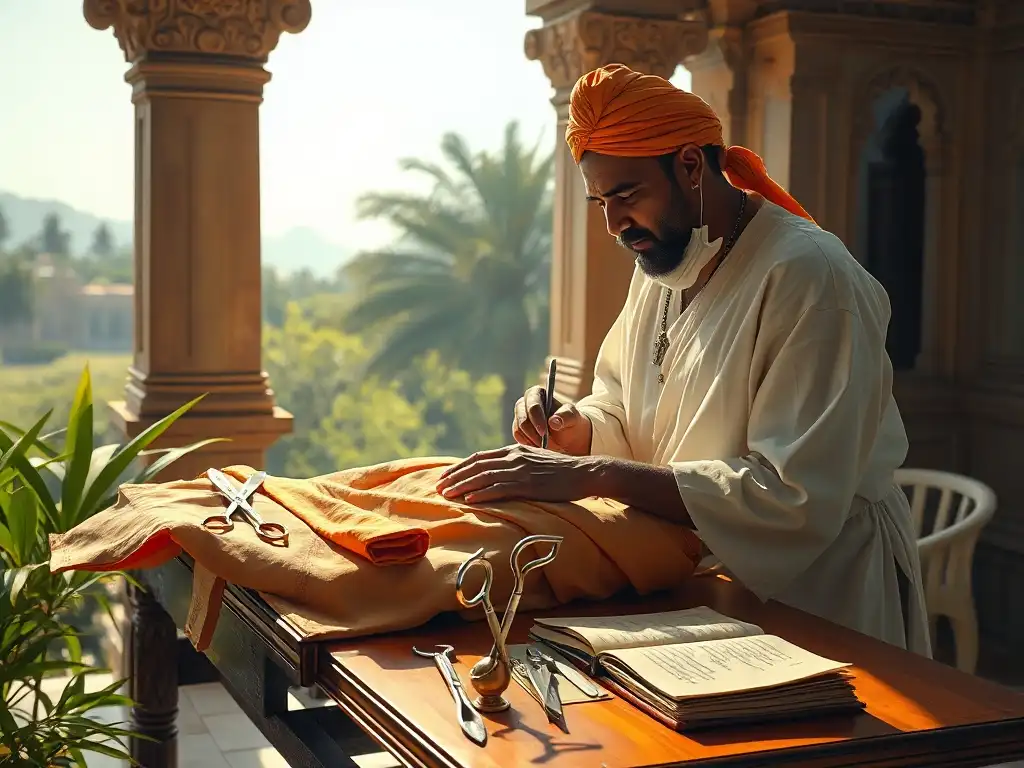
The history of ancient Indian surgery is a testament to the advanced medical knowledge and practices that flourished in the subcontinent long before the modern era. The roots of surgical techniques can be traced back to the Indus Valley Civilization, where evidence suggests that early practitioners had a profound understanding of anatomy and surgical procedures. Over the centuries, the synthesis of practical experience and theoretical knowledge gave rise to a rich tradition of surgical practices that have influenced not only the region but also the broader field of medicine worldwide.
The Indus Valley Civilization's Contributions
The Indus Valley Civilization, which thrived around 2500 BCE in present-day Pakistan and northwest India, is known for its sophisticated urban planning and advanced technological achievements. Archaeological findings indicate that the people of this civilization practiced surgery, as evidenced by surgical instruments made from materials like bronze and stone.
Key contributions include:
- Surgical Instruments: Excavations have uncovered various tools, such as scalpels, forceps, and probes, suggesting that they were used for surgical procedures.
- Public Health Systems: The presence of sophisticated drainage systems and baths indicates an understanding of hygiene, which is crucial for surgical practices.
- Medical Knowledge: Evidence of early medical practices suggests that the physicians of the Indus Valley had a rudimentary grasp of anatomy, perhaps derived from dissection of animals.
This early foundation set the stage for more advanced surgical techniques that would be documented and refined in later texts.
Textual References: Sushruta Samhita and Charaka Samhita
The Sushruta Samhita and Charaka Samhita are seminal texts in ancient Indian medicine, revered for their comprehensive treatises on surgery and medicine, respectively.
- Sushruta Samhita: Often considered the world's oldest surgical manual, the Sushruta Samhita, attributed to Sushruta, details over 300 surgical procedures and describes more than 120 surgical instruments. It emphasizes techniques such as:
- Rhinoplasty: Reconstruction of the nose, which is one of the earliest documented plastic surgeries.
- Cataract Surgery: Techniques for treating eye ailments were also described, showcasing an understanding of ophthalmology.
- Anesthesia: The text mentions the use of wine and other substances to alleviate pain, illustrating an early awareness of anesthetic practices.
- Charaka Samhita: While primarily a text on medicine, it complements the surgical knowledge found in Sushruta Samhita by discussing the importance of diagnosis, prognosis, and treatment protocols. It emphasizes holistic health and disease prevention, which are integral to surgical success.
These texts not only served as educational resources but also laid the groundwork for surgical practices that would evolve over centuries.
Surgical Practices in Different Periods of Ancient India
Ancient Indian surgery evolved significantly through various historical periods, each contributing unique techniques and knowledge.
- Vedic Period (1500 BCE - 500 BCE): Early surgical practices were rudimentary, largely based on herbal medicine and spiritual healing. The focus was on treating wounds and fractures, with little documentation.
- Maurya Period (322 BCE - 185 BCE): The establishment of a more organized medical system occurred during this time. The influence of the Sushruta Samhita began to manifest with improved surgical techniques and instruments.
- Gupta Period (320 CE - 550 CE): Often referred to as the Golden Age of India, this period saw significant advancements in medical science. The practice of surgery became more sophisticated, with increased emphasis on:
- Complex Operations: Such as cesarean sections and stone removal, indicating a deepening understanding of human anatomy and physiology.
- Specialization: Surgeons began to specialize in different fields, mirroring modern medical practices.
- Post-Gupta Period: The arrival of foreign influences and the integration of knowledge from other civilizations contributed to a blend of surgical techniques. This period laid the groundwork for continued advancements in medieval and modern Indian medicine.
Ancient Indian surgical techniques were marked by a rich historical context that evolved through various civilizations, contributing significantly to the field of medicine. The foundational knowledge established by early practitioners paved the way for contemporary surgical practices, highlighting the enduring legacy of ancient Indian medicine on modern healthcare systems.
Core Principles of Ancient Indian Surgical Techniques
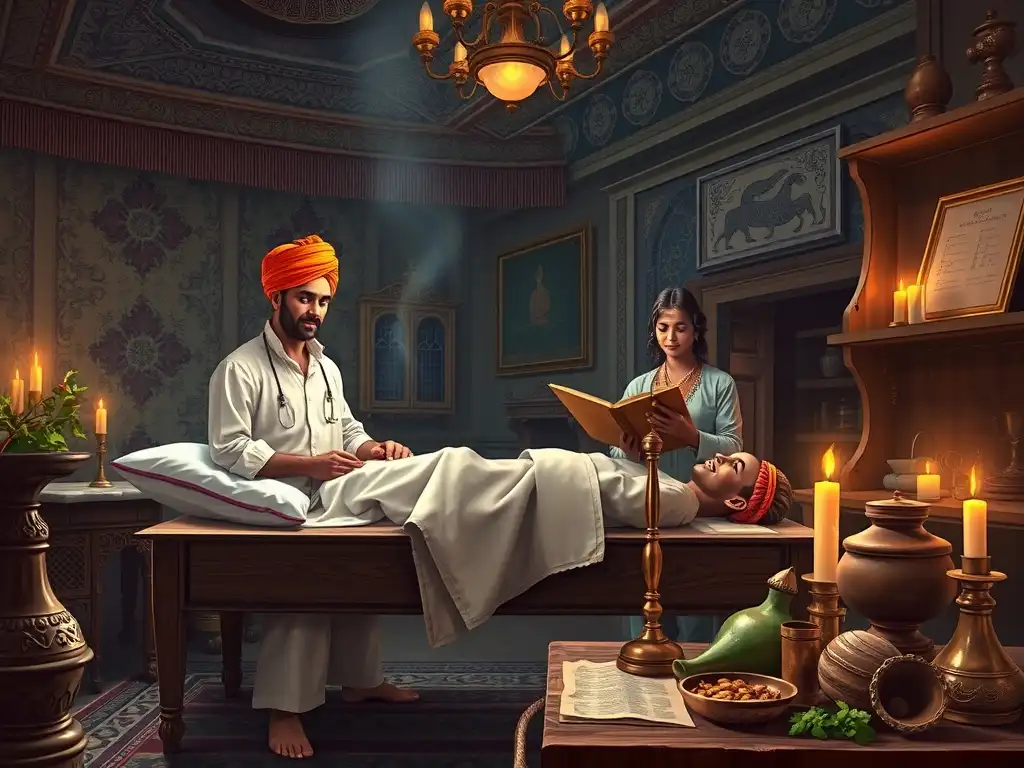
The Philosophy of Healing in Ancient India
The philosophy of healing in ancient India was deeply rooted in holistic approaches, intertwining the physical, mental, and spiritual aspects of health. Ancient Indian surgical techniques were not just about treating the body but were also influenced by the prevalent medical systems, primarily Ayurveda.
- Balance of Doshas: Central to Ayurvedic understanding is the concept of doshas (Vata, Pitta, and Kapha). Ancient surgeons believed that maintaining a balance among these bodily humors was essential for health. Surgical interventions were often aimed at restoring this balance, promoting both physical recovery and overall well-being.
- Mind-Body Connection: The ancient Indian perspective emphasized the connection between the mind and body. This philosophy recognized that psychological factors could significantly influence physical health, leading to a more integrated approach in surgical practices.
- Spiritual Aspect: Healing was often accompanied by rituals and spiritual practices. Surgeons would invoke divine blessings for successful procedures, reflecting the belief that spiritual well-being was crucial for physical healing. This holistic view set ancient Indian surgical techniques apart from more reductionist approaches observed in other cultures.
Key Instruments Used in Ancient Indian Surgery
Ancient Indian surgical techniques were characterized by the use of a variety of specialized instruments, many of which showcased advanced metallurgy and craftsmanship for their time. The following are some of the key instruments that were employed:
| Instrument | Description |
|---|---|
| Surgical scalpels | Known as shastra, these were made from high-quality steel, designed for precision incisions. |
| Forceps | Utilized for grasping and holding tissues, often crafted with careful attention to ergonomics. |
| Cautery tools | Instruments used for cauterization, which involved burning tissue to stop bleeding and prevent infection. |
| Suction devices | Early forms of suction were developed to remove fluids and blood from surgical sites. |
The craftsmanship evident in these instruments highlights the advanced understanding of metallurgy in ancient India, allowing for effective and safe surgical procedures. Ancient texts, such as the Sushruta Samhita, detail the design and function of these instruments, emphasizing their importance in surgical success.
Techniques and Procedures: An Overview
Ancient Indian surgical techniques encompassed a wide array of procedures that demonstrated remarkable skill and knowledge. Among the prominent techniques were:
- Surgery for Trauma: Ancient Indian surgeons were adept at treating wounds and fractures. Techniques for cleaning and suturing wounds were well-established, and methods for bone-setting were commonly practiced.
- Plastic Surgery: One of the most notable contributions was in the field of reconstructive surgery. The famous rhinoplasty, or nose reconstruction, detailed in the Sushruta Samhita, involved intricate techniques that laid the foundation for modern plastic surgery.
- Eye Surgery: The ancient texts also describe procedures for cataract removal, showcasing a deep understanding of ocular anatomy and the necessity for precision in delicate operations.
- Obstetrics and Gynecology: Surgical techniques in this area included methods for safe childbirth and management of complications, reflecting a comprehensive understanding of female health.
The intricate blend of philosophy, innovation, and practical knowledge in ancient Indian surgical techniques not only contributed to the advancement of medicine in ancient times but also continues to influence contemporary practices today. The legacy of these techniques underscores the sophisticated nature of ancient Indian medical science, revealing a rich tapestry of healing that resonates throughout history.
Comparative Analysis: Ancient Indian Surgical Techniques vs. Contemporary Practices
Similarities in Principles of Surgery
The foundational principles of surgery, both in ancient India and today, exhibit remarkable similarities. At the core of ancient Indian surgical techniques, as documented in texts such as the Sushruta Samhita, lies a profound understanding of human anatomy, physiology, and the importance of aseptic environments. Surgeons like Sushruta emphasized the need for precision and care, a philosophy that resonates strongly with modern surgical practices.
- Holistic Approach: Both ancient Indian surgeons and contemporary practitioners adopt a holistic view of patient care. They consider not only the physical condition but also the psychological aspects of healing.
- Pre-operative Assessment: Ancient texts highlight the significance of assessing a patient's overall health before surgery, paralleling modern practices where thorough pre-operative evaluations are standard.
- Post-operative Care: Emphasis on post-surgical care is evident in both eras. Ancient texts outlined various herbal remedies and dietary suggestions to enhance recovery, mirroring modern approaches that prioritize follow-up care and rehabilitation.
Differences in Techniques and Tools
While the underlying principles may align, the tools and techniques employed in ancient Indian surgery starkly contrast with those of contemporary practices.
- Instruments: Ancient Indian surgeons used a variety of specialized instruments made from materials available at the time, such as bronze and iron. These included scalpels, forceps, and suturing needles, which were often intricately designed for specific procedures. In contrast, modern surgery relies on advanced materials like stainless steel and titanium, coupled with sophisticated technology, including robotic systems and laparoscopic tools.
- Anesthesia and Pain Management: Ancient Indian texts reference the use of herbal anesthetics and local methods to manage pain. Today, anesthesia has evolved into a highly controlled science, utilizing a range of pharmacological agents that ensure patient safety and comfort during procedures.
- Surgical Techniques: Techniques such as rhinoplasty and cesarean sections were practiced in ancient India with remarkable skill. However, the methodologies applied today, such as minimally invasive surgery and advanced imaging techniques, drastically improve outcomes and reduce recovery times.
Evolving Perspectives on Patient Care
The evolution of patient care perspectives from ancient Indian practices to contemporary methods reflects broader changes in medical philosophy and technology.
- Informed Consent: Ancient surgeons often communicated with patients about the risks and benefits of procedures, albeit in less formalized terms compared to today's legal and ethical standards requiring informed consent. This shift emphasizes patient autonomy and rights in modern medical practice.
- Emphasis on Ethics: The ethical framework surrounding surgery has also evolved. Ancient Indian texts highlighted the moral responsibilities of surgeons, paralleling contemporary discussions on medical ethics, patient confidentiality, and professional integrity.
- Integration of Technology: While ancient Indian surgeons relied on natural remedies and traditional methods, modern healthcare integrates technology not only in surgical procedures but also in diagnostics, treatment planning, and patient monitoring. The use of telemedicine and electronic health records exemplifies this integration, enhancing patient engagement and outcomes.
The comparative analysis of ancient Indian surgical techniques and contemporary practices reveals a tapestry of similarities and differences that highlight the evolution of medical science. The foundational principles remain vital, while advancements in technology and ethics continue to shape patient care in the modern era.
Notable Ancient Indian Surgeons and Their Contributions
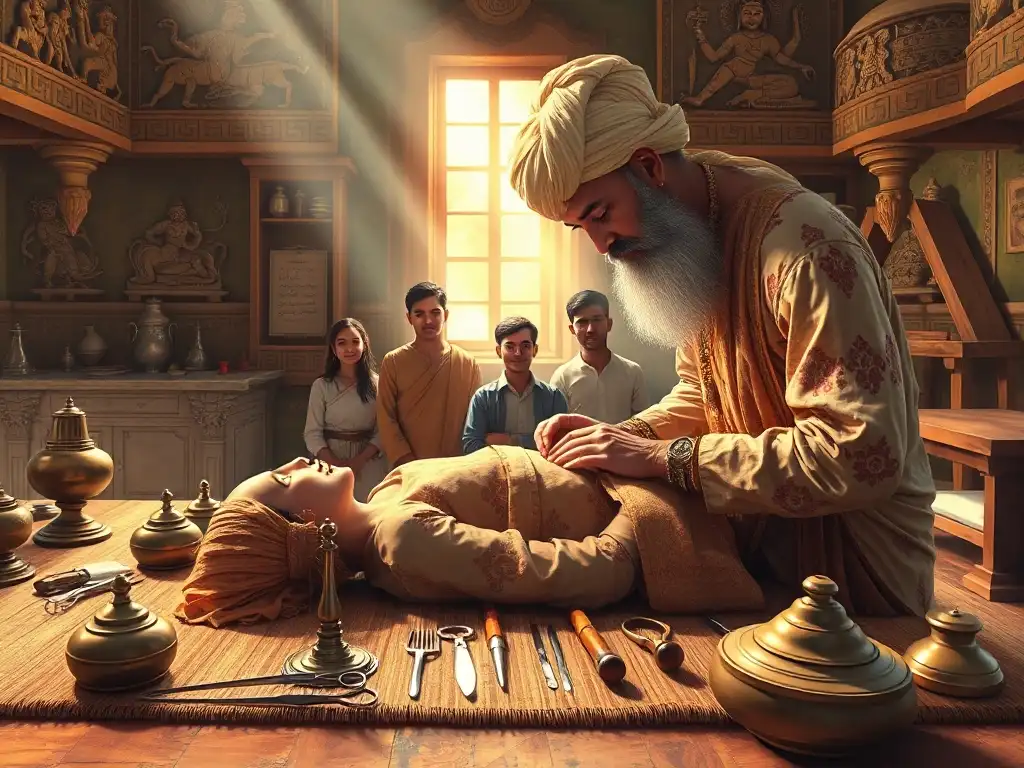
Sushruta: The Father of Surgery
Sushruta, renowned as the "Father of Surgery," made groundbreaking contributions to the field of medicine in ancient India. His seminal work, the Sushruta Samhita, composed around the 6th century BCE, is a comprehensive text that not only documents surgical techniques but also emphasizes the importance of medical ethics, patient care, and the holistic approach to health.
Key Contributions:
- Surgical Techniques: Sushruta outlined over 300 surgical procedures, including advanced techniques such as:
- Rhinoplasty (reconstruction of the nose)
- Cataract Surgery
- Lithotomy (removal of bladder stones)
- Instruments: He described numerous surgical instruments, many of which were innovative for their time. Key tools included:
- Scalpels (known as shastra)
- Forceps
- Surgical needles
- Anesthesia and Pain Management: Sushruta's texts also reference the use of herbal anesthetics (such as soma and hashish) to alleviate pain during surgery, showcasing an understanding of patient comfort.
- Ethics in Medicine: Sushruta emphasized the ethical responsibilities of a surgeon, advocating for a compassionate approach and the importance of consent before procedures.
Sushruta's influence extended beyond India, impacting medical practices in various cultures. His methods laid the groundwork for future advancements in surgery, and many of his techniques are still relevant in contemporary surgical practices, illustrating the remarkable foresight and knowledge possessed by ancient Indian surgeons.
Other Influential Figures in Ancient Indian Medicine
In addition to Sushruta, several other notable figures contributed significantly to ancient Indian surgical techniques and medicine, enriching the field with their diverse insights and practices.
1. Charaka
Charaka, an eminent physician of the same era, is best known for his work, the Charaka Samhita, which focuses on internal medicine rather than surgery. However, his contributions to the understanding of human anatomy and physiology have been invaluable.
- Holistic Approach: Charaka promoted a holistic view of health, emphasizing the balance of body, mind, and spirit.
- Diagnostic Techniques: He introduced methods for diagnosing diseases through observation and questioning, which are fundamental to modern medical practices.
2. Vagbhata
Vagbhata, a later physician who lived in the 7th century CE, compiled medical knowledge from earlier texts into the Ashtanga Hridaya, which integrates surgery, internal medicine, and pharmacology.
- Comprehensive Overview: His work provided a synthesis of surgical techniques along with Ayurvedic principles, highlighting the interconnectedness of various fields of medicine.
- Focus on Surgery: Vagbhata included surgical procedures and detailed descriptions of instruments, continuing the legacy established by Sushruta.
3. Jivaka
Jivaka, often regarded as one of the greatest physicians of ancient India, was a contemporary of the Buddha and served as the royal physician to King Bimbisara of Magadha.
- Innovative Practices: He is believed to have performed complex surgeries, including the treatment of wounds and fractures, and was known for his use of medicinal plants.
- Influence on Buddhism: Jivaka's practices and teachings not only contributed to the medical field but also influenced Buddhist teachings on health and well-being.
These influential figures collectively advanced ancient Indian surgical techniques, laying a strong foundation for the practice of medicine that continues to resonate in modern healthcare. Their holistic approaches and innovative techniques underscore the sophistication of ancient Indian medicine, showcasing a legacy that bridges the gap between historical practices and contemporary medical advancements.
Modern Applications of Ancient Indian Surgical Techniques
Integration of Ancient Practices in Contemporary Medicine
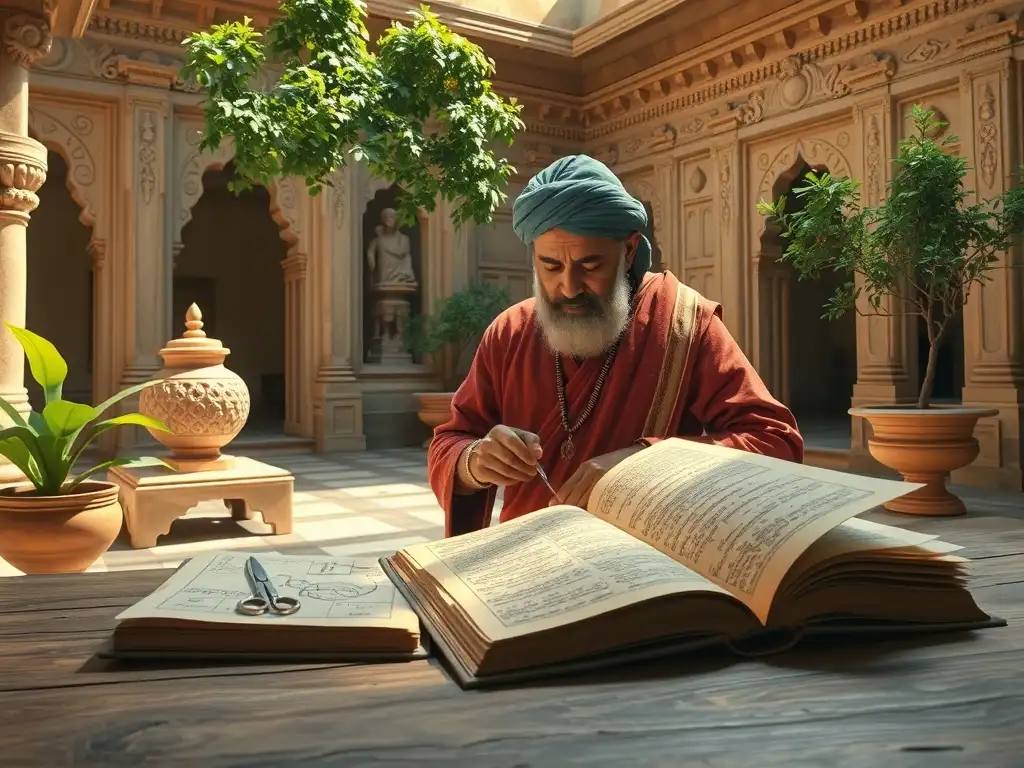
The resurgence of interest in ancient Indian surgical techniques has paved the way for a fascinating integration of these age-old practices into contemporary medicine. Ancient Indian surgical techniques, particularly those documented in texts like the Sushruta Samhita, are being revisited for their innovative approaches and holistic understanding of human anatomy and surgery.
- Holistic Healing: Modern medicine increasingly recognizes the value of holistic approaches. Ancient Indian surgery emphasized the balance between body, mind, and spirit, which is reflected in practices like Ayurveda. This perspective encourages a comprehensive treatment plan, focusing not just on the physical ailment but also on the patient's overall well-being.
- Minimally Invasive Techniques: Many ancient surgical methods, such as those for cataract removal or the treatment of wounds, showcase techniques that are minimally invasive. Modern surgeons are exploring these methods to reduce recovery times and minimize complications. For instance, the ancient technique for cataract surgery, known as couching, involved displacing the cataract into the vitreous, a method that, while outdated, has inspired modern minimally invasive approaches.
- Instruments and Tools: The surgical instruments used in ancient Indian practices were highly sophisticated. Modern surgical tools have been designed and refined based on these ancient designs, leading to improved precision in surgeries. For example, the use of sharp and blunt dissection tools in ancient India is mirrored in the design of contemporary scalpels and retractors.
- Anatomical Knowledge: The detailed understanding of human anatomy as described in texts like the Sushruta Samhita has found a place in contemporary medical education. The meticulous descriptions of body parts and surgical procedures encourage medical students and practitioners to appreciate the depth of knowledge possessed by ancient surgeons.
Case Studies: Successful Surgeries Using Ancient Techniques
Several contemporary case studies highlight the successful application of ancient Indian surgical techniques, illustrating their relevance and efficacy in today’s medical landscape.
- Cataract Surgery: A notable case involved a 65-year-old patient suffering from cataracts. Utilizing a modified ancient technique of couching, ophthalmologists achieved successful outcomes with less trauma to the eye. By carefully displacing the lens, the patient experienced improved vision without the need for more invasive procedures.
- Wound Management: In another instance, a patient with chronic non-healing wounds was treated using ancient methods of wound care that emphasize cleanliness, herbal applications, and suturing techniques derived from the Sushruta Samhita. The application of specific herbal pastes and proper suturing led to remarkable healing that modern antibiotics struggled to achieve.
- Plastic Surgery: The ancient Indian approach to reconstructive surgery, particularly the nasal reconstruction technique described by Sushruta, has been adapted in modern plastic surgery. In a recent case, a patient who suffered from nasal deformities due to trauma underwent a successful reconstruction using principles derived from ancient texts, resulting in both functional and aesthetic improvements.
The integration of ancient Indian surgical techniques into contemporary medical practice is not only preserving historical knowledge but is also enhancing modern surgical methodologies. The successful case studies underscore the potential of these ancient practices to contribute meaningfully to the field of medicine today.
Challenges in Bridging Ancient and Modern Surgery
Misconceptions About Ancient Indian Surgical Techniques
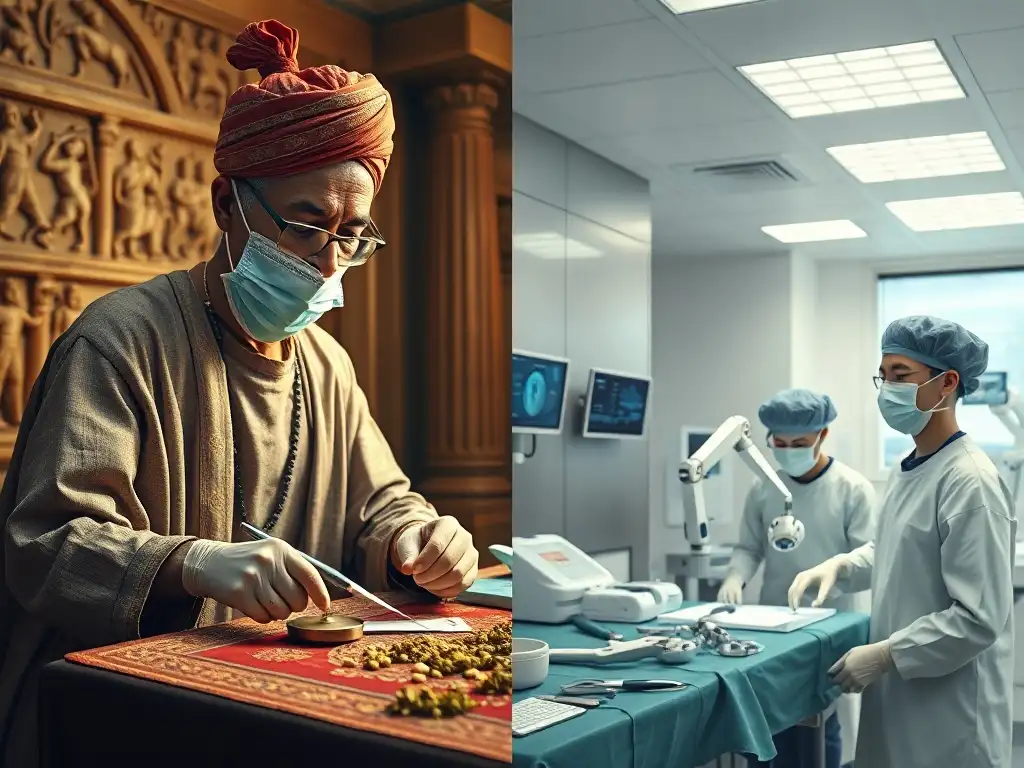
When discussing Ancient Indian surgical techniques, several misconceptions often arise that hinder a proper understanding of their sophistication and relevance. One prevalent myth is that ancient practices were rudimentary and lacked the complexity of contemporary methods. In reality, ancient Indian surgeons, particularly those from the Sushruta Samhita, demonstrated remarkable knowledge of anatomy and surgical procedures, often employing techniques that resonate with modern practices.
For instance, many believe that surgical interventions in ancient India were primarily limited to external wounds. However, texts reveal that highly skilled surgeons performed complex operations, such as cataract surgeries and plastic surgeries (like rhinoplasty). The Sushruta Samhita meticulously describes procedures, including the use of specific tools and techniques that align closely with today's surgical instruments.
Furthermore, there is a misconception that these ancient techniques were based solely on empirical knowledge without a scientific foundation. Contrary to this belief, the systematic approach adopted by ancient Indian surgeons involved careful observation, experimentation, and documentation, laying the groundwork for a more scientific understanding of human anatomy and surgery.
The Need for Systematic Study and Research
To truly appreciate and potentially integrate ancient Indian surgical techniques into contemporary practice, a systematic study and thorough research are imperative. This involves not only examining historical texts like the Sushruta Samhita but also conducting interdisciplinary studies that combine history, medicine, and cultural anthropology.
- Documenting Techniques: A comprehensive documentation of various surgical techniques described in ancient texts is essential. By translating and interpreting these texts, researchers can create an accessible repository of knowledge that modern surgeons can draw from.
- Comparative Analysis: Conducting comparative studies between ancient and modern surgical techniques can reveal valuable insights. For instance, understanding the principles behind ancient surgical methods may inspire innovations in current practices, especially in areas like minimally invasive surgery.
- Clinical Trials: Implementing clinical trials to test the efficacy of ancient techniques could provide empirical evidence of their relevance today. By blending traditional methods with contemporary surgical practices, it may be possible to enhance patient outcomes and recovery times.
- Cultural Context: Recognizing the cultural context of ancient Indian surgery is vital. This includes understanding how these practices were influenced by the prevailing medical philosophies and societal norms of the time. Such insights can foster a deeper appreciation of the contributions of ancient Indian civilizations to global medical knowledge.
Bridging the gap between ancient and modern surgery requires a concerted effort to dispel misconceptions and undertake rigorous research. By doing so, we can unearth the rich legacy of ancient Indian surgical techniques and explore their potential applications in today’s medical landscape.
Conclusion: The Legacy of Ancient Indian Surgical Techniques
The legacy of ancient Indian surgical techniques is a testament to the ingenuity and advanced understanding of medicine in ancient civilizations. With roots tracing back to the Indus Valley Civilization and flourishing through the texts of Ayurveda, particularly the Sushruta Samhita, these techniques not only set the foundation for surgical practices but also influenced medical systems across the globe.
The surgical practices documented by ancient Indian scholars demonstrate a remarkable grasp of anatomy, surgical instruments, and the importance of patient care. Techniques such as plastic surgery, cataract surgery, and surgical suturing reveal a sophisticated comprehension of the human body, its ailments, and effective interventions. These contributions have been recognized for their precision and efficacy, often paralleling modern surgical methods.
Moreover, the ancient texts highlight the ethical dimensions of surgery, emphasizing the surgeon's role and responsibilities in patient care. This historical insight into ancient Indian surgical techniques provides a valuable framework for understanding the evolution of modern medicine, reinforcing the significance of ethical practices in contemporary surgical procedures.
The Importance of Preserving Ancient Medical Knowledge
Preserving ancient medical knowledge is crucial for multiple reasons. First, it offers a unique perspective on the evolution of medical practices and philosophies. Ancient Indian surgical techniques serve as a bridge connecting historical practices with current methodologies, enriching our understanding of medical history.
- Cultural Heritage: Ancient texts encapsulate the rich cultural heritage of India and its approach to health and wellness. By safeguarding these practices, we ensure that future generations appreciate and learn from this wealth of knowledge.
- Holistic Approaches: Many ancient techniques emphasize a holistic view of health, integrating physical, mental, and spiritual well-being. This perspective can provide valuable insights for modern medicine, which often focuses predominantly on physical ailments.
- Innovation Inspiration: Ancient wisdom can inspire contemporary innovations in medical science. For instance, the principles of minimally invasive surgery can be traced back to techniques described in ancient texts, underscoring the relevance of historical practices in today's medical advancements.
- Alternative Medicine: The resurgence of interest in alternative medicine has brought attention to ancient practices, which may offer complementary solutions to modern healthcare challenges. This interplay can foster a more comprehensive approach to patient care.
To ensure the preservation of this knowledge, collaborative efforts between historians, medical professionals, and educational institutions are essential. Documenting, translating, and teaching these ancient texts can help maintain their relevance and accessibility.
Future Directions: Merging Ancient Wisdom with Modern Science
The future of medicine may well depend on the integration of ancient wisdom with modern scientific advancements. This merging can lead to innovative approaches that respect tradition while embracing contemporary techniques.
- Research Collaboration: Initiatives that promote collaboration between historians of medicine and modern surgeons can facilitate new discoveries. By studying ancient surgical techniques in light of modern technologies, researchers can identify potential applications and improvements.
- Training Programs: Incorporating elements of ancient surgical techniques into medical training programs can enrich the curriculum. Teaching future surgeons about historical practices can foster a deeper appreciation for the evolution of their craft and encourage innovative thinking.
- Interdisciplinary Studies: Encouraging interdisciplinary studies that combine medical science, history, and ethics can help develop a more rounded approach to healthcare. Understanding the historical context of surgical practices can inform ethical decision-making in contemporary settings.
- Global Health Perspectives: As healthcare becomes increasingly globalized, integrating ancient techniques into modern medical practices can enhance global health strategies. Understanding diverse medical traditions can improve healthcare accessibility and effectiveness worldwide.
The journey of merging ancient Indian surgical techniques with modern science is just beginning. By preserving this rich legacy and exploring new avenues for collaboration, we can create a healthcare system that honors the past while innovating for the future.
Frequently Asked Questions
What were some key contributions of ancient Indian surgical techniques?
Ancient Indian surgical techniques included innovative practices such as plastic surgery, cataract surgery, and the use of herbal anesthetics. These contributions laid the groundwork for modern surgical practices.
How did ancient Indian surgery influence contemporary techniques?
The principles and methods developed in ancient Indian surgery have significantly influenced contemporary techniques, particularly in areas like reconstructive surgery and ophthalmology.
What texts document ancient Indian surgical practices?
The Sushruta Samhita is one of the most important texts, detailing various surgical procedures and techniques, and emphasizing the importance of medical ethics and patient care.
Who was Sushruta, and what was his role in surgery?
Sushruta is often referred to as the "Father of Surgery" in ancient India. He is credited with compiling surgical knowledge and techniques that have been pivotal in shaping the field of surgery.
Are there any modern applications of ancient Indian surgical techniques?
Yes, many modern surgical practices incorporate ancient techniques, particularly in the fields of plastic and reconstructive surgery, showcasing the timelessness of these ancient methods.
Final Reflection: Connecting Past Wisdom with Present Innovation
In exploring ancient Indian surgical techniques, we uncover a treasure trove of knowledge that remains profoundly relevant in today’s medical landscape. The intricate methods developed centuries ago not only showcase the ingenuity of our ancestors but also challenge us to rethink modern practices. As we stand at the intersection of tradition and innovation, we must recognize that the lessons from the past can illuminate the path forward in our quest for healing and understanding.
The influence of ancient Indian surgery extends beyond historical curiosity; it shapes our cultural and social perspectives on health and wellness. By acknowledging the depth of these techniques, we can appreciate the holistic approach they embody, which integrates physical, mental, and spiritual well-being. As noted by the renowned surgeon Sushruta, “Wherever there is a surgeon, there is a healing touch.” > This quote encapsulates the enduring impact of surgical practices that prioritize patient care and the art of healing, reminding us that medicine is as much about compassion as it is about technique.
As we reflect on these ancient practices, let us be inspired to integrate their wisdom into our modern lives. Consider how you can apply the principles of patience, thoroughness, and holistic care in your own experiences, whether in healthcare or daily interactions. Embrace the opportunity to learn from the past and foster a future where ancient knowledge and contemporary techniques coexist harmoniously, paving the way for a more compassionate and effective approach to healing.
Unveil the Secrets of Ancient Surgery Today!
Thank you for taking the time to explore the fascinating world of ancient Indian surgery. By diving into this rich history, you’ve gained valuable insight into how timeless techniques continue to influence modern practices. Now, it’s time to take your curiosity to the next level!
Here are some steps you can take to deepen your understanding and appreciation of this incredible legacy:
- Participate in hands-on workshops or online courses that focus on traditional healing techniques—experience the wisdom of the ancients firsthand!
- Share this article with friends or on social media to spark conversations about the evolution of medicine—let’s keep the dialogue going!
- Join community forums or groups dedicated to historical medical practices to connect with like-minded enthusiasts and expand your knowledge base.
What ancient surgical technique do you think has the most relevance in today's medical practices? **We’d love to hear your thoughts in the comments below! **