
A Closer Look at the Surgical Techniques of Ancient Indian Kings and Queens

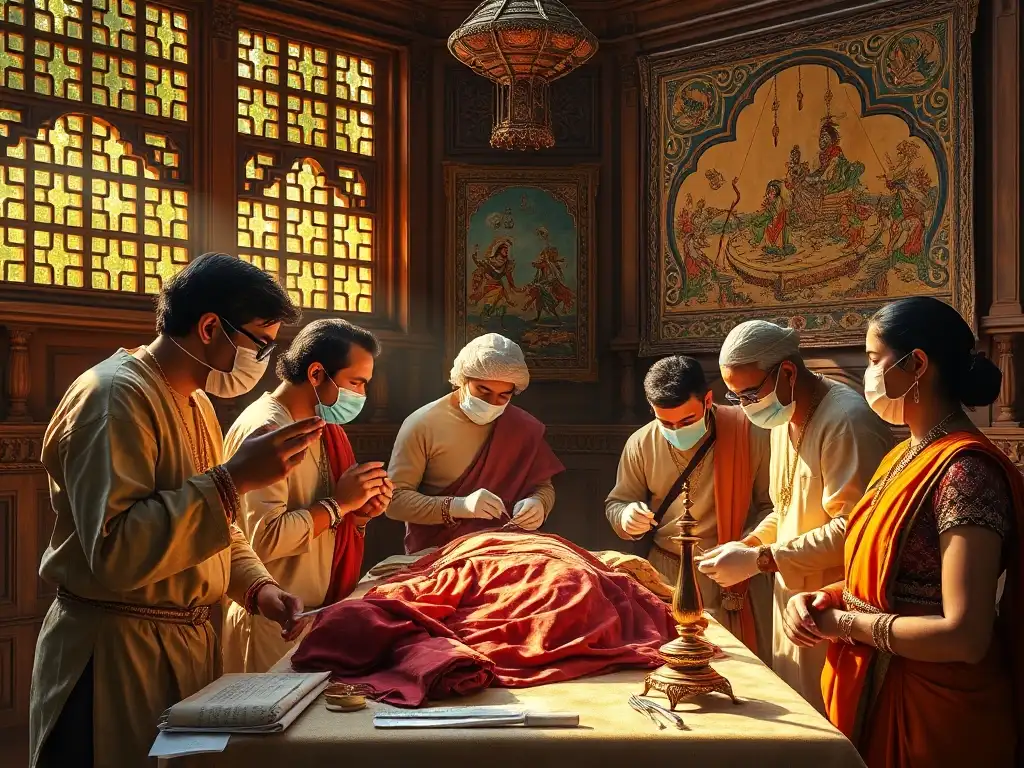
Welcome to Ancient India History, where we embark on a fascinating journey through the rich tapestry of one of the world's oldest civilizations. Today, we delve into an intriguing aspect of ancient Indian surgical techniques, illuminating the remarkable medical practices that flourished in the courts of kings and queens.
From the precision of early surgical instruments to the groundbreaking concepts that laid the foundation for modern medicine, our exploration promises to unveil secrets that have long been woven into the fabric of history. Prepare to be captivated as we uncover the wisdom of ancient healers and their contributions to the scientific world—read on to discover a legacy that continues to inspire awe and curiosity!
Introduction to Ancient Indian Surgical Techniques
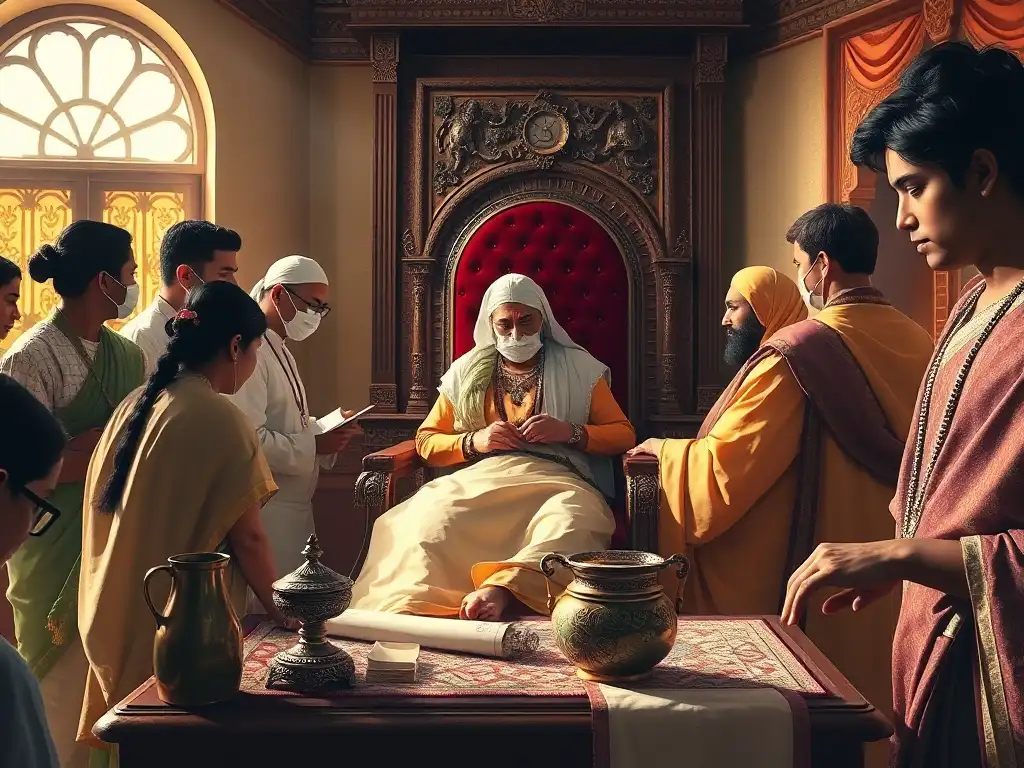
The history of ancient Indian surgical techniques is a fascinating blend of art and science, reflecting the remarkable advancements made by early medical practitioners. From the sophisticated procedures developed during the Indus Valley Civilization to the comprehensive texts of the Gupta Empire, ancient Indian medicine showcases a deep understanding of human anatomy and the principles of surgery. This article delves into the surgical practices employed by ancient Indian kings and queens, highlighting their contributions to medicine and the broader implications for healthcare in ancient societies.
Overview of Ancient Indian Medicine
Ancient Indian medicine, often referred to as Ayurveda, is a holistic system that integrates physical, mental, and spiritual health. It is characterized by a profound understanding of the human body, disease, and healing processes. Key texts such as the Sushruta Samhita and Charaka Samhita laid the foundations for surgical procedures, pharmacology, and diagnosis, emphasizing the importance of a systematic approach to healthcare.
- Key Features of Ancient Indian Medicine:
- Emphasis on preventive care and lifestyle management.
- Detailed anatomical knowledge, including surgical techniques.
- Use of natural remedies and surgical instruments made from materials like iron, bronze, and ivory.
This rich tradition not only influenced Indian society but also had a lasting impact on medical practices in other cultures, making it a subject of interest for historians and medical professionals alike.
Significance of Surgical Practices in Ancient India
Surgical practices in ancient India were not merely technical feats; they held significant cultural and social importance. Surgery was often viewed as a noble profession, one that required extensive training and a deep commitment to patient care.
- Cultural Impact:
- Surgeons were respected members of society, often working in royal courts.
- Surgical outcomes were believed to reflect the divine favor bestowed upon the practitioner.
The skills of ancient surgeons, including procedures such as cataract surgery, cesarean sections, and wound suturing, demonstrate the high level of medical knowledge and ethical standards upheld by these practitioners.
Historical Context of Surgical Techniques in Ancient India
The evolution of surgical techniques in ancient India can be traced back to various periods, each contributing unique advancements that shaped the field of medicine.
The Role of Kings and Queens in Medical Advancements
Kings and queens played a crucial role in promoting medical knowledge and practices in ancient India. Their patronage often led to the establishment of hospitals and schools dedicated to the study of medicine and surgery.
- Notable Contributions:
- King Ashoka: Promoted the establishment of hospitals during his reign, emphasizing the importance of healthcare for all.
- Queen Rudramba: Known for her support of medical practitioners and the development of surgical texts.
These royal figures not only facilitated the growth of medical knowledge but also helped in the dissemination of surgical techniques throughout their kingdoms.
Influences of Ancient Indian Civilizations on Surgery
The ancient Indian civilizations, particularly the Indus Valley Civilization and the Gupta Empire, significantly influenced the field of surgery through their innovations and practices. The discovery of surgical instruments and the documentation of surgical procedures in ancient texts highlight the advanced state of medical science during these periods.
- Key Influences:
- Techniques such as trephination and plastic surgery were documented and practiced.
- The integration of spiritual and herbal remedies with surgical interventions.
These advancements not only reflect the ingenuity of ancient Indian civilizations but also their commitment to improving human health through surgical means, setting a precedent for future medical practices.
The surgical techniques of ancient Indian kings and queens represent a remarkable achievement in the history of medicine, showcasing a blend of knowledge, culture, and ethical practice that has influenced surgical methods across the world.
Key Surgical Techniques Practiced by Ancient Indian Surgeons
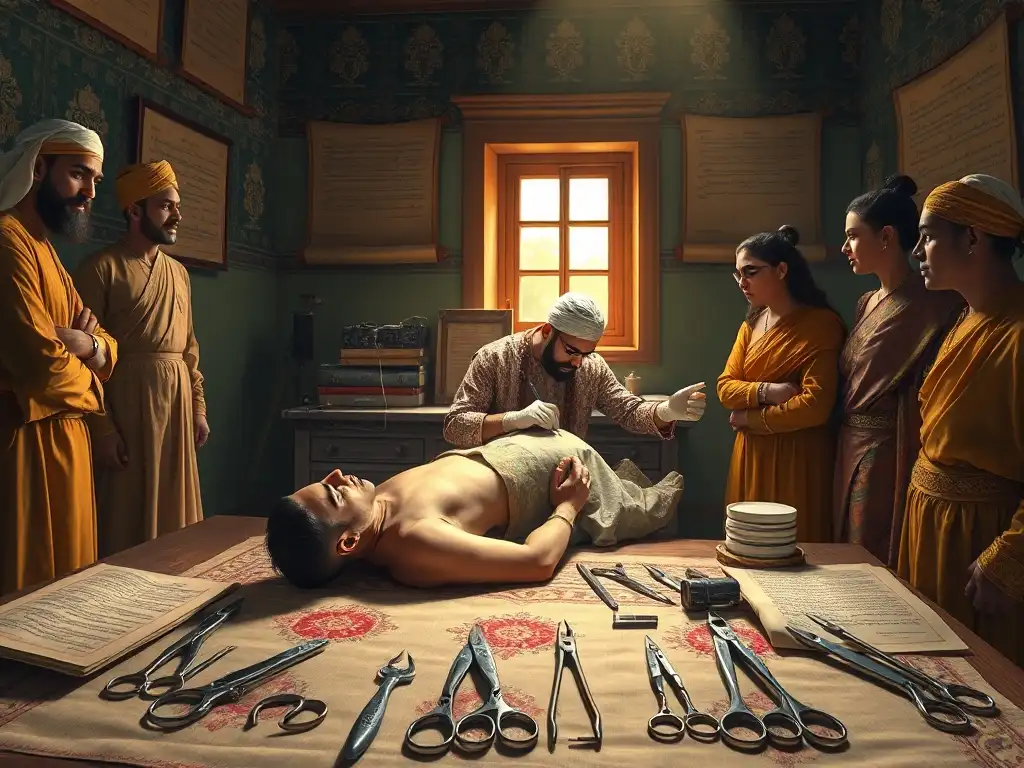
Ancient Indian surgeons were renowned for their advanced knowledge and skilled techniques, which laid the groundwork for modern surgical practices. Among the various methods they developed, several key techniques stand out. The practice of surgery in ancient India was largely documented in texts such as the Sushruta Samhita, attributed to Sushruta, a revered physician and surgeon. This text not only detailed surgical procedures but also classified them into various categories based on their complexity and type.
Overview of Major Surgical Procedures
The major surgical procedures practiced by ancient Indian surgeons included:
- Suturing: Techniques for stitching wounds and incisions were developed, allowing for effective closure and healing.
- Amputation: In cases of severe injury or infection, amputation was performed with careful planning and execution to minimize blood loss and promote recovery.
- Extraction of Tumors: Surgeons were adept at removing tumors and growths, using techniques that demonstrated a deep understanding of human anatomy.
- Cataract Surgery: One of the most advanced practices included the extraction of cataracts, which involved a careful procedure to restore vision.
- Plastic Surgery: Ancient Indian surgeons pioneered methods for reconstructive surgery, particularly for facial injuries, showcasing an impressive grasp of aesthetics and functionality.
These procedures reflect the sophisticated understanding of anatomy and a commitment to patient care that characterized ancient Indian surgical practices.
Specific Techniques Used by Ancient Indian Surgeons
Specific techniques employed by ancient Indian surgeons included:
- Kshara Sutra: A special thread coated with medicinal herbs was used for the treatment of fistulas, showcasing an early form of minimally invasive surgery.
- Raktamokshana: This procedure involved bloodletting to treat various ailments, demonstrating the early practice of understanding bodily fluids and their role in health.
- Sushruta's Method of Cauterization: Cauterization was employed to control bleeding and prevent infection, using heated instruments to achieve desired results.
- Surgical Anesthesia: Ancient texts describe the use of herbal concoctions and other substances for anesthesia, ensuring patients were less aware of the surgical process, which was crucial for more invasive procedures.
These specific techniques highlight the ingenuity and expertise of ancient Indian surgeons in addressing a wide range of medical conditions.
Tools and Instruments Used in Ancient Indian Surgery
The surgical practices of ancient India were complemented by a variety of specialized tools and instruments, crafted with precision to facilitate various procedures. These instruments were often made from metals such as iron and bronze, reflecting both the technological advancements and the artistic skills of the time.
Description of Surgical Instruments
Some key surgical instruments included:
- Scalpels: Sharp blades used for incisions, essential for various surgical operations.
- Forceps: Instruments designed for grasping and holding tissues, allowing surgeons to manipulate and access areas during surgery.
- Needles: Specialized needles for suturing, which were crucial for closing wounds effectively.
- Cauterizers: Tools used to burn tissue for surgical purposes, helping to control bleeding and reduce infection.
- Speculums: Instruments for dilating openings, particularly useful in gynecological procedures.
These instruments exemplify the sophistication of ancient Indian surgical practices, illustrating how they effectively addressed the needs of patients.
Innovations in Surgical Tools in Ancient India
Ancient Indian surgeons not only utilized existing tools but also innovated on them, leading to significant advancements in surgical technology. Notable innovations included:
- Development of Specialized Instruments: Instruments were designed for specific procedures, such as those for cataract surgery and plastic surgery, enhancing the precision of operations.
- Materials and Techniques: The use of metal alloys and improved shaping techniques allowed for sharper and more durable instruments, which facilitated better surgical outcomes.
- Standardization of Tools: The systematic classification and standardization of surgical tools contributed to the training of surgeons, ensuring consistency and safety in surgical practices.
These innovations underscore the progressive nature of ancient Indian medicine, reflecting a culture that valued both healing and the advancement of medical science.
Theoretical Foundations of Ancient Indian Surgical Techniques
The surgical techniques of ancient India were deeply rooted in a blend of empirical observation and philosophical thought. These techniques were not merely mechanical procedures but rather were integrated into the broader understanding of human health as prescribed by ancient texts. The foundational theories behind these practices can be traced back to the Vedic period, where early medical knowledge began to flourish.
Central to these techniques was the concept of "Sushruta Samhita," an ancient Sanskrit text attributed to Sushruta, often regarded as the father of surgery. This text comprises detailed descriptions of surgical procedures, instruments, and the anatomy of the human body. It systematically categorized various ailments and their treatments, laying the groundwork for surgical practices that were both innovative and effective.
Moreover, the ancient Indian understanding of physiology and pathology was advanced for its time, recognizing the importance of balancing the body's doshas (humors) — Vata, Pitta, and Kapha. This theoretical framework informed not only surgical practices but also the overall approach to medicine, emphasizing the need for holistic treatment.
Principles of Ayurveda in Surgical Practices
Ayurveda, the ancient Indian system of medicine, significantly influenced the surgical techniques practiced in ancient India. Its principles underscore the importance of balance and harmony within the body, which were crucial considerations for any surgical intervention. According to Ayurveda, health is achieved by maintaining equilibrium among the body's doshas, and surgical techniques were designed to address imbalances without compromising the patient's overall well-being.
In surgical practices, Ayurvedic principles dictated the choice of procedures and the management of post-operative care. For instance, the use of herbal medicines was prevalent in the treatment of surgical wounds, promoting healing while preventing infection. Additionally, the timing of surgeries was often aligned with lunar cycles, reflecting a belief that certain phases could enhance healing processes.
Furthermore, Ayurveda emphasized the importance of diagnosis and preparation prior to surgery. Detailed assessments of the patient's constitution and the specific pathology were essential, ensuring that surgical interventions were tailored to the individual's needs.
Connection Between Surgery and Ancient Indian Philosophy
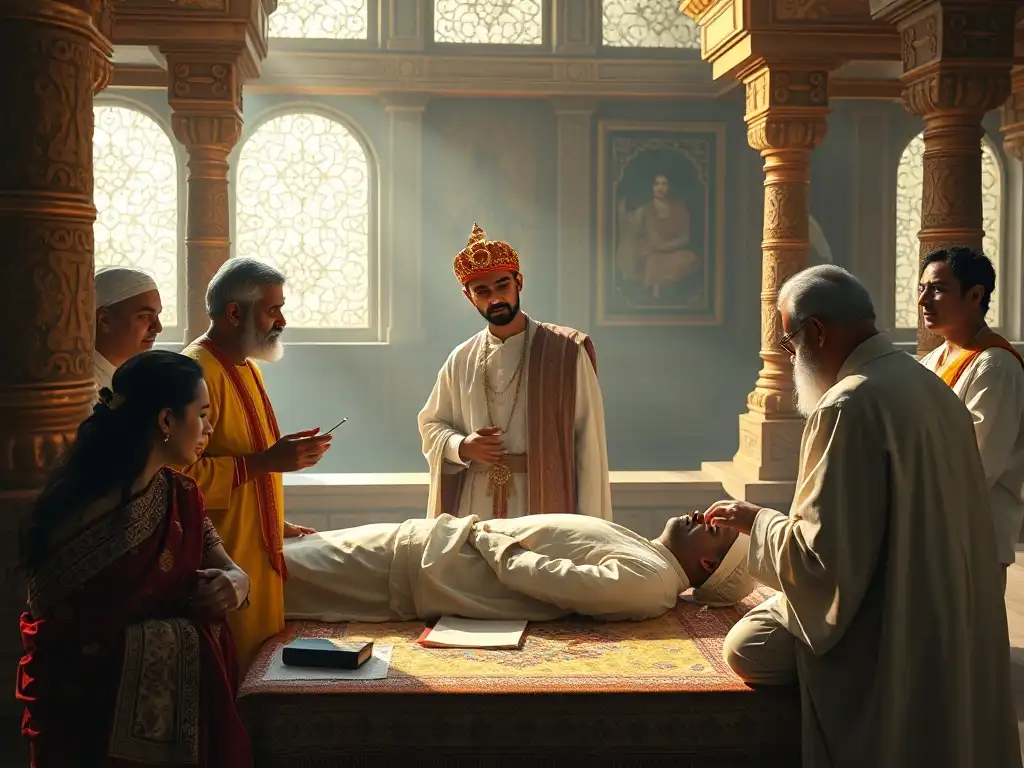
The connection between surgery and ancient Indian philosophy is profound, as both domains share a common goal: the alleviation of suffering and the promotion of health. Philosophical doctrines such as Dharma (duty) and Karma (action) influenced medical practitioners to approach surgery not merely as a technical skill but as a moral responsibility.
Surgeons in ancient India were often viewed as custodians of health, tasked with the ethical obligation to restore well-being. This philosophical underpinning encouraged a holistic approach to medicine, where physical, mental, and spiritual aspects were considered during surgical interventions.
Furthermore, the integration of Yoga and Meditation into pre-and post-operative care highlighted the emphasis on mental wellness as part of the healing process. This connection underscored the belief that a calm mind can significantly impact recovery, showcasing an advanced understanding of the mind-body relationship long before modern psychology recognized its importance.
The Training and Education of Ancient Indian Surgeons
The education and training of ancient Indian surgeons were comprehensive and rigorous, ensuring that practitioners were well-versed in both theoretical knowledge and practical skills. This training often took place in Gurukuls, traditional schools where students learned under the guidance of experienced masters.
Apprenticeship Models in Ancient Indian Medicine
Apprenticeship was the primary model for training surgeons in ancient India. Students would spend several years living with their teachers, learning through observation, practice, and direct involvement in medical procedures. This hands-on training was critical in developing not only technical skills but also the ethical and philosophical foundations necessary for a successful surgical career.
During their apprenticeship, students were immersed in various aspects of medicine, including herbal medicine, surgical techniques, and patient care. They learned to handle surgical instruments, understand anatomy, and perform procedures under the watchful eye of their mentors. This model fostered a deep respect for the medical profession and encouraged a commitment to lifelong learning.
Prominent Medical Texts and Their Contributions
Several influential texts contributed to the education of ancient Indian surgeons, with the Sushruta Samhita being the most notable. This comprehensive treatise detailed various surgical techniques, including procedures like cataract surgery and plastic surgery, effectively establishing a curriculum for aspiring surgeons.
Other significant texts included the Charaka Samhita, which focused on internal medicine but also addressed surgical aspects relevant to various ailments. The integration of these texts into the curriculum ensured that surgeons were not only skilled practitioners but also knowledgeable in the broader context of medicine.
These texts often served as reference materials for surgical techniques, anatomy, and patient management, playing a crucial role in transmitting knowledge across generations. The emphasis on textual study, paired with practical training, created a well-rounded educational framework that significantly advanced the field of surgery in ancient India.
Case Studies of Notable Surgeries in Ancient India
Ancient India is celebrated for its advanced knowledge of surgical techniques, which were often documented in texts such as the Sushruta Samhita. This ancient compendium of medicine and surgery, attributed to the physician Sushruta, provides detailed insights into surgical procedures and case studies that highlight the expertise of ancient Indian surgeons.
One notable case study involves the surgical treatment of cataracts, a common ailment in ancient times. Sushruta described a technique called "couching," where the surgeon would use a sharp instrument to dislocate the lens of the eye. This procedure, though rudimentary by modern standards, indicated a profound understanding of ocular anatomy and the need for precision. Another remarkable case documented involves complex wound management, showing that ancient surgeons successfully treated battle injuries. They utilized antiseptic techniques, including the use of herbal pastes, to prevent infection, illustrating their holistic approach to surgery and patient care.
Additionally, the surgical practice of rhinoplasty, or reconstructive surgery of the nose, is well-documented in ancient texts. Sushruta's technique for nasal reconstruction involved the use of a flap of skin from the forehead, showcasing not only surgical skill but also an understanding of aesthetics. These case studies illustrate the depth of knowledge and the practical applications of surgical techniques in ancient India, marking significant contributions to the field of medicine.
Famous Surgical Procedures by Renowned Surgeons
The legacy of ancient Indian surgical techniques is closely tied to several renowned surgeons whose procedures set benchmarks in medical history. Sushruta, often regarded as the 'Father of Surgery,' performed a variety of surgeries that included not just cosmetic procedures but also life-saving interventions. His work laid the foundation for many surgical practices, and he is particularly noted for his innovative techniques in plastic surgery and orthopedic procedures.
Another significant figure is Charaka, who, while primarily known as a physician, integrated surgical practices into his teachings. His contributions to the understanding of medicine included the management of surgical cases, emphasizing preventive care and the importance of diet and lifestyle in healing.
The Sushruta Samhita describes over 120 surgical instruments, highlighting the advanced instrumentation available to these ancient surgeons. Famous procedures such as lithotomy (surgery to remove stones from the urinary tract) and the removal of foreign bodies from wounds not only showcased the technical prowess of these surgeons but also their commitment to patient outcomes.
Impact of Surgical Techniques on Ancient Indian Society
The surgical techniques practiced in ancient India significantly influenced societal health and well-being. The ability to perform complex surgeries not only alleviated suffering but also fostered a culture of medical learning and innovation. The success of these surgeries led to an increased trust in medical practitioners, allowing for the establishment of hospitals and surgical centers that catered to the needs of the populace.
Moreover, the advances in surgical techniques contributed to the overall development of Ayurvedic medicine, which integrated surgery with holistic healing practices. This blend of approaches enabled ancient Indian society to address health issues comprehensively, influencing public health and the quality of life.
Surgery also played a role in the status of practitioners in society. Successful surgeons gained respect and authority, often serving royal families and high-ranking officials. The recognition of surgical excellence established a tradition of mentorship and learning, passing down knowledge through generations, which was crucial for the continuity of medical practices in ancient India.
Comparison of Ancient Indian Surgical Techniques with Other Cultures
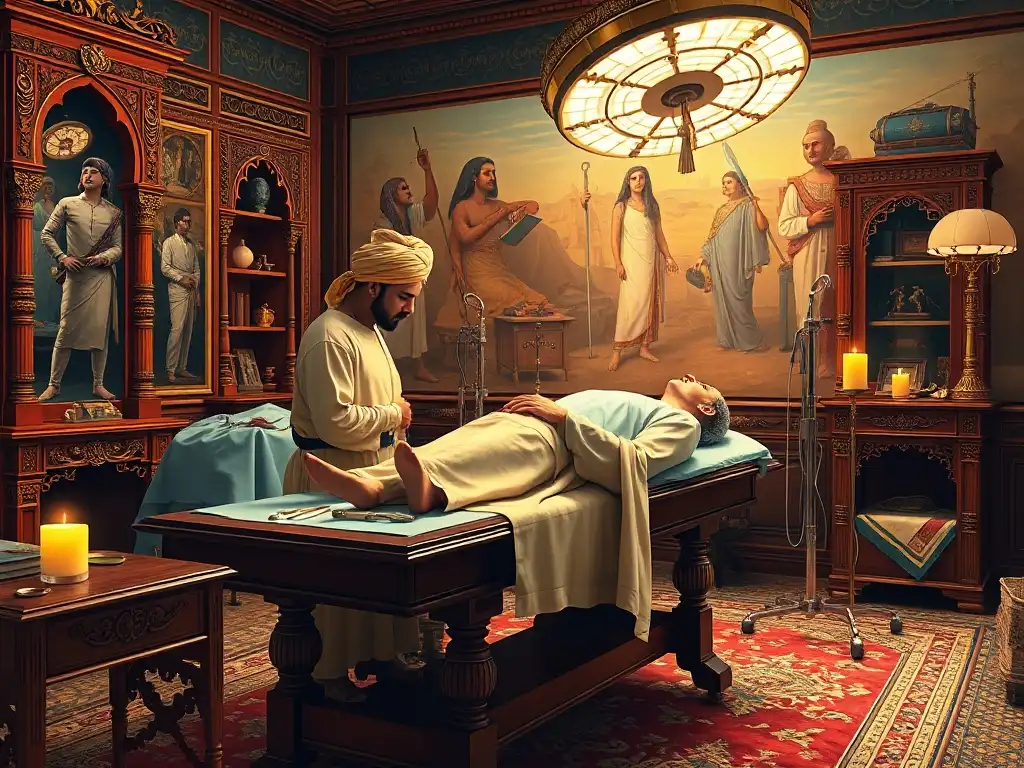
The surgical techniques of ancient India exhibit both unique characteristics and shared practices with other ancient civilizations. This comparison reveals the universality of surgical challenges faced by societies, as well as the innovative responses developed in different cultural contexts.
Similarities and Differences with Greek Medical Practices
Ancient Indian surgical techniques, particularly those documented in the Sushruta Samhita, bear similarities to the medical practices of ancient Greece, especially in the realms of surgical procedures and the categorization of ailments. Both cultures recognized the importance of anatomy and surgical intervention in treating injuries. Greek physicians like Hippocrates also emphasized the need for careful observation and documentation, paralleling Sushruta's systematic approach.
However, differences emerged in the underlying philosophies guiding these practices. While Greek medicine often focused on the humoral theory, ancient Indian practices were deeply rooted in Ayurveda, which emphasized balance within the body. Furthermore, Indian surgeons developed specific techniques, such as the use of herbal remedies and unique surgical instruments, that were not as prevalent in Greek medicine.
Influence of Ancient Indian Surgery on Other Civilizations
The impact of ancient Indian surgical techniques extended beyond its borders, influencing various other civilizations. Texts like the Sushruta Samhita were translated into Arabic and later into Latin, spreading knowledge of Indian surgical practices throughout the Middle East and Europe. This cross-cultural exchange significantly enriched the medical landscape, introducing advanced surgical methods to other cultures.
Prominent surgeons in the Islamic Golden Age, such as Al-Razi and Avicenna, incorporated Indian surgical techniques into their own practices, further refining them and adapting them to their medical philosophies. The dissemination of this knowledge played a crucial role in shaping surgical practices in medieval Europe, which later laid the groundwork for modern surgical techniques.
The legacy of ancient Indian surgical techniques is profound, demonstrating an intricate understanding of medicine that resonates even today. The innovations and practices established by ancient Indian surgeons not only addressed the immediate health concerns of their time but also influenced global medical practices, marking ancient India as a pivotal player in the history of surgery.
Conclusion: Legacy of Ancient Indian Surgical Techniques
The legacy of ancient Indian surgical techniques is profound and multifaceted, reflecting the advanced understanding and application of medicine in historical contexts. Ancient Indian texts, particularly the Sushruta Samhita, were foundational in documenting surgical procedures and medical practices, laying the groundwork for surgical education and practice. The techniques developed by ancient Indian physicians not only catered to the needs of their time but also influenced medical practices in neighboring regions and cultures.
The surgical techniques practiced by ancient Indian kings and queens were characterized by a holistic approach to health, integrating surgery with herbal medicine, diet, and lifestyle. This comprehensive perspective contributed to the overall well-being of the populace and served as a precursor to many modern surgical practices. The meticulous documentation and preservation of these techniques ensure that they remain relevant, offering insights into historical medical practices and their evolution over centuries.
Lasting Impact on Modern Medicine
The impact of ancient Indian surgical techniques on modern medicine is evident in several areas. Many surgical procedures, such as rhinoplasty and cataract surgery, which were performed in ancient India, have been refined and adapted in contemporary surgical practices. The emphasis on aseptic techniques, anatomical knowledge, and patient care found in ancient texts resonates with modern surgical protocols.
Furthermore, the integration of Ayurveda into surgical practices showcases a holistic approach that modern medicine is increasingly recognizing. The principles of balance and prevention in health care, articulated by ancient Indian practitioners, align with current trends toward integrative and patient-centered care. As medical professionals today seek to bridge traditional knowledge with contemporary science, the wisdom of ancient Indian surgical techniques continues to inspire and inform.
Preservation of Ancient Indian Medical Knowledge
The preservation of ancient Indian medical knowledge is crucial for understanding the evolution of surgical techniques. Manuscripts such as the Sushruta Samhita and Charaka Samhita have been meticulously preserved and studied, providing invaluable insights into ancient medical practices. Efforts by historians, archaeologists, and medical researchers to translate, digitize, and disseminate these texts have played a significant role in maintaining this rich heritage.
In addition to textual preservation, practical applications of ancient techniques are being revived in some modern surgical practices, highlighting the relevance of this ancient knowledge. Institutions dedicated to Ayurveda and traditional medicine in India strive to keep these practices alive, ensuring that the wisdom of ancient Indian surgeons is not lost but rather integrated into contemporary medical discourse.
References and Further Reading
Suggested Books on Ancient Indian Surgery
- "Sushruta Samhita: The Compendium of Surgery": - An English translation and commentary on the original Sanskrit text, providing insights into surgical techniques and ancient medical practices.
- "Ayurveda: The Science of Self-Healing" by Dr. Vasant Lad: - This book explores the principles of Ayurveda, including surgical aspects and holistic health practices.
- "Ancient Indian Medicine: A Historical Perspective" by Dr. S. B. Bhatt: - A comprehensive overview of the evolution of medical practices in ancient India, including surgery.
Academic Articles and Ancient Texts for In-depth Study
- "The Historical Impact of Sushruta's Surgical Techniques" - An academic article that reviews the contributions of Sushruta to surgery and the lasting implications in modern contexts.
- "Integrative Approaches in Ancient Indian Medicine" - This article discusses how ancient practices inform current integrative health approaches, including surgery and holistic care.
- "Translation and Analysis of Charaka Samhita" - A detailed examination of the Charaka Samhita, focusing on its contributions to medical knowledge and practices.
- Introduction to Ancient Indian Surgical Techniques
- Overview of Ancient Indian Medicine
- Significance of Surgical Practices in Ancient India
- Historical Context of Surgical Techniques in Ancient India
- Key Surgical Techniques Practiced by Ancient Indian Surgeons
- Tools and Instruments Used in Ancient Indian Surgery
- Theoretical Foundations of Ancient Indian Surgical Techniques
- Principles of Ayurveda in Surgical Practices
- Connection Between Surgery and Ancient Indian Philosophy
- The Training and Education of Ancient Indian Surgeons
- Case Studies of Notable Surgeries in Ancient India
- Comparison of Ancient Indian Surgical Techniques with Other Cultures
- Conclusion: Legacy of Ancient Indian Surgical Techniques
- References and Further Reading
- What were the primary surgical techniques used in ancient India?
- How did ancient Indian surgery influence modern practices?
- Who were the notable figures in ancient Indian surgery?
- What materials did ancient Indian surgeons use?
- How did the cultural context influence surgical practices in ancient India?
Frequently Asked Questions
What were the primary surgical techniques used in ancient India?
Ancient Indian surgical techniques included suturing, trepanation, and the use of herbal anesthetics. These methods were advanced for their time, showcasing the skill of ancient surgeons.
How did ancient Indian surgery influence modern practices?
The surgical practices of ancient India laid the groundwork for modern surgery by introducing techniques like plastic surgery and orthopedics. Many principles are still relevant today.
Who were the notable figures in ancient Indian surgery?
Sushruta, often referred to as the "Father of Surgery," is a key figure. His Sushruta Samhita is a seminal text detailing various surgical procedures and techniques.
What materials did ancient Indian surgeons use?
Ancient Indian surgeons utilized stainless steel tools, along with natural materials such as bamboo and ivory for surgical instruments, highlighting their advanced understanding of materials.
How did the cultural context influence surgical practices in ancient India?
The cultural context of ancient India, including Ayurveda and religious beliefs, played a crucial role in shaping surgical practices. It emphasized the holistic approach to healing, integrating physical and spiritual care.
Final Reflection: The Enduring Legacy of Ancient Indian Surgical Techniques
The exploration of ancient Indian surgical techniques reveals a profound understanding of medicine that resonates with today's medical practices. As we delve into the sophisticated methods employed by kings and queens of ancient India, we uncover a rich tapestry of knowledge that not only showcases their advanced skills but also emphasizes the timeless nature of human ingenuity in the face of health challenges. This historical insight serves as a reminder that the foundations of modern medicine are often rooted in the wisdom of our ancestors.
The influence of these ancient practices continues to shape our cultural and social landscape, highlighting the importance of holistic approaches to health and healing. The intricate surgical methods developed in ancient India reflect a deep respect for the human body and an understanding of its complexities. As we navigate the modern medical field, we can draw inspiration from the past. The greatest medicine of all is teaching people how not to need it.
This quote encapsulates the essence of ancient Indian surgical techniques, reminding us that prevention and understanding are just as vital as intervention.
As we reflect on the lessons from ancient Indian surgical techniques, I invite you to consider how these insights can inform your own approach to health and well-being. Take a moment to appreciate the wisdom of the past and think about how you can incorporate these timeless principles into your life. Whether through mindfulness, holistic health practices, or simply a greater appreciation for the medical advancements we enjoy today, let us honor the legacy of those who came before us by fostering a deeper connection with our own health journeys.
Unveil the Secrets of Ancient Surgical Mastery!
Thank you for journeying through the fascinating world of ancient Indian surgical techniques. We hope you've gained valuable insights into the incredible advancements made in medicine and surgery throughout history. Now, it's time to take the next step in exploring this remarkable legacy!
Here are a few actions you can take to deepen your understanding and appreciation of ancient surgical practices:
- Dive deeper: Research specific surgical techniques and discover their modern-day applications or influences.
- Share your findings: Discuss these ancient techniques with friends or in online forums. Use your voice to spread knowledge about this captivating history!
- Join a community: Connect with others who share an interest in ancient medicine and history through social media groups or online courses.
What aspect of ancient Indian surgical techniques do you find most intriguing and why? Your thoughts could inspire curiosity in others!