
The Role of Guilds and Craftsmen in Gupta Society

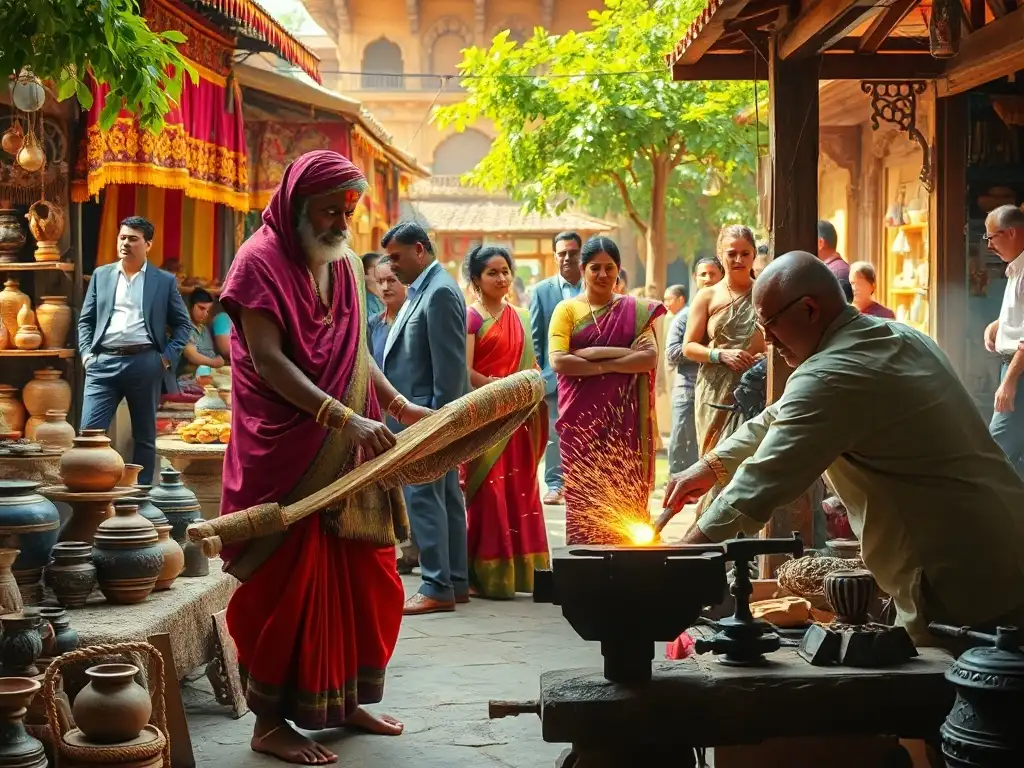
Welcome to Ancient India History, where we invite you to embark on an enlightening journey through the fascinating tapestry of ancient Indian civilizations. In this exploration, we delve into the intricate world of the Gupta Empire craftsmen and guilds, revealing how these skilled artisans and their organized guilds played a pivotal role in shaping the society and economy of their time. What secrets did these craftsmen hold, and how did their crafts influence the vibrant culture of the Gupta period?
Join us as we uncover the stories behind the artisans who contributed to a legacy that still resonates today. Read on to discover the profound impact of guilds and craftsmen in Gupta society!
Introduction to Gupta Empire Craftsmen and Guilds
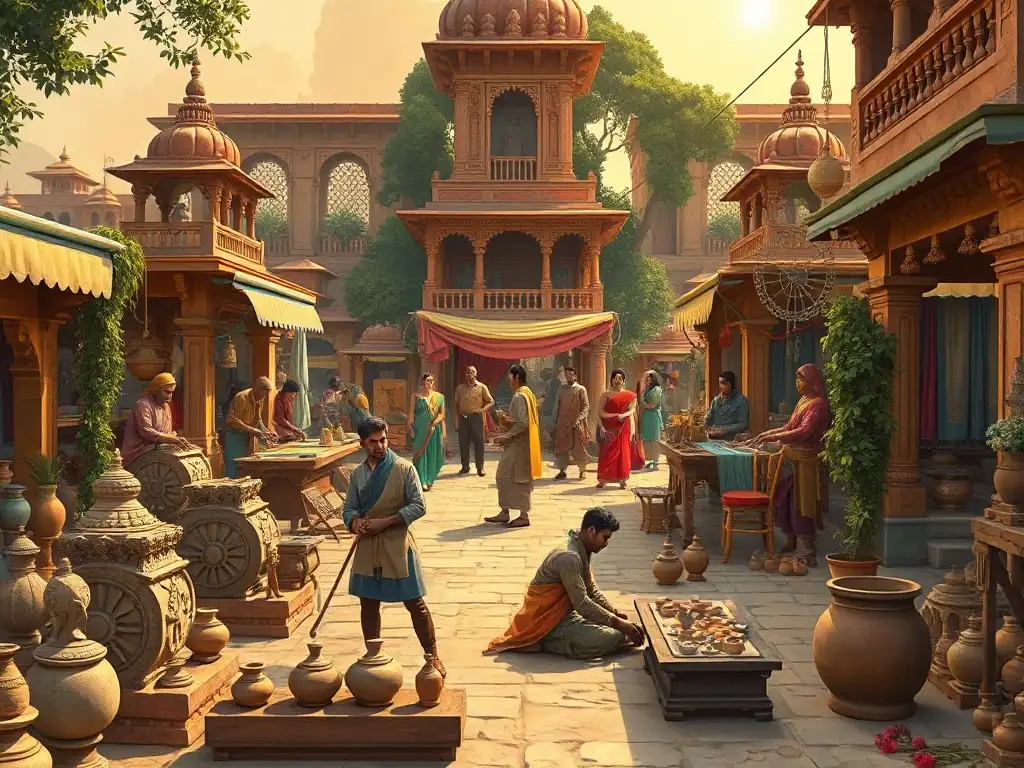
The Gupta Empire, heralded as a Golden Age of Indian history, was characterized not only by monumental achievements in art, literature, and science but also by the vital roles played by craftsmen and guilds. The intricate craftsmanship and organized guild systems of this era significantly contributed to the empire's economic vitality and cultural richness.
In this article, we delve into the multifaceted roles that guilds and craftsmen played within Gupta society, examining their contributions to trade, culture, and the broader economic framework of the empire. Understanding these dynamics reveals how the Gupta Empire not only thrived economically but also fostered a vibrant community of skilled artisans who were essential to its legacy.
Overview of the Gupta Empire's Golden Age
The Gupta Empire, which flourished from approximately 320 to 550 CE, is often regarded as a pinnacle of Indian civilization. This period witnessed remarkable advancements across various domains, including:
- Art and Architecture: The construction of stunning temples and sculptures, most notably in regions like Ujjain and Pataliputra.
- Literature: Renowned works by authors such as Kalidasa and Aryabhata, who made significant contributions to poetry and mathematics.
- Science and Medicine: Advances in astronomy, mathematics, and Ayurveda that laid the groundwork for future discoveries.
Craftsmen and their guilds played a crucial role during this era by ensuring that the artistic and scientific advancements of the time were not only created but also disseminated throughout the empire.
Importance of Craftsmen in Gupta Society
Craftsmen were integral to the social and economic fabric of Gupta society. They provided essential goods and services, ranging from textiles and pottery to intricate metalwork and sculpture. The guild system facilitated:
- Specialization of Skills: Craftsmen were able to hone their skills in specific trades, leading to higher quality goods and innovations in techniques.
- Economic Stability: Guilds regulated prices and ensured fair trade practices, fostering a stable market environment.
- Cultural Exchange: As craftsmen engaged in trade with neighboring regions, they facilitated the exchange of ideas and cultural practices, enriching Gupta society.
The contributions of these skilled artisans were not only economic but also deeply cultural, as their works reflected the values and aesthetics of the time.
Historical Context of Guilds in Ancient India
Understanding the role of guilds in Gupta society necessitates a look back at their historical roots within ancient Indian civilization.
Evolution of Guilds in Indian Civilizations
Guilds, or shrenis, have a long history in India, dating back to the Indus Valley Civilization. Over the centuries, these organizations evolved to meet the changing economic landscapes of various dynasties. Key developments include:
- Formation of Trade Guilds: As trade expanded during the Mauryan period, guilds began to formalize, representing various crafts and trades.
- Regulatory Functions: Guilds developed rules and standards for production, ensuring quality and ethical practices.
- Social Networks: They served as social institutions, providing support and community for craftsmen and their families.
By the time of the Gupta Empire, guilds had become essential components of economic life, deeply embedded in the societal framework.
The Role of Guilds in Economic Development during the Gupta Period
During the Gupta period, guilds were pivotal in fostering economic development. They contributed to:
- Trade Expansion: Guilds played a crucial role in facilitating both domestic and international trade, with established networks that connected various regions.
- Innovation and Quality Control: By regulating practices and sharing knowledge, guilds encouraged innovation while maintaining high standards in craftsmanship.
- Cultural Identity: Guilds often represented specific cultural or religious communities, thus preserving and promoting local traditions through their crafts.
Through these functions, guilds not only supported the economy of the Gupta Empire but also enriched its cultural landscape, ensuring that the legacy of this Golden Age endures in the annals of history.
Structure and Function of Guilds in Gupta Society
In the Gupta Empire, guilds played a pivotal role in the economic and social structures of society. These organizations provided a framework for trade and craftsmanship, allowing artisans and merchants to collaborate, protect their interests, and maintain standards of quality. Guilds were often composed of skilled craftsmen and traders who shared a common profession, creating a sense of community among members. The structure of these guilds typically included various ranks and roles, from master craftsmen to apprentices, ensuring a continuous transfer of skills and knowledge.
Guilds functioned not only as economic entities but also as social institutions. They organized festivals, maintained communal norms, and enforced regulations regarding trade practices. This structure enabled craftsmen to collectively address grievances and negotiate better terms with local authorities. In essence, guilds were integral to the economic prosperity of the Gupta Empire, facilitating the exchange of goods and services and fostering innovation in various crafts.
Types of Guilds: Trade, Artisans, and Craftsmen
In Gupta society, guilds were categorized into three main types: trade guilds, artisan guilds, and craftsmen's guilds.
- Trade Guilds: These guilds were primarily focused on the commercial aspect of goods exchange. They included merchants who dealt in commodities such as spices, textiles, and precious metals. Trade guilds facilitated long-distance trade, connecting local markets with larger regional and international networks.
- Artisan Guilds: Comprising skilled artisans, these guilds specialized in specific crafts, such as pottery, jewelry-making, and carpentry. Artisan guilds ensured the preservation of traditional techniques and quality craftsmanship, often passing down skills through generations.
- Craftsmen's Guilds: Focused on a wider range of crafts, these guilds included various tradespeople, from blacksmiths to weavers. Craftsmen's guilds were essential for the production of everyday items and luxury goods, contributing significantly to the economic fabric of Gupta society.
Each type of guild not only enhanced the economic landscape of the Gupta Empire but also promoted social cohesion by fostering a sense of identity among members.
Governance and Leadership within Guilds
The governance of guilds in Gupta society was typically hierarchical, with a clear leadership structure that included a guild leader, known as the "sarthavaha," and other officials who managed various aspects of guild operations. This leadership was responsible for setting regulations, resolving disputes, and representing the guild in dealings with local authorities.
Leadership roles within guilds were often based on merit and experience, with senior members guiding newcomers and apprentices. Meetings were held regularly to discuss trade practices, quality control, and community welfare, ensuring that all members were actively engaged in guild affairs. Moreover, guilds often had their own codes of conduct and principles, which members were expected to uphold, reinforcing a sense of responsibility and accountability within the community.
Contributions of Craftsmen to Gupta Society
Craftsmen in the Gupta Empire were vital contributors to the cultural and economic life of society. Their skills and creativity led to significant advancements in various fields, including textiles, metalwork, and architecture. The craftsmanship of this era not only enhanced the daily lives of people but also left a lasting legacy that reflected the artistic and technological prowess of the time.
Craftsmanship in Textiles and Weaving
Textiles were one of the crowning achievements of Gupta craftsmen. The period witnessed a flourishing of weaving techniques, with artisans producing intricate fabrics that were renowned for their quality and design. Cotton was a primary material, with techniques such as dyeing and embroidery being perfected.
Craftsmen created exquisite garments for both everyday use and ceremonial occasions, often adorned with vibrant colors and patterns that reflected the cultural diversity of the empire. The silk trade also flourished during this time, with Gupta artisans contributing to the production of fine silk textiles that were sought after in both domestic and international markets.
Innovations in Metalwork and Sculpture
Gupta craftsmen made remarkable contributions to metalwork, especially in the creation of intricate sculptures and utilitarian objects. The period is celebrated for its advancements in metallurgy, with artisans developing techniques for casting bronze and other metals. This innovation allowed for the production of detailed sculptures representing deities and historical figures, contributing to the rich artistic heritage of the era.
Sculptures from this period, characterized by their grace and attention to detail, often adorned temples and public spaces, reflecting the religious and cultural values of the Gupta Empire. The use of metalwork also extended to everyday items such as utensils and tools, showcasing the practical skills of craftsmen in enhancing daily life.
The Impact of Gupta Craftsmen on Architecture
The architectural achievements of the Gupta Empire were heavily influenced by the skills of craftsmen, particularly in stone masonry and decorative arts. Gupta craftsmen were adept at building intricate temples and monuments, employing techniques that blended functionality with aesthetic beauty.
One of the most notable examples is the construction of rock-cut caves and temples, which showcased the mastery of stone-carving techniques. Temples such as those at Ajanta and Ellora are prime examples of the craftsmanship of this period, featuring detailed carvings and exquisite sculptures that depict various deities and mythological tales.
The architectural style of the Gupta period laid the foundation for later developments in Indian architecture, influencing subsequent dynasties and contributing to the cultural landscape of the region. The work of craftsmen not only served religious purposes but also became a symbol of the artistic achievements of the Gupta Empire, leaving an enduring legacy in the history of ancient India.
Economic Significance of Guilds and Craftsmen

The guilds and craftsmen of the Gupta Empire played a pivotal role in shaping the economic landscape of ancient India. They were not merely artisans and traders but were integral to the functioning of trade networks and the overall economy. The economic significance of these groups can be understood through their contributions to production, trade, and urban development.
Craftsmen specialized in various trades, including textiles, metalwork, pottery, and woodworking, which allowed for the creation of high-quality goods that were sought after both locally and in distant markets. The presence of skilled artisans enabled the Gupta Empire to thrive economically, as they produced items that were essential for daily life, as well as luxury goods that catered to the elite.
Guilds, or "shrenis," were organized groups of craftsmen and traders that provided a framework for economic activity. They established regulations for production, maintained quality standards, and facilitated trade. This organization not only ensured a steady supply of goods but also contributed to the economic stability of cities and towns, making them vibrant centers of commerce and culture.
Role of Guilds in Trade and Commerce
Guilds were crucial in facilitating trade and commerce during the Gupta Empire. They acted as intermediaries between producers and consumers, often controlling the distribution of goods within markets. By organizing themselves into guilds, craftsmen were able to pool resources, share knowledge, and negotiate better terms with suppliers and buyers.
The guilds also played a significant role in establishing trade routes and connections, which were vital for the exchange of goods across regions. They maintained relationships with merchants and traders from other parts of India and beyond, contributing to a flourishing economy that benefitted from both local and international trade.
Furthermore, guilds often held significant influence over market practices. They could regulate prices, manage competition among members, and ensure the fair treatment of consumers, thereby promoting trust and reliability in commercial transactions.
Guilds as Economic Institutions in the Gupta Empire
Guilds in the Gupta Empire were more than just associations of craftsmen; they were formal economic institutions that structured various aspects of trade and production. They operated under a system of mutual benefit, providing members with support ranging from financial assistance to shared resources.
These institutions often had defined leadership structures and governance mechanisms, which allowed them to function efficiently. Guild leaders were typically experienced artisans or traders who oversaw operations and ensured compliance with guild regulations. This hierarchical structure fostered accountability and encouraged adherence to quality and ethical standards.
Additionally, guilds engaged in collective bargaining, which empowered craftsmen and traders to negotiate better wages and working conditions. This collective approach not only strengthened the economic position of guild members but also enhanced their bargaining power in the marketplace.
The social status of craftsmen in Gupta society was complex, reflecting a blend of respect for their skills and the hierarchical nature of Indian society. Craftsmen were recognized for their artisanal talents, and their work was often associated with cultural identity and heritage. However, their social standing varied significantly based on their trade, location, and the influence of the guilds to which they belonged.
The Position of Craftsmen in Gupta Social Hierarchy
Craftsmen occupied a distinct place within the Gupta social hierarchy. While the Brahmins (priests) and Kshatriyas (warriors) held the highest social status, skilled artisans were often regarded as valuable contributors to society due to their specialized knowledge and craftsmanship. Their work was essential in creating goods that enhanced the quality of life, which earned them a degree of respect.
Nevertheless, the social standing of craftsmen could fluctuate based on their craft. For instance, those engaged in high-demand trades, such as metalwork or textile production, were generally more esteemed than those in less valued professions. Additionally, guild affiliation often enhanced a craftsman's social standing, as guilds provided a sense of community and support among members.
Guilds and Their Role in Community Building
Guilds served as important social institutions in Gupta society, fostering a sense of community among craftsmen and promoting collaboration. They organized various social activities, including festivals, training sessions, and communal gatherings, which strengthened bonds among members and created a sense of belonging.
These organizations also played a role in the welfare of their members, offering assistance during times of need, such as financial support during illness or family crises. This communal approach not only improved the quality of life for craftsmen but also reinforced the significance of guilds as social safety nets.
Moreover, guilds often engaged in charitable activities, contributing to local temples and public works, which further solidified their status within the community. By participating in such initiatives, guilds enhanced their influence and reputation, illustrating the interconnectedness of economic and social dynamics in Gupta society.
Cultural Contributions of Gupta Craftsmen
The craftsmen of the Gupta Empire played a pivotal role in shaping the cultural landscape of ancient India. Their skills not only contributed to the economy but also enriched the artistic and aesthetic dimensions of society. The period is often celebrated as a Golden Age in Indian history, marked by significant advancements in art, architecture, and literature, much of which can be attributed to the contributions of skilled artisans and their guilds.
Gupta craftsmen were known for their expertise in various fields, including sculpture, pottery, textiles, and metallurgy. The intricate designs and high-quality materials used in their works reflected the sophistication of Gupta society. Temples, which were the focal points of religious life, showcased exquisite carvings and sculptures that depicted deities and mythological narratives. These artistic expressions not only served religious purposes but also conveyed cultural values and societal norms.
Moreover, the guilds, as organized groups of craftsmen, facilitated the sharing of techniques and innovations. This collaborative environment allowed for the standardization of quality and style, resulting in a thriving artistic community that produced works admired throughout India and beyond. The impact of these craftsmen extended into literature as well, with texts from this period often referencing the artistry and craftsmanship that characterized Gupta society.
Influence of Craftsmen on Art and Culture in Gupta Society
The influence of craftsmen on art and culture during the Gupta period was profound. They were instrumental in the development of distinctive art forms that would later define Indian culture. The craftsmanship exhibited in temple architecture, particularly in the construction of intricate stone carvings and reliefs, was groundbreaking. Temples such as those in Khajuraho and Ajanta showcase the advanced skills of Gupta artisans, highlighting their ability to blend functionality with aesthetic beauty.
Craftsmen were also crucial in the production of textiles, which became highly sought after both domestically and internationally. The elaborate patterns and dyes used in Gupta textiles not only served practical purposes but also conveyed social status and identity. Additionally, the use of motifs and designs in textiles was often reflective of the prevailing themes in Gupta art, creating a cohesive cultural identity.
In essence, the contributions of craftsmen transcended mere utility; they were vital in promoting cultural narratives, religious beliefs, and social values. By intertwining their craftsmanship with cultural expression, they left an indelible mark on Gupta society and laid the groundwork for future artistic traditions in India.
Preservation and Transmission of Traditional Craft Techniques
The preservation and transmission of traditional craft techniques during the Gupta Empire were facilitated primarily through guilds, which served as both training and regulatory bodies for artisans. These guilds ensured that knowledge was passed down through generations, maintaining the integrity and quality of craftsmanship. Apprenticeships within guilds allowed young artisans to learn from masters, ensuring that skills were honed and perfected over time.
Additionally, the guilds played a critical role in documenting techniques and styles, which was essential for the continuity of craftsmanship. This documentation was often informal, transmitted through oral traditions, but it was nonetheless effective in preserving the essence of traditional crafts. The emphasis on quality and adherence to established techniques not only sustained the craftsmanship but also fostered innovation as artisans began to blend traditional methods with new ideas.
Craft fairs and markets were also venues for the exchange of techniques and styles, where craftsmen could showcase their work and learn from one another. This dynamic environment encouraged the cross-pollination of ideas, further enriching the artistic landscape of the Gupta Empire. The legacy of these traditional craft techniques continues to be evident in modern Indian handicrafts, underscoring the enduring influence of Gupta artisans.
Challenges Faced by Guilds and Craftsmen
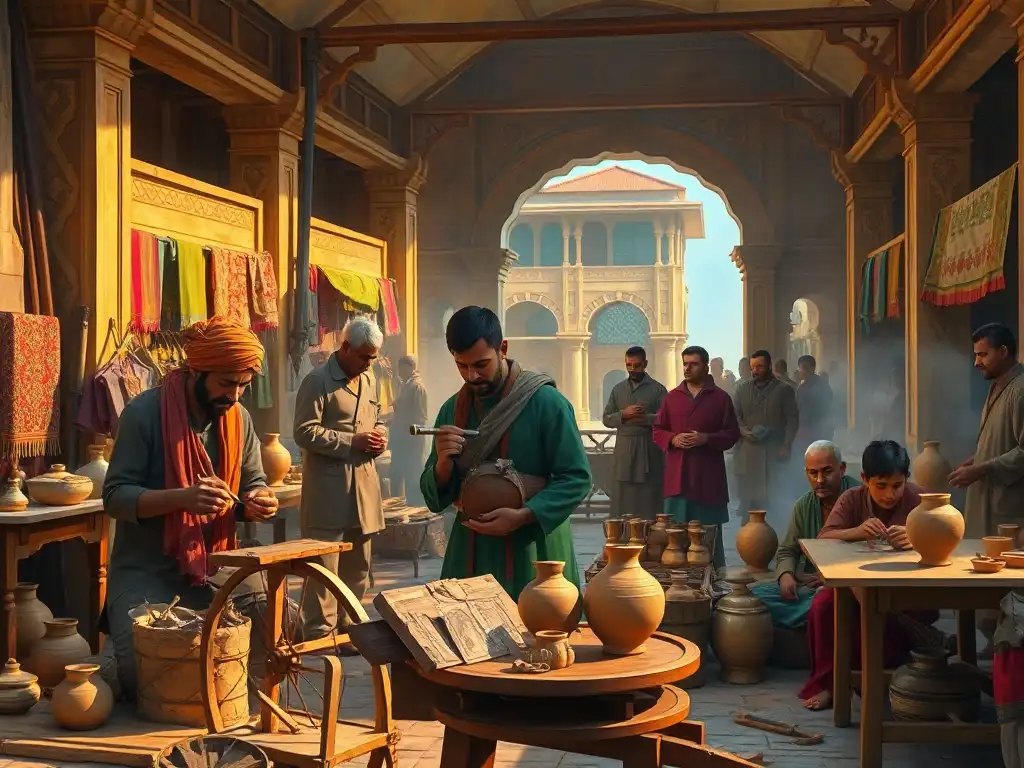
The guilds and craftsmen of the Gupta Empire, despite their significant contributions, faced numerous challenges that threatened their existence and effectiveness. These challenges stemmed from various sources, including economic pressures, political changes, and evolving social dynamics. Understanding these difficulties provides a clearer picture of the resilience and adaptability of these skilled artisans.
Economic Pressures and Competition
One of the foremost challenges faced by guilds was economic pressure, which arose from increased competition both within and outside the empire. As trade routes expanded and foreign influences grew, local artisans had to compete with imported goods that often offered lower prices or novel styles. This situation forced many craftsmen to adapt their practices, sometimes compromising on quality or shifting their focus to more commercially viable products.
Additionally, fluctuations in demand due to economic instability could lead to uncertainty for guild members. Craftsmen often depended on patronage from wealthy merchants or rulers, and any decline in economic prosperity could directly affect their livelihood. The guilds had to navigate these fluctuations, seeking new markets and clientele while maintaining their traditional practices.
The rise of urbanization also contributed to shifting economic dynamics. As cities expanded, the demand for diverse goods increased, leading to a proliferation of specialized crafts. While this presented opportunities for some, it also meant that guilds had to compete fiercely for patronage and resources, creating an environment of economic strain.
Political Changes and Their Impact on Guilds
Political changes during the Gupta Empire significantly impacted the functioning of guilds and craftsmen. The centralization of power and the establishment of new administrative structures often led to a reevaluation of guild roles within society. With the rise of a more structured economy, guilds were sometimes viewed as impediments to state control, leading to tensions between local artisans and the ruling class.
Changes in patronage also affected craftsmen, as shifts in political power could result in the loss of support from previous patrons. When rulers prioritized different art forms or crafts, certain guilds could find themselves marginalized, struggling to maintain relevance in a rapidly changing political landscape. The guilds' ability to adapt to these shifts was crucial for their survival.
Moreover, periods of instability or conflict could disrupt trade and production, leading to a decline in the craftsman's ability to operate effectively. As political authority fluctuated, so too did the security and viability of the guilds, forcing them to be nimble in their strategies to navigate the challenges posed by their environment.
Overall, while the Gupta Empire was a time of remarkable cultural and economic achievement, the challenges faced by guilds and craftsmen reveal a complex interplay between art, society, and politics that shaped their legacy.
Conclusion: Legacy of Gupta Empire Craftsmen and Guilds
The legacy of craftsmen and guilds during the Gupta Empire is profound and multifaceted, influencing not only the economic landscape of ancient India but also its cultural and social fabric. The skilled artisans, through their mastery of various crafts, contributed to the aesthetic and functional aspects of everyday life, leaving behind a rich heritage that is still appreciated today. Guilds established during the Gupta period provided a framework for cooperation and mutual support among craftsmen, fostering a sense of community and shared identity.
This organization not only ensured the preservation of traditional skills but also encouraged innovation and adaptation to changing demands. Consequently, the traditions and methods developed by Gupta craftsmen continued to resonate in subsequent Indian societies, marking a significant chapter in the narrative of India's artistic and economic evolution.
Lasting Impact on Subsequent Indian Societies
The influence of Gupta craftsmen and their guilds extended well beyond the empire’s borders and into future Indian civilizations. The techniques, materials, and artistic styles established during this golden age laid the groundwork for the rich tapestry of Indian art and craftsmanship in later periods.
For instance, the intricate woodwork, metalwork, and textiles produced by Gupta artisans set high standards that continued to inspire artisans in subsequent dynasties, such as the Mauryas and the Cholas. The tradition of guilds persisted, evolving into powerful trade organizations that played essential roles in medieval Indian economies, ensuring the exchange of goods, knowledge, and cultural practices across regions.
Moreover, the economic models developed by these guilds—based on specialization and collective bargaining—shaped market dynamics in India for centuries. This legacy is evident in the sustained importance of artisan communities and their contributions to India's economy, art, and culture, demonstrating the enduring impact of the Gupta Empire's craftsmen and guilds.
Reflection on the Importance of Guilds in Ancient Indian History
Guilds held a crucial role in the socioeconomic landscape of ancient India, acting as vital institutions that bridged the gap between artisans and the broader market. They provided a structured environment for craftsmen to collaborate, exchange ideas, and promote their goods. This collective approach not only enhanced productivity but also ensured quality control, as guild members upheld standards that reflected their shared expertise.
In addition to their economic functions, guilds served as cultural repositories, preserving intricate knowledge related to crafts and trades. The teachings passed down through generations enabled the continuity of skills that might otherwise have been lost. Furthermore, they often engaged in philanthropic activities, supporting local communities and contributing to the welfare of society at large. Thus, the significance of guilds in ancient Indian history cannot be overstated; they were instrumental in shaping the identity and prosperity of various crafts and trades, ensuring that such practices were interwoven with the very fabric of society.
References and Further Reading on Gupta Empire Craftsmen and Guilds
Recommended Books and Articles
- "The Gupta Empire: A Historical Overview": by A. R. Sharma – This book provides an in-depth analysis of the Gupta Empire’s political, cultural, and economic structures, including the role of craftsmen and guilds.
- "Crafts and Trade in Ancient India" by S. K. Roy – An essential resource that explores various crafts and trades during the Gupta period, detailing the contributions of guilds.
- "The Art of Gupta Period: A Study of Craftsmanship": – An article that delves into the artistic achievements of Gupta craftsmen, emphasizing the techniques and materials used.
Online Resources for Ancient Indian History
- Ancient India: An Overview: – A comprehensive online resource offering detailed insights into various aspects of ancient Indian civilizations, including the Gupta Empire.
- The Gupta Empire: Art and Culture: – This website provides a rich collection of articles, images, and resources focusing on the cultural contributions of the Gupta period, including the significance of craftsmen and guilds.
- Indian History Congress – An online portal for academic papers and discussions related to Indian history, including topics on the Gupta Empire and its artisans.
- Introduction to Gupta Empire Craftsmen and Guilds
- Historical Context of Guilds in Ancient India
- Structure and Function of Guilds in Gupta Society
- Contributions of Craftsmen to Gupta Society
- Economic Significance of Guilds and Craftsmen
- Social Status and Influence of Craftsmen
- Cultural Contributions of Gupta Craftsmen
- Challenges Faced by Guilds and Craftsmen
- Conclusion: Legacy of Gupta Empire Craftsmen and Guilds
- References and Further Reading on Gupta Empire Craftsmen and Guilds
Frequently Asked Questions
What were the main roles of craftsmen in the Gupta Empire?
Craftsmen in the Gupta Empire played a crucial role in economic development by creating high-quality goods such as textiles, pottery, and metalwork, significantly contributing to trade and cultural expression.
How did guilds function in Gupta society?
Guilds were organized associations of craftsmen and traders that regulated trade practices, maintained quality standards, and provided a support network for members, enhancing both their economic stability and social standing.
What types of crafts were prominent during the Gupta period?
The Gupta period saw a variety of crafts flourish, including metalwork, carpentry, weaving, and sculpting, which not only met local needs but also catered to regional and international markets.
How did guilds influence trade during the Gupta Empire?
Guilds significantly influenced trade by establishing trade routes, negotiating prices, and ensuring quality control, which ultimately led to the expansion of commerce across the empire and beyond.
What was the impact of craftsmen on Gupta culture?
Craftsmen greatly enriched Gupta culture through their artistic creations, contributing to the aesthetic development of architecture, sculpture, and everyday objects, which reflected the society's values and beliefs.
Final Reflection: The Enduring Legacy of Gupta Guilds and Craftsmen
The exploration of Gupta Empire craftsmen and guilds reveals a profound connection between historical practices and contemporary society. As we delve into the intricate web of trade, artistry, and community that defined this era, we uncover not just the mechanics of economic exchange but also the essence of human creativity and collaboration. The legacy of these guilds continues to resonate today, reminding us that the foundations of our modern economies are built upon the skills and innovations of those who came before us.
The influence of guilds and craftsmen in Gupta society extends far beyond their historical context; it shapes our cultural and social landscapes even now. These artisans were not merely workers but custodians of tradition, weaving their identities into the fabric of their communities. Their craftsmanship and the guild system fostered a sense of belonging and purpose, which is echoed in modern artisan movements that celebrate handmade goods and local economies. Craftsmanship is the soul of a community, binding people together through shared skills and aspirations.
This sentiment underscores the ongoing relevance of guilds as we navigate the complexities of globalization and seek to preserve our cultural heritage.
As we reflect on the lessons from the Gupta Empire, let us embrace the spirit of craftsmanship in our own lives. Consider how you can cultivate your skills, support local artisans, or engage with your community in meaningful ways. The call to action is clear: honor the legacy of those who came before us by fostering creativity, collaboration, and a deep appreciation for the art of making. In doing so, we not only pay tribute to the craftsmen of the Gupta Empire but also contribute to a vibrant future where tradition and innovation coexist harmoniously.
Unveil the Legacy of Gupta Craftsmanship!
Thank you for delving into the captivating world of Gupta society and the indispensable role of guilds and craftsmen. You've only scratched the surface of how their exceptional skills shaped the cultural and economic landscape of ancient India. Now, it’s time to expand your understanding!
Here are a few actions you can take to deepen your appreciation and engage with this rich history:
- Explore more: Visit local museums or online exhibitions that showcase Gupta-era art and crafts to experience the beauty of these artisans’ creations firsthand.
- Connect with others: Join history forums or social media groups dedicated to ancient Indian history to share your insights and learn from fellow enthusiasts.
- Create your own masterpiece: Try your hand at a craft inspired by Gupta techniques, whether it’s pottery, weaving, or metalwork. Document your journey and share it with others!
What aspect of Gupta craftsmanship intrigues you the most, and how do you envision its influence on modern art and craft today?