
The Importance of Water Management in Ancient Indian Agriculture and Economy

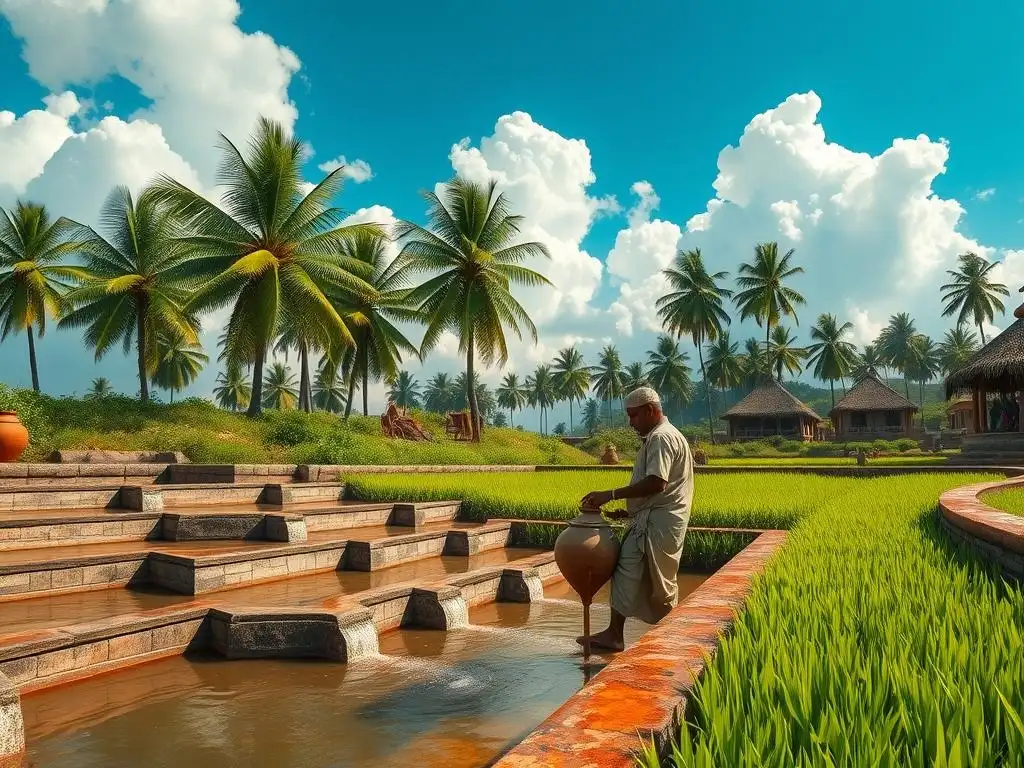
Welcome to Ancient India History, where we delve into the rich tapestry of civilizations that flourished on the Indian subcontinent. Today, we invite you to explore the fascinating world of ancient Indian water management techniques—an essential cornerstone of agriculture and economy that supported thriving communities from the Indus Valley to the Gupta Empire. Discover how these ingenious methods not only transformed landscapes but also shaped the socio-economic fabric of ancient India. Curious about the secrets of their success? Join us as we uncover the pivotal role water management played in sustaining life and prosperity in ancient times.

Introduction to Ancient Indian Water Management Techniques
Water management has always been a cornerstone of agricultural success and economic stability in ancient civilizations. In the context of ancient India, the effective use and management of water resources played a crucial role in shaping the agricultural practices and economic frameworks of various cultures.
As we explore the Ancient Indian water management techniques, it becomes evident that these sophisticated systems were not merely functional but intricately tied to the cultural and social fabric of the time. From the meticulous planning of irrigation systems to the reverence for water bodies, ancient Indians exhibited a profound understanding of the importance of water in sustaining life and fostering prosperity.
Overview of Water Management in Ancient India
The ancient Indian societies demonstrated remarkable ingenuity in water management, which can be categorized into various techniques and systems that were implemented across different regions. Some of the notable methods included:
- Irrigation Systems: These included channel systems, wells, tanks, and reservoirs designed to distribute water efficiently across agricultural lands.
- Rainwater Harvesting: Traditional practices involved collecting and storing rainwater to ensure a reliable water supply during dry spells.
- Water Conservation Techniques: Ancient texts and archaeological findings suggest the use of check dams and bunds to retain soil moisture and prevent erosion.
These methods were often tailored to local environmental conditions, showcasing the adaptability and resourcefulness of ancient Indian communities.
Significance of Water in Agriculture and Economy
Water was not only vital for agricultural productivity but also served as a key driver of economic activities in ancient India. The interdependence between water management and agriculture can be seen in various aspects:
- Crop Yield: Effective irrigation techniques significantly enhanced crop production, which in turn supported local economies and trade.
- Trade Routes: Rivers served as natural highways for transporting goods, making water management essential for trade and commerce.
- Cultural Practices: Water bodies often held religious significance, influencing agricultural festivals and rituals that reinforced community ties.
Historical Context of Water Management in Ancient India
The historical context of water management in ancient India is rich and complex, reflecting the evolution of techniques and their integration into the socio-economic fabric of the time.
Ancient Indian Civilizations and Their Relationship with Water
From the Indus Valley Civilization, known for its advanced urban planning and drainage systems, to the agrarian societies of the Vedic period, water management practices evolved significantly. The relationship between ancient Indian civilizations and their water resources was characterized by:
- Urban Planning: Cities like Mohenjo-Daro featured sophisticated drainage and sanitation systems that highlight the importance placed on hygiene and water management.
- Religious Significance: Rivers like the Ganges and Yamuna were not only sources of water but also held sacred status, influencing settlement patterns and agricultural practices.
Major Water Management Systems in Ancient India
Various prominent water management systems emerged in ancient India, showcasing the ingenuity of its people. Some key systems include:
- Stepwells and Baolis: These structures were designed to access groundwater and store water for domestic and agricultural use.
- Canal Systems: The Mauryan Empire, for instance, implemented extensive canal systems to irrigate vast tracts of land, boosting agricultural output.
- Reservoirs and Tanks: The construction of large tanks and reservoirs, particularly in South India, enabled communities to store monsoon rains, ensuring water availability throughout the year.
The importance of water management in ancient Indian agriculture and economy cannot be overstated. These techniques and practices laid the groundwork for sustainable agricultural systems and economic resilience, reflecting a deep understanding of environmental stewardship that is still relevant today.
Key Ancient Indian Water Management Techniques
Water management in ancient India was a critical component of agriculture and economic stability. The civilization exhibited a remarkable understanding of the hydrological cycle and developed innovative techniques to harness and manage water resources. These techniques were not only essential for sustaining agricultural productivity but also played a significant role in the socio-economic fabric of ancient Indian society. The following sections delve into the specific methods employed in ancient Indian water management practices.
Canal Systems and Irrigation Methods
Canal systems were among the most sophisticated water management techniques in ancient India. The Harappan civilization, for instance, engineered extensive canal networks to irrigate their fields. These canals were meticulously planned to ensure optimal water flow and distribution across agricultural lands.
- Surface Irrigation: Farmers utilized surface irrigation methods, wherein water was channeled through furrows and fields, ensuring even distribution. This technique maximized the efficiency of water use.
- Lift Irrigation: In regions with varying topography, lift irrigation systems using simple machines such as the Persian wheel allowed water to be raised from rivers and wells to irrigate fields.
These methods not only contributed to agricultural success but also demonstrated the advanced engineering skills of ancient Indians.
Water Harvesting Techniques in Ancient India
Water harvesting was a vital practice that allowed ancient Indian communities to collect and store rainwater for agricultural use. This technique varied by region, adapting to local climatic conditions and geography.
- Check Dams: Small earthen dams were constructed across streams and rivers to slow down water flow, allowing it to percolate into the ground and recharge aquifers.
- Contour Bunding: Farmers built bunds along the contours of slopes to capture runoff water, preventing soil erosion and promoting moisture retention in the soil.
These water harvesting techniques enhanced the resilience of agriculture against drought and ensured a sustainable water supply.
Tanks and Reservoirs: Their Role in Agriculture
Tanks and reservoirs were integral to ancient Indian water management, serving as crucial water storage systems. These structures were often constructed using earth, stone, or masonry and were strategically located to maximize water retention.
- Community Tanks: Many villages built large community tanks that provided water for irrigation, drinking, and livestock. These tanks facilitated cooperative management of water resources.
- Seasonal Tanks: Temporary tanks were designed to capture monsoon rains, helping to support crops during dry periods. This approach was especially prevalent in southern India.
The presence of these tanks not only supported agriculture but also fostered social cohesion as communities worked together to manage these vital resources.
Impact of Water Management on Agriculture
The effective management of water resources had a profound impact on agriculture in ancient India. It played a pivotal role in enhancing crop productivity and ensuring food security.
Crop Productivity and Water Supply
Water availability directly influenced crop yields in ancient India. The implementation of various water management techniques allowed farmers to cultivate a diverse range of crops, including rice, wheat, barley, and pulses.
- Irrigation Efficiency: Improved irrigation methods ensured that crops received adequate water, leading to higher productivity. For instance, regions with advanced canal systems recorded significantly better yields compared to areas reliant on rainfall alone.
- Diverse Cropping Patterns: With reliable water supply, farmers could experiment with multiple cropping systems, thus enhancing food production and supporting population growth.
This productivity was crucial for sustaining the growing urban centers of ancient India.
Seasonal Variations and Water Utilization
Ancient Indian agriculture was closely attuned to seasonal variations in climate and water availability. Farmers developed practices that maximized water utilization throughout the year.
- Monsoon Reliance: The Indian monsoon was the primary source of water for agriculture. Farmers timed their planting and harvesting according to monsoon patterns, ensuring optimal water use.
- Crop Rotation: To manage water resources effectively, farmers adopted crop rotation strategies, planting drought-resistant crops during dry seasons while utilizing water-intensive crops during wetter periods.
These practices not only conserved water but also maintained soil fertility.
Case Studies: Successful Agricultural Practices
Several ancient Indian kingdoms exemplified successful water management and its impact on agriculture.
- The Mauryan Empire: Under Emperor Ashoka, extensive irrigation projects were initiated, leading to increased agricultural output and trade.
- The Chola Dynasty: The Cholas were known for their advanced irrigation systems, including the construction of large tanks and canals, which significantly boosted rice production in Tamil Nadu, transforming it into a fertile agricultural hub.
These examples illustrate how effective water management was central to agricultural success and economic prosperity in ancient India.
Economic Implications of Water Management
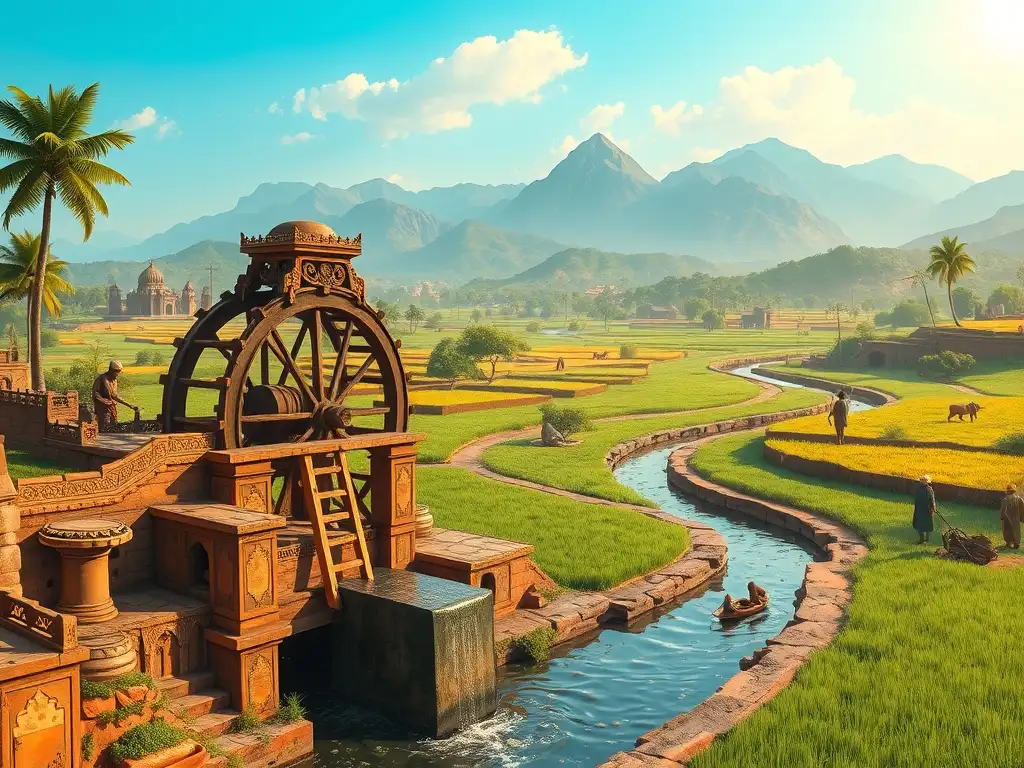
Water management played a pivotal role in the agricultural practices of ancient India, directly influencing the economy and the prosperity of various civilizations. Efficient water management techniques, such as the construction of canals, reservoirs, and wells, were essential for maximizing agricultural productivity. These systems enabled farmers to cultivate crops in arid regions, leading to surplus production which, in turn, contributed to trade and economic stability.
With the harnessing of water resources, agricultural yields increased significantly, allowing for the emergence of a surplus economy. This surplus was crucial for sustaining urban centers and supporting a growing population, which relied on agriculture as the backbone of their economy. Moreover, the ability to manage water efficiently reduced the risks associated with droughts and floods, thereby stabilizing food supply and prices, which is vital for economic health.
Trade and Commerce: The Role of Water Resources
The interdependence of water resources and trade cannot be overstated in ancient Indian civilizations. Rivers such as the Ganges, Indus, and Brahmaputra served as vital trade routes, facilitating the exchange of goods between regions. These waterways were complemented by sophisticated irrigation systems, allowing communities to engage in commerce without the fear of agricultural failure due to water scarcity.
The availability of water also influenced the types of crops grown, thus shaping trade patterns. For instance, the cultivation of rice in the eastern regions and wheat in the northern plains created diverse agricultural outputs, which were traded both locally and with distant markets. Additionally, the management of water resources supported the growth of crafts and industries, such as textiles and pottery, which further enhanced the economic landscape.
Economic Sustainability through Efficient Water Use
Ancient Indian societies demonstrated remarkable ingenuity in their water management practices, contributing to long-term economic sustainability. Techniques such as rainwater harvesting, the construction of step wells, and the use of check dams were emblematic of a deep understanding of local hydrology. By optimizing water use, these civilizations ensured that agricultural practices could withstand the test of time, minimizing the impact of seasonal variations.
Moreover, this sustainable approach to water management allowed for the preservation of ecosystems and biodiversity, which are crucial for maintaining agricultural productivity. The integration of traditional knowledge with innovative practices fostered resilience against environmental challenges, highlighting the importance of sustainable water management in supporting economic growth and stability.
Water Management and Its Influence on Socio-Economic Structures

Water management significantly influenced the socio-economic structures of ancient Indian societies. The control and distribution of water resources often dictated social hierarchies, with those in power overseeing irrigation systems and ensuring equitable access to water. This led to the establishment of community-driven governance models where local leaders played a crucial role in managing water resources.
Additionally, the reliance on agricultural productivity shaped societal roles and labor dynamics. Farmers, laborers, and artisans formed the backbone of the economy, while the surplus from agriculture enabled the rise of a merchant class. This interplay between water management and socio-economic structures illustrated how essential water resources were in shaping societal norms and economic practices.
Challenges Faced in Ancient Water Management
Despite their advanced techniques, ancient Indian civilizations faced significant challenges in water management that impacted their agricultural and economic systems.
Environmental Changes and Their Impact on Water Supply
Environmental changes, such as shifts in monsoon patterns and climate variability, posed major challenges to ancient water management systems. Prolonged droughts or excessive rainfall could lead to water shortages or flooding, disrupting agricultural cycles and threatening food security. These changes necessitated flexibility in water management practices, as communities had to adapt quickly to ensure their survival.
Decline of Water Management Systems Over Time
Over time, many ancient water management systems fell into disrepair due to factors such as political instability, invasion, and changing economic priorities. The decline of these systems resulted in reduced agricultural productivity and a subsequent decline in trade and commerce. As the infrastructure deteriorated, communities faced increased vulnerability to environmental fluctuations, further exacerbating economic challenges.
Lessons Learned from Ancient Practices
The ancient techniques of water management offer valuable lessons for contemporary societies facing similar challenges. The emphasis on sustainable practices, community involvement, and adaptive management can guide modern efforts to address water scarcity and ensure agricultural resilience. By studying these historical practices, current civilizations can learn to better manage their water resources, ultimately supporting both economic and environmental sustainability.
Conclusion: The Legacy of Ancient Indian Water Management Techniques
The legacy of ancient Indian water management techniques is profound, reflecting a civilization that understood the intricate relationship between water resources and agricultural sustainability. From the sophisticated irrigation systems of the Indus Valley Civilization to the stepwells and tanks of medieval India, these methods were not only essential for crop production but also integral to the social and economic fabric of ancient society. The meticulous planning and execution of water management projects allowed ancient Indian civilizations to thrive in diverse climates and geographical conditions, showcasing their ingenuity and adaptability.
The impact of these techniques extends beyond agriculture; they fostered trade, supported urbanization, and facilitated the growth of prosperous communities. The water management systems created by ancient Indians set a precedent, demonstrating how effective resource management can lead to societal advancement and stability. As we reflect on these practices, it becomes evident that they offer valuable lessons in sustainability and environmental stewardship, which are increasingly relevant in today's world.
Relevance of Ancient Practices in Modern Water Management
Today, the relevance of ancient Indian water management practices is more critical than ever, particularly in the face of global water scarcity and climate change. Modern water management strategies can benefit significantly from the principles found in ancient techniques. For instance, the concept of rainwater harvesting, which was widespread in ancient India, is gaining renewed interest as communities seek sustainable solutions to manage water supply.
Additionally, ancient practices emphasized the importance of local knowledge and community involvement in water management. This is a vital lesson for contemporary approaches that often overlook the contributions of indigenous practices and local stakeholders. By integrating traditional knowledge with modern technology, we can develop more effective and sustainable water management systems that honor the wisdom of the past while addressing current challenges.
Future Perspectives: Learning from Ancient Indian Water Systems
Looking forward, there is immense potential in learning from ancient Indian water systems to shape future water management policies. As urban areas expand and environmental pressures mount, the need for innovative and sustainable water management solutions becomes paramount. Ancient systems, such as the extensive networks of canals, reservoirs, and wells, provide valuable insights into creating resilient infrastructure that can withstand the impacts of climate variability.
Moreover, the principles of decentralized water management found in ancient practices can inspire modern policies aimed at empowering local communities to take charge of their water resources. By fostering community engagement and stewardship, future water management strategies can be more adaptive and responsive to the unique challenges faced by different regions.
As we explore the rich legacy of ancient Indian water management techniques, it becomes clear that they hold significant relevance for our contemporary world. By learning from the past, we can create a sustainable future that not only honors these ancient practices but also ensures the responsible management of water resources for generations to come.
- Introduction to Ancient Indian Water Management Techniques
- Historical Context of Water Management in Ancient India
- Key Ancient Indian Water Management Techniques
- Impact of Water Management on Agriculture
- Economic Implications of Water Management
- Trade and Commerce: The Role of Water Resources
- Economic Sustainability through Efficient Water Use
- Water Management and Its Influence on Socio-Economic Structures
- Challenges Faced in Ancient Water Management
- Conclusion: The Legacy of Ancient Indian Water Management Techniques
- What were some key water management techniques used in ancient India?
- How did water management impact ancient Indian agriculture?
- What role did religion play in ancient Indian water management practices?
- How did the Indus Valley Civilization demonstrate advanced water management?
- What is the significance of studying ancient Indian water management techniques today?
Frequently Asked Questions
What were some key water management techniques used in ancient India?
Ancient Indian civilizations employed various innovative water management techniques such as stepwells, tank systems, and canal irrigation to optimize agricultural productivity and support growing populations.
How did water management impact ancient Indian agriculture?
Effective water management was crucial for ancient Indian agriculture, enabling the cultivation of diverse crops and increasing food security, which in turn supported urbanization and trade.
What role did religion play in ancient Indian water management practices?
Many water management practices in ancient India were influenced by religious beliefs, with water bodies often considered sacred and integrated into rituals, leading to community-driven conservation efforts.
How did the Indus Valley Civilization demonstrate advanced water management?
The Indus Valley Civilization showcased advanced urban planning with sophisticated drainage systems, wells, and water reservoirs, highlighting their commitment to sustainable water management in a challenging environment.
What is the significance of studying ancient Indian water management techniques today?
Understanding ancient Indian water management techniques offers valuable insights into sustainable practices that can inform modern water conservation efforts, especially in regions facing water scarcity.
Final Reflection: The Enduring Legacy of Ancient Indian Water Management Techniques
The significance of ancient Indian water management techniques resonates profoundly in today's world, where water scarcity and climate change pose critical challenges. As we explore the sophisticated systems developed by our ancestors, we recognize that their wisdom offers invaluable lessons for contemporary society. The intricate methods of irrigation and water conservation not only sustained agricultural productivity but also shaped the economic landscape of ancient India, highlighting the timeless relevance of effective water management.
The influence of these ancient practices continues to echo in our cultural and social frameworks. Modern communities are increasingly turning to traditional techniques as a source of inspiration for sustainable water management solutions. This connection to our past reminds us that the principles of conservation and respect for natural resources are not merely historical artifacts but essential components of our future. Water is the source of life, and managing it wisely is the key to a sustainable future.
As we reflect on the lessons drawn from ancient Indian water management, I invite you to consider how these insights can be applied in your own life and community. Embrace the challenge of becoming stewards of water, advocating for sustainable practices that honor our heritage while addressing contemporary needs. Together, we can cultivate a future where the wisdom of the past informs our actions today, ensuring that water remains a source of life for generations to come.
Unveil the Secrets of Ancient Water Management!
Thank you for diving into the rich history of water management in ancient Indian agriculture! Your engagement has uncovered fascinating insights into how these practices shaped economies and societies. Now, let's turn that knowledge into action!
Here are a few practical steps you can take to explore this vital aspect of history further:
- Explore local water management practices: Research and visit nearby historical sites or museums that highlight ancient irrigation techniques.
- Join a community initiative: Get involved with local organizations focused on sustainable water practices to help preserve modern techniques inspired by ancient wisdom.
- Share your findings: Initiate discussions with friends or participate in online communities to share what you've learned and how it relates to today's water issues.
What aspect of ancient water management intrigued you the most, and how do you believe these teachings can influence contemporary practices?