
Inscriptions of the Mauryan Empire: Insights into Political and Social Structures

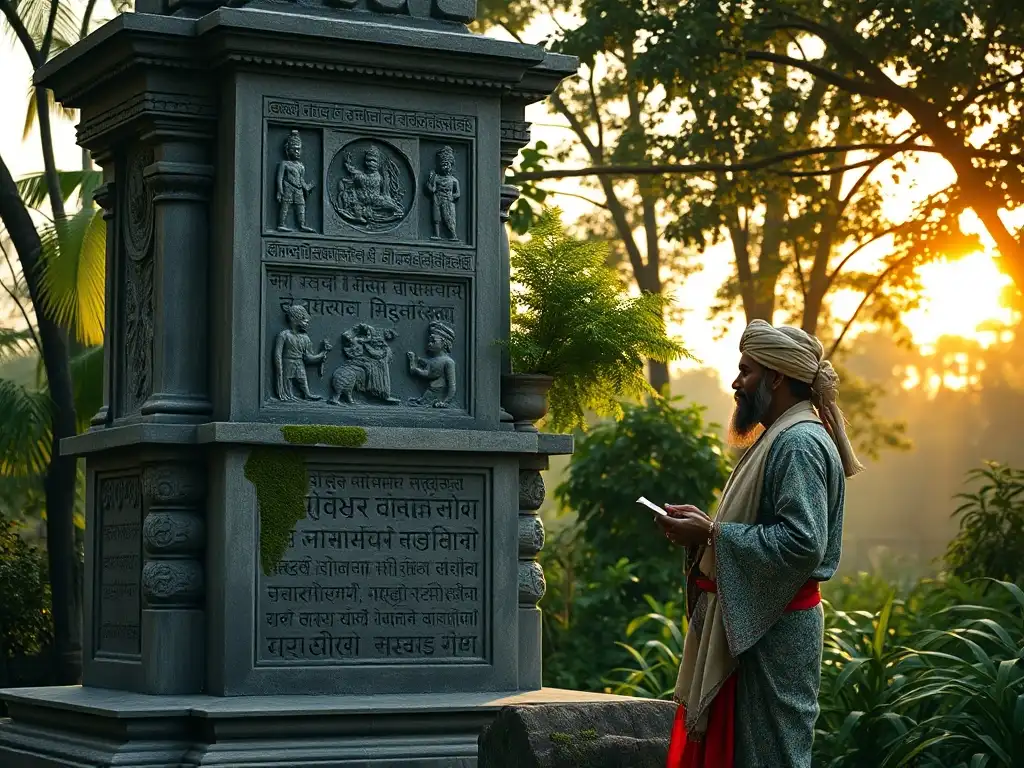
Welcome to Ancient India History, where we embark on an exhilarating journey through the rich tapestry of ancient Indian civilizations! Today, we delve into the captivating world of the Mauryan Empire, unearthing the fascinating insights hidden within its inscriptions. As we explore the profound implications of these historical texts, you’ll discover how they reveal the intricate political and social structures that shaped one of India’s greatest dynasties.
Are you ready to unlock the secrets of the past and gain a deeper understanding of this remarkable era? Join us as we analyze the Mauryan Empire inscriptions and uncover the stories they tell!

Introduction to the Mauryan Empire Inscriptions
The Mauryan Empire, emerging in the 4th century BCE, stands as one of the most significant and influential periods in ancient Indian history. Renowned for its extensive governance, cultural achievements, and monumental contributions to society, the empire's legacy is preserved in various forms, most notably through its inscriptions.
These inscriptions serve as a critical window into the political and social structures of the time, offering invaluable insights into the governance, philosophy, and daily life of ancient India. By analyzing the Mauryan Empire inscriptions, we can uncover the complexities of its administrative systems, the societal norms, and the ideological underpinnings that shaped this formidable empire.
Definition and Importance of Inscriptions in Ancient India
Inscriptions in ancient India refer to engravings or writings carved on durable materials like stone, metal, or clay, often serving as official records or proclamations. They hold immense importance for several reasons:
- Historical Record: Inscriptions provide a primary source of historical data, allowing historians to reconstruct events, policies, and social norms of the time.
- Cultural Insights: They reflect the cultural, religious, and philosophical beliefs prevalent in ancient societies, shedding light on the values and practices of the people.
- Linguistic Development: The language and script used in inscriptions illustrate the evolution of linguistic practices in ancient India, showcasing the richness of its literary heritage.
By studying these inscriptions, scholars can gain a deeper understanding of the Mauryan Empire's political strategies and social hierarchies.
Overview of Mauryan Empire: Key Features and Timeline
The Mauryan Empire, founded by Chandragupta Maurya around 322 BCE, marked a significant turning point in Indian history. Key features of this empire include:
- Extent: At its zenith, the Mauryan Empire spanned a vast territory, covering most of the Indian subcontinent.
- Centralized Administration: The empire is noted for its highly organized and bureaucratic governance, which facilitated effective administration across diverse regions.
- Promotion of Buddhism: Under Emperor Ashoka, the Mauryan Empire saw the widespread adoption of Buddhism, leading to a cultural and spiritual renaissance.
| Period | Key Events |
|---|---|
| 322 BCE | Chandragupta Maurya establishes the Mauryan Empire |
| 268-232 BCE | Reign of Ashoka, marked by the spread of Buddhism |
| 185 BCE | Decline of the Mauryan Empire |
Historical Context of Mauryan Empire Inscriptions
To fully appreciate the significance of the inscriptions from the Mauryan Empire, it is essential to understand the historical context in which they were created. This includes the rise of the empire, the political landscape, and the social hierarchy that characterized this era.
The Rise of the Mauryan Empire
The Mauryan Empire rose to prominence following the decline of the Nanda dynasty. Chandragupta Maurya, aided by his mentor Chanakya, successfully overthrew the Nandas and established a new regime. His ability to unify various factions and territories laid the groundwork for the empire's expansion. The inscriptions from this time often commemorate royal achievements, territorial conquests, and decrees that reflect the ambitions of Chandragupta and his successors.
Political Landscape during the Mauryan Era
The political structure of the Mauryan Empire was characterized by a well-defined hierarchy and a centralized authority. Key aspects include:
- Royal Authority: The emperor wielded supreme power, supported by a council of ministers and regional governors responsible for local administration.
- Legal Codes: Inscriptions often detail laws and edicts, emphasizing justice and moral conduct, which were critical to maintaining order in the expansive empire.
- Diplomatic Relations: Inscriptions also provide evidence of diplomatic missions and treaties with neighboring kingdoms, illustrating the Mauryan Empire's strategic approach to governance.
Social Hierarchy and Structure in Mauryan Society
Mauryan society was structured around a rigid caste system, which influenced various aspects of life, including occupation, social interactions, and religious practices. Inscriptions from this period reflect:
- Caste Dynamics: The division of society into different castes, each with its own roles and responsibilities, is frequently highlighted in edicts.
- Role of Women: Some inscriptions indicate the status of women in society, revealing both limitations and notable contributions to cultural life.
- Religious Diversity: The presence of various religions, including Hinduism, Buddhism, and Jainism, is evident, showcasing the empire's cultural pluralism.
By examining these facets through the lens of Mauryan Empire inscriptions analysis, historians can paint a clearer picture of the intricate social and political frameworks that defined this remarkable civilization.
Mauryan Empire Inscriptions Analysis
The inscriptions of the Mauryan Empire are crucial primary sources that offer profound insights into the political and social structures of one of ancient India's most influential civilizations. These inscriptions, primarily carved on rocks and pillars, serve as a testament to the administrative prowess and cultural ethos of the Mauryan period. They provide valuable information about governance, legal systems, economic policies, and the sociopolitical environment of the time. Scholars engage in Mauryan Empire inscriptions analysis to uncover the intricate details of how this empire functioned and its lasting impact on Indian history.
Types of Inscriptions Found in the Mauryan Empire
The Mauryan Empire produced a variety of inscriptions, each serving distinct purposes:
- Edicts: The most famous are the edicts of Ashoka, which communicate moral and ethical precepts, state policies, and public welfare measures.
- Rock Inscriptions: These are found carved into natural rock formations and often convey messages meant for a wide audience, emphasizing the emperor's authority and benevolence.
- Pillar Inscriptions: Constructed on freestanding pillars, these inscriptions often reflect royal decrees and were strategically placed to reach the populace.
- Cave Inscriptions: Some inscriptions are located in caves and are associated with Buddhist monastic sites, providing insights into religious contexts and patronage.
Each type of inscription not only highlights the linguistic and artistic capabilities of the era but also serves as a medium for disseminating the Mauryan rulers' ideologies and governance philosophies.
Language and Script Used in Mauryan Inscriptions
The Mauryan inscriptions predominantly utilized Prakrit, a language derived from Sanskrit, which was widely spoken among the common people. The Brahmi script was the primary writing system employed in these inscriptions, showcasing the advanced literacy and administrative skills of the Mauryan bureaucracy.
- Prakrit Language: The choice of Prakrit over Sanskrit indicates an effort to communicate more effectively with the general populace, reinforcing the inclusivity of governance.
- Brahmi Script: This script is particularly significant as it represents one of the earliest forms of writing in India and laid the foundation for many subsequent scripts used across Asia.
These linguistic choices reflect the Mauryan rulers' intention to establish a connection with their subjects, ensuring that their messages were accessible and comprehensible.
Political Insights from Mauryan Empire Inscriptions
The inscriptions of the Mauryan Empire provide a wealth of information regarding its political landscape. They reveal the mechanisms of governance, social justice, and the empire's diplomatic strategies.
The Role of Inscriptions in Governance and Administration
Inscriptions were instrumental in the governance of the Mauryan Empire, serving as official records that documented policies and administrative decisions. They played a crucial role in:
- Communication: Inscriptions allowed rulers to communicate their edicts and policies across vast territories, ensuring that information reached even the remote areas of the empire.
- Legal Framework: Many inscriptions outline legal statutes and regulations, reflecting the empire's commitment to maintaining law and order.
- Public Welfare: The edicts often include directives related to public health, infrastructure, and moral conduct, showcasing the rulers' dedication to the welfare of their subjects.
By serving as a medium of official communication, these inscriptions enhanced transparency and accountability within the administration.
Evidence of Law and Order in Inscriptions
The Mauryan inscriptions are replete with references to law and order, serving as a guide to the legal framework of the time. For instance:
- Edicts on Justice: Many inscriptions highlight the importance of justice, emphasizing the ruler's role in protecting the rights of the citizens and enforcing laws impartially.
- Punishments and Penalties: Specific edicts outline the consequences for various offenses, indicating a structured legal system aimed at deterring crime and maintaining societal harmony.
These inscriptions thus reflect the Mauryan Empire's sophisticated approach to law enforcement and its commitment to upholding social order.
Diplomatic Relations Reflected in Mauryan Edicts
The inscriptions also provide insights into the diplomatic relations maintained by the Mauryan Empire with neighboring states and regions. Key aspects include:
- Peace Treaties: Some edicts reference treaties and agreements with other kingdoms, showcasing the empire's strategic approach to diplomacy.
- Cultural Exchange: The promotion of Buddhism through inscriptions indicates an intent to foster cultural ties and influence beyond the empire's borders.
- International Relations: Inscriptions mentioning foreign dignitaries and envoys illustrate the empire’s active participation in international diplomacy, further solidifying its power and influence.
Through these inscriptions, we gain a deeper understanding of how the Mauryan rulers navigated complex political landscapes, enhancing their empire's stability and expansion.
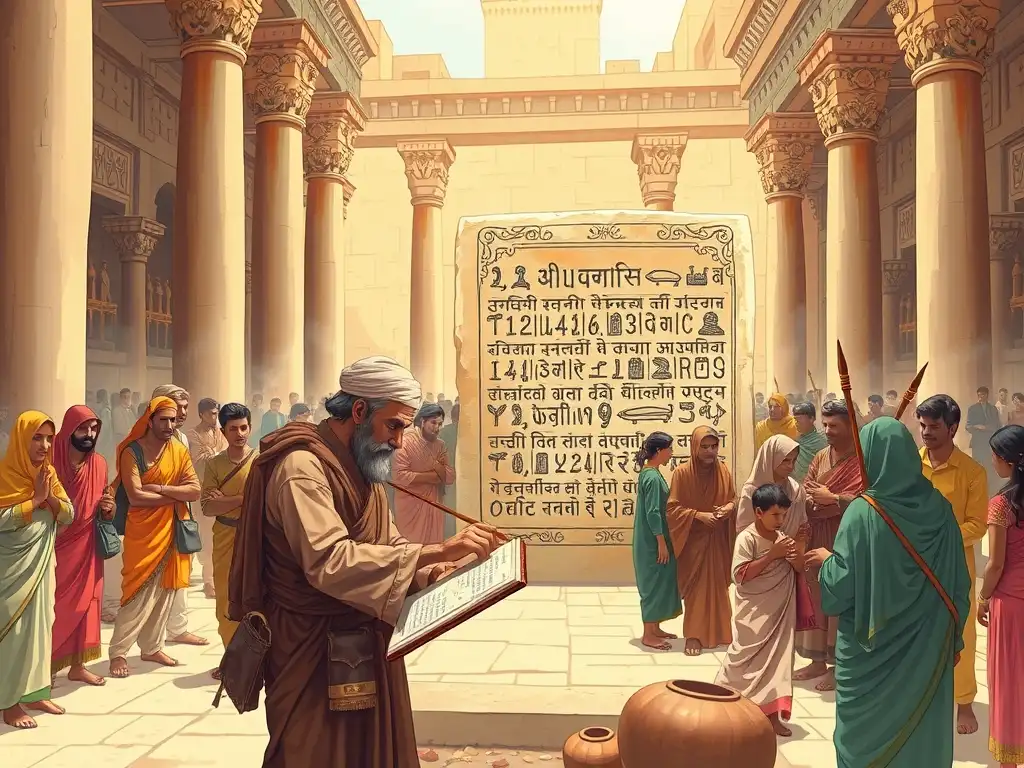
The inscriptions of the Mauryan Empire serve as crucial documents that illuminate the social structures of ancient India. Through the analysis of these inscriptions, scholars have been able to discern the complexities of societal organization, including class distinctions and the roles of various groups within the empire. The edicts, particularly those of Emperor Ashoka, reflect a society with a well-defined hierarchy, but also a strong emphasis on moral and ethical governance.
Insights into Religion and Philosophy through Inscriptions
Mauryan inscriptions reveal the significant influence of religion and philosophy on social structures. Ashoka’s edicts, for instance, are imbued with Buddhist principles, emphasizing non-violence, compassion, and moral conduct. These inscriptions not only reflect Ashoka's personal beliefs but also indicate the broader societal values that were promoted during his reign. The incorporation of religious tenets into governance illustrates how intertwined religion and politics were in the Mauryan Empire, shaping the social fabric of the time.
Social Classes and Their Representation in Edicts
The Mauryan inscriptions provide insight into the different social classes that existed within the empire. They often refer to the roles of various groups, including the Brahmins, Kshatriyas, Vaishyas, and Shudras. The edicts highlight the responsibilities and privileges associated with each class, indicating a structured society where each class had specific duties. Additionally, some inscriptions advocate for the welfare of all classes, suggesting an awareness of social justice and the need for harmony among diverse groups.
Women in Society: Reflections from Inscriptions
Inscriptions from the Mauryan period also offer glimpses into the status and role of women in society. While explicit references to women are sparse, certain edicts imply that women were recognized within the social structure, particularly in their contributions to family and society. The presence of women in public life, as indicated by various inscriptions, suggests that they held a place of significance, albeit often within the confines of a patriarchal framework. These reflections help historians understand the nuanced position of women during the Mauryan Empire.
The Legacy of Mauryan Empire Inscriptions
The legacy of the Mauryan Empire inscriptions extends far beyond their historical context, influencing both contemporary society and subsequent dynasties. Their significance lies not only in their content but also in their enduring impact on Indian culture and governance.
Influence on Subsequent Indian Dynasties
The inscriptions of the Mauryan Empire set a precedent for future dynasties in India, both in terms of governance and the use of inscriptions as a means of communication. The moral and ethical principles articulated in Ashoka's edicts became a reference point for later rulers, who sought to emulate his approach to governance. The emphasis on social welfare and justice found in these inscriptions resonated through subsequent empires, showcasing the lasting influence of Mauryan ideologies on Indian political thought.
Preservation and Interpretation of Mauryan Inscriptions Today
Today, the preservation and interpretation of Mauryan inscriptions are critical for understanding ancient Indian history. Modern archaeologists and epigraphists continue to study these inscriptions, utilizing advanced technologies to decode and analyze their content. Their findings contribute to a richer understanding of the Mauryan Empire's complexities, shedding light on its political and social structures. Ongoing efforts to preserve these inscriptions also highlight the importance of safeguarding cultural heritage for future generations, ensuring that the insights they provide remain accessible to scholars and the public alike.
Conclusion
The inscriptions of the Mauryan Empire serve as a profound testament to the political and social structures that defined one of ancient India’s most influential civilizations. Through meticulous analysis of these inscriptions, we gain invaluable insights into the governance, societal norms, and cultural practices of the time. These inscriptions not only reflect the administrative prowess of the Mauryan rulers but also highlight the philosophical and ethical dimensions that governed their rule.
Summary of Key Insights from Mauryan Empire Inscriptions Analysis
The analysis of Mauryan Empire inscriptions has revealed several key insights:
- Centralized Governance: The inscriptions demonstrate a well-organized bureaucratic system, showcasing the central authority exercised by rulers like Ashoka. This centralization facilitated effective administration across a vast empire.
- Promotion of Dharma: Ashoka’s edicts emphasize the importance of dharma (moral law) in governance. His focus on ethical leadership illustrates a unique blend of political power and moral responsibility, aiming to ensure the welfare of all subjects.
- Communication and Propaganda: The use of inscriptions in various local languages indicates a strategic approach to communication, aimed at reaching diverse populations within the empire. This practice not only reinforced the authority of the rulers but also fostered unity among different cultural groups.
- Social Welfare Initiatives: The inscriptions reveal the Mauryan commitment to social welfare, including the establishment of hospitals and infrastructure projects. This reflects a governance model that prioritized the well-being of the populace.
- Cultural Integration: The inscriptions also highlight the empire's role in promoting cultural exchange and integration, showcasing the diversity of practices and beliefs that coexisted within the empire.
The Significance of Studying Inscriptions for Understanding Ancient Indian History
Studying inscriptions from the Mauryan Empire is pivotal for several reasons:
- Primary Historical Sources: Inscriptions serve as primary sources of historical evidence, offering direct insights into the political, social, and religious dynamics of ancient India. They provide context that is often absent in later historical accounts.
- Cultural Continuity: Analyzing these inscriptions helps trace the evolution of governance, culture, and societal norms over time, revealing how the Mauryan Empire laid the groundwork for subsequent Indian civilizations.
- Understanding Ideologies: Inscriptions provide a window into the ideological and ethical frameworks that shaped the actions of rulers and their subjects. This understanding is crucial for grasping the broader philosophical developments in Indian history.
- Preservation of Language and Script: The study of inscriptions also contributes to our knowledge of ancient Indian languages and scripts, aiding linguists and historians in their research and preservation efforts.
In essence, the Mauryan Empire inscriptions analysis not only enriches our understanding of this remarkable period in ancient Indian history but also underscores the importance of inscriptions as a vital tool for historical scholarship.
- Introduction to the Mauryan Empire Inscriptions
- Historical Context of Mauryan Empire Inscriptions
- Mauryan Empire Inscriptions Analysis
- Political Insights from Mauryan Empire Inscriptions
- Social Structures Revealed by Mauryan Inscriptions
- The Legacy of Mauryan Empire Inscriptions
- Conclusion
- What are the Mauryan Empire inscriptions?
- Why are the inscriptions important for historical analysis?
- How do the inscriptions reflect social structures of the Mauryan Empire?
- What role did Emperor Ashoka play in the creation of these inscriptions?
- Where can one find these Mauryan inscriptions today?
Frequently Asked Questions
What are the Mauryan Empire inscriptions?
The Mauryan Empire inscriptions are ancient writings that provide significant insights into the political and social structures of one of India's largest empires, notably under Emperor Ashoka.
Why are the inscriptions important for historical analysis?
These inscriptions serve as primary sources for historians, offering direct evidence of the administrative practices, legal codes, and cultural values during the Mauryan period.
The inscriptions reveal the hierarchical nature of Mauryan society, showcasing relationships between the ruling class, common people, and the role of Buddhism in promoting moral values and social welfare.
What role did Emperor Ashoka play in the creation of these inscriptions?
Emperor Ashoka was instrumental in commissioning many of the inscriptions, using them to spread Buddhist teachings and promote dharma, reflecting his commitment to ethical governance.
Where can one find these Mauryan inscriptions today?
Many of the Mauryan inscriptions can be found at historical sites across India, such as Sarnath and Lumbini, as well as in museums that preserve these ancient artifacts for educational and cultural purposes.
Final Reflection: Unveiling the Legacy of the Mauryan Empire Inscriptions
The inscriptions of the Mauryan Empire serve as a powerful testament to the political and social structures that shaped one of ancient India's most influential civilizations. In today's world, where understanding historical narratives is crucial for fostering cultural appreciation and awareness, these inscriptions provide invaluable insights into governance, ethics, and societal norms. The lessons embedded in these ancient texts resonate with contemporary issues, reminding us that the foundations of society are often laid in the words and actions of its leaders.
The impact of the Mauryan Empire inscriptions extends beyond mere historical curiosity; they continue to influence our cultural and social landscape today. By examining these inscriptions, we gain a deeper understanding of how governance and morality intertwine, shaping the very fabric of society. As we reflect on the enduring relevance of these texts, we are reminded of the words of historian Romila Thapar: The past is not a dead weight on our shoulders; it is a living part of our identity.
This perspective encourages us to recognize the importance of historical narratives in informing our present and guiding our future.
As we conclude this exploration of the Mauryan Empire inscriptions, I invite you to reflect on the lessons they impart. Consider how the principles of leadership, justice, and social responsibility illustrated in these ancient texts can inspire your own actions and decisions today. Let the wisdom of the past guide you in creating a more equitable and compassionate future, reminding us that the echoes of history can illuminate our path forward.
Unveil the Secrets of the Mauryan Empire!
Thank you for diving into the fascinating world of the Mauryan Empire with us! We hope you've gained valuable insights into its political and social structures. Now, it's time to take that knowledge and put it into action.
Here are some steps you can take to further explore this captivating history:
- Join a discussion group focused on ancient civilizations to share your thoughts and learn from others who are equally passionate about the Mauryan Empire.
- Visit a local museum or explore a virtual exhibit showcasing artifacts from this era to deepen your understanding of its cultural significance.
- Create and share a blog post or social media article about a specific aspect of the Mauryan Empire that intrigues you—this is a great way to engage others in an enriching conversation!
What aspect of the Mauryan Empire resonates most with you, and how do you plan to share it with others?