
Inscriptions in Temples: Their Significance in Ancient Indian Architecture


Welcome to Ancient India History, where we embark on a fascinating journey through the vibrant tapestry of ancient Indian civilizations. Here, we delve into the rich and diverse history, culture, and monumental contributions that have shaped this remarkable land. In our featured article, we uncover the significance of temple inscriptions, revealing how these intricate carvings not only adorn ancient architecture but also serve as vital records of history, beliefs, and artistic expression. Join us as we explore the profound stories etched in stone, igniting your curiosity to learn more about the incredible legacy of ancient India.

Inscriptions in ancient Indian temples serve as invaluable artifacts that reveal the profound historical, cultural, and religious contexts of their time. These inscriptions, often intricately carved into stone, not only provide insights into the architectural prowess of ancient civilizations but also illuminate the socio-political dynamics, religious beliefs, and linguistic developments of the era.
As we delve into the significance of temple inscriptions, we will explore their multifaceted roles in preserving history and enhancing our understanding of ancient Indian society, from the Indus Valley through the Gupta Empire. This exploration will uncover the evolution of inscriptions and highlight key temples that stand as testaments to the rich tapestry of ancient Indian heritage.
Introduction to Temple Inscriptions
Overview of Inscriptions in Ancient India
Inscriptions in ancient India are among the most critical sources for historians and archaeologists. They primarily consist of religious texts, royal edicts, and commemorative messages. These writings, often found in Sanskrit, Prakrit, or regional dialects, provide a glimpse into the past, documenting everything from the patronage of kings to the rituals performed at these sacred sites. The significance of these inscriptions lies not only in their content but also in their ability to connect us with the thoughts, beliefs, and daily lives of our ancestors.
- Types of Inscriptions:
- Religious Texts: Vedic hymns, mantras, and prayers.
- Royal Edicts: Decrees from kings and rulers.
- Commemorative Inscriptions: In honor of patrons and significant events.
Importance of Inscriptions in Temples
Temple inscriptions played a crucial role in the dissemination of knowledge and culture across ancient India. They served as educational tools, preserving religious teachings and historical records for future generations. Furthermore, they often reflected the political landscape of the time, showcasing the power dynamics between rulers and religious institutions.
- Cultural Significance:
- Preservation of Language: Many inscriptions contributed to the development and preservation of regional languages and scripts.
- Religious Practices: They provide insights into the rituals, festivals, and deities worshipped at the temples.
- Societal Impact:
- Historical Record: They document lineage, territorial claims, and significant events that shaped local histories.
- Civic Engagement: Inscriptions often called for community involvement in temple activities, reinforcing social cohesion.
Historical Context of Temple Inscriptions
Evolution of Inscriptions in Ancient India
The tradition of inscribing texts in temples can be traced back to the early civilizations of the Indus Valley, where seals often featured inscriptions. As Indian civilization progressed, the practice evolved, with inscriptions becoming more elaborate and widespread, particularly during the Mauryan and Gupta periods. This evolution reflects changes in political authority, religious practices, and artistic expression.
- Key Periods:
- Indus Valley Civilization: Early seals with pictographic scripts.
- Mauryan Empire: Edicts of Ashoka, promoting Buddhism and moral governance.
- Gupta Empire: Flourishing of art and literature, with inscriptions in temples reaching new heights.
Major Temples with Significant Inscriptions
Several temples across India house inscriptions that are crucial to understanding the historical and cultural significance of the period. These inscriptions not only serve as artistic expressions but also as records of the socio-political climate of their time.
- Examples of Notable Temples:
- Brihadeeswarar Temple (Tamil Nadu): Features inscriptions detailing the contributions of Raja Raja Chola I.
- Virupaksha Temple (Karnataka): Inscriptions that reflect the patronage of the Vijayanagara Empire.
- Kandariya Mahadeva Temple (Madhya Pradesh): Richly adorned with carvings that narrate Hindu mythology and royal lineage.
The significance of temple inscriptions in ancient Indian architecture goes beyond mere decoration; they are crucial for comprehending the intricate history, culture, and spirituality of ancient Indian civilizations. As we further explore this topic, we will uncover the stories embedded in these inscriptions and their lasting impact on our understanding of India’s heritage.
The Significance of Temple Inscriptions
Temple inscriptions hold immense significance in ancient Indian architecture, serving as a bridge between the past and present. These inscriptions not only reflect the artistic and architectural prowess of the time but also provide valuable insights into the socio-political, cultural, and religious practices of ancient Indian civilizations. The significance of temple inscriptions can be understood through their various dimensions, which encompass cultural identity, religious devotion, and political authority. They act as historical documents that help scholars piece together the intricacies of ancient societies, their beliefs, and their governance structures.
Cultural Significance of Inscriptions in Temples
Culturally, temple inscriptions are a testament to the rich heritage and traditions of ancient India. They often contain poetic verses, hymns, and narratives that celebrate local myths, legends, and historical events. These inscriptions serve as a means of preserving the local language and dialects, thus contributing to the cultural diversity of the region.
Additionally, they reflect the patronage of various dynasties, showcasing their contributions to the arts and literature. For example, the inscriptions found in the Brihadeeswarar Temple in Thanjavur not only highlight the architectural brilliance of the Chola dynasty but also include references to their cultural practices and societal values.
Religious Importance of Temple Inscriptions
Inscriptions in temples also hold profound religious significance. They often contain mantras, prayers, and verses from sacred texts that are integral to the worship practices of the time. Such inscriptions not only served to educate devotees about religious teachings but also reaffirmed their faith and devotion. Furthermore, they frequently commemorate the construction of temples and the installation of deities, thus marking significant milestones in the religious landscape of ancient India. For instance, inscriptions in the famous Khajuraho temples highlight the dedication of these structures to various deities, reflecting the deep spiritual connection of the community.
Political Implications of Inscriptions
The political implications of temple inscriptions cannot be overlooked. Many inscriptions served as proclamations of power and authority by ruling dynasties. They often documented royal patronage, land grants, and military conquests, thereby legitimizing the rulers' status and reinforcing their influence over the region. Additionally, these inscriptions provide information about the administrative systems and governance practices of ancient times. For instance, the inscriptions found in the temples of the Gupta period often highlight the relationship between the rulers and the religious institutions, indicating a symbiotic connection that ensured both political stability and social cohesion.
Types of Inscriptions Found in Temples
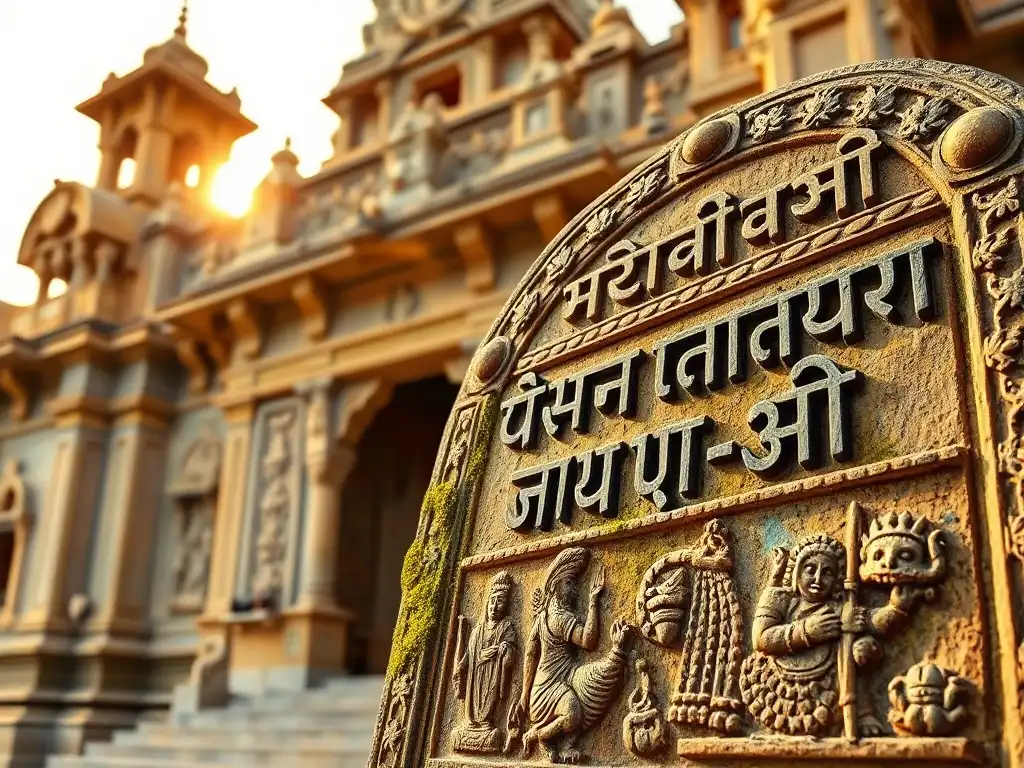
Temple inscriptions can be categorized into several types based on their content and purpose. Each type serves a unique function, reflecting the multifaceted role of temples in ancient society.
Dedication Inscriptions
Dedication inscriptions are among the most common types found in temples. These inscriptions typically commemorate the construction of a temple or the installation of a deity, often detailing the circumstances surrounding these events. They usually express gratitude to the gods and acknowledge the efforts of the patrons involved in the temple's creation. For example, a dedication inscription might state that a particular temple was built in honor of a deity to seek blessings for the reigning king or the community.
Commemorative Inscriptions
Commemorative inscriptions serve to honor significant events or individuals associated with the temple. These inscriptions may celebrate victories, anniversaries, or the virtues of notable figures who contributed to the temple's legacy. They often include narratives that enrich the historical context of the temple and its role in the community. A notable example would be an inscription commemorating a victorious king's return from battle, thus intertwining the temple's significance with the political history of the region.
Donative Inscriptions
Donative inscriptions record the contributions made by individuals or groups to the temple, such as land grants, monetary donations, or offerings. These inscriptions highlight the philanthropic spirit of the community and the importance of patronage in sustaining temple activities. They often detail the specific uses of the donations, such as funding festivals, rituals, or the maintenance of the temple. By preserving these records, donative inscriptions not only reflect the socio-economic conditions of the time but also underscore the communal efforts to support religious institutions.
The Art and Craft of Inscriptions
Inscriptions in temples are a remarkable testament to the artistry and craftsmanship of ancient Indian civilization. These inscriptions were not merely decorative; they served multiple functions, including religious, historical, and cultural documentation. The meticulous process of creating these inscriptions reflects a sophisticated understanding of aesthetics, language, and spirituality inherent in ancient Indian society.
The artistry involved in temple inscriptions often combined intricate designs with profound messages, making them significant both as works of art and as historical records. The inscriptions could be found carved into stone, metal, or wood, typically placed at entrances, within sanctums, or on plinths. This practice highlights the importance of inscriptions as integral components of temple architecture, enhancing the overall visual and spiritual experience of the worshippers.
Inscriptions were often framed by elaborate motifs and decorative elements that complemented the temple's architectural style. This attention to detail not only demonstrated the craftsmanship of the artisans but also indicated the cultural significance of the messages conveyed through the inscriptions. The fusion of art and text in temple inscriptions thus represents a unique aspect of ancient Indian architecture, where form and function coalesce in a harmonious expression of devotion and identity.
Techniques Used in Inscribing
The techniques employed in the creation of temple inscriptions varied significantly across different regions and periods in ancient India. One prevalent method was the chisel and hammer technique, where artisans would carefully chisel away the surface of stone to create letters and designs. This technique required immense skill and precision, as it was vital to maintain consistency in size and depth to ensure legibility.
Another technique involved the use of incised scripts, where artisans would carve into softer materials like wood or metal. This method allowed for more intricate designs and finer details, often seen in smaller inscriptions or decorative plaques. Techniques such as relief carving were also common, where the inscription was raised above the background surface, creating a striking visual effect.
In addition to these methods, the use of color and gilding sometimes enhanced the inscriptions, making them more visually appealing. The application of natural pigments and gold leaf was a testament to the artisans' knowledge of materials and their ability to create lasting artworks that would withstand the test of time.
The Role of Artisan Communities in Inscription
Artisan communities played a crucial role in the production of temple inscriptions, often being organized into guilds that specialized in specific forms of craft. These communities were responsible for not only the physical labor of inscribing but also for preserving the knowledge and techniques passed down through generations. The artisans were typically well-versed in the religious and cultural significance of the texts they inscribed, ensuring that the messages conveyed were respectful and appropriate.
The collaboration among various artisans, including sculptors, masons, and painters, enriched the inscription process, enabling a comprehensive approach to temple decoration. This collaborative spirit was essential in creating cohesive and harmonious temple environments, where inscriptions complemented the overall architectural narrative.
Moreover, the reputation of artisan communities often depended on their ability to produce high-quality work, which in turn affected the patronage they received from temples and rulers. This dynamic relationship fostered a culture of excellence and innovation, leading to the development of unique regional styles of inscriptions that reflect the diverse cultural landscape of ancient India.
Analyzing the Content of Temple Inscriptions
Temple inscriptions are invaluable sources of historical information, offering insights into the social, religious, and political contexts of ancient India. Analyzing the content of these inscriptions reveals a wealth of knowledge about the beliefs, practices, and events that shaped ancient Indian civilization.
Language and Script Used in Ancient Inscriptions
The language and script used in temple inscriptions varied according to the historical period and geographic region. Sanskrit, often considered the liturgical language, was widely used in religious inscriptions. However, regional languages such as Tamil, Kannada, and Prakrit also found their place, reflecting the linguistic diversity of the subcontinent.
The scripts employed ranged from Brahmi, one of the earliest writing systems in India, to later scripts like Devanagari and Grantha. Each script carried its own aesthetic qualities and complexities, contributing to the overall artistic appeal of the inscriptions. Understanding these scripts is essential for deciphering the messages and appreciating the linguistic heritage they represent.
Themes and Subjects Addressed in Temple Inscriptions
Temple inscriptions encompass a variety of themes and subjects, providing a rich tapestry of information about ancient Indian life. Common subjects include:
- Religious Dedications: Many inscriptions are devoted to deities and describe offerings and rituals, reflecting the spiritual devotion of patrons.
- Historical Records: Inscriptions often document significant events, such as battles, royal decrees, and land grants, serving as crucial historical sources.
- Cultural Practices: They reveal insights into the societal norms, festivals, and daily life of ancient communities, highlighting the intersection of religion and culture.
The thematic diversity found in temple inscriptions underscores their significance as historical documents. By studying these inscriptions, researchers can uncover the intricate connections between religion, art, and society in ancient India, enriching our understanding of this remarkable civilization.
Case Studies of Notable Temple Inscriptions

Temple inscriptions serve as invaluable records of ancient Indian history, providing insights into the socio-political, religious, and cultural contexts of their times. Numerous temples throughout India feature inscriptions that have been critical in understanding the evolution of architectural styles and the historical narratives of various dynasties. Below, we delve into two prominent examples that highlight the significance of temple inscriptions in ancient Indian architecture.
The Inscriptions of the Brihadeeswarar Temple
The Brihadeeswarar Temple, located in Thanjavur, Tamil Nadu, is a UNESCO World Heritage site built during the reign of the Chola dynasty in the 11th century. The temple is adorned with inscriptions that elaborate on the temple's construction, its patronage, and the socio-economic conditions of the time.
The inscriptions, written in Tamil and Sanskrit, detail the contributions of various artisans and workers, showcasing the collaborative effort involved in its construction. One notable inscription records a gift of land and resources to sustain the temple's rituals, indicating the temple's role as a center of economic activity.
These inscriptions not only provide insights into the religious practices of the Chola period but also reflect the administrative and economic policies of the dynasty. The detailed accounts of offerings and the roles of different deities underscore the significance of temple inscriptions as a rich source of historical data.
The Significance of Inscriptions in the Khajuraho Temples
The Khajuraho Temples, famous for their intricate sculptures and erotic carvings, also house significant inscriptions that reveal much about the Chandela dynasty, which ruled during the 10th and 11th centuries. The inscriptions found within these temples primarily serve as records of royal patronage and religious donations.
One of the key inscriptions in the Kandariya Mahadeva Temple highlights the dedication of the temple to Lord Shiva and outlines the various offerings made to maintain the temple's activities. This emphasizes the religious devotion of the Chandela rulers and their commitment to the arts, architecture, and spirituality.
Furthermore, these inscriptions are crucial for understanding the socio-political landscape of the period. They reflect the integration of art, religion, and governance, showcasing how temple constructions were not merely religious sites but also symbols of power and cultural identity for the Chandela dynasty.
Conclusion
Summary of the Significance of Temple Inscriptions
The significance of temple inscriptions in ancient Indian architecture is profound, serving multifaceted purposes that extend beyond mere historical records. They encapsulate the religious fervor, administrative practices, and economic conditions of their respective eras. Through these inscriptions, we gain insight into the patronage systems, the roles of various social classes, and the cultural narratives that shaped ancient Indian civilization.
In essence, temple inscriptions are a testament to the artistic and architectural prowess of ancient India, revealing the intricate connections between faith, governance, and community life.
The Legacy of Inscriptions in Ancient Indian Architecture
The legacy of inscriptions in ancient Indian architecture is enduring and continues to influence contemporary understanding of India's rich historical tapestry. These inscriptions have laid the groundwork for epigraphy as a field of study, allowing historians and archaeologists to connect the dots of India's past.
Moreover, the preservation of these inscriptions in temples contributes to the cultural heritage of India, enabling future generations to appreciate the complexity of ancient societies. As modern scholars and enthusiasts explore these historical artifacts, the significance of temple inscriptions remains a vital link to understanding the architectural and cultural evolution of ancient India.
Further Reading on Temple Inscriptions
The significance of temple inscriptions in ancient Indian architecture is a vast and intricate topic, encompassing various aspects of history, culture, and art. For those interested in delving deeper into this subject, several books, articles, and online resources can provide valuable insights and detailed analyses. Below are some recommended readings and resources that explore the rich tapestry of ancient inscriptions and their historical relevance.
Recommended Books and Articles on Ancient Indian Inscriptions
-
"Inscriptions of Ashoka" by Romila Thapar
This book delves into the edicts of Emperor Ashoka, providing valuable context for understanding the role of inscriptions in disseminating Buddhist principles and governance.
-
"Ancient Indian Epigraphy" by D.C. Sircar
A comprehensive overview of the different forms of inscriptions found in ancient Indian history, this work examines their linguistic, chronological, and cultural significance.
-
"Temple Inscriptions and Their Role in Ancient Indian Society" by V. S. Ramachandran
This article explores the sociocultural implications of temple inscriptions, discussing how they reflect religious practices, societal norms, and historical events.
-
"The Art and Architecture of Ancient Indian Temples" by K. R. Srinivasan
This book covers the architectural styles of Indian temples, with a special focus on the inscriptions that adorn them, highlighting their artistic and historical significance.
-
"Inscriptions and Society: The Epigraphic Evidence" by S. P. Gupta
This scholarly article analyzes various inscriptions across different regions of ancient India, shedding light on their role in documenting historical narratives and social structures.
Online Resources for Exploring Inscriptions and Epigraphy
-
Epigraphia Indica
A digital archive that provides access to a wealth of inscriptions from ancient India, including translations and photographs, making it an essential resource for scholars and enthusiasts alike.
-
The Indian Epigraphy Project
This online platform aims to document and analyze inscriptions from different periods in Indian history, offering research articles, databases, and images that are invaluable for studying ancient epigraphy.
-
Digital South Asia Library (DSAL)
DSAL hosts a collection of resources related to South Asian history and culture, including a section dedicated to inscriptions, with primary sources and scholarly interpretations.
-
The Archaeological Survey of India (ASI)
The ASI's official website provides access to reports and documentation on archaeological sites, including temples with significant inscriptions, offering insight into ongoing research and discoveries.
-
Academia.edu
A platform where researchers share their papers and findings, you can find numerous articles and theses related to temple inscriptions and epigraphy, providing contemporary scholarly perspectives on ancient texts.
These resources will equip readers with a deeper understanding of the significance of temple inscriptions, enriching their knowledge of ancient Indian architecture and its historical context.
- Introduction to Temple Inscriptions
- Historical Context of Temple Inscriptions
- The Significance of Temple Inscriptions
- Types of Inscriptions Found in Temples
- The Art and Craft of Inscriptions
- Analyzing the Content of Temple Inscriptions
- Case Studies of Notable Temple Inscriptions
- Conclusion
- Further Reading on Temple Inscriptions
- What are temple inscriptions in ancient India?
- Why are temple inscriptions considered significant?
- How do temple inscriptions contribute to our understanding of ancient Indian architecture?
- What types of information can be found in temple inscriptions?
- Are there any notable examples of temple inscriptions in ancient India?
Frequently Asked Questions
What are temple inscriptions in ancient India?
Temple inscriptions are carvings or writings found on the walls, pillars, and stones of temples, often detailing historical, religious, or cultural significance.
Why are temple inscriptions considered significant?
They hold historical importance as they provide insight into the social, political, and religious contexts of ancient Indian civilizations, reflecting their values and beliefs.
How do temple inscriptions contribute to our understanding of ancient Indian architecture?
Temple inscriptions reveal architectural styles, techniques, and materials used during different periods, showcasing the evolution of ancient Indian art and design.
What types of information can be found in temple inscriptions?
Inscriptions often include donor details, temple construction dates, religious texts, and royal proclamations, all of which highlight the cultural and political landscape of the time.
Are there any notable examples of temple inscriptions in ancient India?
Yes, inscriptions at famous temples like the Brihadeeswarar Temple and Kandariya Mahadeva Temple provide valuable historical and artistic insights into the rich heritage of ancient Indian architecture.
Final Reflection: The Enduring Significance of Temple Inscriptions
The significance of temple inscriptions in ancient Indian architecture resonates profoundly in today's world, reminding us of the intricate relationship between culture, spirituality, and identity. These inscriptions serve not only as historical records but also as a testament to the artistic and intellectual achievements of our ancestors. They encapsulate the values, beliefs, and stories of a civilization, making them invaluable in understanding our collective heritage. As we navigate the complexities of modern life, the lessons embedded in these inscriptions urge us to appreciate the depth of our cultural roots.
The influence of temple inscriptions extends far beyond their physical presence in stone; they continue to shape our cultural and social landscape. These inscriptions are not merely relics of the past; they are living narratives that connect generations. The stories etched into temple walls inspire contemporary artists, historians, and spiritual seekers alike, fostering a sense of continuity and belonging. As Mahatma Gandhi once said, "> A nation's greatness is measured by how it treats its weakest members." This quote underscores the importance of preserving our cultural heritage, as it reflects our values and priorities as a society.
As we reflect on the significance of temple inscriptions, let us embrace the opportunity to engage with our history actively. I invite you to explore the stories behind these inscriptions, to seek understanding in their meanings, and to recognize their relevance in your own life. By doing so, we not only honor the wisdom of our ancestors but also enrich our own journeys, ensuring that the lessons of the past continue to illuminate our path forward.
Unveil the Stories Behind Ancient Indian Inscriptions!
Thank you for taking the time to explore the captivating world of inscriptions in ancient Indian architecture. You've delved into their significance and now possess a deeper appreciation for the rich narratives they convey. But don’t stop here—let's take that knowledge and put it into action!
Here’s how you can further engage with this fascinating topic:
- Explore local temples or historical sites: Visit nearby temples and search for inscriptions. Bring a notebook to document your observations!
- Start a conversation: Share your insights about the importance of these inscriptions with friends or on social media. Encourage others to join the discussion.
- Join a community: Seek out online forums or local groups dedicated to ancient history. Connect with individuals who share your passion for cultural heritage.
What hidden stories might you uncover when you take the time to read and understand the inscriptions around you?