
The Legacy of Ancient Indian Yoga: Its Impact on Modern Wellness Practices

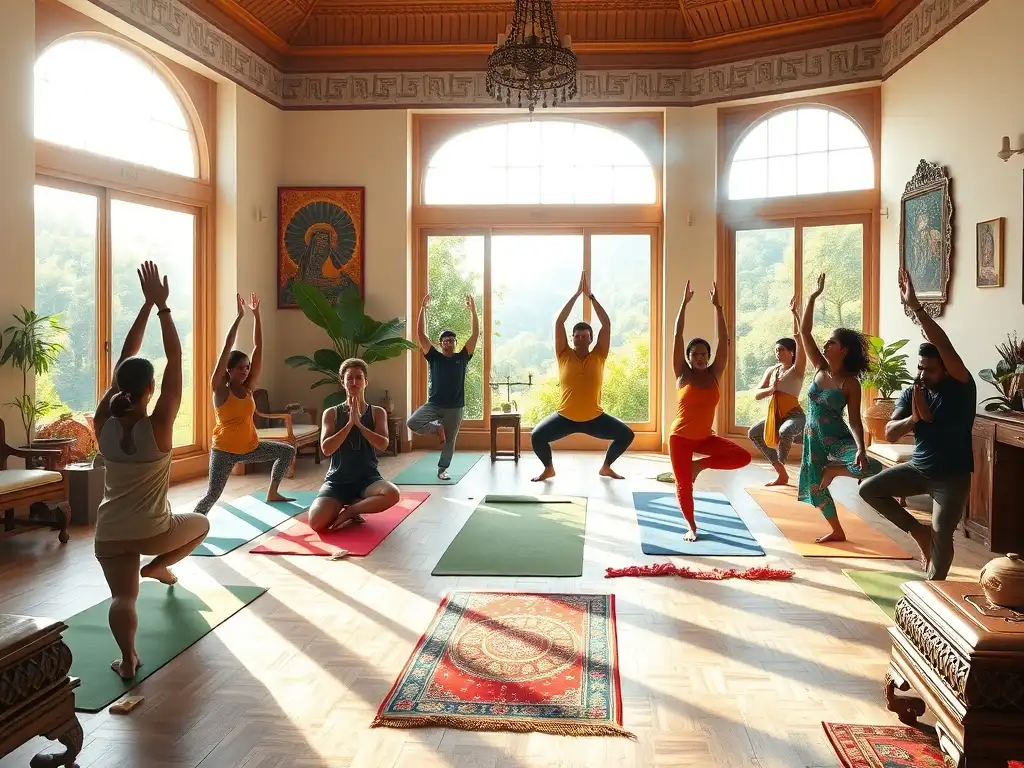
Welcome to Ancient India History! Dive into the fascinating world of ancient Indian civilizations, where rich traditions and profound wisdom have shaped our modern understanding of wellness. In this journey, we will unravel the legacy of ancient Indian yoga practices and explore how these time-honored techniques continue to influence contemporary wellness practices today. Are you ready to discover the secrets of the past that can transform your present? Join us as we delve deeper into this captivating intersection of history and health!
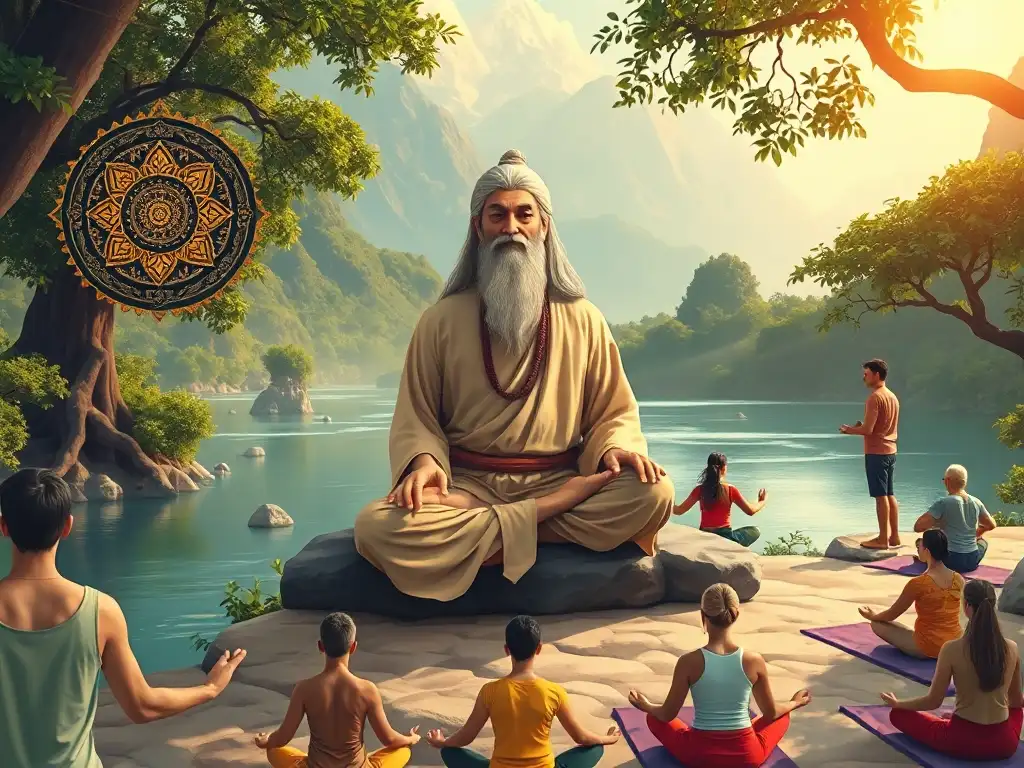
Introduction to Ancient Indian Yoga Practices
The significance of ancient Indian yoga practices extends far beyond mere physical exercises; they embody a profound philosophy that has shaped not only the spiritual landscape of India but also the wellness practices adopted globally today. Originating thousands of years ago, yoga was initially a meditative discipline rooted in the quest for self-realization and harmony with the universe.
As ancient Indian civilizations flourished, these practices evolved, encompassing various aspects of life, including physical health, mental clarity, and spiritual growth. This article delves into the rich legacy of ancient Indian yoga, exploring its historical roots, philosophical underpinnings, and how these traditions continue to influence modern wellness practices.
Historical Evolution of Yoga in Ancient India
The historical journey of yoga in ancient India is a testament to its adaptability and depth. Understanding this evolution helps us appreciate the diverse practices and philosophies that have emerged over the centuries. Below are key milestones that highlight the development of yoga:
The Indus Valley Civilization: Early Yoga Practices
The roots of yoga can be traced back to the Indus Valley Civilization (c. 3300–1300 BCE), where archeological findings suggest the presence of practices that resemble yoga. Excavations at sites like Harappa and Mohenjo-Daro have unearthed seals depicting figures in meditative postures, indicating an early understanding of the mind-body connection.
- Key Aspects:
- Meditative Postures: Evidence of seated figures suggests that meditation was a part of spiritual practice.
- Connection to Nature: The civilization's emphasis on nature worship may have influenced the holistic approach of yoga.
Vedic Texts and the Philosophical Foundations of Yoga
The next significant phase in the evolution of yoga occurred with the emergence of the Vedic texts (c. 1500–500 BCE). These sacred scriptures laid the foundation for spiritual and philosophical discourse in ancient India.
- Core Concepts:
- Rituals and Sacrifices: Early Vedic practices included rituals aimed at connecting with the divine, which gradually incorporated meditative elements.
- Philosophical Texts: The Upanishads, part of the Vedic corpus, introduced concepts of Brahman (universal consciousness) and Atman (individual soul), linking them to yoga as a means of attaining enlightenment.
The Development of Yoga Through the Classical Period
The classical period (c. 500 BCE–500 CE) marked a transformative era for yoga, with the composition of significant texts such as the Yoga Sutras of Patanjali. This foundational work systematized yoga practices and philosophy, presenting an eightfold path (Ashtanga) that integrates ethical conduct, physical postures, breath control, and meditation.
- Influential Texts:
- Yoga Sutras of Patanjali: Codified the principles of yoga, emphasizing the importance of mental discipline.
- Bhagavad Gita: Explored the relationship between duty, action, and spirituality, further enriching the philosophical context of yoga.
Through these historical developments, ancient Indian yoga practices laid the groundwork for various modern wellness techniques, emphasizing the importance of holistic health and mindful living. The legacy of these practices continues to resonate today, as individuals seek to harness the benefits of yoga for both physical and mental well-being.
Core Principles of Ancient Indian Yoga Practices
Ancient Indian yoga practices are rooted in a rich philosophical and spiritual tradition that emphasizes the connection between the mind, body, and spirit. The core principles of these practices revolve around achieving harmony and balance in one's life. Central to this philosophy is the concept of dharma, which refers to the ethical and moral duties one must fulfill in accordance with their role in society. This principle encourages individuals to lead a life of purpose and righteousness.
Another vital aspect is ahimsa, or non-violence, which promotes compassion and kindness towards all living beings. This principle not only affects interpersonal relationships but also encourages practitioners to cultivate a compassionate attitude towards themselves. Additionally, the pursuit of self-realization is a key tenet, where individuals strive to discover their true nature and purpose through disciplined practice and introspection.
Meditation and mindfulness are also integral to ancient Indian yoga, allowing practitioners to attain a state of awareness that transcends the physical realm. These practices help in managing stress and fostering mental clarity, which are essential for holistic well-being. By incorporating these core principles, ancient Indian yoga practices provide a comprehensive framework for personal development and spiritual growth.
The Eight Limbs of Yoga: A Holistic Approach
The Eight Limbs of Yoga, as outlined by the sage Patanjali in the Yoga Sutras, serve as a foundational framework for understanding the comprehensive nature of yoga. Each limb represents a different aspect of the yogic path, guiding practitioners toward a balanced and fulfilling life.
- Yama (Ethical Standards) - This limb encompasses moral guidelines, including principles like truthfulness, non-stealing, and moderation.
- Niyama (Self-Discipline) - Focuses on personal observances such as cleanliness, contentment, and self-study.
- Asana (Postures) - Refers to the physical postures that prepare the body for meditation and promote physical health.
- Pranayama (Breath Control) - Involves techniques for controlling breath, which enhances energy flow and calms the mind.
- Pratyahara (Withdrawal of Senses) - Encourages practitioners to withdraw attention from external stimuli, fostering inward focus.
- Dharana (Concentration) - Involves focused attention on a single point or object, enhancing mental clarity.
- Dhyana (Meditation) - This limb embodies the practice of sustained meditation, leading to profound states of awareness.
- Samadhi (Union) - Represents the ultimate goal of yoga, where the self merges with the universal consciousness.
Together, these eight limbs promote a holistic approach to wellness, integrating ethical living, physical health, and spiritual growth. By adhering to these principles, practitioners can cultivate a deeper connection with themselves and the universe, leading to a more balanced and harmonious existence.
The Role of Asanas and Pranayama in Ancient Practices
Asanas and pranayama are fundamental components of ancient Indian yoga practices that contribute significantly to physical and mental well-being. Asanas, or yoga postures, are designed to improve flexibility, strength, and balance. Each asana targets specific muscle groups and promotes bodily alignment, which is essential for maintaining physical health. The practice of asanas also helps to release tension and enhance circulation, thereby increasing overall vitality.
On the other hand, pranayama focuses on breath control and is considered a powerful tool for regulating energy within the body. The term "pranayama" is derived from two Sanskrit words: prana (life force) and ayama (control). Various pranayama techniques, such as Nadi Shodhana (alternate nostril breathing) and Ujjayi (victorious breath), are employed to calm the mind, reduce stress, and improve concentration.
The combination of asanas and pranayama creates a synergistic effect, fostering a deeper connection between the body and mind. This interplay helps practitioners achieve a state of relaxation while simultaneously energizing the body, making it an essential aspect of ancient Indian yoga practices. Furthermore, these techniques have been shown to support mental clarity, emotional stability, and overall wellness.
The Impact of Ancient Indian Yoga on Modern Wellness Practices
The influence of ancient Indian yoga on modern wellness practices is profound and far-reaching. As global interest in holistic health and wellness continues to rise, the teachings and techniques of ancient Indian yoga have been integrated into various contemporary practices, including fitness, therapy, and personal development.
Many modern wellness programs now incorporate yogic principles, emphasizing mindfulness and stress reduction. This integration has led to the popularity of yoga classes, workshops, and retreats worldwide, making ancient practices accessible to a broader audience. Furthermore, the emphasis on the mind-body connection has reshaped how wellness is perceived, moving away from merely physical fitness to a more comprehensive approach that includes mental and emotional well-being.
Yoga in the 21st Century: A Global Phenomenon
In the 21st century, yoga has transcended its cultural origins to become a global phenomenon. Its adaptability and versatility have allowed it to flourish in diverse settings, from corporate wellness programs to therapeutic practices in healthcare. Modern interpretations of yoga often blend traditional techniques with contemporary understanding, resulting in various styles such as Hatha, Vinyasa, and Yin yoga.
The rise of technology has further facilitated this global spread, with online classes and virtual communities enabling individuals to practice yoga from the comfort of their homes. Social media platforms have also played a crucial role in popularizing yoga, allowing practitioners to share their journeys and inspire others. As a result, yoga has become synonymous with well-being, making it an essential component of many people's wellness routines.
Integration of Ancient Indian Wellness Techniques in Holistic Health
The integration of ancient Indian wellness techniques into holistic health practices embodies a comprehensive approach to well-being. Techniques such as Ayurveda, meditation, and mindfulness, alongside yoga, create a synergistic effect that promotes physical, mental, and emotional health.
Ayurveda, the traditional Indian system of medicine, emphasizes individualized care based on one's unique constitution, or dosha. This ancient wisdom complements yoga by providing dietary and lifestyle recommendations that enhance the benefits of yoga practice. Additionally, meditation techniques derived from ancient practices are increasingly being utilized in modern therapeutic settings to address stress, anxiety, and depression.
By embracing these ancient Indian wellness techniques, modern holistic health practitioners can offer a more integrated approach to health and wellness, addressing the diverse needs of individuals seeking balance in their lives. This fusion of ancient wisdom with contemporary practices not only enriches the wellness landscape but also honors the legacy of ancient Indian yoga practices.
Comparative Analysis: Ancient vs. Modern Yoga Practices
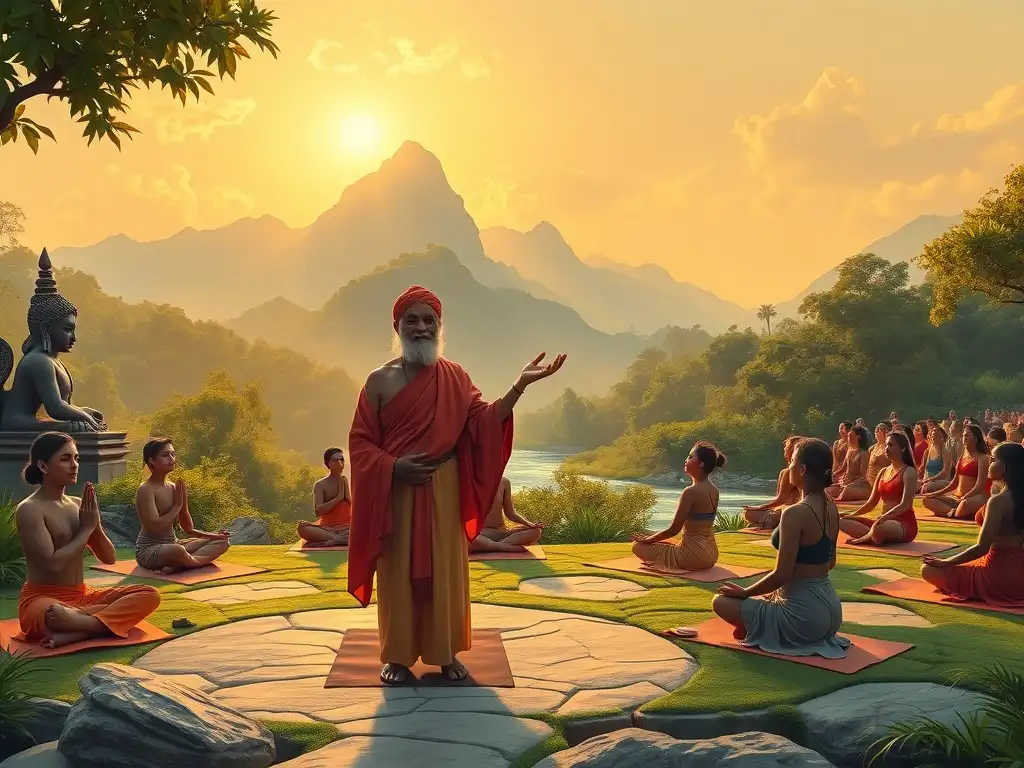
The evolution of yoga has been profound, transitioning from its ancient roots to contemporary interpretations that cater to modern lifestyles. Understanding both the similarities and differences between ancient Indian yoga practices and their modern counterparts helps illuminate the true essence of yoga and its adaptability over centuries.
Similarities Between Ancient Indian Yoga and Contemporary Practices
Despite the significant changes in yoga over the years, several core principles remain constant:
- Holistic Approach: Both ancient and modern practices view yoga as a holistic discipline that encompasses physical, mental, and spiritual well-being. This integrated approach is central to the philosophy of yoga, emphasizing the connection between body, mind, and spirit.
- Emphasis on Breath Control: Pranayama, or breath control, is a fundamental aspect of ancient yoga that persists in modern practices. Both forms recognize the importance of breath in enhancing physical performance and mental clarity.
- Meditation and Mindfulness: Ancient Indian yoga placed great emphasis on meditation as a means to achieve self-realization. Today, meditation is widely incorporated into yoga classes, focusing on mindfulness and mental health.
- Flexibility and Strength Training: The physical postures (asanas) practiced in ancient times were designed to cultivate strength and flexibility, principles that are still at the heart of modern yoga classes.
Differences in Interpretation and Application
While there are clear similarities, the interpretation and application of yoga have diverged in various ways:
- Focus on Physical Fitness: Modern yoga often emphasizes physical fitness, with many classes designed to build strength, endurance, and flexibility. This contrasts with the ancient practices, which prioritized spiritual growth and self-awareness over physical prowess.
- Commercialization: The commercialization of yoga in contemporary society has led to the proliferation of various styles and trends, such as hot yoga and aerial yoga. This evolution diverges from the traditional, more disciplined approach of ancient practices.
- Diverse Influences: Ancient Indian yoga was heavily influenced by the philosophical texts of the time, such as the Vedas and Upanishads. In contrast, modern yoga integrates influences from various cultural and spiritual practices, often leading to eclectic interpretations.
- Accessibility and Inclusivity: Modern yoga strives to be more accessible and inclusive, catering to a broader audience with diverse needs and backgrounds. This shift allows for adaptations that were not traditionally part of ancient yoga.
Products and Resources for Exploring Ancient Indian Yoga Practices
For those interested in delving deeper into the rich heritage of ancient Indian yoga practices, numerous resources are available. These include books, online courses, and other educational materials that offer insights into the history, philosophy, and techniques of yoga.
Recommended Books on Ancient Indian Yoga
Here are some essential readings that provide a comprehensive understanding of ancient Indian yoga practices:
- The Yoga Sutras of Patanjali - This foundational text outlines the philosophy and ethics of yoga, making it essential for understanding ancient practices.
- Light on Yoga by B.K.S. Iyengar - A classic that combines ancient wisdom with practical guidance, this book serves as a valuable resource for practitioners of all levels.
- The Bhagavad Gita - While not exclusively about yoga, this ancient scripture delves into the spiritual dimensions of yoga and its relevance in daily life.
- The Heart of Yoga: Developing a Personal Practice by T.K.V. Desikachar: - This work emphasizes the personal and philosophical aspects of yoga, rooted in ancient traditions.
Online Courses and Classes on Yoga History and Philosophy
Many online platforms offer courses that explore the historical and philosophical aspects of ancient Indian yoga practices:
- Coursera: Courses on the philosophy of yoga and its historical evolution provide a structured learning experience.
- Udemy: A range of classes focusing on the history of yoga, including its ancient practices, are available for various levels of interest.
- The Yoga Institute: This organization often offers workshops and courses that delve into the rich traditions of yoga, including ancient practices and their relevance today.
By engaging with these resources, individuals can gain a deeper appreciation for ancient Indian yoga practices and their enduring influence on modern wellness.
Conclusion: The Enduring Legacy of Ancient Indian Yoga
The legacy of ancient Indian yoga practices is not merely a historical curiosity; it is a living tradition that continues to shape modern wellness practices across the globe. From the roots of yoga in the Indus Valley civilization to its philosophical underpinnings found in texts such as the Yoga Sutras of Patanjali, the essence of yoga has permeated various aspects of life, promoting physical, mental, and spiritual well-being.
Cultural Integration and Global Influence
In contemporary society, ancient Indian yoga practices have transcended cultural boundaries and evolved into diverse forms. Hatha yoga, Ashtanga, Kundalini, and various other styles draw directly from the foundational principles established centuries ago. These practices are now integrated into fitness routines, mindfulness exercises, and therapeutic modalities, reflecting the adaptability and relevance of yoga in today’s fast-paced world.
Holistic Approach to Wellness
One of the most significant contributions of ancient Indian yoga is its holistic approach to health. By emphasizing the interconnectedness of body, mind, and spirit, yoga encourages individuals to adopt a more comprehensive view of wellness. Modern wellness practices, including mindfulness meditation and breathwork, owe their origins to the yogic emphasis on self-awareness and inner peace. This holistic perspective is increasingly recognized in health care, psychotherapy, and stress management programs.
Sustainability and Environmental Awareness
Furthermore, ancient Indian yoga practices advocate for a lifestyle that respects nature and promotes sustainability. The principles of Ahimsa (non-violence) and Satya (truthfulness) resonate with contemporary movements focusing on environmental responsibility and ethical living. As more people seek to align their lifestyles with these values, the teachings of yoga become increasingly relevant, guiding individuals toward a harmonious existence with themselves and the world around them.
The enduring legacy of ancient Indian yoga practices is characterized by their profound impact on modern wellness. As these practices continue to evolve and adapt, they remain a vital source of inspiration for those seeking balance, health, and a deeper connection to themselves and their surroundings. The journey of yoga, rooted in ancient wisdom, promises to enrich our lives for generations to come.
- Introduction to Ancient Indian Yoga Practices
- Historical Evolution of Yoga in Ancient India
- Core Principles of Ancient Indian Yoga Practices
- The Impact of Ancient Indian Yoga on Modern Wellness Practices
- Comparative Analysis: Ancient vs. Modern Yoga Practices
- Products and Resources for Exploring Ancient Indian Yoga Practices
- Conclusion: The Enduring Legacy of Ancient Indian Yoga
Frequently Asked Questions
What are the origins of ancient Indian yoga practices?
Ancient Indian yoga practices trace back to the Indus Valley Civilization, where yoga was initially linked to spiritual and physical well-being. The Yoga Sutras of Patanjali further formalized these practices around the 2nd century BCE.
How did ancient Indian yoga influence modern wellness?
Ancient Indian yoga forms the foundation of many modern wellness practices by promoting mindfulness, flexibility, and stress relief. Its philosophies are integrated into contemporary fitness regimens and holistic health approaches.
What are some key texts that discuss ancient Indian yoga?
Key texts include the Yoga Sutras of Patanjali, the Bhagavad Gita, and the Hatha Yoga Pradipika. These texts outline the principles, techniques, and philosophies that continue to shape yoga today.
How did the Gupta Empire contribute to yoga's development?
The Gupta Empire (circa 320-550 CE) saw significant advancements in yoga philosophy and practice, with scholars like Vasubandhu and Buddhaghosa enhancing the spiritual dimensions of yoga, which laid the groundwork for its spread.
Why is understanding ancient Indian yoga practices important today?
Understanding ancient Indian yoga practices is crucial as it provides insights into the holistic approach to health, blending physical, mental, and spiritual well-being that is increasingly relevant in today's fast-paced world.
Final Reflection: Embracing the Wisdom of Ancient Indian Yoga Practices
In our fast-paced modern world, the relevance of ancient Indian yoga practices has never been more pronounced. As we navigate the complexities of daily life, the teachings and techniques rooted in centuries of tradition offer a sanctuary for mental clarity and physical well-being. The resurgence of interest in holistic health and mindfulness underscores a striking truth: the wisdom of the past is not merely a relic, but a guiding light for our contemporary wellness journey.
The influence of ancient Indian yoga extends far beyond the yoga mat, permeating various aspects of our cultural and social landscape. This rich heritage invites us to reconnect with ourselves and cultivate a deeper understanding of our bodies and minds. As we incorporate these practices into our lives, we foster a sense of community and shared purpose. Yoga is the journey of the self, through the self, to the self.
— The Bhagavad Gita. This timeless quote encapsulates the essence of yoga as a transformative practice, reminding us that the path to wellness is as much about self-discovery as it is about physical fitness.
As we reflect on the lessons of ancient Indian yoga, I invite you to consider how these practices can enrich your own life. Embrace the opportunity to integrate mindfulness, breathwork, and movement into your daily routine. Let the wisdom of the past inspire you to cultivate a more balanced and harmonious existence. Together, we can honor the legacy of ancient Indian yoga by making it a living, breathing part of our modern wellness practices, ensuring its teachings continue to illuminate our paths for generations to come.
Embrace Your Wellness Journey Today!
Thank you for exploring the rich legacy of ancient Indian yoga and its profound impact on contemporary wellness practices. We hope you’ve gathered insights that motivate you to improve your well-being through these timeless traditions. Now, let’s transform that knowledge into meaningful action!
Here are some practical steps you can take to weave the wisdom of ancient yoga into your daily life:
- Begin a daily yoga practice by discovering a style that resonates with you—consider trying Hatha, Vinyasa, or restorative yoga to experience different facets of this ancient discipline.
- Join a local or online yoga community to connect with individuals who share your passion for wellness and to explore the transformative power of yoga together.
- Investigate meditation techniques that can enhance your yoga practice, such as mindfulness or mantra meditation, to deepen your experience and promote emotional balance.
What unique ways will you incorporate ancient wisdom into your modern lifestyle? We would love to hear your thoughts below!