
Discovering the Indus Valley Civilization: The Birthplace of Yoga

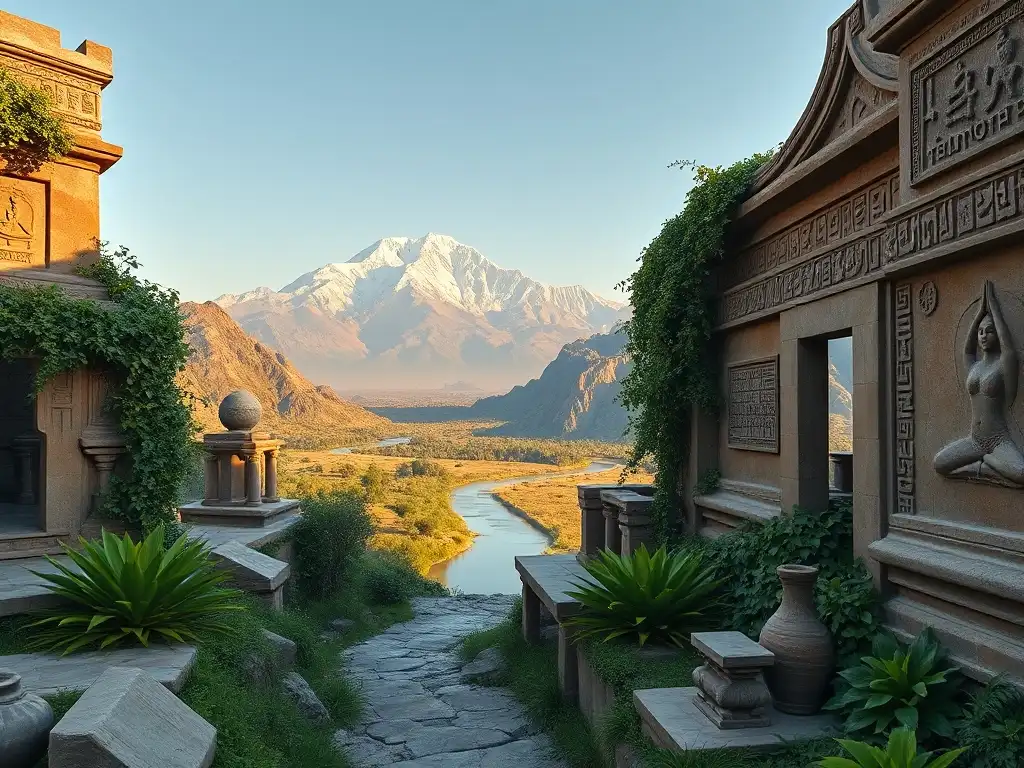
Welcome to Ancient India History, where we embark on a captivating journey through the rich and diverse tapestry of ancient Indian civilizations. Here, we dive deep into the Indus Valley Civilization history, a remarkable era often celebrated as the birthplace of yoga. Are you ready to uncover the secrets behind this ancient culture's profound contributions to wellness and spirituality? Join us as we explore the intricate connections between the Indus Valley and the holistic practices that continue to shape our lives today. Your adventure into the past begins now—let's discover the wisdom of the ancients together!
Introduction to the Indus Valley Civilization History
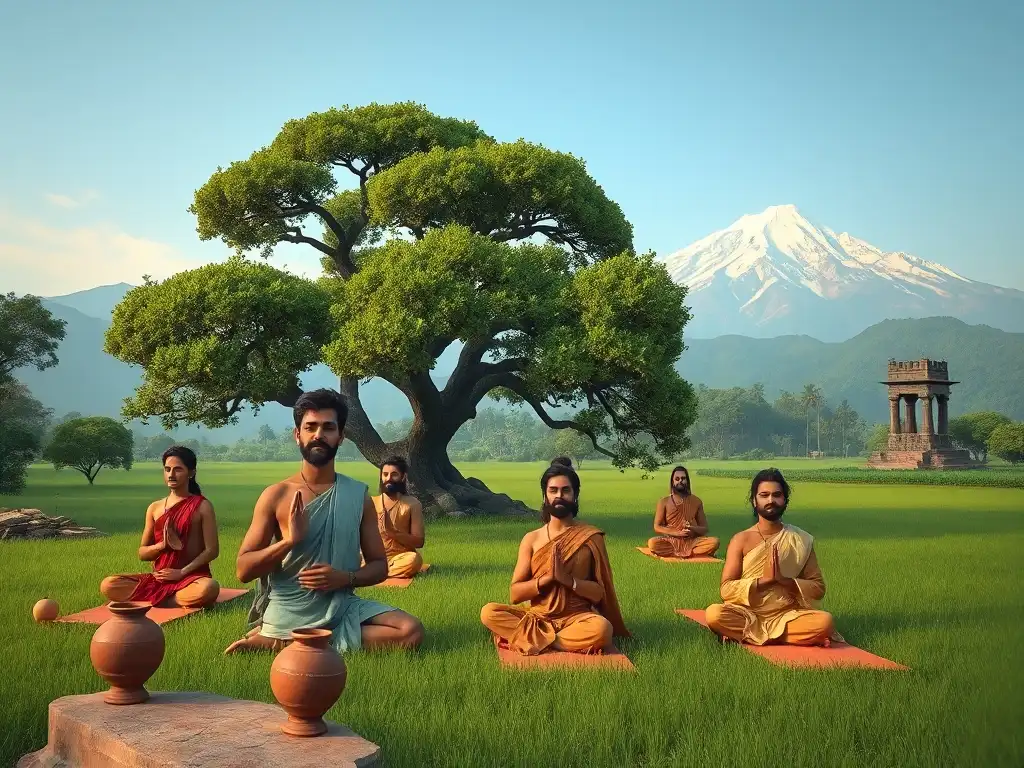
The Indus Valley Civilization (IVC), one of the world's earliest urban cultures, flourished around 3300 to 1300 BCE in the northwestern regions of South Asia, primarily in present-day Pakistan and northwest India. Renowned for its advanced city planning, architectural sophistication, and intricate social organization, this civilization laid the foundations for many aspects of Indian culture, including spiritual practices that would eventually evolve into yoga.
The IVC is often celebrated for its remarkable achievements in urban design, with cities like Harappa and Mohenjo-Daro showcasing well-planned streets, drainage systems, and public baths. However, beyond its architectural prowess, the civilization's contribution to the history of yoga is particularly significant. As we delve into the Indus Valley Civilization history, we uncover how its philosophical and spiritual undercurrents paved the way for the development of yoga as a holistic practice that emphasizes the connection between the body, mind, and spirit.
The Geographic and Cultural Context of the Indus Valley Civilization
The Indus Valley Civilization was strategically located along the banks of the Indus River, which provided fertile land for agriculture and facilitated trade with neighboring regions. The civilization spanned a vast area, covering approximately 1.25 million square kilometers, and included a variety of landscapes, from arid plains to lush river valleys. This geographic diversity contributed to the rich cultural tapestry of the IVC, as different communities developed unique practices and beliefs.
The people of the IVC were skilled artisans, traders, and farmers, which fostered a vibrant economy. Their polytheistic beliefs and reverence for nature are evident in the numerous seals and artifacts discovered at archaeological sites. These artifacts often depict figures in meditative poses, suggesting that early practices of meditation and yoga may have originated in this era. The emphasis on harmony with nature and the pursuit of inner peace are themes that resonate deeply within the broader context of yoga and wellness.
- Key geographic features:
- Indus River and its tributaries
- Fertile plains conducive to agriculture
- Strategic trade routes connecting to Mesopotamia and Persia
- Cultural aspects:
- Polytheistic belief system
- Advanced urban infrastructure
- Art and craftsmanship reflecting spiritual themes
Key Contributions of the Indus Valley Civilization to Yoga and Wellness
The Indus Valley Civilization made several critical contributions to the development of yoga and wellness practices that continue to influence contemporary society. Among these contributions are:
- Philosophical Foundations: The spiritual concepts that emerged during the IVC laid the groundwork for later philosophical schools in ancient India. Ideas about the interconnectedness of all living beings and the pursuit of self-realization became central themes in yoga philosophy.
- Meditative Practices: Artifacts depicting individuals in meditative postures indicate that practices resembling yoga were likely part of the IVC's spiritual life. These early forms of meditation emphasized mental clarity and emotional balance, principles that are integral to modern yoga.
- Holistic Health Approaches: The civilization's understanding of wellness encompassed both physical and spiritual health. The emphasis on balance, harmony, and community well-being reflects the holistic approach that yoga embodies today.
- Cultural Artifacts: Numerous seals and terracotta figurines discovered at IVC sites depict figures in various poses, providing insight into the early forms of yoga practice and the significance of physical movement in spiritual development.
Through these contributions, the Indus Valley Civilization profoundly influenced the evolution of yoga, establishing a legacy that continues to resonate in contemporary wellness practices. As we explore this fascinating civilization further, we uncover the intricate connections between its history and the enduring principles of yoga that promote overall well-being.
The Spiritual and Philosophical Foundations of Yoga in the IVC
The Indus Valley Civilization (IVC), which thrived between 3300 BCE and 1300 BCE, laid the early spiritual and philosophical framework that would eventually evolve into the practice of yoga. While direct textual evidence from this period is scarce, the archaeological findings and urban planning suggest a culture deeply engaged with spirituality and the human experience.
The concept of Dharma, or righteous living, is believed to have roots in this civilization. The IVC showcased a profound understanding of balance and harmony, which are essential principles in yoga philosophy. The use of seals depicting figures in meditative postures indicates that practices resembling yoga may have been integrated into their spiritual lives. Furthermore, the presence of sacred animals, such as the bull, and the reverence for fertility symbols suggest a connection to the cycles of nature, akin to the yogic principle of aligning oneself with natural rhythms.
Moreover, the relationship between mind, body, and spirit evident in IVC artifacts reflects early philosophical inquiries that parallel later yoga texts. The emphasis on self-discipline, meditation, and the quest for understanding one's place in the cosmos foreshadows the deeper philosophical explorations found in classical yoga literature.
Daily Life in the Indus Valley Civilization and Its Influence on Yoga
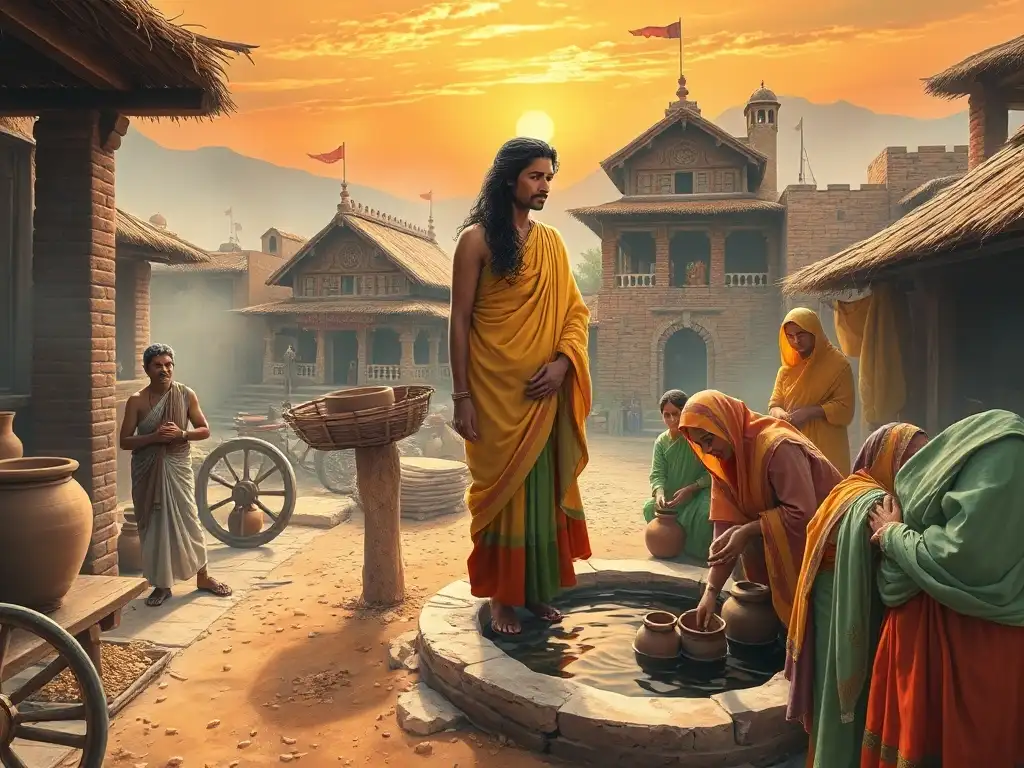
Daily life in the Indus Valley Civilization was characterized by a high degree of organization and sophistication, which played a significant role in shaping early practices that would later influence yoga. The urban centers, such as Mohenjo-Daro and Harappa, featured advanced drainage systems and grid layouts, suggesting a communal lifestyle that valued cleanliness and order—concepts that are foundational in yogic practices.
Agriculture was the backbone of IVC society, with a focus on sustainable practices and respect for the land. This connection to agriculture inherently encouraged mindfulness and gratitude, which are key components of yoga philosophy. The cultivation of crops like barley and wheat not only sustained the population but also fostered a spiritual connection to the earth, aligning with the yogic principle of Ahimsa (non-violence) toward all living beings.
Craftsmanship in the IVC was also notable, with skilled artisans creating intricate pottery, jewelry, and textiles. This artistic expression may have served as a form of meditation or mindfulness, akin to modern yoga practices that incorporate creativity and self-expression. The communal rituals and festivals likely fostered social bonding and collective well-being, paralleling the community-focused aspects of yoga today.
Several archaeological discoveries have provided insight into the potential early roots of yoga in the Indus Valley Civilization. One of the most significant findings is the discovery of seals, such as the famous Pashupati Seal, which depicts a seated figure in a position resembling modern meditative postures. This imagery suggests that yoga-like practices were an integral part of spiritual life, emphasizing meditation and inner peace.
Excavations at sites like Mohenjo-Daro have revealed terracotta figurines that depict figures in poses reminiscent of yoga asanas. These artifacts, along with the aforementioned seals, indicate that physical postures associated with yoga were practiced, possibly as part of religious or meditative rituals.
Additionally, the discovery of bathhouses and large public pools in IVC cities indicates a culture that valued ritual purification, a practice closely associated with yoga's emphasis on cleanliness and spiritual readiness. These architectural features suggest that bathing and water rituals may have had spiritual significance, aligning with the concept of Shaucha (purity) in yoga.
Overall, the archaeological evidence points to a civilization that valued the interconnectedness of physical, mental, and spiritual practices, laying a robust foundation for the evolution of yoga as we know it today.
The Role of Trade and Interaction in Spreading Yoga Philosophy
The Indus Valley Civilization (IVC), flourishing around 3300 to 1300 BCE, was a hub of trade and cultural interaction, significantly influencing the spread of yoga philosophy. The geographic location of the IVC along the banks of the Indus River facilitated trade routes connecting it with other ancient civilizations, including Mesopotamia and Egypt. This interaction not only allowed for the exchange of goods but also for the sharing of ideas and spiritual practices.
Merchants and travelers were key conduits of cultural exchanges, bringing back philosophies, rituals, and practices from distant regions. This cross-cultural dialogue contributed to the development of early forms of yoga as individuals began to blend their spiritual beliefs with those encountered during their travels. For instance, the trade networks could have fostered the movement of rituals related to meditation and physical postures that would later become integral to yoga.
Moreover, archaeological evidence suggests that seals and inscriptions from the IVC depict figures engaged in yoga-like postures, indicating a potential early understanding of yoga that transcended mere physicality. Such artifacts imply that yoga was not only practiced but also possibly taught and shared among communities, leading to a gradual dissemination of its philosophy throughout the region.
Myths and Realities: Yoga Origins in the Indus Valley Civilization
The origins of yoga are often shrouded in myth, with various narratives attributing its inception to divine figures or legendary sages. However, a deeper exploration reveals a more complex reality rooted in the historical context of the Indus Valley Civilization. While many myths suggest that yoga was handed down from the gods, the archaeological findings indicate that it likely evolved as a practical response to the spiritual and physical needs of the people.
The ancient seals from the IVC, depicting figures in meditative postures and surrounded by symbols that may represent spiritual practices, support the notion that yoga was a part of daily life rather than a mystical gift. This suggests that the early practitioners of yoga were more focused on the experiential aspects of meditation and physical control, which later became codified into more formal systems.
Furthermore, the lack of written records from the IVC means that much of what is known about yoga's origins is based on interpretation and inference. While yoga may have roots in this ancient civilization, it is essential to recognize that it has undergone significant transformation over millennia. The practices that emerged in later texts, such as the Vedas and Upanishads, built upon the foundations laid during the IVC era, but they also incorporated diverse influences from subsequent cultures and philosophies.
The Legacy of the Indus Valley Civilization in Modern Yoga Practices
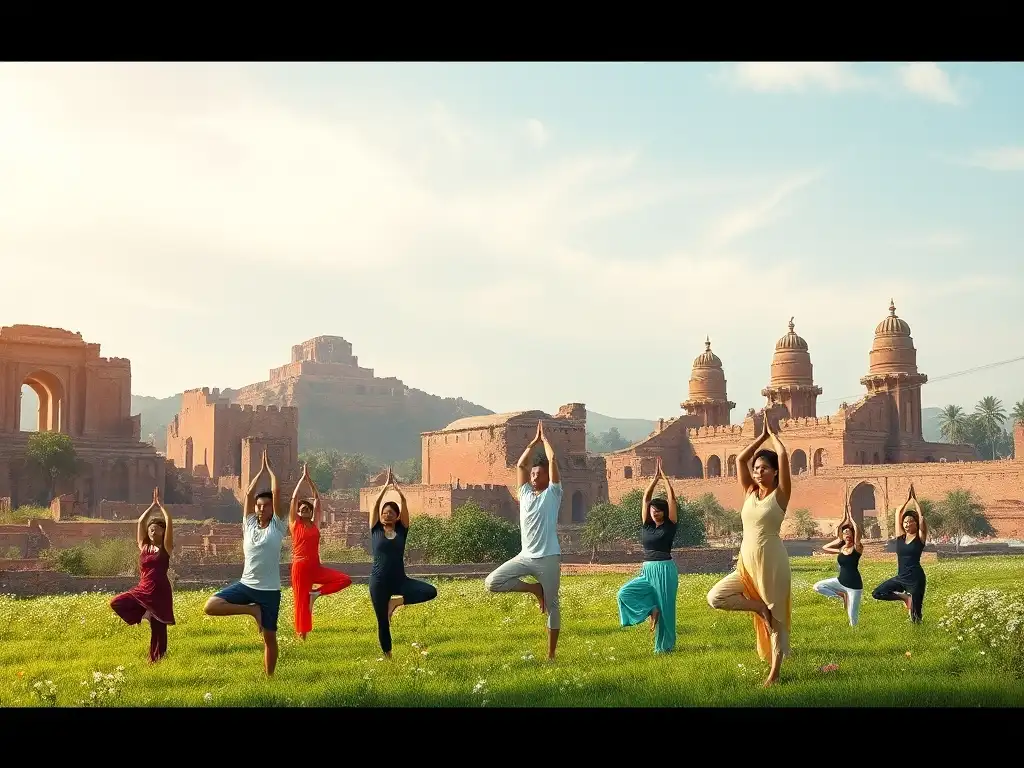
The legacy of the Indus Valley Civilization can be observed in the foundational elements of modern yoga practices. The holistic approach to wellness, which integrates physical, mental, and spiritual dimensions, is a principle that resonates deeply with the teachings originating from the IVC. This civilization's emphasis on balance, harmony, and connection with the environment reflects in contemporary yoga practices that prioritize mindfulness and ecological awareness.
Moreover, many asanas (yoga postures) practiced today can trace their conceptual roots back to the figures depicted in IVC seals. For example, postures resembling lotus position or various seated meditative forms indicate a long-standing tradition of physical discipline aimed at enhancing spiritual awareness. This continuity illustrates how ancient practices have been preserved and adapted over time.
In addition to physical postures, the IVC's contributions to yoga philosophy include the integration of mindfulness and meditation techniques, which remain a cornerstone of modern yoga. The emphasis on breath control (pranayama) and mental focus is prevalent in contemporary practices, echoing the ancient wisdom that sought to unite the body, mind, and spirit.
The Indus Valley Civilization's legacy serves as a vital thread in the tapestry of yoga history. Its influence persists today, not only in the physical practices of yoga but also in the philosophical underpinnings that continue to shape the spiritual journeys of practitioners around the world.
Conclusion: The Indus Valley Civilization's Lasting Impact on Yoga and Wellness
The Indus Valley Civilization (IVC) stands as a monumental pillar in the history of yoga and wellness, embodying principles that have transcended time and continue to influence contemporary practices. As one of the world's earliest urban cultures, the IVC not only laid the groundwork for societal organization and trade but also contributed significantly to spiritual and physical well-being through early yoga practices.
The archaeological findings in sites like Harappa and Mohenjo-Daro reveal a culture deeply connected to the natural world, with evidence suggesting the presence of meditation and yoga-like postures in various seals and artifacts. These findings point to a holistic approach to health that integrates mental, physical, and spiritual dimensions—a hallmark of yoga practice that persists today. The emphasis on balance, harmony, and mindfulness found in ancient texts can be traced back to the foundational elements established during this civilization.
Moreover, the philosophies that emerged from the IVC have influenced subsequent Indian cultures, leading to the development of significant texts such as the Vedas and Upanishads. These texts not only elaborate on yoga's spiritual aspects but also intertwine with concepts of wellness, illustrating the interconnectedness of body, mind, and spirit. The lasting legacy of the Indus Valley Civilization, therefore, is not just an ancient chapter in history but a living tradition that continues to inspire individuals seeking wellness and spiritual growth in their lives.
Further Reading and Resources on Indus Valley Civilization History
For those interested in delving deeper into the fascinating history of the Indus Valley Civilization, a variety of resources are available. Here are some recommended readings and materials that explore the civilization's contributions to yoga, wellness, and overall historical significance:
- Books:
- The Indus Civilization: A Contemporary Perspective by Gregory L. Possehl: This book offers insights into the archaeological findings and their implications for understanding the IVC.
- Yoga and the Indus Valley Civilization by Swami Sivananda: A deep exploration of the spiritual practices that may have originated in the IVC.
- Articles:
- The Roots of Yoga: An Overview of Ancient Practices - This article discusses the evolution of yoga from ancient times to its modern practices, with references to the IVC.
- Archaeological Discoveries in the Indus Valley: Implications for Yoga - An academic paper analyzing how archaeological evidence supports the connection between the IVC and early yoga practices.
- Online Resources:
- Websites and databases dedicated to archaeological findings from the Indus Valley, such as the Archaeological Survey of India and various educational institutions that focus on ancient Indian history.
- Documentaries that visually explore the sites of Harappa and Mohenjo-Daro, providing contextual understanding of the civilization's significance.
Engaging with these resources can provide a comprehensive understanding of the Indus Valley Civilization's history and its profound influence on the development of yoga and wellness practices in India and beyond.
- Introduction to the Indus Valley Civilization History
- The Geographic and Cultural Context of the Indus Valley Civilization
- Key Contributions of the Indus Valley Civilization to Yoga and Wellness
- The Spiritual and Philosophical Foundations of Yoga in the IVC
- Daily Life in the Indus Valley Civilization and Its Influence on Yoga
- Major Archaeological Discoveries Related to Yoga in the IVC
- The Role of Trade and Interaction in Spreading Yoga Philosophy
- Myths and Realities: Yoga Origins in the Indus Valley Civilization
- The Legacy of the Indus Valley Civilization in Modern Yoga Practices
- Conclusion: The Indus Valley Civilization's Lasting Impact on Yoga and Wellness
- Further Reading and Resources on Indus Valley Civilization History
Frequently Asked Questions
What is the Indus Valley Civilization history?
The Indus Valley Civilization is one of the world's earliest urban cultures, flourishing around 2500 BCE in present-day Pakistan and northwest India. It is known for its advanced city planning, architecture, and social organization.
How did the Indus Valley Civilization contribute to yoga?
The Indus Valley Civilization laid the foundational practices of yoga, emphasizing spirituality and well-being. Archaeological findings suggest that early forms of yoga were practiced by the inhabitants, influencing later traditions.
What are the major achievements of the Indus Valley Civilization?
Key achievements of the Indus Valley Civilization include sophisticated drainage systems, standardized weights and measures, and impressive urban architecture like the cities of Harappa and Mohenjo-Daro.
How does the Indus Valley Civilization relate to later Indian cultures?
The cultural and technological advancements of the Indus Valley Civilization significantly influenced subsequent Indian civilizations, particularly in areas of art, trade, and religion, paving the way for the emergence of later empires.
Why is the Indus Valley Civilization significant today?
The Indus Valley Civilization is significant for its contributions to human history and culture, showcasing early urban development and social organization that continue to inform modern studies of civilization and sustainable living.
Final Reflection: Embracing the Legacy of the Indus Valley Civilization
The exploration of the Indus Valley Civilization history reveals a profound connection between ancient practices and modern life. As we delve into the intricacies of this remarkable civilization, we uncover the roots of yoga, a practice that transcends time and continues to shape our understanding of wellness and spirituality today. The legacy of the Indus Valley Civilization is not just a relic of the past; it is a living testament to the enduring power of human creativity and resilience.
Culture and society are inextricably linked, and the influence of the Indus Valley Civilization can still be felt in our contemporary world. From the principles of yoga that promote holistic well-being to the architectural marvels that inspire modern design, this civilization has left an indelible mark on our cultural landscape. As the philosopher Alan Watts once said, The more a thing tends to be permanent, the more it tends to be lifeless.
The Indus Valley Civilization teaches us that while its structures may have crumbled, its ideas and philosophies continue to breathe life into our existence.
As we reflect on the lessons from the Indus Valley Civilization, let us invite ourselves to integrate its teachings into our daily lives. Consider how the ancient practice of yoga can enhance your physical and mental well-being, fostering a deeper connection with yourself and the world around you.
Embrace the wisdom of the past as a guide for the future, and take a moment to ponder how you can contribute to the legacy of this extraordinary civilization. In doing so, we honor not only the history of the Indus Valley but also the potential for growth and transformation that lies within each of us.
Unveil the Secrets of Yoga's Origins!
Thank you for journeying through the fascinating world of the Indus Valley Civilization and discovering its pivotal role as the birthplace of yoga. Your interest in this ancient heritage not only enriches your understanding but also connects you to millennia of wisdom. Now, let's transform that knowledge into action!
Here’s how you can dive deeper and share the incredible legacy of yoga:
- Start your own exploration by participating in a beginner yoga class this week or following an online tutorial to experience the techniques that have their roots in this vibrant civilization.
- Share the insights you've gained! Discuss the connection between the Indus Valley and yoga with friends or on social media to inspire others to uncover this important history.
- Dive into a book or documentary about the Indus Valley Civilization to further understand its culture and contributions to modern practices. You might be surprised by the discoveries that await!
Which aspect of the Indus Valley's influence on yoga resonates with you the most, and how do you plan to incorporate that into your daily life?