
The Importance of Festivals in the Indian Calendar: A Historical Overview

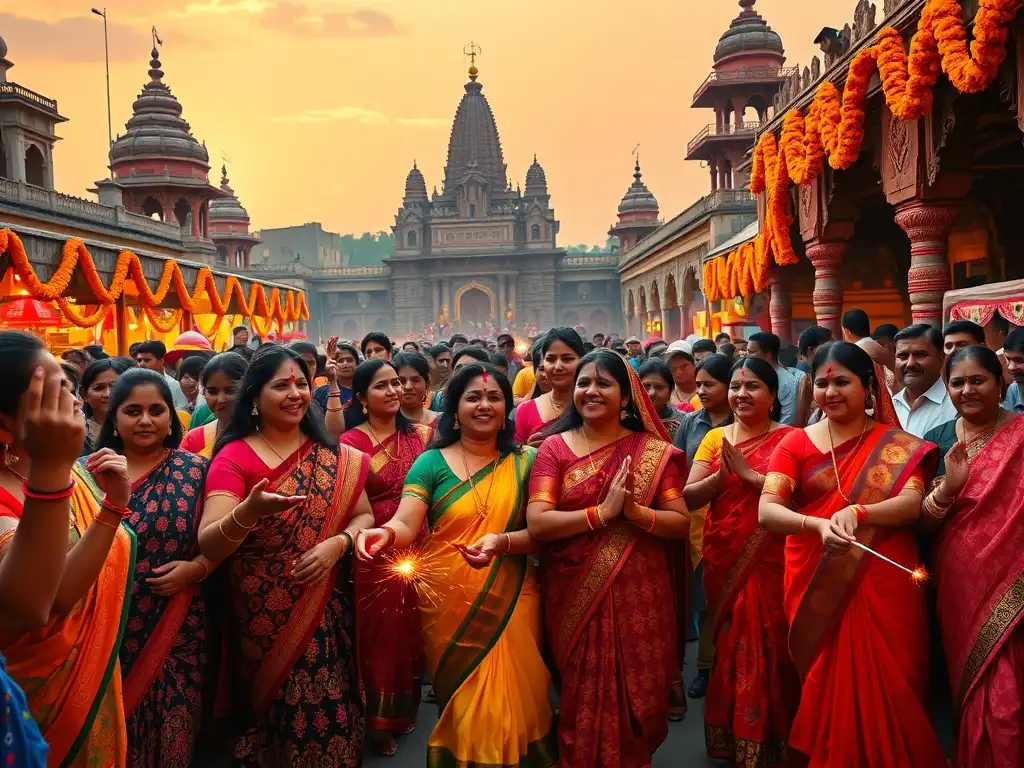
Welcome to Ancient India History, where we take you on a captivating journey through the vibrant tapestry of India's past. In this exploration, we delve into the historical significance of Indian festivals, uncovering how these celebrations not only reflect the rich cultural heritage of ancient civilizations but also embody the values and traditions that have shaped the Indian identity.
As we unravel the layers of history behind these festivals, you'll discover the profound connections they hold to the broader narrative of India’s illustrious journey. Prepare to be intrigued and inspired as you navigate through our insights on the importance of festivals in the Indian calendar!
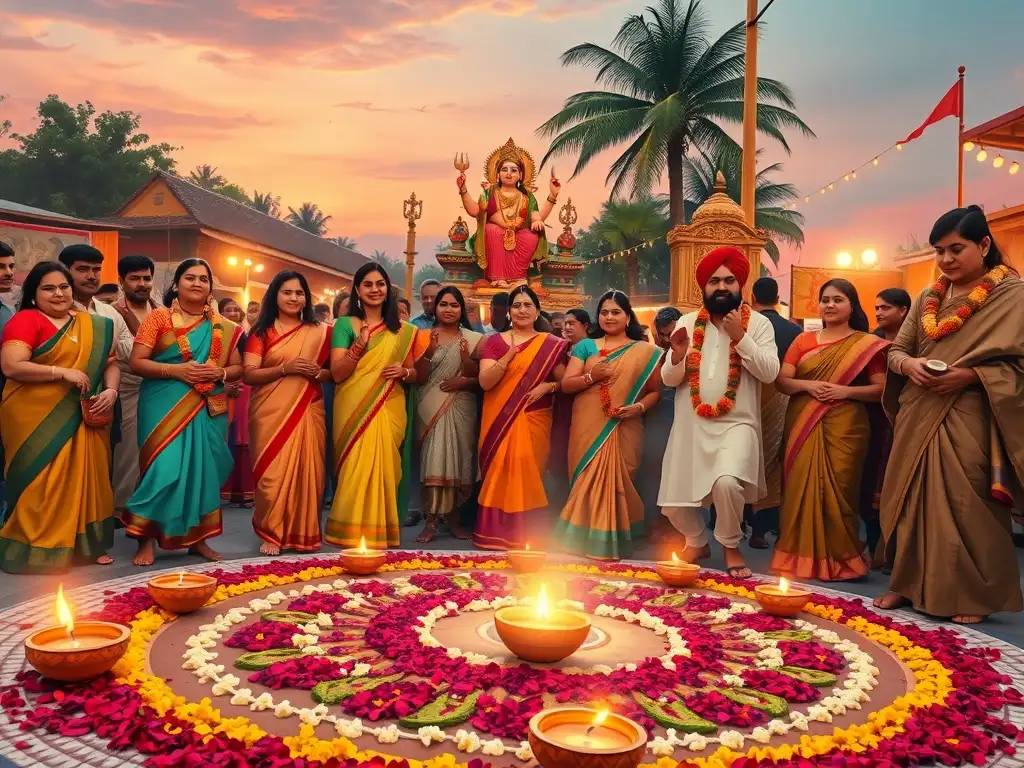
Introduction to the Historical Significance of Indian Festivals
Festivals have long been a cornerstone of cultural identity and social cohesion in India, serving as vibrant expressions of the country's diverse heritage. The historical significance of Indian festivals extends beyond mere celebration; they embody the values, beliefs, and traditions that have shaped Indian civilization over millennia.
From the ancient rituals of the Indus Valley to the elaborate festivities of the Gupta Empire, festivals reflect the spiritual and social fabric of society, fostering community bonds and reinforcing cultural narratives. This article delves into the multifaceted role of festivals in ancient India, examining their evolution, significance, and the profound impact they have had on the Indian calendar and its people.
Definition of Festivals in Indian Culture
In the context of Indian culture, festivals can be defined as public celebrations that are often marked by rituals, performances, and communal gatherings. These events are generally tied to religious beliefs, seasonal changes, or historical events, and they often include:
- Rituals and prayers: These are performed to honor deities or commemorate significant events.
- Cultural performances: Dance, music, and drama play a crucial role in expressing the themes of the festival.
- Feasting and sharing: Festivals are occasions for preparing and sharing traditional foods, fostering a sense of community.
The essence of these celebrations lies not only in their religious connotations but also in their ability to bring people together, creating a sense of unity and shared identity.
Overview of the Role of Festivals in Ancient Indian Society
Festivals in ancient Indian society served multiple purposes. They were not only religious observances but also:
- Civic events: Festivals acted as communal gatherings that reinforced social ties and encouraged mutual support among community members.
- Agricultural markers: Many festivals were linked to the agricultural calendar, celebrating harvests and seasonal changes, which were vital for the agrarian society.
- Cultural expressions: They provided a platform for showcasing art, music, and dance, thus preserving and promoting local traditions and languages.
As such, festivals were integral to maintaining social order and harmony, facilitating the transmission of cultural values from one generation to the next.
The Historical Evolution of Festivals in Ancient India
The evolution of festivals in ancient India is a testament to the dynamic interplay between culture, religion, and society. Understanding this evolution requires a look at the origins of these celebrations and the influences that shaped them.
Origins of Indian Festivals: Early Civilizations and Rituals
The origins of Indian festivals can be traced back to the earliest civilizations in the subcontinent. Archaeological evidence suggests that early rituals were closely linked to agricultural practices and seasonal cycles. Key aspects include:
- Agricultural rites: Celebrations that marked sowing and harvesting seasons were essential for agrarian communities.
- Ritualistic offerings: Early rituals often involved offerings to nature deities, reflecting the community's reliance on agriculture and the environment.
These early practices laid the groundwork for more structured and elaborate festivals that would develop in subsequent civilizations.
Influence of Religion and Mythology on Festival Practices
As Indian society evolved, so did the festivals, increasingly influenced by religious beliefs and mythological narratives. Major religions such as Hinduism, Buddhism, and Jainism contributed to the festival landscape, each bringing unique traditions and observances. The impact of religion can be seen in:
- Mythological stories: Many festivals celebrate events from epics like the Ramayana and Mahabharata, embedding cultural morals and teachings within the celebrations.
- Religious diversity: The coexistence of various religions led to a rich tapestry of festivals, each offering distinct perspectives and practices.
This religious pluralism not only enriched the festival calendar but also fostered a sense of respect and coexistence among different cultural groups.
Festivals during the Indus Valley Civilization
The Indus Valley Civilization, one of the earliest urban cultures in the world, provides insights into the initial forms of festivals in ancient India. Evidence suggests that:
- Ritual spaces: Archaeological sites reveal structures that may have been used for communal rituals and gatherings.
- Symbols and artifacts: Artifacts depicting animals and deities imply a complex belief system that likely influenced festival practices.
While specific details about festivals during this period remain scarce, the findings indicate that communal celebrations and rituals were integral to the social life of the Indus Valley inhabitants, laying the foundation for future festivals in Indian culture.
Major Indian Festivals and Their Historical Context
Indian festivals are not merely occasions for celebration; they embody the historical, cultural, and spiritual wealth of the country. Each festival carries a unique narrative that reflects the ethos of the society that observes it. The significance of these festivals can be traced back to ancient texts, scriptures, and oral traditions that have been passed down through generations. They often commemorate historical events, agricultural cycles, and seasonal changes, serving as a bridge connecting past and present. The vibrant tapestry of festivals in India showcases the diversity of its cultures, languages, and traditions, making them integral to the Indian calendar.
Diwali: The Festival of Lights and Its Historical Roots
Diwali, also known as Deepavali, is one of the most widely celebrated festivals in India, symbolizing the victory of light over darkness and good over evil. Its historical roots can be traced back to various ancient texts, including the Ramayana, which narrates the return of Lord Rama to Ayodhya after defeating the demon king Ravana. The festival also honors Goddess Lakshmi, the deity of wealth and prosperity, as well as Lord Ganesha, the remover of obstacles.
Historically, Diwali marks the end of the harvest season in many regions, serving as a time for farmers to celebrate the fruits of their labor. The festival has evolved to incorporate various regional practices, including the lighting of oil lamps, bursting of fireworks, and the preparation of sweets. Its significance transcends religious boundaries, promoting unity and harmony among diverse communities.
Holi: The Festival of Colors and Its Cultural Significance
Holi, often referred to as the Festival of Colors, is celebrated with immense enthusiasm across India, marking the arrival of spring and the end of winter. The historical significance of Holi is linked to several legends, the most famous being the tale of Prahlada and Holika. It signifies the triumph of devotion and faith over tyranny, highlighting the importance of good karma.
The festival fosters a sense of community, where people come together to play with colors, share sweets, and enjoy music and dance. Traditionally, Holi was a time for social bonding, breaking down barriers of caste and class. The festival has also been associated with agricultural abundance, celebrating the harvest and the fertility of the land. Its vibrant customs and rituals reflect the rich cultural heritage of India, making Holi a joyous occasion that transcends geographical and cultural divides.
Navratri: Historical Origins and Celebrations
Navratri, meaning "nine nights," is a significant festival dedicated to the worship of the goddess Durga. Its historical origins can be traced back to ancient practices that honored feminine energy and the divine feminine principle. The festival celebrates the victory of Durga over the buffalo demon Mahishasura, symbolizing the triumph of good over evil.
Each of the nine nights is dedicated to different forms of the goddess, with specific rituals and celebrations associated with each. Traditionally, Navratri includes fasting, devotional singing, and the performance of Garba and Dandiya Raas, traditional dances that foster community spirit. The festival has roots in agriculture, as it coincides with the harvest season, providing a time for gratitude and reflection. Navratri serves as a reminder of the power of resilience and devotion, deeply embedded in Indian culture.
Regional Variations in Festivals Across Ancient India
The diversity of India's festivals is reflected in the regional variations that showcase unique customs and historical influences. Each region has its own set of festivals, deeply rooted in local traditions, agricultural cycles, and historical narratives. These regional festivals contribute to the rich cultural mosaic of India, celebrating the unique identity of communities while also fostering unity among them.
Festivals in Northern India: Historical Influences and Celebrations
Northern India is known for its vibrant festivals, influenced by the region's historical events and cultural evolution. Festivals like Baisakhi, which celebrates the harvest, and Lohri, marking the end of winter, are deeply tied to agrarian practices. Additionally, festivals like Janmashtami, celebrating the birth of Lord Krishna, and Dussehra, commemorating the victory of Rama over Ravana, showcase the region's rich mythological heritage.
The historical significance of these festivals often intertwines with the socio-political history of the region, reflecting local beliefs, rituals, and practices. For example, the Kumbh Mela, held at specific intervals, draws millions of pilgrims and is rooted in ancient traditions of pilgrimage and purification, signifying a collective cultural identity.
Festivals in Southern India: Cultural Diversity and Historical Significance
Southern India boasts a diverse array of festivals that highlight its cultural richness and historical significance. Festivals such as Pongal, dedicated to the Sun God and celebrated as a harvest festival, emphasize the agrarian roots of the region. Similarly, Onam in Kerala marks the homecoming of the mythical King Mahabali and reflects the region's unique history and folklore.
The celebration of festivals in Southern India often involves elaborate rituals, traditional music, and dance forms like Bharatanatyam. These festivals are steeped in local mythology and history, showcasing the region's strong connection to its cultural heritage. The integration of various religious practices, from Hinduism to Christianity and Islam, reveals the pluralistic nature of Southern Indian society, where festivals serve as a means of communal harmony.
Eastern and Western Indian Festivals: Unique Traditions and Their History
Eastern and Western India are home to a multitude of festivals, each with its own historical context and cultural significance. In the East, Durga Puja in West Bengal honors the goddess Durga and celebrates her victory over evil, reflecting the region's deep-rooted traditions and artistic expressions. The festival is characterized by intricate idol-making, cultural performances, and community gatherings.
In contrast, Western India showcases festivals like Ganesh Chaturthi, which celebrates the birth of Lord Ganesha with grand processions and public celebrations. The historical significance of these festivals often ties back to local legends, folklore, and agricultural practices. Festivals in this region are marked by vibrant colors, music, and dance, creating a sense of joy and unity among communities.
Overall, the festivals in Eastern and Western India reflect the unique traditions and histories of the regions, contributing to the broader narrative of India's cultural heritage. These celebrations not only mark significant historical events but also reinforce social bonds, making them an essential part of the Indian identity.
The Socio-Political Impact of Festivals in Ancient Indian History
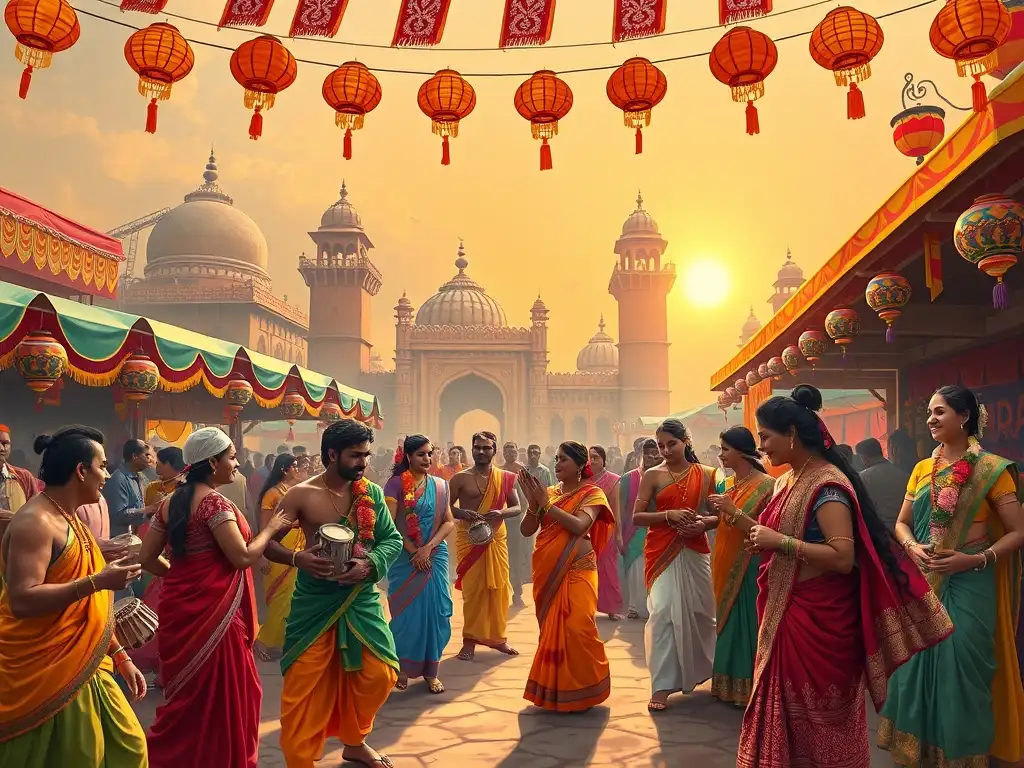
Festivals in ancient India were not merely occasions for celebration; they played a crucial role in shaping the socio-political landscape of the time. These events served as a platform for the expression of cultural identity and communal harmony, often transcending regional and linguistic boundaries. Festivals were intricately linked with the agricultural calendar, reflecting the agrarian lifestyle of ancient Indian societies. Celebratory gatherings during harvest times, for instance, reinforced community ties and were instrumental in fostering cooperation among agrarian communities.
Moreover, festivals often coincided with significant political events, such as the coronation of kings or the establishment of new dynasties. Such occurrences were marked by grand celebrations, which not only legitimized the ruler's authority but also reinforced the social hierarchy. The collective participation in these festivals fostered a sense of belonging and loyalty among subjects, thereby solidifying the political structure of ancient states.
Festivals as a Means of Social Cohesion and Community Building
Ancient Indian festivals acted as vital instruments for social cohesion and community building. They brought together individuals from various backgrounds, enabling them to partake in shared rituals and customs. For example, festivals like Diwali and Makar Sankranti involved communal feasting, music, and dance, fostering a spirit of togetherness and collaboration among participants. Such interactions were essential in building interpersonal relationships, reinforcing community identity, and ensuring the transmission of cultural values.
Additionally, festivals often included elaborate rituals that necessitated the participation of diverse community members, regardless of their social status. This inclusivity contributed to the dissolution of social barriers and promoted a sense of unity. The shared experiences during festivals cultivated mutual respect and understanding, which ultimately strengthened community bonds over time.
The Role of Festivals in Political and Historical Events
Festivals served as a backdrop for significant political and historical events in ancient India. Rulers often utilized these occasions to display their power, reaffirm their divine right to rule, and connect with their subjects. For instance, the Kumbh Mela, which has roots in ancient times, was not only a religious gathering but also a significant political event where kings showcased their wealth and strength to gain the favor of the populace.
In times of conflict or change, festivals could be repurposed to promote political agendas. For example, during the Mauryan Empire, festivals were used to rally support for the state and foster loyalty among the populace. The portrayal of festivals in ancient texts also highlights their role in marking historical events, thus serving as a narrative device for chronicling the past and shaping collective memory.
Festivals and Their Influence on Trade and Economy in Ancient India
The economic dimensions of festivals in ancient India were considerable, influencing trade and commerce significantly. Festivals attracted large crowds, creating opportunities for merchants and traders to showcase their goods and services. Markets during festivals flourished, with diverse products being exchanged, including textiles, food items, and handicrafts. This not only enriched local economies but also facilitated cultural exchanges among different regions.
Moreover, specific festivals were tied to agricultural cycles, which meant they also had implications for seasonal trade. For instance, harvest festivals would see an influx of agricultural produce in the markets, leading to increased trade activities. This economic vibrancy contributed to the overall prosperity of ancient Indian societies, establishing a complex network of trade routes that enabled the exchange of goods across vast distances.
Conclusion: The Lasting Historical Significance of Indian Festivals
The historical significance of Indian festivals extends beyond mere celebration; they encapsulate the essence of ancient Indian civilization. Festivals have been crucial in shaping social structures, political dynamics, and economic interactions throughout history. Their multifaceted roles highlight the interconnectedness of cultural practices and societal development in ancient India.
Reflection on the Continuity of Festival Traditions
The continuity of festival traditions in modern India serves as a testament to their deep-rooted historical significance. Many festivals that were celebrated in ancient times have evolved but retain the core values and rituals that connect contemporary society to its past. This enduring legacy of festivals showcases the resilience of cultural practices and the importance of maintaining traditions in a rapidly changing world.
The Relevance of Historical Understanding of Festivals in Modern India
Understanding the historical context of festivals is crucial in modern India, as it provides insights into the cultural heritage and collective identity of the nation. This historical awareness fosters respect for diversity and encourages the preservation of rich traditions. Moreover, acknowledging the socio-political and economic implications of festivals can enhance community engagement and promote social harmony, ensuring that these vibrant celebrations continue to thrive for generations to come.
References and Further Reading on Indian Festivals and Their History
To gain a deeper understanding of the historical significance of Indian festivals, numerous resources provide insights into their origins, meanings, and cultural implications. Here are some valuable references and further reading materials that explore the rich tapestry of Indian festivals and their historical contexts:
- Books:
- Festivals of India by R. K. Sharma: This comprehensive guide covers various Indian festivals, tracing their origins and the traditions associated with them.
- The Cultural Heritage of India by S. K. K. Chatterjee: This multi-volume series examines the historical and cultural influences that shaped ancient India, including the role of festivals in societal development.
- Hindu Festivals: Their Significance and Celebrations by V. K. Sharma: This book delves into the religious and historical significance of major Hindu festivals, providing insights into their rituals and practices.
- Academic Journals:
- Journal of Indian History: Articles within this journal often explore various aspects of Indian culture, including festivals, their historical significance, and their evolution over time.
- The Indian Journal of History of Science: This journal may have articles discussing the historical contexts of festivals related to scientific advancements in ancient India.
- Online Resources:
- Digital South Asia Library: A rich resource that offers access to a variety of texts and documents relating to India's history, including information about festivals.
- India Culture Portal: An extensive online repository that features articles, images, and videos about Indian culture and festivals, highlighting their historical significance.
- Documentaries and Lectures:
- Various documentaries produced by channels such as National Geographic and BBC often highlight the cultural significance of Indian festivals, exploring their roots and impact on Indian society.
- Online platforms like YouTube feature lectures and discussions by historians and cultural experts that provide insights into the historical context of Indian festivals.
- Cultural Institutions:
- The Indian Council for Cultural Relations (ICCR): This organization often conducts workshops and seminars focusing on the cultural heritage of India, including its festivals.
- National Museum, New Delhi: Their exhibitions frequently showcase artifacts and narratives related to Indian festivals, allowing visitors to engage with historical contexts.
These resources collectively offer a comprehensive view of the historical significance of Indian festivals, enabling readers to explore the various dimensions of these cultural celebrations deeply rooted in India's ancient civilizations.
- Introduction to the Historical Significance of Indian Festivals
- The Historical Evolution of Festivals in Ancient India
- Major Indian Festivals and Their Historical Context
- Regional Variations in Festivals Across Ancient India
- The Socio-Political Impact of Festivals in Ancient Indian History
- Conclusion: The Lasting Historical Significance of Indian Festivals
- References and Further Reading on Indian Festivals and Their History
Frequently Asked Questions
What is the historical significance of Indian festivals?
Indian festivals hold cultural and historical significance as they commemorate important events, deities, or seasonal changes, reflecting the diverse traditions of various regions.
How do festivals contribute to cultural identity in India?
Festivals enhance cultural identity by bringing communities together to celebrate shared values and traditions, fostering a sense of belonging and continuity among generations.
Can you name some major Indian festivals that highlight historical events?
Festivals like Diwali celebrate the victory of light over darkness, while Holi marks the arrival of spring. Both have historical roots linked to ancient Indian literature.
Festivals promote social cohesion by encouraging people from different backgrounds to come together, participate in communal activities, and strengthen interpersonal bonds.
How have the celebrations of festivals evolved over time?
While many festivals retain their traditional significance, modern celebrations often incorporate contemporary practices, reflecting the changing lifestyles and values of society.
Final Reflection: Celebrating the Historical Significance of Indian Festivals
The exploration of the historical significance of Indian festivals reveals their profound connection to cultural identity and community cohesion. In today's fast-paced world, where globalization often overshadows local traditions, these festivals serve as vital reminders of our roots and shared heritage. They not only celebrate age-old customs but also foster a sense of belonging and unity among diverse communities, making their relevance more crucial than ever.
Cultural festivals are not merely events; they are living narratives that shape our social fabric. The vibrant tapestry of Indian festivals reflects the rich history, mythology, and values that have been passed down through generations. As we immerse ourselves in these celebrations, we are reminded of the words of Mahatma Gandhi: A nation's greatness is measured by how it treats its weakest members.
This sentiment resonates deeply, as festivals often emphasize inclusivity, compassion, and the importance of community support, urging us to honor and uplift one another.
As you reflect on the importance of festivals in your own life, consider how these celebrations can inspire you to reconnect with your heritage and engage with your community. Embrace the lessons of unity, joy, and resilience that these festivals impart, and let them guide you in fostering a deeper understanding of your cultural identity. By participating in these traditions, you not only celebrate the past but also contribute to a vibrant future, ensuring that the historical significance of Indian festivals continues to thrive for generations to come.
Celebrate and Embrace India's Vibrant Festivals!
Thank you for exploring the rich tapestry of festivals in India's history with us! By diving into this article, you’ve unearthed the profound cultural significance of these celebrations. Now, it’s time to take that knowledge and put it into action!
Here are some exciting ways to celebrate and engage further with the spirit of Indian festivals:
- Join a local festival: Immerse yourself in the vibrant festivities in your area! Look for community events or cultural celebrations that reflect India’s diverse heritage.
- Share your favorite festival memories: Connect with others by sharing stories on social media or in the comments below about what festivals mean to you and how they resonate in your life.
- Discover lesser-known festivals: Research and uncover hidden gems in India's festival calendar that you haven’t experienced yet. Try participating or learning about their origins and significance.
As you reflect on the colorful festivals of India, we invite you to ponder this: Which festival holds the most meaning for you, and how do you plan to celebrate it this year?