
The Festival of Lights: A Comparative Study of Diwali Across Cultures

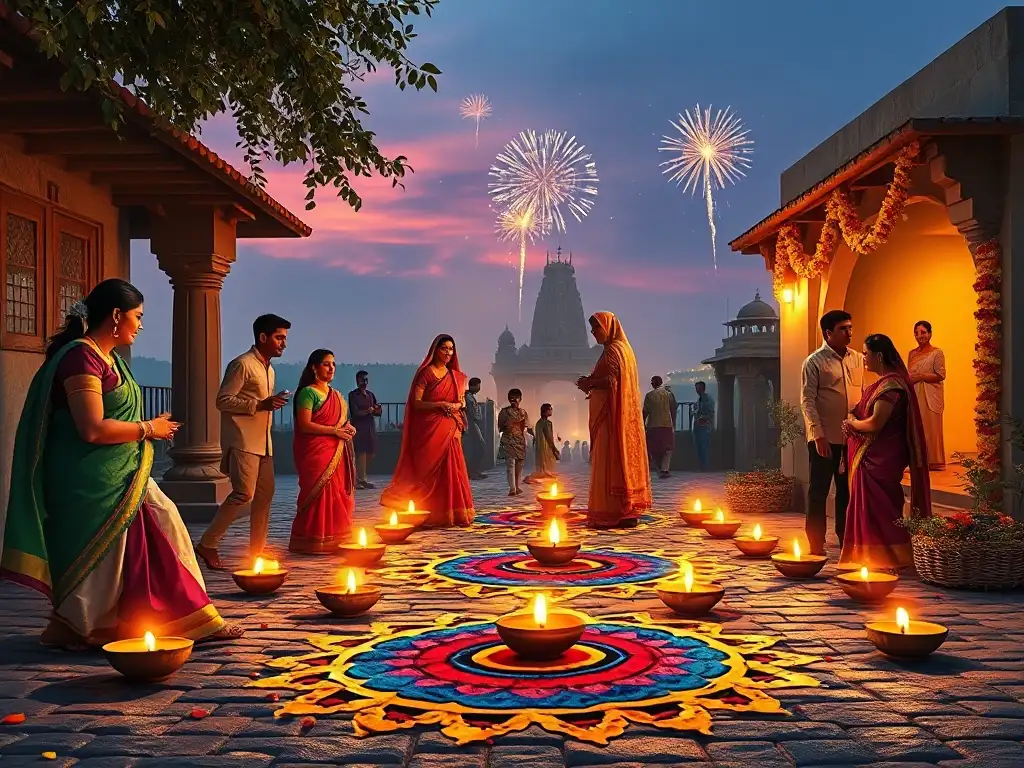
Welcome to Ancient India History, where we embark on a fascinating journey through time to uncover the rich tapestry of ancient Indian civilizations. In this article, we delve into the enchanting Diwali celebrations in ancient cultures, illuminating how this vibrant festival of lights transcended borders and echoed through ages. Discover the captivating stories, rituals, and traditions that make Diwali a unique celebration, and prepare to be intrigued by the connections between ancient practices and modern festivities. Join us as we explore the luminous legacy of Diwali and its significance across various cultures—your adventure into the past awaits!
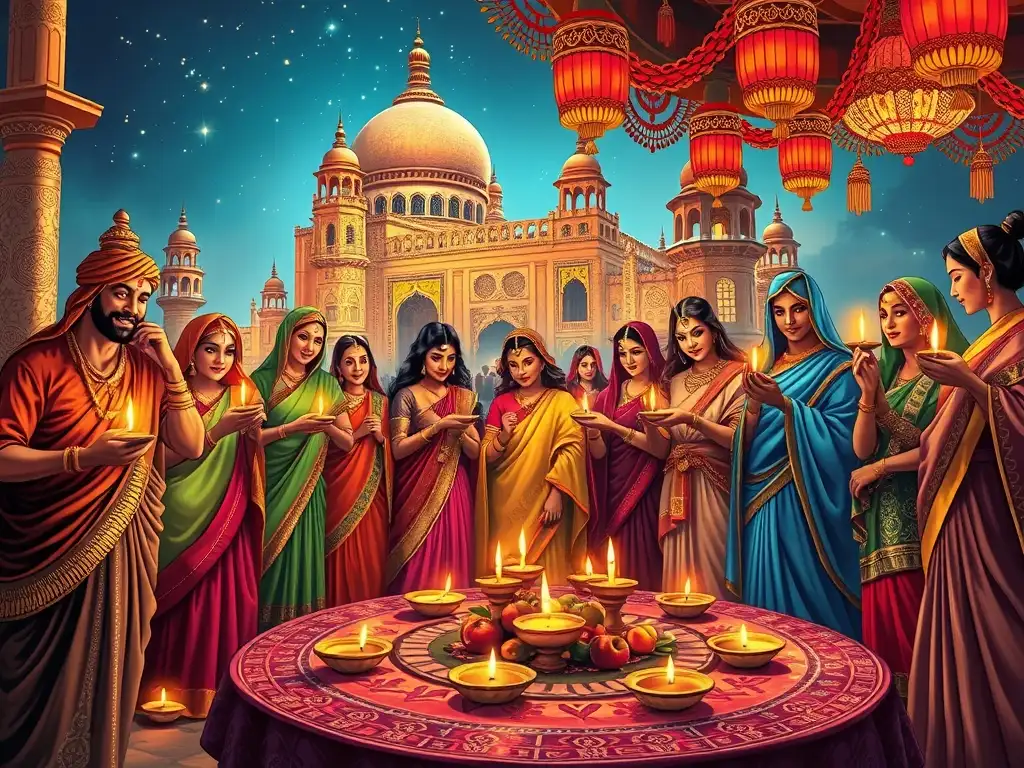
Introduction to Diwali Celebrations in Ancient Cultures
Diwali, often referred to as the Festival of Lights, is one of the most celebrated festivals in India and across the world. Originating from ancient traditions, Diwali holds profound significance in various cultures, symbolizing the triumph of light over darkness and good over evil. This article delves into the Diwali celebrations in ancient cultures, examining its roots, significance, and how it has evolved through the ages. By exploring the diverse interpretations and practices surrounding Diwali, we aim to provide a comprehensive understanding of its enduring legacy and cultural resonance.
Overview of Diwali and Its Significance
Diwali is celebrated over five days, with each day holding unique rituals and meanings. The festival typically involves:
- Cleaning and decorating homes
- Lighting oil lamps (diyas)
- Exchanging gifts and sweets
- Performing prayers (pujas) to deities like Lakshmi and Ganesha
The overarching theme of Diwali revolves around the victory of light and knowledge over ignorance and darkness. Its significance varies across different cultures, often reflecting the local traditions and beliefs. For instance, in Hinduism, it commemorates the return of Lord Rama to Ayodhya after defeating Ravana, while in Jainism, it marks the attainment of moksha by Lord Mahavira.
Importance of Studying Diwali Across Cultures
Understanding Diwali celebrations in ancient cultures is crucial for several reasons:
- Cultural Insights: It provides a window into the values and beliefs of various civilizations that have celebrated this festival throughout history.
- Social Connections: Exploring how different cultures interpret Diwali fosters appreciation for diversity and interconnectedness among communities.
- Historical Context: Analyzing the evolution of Diwali offers insights into the socio-political and economic conditions that shaped these traditions.
By comparing the rich tapestry of Diwali celebrations across cultures, we gain a holistic view of how this festival has transcended geographical and cultural boundaries.
The Origin of Diwali Celebrations in Ancient India
Historical Roots of Diwali in the Indus Valley Civilization
The origins of Diwali can be traced back to the Indus Valley Civilization (c. 3300–1300 BCE), one of the earliest urban cultures in the world. Archaeological findings suggest that the people of this civilization celebrated festivals involving lights and fire, possibly linked to agricultural cycles and harvests. The use of clay lamps and the practice of lighting fires during certain seasons indicate early forms of what would later develop into Diwali.
Evolution of Diwali Traditions Through the Vedic Period
As India transitioned from the Indus Valley Civilization to the Vedic period (c. 1500–500 BCE), the significance of Diwali began to evolve. Texts from this era reveal rituals and festivals that celebrated the harvest and the changing seasons, which laid the groundwork for Diwali traditions. The introduction of fire worship and the association of light with the divine continued to permeate these celebrations, further intertwining the festival with spiritual and agricultural significance.
The journey of Diwali from its ancient roots to its contemporary celebrations reflects a rich cultural heritage that deserves exploration and understanding. Through this comparative study, we will further investigate how Diwali is celebrated across various cultures and its lasting impact on global traditions.
Diwali Celebrations in Different Ancient Cultures
Diwali, also known as the Festival of Lights, is celebrated by various cultures across the globe, each adding its unique traditions and meanings to the festivities. This section explores how Diwali celebrations were manifested in ancient cultures, particularly focusing on Hindu, Jain, and Buddhist practices. Understanding these diverse celebrations not only highlights the cultural richness of Diwali but also its significance across different ancient civilizations.
Diwali in Ancient Hindu Traditions
In ancient Hindu traditions, Diwali symbolizes the victory of light over darkness and good over evil. The festival is deeply rooted in mythology, primarily associated with the return of Lord Rama to Ayodhya after defeating the demon king Ravana, as narrated in the epic Ramayana. To commemorate this victory, people would illuminate their homes with oil lamps, known as diyas, and decorate their surroundings with colorful rangolis.
Rituals during Diwali varied across ancient regions, but common practices included performing pujas (prayers) to Lakshmi, the goddess of wealth and prosperity, and Ganesha, the remover of obstacles. Offerings of sweets, fruits, and flowers were made, and families would engage in festive feasts. The significance of Diwali in ancient Hindu culture also extended to the agricultural cycle, marking the end of the harvest season and a time to give thanks.
Diwali Celebrations in Jain Culture
In Jain culture, Diwali holds profound significance as it marks the occasion of Lord Mahavira's attainment of nirvana (liberation). Celebrated with great reverence, Jains observe Diwali by lighting lamps and performing prayers in honor of Mahavira. The lighting of diyas symbolizes the soul's journey towards enlightenment, dispelling ignorance and darkness.
Jains also engage in charitable acts and perform rituals that reflect their core values of non-violence and compassion. The day is often spent in meditation and reflection, emphasizing spiritual growth. The festival serves as a reminder of the importance of knowledge and righteousness in seeking liberation.
Diwali in Ancient Buddhism
While Diwali is not traditionally celebrated in Buddhism, certain communities, particularly in India, have integrated the festival into their practices. For ancient Buddhists, the celebration of light is often linked to the enlightenment of Gautama Buddha. The lighting of lamps and candles serves as a metaphor for the illumination of the mind and the dispelling of ignorance.
Certain Buddhist traditions may observe Diwali with rituals that emphasize meditation, reflection, and compassion. Although the festival's association with Buddhist culture is less pronounced compared to Hindu and Jain traditions, the shared themes of light and enlightenment resonate with Buddhist teachings about the path to nirvana.
Regional Variations of Diwali Celebrations in Ancient Cultures
The celebration of Diwali is rich with regional variations, each adding its unique flavor to the festival. Understanding these variations provides insight into how different cultures interpret and celebrate the festival of lights, reflecting local customs, traditions, and beliefs.
North Indian Diwali Traditions
In North India, Diwali is predominantly celebrated with numerous rituals and customs rooted in Hindu mythology. The festivities often commence with a series of pujas, particularly the worship of Goddess Lakshmi. Communities engage in grand celebrations that include bursting firecrackers, decorating homes with vibrant rangolis, and partaking in elaborate feasts.
The tradition of exchanging gifts and sweets is also prevalent, symbolizing goodwill and friendship among families and neighbors. In some North Indian regions, the festival is marked by the celebration of Bhai Dooj, a day dedicated to the bond between brothers and sisters, further enriching the festive spirit.
South Indian Diwali Customs
In South India, Diwali is celebrated with distinct customs that reflect the region's cultural heritage. Known as Deepavali, this festival often honors Lord Krishna's victory over the demon Narakasura. South Indian families begin the celebrations with an early morning ritual of oil baths, followed by the preparation of special dishes such as sweets and savory snacks.
Lighting oil lamps is a central aspect of the celebrations, symbolizing the triumph of light over darkness. In contrast to the firecrackers commonly associated with North Indian celebrations, South Indians may focus more on the intricate decoration of homes with kolams (rice flour designs) and the lighting of lamps to create a serene and festive atmosphere.
Each region’s customs and practices contribute to the rich tapestry of Diwali celebrations, showcasing the diversity and unity of ancient cultures across India.
Comparative Analysis of Diwali Celebrations Across Cultures
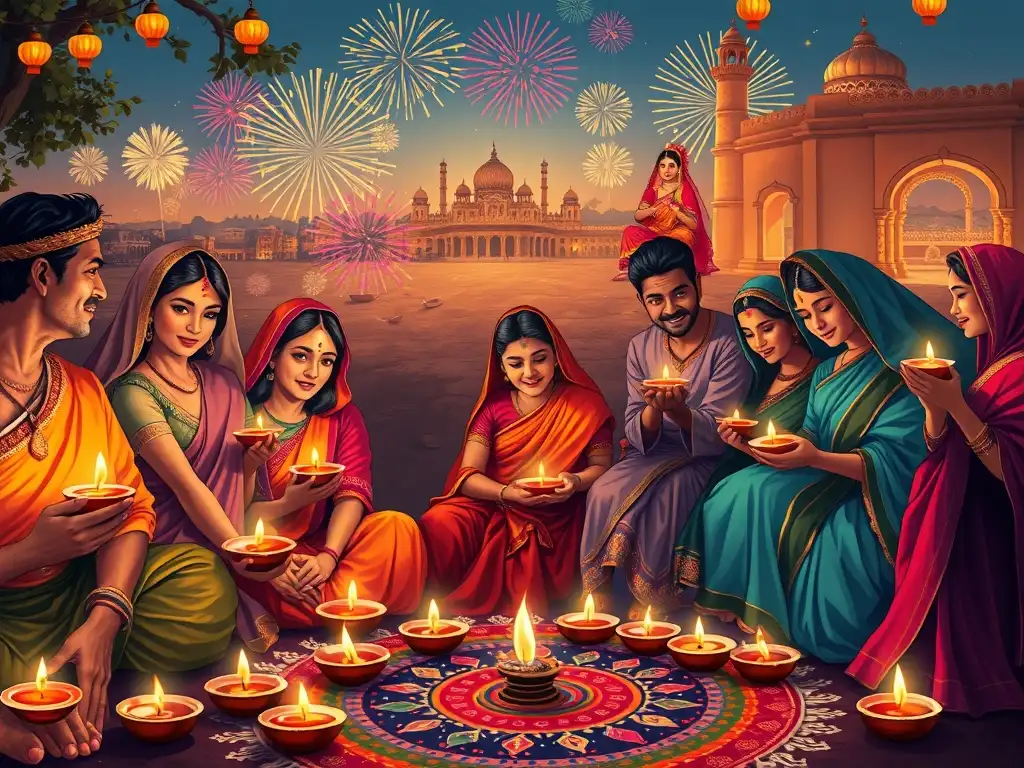
Diwali, known as the Festival of Lights, is celebrated in various forms across different cultures and regions, each adding unique elements to this vibrant festival. The essence of Diwali transcends geographical boundaries, representing a time of joy, renewal, and the triumph of light over darkness. While the core significance remains similar, the ways in which the festival is celebrated can vary significantly. This comparative analysis explores how different cultures interpret and celebrate Diwali, highlighting both the commonalities and the unique characteristics that define their festivities.
Common Themes and Motifs in Diwali Celebrations
Across cultures, certain themes and motifs are consistently present during Diwali celebrations. These include:
- Light and Darkness: The central tenet of Diwali is the victory of light over darkness, symbolizing the triumph of good over evil. This theme is reflected in the lighting of oil lamps (diyas) and fireworks, which are common across cultures.
- Renewal and Prosperity: Many cultures associate Diwali with new beginnings, making it a time for cleaning and decorating homes. This practice signifies welcoming prosperity and positivity into one’s life.
- Familial Bonds: Diwali is often a time for family reunions, emphasizing the importance of relationships and togetherness. Sharing sweets and gifts among family members represents love and affection.
- Spiritual Reflection: The festival often involves prayers and rituals aimed at seeking blessings from deities. This spiritual aspect is a common thread that connects the various celebrations, reinforcing the importance of faith and gratitude.
Differences in Rituals and Symbolism
While the core themes of Diwali are shared, the rituals and symbolism can vary widely:
- Hindu Practices: In Hinduism, Diwali often commemorates the return of Lord Rama to Ayodhya after defeating Ravana. Rituals include the worship of Goddess Lakshmi, the deity of wealth.
- Jain Observances: For Jains, Diwali marks the attainment of moksha by Lord Mahavira, and celebrations include prayers and fasting.
- Sikh Traditions: Sikhs celebrate Bandi Chhor Divas during Diwali, marking the release of Guru Hargobind Ji from imprisonment. The rituals focus on community service and prayers at gurdwaras.
- Buddhist Celebrations: In some Buddhist communities, Diwali is observed as a time to honor the teachings of Buddha, with rituals that may include meditation and reflection.
These differences showcase the diverse cultural interpretations of Diwali, illustrating how various communities adapt the festival to their unique historical and spiritual contexts.
The Influence of Geography and Culture on Diwali
Geographical and cultural factors play a significant role in shaping Diwali celebrations. For instance, in India, regional variations influence the way the festival is observed. In North India, elaborate fireworks displays and the decoration of homes with rangoli designs are common, while in South India, the focus might be more on family gatherings and temple visits.
In diasporic communities, such as those in the West, Diwali is often celebrated in public festivals that promote cultural heritage, highlighting the festival’s significance while adapting to local customs. The fusion of traditional and contemporary practices illustrates how geography and culture influence the celebration of Diwali, making it a dynamic and evolving festival.
The Legacy of Diwali Celebrations in Ancient Cultures
Diwali's rich history can be traced back to ancient cultures, where its roots were firmly established in spiritual and agricultural practices. The legacy of these ancient celebrations continues to resonate in modern-day festivities, showcasing the enduring relevance of Diwali as a cultural touchstone.
How Ancient Practices Shape Modern Diwali
Many of the rituals and customs associated with Diwali today can be traced back to ancient traditions. For example:
- Lighting of Diyas: This practice has origins in ancient agrarian societies where the light symbolized the end of the harvest season and the hope for a prosperous new year.
- Ritual Offerings: The act of making offerings to deities during Diwali has roots in ancient Vedic practices, where rituals were performed to seek blessings for prosperity and well-being.
- Festive Foods: Traditional sweets and dishes prepared during Diwali often have historical significance, reflecting the agricultural bounty and culinary heritage of ancient communities.
These ancient practices have not only been preserved but have also evolved, integrating contemporary elements while maintaining their cultural significance.
The Continued Relevance of Diwali Across Cultures Today
Today, Diwali remains a significant cultural event celebrated by millions worldwide, transcending religious boundaries. Its themes of hope, renewal, and community resonate with diverse populations, fostering a sense of unity and shared values.
The festival has also become a platform for cultural expression, with events and celebrations that promote understanding and appreciation among different communities. In a globalized world, Diwali serves as a reminder of the importance of cultural heritage and the enduring power of traditions to connect individuals and communities across time and space.
Through its rich legacy and evolving practices, Diwali continues to illuminate lives, making it a cherished festival that unites people in celebration, reflection, and joy.
Conclusion
The festival of Diwali, celebrated as the Festival of Lights, holds a significant place not only in Indian culture but also across various ancient civilizations. Through a comparative study of Diwali celebrations in ancient cultures, we discover a rich tapestry woven with themes of light, renewal, and community. These celebrations transcend geographical boundaries, offering insights into the shared human experience of joy, hope, and the triumph of good over evil.
Summary of Key Findings on Diwali Celebrations in Ancient Cultures
The exploration of Diwali celebrations in ancient cultures reveals several key findings:
- Symbolism of Light: Across different ancient civilizations, the symbolism of light as a representation of knowledge and purity is prominent. In Hinduism, Diwali signifies the return of Lord Rama to Ayodhya, marking the victory of light over darkness. Similarly, among the Jains, it commemorates Lord Mahavira's attainment of nirvana.
- Ritual Practices: Rituals associated with Diwali vary, but many share common elements such as lighting lamps, decorating homes, and performing prayers. For instance, the Persian festival of Shab-e Yalda celebrates the winter solstice, emphasizing the victory of light over darkness, akin to the spirit of Diwali.
- Cultural Syncretism: The influence of trade and cultural exchange facilitated the blending of practices and beliefs. In ancient Southeast Asian cultures, Hindu and Buddhist traditions merged, leading to unique interpretations of Diwali-like festivals, showcasing the adaptability and resilience of cultural practices.
- Community and Family Bonding: The aspect of community is a shared value. Diwali celebrations often bring families and communities together, highlighting the importance of social bonds and collective joy, which resonates in various cultures.
Reflection on the Importance of Cultural Preservation and Study
The study of Diwali celebrations in ancient cultures underscores the importance of cultural preservation. In an increasingly globalized world, it is essential to acknowledge and respect the unique cultural identities that shape societies. By understanding the historical context and evolution of festivals like Diwali, we can foster a deeper appreciation for cultural diversity. Preserving these traditions not only honors our past but also enriches our present and future, encouraging intercultural dialogue and understanding.
References
Key Texts and Sources on Diwali and Ancient Cultures
- The Hindu Festivals by A. K. Sharma - A comprehensive study of various Hindu festivals, including Diwali, highlighting their historical and cultural significance.
- Light and Darkness in Ancient Cultures by R. S. Gupta - An exploration of the symbolism of light in different civilizations, drawing parallels with Diwali.
- Celebrations of Light: A Comparative Study by M. T. Verma - This text compares the rituals and customs associated with major festivals across cultures, including Diwali.
Suggested Further Reading on Festivals in Ancient India
- Festivals of India: A Cultural Perspective by P. N. Rao - An in-depth look at the various festivals celebrated in India, focusing on their historical roots and cultural meanings.
- The Essence of Indian Festivals by S. K. Mishra - This book examines the significance of Indian festivals, offering insights into their origins and evolution over time.
- Mythology and Ritual in South Asia by D. R. Banerjee - A scholarly work exploring the intersection of mythology and ritual practices in South Asian cultures, including insights into Diwali celebrations.
- Introduction to Diwali Celebrations in Ancient Cultures
- The Origin of Diwali Celebrations in Ancient India
- Diwali Celebrations in Different Ancient Cultures
- Regional Variations of Diwali Celebrations in Ancient Cultures
- Comparative Analysis of Diwali Celebrations Across Cultures
- The Legacy of Diwali Celebrations in Ancient Cultures
- Conclusion
- References
- What is the significance of Diwali in ancient cultures?
- How did ancient Indian civilizations celebrate Diwali?
- Are there similarities in Diwali celebrations across different cultures?
- How did the Gupta Empire influence Diwali celebrations?
- What are some modern interpretations of Diwali from ancient practices?
Frequently Asked Questions
What is the significance of Diwali in ancient cultures?
Diwali, known as the Festival of Lights, symbolizes the victory of light over darkness. It is celebrated in various forms across ancient cultures, reflecting their unique traditions and beliefs.
How did ancient Indian civilizations celebrate Diwali?
In ancient India, Diwali was celebrated with rituals and festivities that included lighting oil lamps, decorating homes, and performing pujas to honor deities, particularly Lakshmi, the goddess of wealth.
Are there similarities in Diwali celebrations across different cultures?
Yes, many cultures share common themes during Diwali, such as lighting lamps, fireworks, and family gatherings, emphasizing the universal message of hope and renewal.
How did the Gupta Empire influence Diwali celebrations?
The Gupta Empire played a crucial role in popularizing Diwali as a grand festival. They enriched the celebrations with art, literature, and philosophy, integrating various regional customs into the festivities.
What are some modern interpretations of Diwali from ancient practices?
Modern Diwali celebrations often blend traditional rituals with contemporary elements, such as community events, environmental awareness, and social gatherings, while still honoring the essence of ancient practices.
Final Reflection: Embracing the Light of Diwali Across Cultures
The celebration of Diwali transcends borders and cultures, illuminating our shared human experience. As we explore the rich tapestry of Diwali celebrations in ancient cultures, we uncover not only the historical significance but also the enduring relevance of these traditions in today's world. The festival serves as a reminder that, regardless of our backgrounds, we all seek light in the darkness and hope in times of despair.
Cultural celebrations like Diwali have the power to unite us, fostering a sense of belonging and understanding across diverse communities. The various interpretations of Diwali—whether it be the triumph of light over darkness or the celebration of harvest—reflect our universal desire for renewal and joy.
As Mahatma Gandhi once said, "> A 'no' uttered from the deepest conviction is better than a 'yes' merely uttered to please, or worse, to avoid trouble." This sentiment resonates deeply within the context of Diwali, where the authenticity of our beliefs and traditions shines through, encouraging us to embrace our identities while respecting others.
As we move forward, let us take a moment to reflect on the lessons that Diwali teaches us about resilience, unity, and the importance of cultural heritage. I invite you to carry the spirit of Diwali into your daily life—celebrate the light within you and share it with those around you. By doing so, we can contribute to a world that values diversity and fosters connections, ensuring that the festival of lights continues to illuminate our paths for generations to come.
Illuminate Your Understanding of Diwali
Thank you for exploring the vibrant tapestry of Diwali across diverse cultures! We hope you’ve gained valuable insights into the shared traditions, celebrations, and the **spirit of light overcoming darkness**. Now, let's take your understanding to the next level!
Here are some actionable steps to deepen your connection with this cherished festival:
- Host your own Diwali celebration! Gather friends and family, share stories, and adorn your space with lights and decorations that reflect the rich cultural influences of this festival.
- Explore local cultural events celebrating Diwali in your community. Participating is an excellent way to learn and connect with others who cherish this occasion.
- Share your experiences and insights on social media! Use the hashtag #FestivalOfLights to spark conversations about what Diwali means to you.
How do you plan to incorporate the spirit of Diwali into your life this year?