
The Environmental Sustainability of Ancient Indian Farming Practices

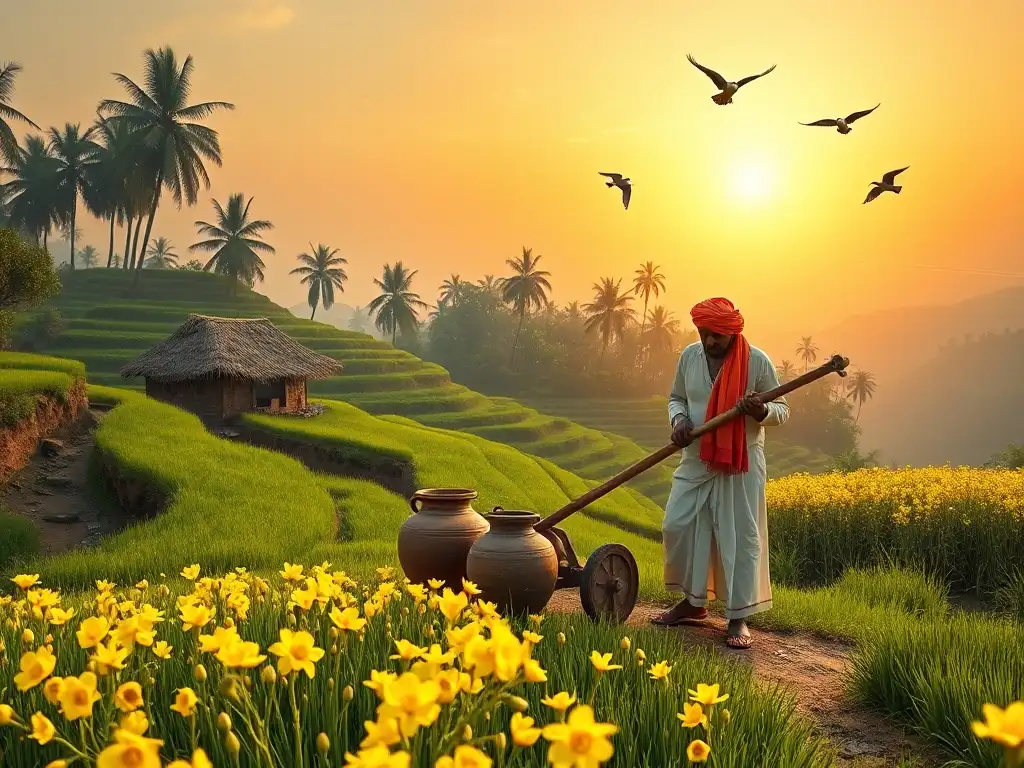
Welcome to Ancient India History, where we embark on a fascinating journey through the rich tapestry of ancient Indian civilizations. In this exploration, we delve into the remarkable ancient Indian farming practices that not only shaped the economy but also laid the groundwork for sustainable living in a time long past. Curious about how these practices contributed to environmental sustainability and the overall prosperity of ancient societies?
Join us as we uncover the innovative techniques and cultural wisdom that have left an indelible mark on the history of agriculture in India. Dive deeper into the article to discover the secrets of a civilization that thrived in harmony with nature!

Introduction to Ancient Indian Farming Practices
The history of ancient Indian farming practices is a testament to the ingenuity and adaptability of civilizations that thrived in a diverse and often challenging environment. From the fertile plains of the Indus Valley to the agricultural advancements during the Gupta Empire, ancient Indian farmers developed a range of techniques that not only maximized productivity but also emphasized sustainability. Understanding these practices is crucial, as they reveal how ancient societies managed their natural resources and fostered an ecological balance, setting foundational principles that resonate in today’s discussions about environmental sustainability.
Overview of Farming in Ancient India
Farming in ancient India was characterized by a rich tapestry of methods and crops that varied significantly across regions. The primary staples included:
- Rice: Cultivated extensively in the eastern and southern regions.
- Wheat: Dominant in the northwestern plains.
- Millets: Grown in arid regions, showcasing resilience against drought.
- Pulses: Integrated into crop rotations to enhance soil fertility.
The use of seasonal monsoon rains was pivotal, with farmers employing techniques such as:
- Rainwater harvesting
- Crop rotation
- Intercropping
These methods not only optimized yields but also minimized soil depletion and erosion, reflecting an early understanding of sustainable farming.
Importance of Sustainable Practices in Agriculture
Sustainability in agriculture is essential for maintaining ecological balance and ensuring food security. Ancient Indian farming practices exemplified this principle through:
- Soil conservation methods: Techniques like contour farming and agroforestry helped maintain soil health.
- Biodiversity: The cultivation of a variety of crops prevented pest outbreaks and reduced the need for chemical interventions.
- Water management: Traditional irrigation systems, such as canals and wells, were designed to utilize and conserve water efficiently.
By examining these practices, we can glean valuable insights into how ancient civilizations prioritized sustainability, which is increasingly relevant in our modern agricultural discourse.
Historical Context of Ancient Indian Agriculture
Farming Techniques in the Indus Valley Civilization
The Indus Valley Civilization (approximately 3300–1300 BCE) is often hailed for its advanced agricultural practices. Archaeological findings indicate:
- Planned urban agriculture: Fields were strategically located around settlements, facilitating easy access to water sources.
- Irrigation systems: Canals and reservoirs were constructed to manage the water supply effectively.
- Crop diversity: Evidence suggests the cultivation of various crops, including barley, wheat, and legumes, which contributed to a balanced diet.
These innovations not only supported a growing population but also reflected an innate understanding of sustainable farming.
Innovations During the Vedic Period
The Vedic period (approximately 1500–500 BCE) saw further advancements in agricultural practices, including:
- Use of plows: The introduction of plowing techniques significantly improved land cultivation.
- Fertility management: Farmers began to implement organic fertilizers, such as cow dung, enriching the soil naturally.
- Crop rotation: This practice became more pronounced, allowing for the rejuvenation of soil nutrients.
These innovations contributed to increased agricultural productivity while maintaining environmental integrity.
Agricultural Development During the Maurya and Gupta Empires
The Maurya (322–185 BCE) and Gupta (c. 240–550 CE) Empires marked a golden age for agriculture in ancient India. Key developments included:
- State support: Governments promoted agricultural growth by investing in irrigation and infrastructure.
- Trade networks: Enhanced trade routes facilitated the exchange of agricultural products, leading to economic prosperity.
- Standardization of practices: Writings from this period, such as Kautilya’s Arthashastra, documented various farming techniques and encouraged sustainable practices.
These empires exemplified how governance and innovation could work hand-in-hand to create a thriving agricultural economy rooted in sustainability.
Key Features of Ancient Indian Farming Practices
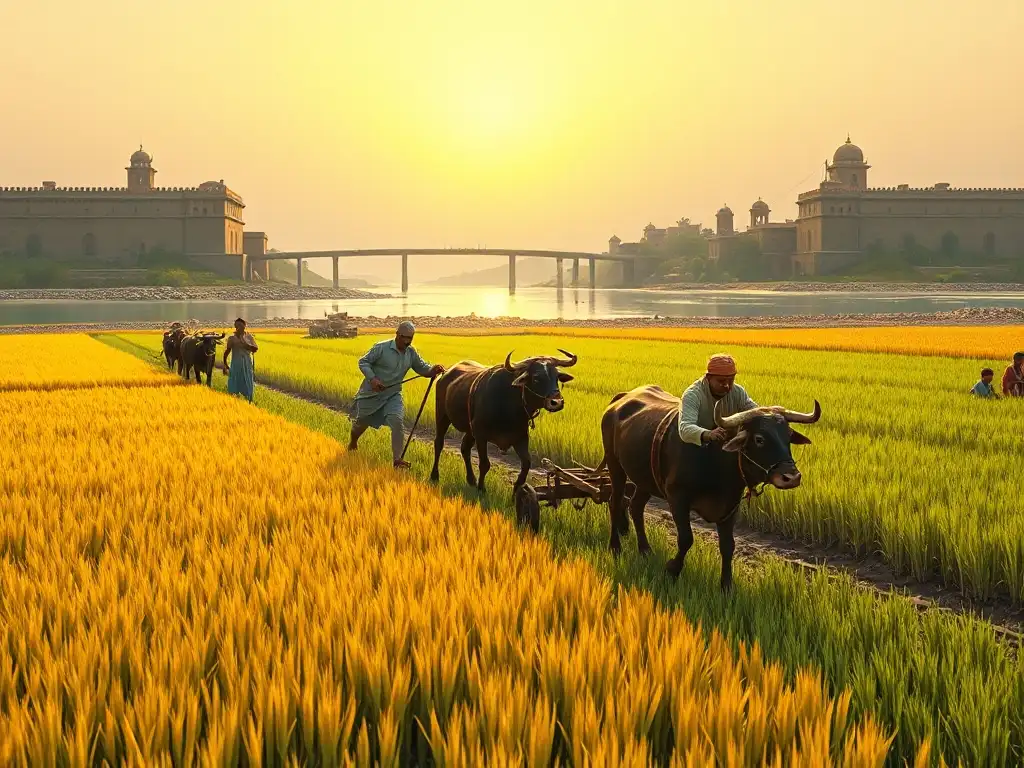
Ancient Indian farming practices were characterized by a remarkable understanding of the environment and sustainable agriculture techniques that have influenced modern practices. Key features of these practices included:
- Crop Diversity: Farmers in ancient India cultivated a wide variety of crops, which not only ensured food security but also enhanced soil health and reduced the risk of pest infestations.
- Use of Organic Inputs: The reliance on organic fertilizers, such as compost and green manure, minimized the dependence on chemical inputs, promoting healthier soil and crops.
- Water Conservation: Ancient farmers implemented sophisticated water management systems that included wells, canals, and tanks, allowing them to efficiently utilize water resources.
- Traditional Knowledge: Farming was often guided by local knowledge, which encompassed crop selection based on soil type, climatic conditions, and seasonal variations, leading to sustainable agricultural practices.
These features collectively contributed to a farming system that was not only productive but also environmentally sustainable.
Crop Diversity and Rotation in Ancient India
Crop diversity was a fundamental aspect of ancient Indian agriculture. Farmers practiced polyculture, growing multiple crops in a single field, which provided resilience against pests and diseases. This practice was essential for maintaining ecological balance and enhancing soil fertility.
Crop rotation was another critical technique, where different crops were planted in succession on the same land. This method allowed for the replenishment of soil nutrients, reduced soil erosion, and helped in the management of pests and weeds. For instance, the rotation of legumes with cereals was common, as legumes enriched the soil with nitrogen, benefiting subsequent crops.
Overall, these practices not only increased crop yields but also ensured long-term sustainability of the agricultural ecosystem.
Use of Organic Fertilizers and Natural Pest Control
Ancient Indian farmers utilized organic fertilizers extensively, employing materials like compost, animal dung, and crop residues to enrich the soil. The addition of organic matter improved soil structure, moisture retention, and biodiversity in the soil microbiome.
Natural pest control methods were also widely adopted. Farmers relied on beneficial insects, such as ladybugs and lacewings, to manage pest populations. Additionally, the use of botanical pesticides derived from plants like neem and garlic helped in controlling pests without harming the environment.
These organic practices minimized the ecological footprint of farming and ensured the sustainability of agricultural production over generations.
Water Management Techniques: Wells, Canals, and Tanks
Water management was vital for ancient Indian agriculture, particularly in regions prone to dry spells. The construction of wells, canals, and tanks exemplified the ingenuity of ancient engineers and farmers.
- Wells provided a reliable source of irrigation, allowing farmers to draw water from underground aquifers.
- Canals facilitated the transportation of water over long distances, expanding the cultivable area and increasing crop yields.
- Tanks, or reservoirs, were constructed to capture and store rainwater, which was vital for irrigation during the dry season.
These sophisticated water management systems not only optimized water use but also contributed to the sustainability of agricultural practices by reducing dependency on erratic rainfall.
Environmental Sustainability and Its Relevance
Environmental sustainability in agriculture refers to practices that maintain the health of the ecosystem while ensuring that farming can continue to produce food for future generations. Ancient Indian farming practices exemplified this concept through their methods of resource management and ecological balance.
Definition of Environmental Sustainability in Agriculture
Environmental sustainability in agriculture encompasses strategies that foster agricultural productivity while preserving natural resources, biodiversity, and ecosystem services. This involves:
- Minimizing the use of harmful chemicals and synthetic fertilizers.
- Promoting soil health through organic amendments and conservation practices.
- Ensuring efficient use of water resources to prevent depletion and degradation.
- Enhancing biodiversity by maintaining diverse cropping systems.
These principles are crucial for maintaining the integrity of agricultural ecosystems and ensuring food security.
How Ancient Indian Farming Practices Supported Sustainability
Ancient Indian farming practices were inherently sustainable due to several factors:
- Holistic Approach: Farmers viewed agriculture as part of a larger ecological system, leading to practices that enhanced biodiversity and soil health.
- Adaptation to Local Conditions: The use of locally adapted crops and traditional knowledge allowed farmers to optimize yields while conserving resources.
- Community Involvement: Agriculture was often a community-driven effort, with shared resources and collective management of water and land, promoting sustainability.
These practices not only provided food security in ancient times but also laid the groundwork for sustainable agricultural practices that are relevant today. The integration of traditional methods with modern agricultural techniques can offer valuable insights for addressing contemporary environmental challenges.
Comparative Analysis of Ancient Indian Farming with Modern Practices
The examination of ancient Indian farming practices reveals a fascinating interplay between sustainability and the agricultural methods utilized during that time. This comparative analysis not only highlights the ecological wisdom of ancient farmers but also provides insight into how these practices can inform contemporary agricultural strategies.
Similarities in Sustainable Approaches
Both ancient Indian farming practices and modern sustainable agriculture emphasize the importance of biodiversity and maintaining soil health. Ancient farmers often employed crop rotation and intercropping, methods that modern agricultural scientists advocate for to enhance soil fertility and reduce pest populations. Additionally, the use of organic fertilizers, such as compost and animal manure, was common in ancient times. This practice aligns with current sustainable practices that prioritize reducing chemical inputs and promoting ecological balance.
Furthermore, the respect for seasonal cycles prevalent in ancient agricultural strategies mirrors modern practices that adapt farming to local climatic conditions, such as the timing of sowing and harvesting to optimize yields while minimizing environmental impact. The holistic approach to farming, where the relationship between crops, soil, and climate was deeply understood, remains a cornerstone of sustainable agriculture today.
Differences in Techniques and Tools Used
While there are notable similarities, significant differences exist in the techniques and tools employed in ancient Indian farming compared to modern practices. Ancient farmers relied on hand tools made from wood, stone, and bronze rather than the mechanized equipment predominant in today’s agriculture. This reliance on manual labor fostered a deeper connection to the land and its ecosystems, promoting sustainable soil management practices that are often overlooked in modern, industrial farming.
Moreover, ancient irrigation systems were often based on natural water sources and gravitational principles, utilizing channels and bunds to manage water flow. In contrast, modern irrigation frequently employs technologically advanced methods such as drip and sprinkler systems, which, while efficient, can sometimes lead to environmental concerns like water over-extraction and soil salinization. The focus of ancient practices on local resources and natural cycles stands in stark contrast to the reliance on synthetic inputs and mechanization seen in contemporary agriculture.
Lessons Modern Agriculture Can Learn from Ancient Practices
Modern agriculture can glean invaluable lessons from ancient Indian farming practices, particularly in areas of sustainability and ecological balance. For instance, the ancient practice of integrating livestock into farming systems, which provided natural fertilizer while also managing crop residues, can inspire modern agroecological practices that seek to reduce dependency on chemical fertilizers.
Additionally, ancient methods of water conservation, such as rainwater harvesting and the use of check dams, highlight the importance of local water management strategies that can be adapted to contemporary contexts facing water scarcity. Emphasizing community and collaboration, as seen in traditional farming systems, can foster resilience and sustainability in modern agriculture, creating a more equitable food system that respects both the environment and the needs of local populations.
Case Studies of Sustainable Farming Practices in Ancient India
The exploration of ancient Indian farming practices reveals numerous case studies that exemplify sustainable agriculture. These practices not only catered to the immediate needs of communities but also ensured the long-term health of the environment and resources.
The Role of Agroforestry in Sustainable Agriculture
Agroforestry, the practice of integrating trees with crops and/or livestock, was a prevalent method in ancient India. This system provided numerous benefits including improved soil fertility, enhanced biodiversity, and increased resilience to climate variability. For example, the combination of fruit trees and cereal crops allowed for diversified production and reduced soil erosion, as tree roots helped stabilize the soil and retain moisture.
Moreover, agroforestry supported a variety of ecological niches, fostering habitats for beneficial insects and wildlife, which in turn aided in pest control. The ancient practice of planting neem trees alongside crops is a case in point; the neem tree is known for its natural pest-repellent properties. This holistic approach not only contributed to food security but also promoted environmental sustainability, making agroforestry a valuable model for modern agriculture.
Traditional Irrigation Methods and Their Environmental Impact
Traditional irrigation methods used in ancient India, such as the construction of step wells, tanks, and canals, showcased a profound understanding of water management. These systems were designed to capture and store rainwater, thus ensuring a reliable water supply for agricultural needs while minimizing wastage. The use of such methods significantly reduced the risk of soil erosion and salinization, issues that are prevalent in many modern irrigation systems.
Moreover, these ancient irrigation practices were often community-managed, fostering a sense of stewardship among farmers. This communal approach not only ensured equitable water distribution but also encouraged collective maintenance of water resources, reflecting a sustainable paradigm that modern agriculture can emulate. By integrating traditional knowledge into contemporary water management strategies, modern agriculture can develop more resilient and environmentally friendly irrigation systems.
Challenges Faced by Ancient Indian Farmers
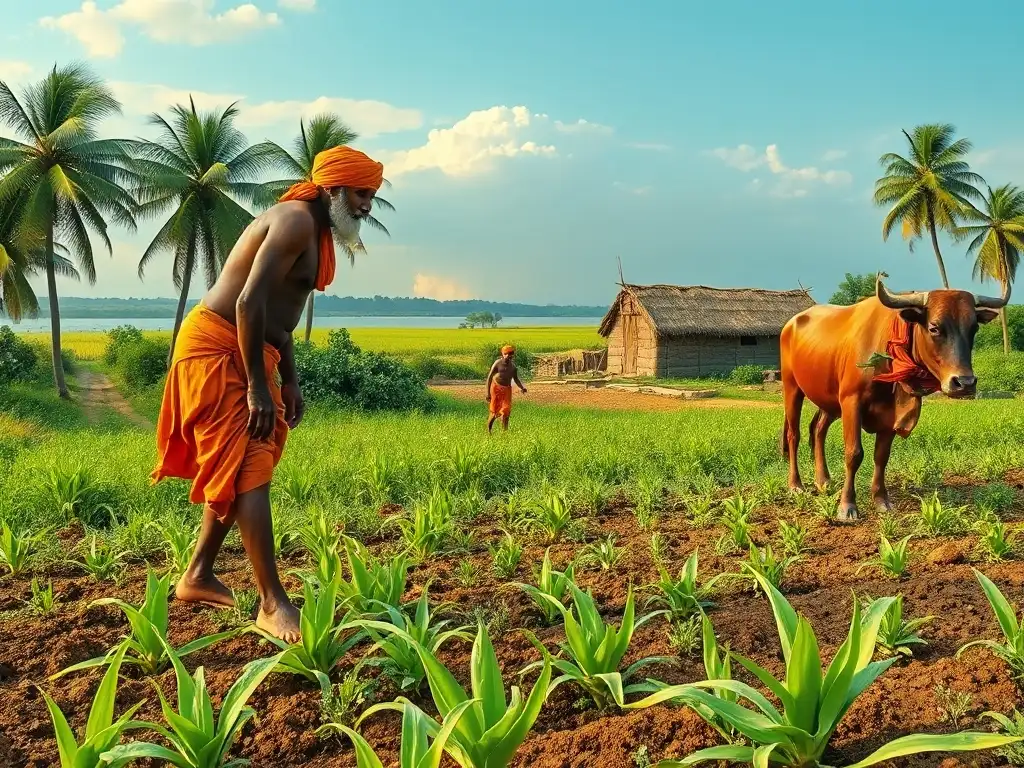
Ancient Indian farmers encountered a multitude of challenges that tested their resilience and adaptability. These challenges were not only environmental but also socio-economic, influencing their agricultural methods and practices. Understanding these obstacles provides insight into the ingenuity of ancient farmers who developed sustainable strategies to overcome them.
Climate Variability and Its Effects on Agriculture
Climate variability significantly impacted ancient Indian agriculture, leading to fluctuations in crop yields and farming viability. Seasonal monsoon patterns were crucial, as they determined the timing of planting and harvesting. However, irregular rainfall, droughts, and floods posed severe threats. For instance, the failure of monsoons could lead to widespread famine, as seen during periods of intense drought in the Deccan Plateau.
Farmers had to devise methods to cope with these climatic challenges. Techniques such as rainwater harvesting, the construction of reservoirs, and the development of irrigation systems were essential for managing water resources effectively. These practices not only mitigated the effects of unpredictable weather but also contributed to the sustainability of agricultural practices by ensuring a more reliable supply of water for crops.
Societal and Economic Factors Influencing Farming Practices
The societal structure and economic conditions of ancient India also shaped farming practices. The agrarian society was often dependent on caste systems, where certain communities specialized in farming, while others focused on trade and craftsmanship. This division of labor allowed for the refinement of agricultural techniques and the exchange of knowledge across different regions.
Economic factors, such as land ownership and access to resources, played a crucial role in determining agricultural output. Wealthier landowners could invest in better tools, seeds, and irrigation systems, leading to improved productivity. Conversely, smaller farmers faced challenges due to limited resources, which often forced them to rely on traditional methods that may not have been as efficient. Additionally, the market dynamics influenced crop choices; farmers grew what was in demand, which sometimes led to monocultures that could strain the environment.
Conclusion: The Legacy of Ancient Indian Farming Practices
The legacy of ancient Indian farming practices is profound, demonstrating a remarkable understanding of environmental sustainability that resonates even today. These practices not only shaped the agricultural landscape of ancient India but also laid the foundation for modern sustainable farming techniques.
Summary of Environmental Sustainability Aspects
Ancient Indian farmers employed various sustainable practices that reflected their deep connection with the environment. Crop rotation, mixed cropping, and the use of organic fertilizers were common strategies that preserved soil fertility and enhanced biodiversity. The integration of agroforestry, where trees and crops were cultivated together, is a testament to their holistic approach to farming. These methods minimized environmental degradation while maximizing agricultural output, providing lessons in sustainability that are increasingly relevant in contemporary discussions about agriculture.
The Influence of Ancient Practices on Contemporary Agriculture
The influence of ancient Indian farming practices can still be observed in modern agricultural techniques. Contemporary farmers are revisiting traditional methods to address current environmental challenges, such as soil erosion and water scarcity. Practices like organic farming, permaculture, and sustainable water management systems have roots in the ancient techniques that prioritized ecological balance and resource conservation.
By studying ancient Indian farming practices, today’s agricultural scientists and practitioners can gain valuable insights into sustainable farming that not only honors historical wisdom but also promotes environmental stewardship. As the world grapples with the impacts of climate change and food security, the lessons learned from ancient Indian farmers stand as a guiding beacon for sustainable agricultural practices in the future.
References and Further Reading on Ancient Indian Agriculture
To gain a deeper understanding of ancient Indian farming practices and their environmental sustainability, a variety of resources are available. These materials encompass scholarly books, articles, and online resources that explore the agricultural techniques, innovations, and the socio-economic impacts of farming in ancient India. Below are some recommended readings and resources to further your knowledge on this fascinating subject.
Suggested Books and Articles
-
"The Agricultural History of India: From the Earliest Times to the Present Day" by R. S. Sharma
This book provides a comprehensive overview of Indian agriculture, tracing its evolution from ancient times to contemporary practices. It highlights various farming techniques and their adaptability to environmental changes.
-
"Farming in Ancient India" by S. P. Gupta
Gupta's work delves into the specifics of ancient farming methods, including crop rotation, irrigation, and the use of organic fertilizers, illustrating how these practices contributed to sustainable agriculture.
-
"The Indus Valley Civilization: A Historical Perspective" by Jane McIntosh
This book focuses on the agricultural practices of the Indus Valley Civilization, discussing how the civilization's innovations in farming laid the groundwork for future agriculture in India.
-
"Ancient Indian Agriculture: A Cultural Perspective" by N. K. Sharma
This article examines the cultural dimensions of ancient Indian farming practices, exploring how religion, rituals, and societal norms influenced agricultural methods and sustainability.
-
"Agricultural Techniques in Ancient India: An Overview" by A. R. Nair
This scholarly article offers insights into various agricultural techniques employed in ancient India, emphasizing their ecological impacts and sustainability.
Online Resources and Documentaries
-
Digital South Asia Library (DSAL)
The DSAL hosts a wealth of resources, including digitized historical texts and maps related to ancient Indian agriculture. This platform is invaluable for research and study.
-
YouTube - "Ancient Indian Agriculture: Techniques and Innovations"
This documentary provides an engaging overview of the agricultural practices in ancient India, featuring interviews with historians and scholars who discuss the significance of these methods in promoting sustainability.
-
The Archaeological Survey of India (ASI) Website
The ASI website features numerous publications and reports on archaeological findings related to ancient agriculture. It is a reliable source for in-depth research on farming practices and their historical contexts.
-
National Geographic - "The Indus Valley: An Ancient Farming Civilization"
This article explores the agricultural innovations of the Indus Valley Civilization and their long-lasting effects on farming in the Indian subcontinent.
-
Coursera - "Sustainable Agriculture in Ancient Civilizations"
This online course examines ancient agricultural practices worldwide, including those in India. It provides insights into sustainable practices that can be applied in modern contexts.
By engaging with these references and resources, readers can develop a more nuanced understanding of the environmental sustainability of ancient Indian farming practices and their significance in the broader context of agricultural history.
- Introduction to Ancient Indian Farming Practices
- Overview of Farming in Ancient India
- Importance of Sustainable Practices in Agriculture
- Historical Context of Ancient Indian Agriculture
- Key Features of Ancient Indian Farming Practices
- Environmental Sustainability and Its Relevance
- Comparative Analysis of Ancient Indian Farming with Modern Practices
- Case Studies of Sustainable Farming Practices in Ancient India
- Challenges Faced by Ancient Indian Farmers
- Conclusion: The Legacy of Ancient Indian Farming Practices
- References and Further Reading on Ancient Indian Agriculture
- What were some key ancient Indian farming practices?
- How did ancient Indian civilizations ensure environmental sustainability in farming?
- What role did the monsoon play in ancient Indian agriculture?
- Were ancient Indian farming practices influenced by any cultural beliefs?
- How do ancient Indian farming techniques compare to modern practices?
Frequently Asked Questions
What were some key ancient Indian farming practices?
Ancient Indian farming practices included crop rotation, intercropping, and the use of organic fertilizers. These methods helped maintain soil fertility and supported sustainable agriculture.
How did ancient Indian civilizations ensure environmental sustainability in farming?
Ancient Indian civilizations utilized techniques such as water conservation through canal systems and rainwater harvesting, which promoted the efficient use of water resources while minimizing environmental impact.
What role did the monsoon play in ancient Indian agriculture?
The monsoon was crucial for ancient Indian agriculture, providing the necessary rainfall for crops. Farmers developed calendars and rituals to predict and celebrate the arrival of the monsoon season.
Were ancient Indian farming practices influenced by any cultural beliefs?
Yes, ancient Indian farming practices were deeply connected to cultural beliefs and traditions, often incorporating spiritual rituals to ensure a good harvest and respect for the land.
How do ancient Indian farming techniques compare to modern practices?
While some ancient Indian farming techniques prioritize sustainability and biodiversity, modern practices often focus on intensive agriculture. However, there is a growing movement to integrate ancient wisdom into contemporary farming for better environmental outcomes.
Final Reflection: Embracing Wisdom from Ancient Indian Farming Practices
The relevance of ancient Indian farming practices in today's world cannot be overstated; they offer invaluable insights into sustainable agriculture that resonate with our current environmental challenges. As we grapple with climate change, soil degradation, and the quest for food security, the wisdom embedded in these age-old techniques serves as a beacon of hope. The striking realization is that our ancestors had already laid the groundwork for sustainable living, and it is our responsibility to learn from their practices to forge a more sustainable future.
Cultural and social landscapes are profoundly shaped by the agricultural methods we adopt. Ancient Indian farming practices, characterized by their emphasis on biodiversity, soil health, and community involvement, continue to inspire modern sustainable agriculture movements. These practices remind us that farming is not merely a means to an end but a way of life that nurtures the land and the community. The greatest threat to our planet is the belief that someone else will save it.
– Robert Swan. This quote encapsulates the urgency of our times and highlights the importance of taking collective action rooted in the wisdom of the past.
As we reflect on the lessons from ancient Indian farming practices, I invite you to consider how you can integrate these principles into your own life. What steps can you take to promote sustainability in your community or personal choices? Whether it’s supporting local farmers, practicing permaculture, or simply being more mindful of your consumption, every action counts. Let us honor the legacy of our ancestors by cultivating a future that respects the earth and fosters resilience, ensuring that the wisdom of ancient practices continues to thrive for generations to come.
Embrace Sustainable Practices from Our Ancestors!
Thank you for exploring the remarkable environmental sustainability of ancient Indian farming practices with us! We hope you discovered insightful lessons that resonate with today's challenges. Now, it's time to take those lessons and apply them to your own life.
Here are some practical steps you can take right now:
- Adopt a Sustainable Mindset: Start small by integrating eco-friendly habits into your daily routine—consider using compost and minimizing waste in your garden.
- Share Your Insights: Discuss what you've learned with friends and family or share this article on social media to inspire others to embrace sustainable farming rooted in ancient wisdom!
- Join or Create a Community Garden: Get involved in local initiatives that promote sustainable agriculture, where you can learn from others and share your own experiences.
As you reflect on these practices, what sustainable methods from ancient cultures would you like to see revived in modern farming? Let's start a conversation!