
The Interconnection of Nature and Spirituality in Hindu Thought

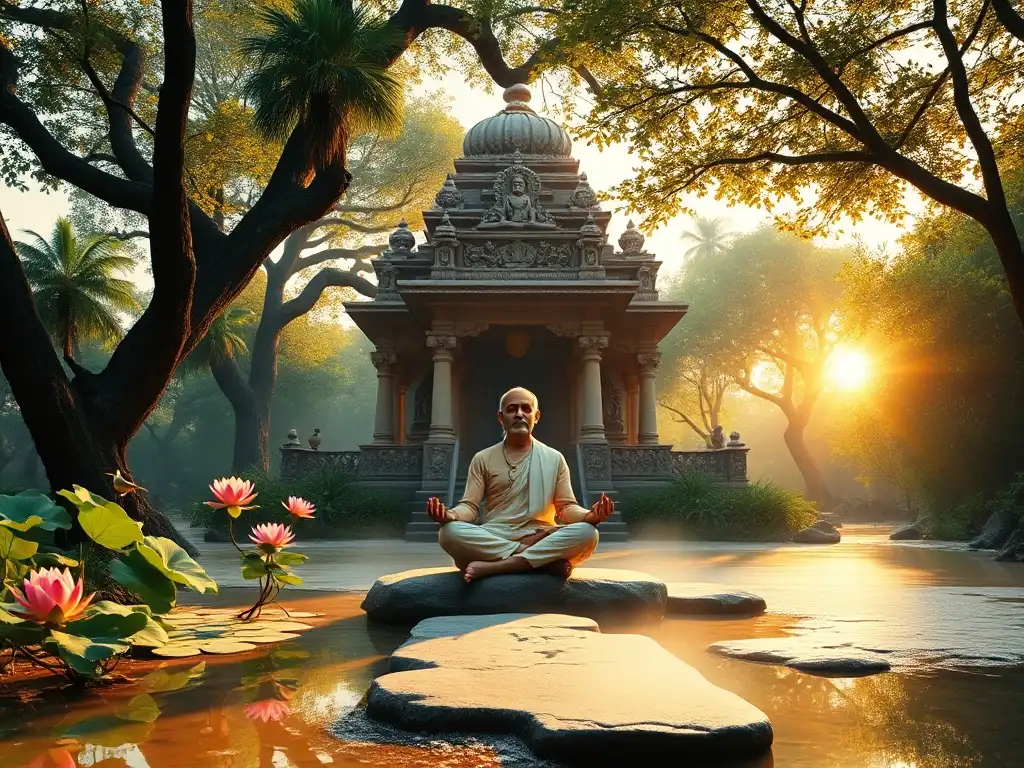
Welcome to Ancient India History, where we delve into the rich tapestry of ancient civilizations that shaped the Indian subcontinent. In this journey, we invite you to explore the profound connections between nature and spirituality in Hinduism. Our featured article, "The Interconnection of Nature and Spirituality in Hindu Thought," unravels the intricate beliefs that intertwine the natural world with spiritual practices, shedding light on how these ideas have influenced not just religion, but the very essence of Indian culture.
Prepare to embark on a captivating exploration that promises to illuminate the wisdom of the ancients and inspire a deeper understanding of our world. Are you ready to discover the sacred harmony that binds us all?

In the rich tapestry of Hindu thought, the relationship between nature and spirituality forms a foundational thread that weaves together the philosophies, practices, and beliefs of this ancient tradition. Hinduism, one of the oldest religions in the world, encapsulates a profound respect for the natural world, viewing it as an integral part of spiritual expression and understanding. This interconnection is not merely a backdrop for religious practices but is deeply embedded in the very essence of Hindu philosophy, where nature is often personified as sacred and divine.
As we delve into the theme of Nature and Spirituality in Hinduism, we uncover layers of meaning that reveal how ancient Indian civilizations revered the environment and recognized its influence on spiritual growth. From the earliest texts to contemporary interpretations, this relationship has shaped the rituals, ethical values, and cultural practices within Hinduism. This article aims to explore this multifaceted connection, tracing its historical roots, philosophical underpinnings, and its enduring relevance in the modern world.
Understanding the Concept of Nature and Spirituality in Hinduism
Hinduism presents a unique perspective on the interconnectedness of nature and spirituality, where both realms are seen as intertwined and mutually influential. This understanding is pivotal for grasping how adherents of Hinduism perceive their place within the cosmos and their relationship with the divine.
Defining Nature in Hindu Philosophy
In Hindu philosophy, the concept of nature encompasses not only the physical environment but also the underlying principles that govern the universe. Nature, or Prakriti, is often viewed as the manifestation of the divine energy that animates all forms of life. This understanding is articulated in various texts, where nature is seen as both a nurturing mother and a powerful force that must be respected and revered.
- Elements of Nature: The five elements—earth (Prithvi), water (Apas), fire (Agni), air (Vayu), and ether (Akasha)—are considered the building blocks of existence, symbolizing the connection between the material and spiritual realms.
- Divine Representation: Many natural phenomena and elements are personified as deities, illustrating the sacredness attributed to nature, such as Ganga (the river goddess) and Vayu (the god of wind).
Exploring Spirituality in Hindu Beliefs
Spirituality in Hinduism is a multifaceted concept that transcends mere rituals and worship. It emphasizes personal growth, self-realization, and the pursuit of truth, often referred to as Dharma. This journey towards spiritual enlightenment is deeply intertwined with the natural world.
- Meditation and Nature: Many spiritual practices, such as meditation and yoga, draw inspiration from nature, utilizing natural settings to cultivate inner peace and connection with the cosmos.
- Sacredness of All Life: The belief in Ahimsa (non-violence) extends to all living beings, reinforcing the idea that the spiritual journey is inseparable from the well-being of the natural world.
The Interrelationship Between Nature and Spirituality
The interplay between nature and spirituality in Hinduism is evident in various aspects:
- Rituals and Offerings: Many rituals involve offerings to natural elements, signifying gratitude and recognition of their importance in sustaining life and spiritual practice.
- Symbolism and Metaphors: Nature serves as a metaphor for spiritual concepts, with the cycle of seasons often reflecting the cycles of life, death, and rebirth.
Historical Context of Nature and Spirituality in Ancient India
The historical roots of the interconnection between nature and spirituality in Hinduism can be traced through ancient texts and practices that highlight the significance of the natural world in shaping spiritual beliefs.
Nature Worship in Early Hindu Texts
Early Hindu scriptures, including the Vedas, reveal a profound reverence for nature, often depicting various aspects of the natural world as divine entities worthy of worship.
- Ritualistic Practices: Nature was central to the rituals performed, with offerings made to natural forces to secure harmony and prosperity.
- Deification of Natural Elements: Natural phenomena, such as rivers and mountains, were deified, showcasing the deep respect for the environment in ancient Hindu society.
The Role of Nature in Vedic Literature
The Vedic texts provide insights into the philosophical and spiritual significance of nature, illustrating how early Hindus perceived their relationship with the cosmos.
- Hymns to Nature Deities: Many hymns celebrate the beauty and power of nature, invoking deities associated with natural elements to ensure blessings and abundance.
- Cosmic Order (Rta): The concept of Rta, or cosmic order, reflects the belief in maintaining harmony with nature as essential to spiritual and material well-being.
Spiritual Practices and Rituals Influenced by Nature
The influence of nature extends to the spiritual practices and rituals that have evolved over centuries within Hinduism.
- Seasonal Festivals: Many Hindu festivals are aligned with seasonal changes, celebrating the cycles of nature and their impact on agricultural practices and spiritual life.
- Pilgrimages to Sacred Sites: Numerous sacred sites are linked to natural features, such as rivers, mountains, and forests, reinforcing the connection between spirituality and the environment.
The interconnection of nature and spirituality in Hindu thought is a profound aspect of its philosophy, revealing how ancient Indian civilizations not only revered the natural world but also understood it as a vital component of their spiritual journey. As we explore this theme further, we will uncover more about the intricate relationship that continues to shape Hindu beliefs and practices today.
Key Philosophical Concepts Linking Nature and Spirituality
In Hindu thought, the interconnection between nature and spirituality is deeply embedded within its philosophical framework. Several key concepts illustrate this profound relationship, emphasizing that nature is not merely a backdrop to human existence but an integral part of the spiritual journey. Central to this understanding are the ideas of Brahman, Atman, and the cyclical nature of life known as Samsara. Each of these concepts reflects the belief that the natural world is imbued with spiritual significance, offering pathways to understand the divine.
The Principle of Brahman in Nature
Brahman, the ultimate reality in Hindu philosophy, is often described as the essence of everything in the universe. It is formless, infinite, and transcendent, yet it pervades all aspects of nature. According to the Upanishads, Brahman is present in the elements, the cosmos, and even the smallest particles of matter. This omnipresence signifies that nature is not separate from the divine; rather, it is a manifestation of Brahman itself. The interconnectedness of all living beings and the environment reflects the holistic nature of Brahman, suggesting that understanding and respecting nature is essential to understanding the divine.
Atman and Its Connection to the Natural World
Atman, or the individual soul, is viewed as a microcosm of Brahman. This concept highlights the belief that every living entity possesses a spark of the divine. In this context, the relationship between Atman and the natural world becomes crucial. The soul's journey toward self-realization and enlightenment involves recognizing its connection to all forms of life. Thus, harming nature is seen as harming oneself, as every being is interconnected. This understanding encourages a sense of stewardship towards the environment, promoting harmony with nature as a means to achieve spiritual growth.
The Cycle of Life: Samsara and Nature
Samsara, the cycle of birth, death, and rebirth, is a fundamental concept in Hindu philosophy that ties closely to nature. This cyclical movement reflects the seasonal changes in nature and the larger cosmic rhythms. Every living being undergoes this cycle, which illustrates the impermanence of life and the continuity of existence.
Understanding Samsara fosters a sense of respect for the natural world, as it symbolizes the ongoing process of renewal and transformation. The interplay of life and death in nature serves as a reminder of the transient nature of existence, urging individuals to seek deeper spiritual truths amidst the cycles of the natural world.
Nature as a Manifestation of the Divine

Hinduism regards nature as a direct manifestation of the divine, where every element is imbued with spiritual significance. This perspective fosters a deep reverence for the environment and encourages practices that honor the sacredness of the natural world. Various aspects of nature are celebrated as embodiments of divine qualities, reinforcing the idea that engaging with nature is a form of spiritual practice.
Sacred Elements of Nature in Hinduism
Certain elements of nature are considered sacred in Hinduism, playing vital roles in rituals and worship. These elements include water, fire, earth, air, and space, each representing different aspects of the divine. For instance, water is revered as a purifying element, often used in rituals to cleanse and sanctify. Fire, or Agni, is seen as a mediator between humans and the divine, commonly featured in offerings and sacrifices. This reverence for sacred elements underscores the belief that nature is alive with spiritual energy, deserving of respect and care.
Mountains, Rivers, and Forests in Spiritual Practices
Mountains, rivers, and forests hold particular significance in Hindu spirituality. The Himalayas, for example, are considered the abode of gods and a place for spiritual seekers to attain enlightenment. Sacred rivers like the Ganges are believed to carry the blessings of the divine, making them sites for pilgrimage and ritual bathing. Forests are often depicted as places of meditation and solitude, where sages and saints have sought divine wisdom. These natural landscapes are not just geographical features; they are revered as spiritual sanctuaries that facilitate connection with the divine.
The Significance of Flora and Fauna in Hindu Worship
Flora and fauna also play a crucial role in Hindu worship and rituals. Many plants, such as the holy basil (Tulsi) and the banyan tree, are considered sacred and are often associated with specific deities. Offerings of fruits, flowers, and herbs are integral to worship, symbolizing gratitude and respect towards nature.
Additionally, animals are often revered as embodiments of various deities; for example, cows are considered sacred and are protected within Hindu communities. This deep respect for flora and fauna highlights the belief that all forms of life are interwoven with spiritual significance, further reinforcing the connection between nature and spirituality in Hindu thought.
Modern Interpretations of Nature and Spirituality in Hindu Thought
In contemporary discourse, the relationship between nature and spirituality in Hinduism has garnered renewed interest as people seek to reconcile ancient beliefs with modern environmental concerns. Scholars and practitioners alike are exploring how traditional Hindu concepts can inform current ecological practices. This intersection is rooted in the understanding that nature is not simply a backdrop for human activity but is intrinsically linked to the spiritual fabric of life. The reverence for natural elements—rivers, mountains, trees, and animals—reflects a worldview where the divine is present in all aspects of the natural world.
Modern interpretations emphasize practices such as eco-spirituality, which blends Hindu teachings with environmental activism. This movement seeks to harness ancient wisdom to foster a sustainable relationship with the earth, encouraging individuals to view themselves as caretakers of the planet. Additionally, texts like the Bhagavad Gita and the Upanishads are being re-evaluated to extract insights that advocate for ecological balance and harmony. These interpretations not only preserve the essence of Hindu spirituality but also empower communities to address pressing environmental issues through a spiritual lens.
Contemporary Hindu Practices Emphasizing Nature
Contemporary Hindu practices increasingly incorporate elements that celebrate the interconnectedness of nature and spirituality. Festivals such as Makar Sankranti and Pongal are not merely cultural celebrations but are deeply rooted in agricultural cycles, showcasing the reverence for the earth's bounty. Rituals that involve planting trees or conducting pujas (worship) for rivers and mountains exemplify a tangible acknowledgment of nature's sanctity.
Furthermore, many modern Hindu communities are engaging in practices like organic farming and permaculture, which align with the principle of 'Ahimsa' (non-violence) towards all living beings. Temples and ashrams are increasingly becoming centers for environmental education, where teachings on sustainable living are integrated into spiritual discourses. This approach not only fosters a spiritual connection to nature but also encourages active participation in ecological preservation.
Environmentalism and Spiritual Awakening in Hinduism
The intertwining of environmentalism and spiritual awakening in Hinduism reflects a broader global trend where spirituality serves as a catalyst for ecological consciousness. Hindu texts advocate for a harmonious existence with nature, promoting the idea that spiritual enlightenment cannot be fully realized without acknowledging and respecting the environment.
This perspective is echoed in the works of modern Hindu thinkers and environmental activists who articulate the moral responsibility of individuals to protect the earth. Initiatives led by groups such as the Divine Life Society and the International Society for Krishna Consciousness (ISKCON) emphasize that caring for the environment is an extension of one's spiritual practice. Through campaigns focused on tree planting, waste reduction, and sustainable living, these organizations are fostering a holistic approach to spirituality that prioritizes ecological well-being.
The Relevance of Ancient Beliefs in Today's Ecological Crisis
As the world faces an escalating ecological crisis, the relevance of ancient Hindu beliefs is more critical than ever. The concepts of 'Dharma' (righteous duty) and 'Samsara' (the cycle of life and rebirth) offer a framework for understanding the consequences of environmental degradation. The ancient understanding that all beings are interconnected resonates in contemporary discussions about biodiversity and climate change.
Moreover, the principle of 'Vasudhaiva Kutumbakam' (the world is one family) underscores the need for collective action against ecological challenges. By revisiting these age-old philosophies, individuals are encouraged to adopt a more responsible and compassionate approach towards nature. In this way, ancient Hindu thought not only provides wisdom but also serves as a guiding force in the pursuit of sustainable living, illustrating that spirituality and environmental stewardship are not mutually exclusive but are, in fact, complementary.
Conclusion: The Enduring Legacy of Nature and Spirituality in Hinduism
The enduring legacy of nature and spirituality in Hinduism highlights a profound understanding of the world as a sacred space. This legacy is not static; it evolves with the changing dynamics of society, continually finding relevance in contemporary discussions about environmentalism and spiritual practice. The integration of ancient wisdom into modern contexts demonstrates that the principles of Hindu philosophy can offer valuable insights into addressing current ecological dilemmas.
Summary of Key Insights on Nature and Spirituality
Throughout history, Hinduism has maintained a distinctive emphasis on the relationship between nature and spirituality. Key insights include:
- Interconnectedness: Nature is viewed as an integral part of the spiritual journey.
- Ritual Practices: Contemporary rituals often emphasize ecological sustainability.
- Moral Responsibility: Spiritual awakening involves a commitment to protecting the environment.
These insights underscore the importance of nurturing a symbiotic relationship with nature, reinforcing that spiritual growth is deeply intertwined with ecological well-being.
The Importance of Preserving Nature in Spiritual Practices
Preserving nature within spiritual practices is paramount in Hinduism. It reinforces the belief that the divine manifests through the natural world, which must be respected and protected. Engaging in environmentally conscious rituals not only honors this connection but also serves as a reminder of humanity's role as stewards of the earth. As spiritual practitioners embrace sustainability, they contribute to a larger movement that seeks to harmonize human existence with the environment, fostering a culture of reverence for all life.
Future Directions for Exploring Nature and Spirituality in Hinduism
Looking ahead, the exploration of nature and spirituality in Hinduism can take several promising directions:
- Interdisciplinary Research: Collaborating across fields such as ecology, philosophy, and religious studies can yield deeper insights.
- Grassroots Movements: Empowering local communities to integrate spiritual practices with environmental activism can inspire meaningful change.
- Global Dialogues: Engaging in international conversations about spirituality and ecology can promote shared values and collective action.
By pursuing these directions, both ancient beliefs and modern challenges can be addressed, fostering a holistic approach to spirituality that underscores the significance of nature in the pursuit of a more sustainable future.
- Understanding the Concept of Nature and Spirituality in Hinduism
- Historical Context of Nature and Spirituality in Ancient India
- Key Philosophical Concepts Linking Nature and Spirituality
- Nature as a Manifestation of the Divine
- Modern Interpretations of Nature and Spirituality in Hindu Thought
- Conclusion: The Enduring Legacy of Nature and Spirituality in Hinduism
- What is the relationship between nature and spirituality in Hinduism?
- How does Hindu philosophy view the environment?
- Are there specific deities associated with nature in Hinduism?
- How does the concept of ahimsa relate to nature in Hinduism?
- What role does pilgrimage play in connecting nature and spirituality?
Frequently Asked Questions
What is the relationship between nature and spirituality in Hinduism?
In Hindu thought, nature is often viewed as a manifestation of the divine, where every element of the natural world is imbued with spiritual significance.
How does Hindu philosophy view the environment?
Hindu philosophy promotes a harmonious relationship with the environment, emphasizing the importance of respecting and preserving nature as part of spiritual practice.
Are there specific deities associated with nature in Hinduism?
Yes, various deities such as Prithvi (Earth), Varuna (Water), and Vayu (Wind) symbolize aspects of nature, highlighting the spiritual connection between the divine and the natural world.
How does the concept of ahimsa relate to nature in Hinduism?
The principle of ahimsa, or non-violence, extends to all living beings, promoting a respectful coexistence with nature and advocating for the protection of the environment.
What role does pilgrimage play in connecting nature and spirituality?
Hindu pilgrimages often involve visiting sacred sites in natural settings, reinforcing the belief that being immersed in nature enhances spiritual experiences and deepens connection to the divine.
Final Reflection: Embracing the Harmony of Nature and Spirituality in Hinduism
The intricate relationship between nature and spirituality in Hinduism resonates profoundly in today's world, where the urgent call for environmental awareness and spiritual awakening is more pressing than ever. As we navigate the complexities of modern life, the teachings of Hindu thought remind us that our connection to the natural world is not merely a backdrop to our existence but a vital aspect of our spiritual journey. This realization is a powerful catalyst for change, urging us to honor and protect the environment as an extension of our own sacred selves.
The influence of nature and spirituality in Hinduism extends far beyond ancient texts; it shapes contemporary cultural and social landscapes, inspiring movements towards sustainability and mindfulness. The teachings encourage us to see the divine in every aspect of nature, fostering a sense of responsibility and reverence. As Mahatma Gandhi once said, The Earth provides enough to satisfy every man's needs, but not every man's greed.
This perspective invites us to reflect on our actions and their impact on the world around us, emphasizing the need for a harmonious coexistence with nature.
As we conclude this exploration, I invite you to reflect on your own relationship with nature and spirituality. Consider how you can integrate these principles into your daily life, fostering a deeper connection with the environment and the divine. Whether through mindful practices, sustainable choices, or simply taking a moment to appreciate the beauty around you, every small action contributes to a greater collective awakening. Let us embrace this journey together, nurturing both our spirits and the world we inhabit.
Embrace the Harmony of Nature and Spirit!
Thank you for exploring the profound interconnections between nature and spirituality in Hindu thought! Your interest in this beautiful tapestry of beliefs is the first step towards deepening your understanding and enriching your life. As you journey ahead, consider these enriching actions:
- Dive Deeper: Read more about the sacred texts that emphasize the bond between the divine and nature, such as the Bhagavad Gita or the Upanishads.
- Practice Mindfulness: Spend a day in nature, meditating or reflecting on your personal connection to the environment around you.
- Share Your Journey: Discuss these insights with friends or in local community groups to inspire others on their spiritual paths.
How has exploring the link between nature and spirituality shaped your own beliefs or practices?