
Discovering the Advanced Techniques of Ancient Indian Stone Carving

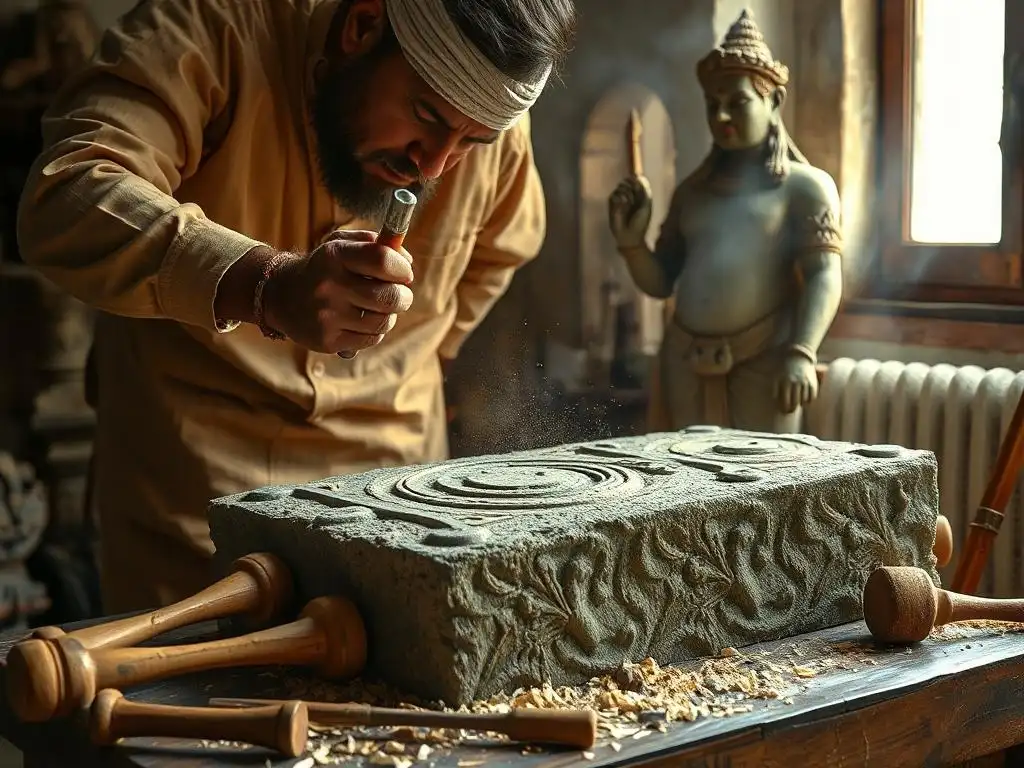
Welcome to Ancient India History, where we embark on a fascinating journey through time to explore the rich tapestry of ancient Indian civilizations. Today, we delve into the advanced techniques of ancient Indian stone carving, a testament to the ingenuity and artistry that flourished from the Indus Valley to the Gupta Empire. What secrets lie within the intricately carved stones that have withstood the test of time? Join us as we uncover the innovations and cultural significance behind these stunning masterpieces, inviting you to uncover the depths of a legacy that continues to inspire and amaze.
The art of stone carving in ancient India is a remarkable testament to the ingenuity, skill, and creativity of its civilizations. Spanning thousands of years and characterized by intricate designs and innovative methodologies, ancient Indian stone carving techniques played a pivotal role in the architectural and artistic achievements of the region. From the awe-inspiring structures of the Indus Valley Civilization to the grand temples of the Gupta Empire, each era showcased unique advancements in stone carving that not only reflect the aesthetic sensibilities of the time but also the technological capabilities of the craftsmen.
In this article, we will delve into the various stone carving techniques employed by ancient Indian artisans, exploring their historical context, the tools and materials used, and the cultural significance of their work. As we journey through the rich tapestry of ancient Indian history, we will uncover how these techniques have influenced modern practices and continue to inspire artists today. Join us as we embark on an exploration of this fascinating aspect of India's heritage, revealing the stories etched in stone that have stood the test of time.
- Introduction to Ancient Indian Stone Carving Techniques
- Historical Context of Stone Carving in Ancient India
- Materials Used in Ancient Indian Stone Carving
- Advanced Techniques in Ancient Indian Stone Carving
- Notable Examples of Ancient Indian Stone Carving
- Legacy and Influence of Ancient Indian Stone Carving Techniques
- Conclusion: The Enduring Art of Ancient Indian Stone Carving
-
Frequently Asked Questions
- What are ancient Indian stone carving techniques?
- How did ancient Indian stone carving influence modern art?
- What materials were commonly used in ancient Indian stone carving?
- What are some famous examples of ancient Indian stone carvings?
- How did religion influence stone carving techniques in ancient India?
- Final Reflection: Embracing the Legacy of Ancient Indian Stone Carving Techniques
- Unveil the Artistry of Ancient Indian Stone Carving!
Introduction to Ancient Indian Stone Carving Techniques
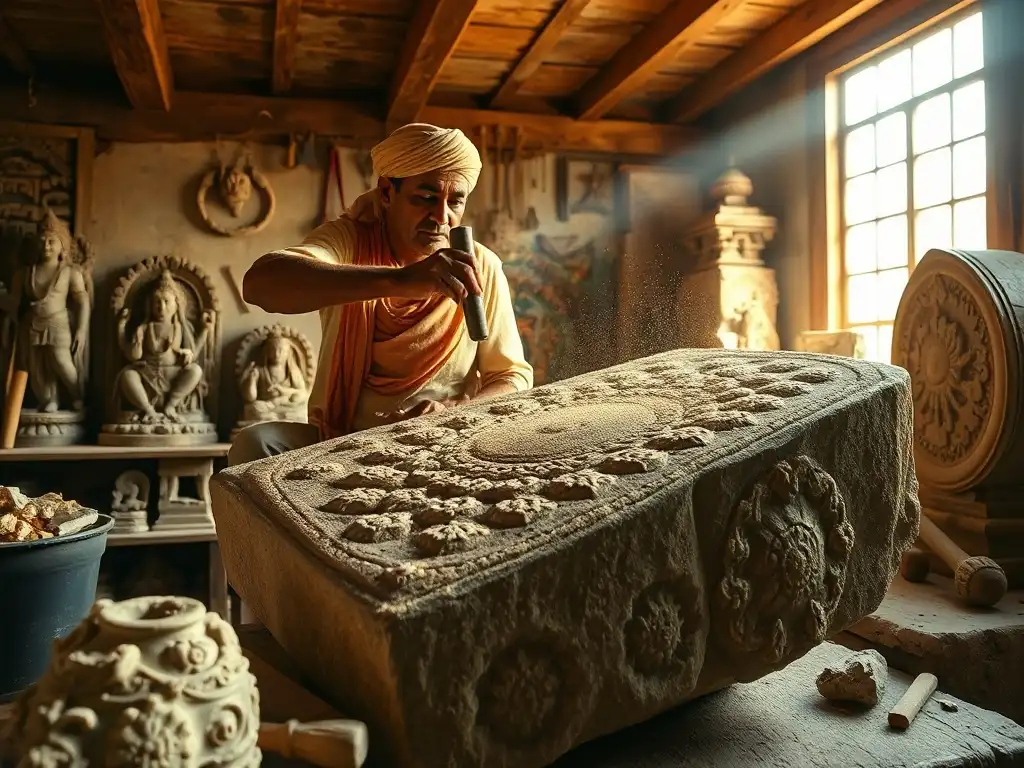
Ancient Indian stone carving techniques represent a remarkable blend of artistry, engineering, and cultural significance. These techniques evolved over centuries, showcasing not only the skill of artisans but also the technological advancements of their time. From intricate temple sculptures to monumental statues, ancient Indian stone carving reflects the spiritual and cultural ethos of the civilizations that produced them.
Overview of Ancient Indian Stone Carving
The practice of stone carving in ancient India can be traced back to the Indus Valley Civilization (circa 3300–1300 BCE), where evidence of rudimentary carving and the use of soft stones like soapstone has been found. However, it was during the later periods, particularly from the Maurya (circa 322–185 BCE) to the Gupta Empire (circa 320–550 CE), that stone carving reached new heights in complexity and artistry.
- Materials Used:
- Soft Stones: Such as limestone and sandstone, which allowed for intricate detailing.
- Hard Stones: Like granite and marble, which were used for more durable structures and monumental sculptures.
- Techniques Employed:
- Chiseling: The primary method of carving where artisans used chisels made from iron or bronze to shape stone.
- Polishing: Techniques were developed to smooth and enhance the luster of the finished product, often using abrasive materials.
- Relief Carving: This technique involved creating images that projected from the stone surface, allowing for depth and dimensionality in sculptures.
- Notable Sites:
- The rock-cut caves of Ajanta and Ellora, known for their intricate carvings and architectural genius.
- The temples of Khajuraho, famous for their detailed erotic sculptures and exquisite craftsmanship.
Importance of Stone Carving in Ancient Indian Culture
Stone carving was not merely an artistic endeavor but also served deep cultural and religious purposes in ancient India.
- Religious Significance:
- Many carvings depicted deities, mythological scenes, and important religious narratives, serving as a means of worship and storytelling.
- Temples adorned with stone sculptures became centers of spiritual activity and community gatherings.
- Cultural Expression:
- Stone carvings encapsulated the values, beliefs, and daily life of ancient Indian societies.
- The themes depicted often included nature, animals, and human figures, reflecting the society's connection to the environment and each other.
- Historical Legacy:
- The techniques and styles of ancient Indian stone carving have influenced generations of artists and craftsmen, both within India and beyond.
- Preservation of these techniques continues today, with artisans using traditional methods to create contemporary works, maintaining a link to their rich cultural heritage.
Ancient Indian stone carving techniques not only highlight the technological prowess of their time but also serve as a testament to the intricate relationship between art, culture, and spirituality in ancient Indian civilizations. The legacy of these techniques endures, inspiring modern craftsmanship while illuminating the profound history of India's artistic traditions.
Historical Context of Stone Carving in Ancient India
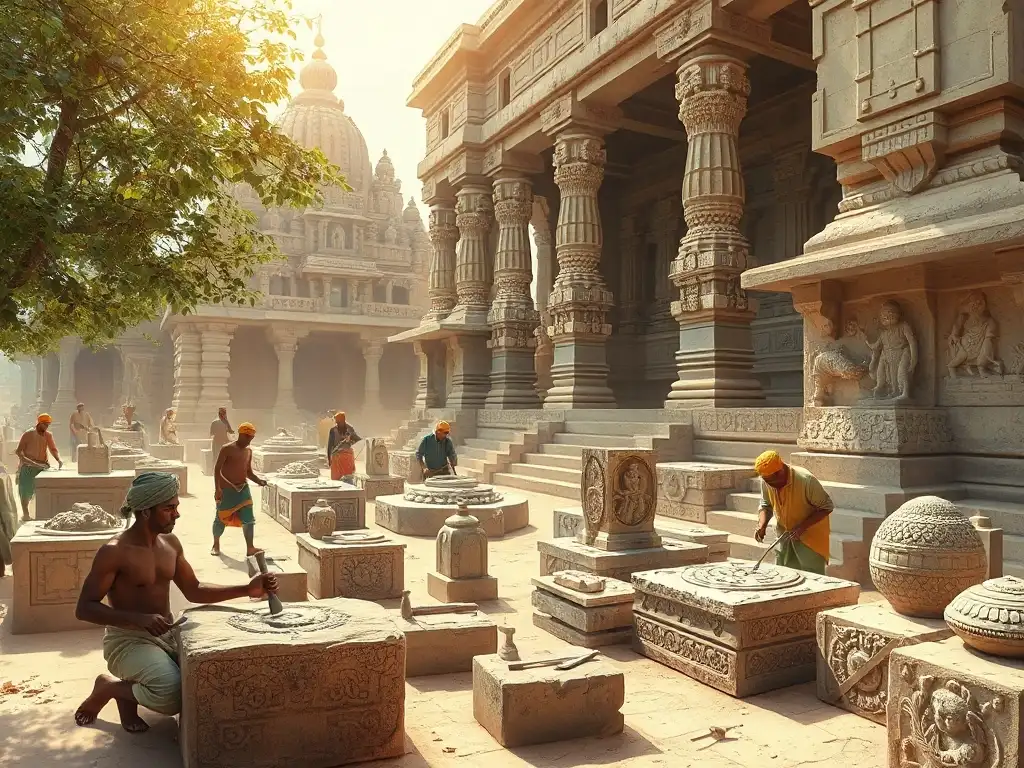
Stone carving in ancient India is a reflection of the rich artistic and engineering traditions that flourished over millennia. This craft not only served aesthetic purposes but also played a significant role in the religious and cultural expressions of various civilizations. From the intricate sculptures of the Indus Valley Civilization to the monumental works produced during the Gupta period, ancient Indian stone carving techniques evolved significantly, influenced by the prevailing socio-political and religious contexts.
Timeline of Stone Carving in Indian Civilizations
The timeline of stone carving in ancient India can be delineated into several significant phases, each marked by unique styles and techniques:
- Indus Valley Civilization (c. 3300–1300 BCE)
- The earliest examples of stone carving can be traced back to this civilization, where seals and small figurines were crafted from steatite.
- Notable Techniques: Simple engraving and polishing techniques to create seals and ornaments.
- Maurya Period (c. 322–185 BCE)
- The Mauryan Empire marked a significant advancement in stone carving, especially with the introduction of the Ashokan Pillars—grand columns inscribed with edicts.
- Notable Techniques: Use of hard stones like sandstone and detailed relief work showcasing animals and symbols.
- Shunga and Kushan Periods (c. 185 BCE–320 CE)
- This era saw the introduction of more elaborate sculptures, particularly in Buddhist art, with an emphasis on naturalism.
- Notable Techniques: Carving techniques that allowed for intricate detailing, such as drapery on figures.
- Gupta Period (c. 320–550 CE)
- Often referred to as the Golden Age of India, the Gupta period saw the pinnacle of stone carving techniques, producing exquisite temples and sculptures.
- Notable Techniques: Advanced iconography, with a focus on divine figures and intricate ornamentation.
- Post-Gupta Period (c. 550 CE onwards)
- The decline of the Gupta Empire led to regional styles emerging, such as the Dravidian and Nagara styles, each with its own unique carving techniques.
- Notable Techniques: Variation in styles depending on region, with an emphasis on temple architecture and decorative motifs.
This timeline highlights the evolution of ancient Indian stone carving techniques, which not only reflect the technological advancements of the time but also serve as a testament to the cultural and spiritual values of the respective periods.
Influence of Major Empires on Stone Carving Techniques
The influence of major empires on stone carving techniques in ancient India is profound. Each empire contributed to the refinement and diversification of the art form, resulting in distinct styles and methodologies:
- Mauryan Empire:
- Under Emperor Ashoka, stone carving was used as a medium for disseminating Buddhist teachings. The Ashokan Pillars are prime examples, showcasing a blend of artistic finesse and monumental scale.
- Techniques Employed: Sandstone carving with polished finishes to enhance visibility and aesthetic appeal.
- Kushan Empire:
- The Kushans played a crucial role in the spread of Buddhism and its art forms. They introduced Greco-Buddhist influences, leading to greater realism in figures and scenes.
- Techniques Employed: The use of softer stones allowed for intricate detailing, and the adaptation of Hellenistic styles influenced the portrayal of human figures.
- Gupta Empire:
- The Gupta period is characterized by a high level of artistry, particularly in religious sculptures. The techniques developed during this time emphasized graceful proportions and detailed ornamentation.
- Techniques Employed: Mastery in stone chiseling and polishing techniques enabled the creation of lifelike forms, particularly in temple sculptures.
- Chola Dynasty:
- Known for their monumental temple architecture, the Chola dynasty further innovated stone carving techniques, integrating them into grand constructions like the Brihadeeswarar Temple.
- Techniques Employed: Advanced methods of temple sculpting, including the use of granite and intricate bas-reliefs on temple walls.
Through these influences, ancient Indian stone carving techniques not only advanced in technical proficiency but also became a means of expressing the spiritual and cultural narratives of the time. Each empire's contributions reflect a deeper understanding of materials, artistic vision, and the significance of stone as a medium for conveying messages across generations.
Materials Used in Ancient Indian Stone Carving
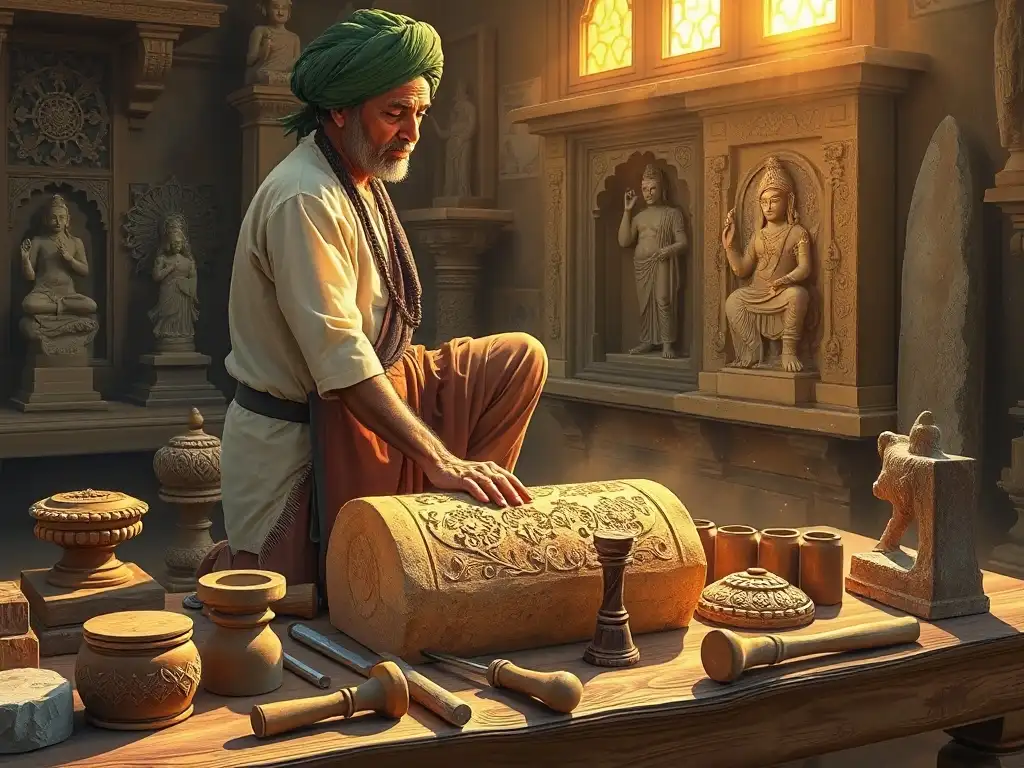
In ancient Indian stone carving, the choice of materials played a critical role in determining the quality, durability, and aesthetic appeal of the final sculptures and architectural works. The artisans of this era meticulously selected various types of stones, each with unique properties, to execute their artistic visions.
Types of Stones Commonly Used
The types of stones used in ancient Indian stone carving varied by region and availability. Below are some of the most prevalent stones employed by artisans:
- Granite:
- Characteristics: Known for its toughness and durability, granite was favored for grand structures and sculptures, particularly in South India.
- Examples: The Brihadeeswarar Temple in Thanjavur showcases intricate granite carvings.
- Sandstone:
- Characteristics: Sandstone, softer than granite, allowed for detailed carvings and was used extensively in temples and monuments.
- Examples: The Khajuraho temples exhibit exquisite sandstone sculptures.
- Limestone:
- Characteristics: This sedimentary rock is easier to carve and was frequently used for ornamental details and smaller sculptures.
- Examples: The Ajanta Caves contain beautiful limestone carvings.
- Marble:
- Characteristics: Renowned for its elegance and translucence, marble was often used in the Mughal era for its aesthetic appeal.
- Examples: The Taj Mahal is a prime example of marble stone carving.
- Soapstone:
- Characteristics: This softer stone is malleable and was used for intricate and delicate carvings.
- Examples: Soapstone was commonly used in smaller sculptures and decorative items.
The selection of stone was influenced not only by the desired outcome but also by the geographical location of the craftsmen and the cultural significance of each material.
Tools and Equipment Employed in Stone Carving
Ancient Indian artisans utilized a variety of tools and equipment to execute their stone carving techniques. These tools were essential in shaping and detailing the stones effectively:
- Chisels:
- Types: Various chisels were used, including point chisels for rough shaping and flat chisels for finer details.
- Materials: Typically made from iron or steel, these tools were carefully crafted to withstand the rigors of stone carving.
- Hammers:
- Usage: Hammers were used to strike chisels, providing the force necessary to chip away at the stone.
- Types: Both light and heavy hammers were employed depending on the type of stone and the intricacy of the work.
- Pointing Machine:
- Purpose: This device helped artisans transfer measurements from a model to the stone, ensuring accuracy in proportions.
- Mechanism: It involved a system of points and measurements that guided the carving process.
- Scrapers and Abrasives:
- Function: After the primary shaping, scrapers and abrasives were used to smooth the surface and refine details.
- Materials: Natural abrasives like sand were often used in combination with tools to achieve a polished finish.
- Water:
- Application: Water was utilized to minimize dust and facilitate smoother carving, especially with harder stones.
The combination of these tools and the skills of the artisans allowed for the creation of exquisite works of art that have withstood the test of time, showcasing the advanced techniques of ancient Indian stone carving.
Advanced Techniques in Ancient Indian Stone Carving
Intricate Designs and Patterns in Carvings
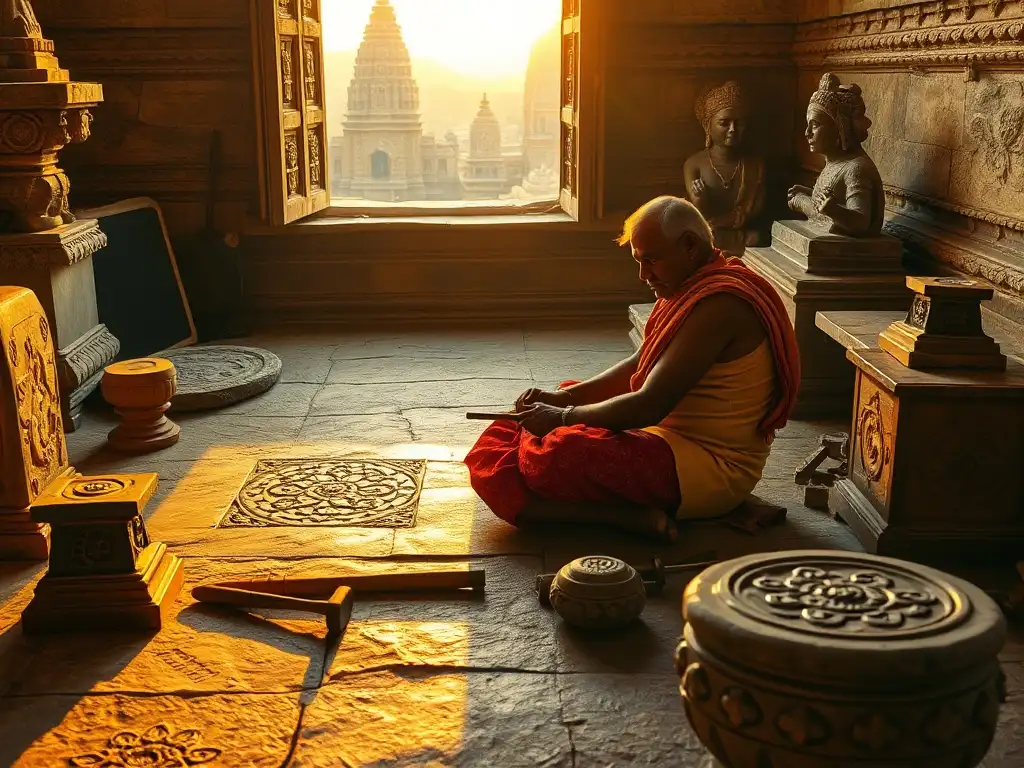
Ancient Indian stone carving techniques are renowned for their intricate designs and patterns, showcasing an impressive level of artistry and craftsmanship. These carvings often featured geometric motifs, natural forms, and mythological depictions.
- Geometric Patterns: Craftsmen employed a variety of geometric shapes, including circles, squares, and triangles, to create stunning visual effects. These patterns were not only decorative but also held spiritual significance, often representing the universe and its elements.
- Natural Forms: The use of flora and fauna in carvings is prevalent in ancient Indian art. Carvers would depict flowers, leaves, animals, and even celestial bodies, emphasizing the connection between nature and spirituality in Indian culture.
- Mythological Themes: Many carvings illustrated stories from Hindu epics like the Mahabharata and Ramayana. These narratives were often depicted in a sequence, creating a visual storytelling experience that engaged observers deeply.
The precision involved in executing these designs was remarkable. Craftsmen utilized simple yet effective tools, such as chisels and hammers, to achieve fine details. The use of shadow and light was also a crucial aspect, allowing the carvings to possess depth and character.
Methods of Shaping and Finishing Stone
In ancient India, the methods of shaping and finishing stone were sophisticated, reflecting a profound understanding of materials and techniques. The following methods were commonly employed:
- Quarrying: Stone was sourced from local quarries, primarily limestone, sandstone, and granite. Craftsmen selected stones based on their texture and color, which would later enhance the aesthetic quality of the carvings.
- Blocking: After quarrying, stones were cut into manageable blocks. This process involved using wooden wedges and metal tools to split the rock along natural seams.
- Rough Shaping: Craftsmen would then use larger chisels to remove excess material, shaping the stone into the desired form. This stage was crucial for laying the groundwork for intricate details in later stages.
- Finishing Techniques: Once the rough shape was established, finer tools were used for detailing. Techniques such as polishing with abrasives made of harder stones were common, resulting in a smooth and lustrous surface that brought out the stone's natural beauty.
- Surface Treatments: Different surface treatments, including the application of color pigments or natural oils, were often employed to enhance the visual appeal of the carvings. This practice not only beautified the stone but also provided protection against weathering.
Techniques for Creating Relief Work and Sculptures
Relief work and sculptures are central features of ancient Indian stone carving, with techniques that highlight both depth and perspective. The following methods were pivotal:
- Bas-Relief and High Relief: Craftsmen skillfully created both bas-relief (shallow carvings) and high relief (more pronounced carvings) to convey different artistic expressions. High relief sculptures often projected prominently from the background, creating dramatic visual impacts.
- Modeling Techniques: The use of soft materials for initial models allowed artisans to visualize the final piece more clearly. Once satisfied with the model, they would transfer the design onto stone, ensuring accurate proportions and details.
- Tool Utilization: Various tools, such as pointed chisels for outlining and flat chisels for broad areas, were essential for achieving the desired textures and finishes. The balance between precision and creativity was key to the success of these techniques.
- Symbolic Representations: Many relief works and sculptures embodied spiritual or philosophical messages, often depicting deities and sacred symbols. This aspect of stone carving served as a narrative device, conveying deeper meanings and cultural values to viewers.
The ancient Indian stone carving techniques not only reflect the artisans' skills but also their deep cultural and spiritual connections. The blend of artistry, engineering, and philosophy in these carvings continues to inspire and inform modern approaches to stonework.
Notable Examples of Ancient Indian Stone Carving
The Rock-Cut Caves of Ajanta and Ellora
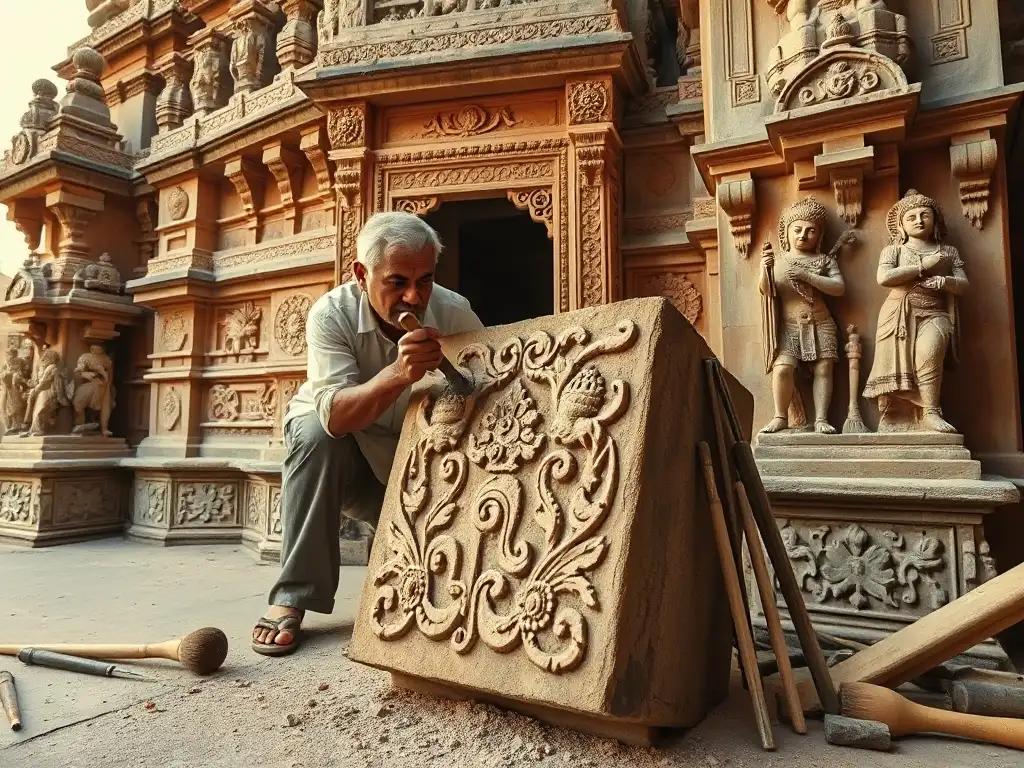
The Ajanta and Ellora Caves are among the most remarkable examples of ancient Indian stone carving techniques, showcasing the incredible artistry and engineering skills of their time. These UNESCO World Heritage Sites, located in Maharashtra, India, date back to between the 2nd century BCE and the 6th century CE.
- Ajanta Caves: Comprising 30 rock-cut caves, the Ajanta Caves are renowned for their intricate sculptures and murals that depict the life of Buddha and Jataka tales. Carved from volcanic rock, the caves feature:
- Chaitya Halls: Prayer halls with vaulted ceilings, showcasing stupas at their center.
- Viharas: Monasteries with cells for monks, adorned with detailed carvings of deities and floral motifs.
- Ellora Caves: The Ellora Caves, consisting of 34 caves, represent an extraordinary blend of Hindu, Buddhist, and Jain art. Notable features include:
- Kailasa Temple (Cave 16): A massive monolithic rock-cut temple dedicated to Lord Shiva, carved from a single rock block, highlighting the advanced techniques of stone carving.
- Sculptural Details: The caves are rich in intricate carvings, showcasing figures of gods, goddesses, and mythological beings, reflecting the cultural diversity of ancient India.
The precision and scale of the carvings in both cave complexes illustrate the mastery of ancient Indian artisans in stone carving techniques, which involved not only artistic skill but also a deep understanding of geology and engineering.
Temples of Khajuraho: Masterpieces of Stone Carving
The Khajuraho Temples, built during the Chandela dynasty between 950 and 1050 CE, are renowned for their stunning sculptures and intricate carvings that cover the temple exteriors and interiors. These temples are a testament to the zenith of ancient Indian stone carving techniques, with several key features:
- Erotic Sculptures: The temples are famous for their elaborate erotic carvings that depict various aspects of human life, love, and intimacy, signifying the celebration of life in ancient Indian culture.
- Architectural Design: The temples showcase a unique blend of Nagara architectural style, with spires (shikharas) that rise majestically.
- Symbolism: Each carving and sculpture is not merely decorative; they often carry profound philosophical and spiritual meaning, reflecting the belief systems and societal norms of the time.
Some notable temples include:
- Kandariya Mahadeva Temple: Featuring over 800 sculptures, it is the largest temple in Khajuraho and a masterpiece of stone carving.
- Lakshmana Temple: Known for its detailed reliefs and sculptures depicting various deities, highlighting the skill and artistry of the craftsmen.
The craftsmanship displayed in the Khajuraho Temples exemplifies the advanced techniques employed in ancient Indian stone carving, emphasizing both aesthetic beauty and spiritual significance.
The Incredible Detail of the Brihadeeswarar Temple
The Brihadeeswarar Temple, also known as the Peruvudaiyar Kovil, is a UNESCO World Heritage Site located in Thanjavur, Tamil Nadu. Built during the Chola dynasty in the early 11th century by Raja Raja Chola I, this temple is a monumental achievement in ancient Indian stone carving techniques.
- Architectural Grandeur: The temple is an exemplary representation of Dravidian architecture, with its towering vimana (temple tower) rising to about 66 meters, making it one of the tallest of its kind in the world.
- Intricate Carvings: The temple's walls are adorned with detailed carvings of deities, celestial beings, and various mythological scenes. The craftsmanship involved:
- Granite Stone: The use of massive granite blocks, meticulously carved to create intricate designs.
- Diverse Motifs: From floral patterns to depictions of dancers and musicians, the carvings reveal a rich narrative of the cultural life of the period.
- Significant Features:
- Nandi Bull: A massive sculpture of Nandi, the bull, stands at the entrance, carved with remarkable detail that showcases the artistic excellence of the artisans.
- Chola Inscriptions: The temple also features inscriptions that provide valuable insights into the socio-political and religious life of the Chola dynasty.
The Brihadeeswarar Temple is not just an architectural marvel; it is also a symbol of the advanced stone carving techniques that flourished during ancient Indian civilizations, reflecting a deep appreciation for art and spirituality.
Legacy and Influence of Ancient Indian Stone Carving Techniques
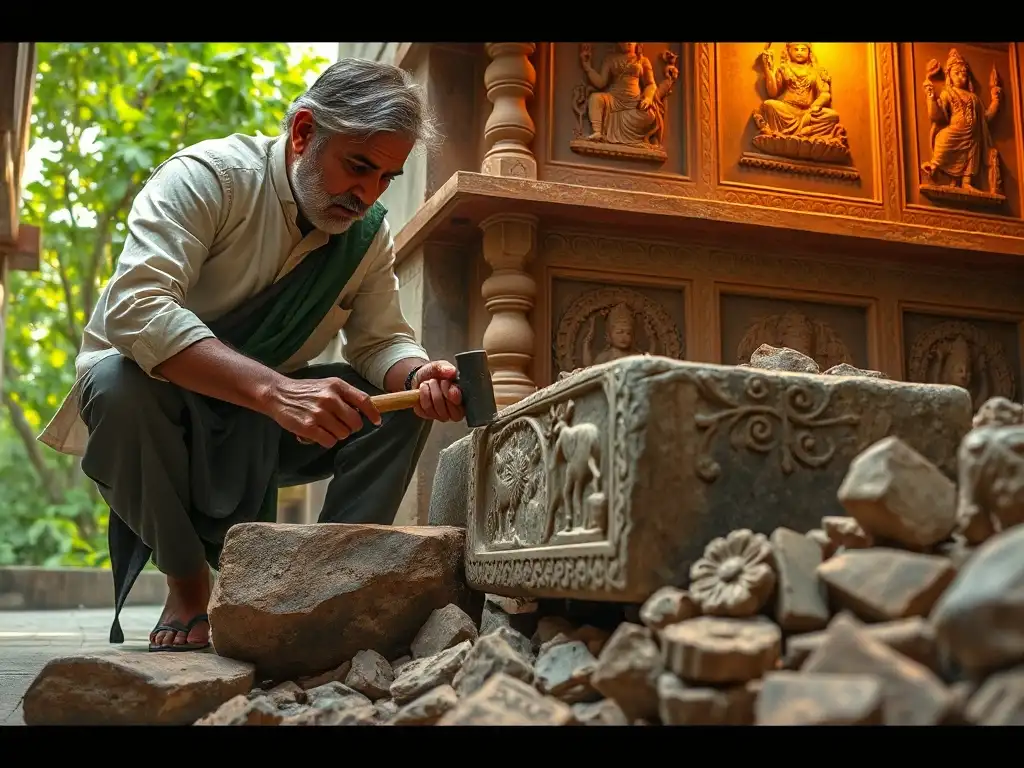
The legacy of ancient Indian stone carving techniques is profound, shaping not only the artistic expressions of their time but also influencing various subsequent art forms globally. The precision, intricacy, and cultural significance embedded in these carvings have left an indelible mark on both the history of art and the development of craftsmanship.
Impact on Subsequent Art Forms and Craftsmanship
Ancient Indian stone carving techniques served as foundational pillars for many artistic movements that followed. The intricate designs and methods developed during the Indus Valley Civilization and further refined in subsequent periods inspired artisans across different regions and cultures.
- Architectural Influence:
- The architectural marvels of ancient India, such as the rock-cut caves of Ajanta and Ellora, are prime examples of how stone carving techniques influenced architectural practices. These structures not only showcased advanced engineering but also the exquisite artistry of stone carvings that adorned temples and monuments.
- The intricate relief work and sculptures from these sites set a benchmark for architectural aesthetics in various cultures, influencing styles in Southeast Asia and beyond.
- Religious and Cultural Symbolism:
- Stone carvings often depicted deities, mythological narratives, and cultural motifs, serving as a bridge between artistry and spirituality. This practice informed later artistic endeavors in Buddhism, Hinduism, and Jainism, where stone carvings became essential in temples and shrines.
- The themes and styles developed during this era can be traced in various forms of art, such as sculpture, painting, and even textiles, showcasing a continuity of cultural expression.
- Techniques Adopted Worldwide:
- The techniques of stone carving, including the use of chisels, drills, and polishing methods, were disseminated across trade routes. As artisans shared techniques, they integrated unique local elements, leading to diverse artistic expressions influenced by ancient Indian craftsmanship.
- For example, the techniques of high relief and low relief carving found their way into the stone arts of various cultures, particularly in Southeast Asia, where they adapted these methods to suit their own artistic narratives.
- Modern Art Movements:
- The revival of interest in traditional crafts during the 19th and 20th centuries saw a resurgence of ancient Indian stone carving techniques. Artists and craftsmen drew inspiration from historical methods, merging them with contemporary practices, resulting in a blend of old and new.
- Today, many modern sculptors and artisans reference ancient techniques to create works that honor historical legacies while addressing contemporary themes.
Preservation of Ancient Stone Carving Techniques in Modern India
In modern India, the preservation of ancient stone carving techniques remains a vibrant aspect of cultural heritage. Various initiatives are underway to ensure that these age-old practices do not fade into obscurity.
- Educational Institutions:
- Several technical and art schools in India have integrated the study of ancient stone carving techniques into their curricula. Students learn traditional methods alongside modern approaches, fostering a new generation of artisans who appreciate their historical significance.
- Workshops and training sessions are held regularly, focusing on both traditional techniques and contemporary applications, ensuring the skills are passed down.
- Cultural Festivals and Exhibitions:
- Numerous cultural festivals celebrate traditional crafts, including stone carving. These events provide artisans a platform to showcase their skills and engage with the public, increasing awareness and appreciation for ancient techniques.
- Exhibitions often feature historical pieces alongside modern interpretations, emphasizing the continuum of craftsmanship from ancient times to the present.
- Government Initiatives:
- The Indian government, through various cultural preservation initiatives, supports artisans practicing traditional stone carving. Financial assistance, grants, and recognition programs help sustain these crafts, ensuring their survival in a rapidly modernizing world.
- Policies aimed at protecting heritage sites also contribute to the preservation of techniques, as maintaining these sites often requires skilled artisans familiar with traditional practices.
- Community Engagement:
- Local communities play a crucial role in preserving ancient stone carving techniques. Artisans often work together, sharing knowledge and techniques, creating a collaborative environment that fosters innovation while respecting tradition.
- Efforts to engage younger generations through community programs and hands-on experiences help instill a sense of pride in these ancient crafts.
The legacy of ancient Indian stone carving techniques not only continues to influence contemporary art forms and craftsmanship but also thrives through modern preservation efforts. The intricate artistry and historical significance of these techniques ensure that they remain a vital part of India's cultural heritage.
Conclusion: The Enduring Art of Ancient Indian Stone Carving
The legacy of ancient Indian stone carving techniques represents a remarkable fusion of artistry, engineering, and spirituality. These techniques not only showcase the skill and creativity of artisans but also reflect the cultural values and beliefs of the societies that produced them. The intricate carvings found in temples, monuments, and sculptures serve as a testament to the advanced knowledge of geometry, symmetry, and material properties possessed by ancient Indian craftsmen.
The enduring nature of these stone carvings is evident in their survival through centuries, resisting the wear of time while continuing to inspire modern artists and architects. The meticulous methods employed in ancient Indian stone carving have left an indelible mark on the artistic heritage of India, illustrating a deep connection to both divine narratives and earthly experiences.
Reflection on the Cultural Significance of Ancient Techniques
Ancient Indian stone carving techniques are imbued with profound cultural significance. Each carving tells a story, often depicting scenes from mythology, everyday life, or nature, which are deeply rooted in the socio-religious context of the time. The symbolism found in these carvings often reflects the philosophical and spiritual ideals of ancient Indian civilization, such as the concepts of karma and dharma.
The artisans employed a variety of tools and methods, relying on locally sourced materials such as sandstone, granite, and marble. The techniques used varied significantly by region and period, influencing the style and intricacy of the carvings. For example, the Ajanta and Ellora caves showcase elaborate sculptures that are not only aesthetically remarkable but also serve as vital historical documents of the periods in which they were created.
Moreover, the communal aspect of stone carving played a significant role in ancient Indian society. Workshops would often involve collaboration among artisans, sharing techniques and innovations, which fostered a rich exchange of ideas and creativity. This collaborative spirit can still be seen today in the craftsmanship of contemporary artisans who draw inspiration from their ancient predecessors.
Future of Stone Carving in Contemporary Art and Architecture
As we move further into the 21st century, the techniques of ancient Indian stone carving continue to find relevance in contemporary art and architecture. Modern artists are increasingly looking to the past for inspiration, blending traditional methods with contemporary aesthetics. This revival of interest has led to a resurgence in the appreciation of craftsmanship and the value of handmade art.
The integration of ancient techniques into modern architecture is especially noteworthy. Architects are blending traditional stone carving methods with modern designs to create structures that pay homage to India's rich heritage while addressing contemporary needs. This approach not only preserves the art form but also provides practical solutions to modern architectural challenges.
Additionally, the use of digital technologies in stone carving is transforming the landscape of this ancient craft. Techniques such as CNC (Computer Numerical Control) machining are being utilized alongside traditional methods, allowing for precision and efficiency without compromising the essence of the craft. This fusion of old and new technologies holds the potential to keep ancient Indian stone carving techniques alive and relevant in today's world.
The future of ancient Indian stone carving techniques is promising. As artists and architects continue to explore and reinterpret these methods, they not only honor the legacy of their ancestors but also contribute to an evolving dialogue between history and contemporary practice. The enduring art of ancient Indian stone carving is set to inspire generations to come, affirming its place in the cultural tapestry of India.
Frequently Asked Questions
What are ancient Indian stone carving techniques?
Ancient Indian stone carving techniques refer to the methods and skills used by artisans to create intricate sculptures and architectural features from stone, particularly during the Indus Valley Civilization and the Gupta Empire.
How did ancient Indian stone carving influence modern art?
The refinement and detail in ancient Indian stone carving have profoundly influenced modern art, as contemporary artists often draw inspiration from the stylistic elements and symbolism found in these ancient works.
What materials were commonly used in ancient Indian stone carving?
Ancient Indian artisans primarily used sandstone, limestone, and marble for stone carving. Each material offered unique textural qualities and durability, allowing for elaborate designs and intricate details.
What are some famous examples of ancient Indian stone carvings?
Notable examples include the Ajanta Caves, Khajuraho Temples, and the Sun Temple in Konark, showcasing the diverse themes and masterful craftsmanship of ancient Indian stone carvers.
How did religion influence stone carving techniques in ancient India?
Religious beliefs significantly influenced ancient Indian stone carving, as many sculptures depicted deities, mythological scenes, and spiritual motifs, reflecting the cultural values and spiritual practices of the time.
Final Reflection: Embracing the Legacy of Ancient Indian Stone Carving Techniques
The intricate artistry of ancient Indian stone carving techniques remains profoundly relevant today, as it not only showcases the remarkable skills of artisans from centuries past but also serves as a reminder of the cultural heritage that shapes our identity. In an age where technology often overshadows traditional craftsmanship, the enduring beauty and precision of these techniques invite us to appreciate the stories etched in stone and the hands that shaped them.
The influence of ancient Indian stone carving techniques extends far beyond mere aesthetics; it resonates deeply within our cultural and social fabric. These techniques have inspired contemporary artists and craftsmen, fostering a renewed interest in traditional art forms and encouraging a dialogue between the past and present. As we explore this rich heritage, we find ourselves echoing the words of renowned art historian, John Marshall: The art of stone carving is not just a skill; it is a bridge between generations, a testament to human creativity and resilience.
As we reflect on the lessons embedded in the artistry of ancient Indian stone carving, I invite you to consider how these timeless techniques can inspire your own creative endeavors. Let the legacy of these artisans motivate you to explore your passions, embrace your cultural heritage, and contribute to the preservation of traditional crafts in our rapidly changing world. By honoring the past, we can forge a brighter future, one that celebrates the beauty of craftsmanship and the stories that connect us all.
Unveil the Artistry of Ancient Indian Stone Carving!
Thank you for diving into the fascinating world of ancient Indian stone carving! We hope you’ve gained insights into the artistry and techniques that shaped this incredible tradition. Now, it’s your turn to take these discoveries further and appreciate the beauty of this art form.
Here’s how you can engage more deeply:
- Explore local museums or cultural exhibitions that feature stone carvings or similar art forms to see these techniques up close.
- Share this article with friends or on social media to spark a conversation about the impact of ancient art in contemporary times.
- Join a workshop or online course focused on stone carving to connect with others who share your passion and possibly try your hand at this timeless craft.
As you contemplate these actions, consider this: How can you incorporate elements of ancient stone carving into your own creative projects or daily life?