
Women in the Vedas: A Study of Gender Roles in Ancient Texts

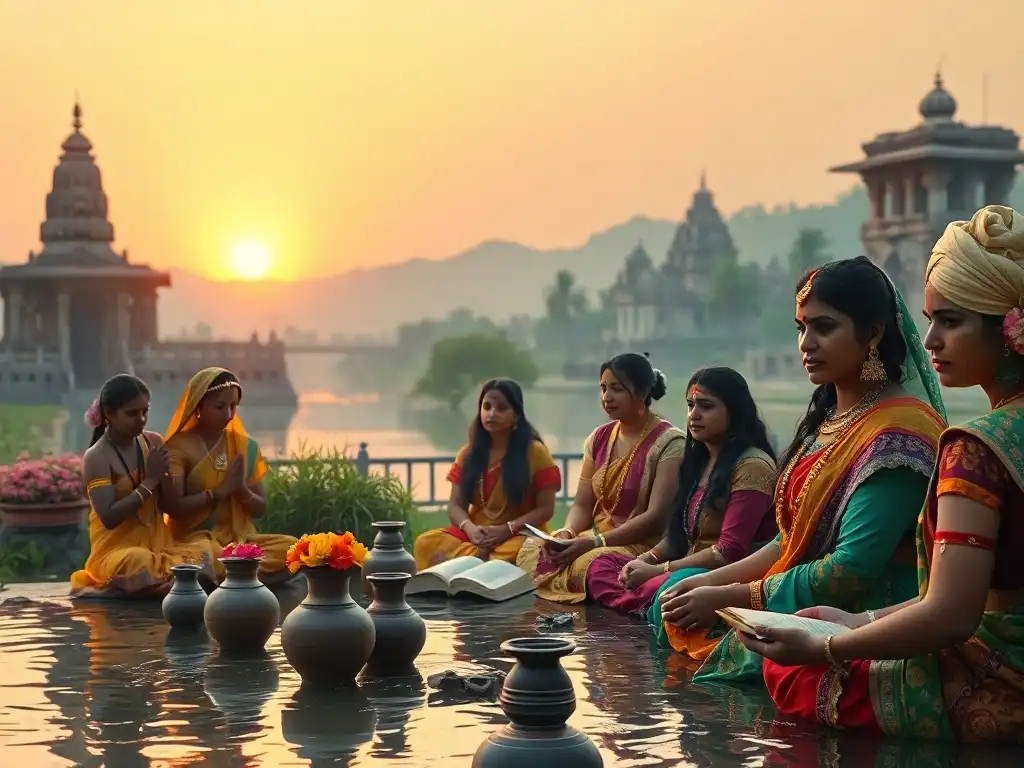
Welcome to Ancient India History, where we invite you to embark on a fascinating journey through the rich tapestry of ancient Indian civilizations. In our featured article, “Women in the Vedas: A Study of Gender Roles in Ancient Texts,” we delve into the intricate dynamics of gender roles as depicted in the Vedas, uncovering the powerful narratives that shaped women's identities in early Indian society.
As you explore this captivating topic, prepare to discover the profound contributions of women to the cultural and spiritual fabric of the time. Join us as we unravel these ancient texts and challenge contemporary perceptions—your adventure into the wisdom of the past begins now!
- Introduction to Gender Roles in Ancient Vedas
- Historical Context of the Vedas
- Gender Roles in the Vedic Literature
- Key Texts and Passages Reflecting Gender Roles
- Influential Women in the Vedas
- Evolving Gender Roles: From Vedic Times to Later Texts
- Modern Interpretations of Gender Roles in Ancient Vedas
- Conclusion
- References
-
Frequently Asked Questions
- What are the key themes regarding gender roles in the Vedas?
- How did the status of women in ancient India compare to modern times?
- What is the significance of rituals related to women in the Vedas?
- Were there any notable female figures mentioned in the Vedas?
- How do the gender roles in the Vedas influence contemporary discussions?
- Final Reflection: Understanding Gender Roles in the Vedas and Their Lasting Impact
- Unveil the Insights of Women's Roles in Ancient Texts!
Introduction to Gender Roles in Ancient Vedas
Exploring the dynamics of gender roles in ancient texts offers a fascinating glimpse into the societal norms and values that shaped early civilizations. The Vedas, a collection of sacred hymns and texts originating from ancient India, serve as crucial sources for understanding the roles assigned to men and women during this period.
This article delves into the intricate portrayals of gender within the Vedic literature, revealing not just the expectations of women but also their contributions and status in society. By analyzing these texts, we can better appreciate the complexities of gender roles in ancient Vedic society and how they have influenced contemporary understandings.
Overview of the Vedas and Their Significance
The Vedas, composed in Sanskrit around 1500-500 BCE, are among the oldest sacred scriptures of Hinduism and are revered as authoritative texts. They are divided into four main collections:
- Rigveda: A compilation of hymns dedicated to various deities.
- Samaveda: Focused on melodies and chants for rituals.
- Yajurveda: Contains prose mantras for sacrificial rituals.
- Atharvaveda: Addresses everyday life, including spells and charms.
These texts not only serve religious purposes but also provide valuable insights into the socio-cultural fabric of ancient India. The Vedas encompass a wide array of subjects, including philosophy, law, and ethics, thus making them essential for understanding the historical context of gender roles.
Importance of Studying Gender Roles in Ancient Texts
Studying gender roles in the Vedas is vital for several reasons:
- Cultural Insight: Analyzing the Vedic texts allows us to understand the status and perception of women in ancient Indian society. It reveals how cultural practices and beliefs influenced gender roles.
- Historical Context: The Vedas offer a historical lens through which we can examine the evolution of gender roles over time. By understanding the past, we can better comprehend present-day gender dynamics in India.
- Literary Analysis: The portrayal of women in the Vedas is rich with symbolism and metaphor, providing a fertile ground for literary analysis and interpretation.
- Social Reflection: Gender roles in the Vedas reflect broader social structures, which can inform discussions on hierarchy, power dynamics, and the interplay between gender and religion.
The study of gender roles in the ancient Vedic texts not only enriches our understanding of history but also invites reflection on the ongoing discourse surrounding gender in contemporary society. By examining these ancient scriptures, we can uncover the multifaceted identities and roles of women in the Vedic age, contributing to a more nuanced historical narrative.
Historical Context of the Vedas
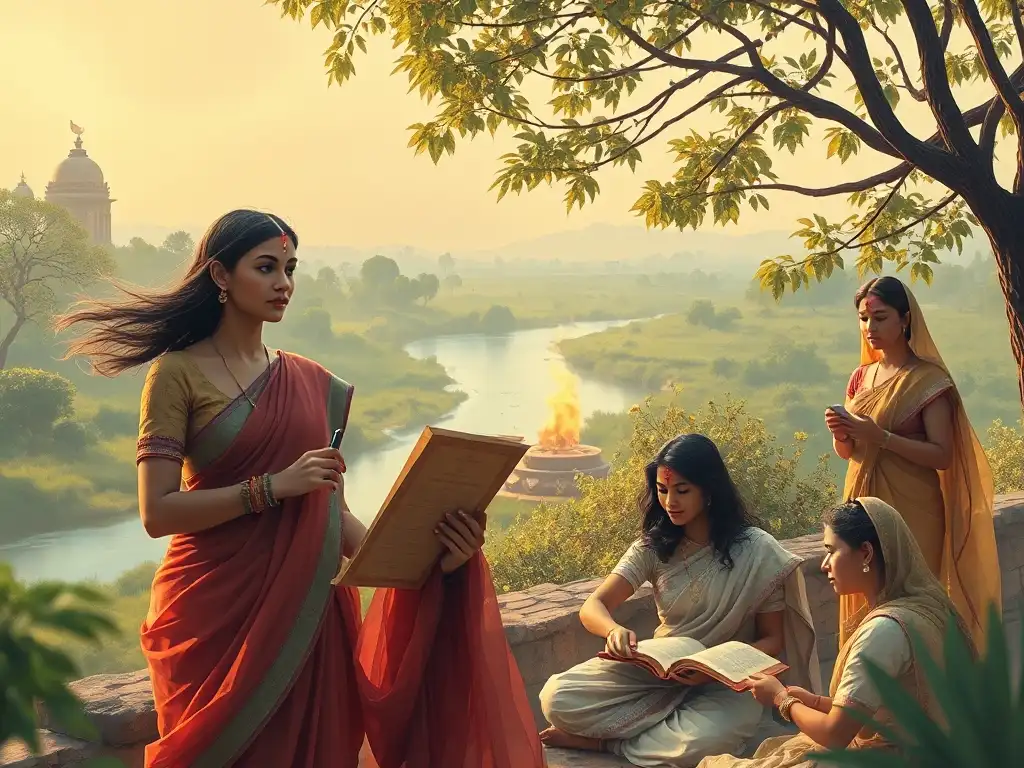
The Vedas, revered as the oldest sacred texts of Hinduism, provide invaluable insights into the societal norms and gender roles of ancient Indian civilization. Composed between 1500 BCE and 500 BCE, these texts reflect the cultural, religious, and philosophical developments of the time. Understanding the historical context of the Vedas is crucial for interpreting the gender roles depicted within them, as they were not only religious scriptures but also a reflection of the society that produced them.
The Composition and Timeline of the Vedas
The Vedic literature consists of four primary texts: the Rigveda, Samaveda, Yajurveda, and Atharvaveda. Each of these texts has its own unique characteristics and serves different purposes:
- Rigveda: Composed around 1500 BCE, it is the oldest of the Vedas, consisting of hymns dedicated to various deities, exploring themes of nature, existence, and cosmic order.
- Samaveda: Dating from around 1200 BCE, it is primarily a collection of melodies and chants, derived from the Rigveda, focusing on rituals and ceremonies.
- Yajurveda: Emerging around 1100 BCE, it consists of prose mantras and instructions for rituals, reflecting the practical aspects of Vedic sacrifices.
- Atharvaveda: Compiled later, around 800 BCE, it includes spells, charms, and practical knowledge, emphasizing daily life and societal concerns.
The Vedas were originally transmitted orally and later written down, which contributed to their preservation and the shaping of Indian society. This oral tradition underscores the significance of memorization and recitation, particularly in the context of male-dominated scholarly practices.
Societal Structure in Ancient India
The societal structure during the Vedic period was characterized by a rigid hierarchy known as the Varna system, which divided society into four main classes (varnas):
- Brahmins: Priests and scholars, responsible for the preservation and dissemination of Vedic knowledge.
- Kshatriyas: Warriors and rulers, tasked with governance and protection of the land.
- Vaishyas: Merchants and landowners, contributing to the economy through trade and agriculture.
- Shudras: Laborers and service providers, often performing menial tasks.
Within this framework, the roles of women were largely influenced by their social class and the prevailing patriarchal norms. Women in Vedic society were often seen through the lens of their relationships to men — as daughters, wives, and mothers.
Gender Roles in Ancient Vedas
The Vedas reveal a complex portrayal of gender roles, showcasing both progressive and restrictive aspects. Women were acknowledged for their spiritual and intellectual capabilities, as seen in texts that mention female sages (rishikas) and scholars. For instance, the Rigveda includes hymns attributed to women, suggesting their active participation in spiritual life.
However, the societal norms dictated by the Vedic texts often emphasized women's roles as caretakers and homemakers. The concept of Patni Dharma reflected the expectation for women to fulfill their duties towards their husbands and families. This duality highlights the tensions between respect for women’s roles in spiritual practices and the limitations placed on their autonomy.
Conclusion
The historical context of the Vedas and the societal structure of ancient India provide a rich backdrop for understanding gender roles within these texts. While the Vedas illuminate the dynamic roles women could play in society, they also reflect the limitations imposed by a patriarchal system. Analyzing these texts offers a window into the evolving perceptions of gender in ancient India, paving the way for further exploration into the contributions and status of women throughout history.
Gender Roles in the Vedic Literature
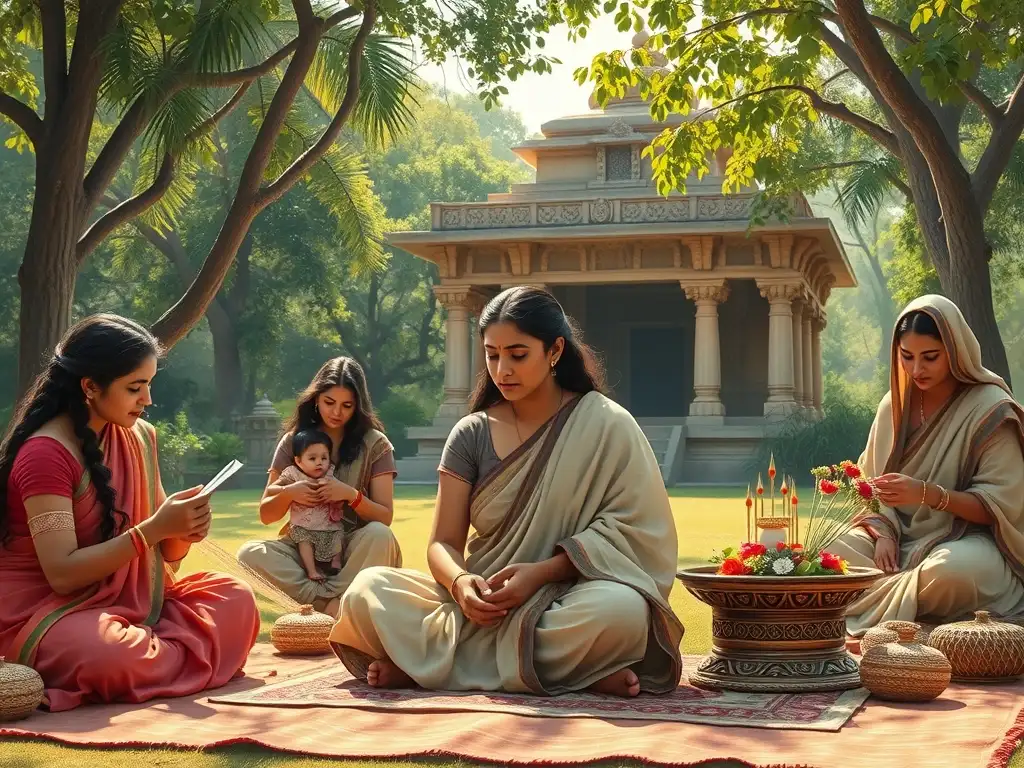
The Vedic literature, encompassing a broad spectrum of texts composed during the Vedic period (approximately 1500–500 BCE), serves as a vital source for understanding the gender roles in ancient Indian society. Gender roles in ancient Vedas are intricately woven into the fabric of these texts, reflecting the complexities of social structures, familial duties, and spiritual practices. This section explores how women are depicted in the Vedas, their responsibilities, and the broader implications of these representations on our understanding of gender dynamics in ancient India.
Women's Representation in the Vedas
Women in the Vedas are portrayed through various lenses, ranging from revered figures to participants in rituals and domestic life. The Vedic texts acknowledge women's roles, often highlighting their wisdom and agency.
- Saraswati: One of the most prominent female deities in the Vedas, Saraswati represents knowledge, music, and learning. Her veneration indicates a recognition of women's contributions to intellectual and spiritual life.
- Rishikas: Some texts refer to women sages or rishikas, suggesting that women participated in spiritual discourse and the composition of hymns. For example, the Rigveda mentions the sage Gargi, who is celebrated for her philosophical inquiries.
These representations challenge the notion of women as mere subordinates in society and instead illustrate their integral roles in religious and intellectual spheres.
Roles and Responsibilities of Women in Vedic Society
The Vedic texts delineate various responsibilities assigned to women, which can be categorized into social, familial, and spiritual roles.
- Household Management: Women were primarily responsible for managing the household, which included tasks like cooking, weaving, and childcare. The Rigveda acknowledges the importance of domestic duties, emphasizing the respect accorded to women as caretakers of the home.
- Participation in Rituals: Women played a significant role in Vedic rituals, often participating alongside men in various ceremonies. For instance, during marriage ceremonies, women were seen as equal partners, and their consent was essential.
- Education and Learning: Although education was predominantly male-centric, some texts suggest that women had access to knowledge. The concept of women learning the Vedas is evident through references to female students and the importance of their education.
This multifaceted portrayal reveals that while women were primarily associated with domestic roles, their participation in rituals and access to knowledge indicates a more complex societal structure.
Comparison of Male and Female Roles in Vedic Texts
When comparing male and female roles in the Vedic texts, a nuanced picture emerges. While men predominantly occupied the public sphere, women’s roles were equally significant within the domestic and spiritual domains.
- Public vs. Private Sphere: Men were often depicted as warriors and priests, engaging in public affairs and rituals. In contrast, women were primarily associated with the private sphere, where they managed households and family affairs.
- Spiritual Authority: Male figures, such as priests and sages, held significant spiritual authority. However, women like Gargi and Maitreyi challenge this notion by their philosophical engagements and contributions to Vedic discourse.
- Rights and Autonomy: Despite the constraints of their societal roles, Vedic texts suggest that women had rights, including the right to choose their partners and inherit property, a feature that contrasts sharply with later interpretations of gender roles in Indian society.
| Aspect | Male Roles | Female Roles |
|---|---|---|
| Sphere | Public (warriors, priests) | Private (household, rituals) |
| Authority | Spiritual leaders | Knowledgeable participants |
| Responsibilities | Governance, protection | Domestic management, rituals |
The exploration of gender roles in ancient Vedas reveals a complex interplay of responsibilities, rights, and representations of women. While traditional interpretations often emphasize male dominance, a careful reading of these texts uncovers the significant, albeit often understated, roles that women played in Vedic society. By understanding these dynamics, we gain valuable insights into the historical context of gender relations in ancient India.
Key Texts and Passages Reflecting Gender Roles
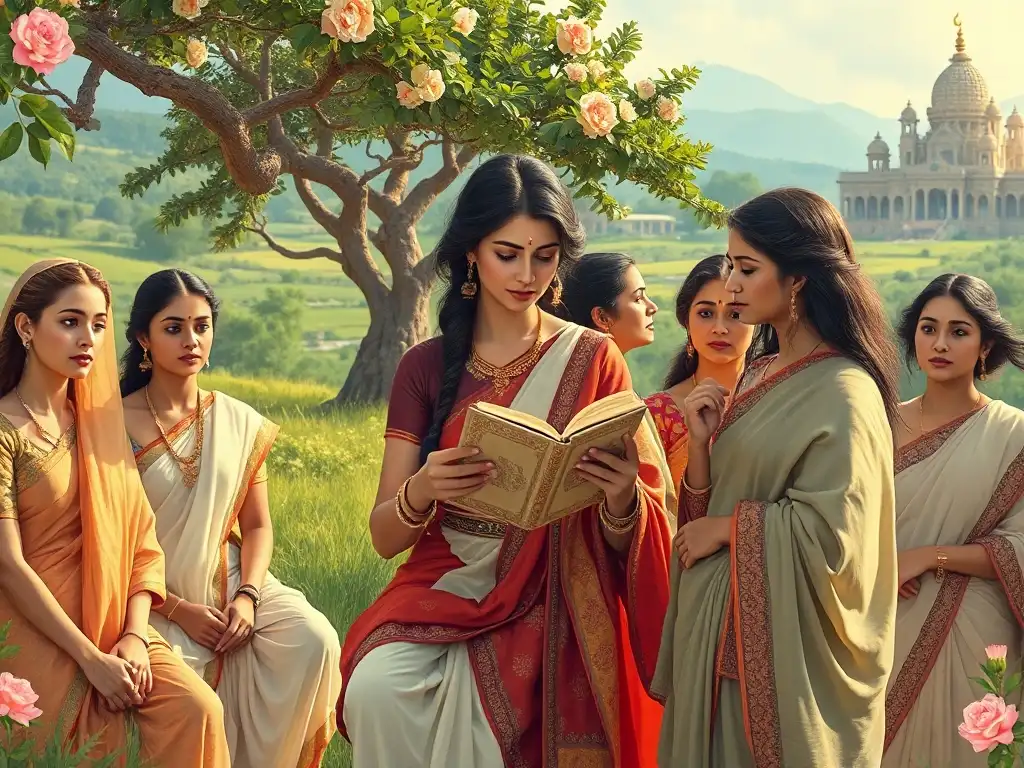
Analysis of Rigveda: Insights into Women's Status
The Rigveda, one of the oldest sacred texts of ancient India, provides a wealth of insights into the status of women during Vedic times. It contains numerous hymns that highlight the roles women played in both domestic and spiritual realms.
- Spiritual Agency: Women are depicted as participating in rituals and sacrifices, illustrating their significant role in religious practices. For instance, the hymn dedicated to the goddess Ushas emphasizes the importance of women in invoking divine blessings, showcasing their spiritual agency.
- Marriage and Family: The Rigveda presents various passages that reflect on marriage customs and familial roles. Women are often described as nurturing figures, responsible for maintaining the household. The verse from Rigveda 10.85 suggests that a woman's role as a wife is both revered and essential for the stability of the family.
- Educational Opportunities: There are indications that women were educated and could possess knowledge comparable to men. This is evident in the references to female sages or seers known as Rishikas, who contributed to Vedic literature and philosophy. Their presence in the text suggests that women had avenues for intellectual growth and spiritual advancement.
By analyzing these themes, we can conclude that the Rigveda presents a multifaceted view of women, recognizing their contributions and status in society while also reflecting the complexities of gender roles in ancient Vedic culture.
Examination of Samaveda and its Gender Perspectives
The Samaveda, primarily known for its musical hymns, also offers valuable insights into gender roles. Although it does not focus extensively on women as the Rigveda does, it includes elements that highlight their roles in society.
- Musical Roles: Women are acknowledged as performers and participants in musical rituals. The Samaveda emphasizes the significance of music in Vedic rituals, and women often played an integral part in these performances, indicating a level of respect for their artistic contributions.
- Ritual Participation: The text suggests that women were actively involved in rituals and ceremonies. The hymns reveal that their participation was not merely passive; they were essential to the execution of various rites, reinforcing their importance in the spiritual and community life.
- Symbolic Representations: Certain hymns symbolize the divine feminine, with references to goddesses and female deities. This portrayal reflects an acknowledgment of the feminine divine, suggesting that women held a revered status within the religious context.
The Samaveda complements the understanding of gender roles by highlighting women's active participation in music and rituals, thus reinforcing their significance in Vedic society.
Gender Dynamics in the Atharvaveda
The Atharvaveda presents a distinct perspective on gender roles, offering a more pragmatic view of women's lives in ancient India. It encompasses a variety of themes, from domestic life to social customs.
- Social Status: The Atharvaveda contains hymns that address social issues, including marriage, fertility, and health. The text reflects a concern for the welfare of women, suggesting that their well-being was a priority within the community. For instance, verses related to marriage rituals emphasize the importance of mutual respect and partnership.
- Health and Fertility: Women are often associated with fertility and health, as seen in various hymns that invoke blessings for childbirth and family well-being. This focus highlights the societal expectation of women as bearers of life and caretakers, which played a crucial role in community dynamics.
- Empowerment through Knowledge: The Atharvaveda also suggests that women could possess knowledge and wisdom. Some hymns advocate for the education of women, emphasizing the importance of their role in preserving cultural knowledge and traditions.
Through these lenses, the Atharvaveda portrays a complex view of gender dynamics, showcasing women not only as caretakers but also as essential contributors to society's fabric, thus enriching our understanding of gender roles in ancient Vedic literature.
Influential Women in the Vedas
Notable Female Figures in Vedic Literature
The Vedic texts, considered among the oldest sacred scriptures of India, not only reflect the spiritual and philosophical ideas of ancient society but also highlight the influential roles of women. Notable female figures emerge throughout these texts, serving as exemplars of wisdom, virtue, and strength.
- Vedic Seers:
- Gargi Vachaknavi: A prominent philosopher and sage, Gargi is known for her profound knowledge of metaphysics. She famously challenged male scholars in philosophical debates, showcasing her intellectual prowess.
- Maitreyi: Renowned for her philosophical inquiries, Maitreyi is depicted in the Brihadaranyaka Upanishad as engaging in profound discussions about the nature of self and immortality. Her quest for knowledge emphasizes the value placed on women's education in Vedic society.
- Mythological Figures:
- Saraswati: The goddess of wisdom and learning, Saraswati embodies the ideal of knowledge and creativity. Her presence in the Vedas underscores the reverence for female intellect and artistic expression.
- Aditi: Often referred to as the mother of gods, Aditi symbolizes the cosmic order and motherhood. Her role highlights the importance of femininity in the creation and sustenance of life.
- Patriarchal Context:
- While the Vedas celebrate these influential women, it is essential to recognize that their roles often existed within a patriarchal framework. Despite this, the acknowledgment of their contributions indicates a nuanced understanding of gender roles in ancient society.
Contributions of Women to Vedic Society and Culture
In ancient Vedic society, women played significant roles that shaped both the cultural and spiritual landscapes. Their contributions were multifaceted, impacting various aspects of daily life, spirituality, and social structure.
- Spiritual Leadership:
- Women participated actively in rituals and sacrifices, often taking on roles as ritual leaders. They were responsible for performing specific rites, which underscores their importance in religious practices.
- Education and Knowledge:
- The Vedas reveal that women were educated and knowledgeable, with access to learning. This is evident in the presence of female sages and philosophers who engaged in scholarly debates, contributing to the intellectual traditions of the time.
- Cultural Practices:
- Women were central to maintaining cultural practices and traditions. They played key roles in family and community rituals, preserving oral traditions and ensuring the transmission of knowledge across generations.
- Economic Contributions:
- In agricultural societies, women contributed to farming and household management, which were vital for sustenance. Their involvement in economic activities reflects their integral role in the household and society.
- Social Influence:
- The Vedic texts illustrate that women possessed agency within their families and communities. Their opinions and decisions were valued, and they often served as advisors and confidantes to male leaders.
The exploration of gender roles in ancient Vedas reveals a complex interplay between the recognition of women's contributions and the prevailing societal norms of the time. The influential figures and their diverse roles underscore the importance of women in shaping Vedic civilization, challenging the notion of a strictly patriarchal society.
Evolving Gender Roles: From Vedic Times to Later Texts
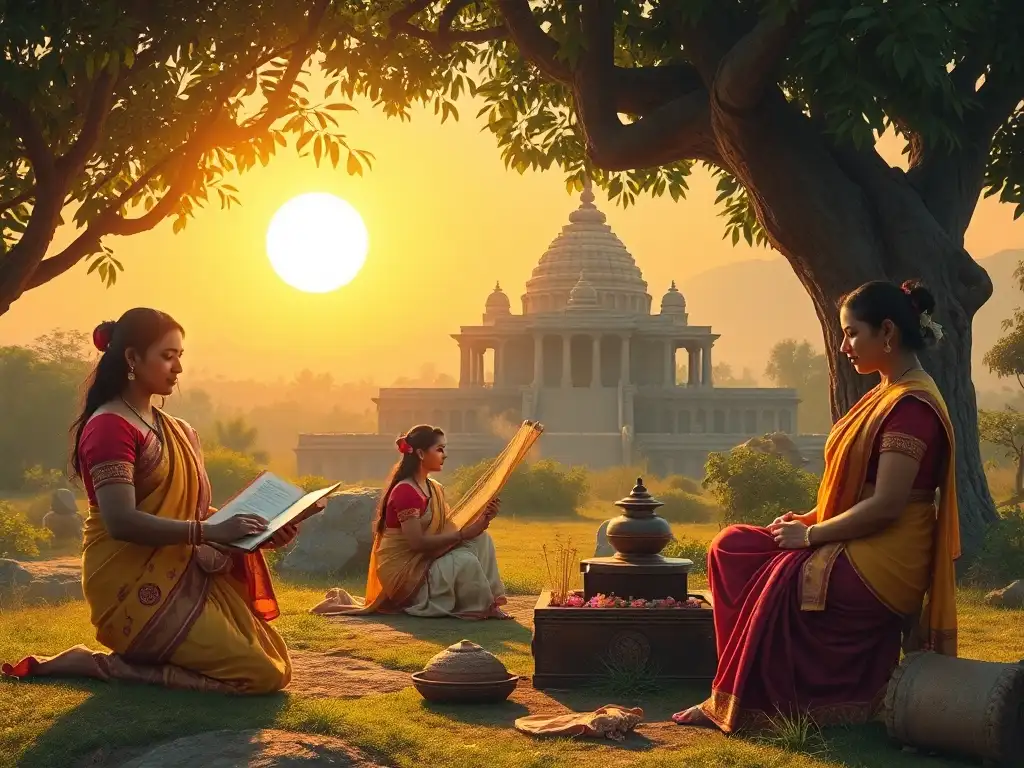
Transition of Gender Roles from Vedic Period to Post-Vedic Literature
The Vedic period, spanning approximately 1500 to 500 BCE, showcases a unique perspective on gender roles that is often considered more progressive compared to later periods in ancient Indian history. Women in the Vedic texts, particularly in the Rigveda, are depicted as possessing a significant degree of autonomy and respect. They participated in religious rituals, composed hymns, and were involved in the socio-economic activities of their clans. Notably, figures like Gargi and Maitreyi are celebrated for their intellectual contributions, challenging the notion that women were relegated to subordinate roles.
However, as we transition into the post-Vedic literature, which includes the Upanishads, Puranas, and Dharmashastras, there is a discernible shift in the portrayal and expectations of women. The rise of more structured social orders, particularly the emergence of the caste system, coincided with a decline in women's public roles.
- Key changes include:
- Reduction in Educational Opportunities: Unlike their Vedic counterparts, women in later texts often faced restrictions in education and were frequently excluded from philosophical discourse.
- Emphasis on Domestic Roles: The ideal woman became associated with domesticity, loyalty, and subservience within the household. Texts like Manusmriti reinforced these ideals, advocating for a woman's primary duty as one of support to her husband and family.
- Legal Status: The post-Vedic period saw women increasingly viewed as dependents rather than as independent individuals, which is reflected in the legal texts that delineate women's rights concerning inheritance and property.
This transition illustrates a complex interplay between societal norms and the evolving understanding of gender roles throughout ancient India.
The Impact of Later Texts on Women's Status in Ancient India
The impact of later texts on women's status in ancient India is profound and multifaceted. As the post-Vedic literature began to take shape, the codification of gender roles became more rigid, significantly influencing societal norms and expectations for women.
- Legal Frameworks: The Dharmashastras, particularly Manusmriti, established legal codes that dictated women's rights and responsibilities. These texts often presented a patriarchal view, positioning women as subordinate to men. For instance:
- Women were generally not allowed to inherit property independently.
- Marital arrangements were often transactional, with emphasis on dowries and familial alliances.
- Cultural Narratives: Puranic texts and epics, such as the Mahabharata and Ramayana, further perpetuated stereotypes about women. Characters like Sita and Draupadi, while strong in their narratives, often embodied conflicting ideals—strength coupled with sacrifice and suffering. This duality shaped public perception and cultural expectations of women's roles.
- Religious Practices: Rituals and religious texts began to reflect and reinforce the diminishing autonomy of women in spiritual matters. Although women participated in rituals, their roles became increasingly defined by their relationships with men, such as being wives or mothers within the context of religious duties.
- Societal Changes: Over time, the alignment of women's roles with domesticity became more pronounced, particularly with the rise of feudal systems. The emphasis on women's purity and chastity, often linked to family honor, further constrained their freedom and agency.
The later texts significantly impacted women's status by reshaping the societal landscape, reinforcing patriarchal structures, and redefining gender roles in a way that limited the freedoms previously enjoyed during the Vedic period. This evolution laid the groundwork for the gender dynamics that would persist in subsequent historical periods, illustrating how ancient texts served as both mirrors and molders of societal values.
Modern Interpretations of Gender Roles in Ancient Vedas
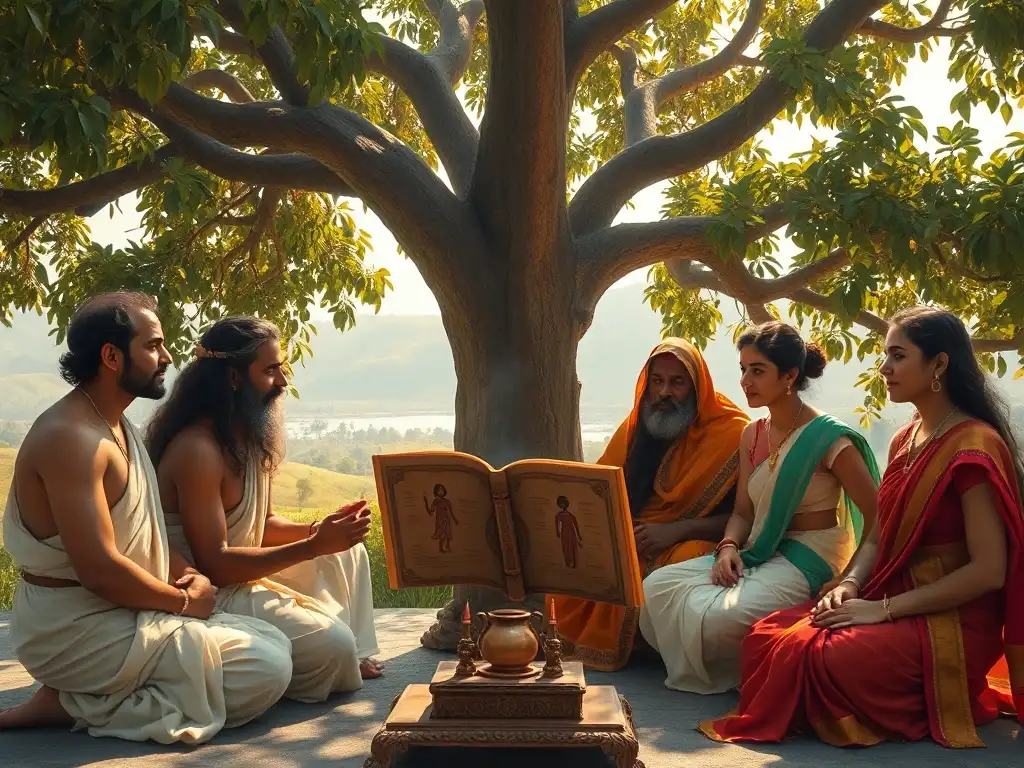
Contemporary Perspectives on Vedic Gender Roles
In recent years, the study of gender roles in ancient Vedas has gained increased attention, prompting scholars and cultural critics to revisit these ancient texts with a modern lens. The Vedas, composed between 1500 and 500 BCE, serve as foundational scriptures for Hindu philosophy and spirituality. They encompass a range of hymns, rituals, and philosophical discourses that reflect the society of their time.
Diverse Representation of Women
The Vedas present a complex image of women, showcasing their roles in both domestic and spiritual realms. For instance, the Rigveda contains hymns that celebrate powerful female figures such as Vāk, the goddess of speech, and Aditi, the mother of gods. These representations indicate that women held significant positions in the spiritual and intellectual life of Vedic society.
- Important Female Figures:
- Vāk - Represents wisdom and eloquence.
- Aditi - Symbolizes motherhood and cosmic order.
- Gāyatrī - The personification of the Gayatri mantra, often revered for her spiritual significance.
Ritual Participation
Women’s participation in Vedic rituals also plays a crucial role in understanding gender roles. Texts suggest that women were not merely passive observers; they actively engaged in rituals. For example, the Gṛhya Sūtras outline specific rituals that women were expected to perform, indicating their integral role in maintaining familial and societal harmony.
Moreover, some scholars argue that certain hymns from the Rigveda highlight women's agency, suggesting that they could initiate prayers and participate in sacrificial rites. This agency challenges the notion that women were entirely subordinate in Vedic society.
Debates and Discussions in Modern Scholarship
The examination of gender roles in ancient Vedas has sparked debates among scholars, particularly concerning the interpretation of texts and their implications for contemporary society.
Feminist Readings
Feminist scholars advocate for a re-evaluation of Vedic texts, arguing that traditional interpretations often downplay or misrepresent the roles of women. They assert that a closer reading of the texts reveals a more nuanced understanding of women's contributions and status. For example, the presence of female seers or ṛṣikas in the Vedas, who composed hymns, is often highlighted to underscore women's intellectual capabilities.
The Impact of Historical Context
Conversely, some scholars emphasize the importance of context in understanding these texts. They argue that while the Vedas contain instances of women's agency, they also reflect the patriarchal structures of the time. This duality raises questions about how much these ancient representations can inform modern discussions on gender equality.
| Scholar | Perspective |
|---|---|
| Feminist View | Advocates for recognition of women's agency in texts. |
| Contextual View | Emphasizes patriarchal structures inherent in Vedic society. |
The Path Forward
As discussions continue, it is essential for modern scholarship to balance these perspectives. Engaging with the Vedas through interdisciplinary approaches—incorporating anthropology, history, and gender studies—can provide a richer, more comprehensive understanding of gender roles in ancient Vedic society.
The study of gender roles in ancient Vedas is not merely an academic exercise but a vital inquiry that can inform present-day dialogues on gender equality and women's rights. As we reinterpret these ancient texts, we uncover layers of meaning that can resonate with contemporary issues, fostering a deeper appreciation for the complexities of gender in historical contexts.
Conclusion
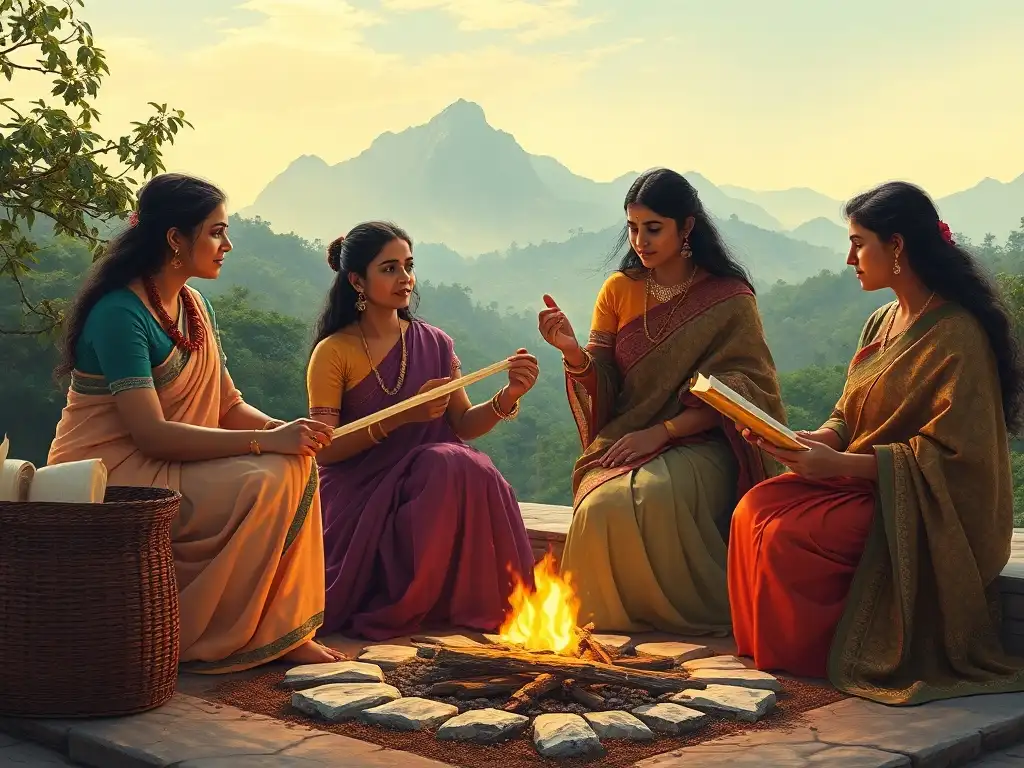
Summary of Findings on Gender Roles in Ancient Vedas
The study of gender roles in ancient Vedas reveals a complex and nuanced picture of women's status and contributions in Vedic society. Contrary to the often held belief that ancient Indian texts strictly enforced patriarchal structures, the Vedas present instances where women held significant authority and respect.
- Religious Participation: Women were not only participants in religious rituals but also held the capacity to perform sacrifices. In the Rigveda, for instance, notable female figures like Gargi and Maitreyi are acknowledged for their intellectual prowess and contribution to philosophical discourse. This suggests that women could engage in spiritual practices on equal footing with men.
- Education and Knowledge: The Vedas emphasize the importance of education for both genders. The existence of learned women in Vedic texts indicates that women had access to education and could pursue knowledge in various disciplines. This is exemplified by the mention of women sages, who played crucial roles in the transmission of Vedic knowledge.
- Social Structure: The Vedic society was not a monolith; it was characterized by varying degrees of freedom and responsibility for women. While certain texts highlight the domestic roles of women, others showcase their involvement in governance and decision-making processes within their families and communities.
- Marriage and Family Dynamics: The institution of marriage in the Vedic period was based on mutual respect and partnership. Textual references indicate that women were active participants in choosing their spouses, reflecting a degree of agency that is often overlooked in contemporary interpretations.
The Relevance of Vedic Gender Roles in Today's Context
Understanding gender roles as portrayed in the Vedas holds significant relevance in today's society. As we strive for gender equality and women's empowerment, the lessons from ancient texts can provide a historical context that informs modern perspectives on gender dynamics.
- Empowerment through Knowledge: The emphasis on education for women in the Vedas can inspire contemporary movements advocating for female education. The acknowledgment of women's intellectual contributions in ancient texts can serve as a powerful reminder of the potential that exists when women are given equal opportunities.
- Challenging Stereotypes: The findings challenge prevailing stereotypes about women's roles in ancient India. By recognizing the diverse roles women played in Vedic society, we can foster a more inclusive historical narrative that appreciates contributions beyond traditional confines.
- Cultural Reflection: The Vedic portrayal of gender roles invites reflection on current societal norms and practices. It encourages a dialogue on how ancient values can be reinterpreted to promote equality and respect in modern relationships.
The exploration of gender roles in ancient Vedas not only enriches our understanding of Vedic society but also provides valuable insights that can be applied to contemporary discussions on gender equality. By examining the past, we can better navigate the complexities of gender in the present and future.
References
The study of gender roles in ancient Vedas provides invaluable insights into the societal norms and cultural contexts of ancient India. This section compiles a list of essential readings and academic sources that will further enrich your understanding of the topic.
Recommended Readings on Gender Roles in Ancient Vedas
-
"The Role of Women in Vedic Society" by S. N. Dasgupta
This book delves into the various roles women played in Vedic society, including their participation in rituals, education, and family life. Dasgupta's analysis highlights the multifaceted nature of women's identities during this period.
-
"Women in Ancient India: A Historical Perspective" by Kumud Sharma
Sharma provides a comprehensive overview of women's positions in various ancient Indian texts, including the Vedas. The author discusses how these texts reflect the complexities of gender roles within the societal framework.
-
"The Vedas: A Historical and Philosophical Study" by Ravi Kumar
This work explores the philosophical underpinnings of the Vedas, with a specific focus on gender dynamics. Kumar’s insights are crucial for understanding how gender roles are embedded in the spiritual and philosophical discourse of the Vedic texts.
-
"Gender and Society in Ancient India" by M. R. Mukhurjee
This book examines the intersections of gender and societal structures in ancient India, providing a broader context for the roles of women as depicted in the Vedas. It offers a critical perspective on how these roles evolved over time.
-
"Gender Roles in the Vedic Texts: A Scholarly Analysis" edited by P. K. Vyas
This anthology brings together various scholarly articles that specifically critique and analyze the gender roles portrayed in the Vedas. The collection is instrumental for those looking for diverse interpretations and discussions.
Academic Sources for Further Research
| Source Title | Author(s) | Publication Year | Description |
|---|---|---|---|
| "Vedic Women: Voice and Silence" | Jaya S. Gupta | 2018 | Analyzes the duality of women's representation in Vedic texts, discussing both empowerment and oppression. |
| "The Feminine in the Vedas" | Anjali Bhattacharya | 2020 | Explores the portrayal of the feminine principle within the Vedic literature, focusing on both textual evidence and interpretation. |
| "Gender Roles in Ancient Indian Literature" | Deepak S. Kaur | 2019 | Investigates the broader spectrum of gender roles across various ancient Indian texts, including the Vedas, and their implications on contemporary gender studies. |
| "Rituals and Gender: The Vedic Perspective" | R. N. Choudhury | 2021 | Examines the interplay between ritual practices and gender roles in the Vedic context, providing an in-depth analysis of specific passages. |
These resources will not only support your understanding of gender roles in ancient Vedas but also contribute to a deeper appreciation of the complexities surrounding gender in ancient Indian civilizations.
Frequently Asked Questions
What are the key themes regarding gender roles in the Vedas?
The Vedas, ancient Indian texts, portray a complex picture of gender roles, highlighting both patriarchal structures and instances of female empowerment.
How did the status of women in ancient India compare to modern times?
Women in ancient India, as depicted in the Vedas, enjoyed certain rights and privileges, though they were often subject to societal constraints that reflect a different context than today.
Many rituals in the Vedas emphasize the importance of women in family and society, showcasing their spiritual roles and contributions to social harmony.
Were there any notable female figures mentioned in the Vedas?
Yes, the Vedas mention several female sages and scholars, indicating that women had the opportunity to engage in spiritual pursuits and intellectual dialogues.
How do the gender roles in the Vedas influence contemporary discussions?
The examination of gender roles in the Vedas continues to inform modern debates on gender equality and the interpretation of ancient traditions in present-day society.
Final Reflection: Understanding Gender Roles in the Vedas and Their Lasting Impact
The exploration of gender roles in ancient Vedas reveals a complex tapestry of societal norms that continue to resonate in today's discussions on gender equality and empowerment. As we dissect the roles attributed to women in these ancient texts, we uncover not only historical perspectives but also the enduring implications they have on contemporary gender dynamics. The Vedas, often viewed as sacred and authoritative, challenge us to reconsider the narratives that have shaped our understanding of women's roles throughout history.
The influence of these ancient texts on our cultural and social landscape cannot be overstated. As we navigate the ongoing discourse surrounding gender equality, the Vedas serve as both a mirror and a lens, reflecting the past while offering insights into the present. The duality of women's representation in these texts—ranging from revered figures to subservient roles—invites us to question and redefine our own beliefs about gender. The Vedas remind us that the past is not merely a record of what was, but a guide for what could be.
This ongoing dialogue encourages us to critically assess how these ancient narratives shape our current understanding of gender roles and the potential for change.
As we conclude this exploration, I invite you to reflect on the lessons gleaned from the Vedas and consider how they apply to your own life and society at large. What can we learn from the complexities of gender roles in ancient texts to foster a more equitable future? Let us take these insights to heart and actively participate in reshaping narratives around gender, ensuring that the voices of all individuals are heard and valued. Together, we can build a future that honors the wisdom of the past while striving for a more inclusive and just society.
Unveil the Insights of Women's Roles in Ancient Texts!
Thank you for diving into the rich history of women in the Vedas with us! You’ve unlocked valuable insights into the gender dynamics of ancient India, and now it's time to take action.
Here are some empowering ways to continue your exploration:
- Engage with your community: Share your thoughts on this topic with friends or on social media to spark discussions about women's roles throughout history!
- Dive deeper into research: Explore additional resources or literature on gender studies in ancient scriptures for a broader understanding.
- Connect with others: Join a local or online group dedicated to the study of ancient texts and gender roles to collaborate and learn together.
What aspect of women's representation in the Vedas resonates most with you, and how can it influence our understanding of gender today?