
The Exploration of Ancient Western Indian Coins and Currency

Welcome to Ancient India History, where we invite you to embark on a fascinating journey through time to uncover the rich tapestry of India's past. In our featured article, "The Exploration of Ancient Western Indian Coins and Currency," we delve deep into the intricate world of ancient Western Indian currency—a reflection of trade, culture, and innovation that shaped civilizations. From the bustling markets of the Indus Valley to the sophisticated economies of the Gupta Empire, this exploration promises to unveil secrets that have long been buried in the sands of time.
Are you ready to discover the stories behind the coins that once jingled in the hands of merchants and kings? Dive in and let the adventure begin!
- Introduction to Ancient Western Indian Currency
- Historical Context of Currency in Western India
- Types of Ancient Western Indian Coins
- Major Dynasties and Their Contributions to Currency
- The Art and Symbolism of Ancient Coins
- Trade Routes and Their Impact on Currency Exchange
- Archaeological Discoveries Related to Ancient Western Indian Currency
- Conclusion: The Legacy of Ancient Western Indian Currency
- References and Further Reading on Ancient Western Indian Currency
-
Frequently Asked Questions
- What were the primary forms of ancient Western Indian currency?
- How did the Indus Valley Civilization contribute to currency systems?
- What types of coins were prevalent during the Gupta Empire?
- How did trade influence the development of currency in ancient Western India?
- Are there any notable archaeological findings related to ancient Western Indian currency?
- Final Reflection: The Enduring Legacy of Ancient Western Indian Currency
- Unveil the Treasures of Ancient Currency!
Introduction to Ancient Western Indian Currency
The exploration of ancient Western Indian currency offers a fascinating glimpse into the economic practices, trade networks, and cultural exchanges that shaped the region. From the early days of the Indus Valley Civilization to the flourishing trade during the Gupta Empire, currency played a pivotal role in facilitating commerce and fostering community ties.
Understanding the different forms of currency used in ancient Western India not only sheds light on the economic strategies employed by these civilizations but also highlights their contributions to the broader tapestry of Indian history. This article delves into the intricate systems of currency that thrived in Western India, examining their evolution, significance, and the legacy they left behind.
Overview of Ancient Indian Currency Systems
Ancient Indian currency systems were diverse and evolved significantly over time. Various forms of currency were utilized across different regions, each reflecting the unique economic conditions and cultural influences of the time.
- Indus Valley Civilization (c. 3300–1300 BCE):
- The earliest forms of currency likely included barter systems and the use of durable goods such as grains and livestock.
- Archaeological findings suggest the existence of standardized weights and measures, indicating an early form of trade regulation.
- Mauryan Empire (c. 322–185 BCE):
- The introduction of metal coins marked a significant advancement in currency.
- The punch-marked coins of the Mauryan period, made of silver and copper, featured symbols and inscriptions that indicated their authenticity and value.
- Post-Mauryan Developments:
- Following the decline of the Mauryan Empire, various regional kingdoms minted their own coins, leading to a rich diversity in currency.
- The Satavahanas and Western Kshatrapas are notable for their intricately designed coins, often depicting rulers and deities.
- Gupta Empire (c. 240–550 CE):
- The Gupta period is renowned for its flourishing trade and wealth, with gold coins becoming more prominent.
- Gupta coins often featured the king on one side and various motifs on the other, symbolizing power and prosperity.
These evolving currency systems reflect not only the economic transactions of the time but also the artistic and cultural expressions of ancient Western Indian societies.
Importance of Studying Ancient Coins and Currency
Studying ancient Western Indian coins and currency is crucial for several reasons:
- Economic Insights: Coins provide valuable information about trade practices, economic stability, and the wealth of civilizations. They reveal patterns of commerce and interaction between different regions.
- Cultural Significance: The designs and inscriptions on coins offer insights into the religious beliefs, political structures, and societal values of ancient cultures. Analyzing these elements helps historians understand the cultural context in which these coins were produced.
- Historical Documentation: Coins often serve as primary sources for dating historical events and understanding the chronology of different dynasties. They can help fill gaps in the historical record left by written texts.
- Collectibility and Preservation: Ancient coins are not only of historical interest but also hold value as collectible artifacts. The study of numismatics encourages the preservation of these important cultural relics.
The exploration of ancient Western Indian currency is not merely an examination of money but a broader study of the civilizations that used it. By understanding these systems, we gain a deeper appreciation of the intricate tapestry of ancient Indian history.
Historical Context of Currency in Western India
The historical context of currency in ancient Western India is fundamental to understanding the region's economic and cultural dynamics. This area, characterized by its strategic location along trade routes, witnessed the development of various forms of currency that were pivotal in facilitating trade and commerce. The rise and fall of different empires and dynasties significantly influenced the types of currency used, reflecting the region's socio-political landscape.
The Evolution of Trade in Ancient Western India
Trade in ancient Western India can be traced back to the Indus Valley Civilization (circa 3300–1300 BCE), which had a sophisticated system of weights and measures, indicating an early form of economic exchange. As trade flourished, particularly with neighboring regions and cultures, the need for a standardized medium of exchange became evident.
- Indus Valley Civilization:
- The use of barter was prevalent, with commodities such as grains, textiles, and metals being exchanged.
- Archaeological findings, including seals and weights, suggest a rudimentary form of currency based on goods rather than coinage.
- Post-Indus Developments:
- Following the decline of the Indus Valley Civilization, Western India saw the emergence of various regional powers like the Mauryas and later, the Satavahanas.
- The introduction of punch-marked coins around the 6th century BCE marked a significant evolution in currency, providing a more reliable medium for transactions.
- Influence of Trade Routes:
- Western India was a nexus of trade routes connecting the west and east, facilitating not only the exchange of goods but also ideas and cultures.
- The establishment of ports, such as those in Gujarat, promoted maritime trade, further necessitating the development of currency systems to support economic activities.
- Regional Variations:
- Coins from various dynasties, such as the Western Kshatrapas and the Gupta Empire, showcased different metals and designs, reflecting local cultures and trade practices.
- The use of silver and gold coins became prominent, with the introduction of standardized weights helping to establish trust in transactions.
Cultural Influences on Currency Development
The development of ancient Western Indian currency was deeply influenced by the region's diverse cultural interactions. As various empires rose and fell, each left its mark on the currency system through the adoption of symbols, materials, and techniques.
- Cultural Syncretism:
- The blending of local traditions with influences from Persian, Greek, and later Islamic cultures resulted in unique coin designs and inscriptions.
- Coins often depicted deities, rulers, or symbols significant to local populations, merging religious and cultural significance with economic utility.
- Religious Impacts:
- The Mauryan period observed the issuance of coins bearing Buddhist symbols and imagery, which not only served as currency but also as a medium for spreading religious ideas.
- Similarly, later dynasties incorporated Hindu motifs, showcasing the cultural values and beliefs of the time.
- Artistic Expression:
- The craftsmanship involved in minting coins reflected the artistic skills prevalent in ancient Western India, with intricate designs that conveyed social and political narratives.
- The aesthetic qualities of coins also played a role in their acceptance; beautifully crafted coins were often more favored in trade.
- Economic Policies:
- The policies of various rulers regarding trade and taxation directly influenced the types of currency in circulation. For instance, the Gupta Empire's promotion of trade led to a flourishing economy, which in turn facilitated a wider use of coins.
- Different regions adopted various practices based on local needs, demonstrating adaptability in the face of changing economic conditions.
The evolution of ancient Western Indian currency is a reflection of the rich tapestry of trade, cultural influences, and artistic expression that characterized this historical region. The interplay of various factors contributed to a sophisticated economic system that not only supported trade but also enriched the cultural heritage of Western India.
Types of Ancient Western Indian Coins
Silver Coins: Characteristics and Significance
Silver coins were among the most prominent forms of currency in ancient Western India, reflecting the economic vitality and trade networks of the region. The most notable silver coins were the "Rupiya" and its derivatives, which played a crucial role in facilitating trade both locally and across the Indian subcontinent.
- Characteristics of Silver Coins:
- Purity: Typically composed of 90-95% silver, these coins were valued for their high metal content.
- Weight: The weight of these coins could vary, but they often conformed to standard measurements, making them easily recognizable and acceptable in trade.
- Design: Silver coins were often stamped with intricate designs, featuring motifs such as animals, deities, and geometric patterns. This not only indicated authenticity but also conveyed political and cultural messages.
- Significance of Silver Coins:
- Silver coins served as a medium of exchange, allowing merchants to trade goods more efficiently.
- They were often used to pay soldiers and officials, reflecting their importance in the administration of empires such as the Maurya and Gupta.
- The wide circulation of silver coins indicates the robust economy and trade relationships that existed between Western India and other regions, including the Mediterranean and the Middle East.
The study of silver coins from ancient Western India offers insights into the socio-economic fabric of the time, highlighting the interconnections between various civilizations through trade.
Copper Coins: Usage and Distribution
Copper coins were widely used in ancient Western India, primarily due to their accessibility and ease of production. These coins played a vital role in local trade and commerce, catering primarily to everyday transactions among common people.
- Usage of Copper Coins:
- Local Trade: Copper coins were commonly used in small-scale transactions, making them essential for daily commerce in local markets.
- Agricultural Payments: Farmers often used copper coins to pay for labor and services, indicating their integral role in the agrarian economy.
- Cultural Significance: Many copper coins featured local symbols and scripts, serving as a means of cultural expression in addition to their monetary function.
- Distribution of Copper Coins:
- Geographical Spread: These coins were found in various regions of Western India, including Gujarat and Maharashtra. Their widespread use suggests a well-established network of trade routes.
- Variations in Design: Different kingdoms, such as the Satavahanas and the Western Kshatrapas, minted their own copper coins, each displaying unique designs and inscriptions that reflected local traditions.
The prevalence of copper coins in ancient Western India underscores the economic diversity of the region and highlights the importance of localized trade practices.
Gold Coins: Rarity and Historical Value
Gold coins, although less common than their silver and copper counterparts, held a unique place in the currency system of ancient Western India. Their rarity and intrinsic value made them symbols of wealth and status.
- Rarity of Gold Coins:
- The minting of gold coins was often limited to powerful dynasties and empires, such as the Guptas, who issued beautifully crafted gold coins known as "Dinaras."
- Due to the high cost of gold, these coins were primarily used for significant transactions, luxury items, and as gifts to demonstrate wealth and power.
- Historical Value of Gold Coins:
- Gold coins from ancient Western India provide valuable insights into the political and economic contexts of their time. Their inscriptions often include the names of rulers and deities, offering clues about governance and religious practices.
- The presence of gold coins in archaeological sites indicates trade connections with other regions, including the Roman Empire and Southeast Asia, suggesting that Western India was a significant player in global commerce during its time.
The study of gold coins not only illuminates the economic practices of ancient Western India but also enhances our understanding of the cultural and political dynamics that shaped the region's history.
Major Dynasties and Their Contributions to Currency
The evolution of ancient Western Indian currency is closely linked to the major dynasties that ruled the region. Each dynasty played a pivotal role in shaping the currency system, introducing innovations, and facilitating trade through a more standardized monetary framework. The Maurya Empire, the Western Kshatrapas, and the Gupta Empire are particularly notable for their contributions to currency in ancient Western India.
The Maurya Empire: Standardization of Currency
The Maurya Empire, which flourished from approximately 322 to 185 BCE, is credited with significant advancements in the realm of currency. Under the leadership of Chandragupta Maurya and his grandson Ashoka, the empire established a standardized system of currency that greatly facilitated trade across the vast territory.
- Introduction of Punch-Marked Coins: The Mauryan currency primarily consisted of punch-marked coins, known as "karshapanas." These coins featured various symbols and were made from silver, copper, and other metals. The act of punching marks allowed for easy identification and verification of authenticity, which was crucial in a burgeoning economy.
- Uniformity in Weights and Measures: Ashoka's reign saw the implementation of uniform weights and measures, which complemented the standardized currency. This initiative enhanced trade efficiency, as merchants were assured of consistent value across transactions.
- Expansion of Trade Routes: The Maurya Empire's extensive trade networks facilitated not only local commerce but also interactions with foreign traders. The introduction of a reliable currency system was instrumental in fostering trade relationships with regions such as Central Asia and the Mediterranean.
Overall, the Maurya Empire laid the foundation for a more organized economic system that would influence subsequent dynasties in Western India.
The Western Kshatrapas: Innovations in Coinage
Following the decline of the Maurya Empire, the Western Kshatrapas emerged as a powerful dynasty from the 1st century BCE to the 4th century CE. They are renowned for their innovative approach to coinage, which further evolved the concept of currency in ancient Western India.
- Introduction of New Coin Types: The Kshatrapas introduced several new coin types, including the "drachm," which was modeled after Hellenistic coins. These coins featured intricate designs and inscriptions that reflected the cultural and political influences of the time.
- Regional Variations and Local Symbolism: The Western Kshatrapas also embraced regional artistic styles in their coinage. Coins often displayed local deities, rulers, and symbols, which fostered a sense of identity among the populace and enhanced the coins' acceptability in local markets.
- Trade with the West: The Kshatrapas played a crucial role in facilitating trade with the Roman Empire and other western regions. Their currency was widely accepted, and the Kshatrapa coins often found their way into distant markets, highlighting the dynasty's economic influence.
Through their innovations, the Western Kshatrapas contributed significantly to the development of a more sophisticated monetary system, setting the stage for further advancements in currency.
The Gupta Empire: Flourishing of Currency System
The Gupta Empire, which thrived from around the 4th to the 6th century CE, is often referred to as the "Golden Age of India." This period is marked by remarkable achievements in arts, science, and commerce, including the flourishing of the currency system.
- Gold Coins and Aesthetic Value: The Gupta Empire is particularly known for its gold coins, called "dinars." These coins were not only valuable due to their metal content but also featured exquisite artistry, with depictions of gods, goddesses, and royal figures. The aesthetic appeal of Gupta coins made them highly sought after, both domestically and internationally.
- Increased Trade and Economic Prosperity: The stability and prosperity of the Gupta Empire fostered an environment conducive to trade. The introduction of a well-regulated currency system allowed for smoother transactions, encouraging commerce across the empire and beyond.
- Influence on Subsequent Dynasties: The Gupta currency system set a precedent for future dynasties in India. The emphasis on quality, standardization, and artistic expression in coinage influenced the monetary practices of subsequent rulers, ensuring the continued evolution of currency in the region.
The Gupta Empire's advancements in currency not only showcased the empire's wealth and power but also played a crucial role in establishing a robust economic framework that would endure through the ages.
The Art and Symbolism of Ancient Coins
The coins of ancient Western India, particularly from the regions of Gujarat, Maharashtra, and Rajasthan, serve as a fascinating window into the artistic and symbolic expressions of the time. These coins not only facilitated trade but also captured the cultural and political narratives of their eras. The intricate designs and motifs found on these coins reflect the values, beliefs, and artistic sensibilities of ancient Indian civilizations.
Iconography on Ancient Western Indian Coins
The iconography found on ancient Western Indian coins is rich and varied, often showcasing a blend of local traditions and influences from surrounding regions. Key elements include:
- Deities and Symbols: Many coins feature images of gods and goddesses, which were meant to invoke divine blessings for prosperity and success in trade. For example, coins from the Gupta Empire often depicted Lakshmi, the goddess of wealth, symbolizing the importance of economic prosperity.
- Animals and Nature: The representation of animals such as elephants, lions, and horses was prevalent, symbolizing power, strength, and royal authority. These motifs were not merely decorative; they conveyed messages about the legitimacy and divinity of the rulers.
- Geometric Patterns: Coins often included intricate geometric designs, reflecting the advanced artistic skills of the craftspeople. These patterns contributed to the aesthetic appeal of the coins and demonstrated the mathematical prowess of the civilization.
- Scripts and Inscriptions: The use of various scripts, including Brahmi and Kharosthi, provided insight into the linguistic and administrative practices of the time. Inscriptions often included the name of the ruler, the minting authority, and sometimes religious or cultural proclamations.
| Element | Description |
|---|---|
| Deities | Images of gods and goddesses symbolizing prosperity |
| Animals | Representations of strength and royal authority |
| Geometric Patterns | Intricate designs showcasing mathematical skills |
| Scripts | Inscriptions revealing linguistic practices |
These artistic elements combined to create a narrative that was both practical and symbolic. The coins were not just currency; they were artifacts that told the story of the people, their beliefs, and their values.
The Influence of Religion and Culture on Coin Design
The design of ancient Western Indian currency was significantly influenced by the prevailing religious and cultural milieu. This interplay can be observed in several ways:
- Religious Practices: The predominant religions of the time, including Hinduism, Buddhism, and Jainism, played a crucial role in shaping coin designs. Coins minted during the Mauryan period often featured Buddhist symbols like the Dharma wheel, signifying the spread of Buddhism across Western India.
- Cultural Syncretism: The region was a melting pot of various cultures due to trade and migration. This diversity enriched the iconography on coins, as seen in the Indo-Greek coins that merged Hellenistic elements with Indian motifs, creating a unique aesthetic.
- Political Symbolism: Rulers often used coins to assert their authority and legitimacy. The incorporation of religious iconography not only appealed to the spiritual sentiments of the populace but also reinforced the ruler's connection to divine right. For instance, the Kushan Empire's coins depicted deities alongside the emperor, signifying their role as both a political and spiritual leader.
- Artistic Expression: The evolution of styles was also influenced by the changing tastes of society. During the Gupta period, coins exhibited a refinement in artistry, with delicate engravings and more sophisticated designs that reflected a flourishing cultural environment.
The study of ancient Western Indian currency reveals a complex interplay between art, religion, and culture. The coins serve as a testament to the rich tapestry of beliefs and practices that characterized the region, making them invaluable resources for understanding the history of ancient Western India.
Trade Routes and Their Impact on Currency Exchange
Major Trade Routes in Ancient Western India
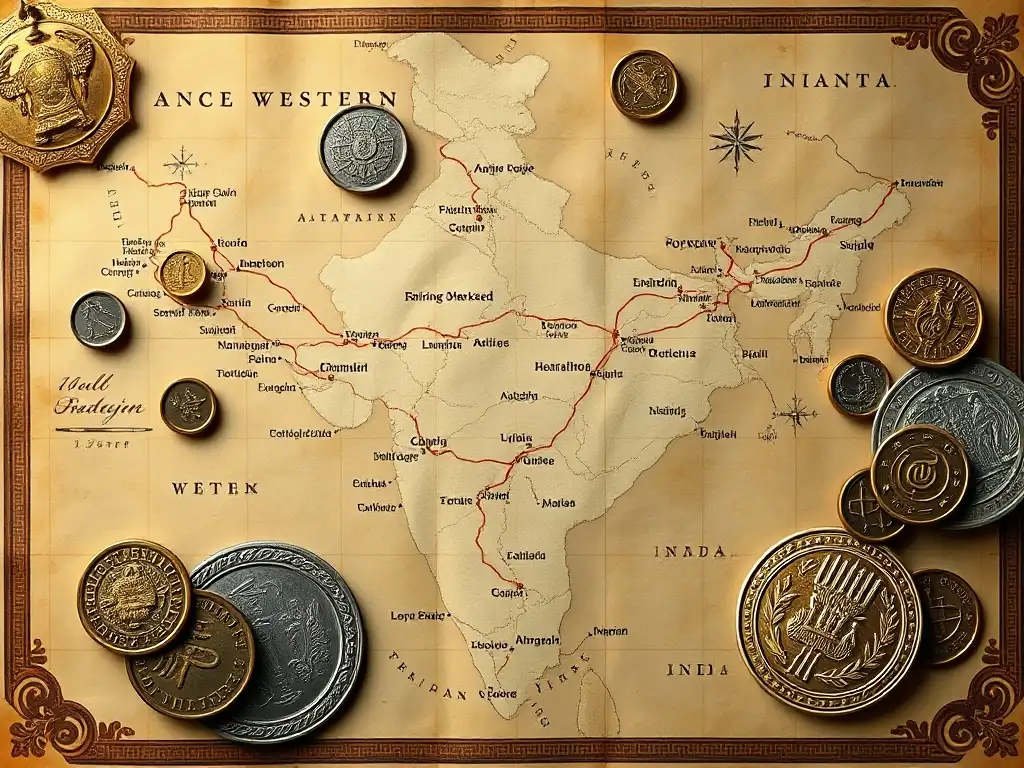
Ancient Western India was a pivotal region for trade, largely due to its strategic location along key trade routes that connected the Indian subcontinent to the wider world. The most significant of these routes included:
- The Silk Road: While primarily associated with the overland trade between China and the Mediterranean, branches of the Silk Road extended into Western India. This facilitated the exchange of not only silk and spices but also ideas and technologies.
- The Maritime Trade Routes: Ports like Lothal and Dwarka served as crucial hubs for maritime trade. Vessels sailed from these ports to destinations across the Arabian Sea, reaching regions like Africa, the Middle East, and Southeast Asia.
- The Southern Trade Routes: These routes linked Western India with the Deccan and Southern India, facilitating the movement of goods such as textiles and precious stones.
These trade routes were essential in establishing networks that enabled the flow of goods, cultures, and currencies. The interactions along these routes contributed significantly to the development of ancient Western Indian currency, as various coins and forms of currency were adopted and adapted from different cultures encountered through trade.
The Role of Currency in Facilitating Trade
The evolution of ancient Western Indian currency was intrinsically linked to the region's trade dynamics. Currency served several key functions that were vital for economic stability and growth:
- Standardization of Trade: The introduction of coinage allowed for a standardized medium of exchange, simplifying transactions. Prior to this, trade often relied on bartering, which could be cumbersome and inefficient.
- Facilitation of Long-Distance Trade: The use of currency made it easier to conduct long-distance trade. Merchants could carry coins instead of bulky goods, making trade expeditions more manageable.
- Cultural Exchange: As various coins circulated through trade, they reflected the diverse influences of the civilizations that produced them. For instance, coins featuring Greek and Persian designs were prevalent due to interactions with these cultures along trade routes.
- Economic Growth: The widespread use of currency facilitated greater economic activities, leading to the growth of markets and the establishment of banking practices. This helped in the accumulation of wealth and the financing of larger trade expeditions.
- Taxation and Governance: Rulers in ancient Western India utilized currency as a tool for taxation, further embedding its role in the economy. Coins often bore the images of rulers, reinforcing their authority and the legitimacy of the currency.
Ancient Western Indian currency was not merely a medium of exchange; it was a catalyst for trade, culture, and economic development, deeply intertwined with the region's rich history and interactions with the broader world.
Significant Findings and Their Historical Implications
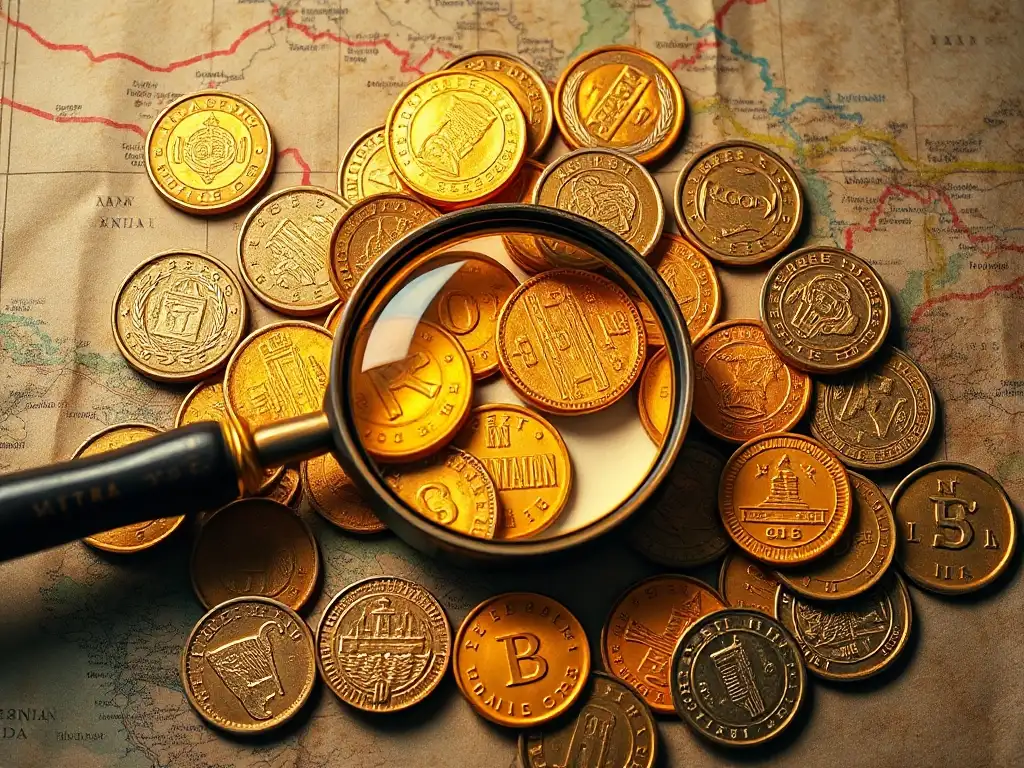
The exploration of ancient Western Indian currency has unveiled a wealth of archaeological discoveries that provide insight into the socio-economic structures of early civilizations in this region. Notably, coins have been unearthed from various sites, including the Indus Valley, Ujjain, and Kalinga, dating back to as early as 600 BCE. These coins are not merely artifacts; they serve as historical documents that reveal trade practices, political authority, and cultural exchanges.
- Indus Valley Civilization: Excavations at Harappa and Mohenjo-Daro have revealed metal and terracotta tokens that are believed to have been used as a form of currency. While they may not be coins in the modern sense, their presence suggests an advanced understanding of trade and commerce.
- Mauryan Period: The discovery of punch-marked coins during the Mauryan Empire signifies a shift towards standardized currency. These coins, often made of silver, bore symbols and inscriptions that indicate their authenticity and value. The extensive use of these coins facilitated trade across Western India and beyond, linking it to other regions of the subcontinent.
- Satavahana Dynasty: The Satavahana rulers minted a diverse range of coins, often depicting deities and local rulers. This not only reflects their political power but also underscores the integration of local cultures into a broader economic framework.
- Gupta Empire: The Gupta period coins are known for their artistic excellence and intricate designs. They often featured Buddhist symbols and motifs that indicate the cultural and religious influences of the time. The coins from this era are invaluable for understanding the economic prosperity and trade networks that flourished in Western India.
These findings bear significant implications for historians and archaeologists as they piece together the economic and cultural narratives of ancient Western India. The study of these coins has revealed a complex web of trade relations, political alliances, and cultural exchanges that characterized the region throughout its history.
Preservation of Ancient Coins: Challenges and Solutions
The preservation of ancient Western Indian currency presents numerous challenges, primarily due to environmental factors and human activities. Coins, often made of metals like silver and copper, are susceptible to corrosion, leading to the loss of historical and cultural value. Here are the primary challenges faced in preserving these artifacts:
- Corrosion and Oxidation: Over time, exposure to moisture and air can lead to significant degradation. For instance, coins from the Mauryan period found in damp soil have shown signs of heavy corrosion.
- Improper Handling: Coins are often mishandled during excavations or exhibitions, leading to scratches and further deterioration.
- Environmental Conditions: Factors such as acidity in the soil, temperature fluctuations, and pollution can accelerate the deterioration of these artifacts.
To combat these challenges, several solutions have been proposed and implemented:
- Controlled Environments: Museums and archaeological sites are increasingly using controlled environments to store coins. This includes climate control and humidity regulation to minimize oxidation.
- Conservation Techniques: Specialists use various conservation techniques, such as electrolysis for cleaning and stabilizing corroded coins, ensuring they retain their historical integrity.
- Public Awareness and Education: Raising awareness about the importance of these artifacts can foster community support for preservation initiatives. Engaging local communities in conservation efforts can enhance protection and respect for cultural heritage.
- Digital Documentation: Advances in technology have allowed for the digital documentation of coins. High-resolution imaging and 3D modeling help preserve the details of these artifacts, making them accessible for research and education even if the physical coins deteriorate.
While the preservation of ancient Western Indian currency poses significant challenges, the implementation of effective strategies and community involvement can help safeguard these invaluable historical treasures for future generations. Through continued exploration and preservation efforts, we can foster a deeper understanding of the rich heritage and economic history of ancient Western India.
Conclusion: The Legacy of Ancient Western Indian Currency
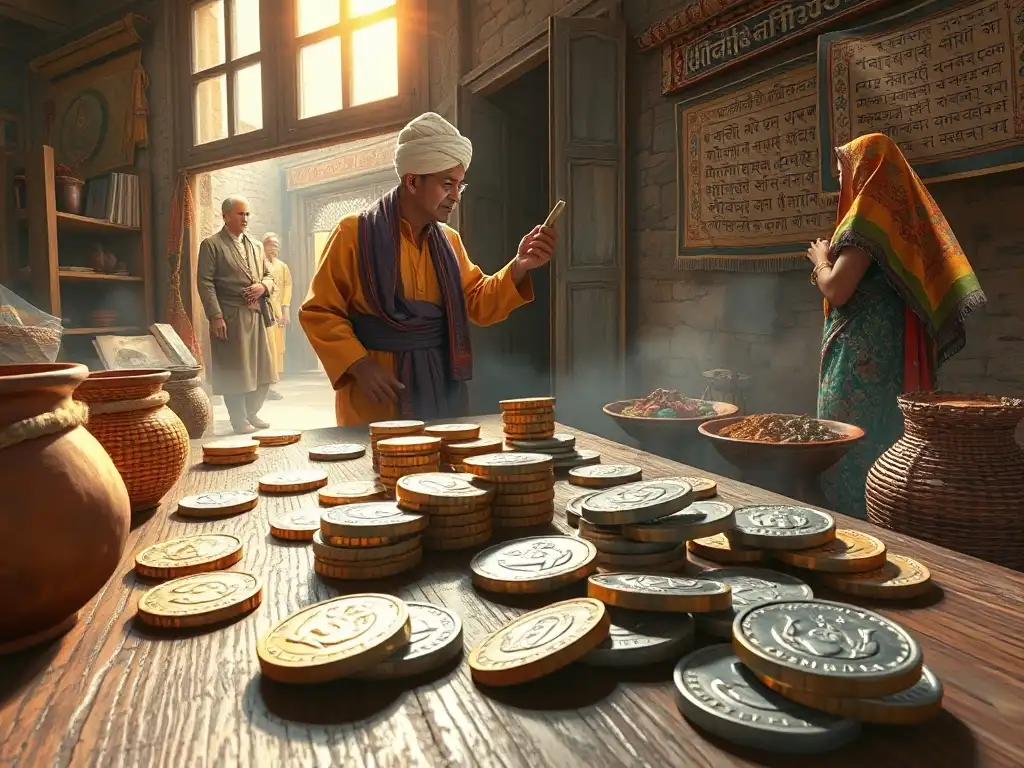
The legacy of ancient Western Indian currency is a fascinating chapter in the broader narrative of Indian history. It reflects not only the economic practices of the time but also the cultural exchanges and interactions that shaped the region. The coins and currency from ancient Western India, such as those from the Maurya, Satavahana, and Gupta periods, reveal a wealth of information about trade, politics, and social structures.
These currencies were not merely mediums of exchange; they were also tools of power, often bearing the images of rulers and deities. This practice helped to legitimize power while also fostering a sense of identity among the people. The intricate designs and inscriptions on these coins provide insights into the artistic and philosophical currents of the time, showcasing the advanced craftsmanship and the importance of symbolism in ancient Indian society.
Lasting Impact on Modern Indian Currency Systems
The influence of ancient Western Indian currency can still be seen in modern Indian currency systems. The evolution of coinage from the ancient to the contemporary era reflects a continuity of economic practices, albeit adapted to the nuances of modernity.
- Symbolism and Design: Many of the designs found on ancient coins have inspired contemporary currency designs. For instance, motifs depicting local flora and fauna or historical figures resonate with the rich heritage that modern currency aims to encapsulate.
- Economic Principles: The barter systems and early forms of currency established foundational economic principles that are still relevant today. Concepts such as standardization of weight, value, and exchange rates can trace their roots back to these ancient practices.
- Cultural Identity: Just as ancient coins served to reinforce cultural identity, modern Indian currency continues to reflect the diverse cultural fabric of the country. This continuity strengthens national pride and promotes awareness of historical heritage.
The ancient Western Indian currency has laid the groundwork for India’s current economic systems, embedding historical significance within the fabric of everyday transactions.
Continuing Research and Exploration in Numismatics
The field of numismatics, which studies currency and coins, remains a vibrant area of research, particularly concerning ancient Western Indian currency. Scholars and enthusiasts alike are continually uncovering new findings that expand our understanding of ancient economic practices.
- Archaeological Discoveries: Recent excavations in Western India have unearthed hoards of coins that provide valuable insights into trade networks and economic conditions. These discoveries often lead to reevaluations of established historical narratives.
- Technological Advancements: Modern technologies, such as 3D imaging and chemical analysis, allow researchers to study coins in unprecedented detail. These techniques can reveal compositions and minting methods, shedding light on the technological advancements of the time.
- Interdisciplinary Approaches: Collaboration among historians, archaeologists, and economists is enriching the study of ancient currencies. By combining perspectives, researchers can create a more comprehensive understanding of the socio-economic contexts in which these currencies were used.
The ongoing exploration and research into ancient Western Indian currency highlight the importance of numismatics as a key to unlocking the past, illustrating the intricate connections between currency, culture, and history. As new findings emerge, they continue to deepen our appreciation for the rich tapestry of ancient Indian civilization.
References and Further Reading on Ancient Western Indian Currency
Suggested Books and Articles
When diving into the study of ancient Western Indian currency, a range of books and articles can provide valuable insights into the historical context, economic systems, and the significance of currency in ancient trade. Here are some recommended titles:
- "Coins and Currency of Ancient India" by V. K. Sharma
- This book provides a comprehensive overview of the evolution of coinage in India with a focus on Western India. It details the types of coins used, the materials they were made from, and their economic implications.
- "The Indo-Greek Coins of Western India" by R. C. Gupta
- Gupta's work offers a detailed analysis of the Indo-Greek coins found in Western India, emphasizing their artistic representations and cultural significance.
- "Ancient Indian Economy: A Historical Perspective" by S. M. S. Rao
- This text discusses the broader economic systems of ancient India, including currency, trade routes, and the impact of geography on economic practices.
- "The Archaeology of Indian Coins" by A. R. K. Chatterjee
- An in-depth exploration of archaeological findings related to ancient coins, this book includes case studies from Western India.
- "Trade and Commerce in Ancient India" by D. P. Chaudhary
- This article highlights the role of currency in facilitating trade across regions, including Western India, and discusses the various forms of currency used.
Online Resources for Further Exploration
The digital landscape offers numerous resources for those interested in ancient Western Indian currency. Below are some noteworthy online platforms:
- Digital South Asia Library: A comprehensive resource featuring a vast collection of texts, images, and coins related to South Asian history, including a section on ancient Indian currency.
- The British Museum Online Collection: This digital collection includes numerous artifacts from ancient India, with detailed descriptions of coins and their historical context.
- Institute of Archaeology, Archaeological Survey of India: The website provides access to research papers, excavation reports, and findings related to ancient currency and trade in Western India.
- JSTOR: A digital library offering access to academic journals and books. Searching for articles related to "ancient Western Indian currency" will yield peer-reviewed studies and discussions.
- YouTube Educational Channels: Channels like "History with Karan" and "Ancient India Unplugged" often share videos discussing coins and currency, providing visual content that complements written resources.
By exploring these books and online resources, readers can gain a deeper understanding of the complexity and richness of ancient Western Indian currency, including its role in trade, culture, and economy.
Frequently Asked Questions
What were the primary forms of ancient Western Indian currency?
Ancient Western India primarily used coins, barter systems, and precious metals like gold and silver as currency. These methods facilitated trade and commerce across various regions.
How did the Indus Valley Civilization contribute to currency systems?
The Indus Valley Civilization is known for its standardized weights and measures, which were essential for trade. They likely used metal tokens as a precursor to formal currency.
What types of coins were prevalent during the Gupta Empire?
During the Gupta Empire, gold coins known as dinaras were widely used, showcasing intricate designs and inscriptions, which reflected the economic prosperity of the period.
How did trade influence the development of currency in ancient Western India?
Trade routes facilitated the exchange of goods, leading to the use of coins for easier transactions. This established a more uniform currency system, promoting economic growth.
Yes, many archaeological discoveries have revealed coins, seals, and inscriptions that provide insights into the currency systems and trade practices of ancient Western India. These findings enhance our understanding of their economic history.
Final Reflection: The Enduring Legacy of Ancient Western Indian Currency
The exploration of ancient Western Indian currency reveals not only the economic practices of a bygone era but also their profound influence on contemporary society. Today, as we navigate a world increasingly driven by digital transactions, understanding the historical context of currency helps us appreciate the evolution of trade and value systems. The intricate designs and diverse materials used in ancient coins remind us that currency is not merely a medium of exchange but a reflection of cultural identity and societal values.
The study of ancient Western Indian coins offers a window into the rich tapestry of cultural interactions and economic exchanges that shaped the region. This exploration highlights how these currencies were not just tools for trade but also symbols of power, artistry, and heritage. As historian A. K. Narain once stated, Coins are the silent witnesses of history, telling tales of the people who used them.
This sentiment resonates deeply as we consider how these ancient artifacts continue to inform our understanding of historical narratives and cultural legacies.
As we reflect on the significance of ancient Western Indian currency, I invite you to consider how the lessons from this rich history can be applied to our lives today. What values do we attach to the currencies we use? In a world where the meaning of value is constantly evolving, let us strive to honor the stories behind our transactions and recognize the cultural heritage that shapes our economic interactions. Embrace the past, and let it inspire a more thoughtful approach to the future of currency and commerce.
Unveil the Treasures of Ancient Currency!
Thank you for delving into the fascinating world of ancient Western Indian coins and currency! We hope this exploration ignited your curiosity and deepened your appreciation for the rich history encapsulated in these artifacts. Now, it’s time to take that enthusiasm and turn it into action!
- Dive deeper: Research more about specific coins mentioned in the article. Look into local museums or online databases to find images and additional information.
- Connect with fellow enthusiasts: Join online forums or social media groups dedicated to numismatics—share your findings and learn from others!
- Explore hands-on experiences: Visit archaeological sites or history museums in your area, or plan an exciting trip to Western India to see these incredible pieces of history up close.
What incredible stories do you think the coins of ancient Western India could tell if they could speak?