
The Impact of Religion on Southern Indian Political Structures

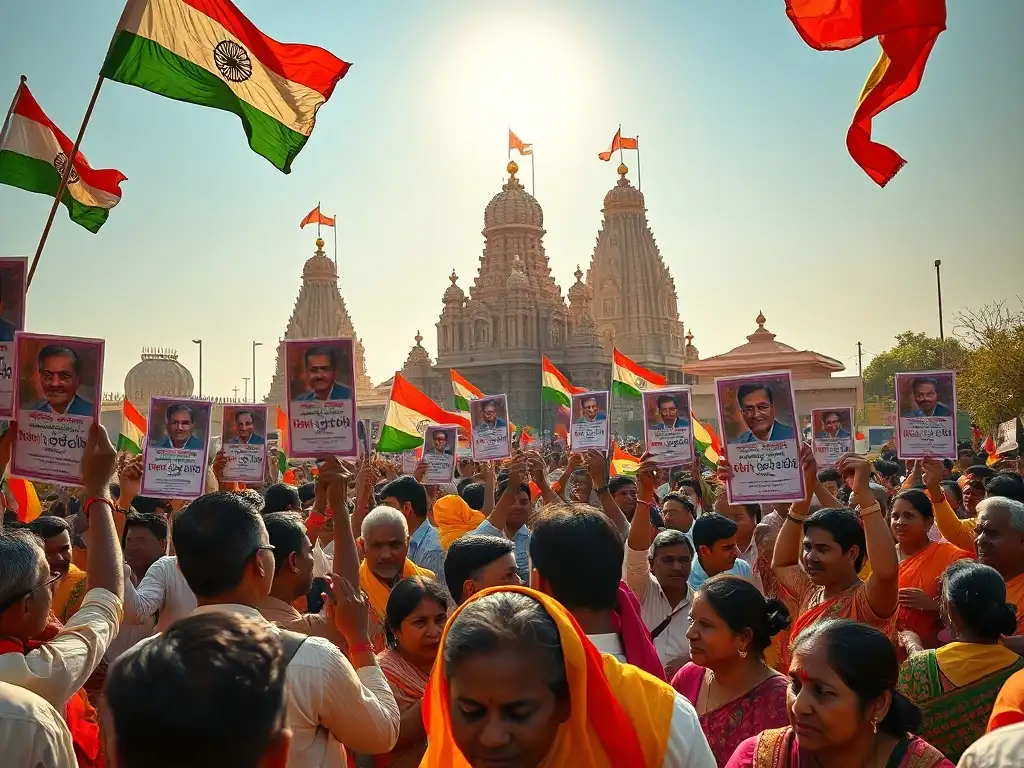
Welcome to Ancient India History, where we delve into the rich tapestry of civilizations that shaped the Indian subcontinent. In our latest exploration, we uncover the intricate relationship between Religion and Southern Indian politics, revealing how spiritual beliefs and practices influenced political structures throughout history. Prepare to journey through time as we unveil the profound impact of religion on governance, power dynamics, and cultural evolution in the southern regions.
Join us as we unlock the stories of ancient rulers and their divine connections that continue to resonate today. Dive deeper to discover how these historical threads weave together to form the vibrant legacy of ancient India.
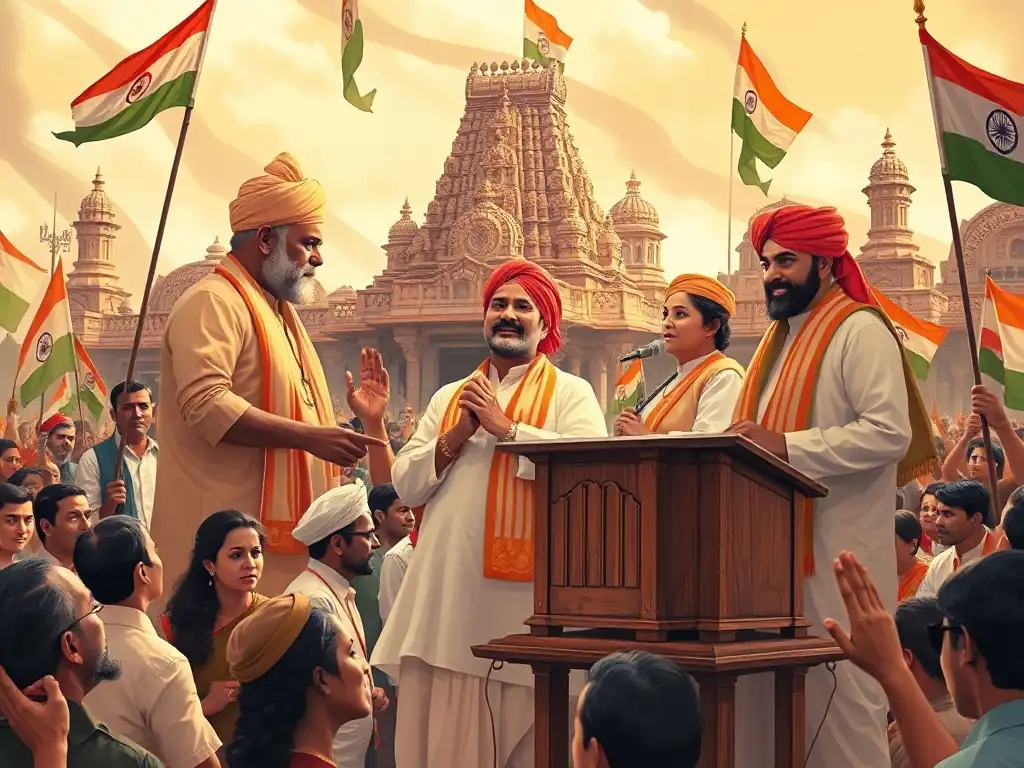
Introduction to Religion and Southern Indian Politics
The intricate relationship between religion and politics has profoundly shaped the sociopolitical landscape of Southern India throughout its history. From the ancient kingdoms of the Indus Valley to the flourishing dynasties of the Gupta Empire, religion has not only influenced cultural practices but has also been a pivotal force in the formation and sustenance of political structures. This article delves into how various religious traditions have left an indelible mark on Southern Indian politics, shaping governance, social hierarchies, and administrative practices across different eras.
Overview of Southern India's Historical Context
Southern India boasts a rich tapestry of history that dates back thousands of years. The region has been home to numerous influential kingdoms, such as the Chola, Pandya, and Chera dynasties, which have played a crucial role in the development of regional politics. These dynasties were not merely political entities; they were deeply intertwined with the religious beliefs and practices that permeated society.
- Key Historical Periods:
- Indus Valley Civilization: An early center of urban culture that laid foundational aspects of societal organization.
- Maurya and Gupta Empires: The spread of Buddhism and Hinduism during these empires significantly influenced governance and societal norms.
- Medieval Dynasties: The rise of Dravidian kingdoms where religion and state were often inseparable.
Understanding this historical context is vital as it sets the stage for exploring how religion has influenced political structures in Southern India over time.
Importance of Religion in Political Dynamics
Religion has served as a unifying force in Southern India, influencing everything from law and governance to social stratification. The intertwining of religious authority with political power has allowed rulers to legitimize their reigns and enforce social order.
- Functions of Religion in Politics:
- Legitimization of Authority: Rulers often claimed divine sanction for their rule.
- Social Cohesion: Shared religious beliefs fostered unity among diverse communities.
- Conflict Resolution: Religious institutions sometimes mediated disputes and maintained peace.
This interplay between religion and politics underscores the significance of religious beliefs in shaping the political dynamics of Southern India.
Major Religions Influencing Southern Indian Politics
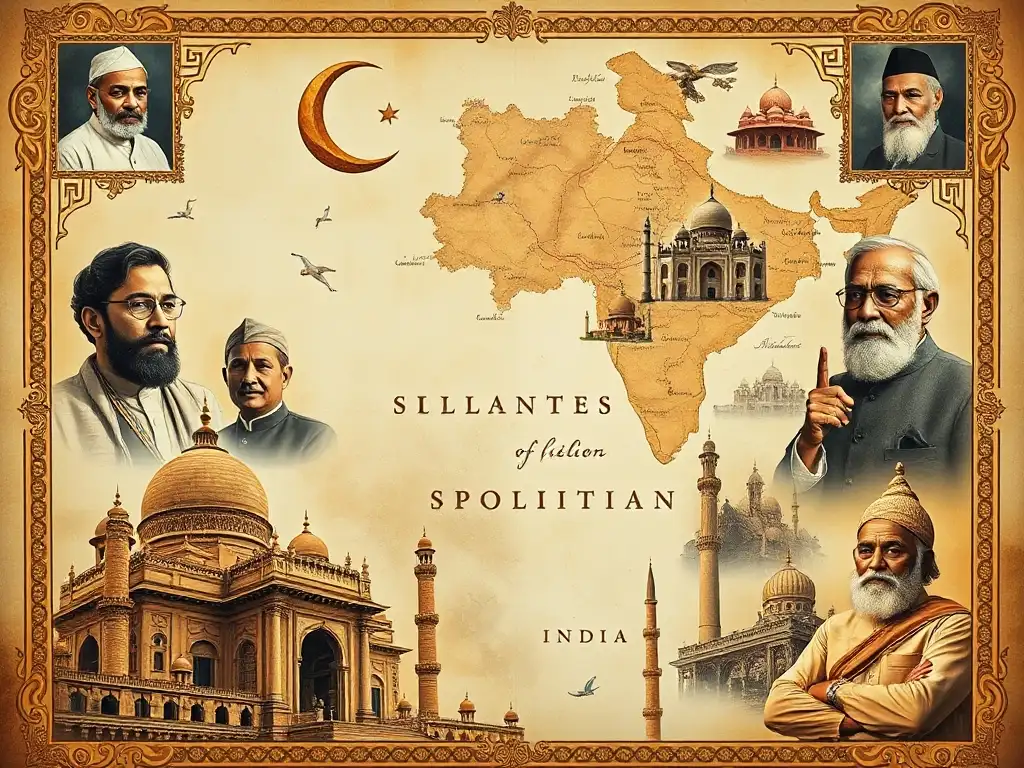
Hinduism's Role in Shaping Governance
Hinduism has been one of the most influential religions in Southern Indian politics, shaping governance through its philosophical and ethical frameworks. The concept of Dharma (righteousness) has been pivotal in guiding rulers' decisions and policies.
- Key Contributions:
- Caste System: Influenced administrative roles and social hierarchies.
- Sacred Texts: Texts like the Arthashastra provided guidelines on statecraft and governance.
The integration of Hindu principles into political structures has been instrumental in maintaining order and legitimizing authority throughout history.
Buddhism's Historical Influence on Political Structures
Buddhism also played a significant role in the political landscape of Southern India, particularly during the Maurya Empire. Ashoka's embrace of Buddhism marked a transition in governance that emphasized moral rather than militaristic authority.
- Impact on Politics:
- Promotion of Non-violence: Influenced policies and diplomatic approaches.
- Cultural Integration: Fostered trade and cultural exchange, enhancing political alliances.
Buddhism's emphasis on ethical governance has left a lasting legacy on Southern Indian political thought.
Jainism and Its Political Contributions
Jainism, with its principles of non-violence and asceticism, contributed to the moral framework within which Southern Indian rulers operated.
- Political Influence:
- Patronage: Rulers often supported Jain temples and institutions, reinforcing their authority.
- Ethical Governance: Promoted a framework for governance that prioritized moral integrity.
The impact of Jainism on political structures highlights the multifaceted role of religion in shaping governance.
The Emergence of Islam in Southern Indian Politics
The arrival of Islam in Southern India brought about significant political changes, particularly with the establishment of the Delhi Sultanate and later the Mughal Empire.
- Key Developments:
- Cultural Synthesis: The merging of Islamic and local traditions influenced administrative practices.
- Political Alliances: The establishment of Muslim kingdoms led to new forms of governance and social organization.
Islam's integration into the Southern Indian political fabric illustrates the dynamic and evolving nature of religious influence on governance.
By examining these major religions and their impact on political structures, we can gain a deeper understanding of how religion has shaped the history and governance of Southern India.
Religion as a Unifying Force in Political Structures
Religion played a pivotal role in shaping the political landscape of Southern India, serving as a unifying force that transcended local identities and fostered a sense of collective belonging among diverse groups. The intricate relationship between religion and politics enabled rulers to legitimize their authority, instill social cohesion, and maintain order within their realms. By adopting religious ideologies, kings and emperors cultivated a divine right to rule, which was often articulated through inscriptions, temple architecture, and patronage of religious institutions.
The integration of religion into governance also facilitated the establishment of a shared cultural framework that promoted loyalty among the populace. Festivals, religious ceremonies, and public rituals were utilized effectively to reinforce the ruler’s political agenda, fostering a connection between the divine and the state. This dynamic was particularly evident in the patronage of temples, which not only served as places of worship but also as centers of administration and economic activity, thereby solidifying the ruler’s power.
The Role of Religious Institutions in Governance
Religious institutions in Southern India wielded significant influence over governance, often acting as intermediaries between the rulers and the ruled. Temples were not merely places of worship; they were also critical to the administration of justice and the collection of taxes. Rulers frequently granted land and resources to temples, establishing them as both spiritual and economic hubs within their territories. This strategic alliance allowed kings to gain the support of influential Brahmins and religious leaders, who, in turn, helped legitimize their reign.
Moreover, religious institutions often played a crucial role in conflict resolution and social welfare. Temples provided a platform for community gatherings and discussions, facilitating a sense of unity among diverse groups. By engaging with these institutions, rulers could address the needs of their subjects, thereby reinforcing their political authority and fostering public loyalty.
Festivals and Their Political Significance
Festivals in Southern India were not only religious observances but also vital political events that reinforced the authority of rulers. These communal celebrations offered opportunities for the display of royal power and the assertion of divine favor. For instance, during major festivals, rulers would often participate in processions, showcasing their wealth and commitment to the religious traditions of the region.
Festivals also served as platforms for political messaging, where the ruler’s connection to the divine was highlighted. This association was crucial in legitimizing their power and fostering a sense of shared identity among the populace. The elaborate celebrations often included the distribution of gifts and resources, further solidifying the ruler’s role as a benefactor and protector of the faith.
Religious Leaders as Political Figures
In Southern India, religious leaders often transcended their spiritual roles to become significant political figures. Their moral authority and influence over the populace enabled them to shape political discourse and engage directly in governance. Many rulers sought the counsel of religious leaders, recognizing their ability to sway public opinion and mobilize community support.
Religious leaders also played a key role during times of crisis, acting as mediators between the state and the populace. Their endorsements could legitimize a ruler’s actions or policies, while their opposition could undermine authority. This interplay illustrates how intertwined religion and politics were in Southern India, as religious figures often held considerable sway over decision-making processes.
Case Studies of Religion Impacting Political Power
The Chola Dynasty: Religion and Administrative Power
The Chola Dynasty, one of the most prominent dynasties in Southern India from the 9th to the 13th centuries, exemplified the profound impact of religion on political power. The Chola rulers were ardent patrons of Hindu temples, which served as centers of administration and culture. They built monumental temples, such as the Brihadeeswarar Temple in Thanjavur, which not only showcased their architectural prowess but also reinforced their divine legitimacy.
The Chola administration was characterized by the integration of religious authority into governance. High-ranking officials often held dual roles as temple administrators and state officers, blurring the lines between spiritual and political duties. This system allowed the Chola rulers to maintain extensive control over their vast empire while fostering loyalty among their subjects through shared religious practices.
The Vijayanagara Empire: Syncretism in Governance
The Vijayanagara Empire, which thrived from the 14th to the 17th centuries, is a remarkable case of syncretism in governance, blending Hindu and Islamic elements to create a unique political identity. The rulers of Vijayanagara embraced a diverse religious landscape, promoting tolerance and coexistence among different faiths. This approach not only stabilized their rule but also attracted a diverse population, contributing to the empire's prosperity.
Religious pluralism was a hallmark of Vijayanagara’s political strategy, with the state actively supporting both Hindu temples and Islamic mosques. Festivals from various traditions were celebrated, fostering a sense of unity and shared cultural heritage among the people. The empire’s policies reflected an understanding of the importance of religion in governance, as it served to consolidate power and promote social harmony.
The Influence of Religious Movements on Regional Politics
Religious movements in Southern India, such as the Bhakti movement, had a profound impact on regional politics, altering the dynamics of power and authority. These movements emphasized personal devotion to deities and often challenged the existing social hierarchies dominated by Brahminical norms. Leaders of these movements became influential figures, mobilizing the masses and advocating for social justice.
The rise of these movements prompted political leaders to adapt their strategies to accommodate the changing religious landscape. Rulers often sought to align themselves with these movements to gain popular support, recognizing the potential for religious fervor to translate into political power. This adaptability reflects the ongoing negotiation between religion and politics, as leaders navigated the complex interplay of faith, identity, and authority in Southern India.
The Interplay Between Religion and Regional Governance
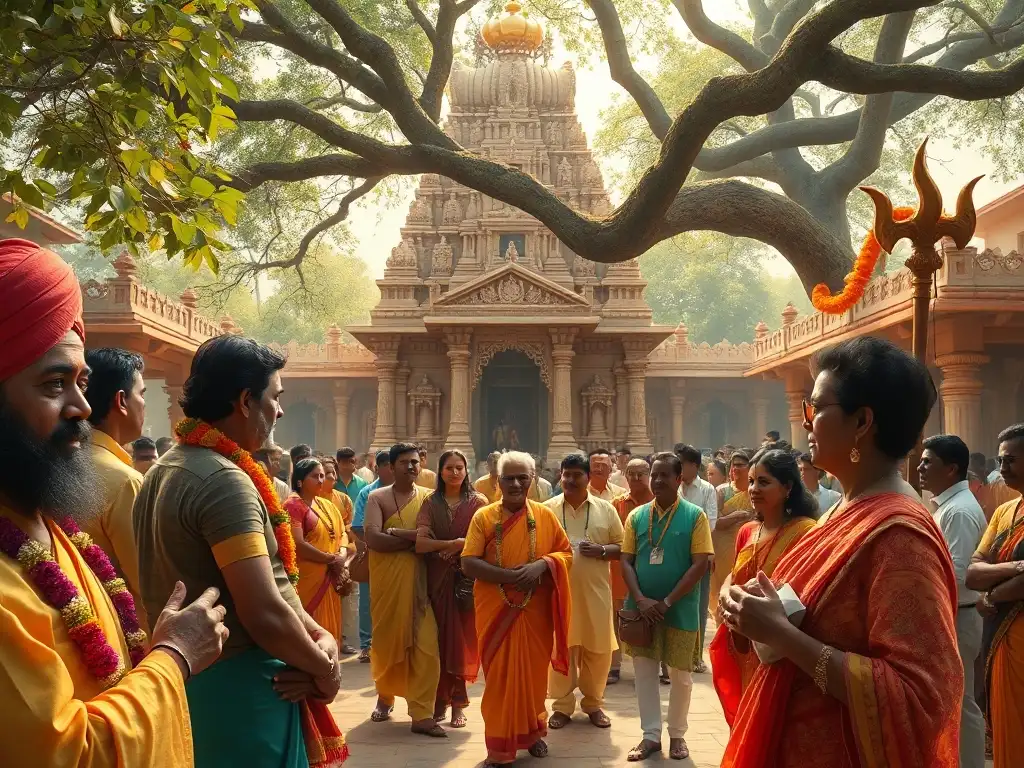
Religion has played a pivotal role in shaping the political landscape of Southern India throughout history. The interplay between religious beliefs and regional governance can be traced back to ancient times, where rulers often derived their authority from divine sanction, legitimizing their rule through religious texts and practices. Temples served as both religious and administrative centers, where kings would conduct important business and gather support from their subjects. This dual role of religion facilitated a symbiotic relationship between the ruling class and the priestly class, influencing governance structures and local policies.
The various dynasties that ruled Southern India, such as the Cholas, Pandyas, and Vijayanagara Empire, integrated religion into their political frameworks. They patronized different faiths, including Hinduism, Buddhism, and Jainism, which showcased their commitment to maintaining religious harmony and gaining the favor of diverse communities. Moreover, religious festivals and rituals were often intertwined with state functions, reinforcing the idea that governance was not only a political endeavor but also a sacred duty. This intertwining of religion and politics laid the groundwork for subsequent political developments in the region.
Caste System and Its Political Implications
The caste system, a fundamental aspect of Indian society, has had significant political implications in Southern India. Traditionally, the caste hierarchy established a social order that dictated the roles and responsibilities of individuals within society. This stratification influenced political participation, as certain castes held more power and influence than others, particularly in rural areas where local governance was often dominated by upper-caste leaders.
In many instances, political parties in Southern India have aligned themselves with specific caste groups to garner support during elections. This alignment reflects the ongoing impact of the caste system on political dynamics, as parties seek to mobilize caste-based votes to secure power. Additionally, the caste system has also resulted in social tensions and conflicts, as marginalized groups advocate for greater representation and rights, leading to shifts in political allegiances and strategies.
The intersection of religion and the caste system further complicates the political landscape. Religious institutions often reinforce caste hierarchies, and this intertwining can both stabilize and destabilize political structures, depending on the prevailing social conditions. As a result, understanding the caste system's political implications is crucial for comprehending the broader dynamics of Southern Indian politics.
Religious Conflicts and Their Impact on Political Stability
Religious conflicts have historically posed challenges to political stability in Southern India. While the region is known for its religious diversity, tensions often arise between different faith communities, particularly between Hindus and Muslims. These conflicts can lead to violence and unrest, disrupting social harmony and undermining the effectiveness of local governance.
One notable instance of religious conflict was the communal riots in the late 20th century, which had a significant impact on the political landscape. Political parties often exploited these tensions for electoral gain, further polarizing communities and complicating governance. This cycle of conflict and political opportunism can erode public trust in political institutions and lead to instability.
Moreover, religious conflicts can also influence policy decisions, as governments may feel pressured to take sides or appease specific communities to maintain their support. This often results in policies that prioritize one group over another, exacerbating existing divisions and hindering efforts toward inclusive governance. Understanding the ramifications of religious conflicts is essential for assessing their impact on the political stability of Southern India.
The Role of Religion in Modern Southern Indian Politics
In modern Southern Indian politics, religion continues to play a significant role, shaping party ideologies and electoral strategies. Political parties often leverage religious sentiments to mobilize voter bases, using religious symbols and rhetoric in their campaigns. The rise of Hindu nationalism, in particular, has transformed the political landscape, with parties emphasizing Hindu identity and interests to gain electoral support.
Additionally, regional parties have emerged, focusing on specific religious communities, such as the Dravidian parties in Tamil Nadu. These parties appeal to secularism and social justice while navigating the complex interplay between religion and politics. The balance between maintaining religious harmony and addressing the aspirations of various communities remains a critical challenge for modern political leaders.
Furthermore, the influence of religion is evident in the legislative processes, where laws and policies may be shaped by religious considerations. Issues such as temple management, personal laws, and religious education are often debated within the political arena, reflecting the ongoing significance of religion in governance.
Conclusion: The Lasting Impact of Religion on Southern Indian Political Structures
The intricate relationship between religion and politics in Southern India has left a lasting impact on its political structures. This relationship has evolved over centuries, influenced by historical, social, and cultural factors that have shaped the region's governance.
Summary of Key Points
- Religion has historically intertwined with governance, legitimizing authority and influencing administrative practices.
- The caste system has significant political implications, affecting representation and power dynamics within society.
- Religious conflicts can threaten political stability, leading to unrest and complicating governance.
- Modern politics in Southern India continues to leverage religious sentiments, with parties aligning themselves with specific faith communities.
Future Trends in Religion and Southern Indian Politics
Looking ahead, the intersection of religion and politics in Southern India is likely to evolve further. As demographic shifts occur and younger generations become more involved in politics, the role of religion may transform. Increased secularism and calls for inclusive governance could challenge traditional power structures, while the ongoing debates around caste and religious identity will continue to shape electoral politics.
Moreover, the rise of social media and digital platforms could facilitate new forms of political engagement, allowing diverse voices to influence religious and political discourse. The future landscape of Southern Indian politics will depend on how well leaders navigate these complexities, balancing religious considerations with the need for social cohesion and democratic governance.
References and Further Reading on Religion and Southern Indian Politics
Understanding the intersection of religion and politics in Southern India requires a thorough exploration of various scholarly works, historical texts, and contemporary analyses. This section highlights key resources that provide insights into how religious beliefs and practices have shaped political structures and governance in the region.
Recommended Books and Articles
-
"The Politics of Religion in South India" by David L. Eckstein
This book delves into the role of religion in shaping political identities and structures in Southern India, offering a comprehensive overview of various religious influences throughout history.
-
"Hindu Nationalism and the Politics of Religion in India" by Christophe Jaffrelot
Jaffrelot provides an in-depth analysis of how Hindu nationalism has influenced political movements, particularly in Southern India, examining the implications for regional politics.
-
"Religion and Politics in India: A Historical Perspective" by M. S. Ramesh
This article outlines the historical relationship between religion and politics in India, with a specific focus on how this dynamic has evolved in the Southern states.
-
"Temples, Politics, and the State in Southern India" by N. Ravi Kumar
Kumar explores the interaction between temple institutions and political power, revealing how religious sites have been pivotal in shaping local governance and political patronage.
-
"Religious Identity and Political Mobilization in South India" by K. R. Sundararajan
This research paper examines how religious identities are mobilized for political purposes, particularly in the context of elections and party politics in Southern India.
Notable Research Studies on Religion's Influence in Politics
-
"Faith and Governance: The Role of Religion in Political Mobilization" (Journal of South Asian Studies, 2020)
This study analyzes case studies from Southern India to illustrate how religious groups mobilize followers for political gain, impacting electoral outcomes and governance.
-
"The Dynamics of Caste and Religion in Southern Indian Politics" (Economic and Political Weekly, 2019)
This research investigates the complex interplay between caste and religion, revealing how these factors influence political strategies and voter behavior in Southern India.
-
"Sacred Spaces and Political Contestations in Tamil Nadu" (International Journal of Hindu Studies, 2021)
This paper discusses how sacred sites in Tamil Nadu serve as focal points for political contestation, influencing both local and state-level politics.
-
"Religion and the Evolution of Political Institutions in Southern India" (South Asian Journal of Political Science, 2018)
This research provides a historical analysis of how religious institutions have contributed to the establishment and evolution of political structures in the Southern states over centuries.
These resources collectively enhance our understanding of the profound impact of religion on the political landscape of Southern India, reflecting the intricate tapestry of belief systems and governance.
- Introduction to Religion and Southern Indian Politics
- Overview of Southern India's Historical Context
- Importance of Religion in Political Dynamics
- Major Religions Influencing Southern Indian Politics
- Religion as a Unifying Force in Political Structures
- Case Studies of Religion Impacting Political Power
- The Interplay Between Religion and Regional Governance
- Conclusion: The Lasting Impact of Religion on Southern Indian Political Structures
- References and Further Reading on Religion and Southern Indian Politics
- What role did religion play in the political structures of ancient Southern India?
- How did different religions interact within Southern Indian politics?
- Can you name some key dynasties in Southern India that were influenced by religion?
- How did temples function within the political landscape of ancient Southern India?
- What were some major religious contributions to Southern Indian culture and politics?
Frequently Asked Questions
What role did religion play in the political structures of ancient Southern India?
Religion was a crucial factor in shaping political structures, influencing kings' legitimacy and governance through divine right and rituals.
How did different religions interact within Southern Indian politics?
Different religions, such as Hinduism, Buddhism, and Jainism, coexisted and often competed, with rulers using religious affiliation to forge alliances or assert dominance.
Can you name some key dynasties in Southern India that were influenced by religion?
The Chola, Pandya, and Cheras dynasties were significantly influenced by religion, using it to legitimize their reigns and promote cultural achievements.
How did temples function within the political landscape of ancient Southern India?
Temples served as political centers, where rulers often donated land and resources, strengthening their support among the populace and enhancing their political power.
What were some major religious contributions to Southern Indian culture and politics?
Major contributions include the development of art, architecture, and literature, which often reflected and reinforced political ideologies and social structures in Southern India.
Final Reflection: The Enduring Influence of Religion on Southern Indian Politics
The intersection of religion and politics remains a potent force in contemporary Southern India, shaping not only governance but also the very fabric of society. As we have explored throughout this article, the intricate relationship between religious beliefs and political structures is not merely historical; it continues to resonate in the political decisions and social dynamics of today. The way religion influences party ideologies, electoral strategies, and public policy underscores its significance in the political landscape, making it a critical factor for understanding Southern Indian politics.
The impact of religion on political structures has fostered a unique cultural identity that persists in the region. This intertwining of faith and governance has led to a vibrant yet complex political environment, where religious sentiments can mobilize communities and influence electoral outcomes. As noted by political analyst R. K. Mishra, In Southern India, religion is not just a matter of personal belief; it is a powerful tool that shapes political allegiance and social cohesion.
This observation highlights how deeply ingrained religious affiliations can dictate political loyalty, thereby reinforcing the need for a nuanced understanding of this relationship.
As we reflect on the themes discussed, I invite you to consider your own perspectives on the role of religion in politics, not just in Southern India but globally. How do your beliefs shape your understanding of governance and community? Engage with the lessons presented in this article and think critically about the influence of religion in your own political landscape. By fostering awareness and dialogue around these issues, we can contribute to a more informed and inclusive political discourse, ensuring that the lessons of the past guide us toward a more equitable future.
Unveil the Power of Belief in Politics!
Thank you for taking the time to explore the intricate relationship between religion and political structures in Southern India. Your engagement with this rich topic enhances our understanding of how belief systems have shaped governance throughout history. Now, it's time to put that newfound knowledge into action!
- Explore local temples or religious sites to observe their influence on modern politics and community dynamics.
- Engage with a discussion group or online forum where you can share insights and learn from others about the ongoing impact of religion in politics.
- Challenge yourself to read a book or article on contemporary political issues in Southern India, focusing on the intersection of faith and governance.
How do you perceive your own beliefs influencing your perspective on politics within your community?