
The Societal Impact of Widows in Ancient Indian Culture


Welcome to Ancient India History, where we embark on a fascinating journey through the tapestry of time, unraveling the intricate stories of ancient Indian civilizations. In our latest article, "The Societal Impact of Widows in Ancient Indian Culture," we delve into a poignant aspect of history that often remains in the shadows. Discover how widows navigated their roles and the profound influence they had on society.
What challenges did they face, and how did their experiences shape the cultural landscape of their time? Join us as we explore these compelling narratives that continue to resonate today. Your voyage into the depths of ancient Indian heritage begins now!
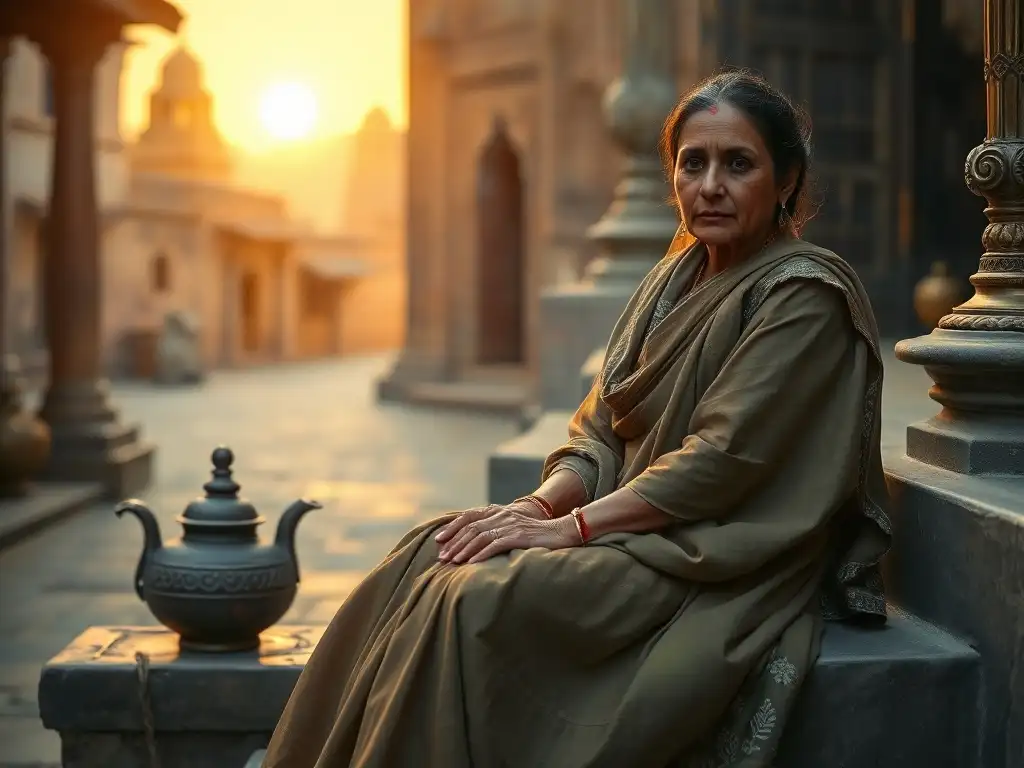
Introduction to Widows in Ancient Indian Society
The concept of widowhood in ancient Indian society is both complex and multifaceted, reflecting the intricate social, cultural, and religious frameworks that governed the lives of women. Widows were often seen through a lens of cultural stigma and social ostracism, which significantly impacted their status and roles within their families and communities.
Understanding the societal implications of widowhood not only sheds light on the challenges faced by these women but also provides insight into broader themes of gender, social structure, and cultural practices prevalent in ancient India. This exploration reveals how widows navigated their circumstances within a patriarchal society and the ways in which they contributed to and influenced their families and communities despite the limitations imposed upon them.
Definition and Context of Widowhood in Ancient India
In ancient India, a widow was defined as a woman whose husband had died, and this status carried profound implications. The social context surrounding widowhood was shaped by various religious texts and cultural norms, which often dictated the behavior and expectations of widows. For instance:
- Religious Texts: Scriptures such as the Manusmriti outlined specific duties and restrictions for widows, emphasizing their need for chastity and adherence to the memory of their deceased husbands.
- Cultural Practices: Practices like sati (the act of a widow self-immolating on her husband's funeral pyre) and purdah (the seclusion of women) were, at times, enforced, further complicating the status of widows in society.
Importance of Studying Widows' Roles in Society
Examining the roles of widows in ancient Indian society is crucial for several reasons:
- Cultural Insight: It provides a deeper understanding of gender dynamics and the societal expectations placed on women.
- Historical Perspective: Studying these roles unveils the evolution of women's status over time and highlights the resilience of widows in the face of adversity.
- Social Contributions: Recognizing the contributions of widows, often overlooked in historical narratives, helps in constructing a more inclusive history of ancient Indian society.
Historical Overview of Widows in Ancient Indian Society
Throughout various periods of ancient India, the experiences and societal roles of widows evolved significantly, influenced by changing religious, political, and cultural dynamics.
The Status of Widows in Various Ancient Indian Texts
Ancient texts offer a rich tapestry of insights regarding the status of widows. Key observations include:
- Manusmriti: This ancient legal text often portrayed widows in a negative light, suggesting they should lead a life of austerity and segregation, symbolizing their loss of status.
- Mahabharata: Contrarily, narratives within this epic sometimes depicted widows as strong characters, showcasing their agency and resilience in the face of societal norms.
These texts collectively reflect the dichotomy of views surrounding widows, oscillating between reverence and restriction.
Evolution of Widowhood Practices through Different Periods
The practices associated with widowhood in ancient India evolved significantly over time, with notable shifts seen in:
- Vedic Period: Early texts suggested more agency for women, including widows, who could inherit property and manage households.
- Post-Vedic Period: The rise of orthodoxy saw a stricter adherence to rituals and norms, leading to more oppressive practices for widows.
- Medieval Period: Reform movements and changing socio-political landscapes began to challenge the traditional norms surrounding widowhood, advocating for the rights and dignity of widows.
This historical overview illustrates the nuanced and often contradictory societal attitudes towards widows, providing a deeper understanding of their role and impact within ancient Indian culture.
Cultural Perceptions of Widows in Ancient Indian Society
In ancient Indian society, the perception of widows was deeply intertwined with cultural, religious, and social norms. Widows were often viewed through a lens of sorrow and misfortune, as their status changed dramatically after the death of their husbands. This transition marked a social identity that was frequently associated with loss and mourning. Cultural narratives suggested that widows were inauspicious and that their presence could bring bad luck to families and communities.
Religious texts, such as the Manusmriti, often reinforced these perceptions, prescribing harsh rules for widows. They were expected to lead austere lives, marked by rituals of renunciation and penance. As a result, many widows lived in seclusion, observing strict norms of conduct aimed at reflecting their new status. This cultural backdrop created a dichotomy where widowhood was both a personal tragedy and a societal concern, influencing how widows were treated and perceived by the larger community.
Myths and Realities Surrounding Widows
The myths surrounding widows in ancient India often painted them as either tragic figures or symbols of purity and devotion. One prevalent myth was the notion that a widow was a bearer of sin, believed to have caused her husband's death or to have been cursed by fate. This led to the social stigma associated with widowhood, where widows were often marginalized and excluded from societal activities.
In contrast to these myths, the reality for many widows was more complex. While some lived in enforced isolation, others managed to navigate their circumstances with resilience. Many widows took on economic roles, engaging in activities such as weaving, selling goods, or managing family businesses, thereby contributing to their households and communities. This duality highlights the need to challenge the myths and recognize the diverse experiences of widows in ancient Indian society.
Symbolism of Widows in Literature and Art
Widows in ancient Indian literature and art often served as powerful symbols of sacrifice, loss, and resilience. In epic tales such as the Mahabharata, characters like Gandhari exemplify the deep emotional struggles faced by widows. The portrayal of widows in such narratives often reflects broader societal attitudes toward women and their roles during times of crisis.
Artworks from ancient India also depict widows in poignant ways, often capturing their mourning and the rituals associated with widowhood. Sculptures and paintings highlight their attire—typically white or muted colors—symbolizing purity and mourning. This symbolism illustrates not only the cultural perception of widows as figures of loss but also their enduring strength and the emotional depth of their experiences.
Despite the challenges and stigma associated with widowhood, many widows in ancient Indian society played critical social roles. Their contributions often extended beyond their immediate families and into the broader community, influencing various aspects of social life.
Economic Contributions of Widows
Widows frequently contributed to the economy, particularly in agrarian and trade contexts. Many engaged in agricultural work, managing farms or tending to livestock after their husbands' deaths. In urban areas, widows often participated in trade, selling textiles, pottery, or food items.
This economic agency allowed many widows to support their families and gain a measure of independence. Additionally, some widows took on the role of caretakers for orphans or the elderly, further cementing their place within their communities. Their economic contributions were vital, as they provided not only for their families but also helped sustain local economies.
Social Responsibilities and Community Roles
In addition to their economic contributions, widows also held significant social responsibilities within their communities. They often became involved in social welfare activities, such as caring for the less fortunate, facilitating community rituals, or participating in religious activities. This involvement allowed them to maintain a sense of purpose and belonging despite the stigma associated with their status.
Furthermore, widows sometimes served as mediators in family disputes or community conflicts, leveraging their experience and wisdom. Their roles often transcended the confines of widowhood, enabling them to act as stabilizing forces within their families and neighborhoods. This multifaceted engagement showcases the resilience of widows and their essential contributions to ancient Indian society, challenging the stereotypical narratives surrounding their lives.
Religious and Spiritual Aspects of Widows in Ancient Indian Culture
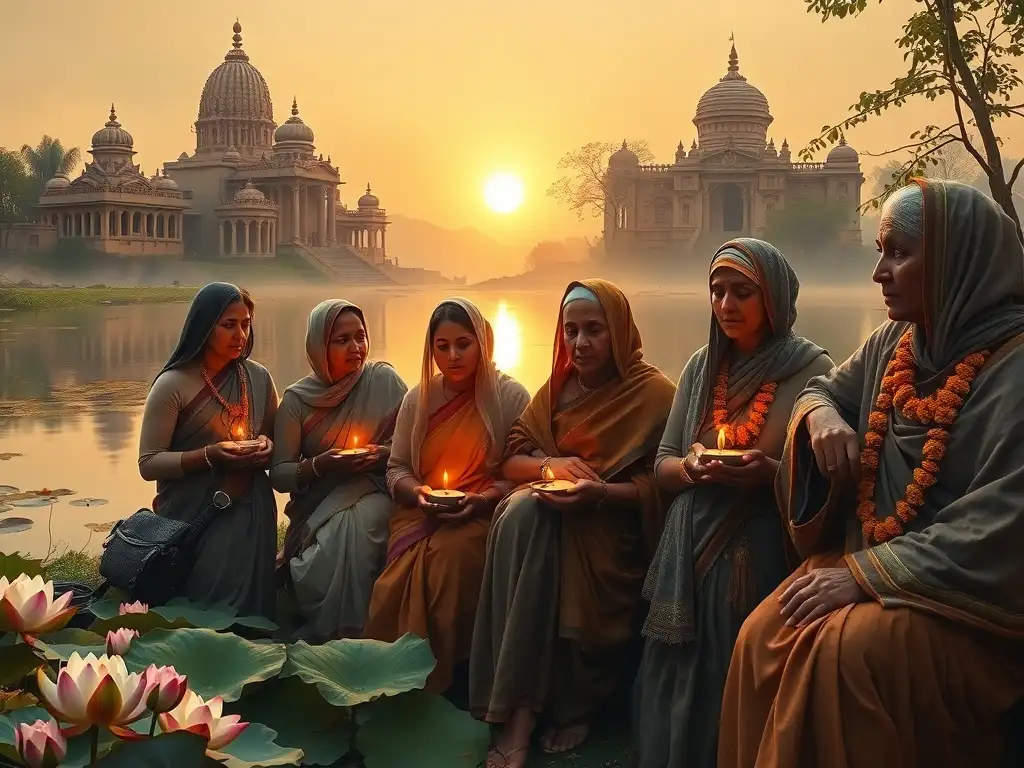
Widows in ancient Indian society occupied a complex position that intertwined deeply with religious and spiritual beliefs. The prevailing notion was that a widow's status was marked by loss and mourning, which led to a significant transformation in her societal role. According to various scriptures, such as the Manusmriti, a widow was often seen as a harbinger of misfortune, and her presence could invoke negative energies. Consequently, many religious practices and societal customs were established to mitigate these perceived spiritual consequences.
In Hinduism, the idea of sati—the practice of a widow self-immolating on her husband's funeral pyre—was a radical expression of devotion and loyalty. While this was not universally practiced, it reflected the extreme expectations placed on women regarding fidelity and sacrifice. Additionally, widows were often subjected to a life of austerity, dedicating themselves to spiritual practices and rituals aimed at honoring their deceased husbands and seeking blessings for their souls in the afterlife.
Ritual Practices and Customs Associated with Widows
Rituals surrounding widows in ancient India were characterized by strict customs and expectations. Upon the death of her husband, a widow was required to undergo several mourning rituals, which included wearing plain, unadorned clothing, often in white or muted colors, as a symbol of her grief. This change in attire marked her transition to a new societal identity, often leading to her exclusion from various communal activities.
The Shodasha Upakarma, a ritual performed to honor the deceased, was significant for widows, who played a central role in conducting these ceremonies. Widows would engage in various rites, such as the Shraddha, aimed at ensuring their husbands' souls received peace. These practices were crucial in maintaining familial and social ties, as they were believed to affect the spiritual well-being of the entire family.
The Role of Widows in Religious Ceremonies
Widows held a paradoxical position within religious ceremonies; despite their marginalized status, they were often pivotal in conducting certain rites. Their participation was considered essential for the successful performance of various rituals, particularly those related to death and mourning. In many cases, the widow was responsible for offering prayers and performing rituals that sought to secure not only her husband’s peace in the afterlife but also the prosperity of her family.
Moreover, widows were sometimes engaged as caretakers of temples or sacred sites, where they could maintain a connection to the divine and contribute to the religious fabric of society. This role, while limited, provided them with a sense of purpose and community, allowing them to participate in spiritual life despite their societal marginalization.
Challenges Faced by Widows in Ancient Indian Society
The life of a widow in ancient Indian society was fraught with numerous challenges, stemming from both social stigma and legal restrictions. Widows were often viewed through a lens of pity and disdain, leading to their exclusion from many aspects of social life. This societal perception was reinforced by cultural narratives that portrayed widows as unlucky or cursed individuals.
Social Stigma and Isolation
The stigma associated with widowhood was profound, often resulting in social isolation. Families frequently shunned widows, fearing that their presence would bring bad luck or misfortune. This isolation was not only emotional but also social, as widows were often barred from participating in festivals, weddings, and communal gatherings. The loss of a husband did not merely signify a personal tragedy; it also marked the end of a woman's standing within her family and society.
Consequently, many widows were relegated to live in the margins of society, often in ashrams or secluded areas, where they led lives marked by austerity and penance. This separation from public life further entrenched their marginalized status, making it difficult for them to reclaim any semblance of agency or social identity.
Legal Rights and Restrictions on Widows
Legally, widows faced a myriad of restrictions that curtailed their rights and freedoms. In many instances, the laws governing inheritance and property rights favored male heirs, leaving widows economically vulnerable. The Manusmriti and other texts laid down rules that dictated how widows could manage their deceased husbands' estates, often limiting their control and agency.
Furthermore, widows were frequently pressured into remarriage or, conversely, faced societal backlash for seeking to live independently. Such legal and societal constraints significantly impacted their ability to navigate life post-marriage, perpetuating cycles of dependency and vulnerability. The challenges faced by widows in ancient Indian society underscored the complex interplay of gender, law, and cultural norms, revealing a stark reality marked by both spiritual duties and social restrictions.
Case Studies of Prominent Widows in Ancient Indian History
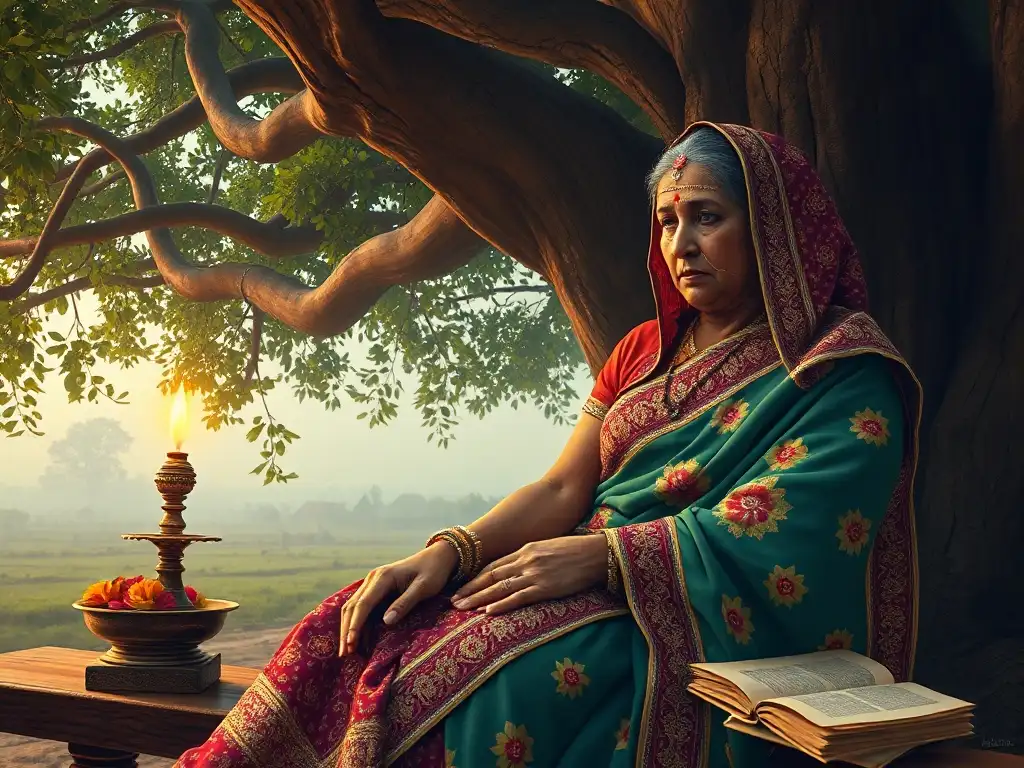
Throughout ancient Indian history, the narratives surrounding widows often reflect the complexities and challenges they faced within society. By examining the lives of notable widows, we can gain insight into their roles and the societal attitudes towards them.
Notable Widows and Their Influence on Society
One of the most renowned figures is Vasavadatta, a character from the ancient Indian text, Buddhacharita. As a widow, she played a pivotal role in the narrative, demonstrating resilience and strength in a patriarchal society. Her story illustrates the emotional and social struggles that widows faced, yet she emerged as a figure of influence, capable of shaping her destiny despite societal constraints.
Another significant figure is Maitreyi, a philosopher and a widow mentioned in the Upanishads. Maitreyi’s pursuit of knowledge and her philosophical inquiries reflect the intellectual contributions of widows, highlighting how they could transcend conventional roles. Her dialogues emphasize the value of wisdom and intellect over marital status, thereby challenging the normative perceptions of women in her time.
In the realm of literature, Padmavati, though often considered a legendary figure, symbolizes the valor and agency of widows. Her tale, depicted in various texts, showcases her commitment to honor and duty, presenting widows as central figures capable of influencing socio-political dynamics.
Contributions of Widows to Historical Events
Widows in ancient India also played crucial roles during significant historical events. One notable example is the participation of widows in the Sati practice, where they would self-immolate on their husband's funeral pyre. While this practice is often viewed as oppressive, it also reflects the agency some widows exercised over their destinies, as seen in historical accounts of those who chose to uphold familial honor.
Moreover, during periods of invasions or upheaval, widows often led their households and communities, taking on responsibilities traditionally held by men. For instance, widows would manage estates or act as regents in the absence of male heirs, thereby influencing local politics and governance. This underscores their potential contributions to societal stability, even amidst personal loss.
Conclusion: The Lasting Impact of Widows on Ancient Indian Society
The societal impact of widows in ancient Indian culture is multifaceted, illustrating their resilience and adaptability. Their stories resonate with themes of strength, courage, and the quest for identity beyond marital status.
Reflections on the Role of Widows in Shaping Cultural Norms
The narratives surrounding widows not only reflect their individual experiences but also contribute to the broader cultural norms of ancient India. Their representation in literature and philosophy has shaped societal perceptions, emphasizing the notion of women as bearers of wisdom and tradition. By challenging the status quo, these widows helped alter the cultural landscape, paving the way for future generations.
Contemporary Relevance of Historical Perspectives on Widows
Today, the historical perspectives on widows in ancient Indian society hold significant relevance as we continue to navigate issues of gender and social justice. Understanding their roles provides a deeper appreciation for the struggles and achievements of women throughout history. It encourages contemporary society to reflect on the ongoing challenges faced by widows and the importance of advocating for their rights and dignity. By revisiting these narratives, we can foster a culture of empathy and support for widows in modern times, ensuring their voices are heard and valued.
Further Reading and Resources on Widows in Ancient Indian Society
Understanding the societal impact of widows in ancient Indian culture requires a deep dive into historical texts, scholarly articles, and various resources that shed light on their experiences, roles, and the cultural norms surrounding them. Below are some suggested readings and online resources that can enrich your comprehension of this significant topic.
Suggested Books and Articles
-
"Widows in India: A Historical Overview" by Nitin D. Tiwari
This book examines the historical context of widowhood in India, tracing its evolution from ancient times to modernity. Tiwari provides insights into the societal attitudes towards widows and the rituals associated with widowhood.
-
"Women and Social Reform in Modern India" by Sumit Sarkar
Although primarily focused on the reform movements of the 19th and 20th centuries, this book provides valuable context on how ancient practices concerning widows influenced modern reforms. It discusses key figures like Raja Ram Mohan Roy, who campaigned against the practice of Sati.
-
"The Status of Women in Ancient India" by R. C. Majumdar
This comprehensive study offers a detailed account of women's roles, including widows, in ancient Indian society. Majumdar's analysis highlights the social, economic, and religious factors that shaped the lives of widows.
-
"Widows in Ancient India: Cultural and Historical Perspectives" by Anjali Ghosh
This scholarly article critiques the portrayal of widows in classical texts, exploring how literature reflects societal attitudes and the lived experiences of widows in different regions and eras.
-
"Caste and Gender in Ancient India" by R. S. Sharma
Sharma explores how caste dynamics intertwined with gender issues, particularly for widows, affecting their status and societal roles. This book offers critical insights into the intersectionality of caste and gender.
Online Resources and Archives for Research
-
Digital Library of India
A vast repository of digitized texts, including historical manuscripts, books, and articles related to ancient Indian history and culture. Researchers can find primary sources that pertain to widows and their societal roles.
-
The Indian Council of Historical Research (ICHR)
This organization provides access to various research papers, articles, and publications focused on Indian history, including studies on women's roles and status in ancient times.
-
The National Archives of India
An extensive collection of documents and manuscripts that can provide insights into the laws, customs, and societal norms affecting widows in ancient India.
-
JSTOR
An online database of academic journals, books, and primary sources. Searching for "widows in ancient Indian society" can yield numerous scholarly articles that discuss their social status and impact.
-
Academia.edu
A platform where researchers share their papers. You can find various studies and articles related to the topic of widows in ancient Indian culture by searching for relevant keywords.
These resources can provide a more comprehensive understanding of the roles and societal impacts of widows in ancient Indian society, aiding both scholars and enthusiasts in their exploration of this important aspect of history.
- Introduction to Widows in Ancient Indian Society
- Historical Overview of Widows in Ancient Indian Society
- Cultural Perceptions of Widows in Ancient Indian Society
- Social Roles of Widows in Ancient Indian Society
- Religious and Spiritual Aspects of Widows in Ancient Indian Culture
- Ritual Practices and Customs Associated with Widows
- The Role of Widows in Religious Ceremonies
- Challenges Faced by Widows in Ancient Indian Society
- Case Studies of Prominent Widows in Ancient Indian History
- Conclusion: The Lasting Impact of Widows on Ancient Indian Society
- Further Reading and Resources on Widows in Ancient Indian Society
Frequently Asked Questions
What was the role of widows in ancient Indian society?
Widows in ancient Indian society often faced social stigma and economic challenges. Their status varied across different regions and time periods, but they were frequently marginalized.
Did widows have any rights in ancient India?
While some legal rights existed for widows, such as the right to inherit property, many were still subjected to restrictive customs and practices that limited their autonomy.
How did the treatment of widows change over time in ancient India?
The treatment of widows evolved, particularly during the Gupta Empire, where some reforms began to emerge. However, traditional norms often persisted, affecting their social standing.
What cultural practices surrounded widows in ancient India?
Widows often participated in specific rituals and customs, including mourning practices and restrictions on remarriage, which reflected the values and beliefs of the time.
How did literature and texts portray widows in ancient Indian history?
Literature and texts from ancient India often depicted widows in a tragic light, highlighting their suffering and sacrifice, while sometimes reinforcing prevailing gender norms and societal expectations.
Final Reflection: The Enduring Legacy of Widows in Ancient Indian Society
The exploration of widows in ancient Indian society reveals profound truths about resilience, societal norms, and the evolution of gender roles. Today, as we navigate a world still grappling with issues of gender inequality and social stigma, the historical context of widows serves as a poignant reminder of the need for compassion and understanding. The struggles faced by these women in ancient times resonate with contemporary challenges, emphasizing that the fight for dignity and respect is far from over.
Clearly, the legacy of widows in ancient Indian culture has shaped the social fabric in ways that continue to influence our cultural narratives. Their stories of endurance, often overshadowed by societal constraints, highlight the importance of recognizing and uplifting marginalized voices. As Mahatma Gandhi once said, “A nation's greatness is measured by how it treats its weakest members.” This quote encapsulates the ongoing responsibility we have to honor the past while advocating for a more equitable future.
As you reflect on the lessons drawn from the lives of widows in ancient Indian society, consider how these narratives can inspire action in your own life. Embrace the opportunity to challenge societal norms and advocate for those who are often silenced. By fostering empathy and understanding, we can contribute to a world where every individual, regardless of their circumstances, is valued and respected. Let the stories of these resilient women encourage you to be a voice for change, ensuring that history does not repeat itself but instead guides us toward a more inclusive future.
Embrace the Legacy: Explore the Impact of Widows in Ancient India
Thank you for taking the time to delve into the profound societal impact of widows in ancient Indian culture. By understanding their roles and the ways they shaped society, you’ve gained valuable insights into the complexities of human relationships and cultural norms.
Now, it’s time to put this knowledge into action! Here’s how you can deepen your understanding and engage with this important topic:
- Research local or online communities: Find organizations or forums dedicated to the study of women's history in ancient societies. Join discussions or events to share and expand your knowledge.
- Share your insights: Write a brief summary of your learnings and share it with friends or on social media to inspire others to appreciate this rich historical context.
- Consider exploring related topics! Investigate the roles of widows in other ancient cultures to draw comparisons and enhance your understanding of their broader societal impact.
What do you believe are the most significant lessons we can learn from the lives of widows in ancient India that remain relevant today?