
The Spiritual Significance of Jain Pilgrimage Sites: A Journey Through Time


Welcome to Ancient India History, where we embark on a fascinating journey through the rich tapestry of ancient Indian civilizations. In this exploration, we delve into the spiritual significance of Jain pilgrimage sites, uncovering their historical roots and cultural impact that resonate through time. Each pilgrimage site tells a story of devotion, architecture, and the profound beliefs that shaped a community. Are you ready to discover the sacred landscapes that have inspired countless souls? Join us as we traverse the spiritual paths of Jainism and unveil the secrets of these ancient sanctuaries!
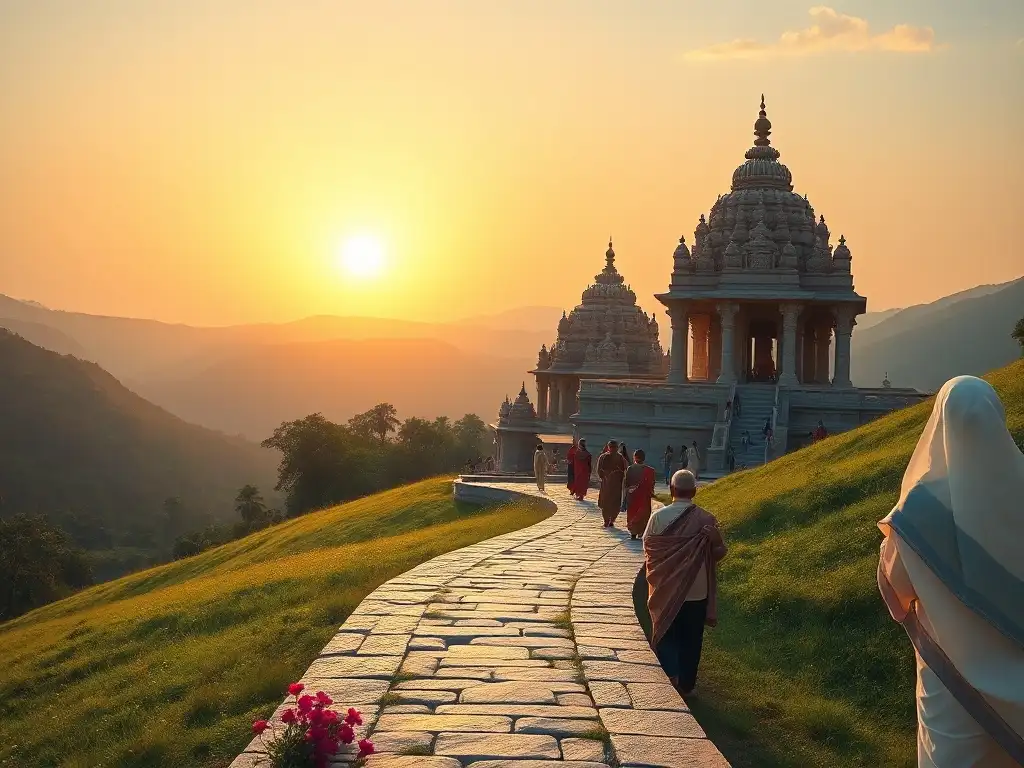
Introduction to Jain Pilgrimage Sites
Jain pilgrimage sites hold profound spiritual and cultural significance, serving as vital expressions of the rich tapestry of Jainism. These sacred locations are not merely geographical points on a map; they are deeply interwoven with the religious practices, philosophies, and historical narratives of the Jain community. From the ancient civilization of the Indus Valley to the flourishing Gupta Empire, these sites have been sanctified by the footsteps of revered Tirthankaras and countless devotees.
They represent a journey through time, reflecting the evolution of Jain thought and practice over millennia. This exploration of Jain pilgrimage sites not only sheds light on their historical context but also emphasizes their role in the spiritual lives of Jains, making them essential for understanding Jain pilgrimage sites history.
Understanding Jainism and Its Core Principles
To appreciate the significance of Jain pilgrimage sites, it’s essential to first understand the foundational principles of Jainism. Founded around the 6th century BCE, Jainism is one of the oldest religions in India, emphasizing ahimsa (non-violence), anekantavada (non-absolutism), and aparigraha (non-possessiveness).
- Ahimsa: This principle advocates for the reverence of all living beings and promotes a life of peace and compassion.
- Anekantavada: This philosophy encourages an understanding of multiple perspectives, fostering tolerance and dialogue.
- Aparigraha: This tenet emphasizes detachment from material possessions, leading to spiritual liberation.
These core beliefs shape the practices and rituals performed at pilgrimage sites, reinforcing the importance of spiritual purity and ethical living.
The Role of Pilgrimage in Jain Spirituality
Pilgrimage, or Tirtha Yatra, is a fundamental aspect of Jain spirituality. It is considered a path to spiritual purification and enlightenment. Pilgrims visit sacred sites to pay homage to Tirthankaras, the enlightened beings who have attained liberation and shown the path to others.
- Spiritual Benefits: Pilgrimage is believed to cleanse the soul and reduce karmic attachments, leading to a greater understanding of the self.
- Community and Identity: These journeys foster a sense of community among Jains, reinforcing shared beliefs and practices while strengthening their cultural identity.
Through the act of pilgrimage, Jains connect with their historical roots and the teachings of their faith, creating a living tradition that has endured for centuries.
The Historical Background of Jain Pilgrimage Sites
To fully grasp the significance of Jain pilgrimage sites, it is crucial to explore their historical background. These sites have evolved over time, shaped by various cultural, religious, and political influences.
Origins of Jain Pilgrimage Practices
The origins of Jain pilgrimage practices can be traced back to the early followers of Mahavira, the 24th Tirthankara, who is often credited with formalizing Jainism. The establishment of pilgrimage routes and sites became prominent during the Maurya Empire (322-185 BCE), as the religion gained followers and recognition.
- Early Sites: Some of the earliest pilgrimage sites include Shravanabelagola and Kshullak Dadhivahana, which hold significant historical and spiritual importance.
- Royal Patronage: Throughout history, Jains received patronage from various dynasties, such as the Guptas, which helped in the establishment and maintenance of these sacred sites.
As Jainism spread, so did the practice of pilgrimage, leading to the development of a network of sacred sites across India.
Key Historical Events Shaping Jain Pilgrimage Sites
Several key historical events have played a pivotal role in shaping the landscape of Jain pilgrimage sites.
- Influence of Rulers: Prominent rulers, including King Ashoka and various Jain emperors, contributed to the construction and preservation of temples and monuments.
- Cultural Exchanges: The spread of Jainism beyond India led to interactions with other cultures and religions, influencing architectural styles and pilgrimage practices.
These events not only enriched the spiritual significance of the sites but also highlighted the resilience of Jain communities in preserving their heritage through centuries of change.
The exploration of Jain pilgrimage sites reveals a rich interplay of spirituality, history, and cultural evolution, making it an essential aspect of understanding Jainism and its enduring legacy.
Major Jain Pilgrimage Sites in India
India is home to numerous Jain pilgrimage sites, each steeped in rich history and spiritual significance. These sites attract devotees from around the world, offering a glimpse into the ancient traditions and teachings of Jainism. Some of the most prominent pilgrimage locations include:
- Shravanabelagola: Located in Karnataka, this site is famous for its towering statue of Bahubali, a revered figure in Jainism. The site draws thousands during the Mahamastakabhisheka festival, which occurs every 12 years and involves anointing the statue with various substances.
- Palitana: Also in Gujarat, Palitana is known for its intricate temple architecture. The complex boasts over 850 temples, with the most notable being the Adinath Temple, dedicated to Lord Rishabha, the first Tirthankara. The pilgrimage here involves a trek up the sacred Shatrunjaya Hill.
- Ranakpur: Famous for its stunning marble temples, Ranakpur is renowned for the Chaumukha Temple dedicated to Tirthankara Adinath. The intricate carvings and serene ambiance make it a significant pilgrimage site.
- Kshatriyaji: Located in Rajasthan, this site is known for its historical significance and is associated with many revered Tirthankaras. The temples here are built in traditional Jain architectural style and are frequented by pilgrims seeking spiritual solace.
Overview of Prominent Jain Pilgrimage Locations
Prominent Jain pilgrimage locations are not only centers of worship but also hold cultural and historical importance that reflects the teachings and values of Jainism. Each site represents a unique aspect of Jain philosophy:
- Dilwara Temples: Situated near Mount Abu, the Dilwara Temples are famed for their exquisite marble craftsmanship. They are dedicated to various Tirthankaras and showcase intricate carvings that exemplify Jain artistry.
- Sammet Shikhar: This site, located in Jharkhand, is the place where many Tirthankaras attained liberation. It features numerous temples dedicated to Jain deities and offers a serene environment for meditation.
- Uparkot Caves: Found in Junagadh, Gujarat, these ancient caves contain rock-cut temples and are believed to date back to the 2nd century BCE. They are important for both their historical significance and their architectural marvels.
These locations serve as vital links in the spiritual journey of Jains, providing opportunities for reflection, devotion, and community gathering.
Lesser-Known Jain Pilgrimage Sites
While the major pilgrimage sites draw significant attention, many lesser-known locations also hold considerable spiritual value. These sites often provide a more intimate experience for pilgrims looking to deepen their understanding of Jainism:
- Sonagiri: Located in Madhya Pradesh, Sonagiri is a lesser-known site with a collection of temples dedicated to Tirthankara Chandraprabhu. The tranquil setting amidst nature enhances the spiritual experience.
- Bawangaja: This pilgrimage site in Madhya Pradesh features a colossal statue of Tirthankara Adinath. The serene atmosphere and surrounding hills make it a peaceful retreat for devotees.
- Jasol: Situated in Rajasthan, Jasol is home to the ancient Jain temple of Parshwanath, which showcases beautiful carvings and inscriptions. It is a hidden gem for those exploring Jain heritage.
These lesser-known sites often reflect the rich diversity of Jain practices and teachings, providing unique insights into the faith's evolution over time.
The Spiritual Significance of Jain Pilgrimage Sites
Jain pilgrimage sites are more than just physical locations; they embody profound spiritual significance. They serve as tangible connections to Jain teachings and the lives of revered Tirthankaras, providing pilgrims with a framework for spiritual development.
Symbolism and Meaning Behind Jain Pilgrimage Locations
Each Jain pilgrimage site is rich in symbolism, reflecting the core principles of Jainism such as non-violence, truth, and asceticism. The temples and statues found at these locations often symbolize:
- Spiritual Purity: The emphasis on cleanliness and ritual purity at these sites underscores the Jain belief in the importance of maintaining a pure mind and body.
- Sacred Geography: Many pilgrimage sites are situated on hills or in serene natural settings, representing a journey towards spiritual elevation and enlightenment.
- Historical Legacy: The connection to historical figures, particularly Tirthankaras, adds a layer of depth to each site, reminding devotees of the teachings and sacrifices made by these spiritual leaders.
This symbolism plays a crucial role in guiding pilgrims on their spiritual journeys, encouraging them to reflect on their own lives and practices.
Pilgrimage as a Pathway to Spiritual Enlightenment
For Jains, pilgrimage is not merely a physical journey but a spiritual endeavor aimed at achieving enlightenment. The act of pilgrimage serves several important purposes:
- Reflection and Introspection: Pilgrimage provides an opportunity for self-reflection and contemplation of one's actions, promoting a deeper understanding of Jain principles.
- Community and Connection: Pilgrimage fosters a sense of community among devotees, allowing them to share their experiences and strengthen their faith together.
- Ritual and Practice: Engaging in rituals at pilgrimage sites helps reinforce the teachings of Jainism, reminding pilgrims of the importance of non-attachment and the pursuit of spiritual goals.
Through the pilgrimage experience, Jains seek to cultivate a pathway to spiritual enlightenment, ultimately aiming for liberation from the cycle of birth and rebirth.
The Cultural Impact of Jain Pilgrimage Sites

Jain pilgrimage sites have played a significant role in shaping the cultural landscape of India. These sites are not merely places of worship; they embody a rich tapestry of history, art, and philosophy that has influenced various aspects of Indian civilization. The impact extends beyond religious practices, affecting local economies, community structures, and the preservation of ancient traditions.
One of the most notable aspects of this cultural impact is the promotion of values such as non-violence (Ahimsa) and truth (Satya), central to Jain philosophy. Pilgrimage to these sacred sites fosters a sense of community among Jains, facilitating a shared identity and collective memory. Furthermore, these sites often serve as venues for festivals and rituals, reinforcing social bonds and cultural heritage.
Influence on Art and Architecture in Jain Temples
The art and architecture of Jain temples reflect a deep spiritual ethos and a commitment to craftsmanship that has evolved over centuries. Notable for their intricate carvings and detailed sculptures, Jain temples are masterpieces that illustrate the aesthetic sensibilities of the time. The temples are often adorned with images of Tirthankaras, celestial beings, and other symbolic motifs that convey Jain teachings and philosophy.
Distinctive architectural styles, such as those seen in the Dilwara Temples of Mount Abu or the Ranakpur Temple in Rajasthan, showcase the use of marble and elaborate ornamentation. These structures serve as not only places of worship but also as repositories of art and culture, influencing subsequent architectural endeavors across India and beyond. The unique blend of functionality and artistry in Jain temples has left an indelible mark on the broader Indian architectural landscape.
Jain Pilgrimage Sites as Centers of Education and Learning
Historically, Jain pilgrimage sites have served as significant centers of education and learning. Monasteries and temples often doubled as schools where monks imparted teachings not only related to Jain philosophy but also to subjects like astronomy, mathematics, and literature. This educational role helped in the preservation and dissemination of knowledge over generations.
The tradition of scholarly debate and discourse at these sites encouraged intellectual growth and fostered a spirit of inquiry among followers. Many pilgrimage sites, such as the famous Shikharji in Jharkhand, became hubs for Jain scholars and philosophers, contributing to a rich tradition of literature and thought that influenced not just Jains but the broader Indian intellectual milieu.
The Modern-Day Relevance of Jain Pilgrimage Sites
In contemporary times, Jain pilgrimage sites continue to hold significant relevance, serving as vital links to the past while adapting to modern challenges. These sites attract millions of devotees and tourists each year, contributing to the spiritual well-being of individuals and the economic vitality of surrounding regions.
Preservation of Jain Pilgrimage Sites History
The preservation of Jain pilgrimage sites history is crucial in maintaining the integrity of these sacred spaces. Efforts by both the Jain community and government bodies aim to protect the architectural heritage and spiritual significance of these sites. Restoration projects and conservation efforts are integral to ensuring that future generations can appreciate the historical and cultural importance of landmarks like the Palitana Temples and the ancient city of Ujjain.
Documentation of oral histories and traditional practices associated with these sites also plays a vital role in preserving their legacy. Engaging the community in preservation efforts fosters a sense of ownership and responsibility towards these cultural treasures.
Challenges Facing Jain Pilgrimage Sites Today
Despite their significance, Jain pilgrimage sites face numerous challenges today. Urbanization, environmental degradation, and tourism pressures threaten the sanctity and physical integrity of these sites. Increasing visitor numbers can lead to wear and tear, while inadequate infrastructure can compromise the experience for pilgrims and tourists alike.
Moreover, the financial sustainability of maintaining these sites is a growing concern, as funding often relies on donations and the economic health of the Jain community. Addressing these challenges requires a balanced approach that respects the spiritual essence of pilgrimage while accommodating modern needs.
Efforts in Promoting Jain Pilgrimage Tourism
To address the challenges faced by Jain pilgrimage sites, there have been concerted efforts to promote Jain pilgrimage tourism. This includes developing tourism infrastructure, enhancing accessibility, and creating awareness about the cultural and spiritual significance of these sites.
Organizations within the Jain community are actively involved in marketing pilgrimage sites through digital platforms and travel packages, highlighting the unique experiences they offer. Initiatives such as guided tours, cultural festivals, and educational programs aim to attract a broader audience while ensuring that the core values of Jainism are respected and upheld.
Through these efforts, Jain pilgrimage sites can continue to thrive as vital cultural and spiritual centers, fostering a deeper understanding of Jain history and philosophy in the modern world.
Conclusion
The exploration of Jain pilgrimage sites offers a profound insight into the spiritual and cultural tapestry of ancient India. These sacred locations not only serve as places of worship and reflection but also embody the philosophical principles that Jainism espouses, such as non-violence, truth, and asceticism. Each site is steeped in historical significance, revealing the intricate relationship between faith and everyday life in ancient Indian civilizations. As we conclude this journey, it is crucial to recognize how these pilgrimage sites contribute to our understanding of Jainism and its impact on the socio-religious landscape of India.
Recap of the Spiritual Journey Through Jain Pilgrimage Sites
Throughout our exploration of Jain pilgrimage sites, we have uncovered various elements that highlight their spiritual significance. Key aspects include:
- Historical Context: Many pilgrimage sites, such as Shravanabelagola, have played pivotal roles in the evolution of Jain thought and practice, marking significant events in Jain history.
- Architectural Marvels: The intricate carvings and unique architectural styles found in temples demonstrate the artistic skills of ancient craftsmen while embodying the spiritual ideals of Jainism.
- Pilgrimage Practices: The rituals and practices observed by pilgrims, such as fasting, meditation, and communal prayers, reflect the deep devotion and commitment to the Jain way of life.
- Cultural Interactions: Jain pilgrimage sites have served as centers for cultural exchange, influencing and being influenced by surrounding religious traditions throughout history.
This journey through these sacred spaces not only enriches our understanding of Jainism but also emphasizes the significance of spirituality in shaping the identity of ancient Indian civilizations.
The Enduring Legacy of Jainism in Ancient Indian History
Jainism's influence extends far beyond the boundaries of its adherents, leaving an indelible mark on ancient Indian history. The legacy of Jain pilgrimage sites can be observed in various dimensions:
- Philosophical Contributions: Jainism has profoundly influenced Indian philosophy, particularly in the areas of ethics and metaphysics. The emphasis on non-violence (ahimsa) and truth (satya) has permeated the broader cultural ethos of Indian society.
- Art and Literature: The artistic expression found in Jain temples and manuscripts showcases the rich literary and artistic heritage of the period. Jain texts, such as the Tattvartha Sutra, continue to be studied for their philosophical insights.
- Social Impact: Jain communities have historically been involved in commerce, education, and social reform, contributing to the economic and social fabric of ancient India. Their commitment to non-violence and compassion has inspired numerous social movements throughout history.
The spiritual significance of Jain pilgrimage sites illustrates not only the depth of Jainism as a religious tradition but also its integral role in shaping the history and culture of ancient India. The enduring legacy of these sites continues to inspire millions, promoting values of peace and introspection that resonate even in contemporary society.
- Introduction to Jain Pilgrimage Sites
- The Historical Background of Jain Pilgrimage Sites
- Major Jain Pilgrimage Sites in India
- The Spiritual Significance of Jain Pilgrimage Sites
- The Cultural Impact of Jain Pilgrimage Sites
- The Modern-Day Relevance of Jain Pilgrimage Sites
- Conclusion
Frequently Asked Questions
What are Jain pilgrimage sites?
Jain pilgrimage sites are sacred locations where followers of Jainism visit to engage in spiritual practices and seek enlightenment. These sites often hold historical significance and are rich in cultural heritage.
Why are Jain pilgrimage sites important in history?
Jain pilgrimage sites are crucial in history as they reflect the philosophical teachings of Jainism and highlight the architectural achievements of ancient Indian civilizations. They serve as a testament to the religious tolerance and cultural diversity of the time.
What are some notable Jain pilgrimage sites?
Some notable Jain pilgrimage sites include Shravanabelagola, Palitana, and Ranakpur. Each site features magnificent temples and is associated with important Tirthankaras, making them vital for Jain devotees.
How do Jain pilgrimage sites contribute to modern culture?
These pilgrimage sites contribute to modern culture by attracting tourists and scholars, promoting religious tourism, and preserving ancient traditions. They also serve as venues for cultural festivals and spiritual gatherings.
What role did Jainism play in ancient Indian civilizations?
Jainism played a significant role in shaping ancient Indian civilizations through its ethical teachings, influence on art and architecture, and contributions to philosophy. It emphasized non-violence and truth, impacting societal values and practices.
Final Reflection: The Enduring Legacy of Jain Pilgrimage Sites
The exploration of Jain pilgrimage sites reveals their profound spiritual significance and historical depth, reminding us that these sacred spaces are not merely destinations but living testaments to a rich cultural heritage. In today's fast-paced world, where the quest for meaning often leads us astray, revisiting the history of Jain pilgrimage sites offers a grounding perspective on spirituality and community. As we navigate our own journeys, we can draw inspiration from the resilience and devotion that these sites embody.
Cultural and social landscapes are continually shaped by the values and teachings that emerge from these pilgrimage sites. The stories etched in the stones and the rituals performed within these sacred spaces serve as a bridge connecting past and present, fostering a sense of belonging and purpose among practitioners and visitors alike. Pilgrimage is not merely a journey; it is a transformative experience that deepens our understanding of ourselves and the world.
This ongoing influence highlights the importance of preserving these sites, as they not only reflect the history of Jainism but also contribute to a broader dialogue about spirituality and coexistence in our diverse society.
As you reflect on the insights gained from this exploration of Jain pilgrimage sites, consider how you can incorporate the lessons of humility, compassion, and reverence into your own life. Take a moment to pause and appreciate the journey you are on, recognizing that every step can lead to greater understanding and connection. Let the rich history of these sacred spaces inspire you to seek out your own paths of spiritual growth and community engagement, fostering a deeper appreciation for the diverse tapestry of beliefs that enrich our world.
Embark on Your Own Spiritual Journey Today!
Thank you for joining us as we explored the profound spiritual significance of Jain pilgrimage sites. We hope you feel inspired to deepen your connection to this rich cultural heritage. Now, it’s time to take the next step in your journey!
Here’s how you can engage further:
- Plan a Visit: Choose a Jain pilgrimage site to explore. Immerse yourself in its history and spiritual significance, and feel the peaceful energy that surrounds these sacred places.
- Share Your Experience: Write about your experiences or insights in the comments below or on social media using #JainPilgrimage. Your story could inspire others to embark on similar journeys!
- Learn and Connect: Join local Jain communities or online forums to discuss spiritual practices and the importance of pilgrimage, expanding your understanding and appreciation of Jainism.
What steps will you take to incorporate the teachings and experiences from Jain pilgrimage sites into your daily life?