
Exploring the Role of Markets in Ancient Indian Urban Centers


Welcome to Ancient India History, where we embark on a fascinating journey through the rich tapestry of ancient Indian civilizations. In our latest article, Exploring the Role of Markets in Ancient Indian Urban Centers, we delve into the intriguing history of ancient Indian urban markets, revealing how these bustling hubs of trade not only shaped the economy but also influenced culture and society.
Prepare to uncover the stories and innovations that defined commerce from the Indus Valley to the Gupta Empire, and discover how these markets were vital in connecting diverse communities. Join us as we explore this captivating chapter of history that continues to resonate today!
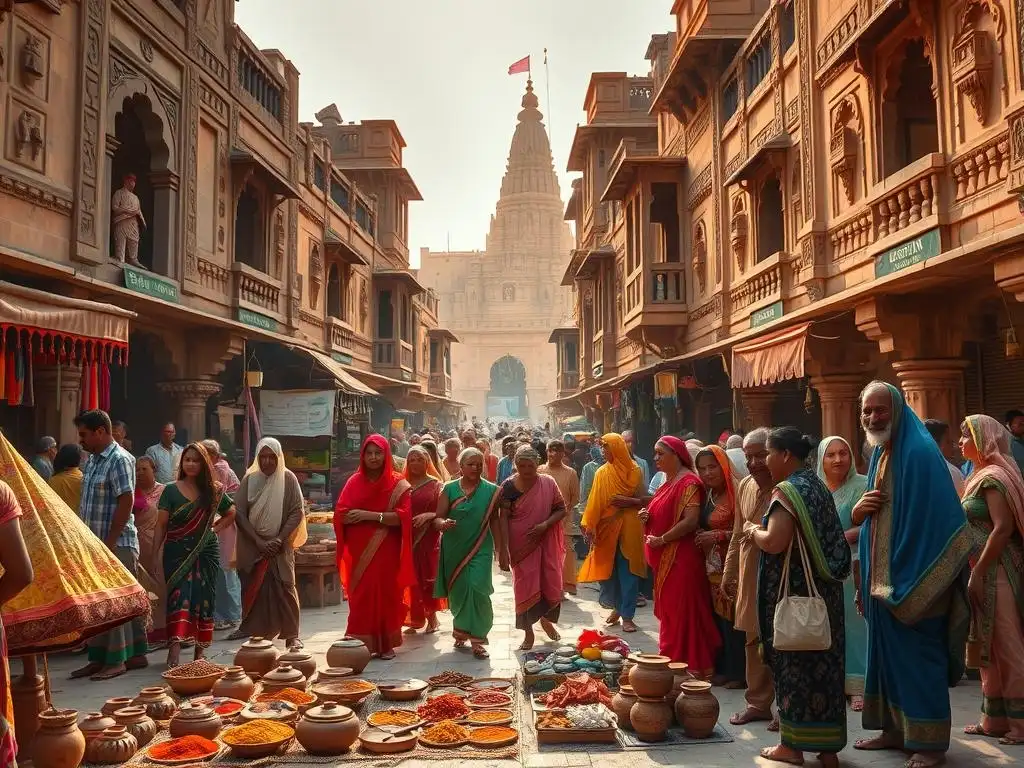
Introduction to Ancient Indian Urban Markets History
The history of ancient Indian urban markets is a fascinating tapestry woven into the broader narrative of trade, economy, and social interaction within one of the world's oldest civilizations. From the bustling streets of the Indus Valley cities to the vibrant marketplaces of the Gupta Empire, these urban centers played a pivotal role in shaping the economic landscape of ancient India.
This article delves into the intricate web of trade networks, the evolution of market structures, and the profound impact that these markets had on society, culture, and economic development. By exploring the historical significance of ancient Indian urban markets, we can better understand their contributions to regional and global trade systems, and their lasting legacy in the context of India’s rich history.
Overview of Ancient Indian Urban Centers
Ancient Indian urban centers emerged as vital hubs of economic and cultural activity, characterized by their strategic locations along trade routes and rivers. Notable cities such as Mohenjo-Daro, Harappa, and Pataliputra were not only centers of governance but also thriving marketplaces that facilitated the exchange of goods, ideas, and cultures.
- Key Features of Ancient Urban Centers:
- Strategic Locations: Positioned near rivers and trade routes to maximize accessibility.
- Urban Planning: Well-organized layouts with advanced infrastructure, including drainage systems and public buildings.
- Cultural Melting Pots: Diverse populations contributed to a rich tapestry of cultural interaction.
The role of these urban centers in fostering trade cannot be overstated. They served as melting pots where merchants and traders congregated, exchanging not only goods but also cultural practices and innovations, thus laying the groundwork for the complex socio-economic networks that defined ancient India.
Importance of Markets in Ancient Indian Society
Markets in ancient India were far more than mere places of commerce; they were vital social institutions that facilitated community interactions and economic exchanges. The importance of markets can be understood through several dimensions:
- Economic Significance:
- Facilitation of Trade: Markets enabled the exchange of local goods such as textiles, spices, and metals, connecting producers with consumers.
- Wealth Generation: Successful markets contributed to the economic prosperity of urban centers, allowing cities to flourish.
- Social Dynamics:
- Cultural Exchange: Markets served as venues for the exchange of ideas and cultural practices, fostering unity and diversity.
- Community Engagement: They provided a space for social interactions, celebrations, and communal activities, reinforcing societal bonds.
Understanding the role of markets in ancient Indian society highlights their multifaceted contributions to the development of urban life, social structures, and economic systems.
The Evolution of Markets in Ancient India
The evolution of markets in ancient India reflects changes in trade practices, urbanization, and cultural exchanges over centuries.
Early Market Structures in the Indus Valley Civilization
The Indus Valley Civilization (c. 3300–1300 BCE) is renowned for its advanced urban planning and distinct market structures. Archaeological evidence suggests that:
- Formative Market Practices: Early forms of barter and trade were common, with standardized weights and measures facilitating commerce.
- Centralized Marketplaces: Large granaries and storage facilities indicate organized trade practices, where agricultural surplus was exchanged for crafted goods.
These early market structures laid the groundwork for more complex trading systems in subsequent periods.
Development of Trade Routes and Marketplaces
As ancient India transitioned through various empires and dynasties, the development of trade routes and marketplaces became increasingly sophisticated:
- Land and Maritime Routes: Key trade routes, including the Silk Road and coastal shipping lanes, connected India with regions as far as Europe and Southeast Asia.
- Urban Marketplaces: Cities like Taxila and Pataliputra became prominent centers for trade, attracting merchants and traders from diverse backgrounds.
The expansion of trade routes significantly enhanced the scale and scope of markets, allowing for a greater variety of goods and cultural exchanges.
Influence of Geography on Market Locations
Geography played a crucial role in determining the locations of markets in ancient India. Factors influencing market placement included:
- Proximity to Water Sources: Rivers and coasts provided essential transportation routes for goods.
- Natural Resources: Areas rich in specific resources often became market hubs for those commodities.
- Climate Considerations: Favorable climate conditions contributed to agricultural productivity, further enhancing market viability.
By examining how geography shaped market locations, we gain insights into the strategic planning and development of trade networks in ancient Indian urban centers.
Types of Markets in Ancient Indian Urban Centers

Ancient Indian urban centers were vibrant hubs of trade, commerce, and cultural exchange, with various types of markets catering to the needs of their populations. These markets played a critical role in shaping the economic landscape of ancient India. They can be categorized into three main types: weekly markets (haat), permanent markets, and specialized markets based on goods.
Weekly Markets (Haat) and Their Significance
Weekly markets, known as haat, were temporary trading centers that sprung up in different locations on specific days of the week. These markets served as vital platforms for local farmers, artisans, and traders to sell their goods directly to consumers. The significance of haat can be summarized as follows:
- Community Interaction: Haat facilitated social gatherings, allowing villagers to interact, share news, and strengthen community bonds.
- Diversity of Goods: These markets offered a wide array of products, from agricultural produce to handcrafted items, reflecting the local culture and economy.
- Access to Resources: For many rural communities, haat provided access to goods that were otherwise unavailable, helping to meet their daily needs.
The existence of haat illustrates the importance of accessibility and community in ancient trade practices, reinforcing the interconnectedness of urban and rural economies.
Permanent Markets and Trade Hubs
Permanent markets in ancient Indian urban centers, often located in strategic areas like city squares or along trade routes, served as the backbone of ongoing commercial activity. These markets were characterized by their stable infrastructure and regular operations, attracting a consistent flow of customers. Key features included:
- Centralized Locations: Located in prominent areas, these markets were easily accessible to both local residents and traveling merchants.
- Diverse Offerings: Permanent markets showcased a variety of goods, including textiles, spices, metals, and pottery, catering to the diverse needs of urban populations.
- Economic Stability: The consistent presence of these markets helped stabilize local economies, providing a reliable source of income for merchants and artisans.
These trade hubs played a crucial role in the economic development of ancient cities, acting as centers for commerce and social interaction.
Specialization of Markets Based on Goods
In ancient Indian urban centers, markets often specialized based on the types of goods being traded. This specialization led to the emergence of distinct market areas, each catering to specific commodities. Some notable examples include:
- Textile Markets: Cities like Varanasi became renowned for their silk and cotton fabrics, attracting merchants and consumers alike.
- Spice Markets: Regions such as Malabar were famous for their spices, which were traded both locally and internationally.
- Metal and Craft Markets: Areas specializing in metalwork and handicrafts showcased the skills of local artisans, promoting their unique products.
This specialization not only enhanced trade efficiency but also allowed different urban centers to develop unique identities based on their primary goods, further enriching the tapestry of ancient Indian commerce.
Economic Role of Markets in Ancient Indian Civilizations
Markets in ancient Indian civilizations were more than just places for buying and selling goods; they were essential components of the economic framework, influencing various aspects of daily life and long-term growth.
Impact on Local Economies and Community Growth
The presence of markets significantly impacted local economies by stimulating trade and creating job opportunities. Key aspects of this impact include:
- Income Generation: Markets provided livelihoods for countless individuals, from farmers to craftspeople, fostering economic independence and growth.
- Urban Development: As trade flourished, urban centers expanded, leading to improved infrastructure, such as roads and public facilities, which further enhanced economic activities.
- Encouragement of Innovation: The competition within markets encouraged artisans to innovate and improve their products, contributing to overall economic advancement.
The economic activities centered around these markets contributed to the development of prosperous communities and thriving urban centers.
Trade Networks and the Flow of Goods
Ancient Indian markets were integral to extensive trade networks that facilitated the flow of goods across regional and international boundaries. These networks enabled:
- Diverse Trade Routes: Merchants utilized land and maritime routes to transport goods, connecting distant markets and fostering cultural exchanges.
- Integration of Economies: The trade networks created interdependence among various regions, allowing local economies to thrive through the exchange of resources and products.
- Cultural Exchange: The movement of goods also led to the exchange of ideas, traditions, and technologies, enriching the cultural fabric of ancient India.
These trade networks underscored how markets acted as the arteries of the economy, facilitating the movement of goods and ideas across vast distances.
Role of Merchants and Artisans in Urban Markets
Merchants and artisans were pivotal figures in the functioning of ancient Indian urban markets. Their roles can be outlined as follows:
- Merchants: Acting as intermediaries, merchants sourced goods from producers and distributed them throughout urban centers and beyond. They played a crucial role in setting prices and ensuring the availability of diverse products.
- Artisans: Skilled craftsmen contributed to the market by producing unique goods, often tailored to local tastes and preferences. Their craftsmanship not only supported local economies but also contributed to the cultural identity of their regions.
Together, merchants and artisans formed a symbiotic relationship that was essential for the vitality and sustainability of ancient urban markets, ultimately shaping the economic landscape of ancient India.
Cultural Significance of Ancient Indian Markets
Ancient Indian markets were not merely commercial hubs; they served as vital centers of cultural exchange and social interaction. These markets played a pivotal role in the daily lives of urban dwellers and were instrumental in shaping the cultural landscape of ancient Indian civilizations. From the bustling bazaars of the Indus Valley to the thriving trade centers of the Gupta Empire, markets were where diverse communities came together, facilitating not only economic transactions but also cultural dialogues.
The architecture and layout of these markets often reflected the local culture and societal norms. Stalls were typically organized by the type of goods sold, showcasing a rich variety of local crafts, spices, textiles, and agricultural products. This organization fostered a sense of community and identity among merchants and shoppers alike. Furthermore, the presence of specialized markets for specific goods signified the economic stratification and the importance of certain trades within the urban economy.
Markets as Social and Cultural Meeting Points
Markets in ancient India acted as vibrant social hubs where people from different backgrounds converged. They provided a space for merchants, artisans, farmers, and consumers to interact, share knowledge, and engage in cultural exchanges. These interactions fostered a sense of community and belonging, as markets were frequented not just for shopping but also for socializing and networking.
The diverse population of urban centers meant that markets were melting pots of ideas, traditions, and practices. They facilitated the exchange of cultural values, art forms, and even languages. This interplay significantly shaped local cultures, contributing to the rich tapestry of ancient Indian civilization.
Festivals and Events Held in Urban Markets
Festivals and special events were integral to the functioning of ancient Indian markets. Many urban centers organized seasonal fairs and religious festivals that attracted large crowds, turning markets into vibrant sites of celebration. These events often featured various activities, including music, dance, and theatrical performances, thus enhancing the festive atmosphere.
Such gatherings not only boosted economic activity but also allowed for the display and exchange of regional crafts and foods. For instance, during the harvest festival, markets would be adorned with colorful decorations, and vendors would showcase their finest products, drawing visitors from surrounding areas. These events played a crucial role in promoting local traditions and reinforcing community bonds.
Influence of Religion and Tradition on Market Practices
Religion and tradition significantly influenced the practices and operations within ancient Indian markets. Many markets were located near temples or religious sites, linking commerce with spirituality. This proximity often dictated the types of goods sold, as religious rituals frequently required specific offerings, which merchants were keen to provide.
Moreover, various festivals tied to religious calendars affected market dynamics, with certain periods witnessing increased trading activities. For instance, during auspicious days, traders would offer special discounts or unique items, believing it would attract more customers. The intertwining of religious beliefs with market practices illustrates the integral role that spirituality played in shaping the economic landscape of ancient India.
Case Studies of Prominent Ancient Indian Markets
The Market of Pataliputra: A Hub of Trade
Pataliputra, the capital of the Maurya Empire, was one of the most significant urban centers in ancient India. The city’s market was renowned for its vastness and diversity, serving as a crucial hub for trade routes connecting different parts of the subcontinent. Artisans and merchants flocked to Pataliputra, creating a bustling economic environment where goods such as textiles, spices, and precious metals were exchanged.
The strategic location of Pataliputra along major rivers facilitated the movement of goods, making it a vital center of commerce. Historical texts highlight the sophisticated organization of the market, where merchants were classified based on their trades, ensuring a structured and efficient trading process. This organization not only enhanced trade but also attracted traders from distant lands, contributing to Pataliputra’s reputation as a cosmopolitan city.
Ujjain's Role in Trade and Economy
Ujjain, known for its astronomical significance and as a pilgrimage site, was also a prominent center of trade in ancient India. The city was strategically located on the trade route connecting north and south India, which played a crucial role in its economic prosperity. Markets in Ujjain were bustling with merchants dealing in a wide range of commodities, including textiles, grains, and luxury items.
The city’s importance was further amplified during the Kshatrapa and Gupta periods, when it became a center for minting coins. The availability of currency facilitated trade, allowing for more complex economic transactions. Ujjain’s markets not only served local needs but also catered to traders from neighboring regions, making it a vital player in ancient Indian trade networks.
The Significance of Taxila in Ancient Trade Networks
Taxila is often regarded as one of the oldest urban centers in ancient India and a pivotal point in the subcontinent’s trade networks. Located at the crossroads of several major trade routes, Taxila was an essential hub for merchants from different regions, including those from Persia, Central Asia, and the Indian subcontinent. The markets of Taxila were known for their remarkable diversity, offering goods ranging from silk and spices to metalwork and pottery.
The city’s educational institutions also attracted scholars and traders alike, further enhancing its status as a center of commerce and culture. The amalgamation of trade and education in Taxila contributed to the exchange of ideas, knowledge, and culture, making it a key player in the historical narrative of ancient Indian urban markets. Its legacy continues to be a focal point for understanding the complexities of trade and cultural interactions in ancient India.
Challenges Faced by Ancient Indian Urban Markets
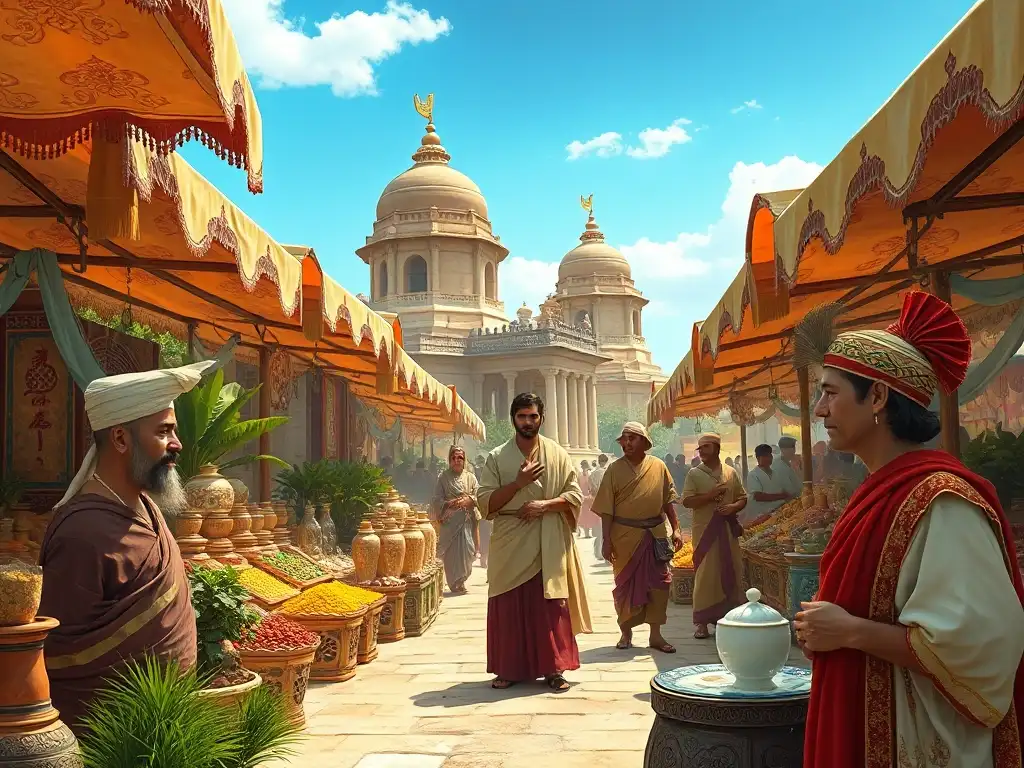
Ancient Indian urban markets were vibrant centers of trade and commerce, facilitating the exchange of goods, ideas, and culture. However, these markets faced numerous challenges that affected their operations and sustainability. Understanding these challenges provides insight into the complexities of ancient trade networks and their evolution over time.
Economic Disruptions and Declines
Economic disruptions significantly impacted the functioning of urban markets in ancient India. Various factors contributed to these downturns:
- Invasions and Warfare: Frequent invasions and conflicts, such as those by the Greeks, Mauryans, and later the Huns, disrupted trade routes and led to the destruction of market infrastructure. For instance, the invasion of Alexander the Great in the 4th century BCE forced local economies to adapt and often resulted in short-term economic decline.
- Natural Disasters: Events like floods, earthquakes, and droughts could devastate agricultural production, which was a cornerstone of urban markets. The decline of the Indus Valley Civilization is believed to have been partly due to environmental changes that adversely affected agricultural output.
- Shifts in Trade Routes: Changes in trade patterns, often influenced by geopolitical factors, could lead to the decline of certain markets. For example, as the Roman Empire expanded, some trade shifted towards Mediterranean routes, potentially diminishing the importance of Indian markets.
Environmental Factors Affecting Trade
Environmental conditions played a crucial role in shaping the dynamics of ancient Indian urban markets. Several factors include:
- Climate Variability: The monsoon climate of India was pivotal for agriculture, directly impacting the availability of goods in urban markets. An erratic monsoon could lead to crop failures, affecting food supply and prices.
- Geographical Barriers: The diverse geography of India, with its mountains, rivers, and deserts, presented both opportunities and challenges for trade. While rivers like the Ganges facilitated trade, mountains could hinder transportation and communication, isolating certain markets.
- Resource Scarcity: Limited access to essential resources like water and raw materials could stifle market growth. Urban centers often had to rely on trade with surrounding regions to fulfill their resource needs, making them vulnerable to external supply disruptions.
Political Influences on Market Operations
The governance structures and political climates of ancient India significantly influenced urban markets. Key aspects include:
- Regulatory Policies: Rulers often imposed taxes and tariffs on goods traded in markets, which could either bolster or hinder economic activity. For example, the Mauryan Empire established a system of regulated markets that facilitated trade but also imposed stringent controls.
- Market Control and Monopoly: In some cases, local rulers established monopolies on certain goods, which could distort market dynamics. This control sometimes led to the overpricing of goods and limited competition, negatively impacting consumers.
- Political Stability: Periods of political stability generally fostered prosperous trade environments, while instability often led to market decline. The Gupta Empire, for instance, is noted for its political stability, which contributed to economic prosperity and vibrant market activities.
Conclusion: The Legacy of Ancient Indian Urban Markets
The legacy of ancient Indian urban markets extends far beyond their historical context, influencing trade practices and urban structures in contemporary society. Their contributions to the development of trade networks laid the foundation for future economic systems.
Lasting Impacts on Modern Indian Trade Practices
The structures and practices of ancient urban markets continue to resonate in modern India. Key impacts include:
- Market Organization: The organization of markets in ancient times, including the establishment of trade guilds and regulated pricing, has influenced contemporary market practices. Modern markets often draw on these historical frameworks to enhance efficiency and competitiveness.
- Cultural Exchange: The role of markets as centers of cultural exchange has persisted. Today’s markets still serve as melting pots of diverse cultures, reflecting the rich heritage of ancient trade networks.
- Urban Planning: Insights from ancient market layouts and urban planning inform current urban development practices, promoting the integration of commercial spaces with community needs.
Continued Relevance of Ancient Market Structures in Contemporary Society
The principles governing ancient Indian urban markets remain relevant in today's economic context. These include:
- Community and Collaboration: The community-oriented nature of ancient markets emphasizes the importance of local economies and collaborative trade practices, which are increasingly recognized in modern economic strategies.
- Sustainability Practices: Lessons from ancient trade practices regarding sustainability and resource management are crucial today as societies grapple with environmental challenges. The focus on local sourcing and sustainable practices echoes ancient methodologies.
- Adaptation to Change: Ancient markets had to adapt to changing political and environmental conditions, a lesson that modern markets continue to learn as they navigate globalization and technological advancements.
The challenges faced by ancient Indian urban markets shaped their evolution and left an indelible mark on the trade practices that define contemporary society. Understanding this history enriches our appreciation of the complexities and resilience of trade networks, both past and present.
References and Further Reading on Ancient Indian Urban Markets History
To gain a deeper understanding of the complex and multifaceted history of ancient Indian urban markets, several resources can provide valuable insights. This section lists suggested readings and key archaeological findings that illuminate the role of markets in shaping trade and urban life in ancient India.
Suggested Books and Articles
-
"The Indus Civilization: A Contemporary Perspective" by Gregory L. Possehl
This book offers a comprehensive look at the Indus Valley Civilization, including the urban planning and trade practices that defined its markets.
-
"Ancient Indian Trade and Commerce" by K. R. Qanungo
This scholarly article explores the intricacies of trade networks in ancient India, focusing on how urban markets facilitated economic growth and cultural exchange.
-
"Urbanization in Ancient India: A Historical Perspective" by Ashok K. Dutta
Dutta's work examines the development of urban centers in ancient India, with particular emphasis on the role of markets and their impact on society.
-
"Trade, Commerce, and the Urban Economy in Early India" by R. S. Sharma
This book delves into the economic structures of early Indian urban centers, shedding light on the dynamics of trade and market activities.
-
"The Economic History of India: 1857-1947" by Romesh Chunder Dutta
Although primarily focused on the later periods, this text provides context for understanding the historical evolution of trade practices originating in ancient urban markets.
Key Archaeological Findings and Discoveries
Archaeological excavations have unearthed significant evidence that underscores the importance of markets in ancient Indian urban centers. Here are some key findings:
- Harappan Seals and Weights: Excavations at sites like Mohenjo-Daro and Harappa have revealed seals and standardized weights, suggesting a sophisticated system of trade and commerce. These artifacts indicate that markets operated with a level of economic regulation and standardization.
- Marketplace Layouts in Ancient Cities: Archaeological studies of urban planning in cities such as Pataliputra and Varanasi have uncovered remnants of marketplace layouts, indicating designated areas for trade activities. The organization of these spaces sheds light on the social and economic interactions among various traders.
- Pottery and Trade Goods: The discovery of pottery, beads, and other trade goods in ancient urban sites points to extensive trade networks that connected various regions. These artifacts often bear inscriptions or designs that link them to specific markets, providing insight into consumer behavior and trade practices.
- Scripts on Inscriptions: Inscriptions found on coins and trade goods reveal details about market transactions and the administration of trade in ancient urban centers. These inscriptions often include names of merchants, types of goods traded, and sometimes even references to market regulations.
- Transport and Infrastructure: Evidence of ancient roads and ports suggests that urban markets were integral to trade networks, facilitating the movement of goods. The remains of docks and transport vessels indicate the scale of trade operations and the connectivity of urban centers.
These references and archaeological discoveries collectively enhance our understanding of the intricate relationship between urban markets and the economic fabric of ancient Indian civilization, illustrating their vital role in shaping trade practices and urban life.
- Introduction to Ancient Indian Urban Markets History
- Overview of Ancient Indian Urban Centers
- Importance of Markets in Ancient Indian Society
- The Evolution of Markets in Ancient India
- Types of Markets in Ancient Indian Urban Centers
- Economic Role of Markets in Ancient Indian Civilizations
- Cultural Significance of Ancient Indian Markets
- Case Studies of Prominent Ancient Indian Markets
- Challenges Faced by Ancient Indian Urban Markets
- Conclusion: The Legacy of Ancient Indian Urban Markets
- References and Further Reading on Ancient Indian Urban Markets History
- What role did markets play in ancient Indian urban centers?
- How did ancient Indian markets differ from modern ones?
- What types of goods were commonly traded in these markets?
- How did the location of urban centers influence market development?
- Can we trace the evolution of urban markets through ancient Indian history?
Frequently Asked Questions
What role did markets play in ancient Indian urban centers?
Markets were vital in ancient Indian urban centers, serving as hubs for trade, commerce, and social interaction. They facilitated the exchange of goods, ideas, and cultures among diverse populations.
How did ancient Indian markets differ from modern ones?
Ancient Indian markets were often characterized by barter systems and local trading networks, unlike today’s cash-based economies. They featured a variety of goods, from artisanal crafts to agricultural products.
What types of goods were commonly traded in these markets?
Commonly traded goods included textiles, spices, metals, and handcrafted items. Markets also served as places for buying everyday necessities, thus reflecting the economic diversity of ancient Indian society.
How did the location of urban centers influence market development?
The geographic location of urban centers often determined their market success. Proximity to trade routes and fertile land facilitated the growth of vibrant markets, attracting merchants and consumers alike.
Can we trace the evolution of urban markets through ancient Indian history?
Yes, the evolution of urban markets can be traced from the Indus Valley Civilization through to the Gupta Empire, showcasing progress in trade practices, urban planning, and economic policies that shaped market dynamics over centuries.
Final Reflection: The Enduring Legacy of Ancient Indian Urban Markets
The exploration of ancient Indian urban markets reveals not only their historical significance but also their profound relevance in today's world. As we navigate the complexities of modern economies and urbanization, understanding the foundations laid by these vibrant marketplaces offers invaluable insights into the dynamics of trade, culture, and community. The bustling markets of ancient India were not merely centers of commerce; they were the heartbeats of urban life, shaping social interactions and cultural exchanges that resonate even in contemporary society.
The legacy of these markets continues to influence our cultural and social landscapes, reminding us of the interconnectedness of trade and community. The intricate networks established in ancient urban centers fostered relationships that transcended mere transactions, creating a rich tapestry of shared experiences and cultural heritage. As historian Romila Thapar eloquently stated, Markets are not just places of exchange; they are the crucibles of culture and identity.
This observation underscores the importance of recognizing how our modern marketplaces still serve as vital spaces for cultural expression and social cohesion, echoing the practices of our ancestors.
As we reflect on the lessons drawn from the history of ancient Indian urban markets, let us consider how we can apply these insights in our own lives. I invite you to engage with your local markets, to appreciate the stories and connections they foster, and to recognize the role you play in this ongoing narrative. By valuing the cultural significance of our marketplaces and supporting local economies, we can honor the legacy of those who came before us while contributing to a more vibrant and interconnected future.
Unveil the Secrets of Ancient Indian Markets!
Thank you for diving into the fascinating world of markets in ancient Indian urban centers! You've discovered the vital role these bustling hubs played in commerce and culture. Now, it's time to take that knowledge further and explore how these historical echoes resonate in your own life.
- Visit a local market this week and observe the vibrant exchange of goods, reminiscent of the lively interactions of the past!
- Share your newfound insights with friends or on social media – help spread the wisdom of history!
- Consider joining a local historical society or participating in online discussions to delve deeper into the fascinating nuances of ancient trade and urban life.
How do you think the legacy of ancient markets influences modern commerce in your community?