
Discovering the Spice Trade: India's Internal Markets and Their Global Impact

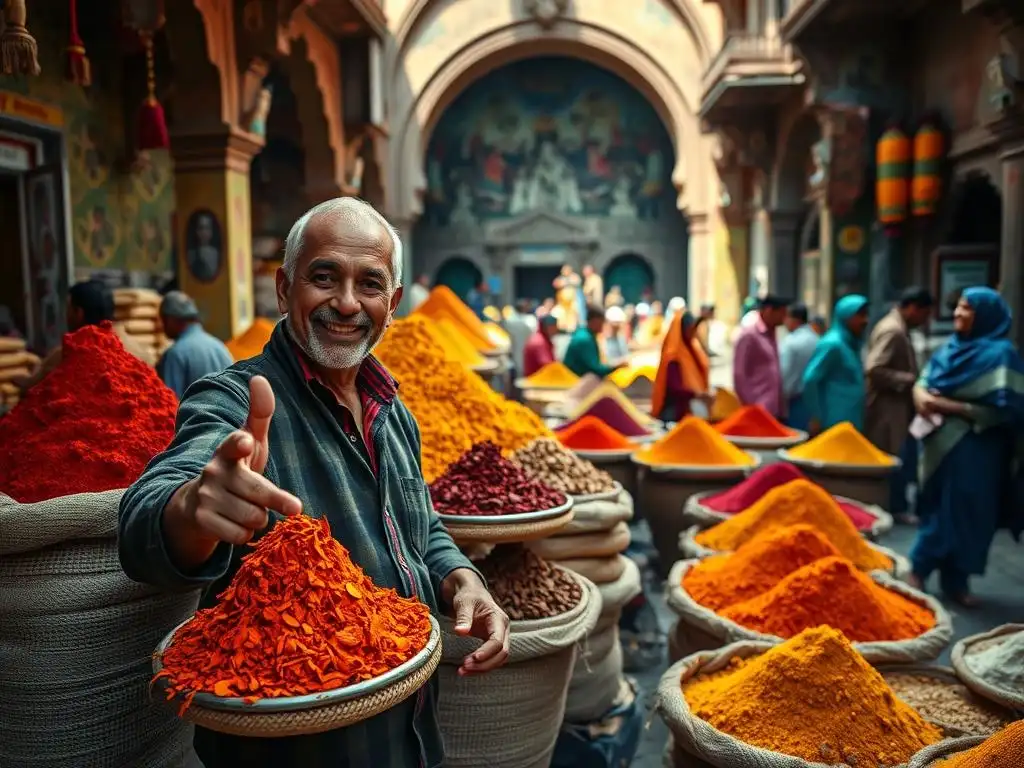
Welcome to Ancient India History, where we embark on a fascinating journey through the vibrant tapestry of India's past. In our featured article, "Discovering the Spice Trade: India's Internal Markets and Their Global Impact," we delve into the rich history of India's spice trade, a cornerstone of ancient commerce that not only shaped local economies but also connected cultures across the globe.
Are you ready to uncover how spices transformed trade routes and influenced civilizations? Join us as we explore the intricate dynamics of India's internal markets and their lasting impact on the world stage, igniting your curiosity about this captivating chapter of history.
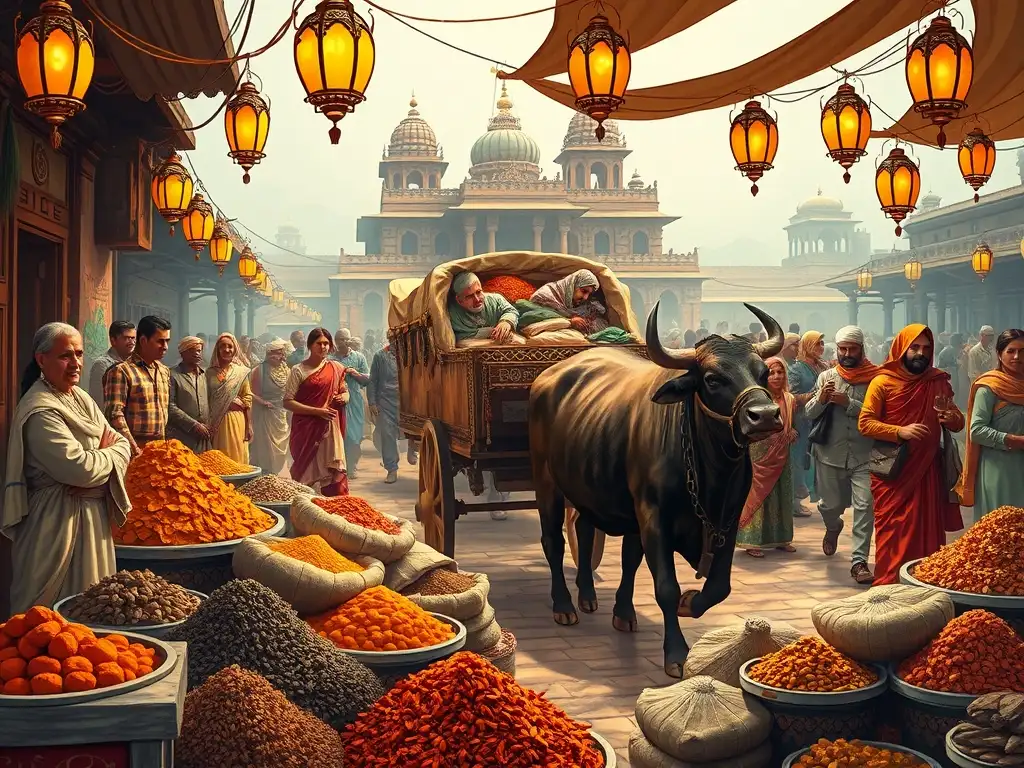
Introduction to India Spice Trade History
The spice trade has long been a focal point of India's rich tapestry of history and culture, serving as a conduit not only for economic prosperity but also for the exchange of ideas and traditions. Spices such as pepper, cardamom, and turmeric have not only flavored culinary delights but have also significantly influenced global trade routes, establishing India as a pivotal player in the ancient world economy.
This article delves into the intricate history of the India spice trade, examining its origins, the internal markets that thrived, and the lasting impact it has had on both local and global scales.
Overview of the Spice Trade in Ancient India
The spice trade in ancient India dates back thousands of years, with evidence suggesting that it flourished as early as the Indus Valley Civilization (circa 3300–1300 BCE). The region's diverse climate allowed for the cultivation of a wide variety of spices, which became coveted commodities in both domestic and international markets.
- Key Spices:
- Black Pepper: Often referred to as “black gold,” black pepper was a staple in trade.
- Turmeric: Valued for its medicinal properties and vibrant color.
- Cinnamon: Used not only in cooking but also in religious rituals.
The demand for these spices extended beyond India, reaching distant lands such as Rome, Arabia, and later, Europe, establishing India as a critical hub in the global spice trade network.
Significance of Spices in Indian Culture and Economy
Spices held profound significance in ancient Indian society, influencing various aspects of life, including culinary practices, medicine, and even religious ceremonies.
- Culinary Practices: Spices were essential for flavoring food, preserving it, and enhancing its nutritional value.
- Medicinal Uses: Many spices were utilized in Ayurvedic medicine, highlighting their importance in health and wellness.
- Cultural Exchange: The spice trade facilitated cultural interactions, allowing for the exchange of not just goods but also ideas and traditions.
As a result, spices were not merely products of trade; they played a vital role in shaping India's economy, contributing significantly to its wealth and status on the world stage.
Historical Background of Spice Trade in India
The historical context of the spice trade in India is rich and complex, involving various civilizations and a multitude of trade routes that evolved over centuries.
Early Beginnings of the Spice Trade
The spice trade's roots can be traced back to the Indus Valley Civilization, where archaeological findings suggest that spices were cultivated and used as early as 2500 BCE. The trade expanded significantly during the Vedic period (1500–500 BCE) as Indian merchants began to establish connections with traders from the Middle East and beyond.
- Notable Developments:
- Maritime Trade: The establishment of sea routes during the Mauryan Empire (322–185 BCE) opened new avenues for trade.
- Land Routes: The Silk Road also contributed to the movement of spices from India to various parts of the world.
Major Spice Routes in Ancient India
The spice trade in ancient India was characterized by a variety of trade routes that facilitated the movement of spices both internally and internationally.
| Route Type | Description |
|---|---|
| Land Routes | Connected major cities like Taxila and Ujjain, linking India with Central Asia. |
| Maritime Routes | Enabled trade with Southeast Asia, the Arabian Peninsula, and East Africa. |
These routes not only allowed for the exchange of spices but also fostered cultural and social interactions among different civilizations.
Influential Civilizations in the Spice Trade
Several ancient civilizations played pivotal roles in shaping the spice trade landscape in India.
- Mauryan Empire: Under Ashoka, the empire expanded trade networks, promoting the export of spices.
- Gupta Empire: Known as a golden age for trade and culture, spices became a significant part of the economy.
- Chola Dynasty: Their maritime prowess enhanced trade relations with Southeast Asia, further solidifying India's position in the global spice market.
The combined efforts of these civilizations laid the groundwork for what would become a vibrant and enduring spice trade network, the effects of which are still felt today.
Internal Markets: Structure and Function
The internal markets of ancient India were intricate networks that facilitated the exchange of goods, particularly spices, across vast regions. These markets operated on a system of established trade routes, where merchants, traders, and local farmers played crucial roles. The structure of these markets was heavily influenced by geography, local resources, and cultural practices.
Merchants would gather spices from various regions, each known for specific varieties, and transport them to bustling marketplaces, where demand was high. The organization of these markets allowed for a variety of transactions, including barter and currency exchange. Additionally, the markets were often regulated by local authorities who ensured fair trade practices and maintained the quality of goods.
The function of these internal markets extended beyond mere trade; they also served as cultural hubs where ideas, traditions, and innovations were exchanged. This interaction not only enriched local economies but also fostered a sense of community among traders and consumers alike.
Key Internal Trade Networks in Ancient India
Several key trade networks emerged in ancient India, connecting distant regions and facilitating the spice trade. The Silk Route, while primarily known for silk, was also a significant pathway for spices from India to reach markets in Central Asia and beyond. This network allowed spices like black pepper and cardamom to be transported across vast distances, enhancing their value.
Another important route was the Western Coastal Trade, which involved ports like Kochi and Kolkata. From these ports, spices were not only traded internally but also shipped to foreign lands such as the Roman Empire and Arabia. The Grand Trunk Road, one of the oldest trade routes in India, also played a pivotal role in connecting the northern and southern regions, facilitating the movement of spices like turmeric and cinnamon.
These networks were vital for the economic prosperity of ancient India, creating a well-oiled machine of trade that benefitted both local economies and international markets.
Major Cities and Their Role in Spice Distribution
Certain cities in ancient India became renowned for their roles in the spice trade, acting as central hubs for distribution. Kochi, for instance, was often referred to as the 'Queen of the Arabian Sea,' serving as a major port for spice exports. The city's strategic location allowed for easy access to international markets, especially for spices like black pepper and cloves.
Delhi, as the capital city, was another critical center for spice distribution. Its marketplaces attracted traders from various regions, making it a melting pot of spices and cultures. Similarly, Kolkata (formerly Calcutta) became a significant commercial hub in the 18th and 19th centuries, where both local and foreign traders engaged in the buying and selling of spices.
These cities not only facilitated local trade but also served as gateways for spices to be exported to other parts of the world, significantly impacting global culinary practices.
The Role of Local Markets in the Spice Trade
Local markets played a crucial role in the spice trade by providing a platform for farmers and local producers to sell their goods directly to consumers and traders. These markets were often vibrant and bustling with activity, where spices were showcased in their freshest forms, attracting buyers from various backgrounds.
The exchange in local markets was characterized by a mix of barter and currency transactions. For instance, a farmer might trade a basket of turmeric for household goods or other spices. This direct connection between producers and consumers not only ensured fair pricing but also promoted the cultivation of diverse spice varieties tailored to local tastes and preferences.
Moreover, local markets served as cultural exchange points where culinary traditions were shared, recipes exchanged, and the significance of spices in local cuisine reinforced. This contributed to the overall appreciation and demand for spices, further embedding them into the fabric of Indian culture.
Spices of India: Varieties and Their Uses
India is home to an astonishing variety of spices, each with unique flavors, aromas, and uses. The rich biodiversity of the Indian subcontinent has allowed for the cultivation of numerous spices that have been integral to both domestic and international trade.
Some of the most popular spices include black pepper, cardamom, turmeric, and cinnamon. Each of these spices has distinct characteristics that make them suitable for various culinary applications. For instance, black pepper is often referred to as the "king of spices" due to its widespread use in cooking, while turmeric is celebrated for its vibrant color and health benefits.
The versatility of Indian spices extends beyond culinary uses; they have also played significant roles in traditional medicine, rituals, and even trade negotiations.
Popular Spices in Ancient Indian Trade
Among the plethora of spices traded in ancient India, several gained prominence due to their demand both locally and internationally. Black pepper, known as "black gold," was one of the most sought-after spices, fetching high prices in markets far and wide. Its ability to enhance flavor made it a staple in kitchens across the globe.
Cardamom, referred to as the "queen of spices," was another popular choice, valued not only for its flavor but also for its fragrant aroma. It was commonly used in both savory dishes and sweets, making it a versatile ingredient in many cuisines.
Turmeric, with its vibrant yellow hue, was prized for its medicinal properties as well as its use as a dye. It found its way into various dishes, adding color and flavor, while also serving as a natural remedy for numerous ailments.
Cultural and Culinary Importance of Indian Spices
The cultural and culinary significance of Indian spices cannot be overstated. Spices have been woven into the tapestry of Indian cuisine, influencing regional dishes and cooking methods. Each spice carries with it a history of use that reflects the diverse cultures and traditions of India.
In many households, spices are not merely ingredients; they represent heritage and identity. Family recipes often highlight specific spices that have been handed down through generations, symbolizing a deep connection to ancestral roots.
Moreover, spices play a vital role in religious and cultural rituals. They are used in offerings during ceremonies and festivals, signifying purity and auspiciousness. This elevates their status beyond mere culinary use, embedding them deeply into the social and cultural fabric of Indian society.
Medicinal Uses of Spices in Ancient India
The medicinal properties of spices were well recognized in ancient Indian traditions, particularly in Ayurveda, the traditional system of medicine. Spices like ginger, cumin, and coriander were not only valued for their culinary uses but were also integral to medicinal practices.
For instance, ginger was commonly used to alleviate digestive issues and reduce inflammation, while cumin was recognized for its ability to boost immunity and improve digestion. Coriander, with its cooling properties, was often employed to soothe heat-related ailments.
The use of spices in medicinal practices illustrates a sophisticated understanding of health and wellness in ancient India. This knowledge was passed down through generations, contributing to the holistic approach to health that characterizes traditional Indian medicine today.
Global Impact of India's Spice Trade
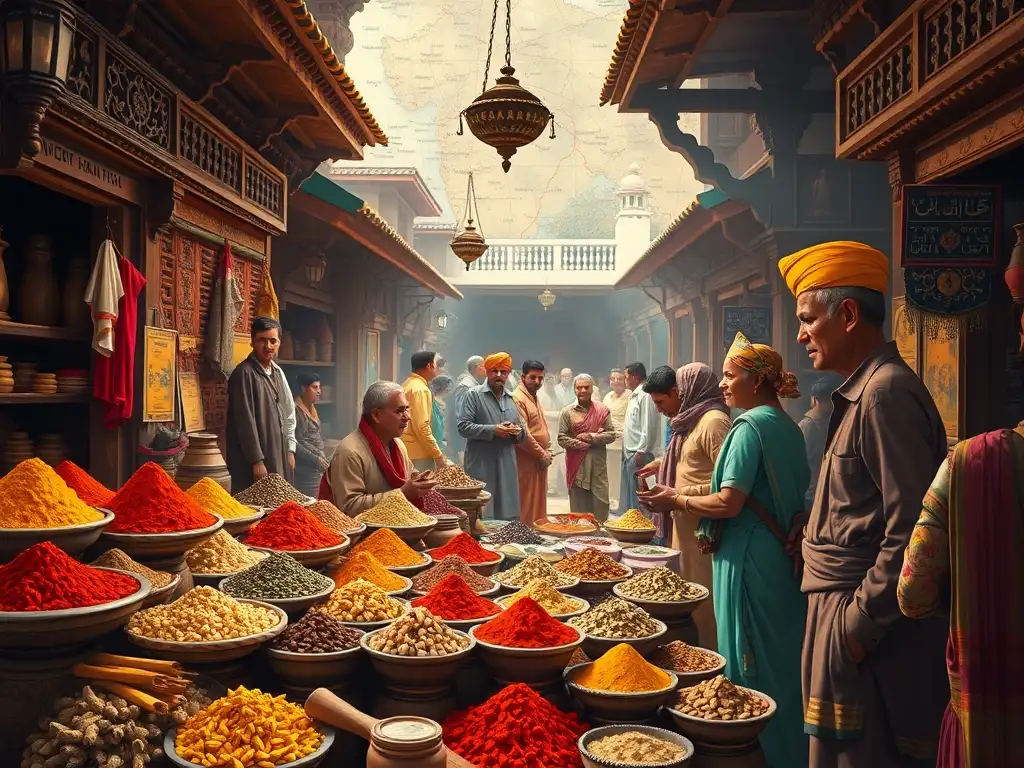
The spice trade has been a significant aspect of India's economy and cultural exchanges for centuries. India's diverse climatic conditions and rich biodiversity enabled the cultivation of a variety of spices, such as pepper, cardamom, cinnamon, and turmeric, which became highly sought after globally. This trade not only fostered economic growth within India but also established it as a pivotal player in international commerce. The influence of Indian spices extended far beyond culinary uses; they played a crucial role in shaping global trade patterns, enhancing trade relationships, and impacting economies worldwide.
Influence on Global Trade Patterns
The demand for Indian spices initiated and transformed global trade routes, leading to the establishment of extensive maritime networks. As these spices were transported along the Silk Road and through sea routes to Europe, the Middle East, and beyond, they became integral to various trade systems. The allure of spices drove European powers to seek direct access to the Indian subcontinent, leading to significant maritime exploration during the Age of Discovery. This shift not only altered trade patterns but also sparked an era of colonization and economic imperialism, fundamentally changing the landscape of global commerce.
Trade Relationships with Other Civilizations
India's spice trade facilitated the development of robust trade relationships with numerous civilizations. From the Roman Empire to the Arab traders, various cultures sought Indian spices for their unique flavors and preservative qualities. The exchange was not limited to spices; it also involved cultural and technological exchanges. For instance, Indian spices found their way into Roman kitchens, while Indian textiles and artifacts became coveted items in other markets. These interactions fostered diplomatic relationships that often transcended mere economic transactions, establishing India as a cultural bridge between East and West.
The Role of Indian Spices in the Global Economy
Indian spices significantly contributed to the global economy by stimulating trade and commerce. Their high value led to the establishment of marketplaces and trade hubs, which played a crucial role in the economic prosperity of several regions. Spices were not only used for culinary purposes but also served medicinal and preservative functions, further enhancing their value. As European nations sought to monopolize the spice trade, they invested heavily in exploration and colonization, which had lasting impacts on the global economic framework. The legacy of India's spice trade continues to influence global culinary practices and trade relationships today.
Challenges Faced in the Spice Trade
Despite its prominence, the spice trade was fraught with challenges that impacted its growth and sustainability. Geographic, climatic, political, and social factors all played critical roles in shaping the dynamics of this essential trade network.
Geographic and Climatic Challenges
The geographic diversity of India posed both opportunities and challenges for spice cultivation. While certain regions thrived due to favorable climatic conditions, others faced difficulties such as monsoons, droughts, and pest infestations. These climatic variations could lead to inconsistent production levels, affecting supply and prices. Additionally, the transportation of spices through rugged terrains and limited infrastructure often resulted in delayed shipments, which could compromise the quality of the spices and reduce their market value.
Political and Social Factors Affecting Trade
Political stability was crucial for the flourishing of the spice trade. Various empires and dynasties, including the Mauryas and the Mughals, provided the necessary governance and infrastructure that supported trade routes. However, periods of political upheaval and conflict often disrupted these networks. Furthermore, social factors, such as caste systems and local customs, influenced trade practices and relationships among traders, which sometimes led to tensions and competition among different groups.
The Impact of Foreign Invaders on Spice Trade Networks
Foreign invaders and colonial powers had a profound impact on India's spice trade networks. The arrival of the Portuguese, Dutch, and British fundamentally altered the existing trade dynamics. These powers sought to control the lucrative spice trade, often leading to the establishment of monopolies that marginalized local traders. The exploitation of resources and imposition of foreign trade systems disrupted traditional practices and reduced India's autonomy in its own spice trade. This legacy of foreign intervention continues to influence the modern spice market and trade relationships.
Conclusion: Legacy of the India Spice Trade History
The legacy of India’s spice trade is multifaceted, intertwining economic prosperity, cultural exchange, and historical significance. This trade not only established India as a pivotal player in global commerce but also facilitated the exchange of ideas, religions, and cultures. The intricate network of internal markets that developed around spices laid the groundwork for future trade practices and contributed to the rich tapestry of India’s cultural heritage. As spices traveled from the subcontinent to distant lands, they transformed culinary traditions and became integral to various societies, making India's spice trade a cornerstone of historical global interactions.
The influence of India's spice trade continues to resonate today, as the nation remains a significant exporter of spices globally. The historical routes established by ancient traders are echoed in modern logistics and trade networks, highlighting the enduring impact of this ancient industry on contemporary commerce.
Lasting Effects on Modern Trade Practices
The spice trade has had lasting effects on modern trade practices, shaping not just the economic landscape of India but also influencing global market dynamics. The early establishment of trade routes and methods of exchange, such as barter and later monetary systems, have evolved into sophisticated international trade practices we see today.
Moreover, the concept of branding, which emerged from the need to distinguish spices and their origins, has paved the way for modern marketing strategies. The legacy of regional specialization in spice production is mirrored in contemporary agricultural practices, where regions are known for specific products, thus enhancing trade efficiency.
In addition, the historical spice trade has necessitated advancements in transportation and logistics, influencing how goods are moved across borders today. The significance of spices in global cuisine has led to a burgeoning demand for Indian spices, further integrating Indian producers into the global market.
Preservation of Spice Trade Heritage in Contemporary India
In contemporary India, efforts to preserve the heritage of the spice trade are evident in various initiatives aimed at promoting traditional farming practices, sustainable harvesting, and the protection of indigenous spice varieties. Organizations and government bodies work together to promote the cultural significance of spices, ensuring that ancient knowledge and practices surrounding spice cultivation are passed down through generations.
Culinary festivals, spice markets, and cultural exhibitions celebrate this rich history and educate the public about the importance of spices in Indian cuisine and culture. Additionally, programs aimed at branding and certifying Indian spices, such as the Geographical Indications (GI) initiative, help protect and promote the unique qualities of regional spices, ensuring their historical significance is recognized and appreciated.
Additional Insights and References
The exploration of India’s spice trade history reveals a wealth of information that enriches our understanding of its broader implications on trade and culture. This section provides further resources and insights into this fascinating subject.
Suggested Reading on Indian Spice Trade History
-
"Spice: The History of a Temptation" by Jack Turner
An engaging account of how spices influenced the course of history and trade.
-
"The Spice Route: A History" by John Keay
A comprehensive overview of the impact of the spice trade on global interactions and commerce.
-
"India: A History" by John Keay
This book provides a broader context of India's history, including the significance of spices in trade.
-
"The Cultural History of Spices" by R. R. R. Sharma
An in-depth exploration of the cultural implications of spices in Indian society.
Future Research Directions in Spice Trade Studies
Future research on the spice trade should delve into several key areas:
- Impact of Climate Change: Investigating how climate change affects spice cultivation and trade dynamics.
- Cultural Exchange: Analyzing the ongoing cultural exchanges facilitated by spice trade in contemporary contexts.
- Sustainable Practices: Exploring sustainable agricultural practices in spice production and their implications for global trade.
- Economic Analysis: Conducting economic studies on the current trends in the spice market and how historical practices inform modern trade.
By pursuing these research directions, scholars can continue to uncover the profound impacts of India’s spice trade history on modern society and the economy, further enriching our understanding of this vital aspect of global history.
- Introduction to India Spice Trade History
- Historical Background of Spice Trade in India
- Internal Markets: Structure and Function
- Spices of India: Varieties and Their Uses
- Global Impact of India's Spice Trade
- Challenges Faced in the Spice Trade
- Conclusion: Legacy of the India Spice Trade History
- Additional Insights and References
- What was the significance of the spice trade in ancient India?
- How did the spice trade influence India's internal markets?
- Which civilizations played a key role in the spice trade?
- What were the global impacts of India’s spice trade history?
- How did the spice trade shape India's historical relationships with other countries?
Frequently Asked Questions
What was the significance of the spice trade in ancient India?
The spice trade was crucial for ancient India, as it facilitated economic growth, cultural exchanges, and established India as a global trading hub known for its rich spices.
How did the spice trade influence India's internal markets?
The spice trade led to the development of internal markets where local economies thrived, creating a vibrant network of trade routes that connected various regions of India.
Which civilizations played a key role in the spice trade?
The Indus Valley Civilization and later the Maurya and Gupta Empires were instrumental in the development and expansion of the spice trade, contributing to India's economic strength.
What were the global impacts of India’s spice trade history?
India’s spice trade history significantly impacted global markets by introducing exotic spices to Europe and Asia, influencing cuisines and economies, and enhancing cultural exchanges.
How did the spice trade shape India's historical relationships with other countries?
The spice trade established diplomatic and commercial ties between India and various countries, leading to a rich history of cultural interactions and shared knowledge across continents.
Final Reflection: The Enduring Legacy of India's Spice Trade
The intricate tapestry of India's spice trade history remains profoundly relevant today, as it continues to shape global culinary practices and economic exchanges. The spices that once fueled exploration and colonization now serve as a bridge connecting cultures, reminding us of the rich heritage that has influenced our palates and economies for centuries. The story of spices is not just about flavor; it is about the interconnectedness of our world and the legacies we inherit from our past.
Culturally, the spice trade has left an indelible mark on societies around the globe, fostering a sense of shared identity and appreciation for diversity. The vibrant markets of India, once bustling with traders and explorers, now stand as a testament to resilience and adaptation in the face of change. As we navigate the complexities of modern globalization, it is crucial to remember that "the spices of life are not just found in the kitchen, but in the stories we share and the connections we forge."
As we reflect on the lessons from India's spice trade history, let us embrace the call to honor our shared heritage and the flavors that unite us. I invite you to explore the spices in your own life—be they culinary, cultural, or personal—and consider how they contribute to your unique story. By doing so, we not only celebrate the past but also pave the way for a future rich in understanding and collaboration, inspired by the legacy of those who came before us.
Embrace the Spice Journey: Ignite Your Curiosity!
Thank you for exploring the fascinating world of the spice trade and its profound impact on India and beyond! You’ve uncovered how ancient markets shaped global dynamics, but don’t let your journey end here—take the next step to deepen your understanding and connection to this rich history.
- Dive deeper into the spices that shaped civilizations: Experiment with a spice you’ve never used before in your cooking and share your experiences with friends and family.
- Visit local markets or attend historical reenactments to discover spices that are integral to your cultural heritage.
- Engage in discussions within online communities or forums to share your insights and learn from others who are equally passionate about the spice trade.
What is the spice that has intrigued you the most, and how would you incorporate it into your daily life?