
The Symbolism of the Lotus: Meaning and Significance in Buddhist Teachings

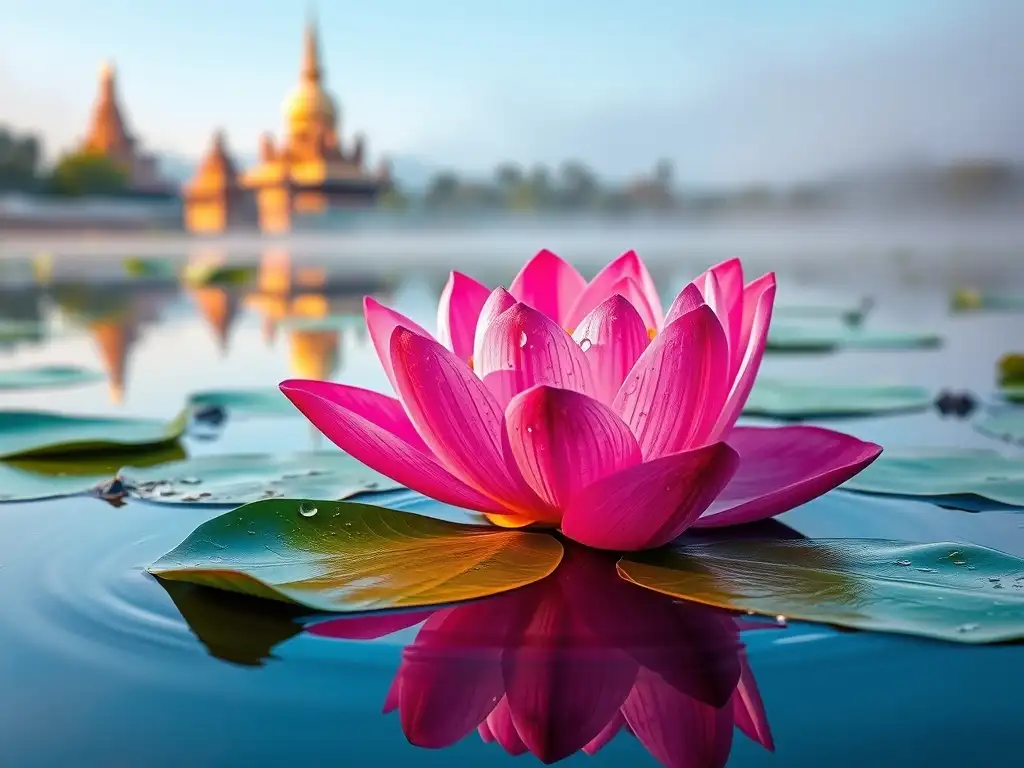
Welcome to Ancient India History, where we embark on a journey through the fascinating tapestry of ancient Indian civilizations! In this exploration, we delve into the profound symbolism of the lotus in Buddhism—a powerful motif that embodies purity, enlightenment, and spiritual growth. As you uncover the layers of meaning behind this exquisite flower, you’ll discover how it has shaped not only Buddhist teachings but also the broader cultural landscape of ancient India. Prepare to be captivated and inspired as we invite you to dive deeper into the rich narratives that define our past!
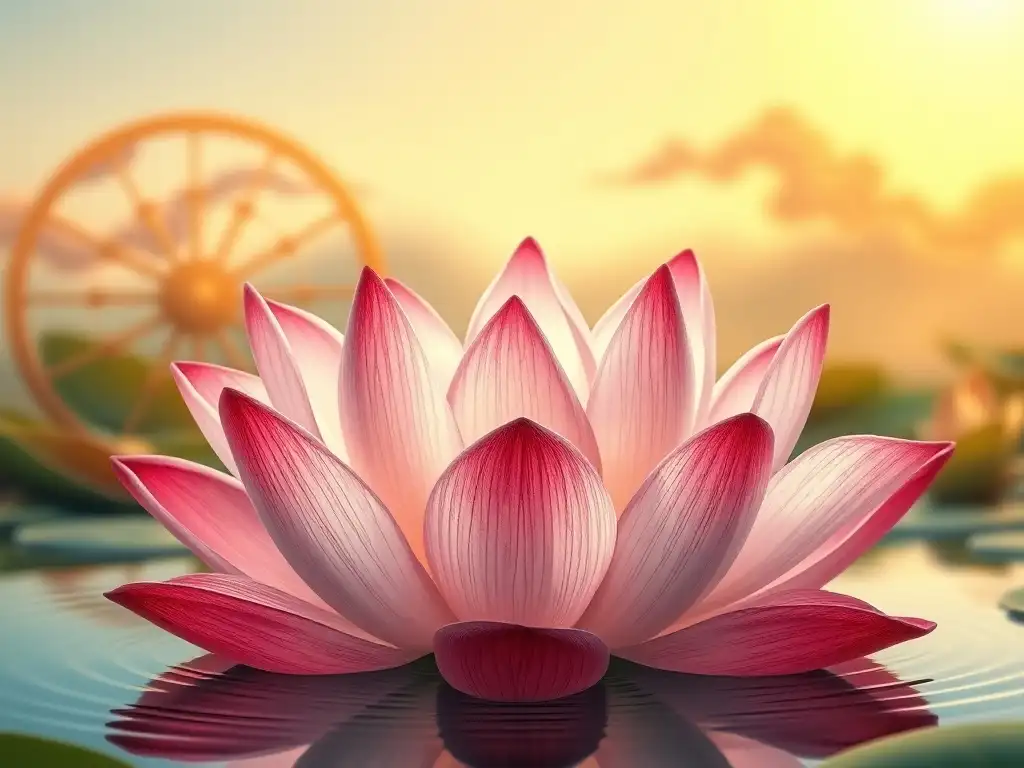
Introduction to Lotus Symbolism in Buddhism
The lotus flower, an emblem of purity and spiritual awakening, holds profound significance within Buddhist teachings. Its journey from the depths of muddy waters to the surface, where it blossoms into a beautiful flower, serves as a powerful metaphor for the human experience. In Buddhism, the lotus symbolizes the potential for enlightenment and the ability to rise above the challenges of life, embodying the essence of transformation and spiritual growth. This article delves into the rich tapestry of lotus symbolism in Buddhism, exploring its meaning, historical roots, and the pivotal role it plays in Buddhist philosophy.
Overview of the Lotus Flower in Cultural Context
In various cultural narratives, the lotus flower has been revered for its beauty and resilience. Particularly in Indian and Buddhist traditions, it represents:
- Purity: Despite growing in muddy water, the lotus remains untouched and pristine.
- Spiritual Awakening: The flower's emergence from murky depths symbolizes the journey toward enlightenment.
- Divine Connection: In many Eastern religions, the lotus is linked to deities and spiritual figures, further enhancing its sacred status.
The lotus is not merely a flower but a multi-faceted symbol that resonates deeply within the spiritual consciousness of many cultures, particularly in the context of Buddhism.
Importance of Symbolism in Buddhist Philosophy
Symbolism is a core aspect of Buddhist philosophy, serving as a conduit for deeper understanding and insight. The lotus, in this regard, encapsulates several key teachings:
- Impermanence: Just as the lotus blooms and withers, life is transient, encouraging practitioners to embrace change.
- Compassion and Wisdom: The qualities of the lotus reflect the ideal of cultivating compassion and wisdom, essential traits for achieving enlightenment.
- Spiritual Journey: The stages of the lotus flower's growth mirror the path of a Buddhist practitioner, from ignorance to enlightenment.
The rich symbolism of the lotus invites followers to contemplate their spiritual journey and the ultimate goal of achieving Nirvana.
Historical Background of Lotus Symbolism in Buddhism
The symbolism of the lotus flower is deeply rooted in the historical context of Buddhism, with its significance evolving over centuries.
The Lotus in Ancient Indian Civilizations
In ancient Indian civilizations, particularly during the Vedic and post-Vedic periods, the lotus was already recognized for its spiritual significance. It appeared in various art forms, literature, and religious practices, serving as a symbol of:
- Creation: The lotus is often associated with creation myths, representing the birth of the universe.
- Royalty and Power: In many ancient texts, the lotus is linked to divine beings and kings, symbolizing purity and authority.
This foundational symbolism paved the way for its prominent role in Buddhist teachings, allowing it to flourish as a key motif in Buddhist art and iconography.
Influence of the Lotus in Early Buddhist Texts
The lotus flower is prominently featured in early Buddhist texts, where it serves as a metaphor for various teachings. Key references include:
- The Lotus Sutra: This important text emphasizes the lotus as a symbol of the potential for enlightenment present in all beings.
- Pali Canon: Early scriptures often liken the qualities of the lotus to the virtues that practitioners strive to cultivate, such as mindfulness and compassion.
Through these texts, the lotus continues to embody the transformative potential of Buddhist teachings, encouraging followers to transcend worldly attachments and attain spiritual liberation.
As we further explore the lotus in the context of Buddhism, we will uncover its profound meanings and significance, revealing how this exquisite flower remains a pivotal symbol in the pursuit of enlightenment.
The Lotus Flower: Physical Characteristics and Spiritual Meaning
The lotus flower, known as Nelumbo nucifera, is a remarkable aquatic plant that thrives in murky waters, symbolizing purity and spiritual awakening in various cultures, particularly in Buddhism. With its unique characteristics—large, flat leaves that float on the water's surface and stunning blooms that rise above—the lotus serves as a powerful metaphor for spiritual growth. The flower blooms in the morning and closes at night, representing the cyclical nature of life and the potential for transformation.
Description of the Lotus Flower and Its Environment
The lotus grows in shallow waters, often found in freshwater lakes, ponds, and marshes across Asia. Its roots are anchored in the mud at the bottom, while its stems stretch upward, allowing the leaves and flowers to rise above the water's surface. This ability to bloom in adverse conditions makes the lotus a symbol of resilience and strength.
The flower showcases a variety of colors, including white, pink, and blue, each having its own significance in Buddhist iconography. The environment of the lotus, characterized by muddy waters and potential obstacles, reflects the challenges faced during the spiritual journey toward enlightenment.
Spiritual Attributes Associated with the Lotus
In Buddhist teachings, the lotus embodies several profound spiritual attributes:
- Purity: The ability of the lotus to emerge unblemished from murky waters represents the pursuit of purity amidst the distractions and impurities of life.
- Spiritual Awakening: The blooming of the lotus signifies the awakening of the mind and spirit, much like the journey of a practitioner moving toward enlightenment.
- Detachment: The lotus floats on water without being submerged, symbolizing the practice of detachment from worldly desires and attachments, which is essential in the path to nirvana.
Key Meanings of Lotus Symbolism in Buddhist Teachings

The lotus flower's representation in Buddhism is deeply intertwined with its physical qualities and the spiritual journey of individuals. Several key meanings emerge from its symbolism:
Purity and Enlightenment: The Journey of the Lotus
The lotus is often associated with the concept of purity in Buddhist teachings. Just as the flower rises above the mud to blossom in the sun, individuals on the path to enlightenment work to transcend the impurities of the mind, such as greed, hatred, and ignorance. This journey reflects the Buddhist path, where practitioners seek to cultivate virtue and wisdom, ultimately leading to spiritual awakening, or Bodhi. The lotus serves as a visual reminder of this transformative process, emphasizing that enlightenment is attainable despite the challenges and distractions of the material world.
Transformation and Rebirth: The Lifecycle of the Lotus
The life cycle of the lotus—from a seed buried in the mud to a beautiful flower blooming above the water—symbolizes transformation and rebirth in Buddhism. This cycle parallels the concept of samsara, or the cycle of birth, death, and rebirth, which is central to Buddhist philosophy. Just as the lotus must undergo a transformation to reach its full potential, individuals must also undergo personal growth and self-discovery to break free from the cycles of suffering and attain enlightenment. The lotus thus embodies hope and the possibility of renewal, making it a powerful symbol of spiritual development.
Detachment and Resilience: The Lotus Amidst Adversity
The lotus is resilient, thriving even in the most challenging environments. This resilience reflects the Buddhist principle of detachment, where practitioners learn to navigate life's adversities without being overwhelmed by them. The lotus flower's ability to remain buoyant despite the murky waters serves as a metaphor for maintaining equanimity in the face of difficulties. By embracing the qualities of the lotus, Buddhist practitioners are encouraged to cultivate inner strength and remain steadfast on their spiritual journey, no matter the external circumstances they encounter.
The Lotus in Buddhist Iconography and Art
The lotus flower holds a prominent position in Buddhist iconography and art, symbolizing purity, enlightenment, and spiritual awakening. It is often depicted in various forms across different artistic mediums, from sculptures to paintings, serving as a visual representation of the teachings of Buddhism. The lotus's ability to rise pristine and beautiful from the murky waters represents the potential for all beings to achieve enlightenment regardless of their circumstances.
In Buddhist art, the lotus is frequently shown in conjunction with significant figures such as the Buddha and Bodhisattvas. The positioning of the lotus beneath these figures often signifies their elevated spiritual status. For instance, the Buddha is often depicted sitting or standing on a lotus throne, emphasizing his purity and divine nature. This not only serves an aesthetic purpose but also reinforces the teachings around spiritual growth and the journey from ignorance to enlightenment.
The Representation of the Lotus in Buddhist Statues
In Buddhist sculptures, the lotus is a recurring motif that adds depth to the representation of various figures. Statues of the Buddha are commonly found with a lotus at their feet, indicating his ascension above the worldly realm. The petals of the lotus are often intricately carved, symbolizing the unfolding of spiritual wisdom.
Moreover, different variations of the lotus are used to represent different aspects of enlightenment. For example, the white lotus symbolizes spiritual purity, while the red lotus represents compassion and love. The blue lotus, a more rare depiction, signifies wisdom and the victory over desire. Each color and design choice in the lotus representation is deliberate, serving to convey specific teachings and virtues within Buddhist philosophy.
The Role of Lotus Imagery in Mandalas and Thangkas
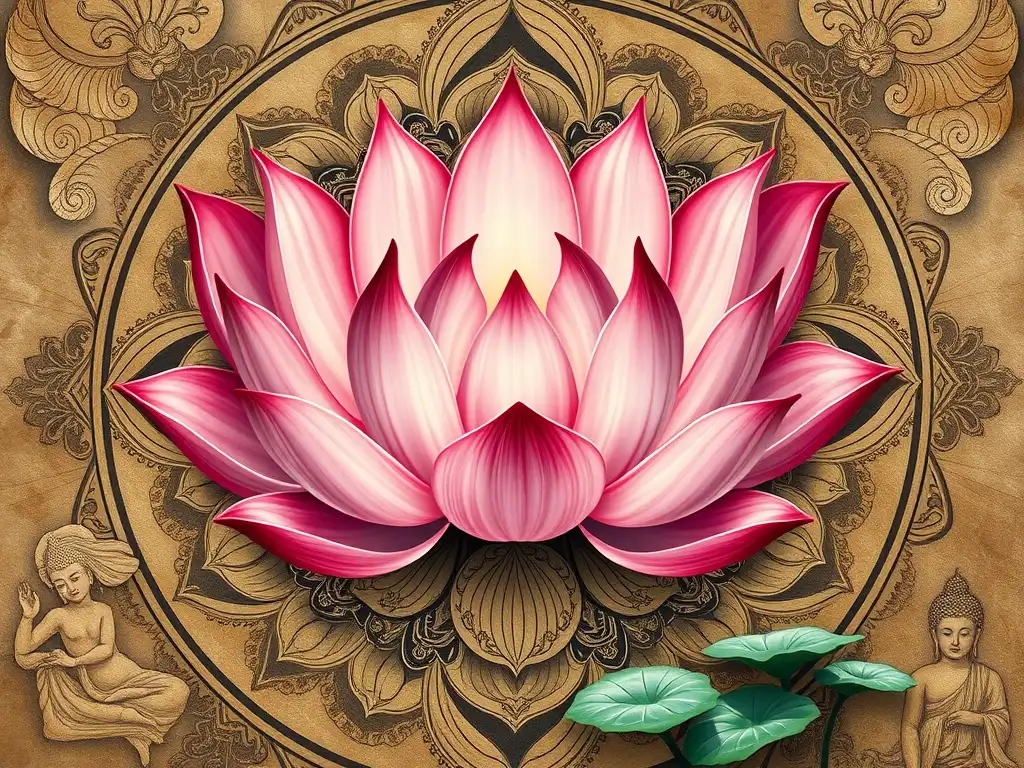
Lotus imagery plays a crucial role in the creation of mandalas and thangkas, which are vital components of Buddhist visual culture. In mandalas, the lotus often appears at the center, symbolizing the ultimate state of enlightenment and the path to achieving it. The circular design of the mandala, combined with the lotus, encapsulates the interconnectedness of all things, illustrating the journey of the soul through various stages of existence.
Thangkas, which are Tibetan Buddhist paintings on fabric, frequently incorporate lotus motifs to enhance their spiritual significance. The lotus in thangkas is not merely decorative; it is a powerful symbol that conveys teachings of transformation and the potential for spiritual awakening. By representing the lotus in various forms, artists embed layers of meaning that encourage meditation and contemplation among practitioners.
Comparative Analysis: Lotus Symbolism in Other Religions
While the lotus holds a particularly esteemed position in Buddhism, its symbolism extends to other religions and cultural traditions, showcasing a broader significance across various belief systems. This comparative analysis highlights the unique interpretations and shared themes associated with the lotus.
The Lotus in Hinduism: Similarities and Differences
In Hinduism, the lotus is a potent symbol of divine beauty and purity, often associated with deities such as Lakshmi and Saraswati. Similar to Buddhism, the lotus signifies the idea of spiritual awakening and the potential for individuals to rise above the material world.
However, there are notable differences in how the lotus is perceived in these two religions. While Buddhism emphasizes the lotus as a metaphor for the journey toward enlightenment achieved through personal effort and practice, Hinduism often sees the lotus as an embodiment of divine grace bestowed upon devotees. Thus, although both traditions celebrate the lotus for its beauty and purity, the underlying narratives express different spiritual philosophies.
The Lotus in Other Cultural Traditions: A Broader Perspective
Beyond Buddhism and Hinduism, the lotus is also revered in other cultural traditions, including ancient Egyptian and Chinese cultures. In ancient Egypt, the lotus symbolized rebirth and the sun, often depicted in art to represent creation and the cycle of life. This aligns with the Buddhist view of the lotus as a symbol of renewal and transformation.
In Chinese culture, the lotus is associated with harmony and balance, with its growth from mud signifying resilience and purity despite adversity. The positive connotations of the lotus across these various cultures highlight its universal appeal and the shared human experience of striving for beauty, purity, and enlightenment in the face of life's challenges.
The lotus, therefore, stands as a powerful symbol that transcends cultural boundaries, embodying values of spiritual growth and the quest for inner peace.
Conclusion: The Enduring Significance of Lotus Symbolism in Buddhism
The lotus flower, with its captivating beauty and profound symbolism, has remained a core element in the teachings of Buddhism. Its journey from muddy waters to vibrant bloom serves as a powerful metaphor for the path of spiritual awakening and enlightenment. This enduring significance can be seen not only in ancient texts and art but also in the daily practices of millions of Buddhists around the world today. The lotus embodies the principles of purity, resilience, and transformation, offering followers a beacon of hope and a reminder of their potential for spiritual growth, regardless of their current circumstances.
As Buddhism evolved and spread across different cultures, the lotus continued to adapt and maintain its importance. Various interpretations emerged, yet the essence of the lotus as a symbol of inner beauty and spiritual realization remained intact. The lotus serves as a universal emblem of the human experience, emphasizing that, like the flower, individuals can rise above suffering and ignorance to achieve a state of enlightenment.
The Lotus as a Universal Symbol of Spiritual Growth
The lotus is often regarded as a universal symbol of spiritual growth, transcending geographical and cultural boundaries. In Buddhist teachings, the flower's ability to bloom in muddy waters signifies the potential for individuals to attain enlightenment despite life's challenges. This transformative aspect of the lotus resonates deeply with practitioners, who view it as a representation of their own spiritual journeys.
- Purity and Clarity: The lotus rises unblemished from murky waters, symbolizing the quest for purity of mind and heart. It encourages practitioners to cultivate virtues such as compassion, wisdom, and mindfulness, essential for navigating life's complexities.
- Resilience and Strength: The journey of the lotus from the depths to the surface illustrates resilience. Just as the flower must push through obstacles to reach the light, individuals are reminded of their capacity to overcome adversity on their spiritual paths.
- Awakening and Enlightenment: The blossoming of the lotus is often associated with the awakening of the Buddha. This connection highlights the idea that spiritual enlightenment is attainable, serving as an inspiration for followers to aspire to their highest potential.
Final Thoughts on the Role of Lotus Symbolism in Contemporary Buddhism
In contemporary Buddhism, the lotus symbolism continues to play a significant role in shaping spiritual practices and teachings. It is frequently depicted in art, architecture, and rituals, reinforcing its status as a vital emblem of Buddhist philosophy. Today, the lotus serves not only as a reminder of personal growth and transformation but also as a source of inspiration for collective resilience in the face of societal challenges.
As modern practitioners engage with the teachings of Buddhism, the lotus remains a poignant symbol that resonates with their experiences. Its enduring presence in meditation practices, mindfulness exercises, and teachings on compassion reflects the timeless nature of its message. By embracing the lotus's symbolism, individuals can find strength and hope in their spiritual journeys, fostering a deeper connection to both themselves and the greater community.
Ultimately, the lotus symbolizes the potential for beauty and enlightenment that exists within everyone, encouraging all to rise above suffering and transform their lives in pursuit of spiritual fulfillment. As Buddhism continues to evolve in the modern world, the lotus will undoubtedly remain a guiding light for those seeking spiritual growth and understanding.
- Introduction to Lotus Symbolism in Buddhism
- Historical Background of Lotus Symbolism in Buddhism
- The Lotus Flower: Physical Characteristics and Spiritual Meaning
- Key Meanings of Lotus Symbolism in Buddhist Teachings
- The Lotus in Buddhist Iconography and Art
- The Representation of the Lotus in Buddhist Statues
- The Role of Lotus Imagery in Mandalas and Thangkas
- Comparative Analysis: Lotus Symbolism in Other Religions
- Conclusion: The Enduring Significance of Lotus Symbolism in Buddhism
Frequently Asked Questions
What does the lotus symbolize in Buddhism?
The lotus symbolizes purity and enlightenment in Buddhism, representing the journey of the soul rising above suffering and ignorance to achieve spiritual awakening.
Why is the lotus important in Buddhist art?
In Buddhist art, the lotus is often depicted in thangkas and sculptures, symbolizing the Buddha's perfection and the potential for all beings to attain nirvana despite arising from the murky waters of life.
How is the lotus connected to Buddhist teachings?
The lotus is a central motif in Buddhist teachings, illustrating the concept that spiritual growth can flourish even in challenging circumstances, highlighting the importance of resilience and transformation.
Are there different types of lotus in Buddhism?
Yes, there are various types of lotus flowers mentioned in Buddhism, such as the white lotus symbolizing purity and the blue lotus representing wisdom. Each color carries distinct meanings and teachings.
How does the lotus relate to Buddhist meditation practices?
During meditation, practitioners often visualize the lotus as a means to cultivate mindfulness and inner peace, encouraging a deeper connection to their spiritual path and understanding of self-realization.
Final Reflection: Embracing the Lotus – A Journey of Transformation
The symbolism of the lotus in Buddhism is not just a relic of ancient teachings; it is a vivid reminder of the potential for growth and enlightenment in our own lives. As we navigate through the complexities of modern existence, the lotus stands as a powerful metaphor for resilience and purity, emerging beautifully from the murky waters of our challenges. This ancient symbol resonates deeply today, urging us to reflect on our own journeys toward self-discovery and spiritual awakening.
The lotus flower has profoundly influenced the cultural and social landscape, serving as a beacon of hope and transformation. In a world often clouded by negativity and despair, the lotus inspires us to rise above our circumstances. As the Dalai Lama poignantly stated, The purpose of our lives is to be happy.
This pursuit of happiness, much like the lotus's journey, requires us to embrace our struggles and emerge stronger, reminding us that beauty can flourish even in the most difficult environments.
As we conclude our exploration of the lotus's significance, I invite you to reflect on your own life and the challenges you face. Consider how you can embody the qualities of the lotus—resilience, purity, and enlightenment—in your daily actions. Let the lotus inspire you to rise above adversity and cultivate your inner strength. Embrace the journey of transformation, and remember that, like the lotus, you too can bloom beautifully, no matter the depths from which you rise.
Unveil the Transformative Power of the Lotus!
Thank you for exploring the profound symbolism of the lotus in Buddhist teachings! By grasping its meaning, you've gained insights into resilience, purity, and spiritual awakening. Now, let’s channel that inspiration into meaningful action.
Here are some steps to deepen your connection with the symbolism of the lotus and the wisdom it represents:
- Reflect on your journey: Take a few minutes to journal about your personal experiences of overcoming challenges. What lessons have you learned from these experiences?
- Share the wisdom: Invite a friend to explore the significance of the lotus together. Discuss how its teachings can be applied to your lives in the present.
- Explore further: Consider reading more about meditation practices that incorporate lotus teachings or join a local study group focused on Buddhism.
What is one way you can embody the qualities of the lotus in your daily life starting today?