
Crafting Legacy: The Role of Women in Ancient Indian Art and Craftsmanship

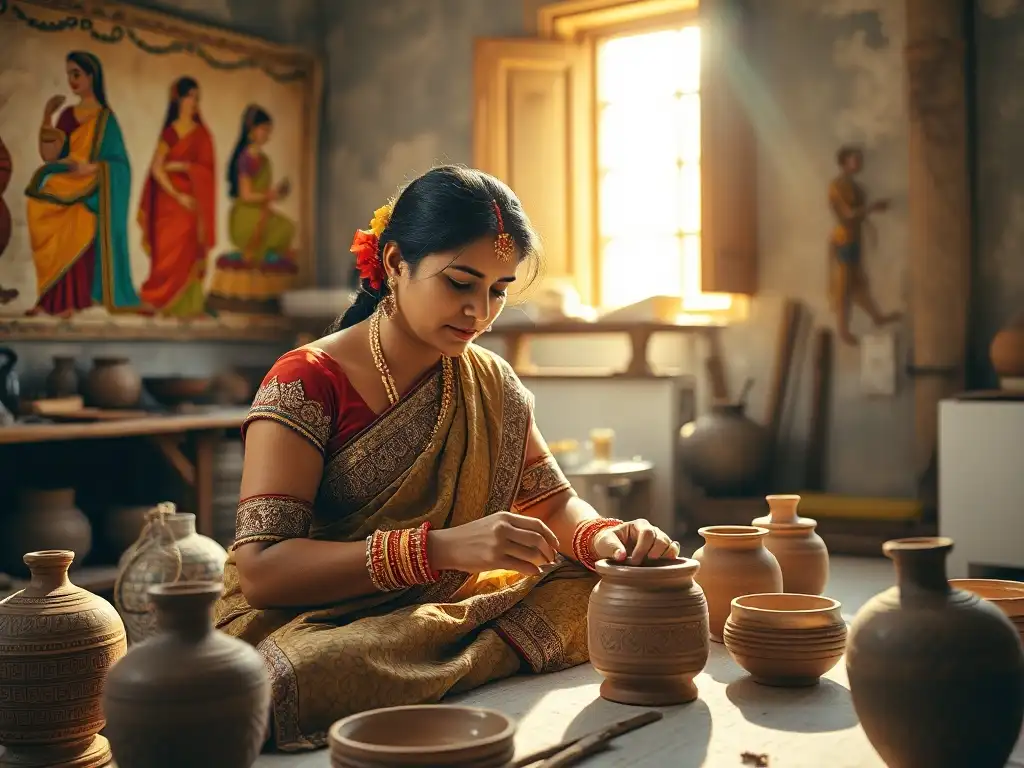
Welcome to Ancient India History, where we delve into the rich tapestry of civilizations that shaped one of the world's most vibrant cultures. In our featured article, “Crafting Legacy: The Role of Women in Ancient Indian Art and Craftsmanship,” we invite you to uncover the extraordinary contributions of women to the artistic legacy of ancient India. From the intricate designs of the Indus Valley to the elegant sculptures of the Gupta Empire, the influence of women in art has often been overlooked.
Join us as we explore their profound impact and celebrate the creativity that continues to inspire generations. Are you ready to discover the hidden stories behind these masterpieces? Keep reading!
Women have played a pivotal role in shaping the rich tapestry of art and craftsmanship throughout ancient Indian history. From the intricate pottery of the Indus Valley Civilization to the exquisite textiles produced during the Gupta Empire, the contributions of women in these domains are both profound and often overlooked.
As custodians of cultural heritage, women not only engaged in artistic practices but also influenced the aesthetics, techniques, and traditions that have been passed down through generations. This exploration aims to illuminate the essential roles women held in ancient Indian art, emphasizing their impact on society and the enduring legacy they crafted through their creativity and skill.
Historical Context of Women in Ancient Indian Art
The history of women in ancient Indian art is deeply intertwined with the broader socio-cultural landscape of the time. From the earliest records, women were recognized as integral contributors to artistic endeavors. They were involved in various crafts, including:
- Pottery and Weaving: Women crafted pottery and textiles that were essential for daily life and ceremonial functions. The detailed designs often reflected their social status and regional styles.
- Sculpture and Painting: Evidence shows that women participated in the creation of sculptures and murals, particularly in religious contexts, where their contributions enriched the spiritual and aesthetic dimensions of temples and public spaces.
Societal Roles and Their Artistic Expressions
In ancient Indian society, the roles of women extended beyond domestic spheres, significantly influencing art and craftsmanship. Their societal roles can be categorized as follows:
- Artisans and Craftswomen:
- Women often worked as artisans, mastering skills in embroidery, metalwork, and pottery.
- They were responsible for creating everyday objects, which were not only functional but also artistic.
- Cultural Preservation:
- Through the transmission of knowledge and skills to younger generations, women acted as cultural custodians, ensuring the survival of traditional art forms.
- Festivals and rituals often showcased women's artistry, granting them a prominent place in community celebrations.
- Patrons of the Arts:
- Women of higher social standing sometimes acted as patrons, commissioning works and supporting artists, thereby influencing artistic trends and styles.
Notable Examples of Women's Contributions
Throughout ancient Indian history, there are numerous examples of women whose contributions to art and craftsmanship left a lasting impact:
- Indus Valley Civilization: Archaeological findings suggest that women played a significant role in pottery and bead-making, with distinctive designs that highlight their creativity.
- Gupta Period: The Gupta Empire is renowned for its advancements in art, and women were instrumental in textile production and the decoration of temples, showcasing their artistic talents.
Conclusion: The Legacy of Women in Ancient Indian Art
The legacy of women in ancient Indian art is a testament to their resilience and creativity. Despite the challenges posed by a patriarchal society, their contributions have shaped the artistic landscape of India. As we delve deeper into the roles of women in ancient Indian art, we uncover a rich narrative that celebrates their artistry, craftsmanship, and the enduring impact they have had on cultural heritage. Understanding this legacy is crucial not only for appreciating ancient Indian art but also for recognizing the essential roles women have played throughout history.
- Historical Context of Women in Ancient Indian Art
- Societal Roles and Their Artistic Expressions
- Notable Examples of Women's Contributions
- Conclusion: The Legacy of Women in Ancient Indian Art
Introduction to Women in Ancient Indian Art
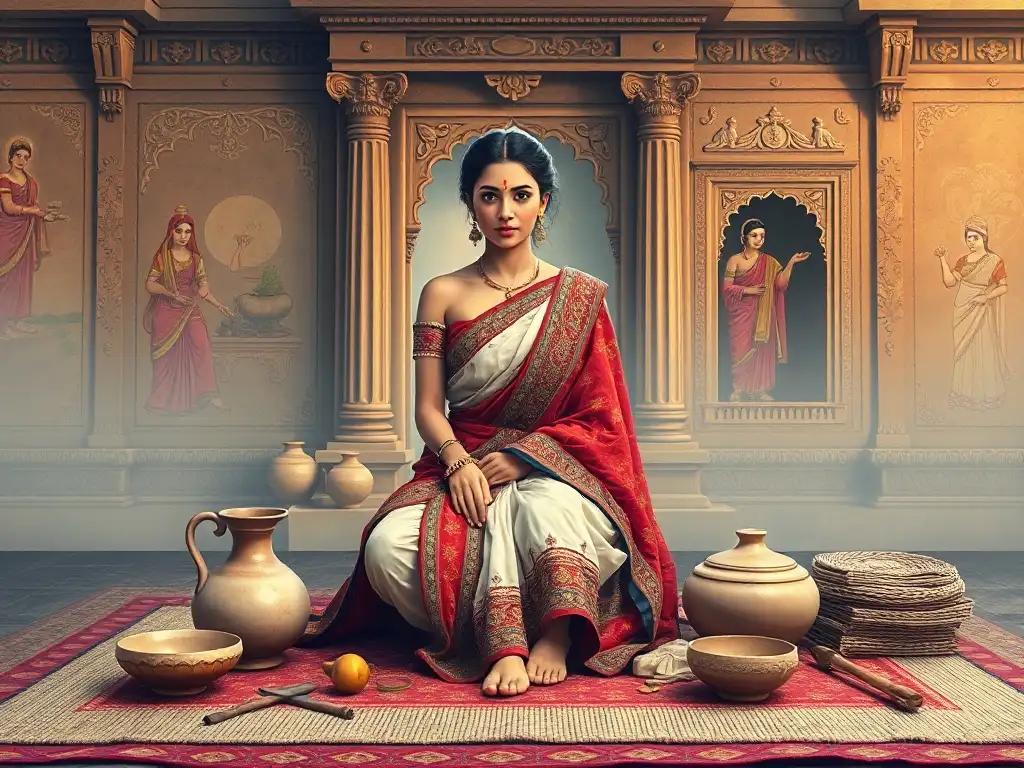
The role of women in ancient Indian art is a significant yet often overlooked aspect of the rich tapestry of Indian civilization. From the intricate designs of textiles to the exquisite sculptures that adorn temples, women contributed immensely to the artistic heritage of ancient India. Their involvement was not merely as creators but also as custodians of cultural traditions, passing down skills and knowledge through generations. This section delves into the nuances of women's contributions to art and craftsmanship in ancient India, showcasing their vital presence in shaping artistic expressions that still resonate today.
Overview of Ancient Indian Art and Craftsmanship
Ancient Indian art encompasses a diverse range of forms, including sculpture, painting, pottery, textiles, and metalwork. Each region of India developed its own distinct styles and techniques, influenced by local resources, religious practices, and cultural exchanges. Key periods, such as the Indus Valley Civilization (circa 3300–1300 BCE), the Maurya Empire (circa 322–185 BCE), and the Gupta Empire (circa 240–550 CE), were particularly notable for their artistic achievements.
- Indus Valley Civilization: Known for its terracotta figurines and seals, which often depicted animals and deities.
- Mauryan Era: Marked by the grand sculptures at Sanchi and the timeless Ashoka pillars, highlighting the blend of art and religion.
- Gupta Period: Renowned for its classical art, including intricate temple carvings and vibrant frescoes in places like Ajanta and Ellora.
Women played a crucial role in these artistic traditions, often involved in various crafts that defined the cultural identity of their communities. Their contributions can be categorized into several key areas:
- Textiles: Women were primarily responsible for weaving and dyeing fabrics, using techniques that were often passed down through generations.
- Pottery: Female artisans crafted pottery for daily use and ceremonial purposes, employing decorative techniques that showcased their creativity.
- Sculpture and Painting: Evidence suggests that women also participated in the creation of sculptures and paintings, particularly in religious contexts.
Importance of Women in Artistic Traditions
The importance of women in ancient Indian art cannot be overstated. Their involvement extended beyond mere craftsmanship; it was integral to the preservation and evolution of cultural practices. Here are several reasons why women’s contributions were vital:
- Cultural Preservation: Women were the primary transmitters of artistic knowledge, teaching skills to their daughters and ensuring that traditional crafts remained alive.
- Innovative Techniques: Female artisans often experimented with new techniques and designs, contributing to the evolution of various art forms.
- Symbolism and Themes: Many artworks created by women reflected the lived experiences of women in society, incorporating themes of fertility, motherhood, and spirituality. For instance, female figures often depicted in sculptures symbolize fertility and divine femininity.
- Community and Collaboration: Women's artistic endeavors were often communal, fostering a sense of unity and collaboration among artisans. This collective spirit enriched the artistic landscape of ancient India.
The contributions of women in ancient Indian art are a testament to their resilience and creativity. Their legacy continues to influence contemporary art and craftsmanship, underscoring the importance of recognizing and celebrating their pivotal role in shaping the cultural heritage of India.
Historical Context of Women in Art
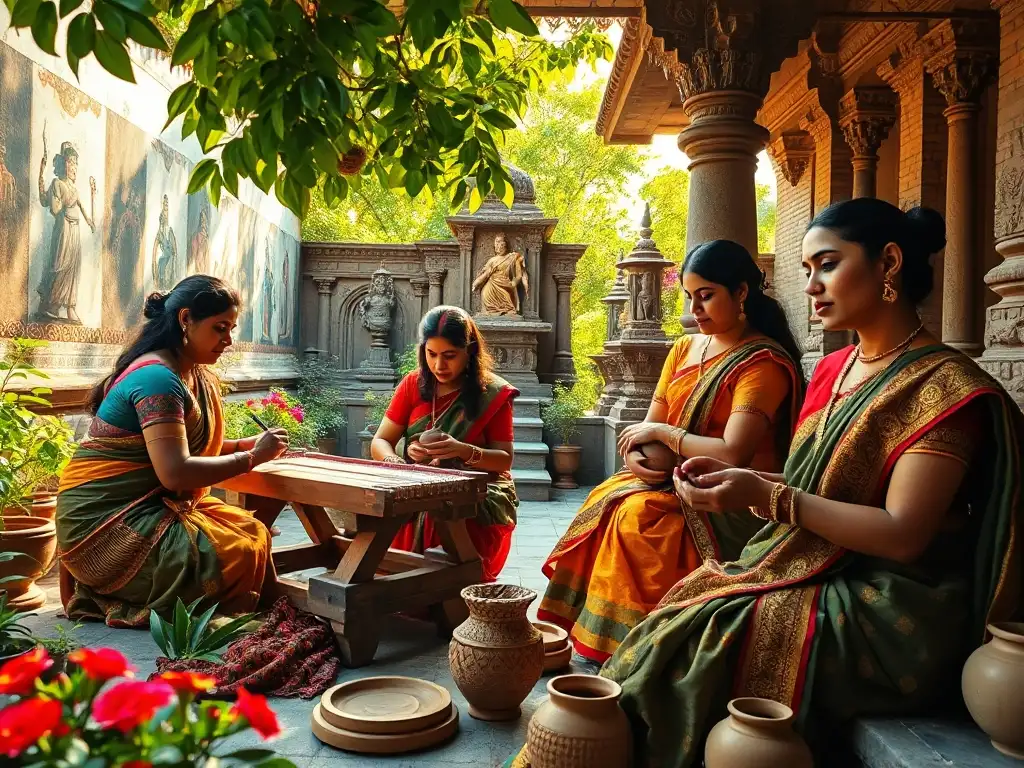
Women in the Indus Valley Civilization
The Indus Valley Civilization (IVC), flourishing around 2600 to 1900 BCE, provides some of the earliest evidence of women's roles in art and craftsmanship in ancient India. Archaeological discoveries at sites like Harappa and Mohenjo-Daro reveal a vibrant culture where women participated actively in various artistic endeavors.
Artifacts and Artistry: Women likely played a significant role in the production of pottery, textiles, and figurines. The terracotta figurines discovered in IVC sites often depict female forms, suggesting their importance in religious and cultural expressions. These figures, characterized by intricate designs and detailed adornments, indicate that women were not only consumers of art but also creators.
Social Structure: The social structure of the IVC seems to have allowed for the participation of women in the arts. Residences suggest a communal lifestyle where skills could be shared and passed down. Women may have engaged in craft production alongside men, challenging the notion of a strictly patriarchal society.
The Influence of Vedic Society on Women's Artistic Roles
With the advent of the Vedic period (circa 1500 to 500 BCE), the roles of women in art began to undergo significant transformations, influenced by emerging social norms and religious practices.
Sacred Texts and Symbolism: Vedic literature, particularly the Rigveda, contains hymns and poetry that celebrate feminine divinity, suggesting that women's artistic expressions were linked to spirituality. Women were often depicted as muses or divine figures, inspiring artistic creation. This highlights a dual role—both as subjects of art and as creators influenced by spiritual ideals.
Craftsmanship: The Vedic society recognized the importance of women in craftsmanship, especially in textiles and domestic arts. The production of woven goods, such as sarees and blankets, was often a woman's domain. These textiles, adorned with intricate patterns and symbolic motifs, played a crucial role in cultural rituals and everyday life, showcasing women's contributions to Vedic art.
Women's Contributions during the Maurya and Gupta Empires
The Maurya (322–185 BCE) and Gupta (circa 320–550 CE) Empires marked a significant period in the evolution of art in ancient India, and women continued to be pivotal in artistic and cultural realms.
Patronage and Influence: During these empires, women from royal families often acted as patrons of the arts, commissioning sculptures, paintings, and architectural works. The presence of female figures in the art of this era, particularly in sculptures found in sites like Sanchi and Ajanta, reflects their status and influence. These artworks not only serve as a testament to their patronage but also highlight women's roles in shaping the artistic landscape.
Performing Arts: The concept of performance art gained prominence during the Gupta period. Women participated in dance and music, which were integral to cultural celebrations and religious ceremonies. Historical texts suggest that women were trained in these arts, contributing to the rich tapestry of Indian cultural heritage.
Legacy in Art: The legacy of women in art from these empires is profound. The intricate craftsmanship of pottery, textiles, and sculpture that emerged during this time continues to influence contemporary Indian art. The skills and techniques developed by women artisans have been preserved through generations, highlighting the enduring impact of their contributions to "Women in Ancient Indian Art."
Artistic Mediums and Techniques Employed by Women
The contributions of women in ancient Indian art and craftsmanship are profound and varied, spanning multiple artistic mediums and techniques. Women played a pivotal role in preserving cultural heritage through their skills in textile weaving, pottery, and metalwork. Each of these artistic practices not only showcases the creativity and talent of women but also reflects the social and economic structures of ancient Indian society.
Textile Weaving: The Art of Women in Ancient India
Textile weaving stands as one of the most significant artistic mediums in ancient India, and women were at the forefront of this craft. The intricate techniques and patterns of weaving were often passed down through generations, making it a communal activity that fostered cultural identity.
- Historical Significance: Women in ancient India contributed significantly to the textile industry, which was a major economic activity. The availability of natural fibers such as cotton, silk, and wool allowed women to create a variety of fabrics that were not only functional but also artistic.
- Techniques Used: Various techniques were employed, including:
- Handloom Weaving: This traditional method involved the use of handlooms, where women wove intricate designs, often incorporating motifs that held cultural significance.
- Block Printing: Women also engaged in block printing techniques, applying natural dyes to fabrics to create vivid patterns.
- Embroidery: Different regions had unique embroidery styles, such as Kutch and Kantha, showcasing women's dexterity and creativity.
- Cultural Impact: The textiles produced by women were not only used in daily life but were also integral to religious ceremonies and celebrations. Fabrics adorned with intricate designs often reflected the mythology and spirituality of the time.
Pottery and Ceramics: Contributions of Women Artisans
Pottery and ceramics are another vital aspect of ancient Indian craftsmanship, with women playing a crucial role in this domain. They utilized locally sourced materials to create functional and decorative pottery that served both everyday and ceremonial purposes.
- Crafting Techniques: Women artisans employed various techniques, such as:
- Hand-Building: Utilizing techniques like coil and slab construction allowed for the creation of unique shapes and sizes.
- Wheel Throwing: Although traditionally male-dominated, some records suggest that women also participated in wheel throwing, especially in rural settings.
- Artistic Styles: The pottery produced often featured:
- Geometric Patterns: Many pieces displayed geometric designs that were both aesthetically pleasing and culturally significant.
- Narrative Scenes: Some pottery illustrated scenes from daily life or mythology, serving as storytelling vessels that conveyed cultural narratives.
- Societal Role: Pottery crafted by women was often used in domestic settings, highlighting the central role of women in household economies. The skills involved in pottery-making were also seen as a rite of passage, with young girls learning from their mothers and grandmothers.
Metalwork and Jewelry Making: Women's Traditional Skills
In the realm of metalwork and jewelry making, women in ancient India exhibited remarkable craftsmanship that contributed to their communities' wealth and cultural identity. Their skills in manipulating metals were not only utilitarian but also deeply connected to social customs and traditions.
- Jewelry Craftsmanship: Women were often responsible for creating intricate jewelry pieces using materials like gold, silver, and precious stones. Their designs often included:
- Ornate Necklaces: Crafted with a variety of motifs, these pieces were symbols of status and beauty.
- Traditional Bangles and Earrings: These items held cultural significance, often worn during festivals and weddings.
- Techniques and Tools: The methods used by women in metalwork included:
- Lost-Wax Casting: This ancient technique allowed for the creation of detailed metal objects and was often taught to women in artisan families.
- Filigree Work: Women excelled in this delicate work, creating intricate patterns with fine wires of gold and silver.
- Cultural Significance: Jewelry was not merely decorative; it played a crucial role in social rituals and was often associated with various deities and auspicious occasions. The skills of women in metalwork and jewelry making contributed significantly to the economy and cultural fabric of ancient Indian society.
The artistic mediums and techniques employed by women in ancient India are a testament to their creativity, skill, and integral role in shaping the cultural landscape. From textile weaving to pottery and metalwork, the legacy of women in ancient Indian art continues to inspire and inform contemporary practices.
Cultural Significance of Women's Art
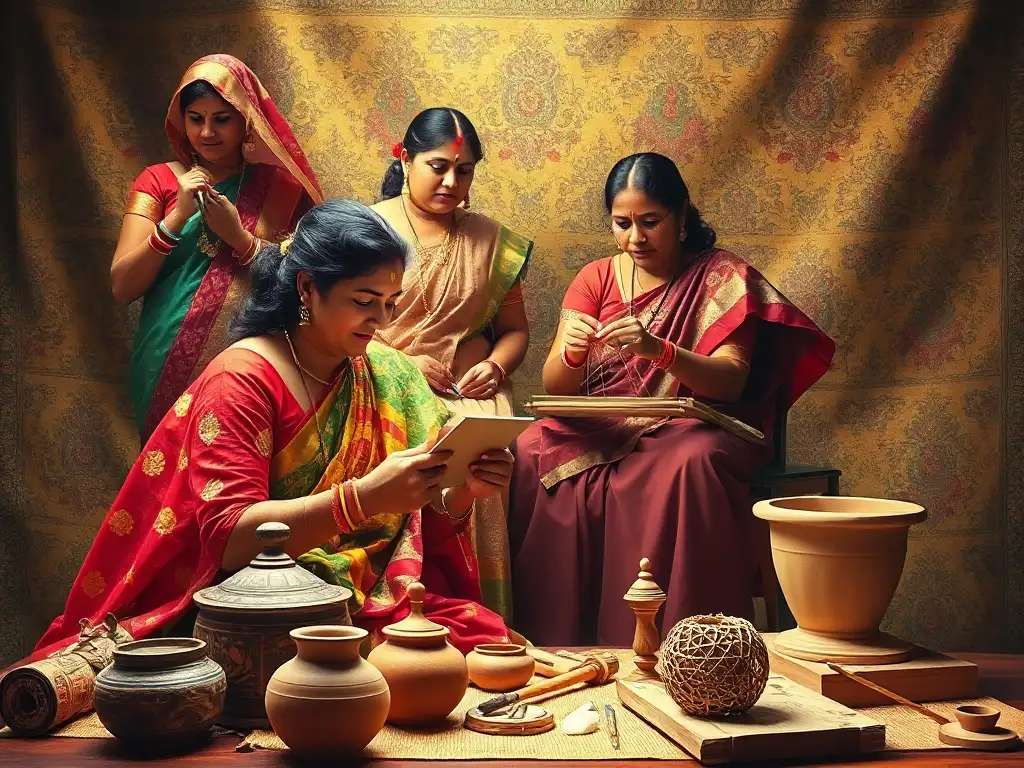
The role of women in ancient Indian art is not merely a reflection of their participation in craftsmanship but is deeply intertwined with the cultural and social fabric of society. Women's art was not only a means of personal expression but also a critical element in the preservation and transmission of cultural heritage. Women often served as the custodians of traditions, passing down artistic techniques and themes through generations, which imbued their creations with profound cultural significance.
The artworks produced by women frequently encapsulated the essence of daily life, spirituality, and the intricate relationship between humans and nature. From pottery and textiles to intricate carvings and paintings, these artistic expressions reveal insights into the societal values and beliefs of ancient Indian civilizations. Women's contributions thus became a vital part of the collective identity of these cultures, embodying the stories, struggles, and aspirations of their communities.
Symbolism and Themes in Women's Art
The symbolism embedded in women's art often reflects the multifaceted roles they played within society. Common themes included:
- Fertility and Motherhood: Many artworks celebrated fertility, with motifs such as pregnant figures or nurturing deities symbolizing the importance of motherhood in ancient Indian culture.
- Nature and Harvest: Women frequently depicted nature, illustrating the agrarian lifestyle. Artworks showcasing harvest scenes, flora, and fauna emphasized the connection between women and the nurturing of the earth.
- Spirituality: Women's art often incorporated spiritual themes, with representations of deities and mythological narratives. This not only demonstrated their religious devotion but also their role in the spiritual education of the community.
These themes not only served aesthetic purposes but were also imbued with deeper meanings, representing women's spiritual, social, and familial roles.
The Role of Women in Rituals and Religious Art
In ancient India, women played a crucial role in rituals and religious practices, which were often reflected in the art created for these purposes. Their involvement can be seen in various forms:
- Ceremonial Art: Women were often responsible for creating ceremonial objects, such as clay idols and decorative motifs used during festivals. These items were essential for rituals, showcasing their artistic skills and deep understanding of religious symbolism.
- Mural and Fresco Painting: In temples and homes, women contributed to mural and fresco painting, illustrating sacred narratives and divine figures. These artworks served not only as decoration but also as visual storytelling tools that communicated religious teachings and values.
- Textiles and Offerings: The weaving of textiles, particularly those used in religious ceremonies, was predominantly a woman's craft. Intricately designed fabrics adorned deities, enhancing the visual splendor of rituals.
Through their artistic expressions in these rituals, women not only reinforced their spiritual beliefs but also contributed to the communal identity, ensuring that the artistic legacy of ancient Indian civilization endured through centuries.
Case Studies of Notable Women Artists
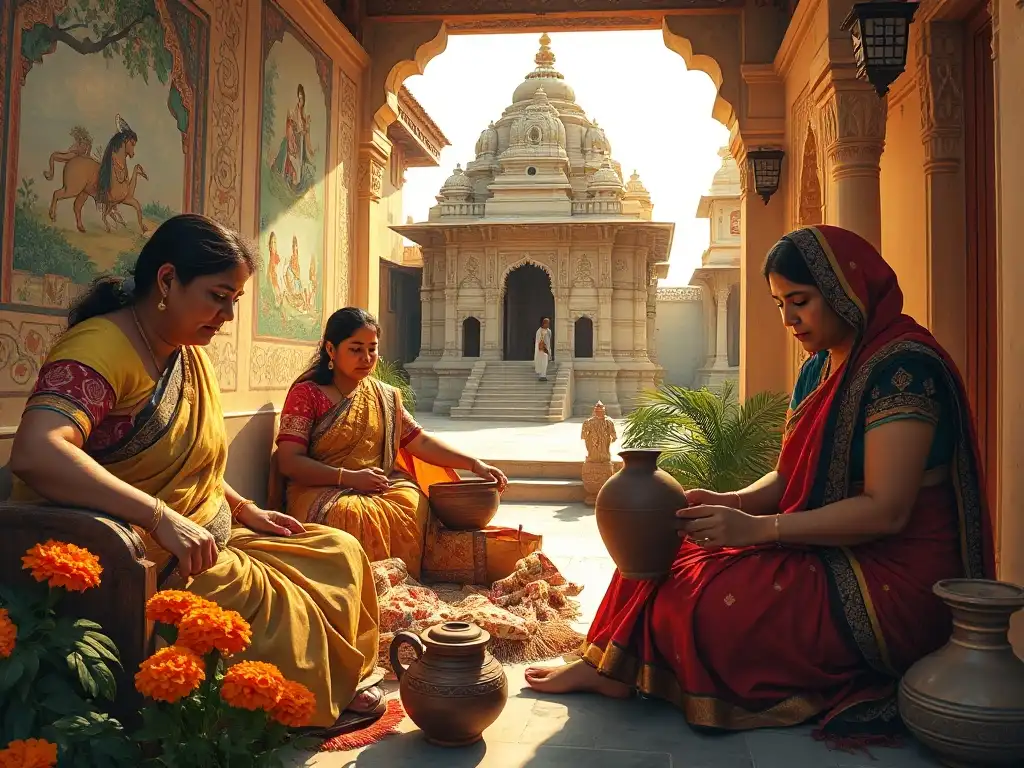
Vasavadatta: A Notable Female Artist from the Gupta Period
Vasavadatta emerges as a significant figure in the context of women in ancient Indian art, particularly during the Gupta Period (circa 320-550 CE). This era is often referred to as the Golden Age of India, celebrated for its advancements in art, architecture, and literature. Vasavadatta is renowned for her exceptional skills in painting and sculpture, contributing significantly to the rich tapestry of Gupta art.
Vasavadatta's work is characterized by its intricate detailing and vibrant color palettes, reflecting the stylistic preferences of the time. Her pieces often depicted religious themes, especially from Hindu mythology, showcasing deities such as Vishnu and Shiva. The narratives portrayed in her artworks were not only visually stunning but also deeply embedded with cultural significance, often serving as a means to convey moral and spiritual lessons.
Moreover, her contributions went beyond mere artistry; Vasavadatta is believed to have played a role in mentoring other aspiring female artists, thus fostering a community of women in the arts. This mentorship not only highlights her talent but also emphasizes the collaborative nature of artistic creation during this period. Her legacy serves as a testament to the professional opportunities available to women in ancient India, challenging the conventional narrative that often sidelines female contributions in history.
The Role of Women Artisans in the Indus Valley Civilization
The Indus Valley Civilization (circa 3300–1300 BCE) is notable for its advanced urban planning, architecture, and craftsmanship. Women artisans played a crucial role in this civilization, contributing to a variety of crafts, including pottery, textiles, and bead-making. Archaeological evidence suggests that women were actively involved in the production of goods that were essential to both daily life and trade.
Key Contributions of Women Artisans:
- Pottery: Women were primarily responsible for the creation of pottery, which was not only utilitarian but also decorative. The distinct styles and designs found on pottery from this period often reflect the cultural and social identities of the communities.
- Textiles: Evidence indicates that women engaged in weaving and dyeing textiles. The discovery of spindle whorls in archaeological sites suggests that spinning was a common practice among women, allowing them to create intricate fabrics for clothing and trade.
- Bead-Making: Women artisans were pivotal in bead-making, producing intricate jewelry that was highly valued in trade networks. The craftsmanship involved in creating beads from semi-precious stones showcases the skilled labor of women in this society.
The active participation of women in these crafts not only highlights their economic contributions but also suggests their social importance within the Indus Valley communities. Their artistry and craftsmanship laid the groundwork for future generations, influencing the art and culture of subsequent Indian civilizations.
Contemporary Recognition of Ancient Women's Contributions to Art
In recent years, there has been a growing recognition of the vital role women played in ancient Indian art and craftsmanship. Scholars and historians have begun to re-evaluate historical narratives that have traditionally overlooked or minimized women's contributions, particularly in fields like art.
Key Aspects of Contemporary Recognition:
- Research and Publications: Academic research focusing on women in ancient India has increased, leading to publications that highlight the achievements of female artists and artisans. These studies provide a more nuanced understanding of the societal roles women occupied and their influence on the artistic landscape.
- Exhibitions and Cultural Events: Museums and cultural institutions are increasingly organizing exhibitions dedicated to showcasing the works of women artists from ancient India. These events aim to educate the public about the historical significance of these women and celebrate their contributions to art.
- Feminist Art History: The emergence of feminist perspectives in art history has prompted a reassessment of the roles women played in ancient societies. This approach emphasizes the need to acknowledge and celebrate the artistic contributions of women, fostering a more inclusive narrative in the history of art.
- Digital Archives and Platforms: With the advent of technology, digital platforms are being utilized to document and share the stories of women artists and artisans from ancient India. Online databases and virtual exhibitions are making this information more accessible, allowing for a broader audience to engage with the rich heritage of women in ancient Indian art.
The contemporary recognition of women in ancient Indian art not only honors their legacy but also inspires current and future generations of artists, reaffirming the importance of inclusivity in the narrative of art history.
Challenges Faced by Women in Ancient Art
Societal Constraints on Women's Artistic Expression
In ancient India, the role of women in art was significantly shaped by societal constraints that dictated their participation in creative endeavors. These constraints were deeply rooted in the prevailing patriarchal structures, which often relegated women to domestic roles, limiting their opportunities for artistic expression.
- Cultural Norms: Traditional beliefs emphasized that a woman's primary duty was to manage the household and raise children. This perception minimized the importance of women's contributions to the arts. As a result, many women who were talented in various crafts, such as pottery, weaving, and painting, often worked in isolation and were not recognized for their skills.
- Access to Training: Opportunities for formal training in artistic disciplines were typically reserved for men. Women had limited access to guilds or workshops where they could hone their skills and learn from experienced artisans. This disparity created a significant gap in the quality and recognition of women’s art compared to their male counterparts.
- Patronage and Recognition: The lack of female patrons and the predominance of male patrons in the arts further marginalized women's contributions. Artistic works created by women were often attributed to male figures, reinforcing the notion that women were merely assistants or helpers rather than independent artists.
- Documentation and Historical Records: Much of the art history from ancient India has been documented through male perspectives, leading to a significant oversight of women's roles. The absence of records concerning women artists means that their contributions were often overlooked or undervalued, resulting in a lack of recognition in the annals of art history.
The Impact of Historical Changes on Women’s Roles in Art
Throughout ancient Indian history, various socio-political changes had a profound impact on the roles of women in art. These changes affected not only their artistic expression but also their place within the broader cultural landscape.
- Rise of Different Dynasties: Different dynasties, such as the Mauryas, Guptas, and Cholas, had varying attitudes towards women's roles in society and the arts. For example, during the Gupta period, there was a notable flourishing of arts and culture, with some evidence suggesting that women gained a slightly more prominent role in artistic endeavors, especially in temple sculpture and mural painting.
- Religious Influences: The advent of different religions and philosophical movements also played a crucial role. Hinduism, Buddhism, and Jainism often depicted women in their art, and this representation provided a platform for women to engage in artistic practices. However, interpretations of these religious texts often dictated the boundaries within which women could operate.
- Economic Factors: Economic shifts, particularly during times of prosperity, allowed for more patronage of the arts. Women artisans sometimes found opportunities to engage in crafts that catered to the needs of the market, such as textiles and jewelry-making. However, economic instability often reverted their roles back to domestic spheres.
- Decline of Craftsmanship: As India transitioned into the medieval period, foreign invasions and the introduction of new artistic styles shifted the focus away from traditional Indian crafts, impacting women artisans. The decline of local craftsmanship often pushed women out of their roles in art, leading to a significant loss of traditional art forms that they had preserved for generations.
While women in ancient India played vital roles in art and craftsmanship, they faced numerous challenges stemming from societal constraints and historical changes. The struggles and achievements of these women are essential to understanding the broader narrative of "Women in Ancient Indian Art" and their invaluable contributions to the cultural heritage of India.
Modern Perspectives on Women in Ancient Indian Art
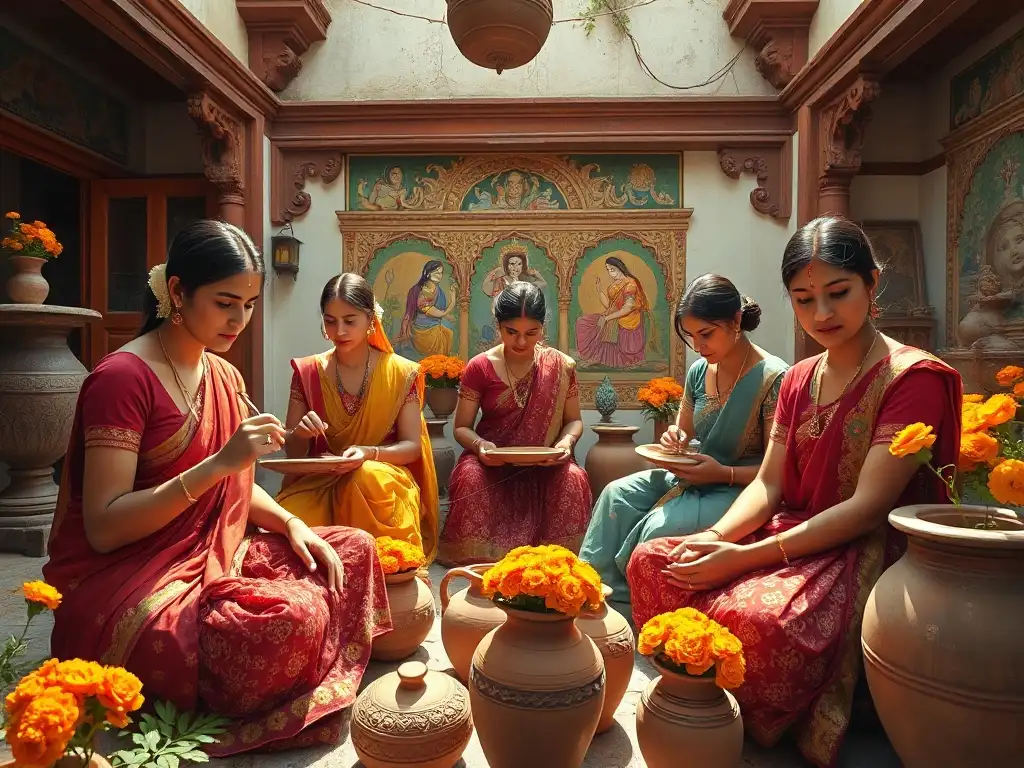
In recent years, there has been a significant shift in how we perceive the contributions of women in ancient Indian art. Traditionally, historical narratives often overlooked the roles women played in artistic expressions, leading to a skewed understanding of their significance. However, modern scholarship and cultural movements have begun to highlight the artistic legacy of women, emphasizing their influence on both historical and contemporary art forms.
How Ancient Contributions Influence Contemporary Art
The artistic contributions of women in ancient India can be seen as foundational to various crafts and artistic traditions that persist today. Women were not only creators but also custodians of cultural heritage, often passing down techniques and styles through generations.
- Textile and Weaving Arts
- Women in ancient India were instrumental in textile production, particularly in weaving. Techniques such as handloom weaving and embroidery, which were predominantly women's crafts, have evolved but remain integral to contemporary fashion.
- The revival of traditional textiles, such as Chanderi and Banarasi, often incorporates ancient patterns and motifs that reflect women's artistry.
- Pottery and Ceramics
- Historically, women played a crucial role in pottery, using their creativity to craft functional and decorative items. The techniques used in ancient pottery, such as glazing and painting, influence modern ceramic artists.
- Terracotta sculptures, often crafted by women, serve as inspiration for today's artists who aim to reconnect with India's rich artisanal heritage.
- Painting and Murals
- Ancient traditions of painting, like Madhubani and Warli, are steeped in women's narratives and experiences. These art forms have gained international recognition, with contemporary artists drawing from their heritage while innovating with modern themes.
- The revival of these painting styles in contemporary galleries showcases a direct lineage to the artistic practices of ancient women.
The influence of ancient women in art not only enriches our understanding of history but also provides a framework for modern artists to explore identity, culture, and gender through their work.
Reviving Ancient Techniques: Women's Role in Modern Craftsmanship
As contemporary artisans strive to revive ancient techniques, women continue to play a pivotal role in this resurgence. Their deep-rooted knowledge and skills are crucial in maintaining the authenticity of traditional crafts while adapting them for modern markets.
- Skill Development Programs
- Various initiatives and NGOs focus on empowering women artisans through skill development programs that teach traditional crafting techniques. This not only preserves ancient arts but also supports women's economic independence.
- Collaborative Projects
- Many contemporary artists collaborate with women artisans to create hybrid works that blend traditional methods with modern aesthetics. Such collaborations are essential in ensuring that ancient techniques are not lost to time.
- Cultural Festivals and Exhibitions
- Events celebrating traditional crafts often feature female artisans showcasing their skills, thus providing them with a platform to share their expertise. These occasions highlight the significance of women's contributions to cultural heritage and inspire a new generation of artists.
The legacy of women in ancient Indian art is not merely a historical footnote; it is a vibrant thread woven into the fabric of contemporary craftsmanship. By recognizing and celebrating these contributions, we can foster a deeper appreciation for the role of women in shaping the artistic landscape of both ancient and modern India.
Conclusion: The Enduring Legacy of Women in Ancient Indian Art
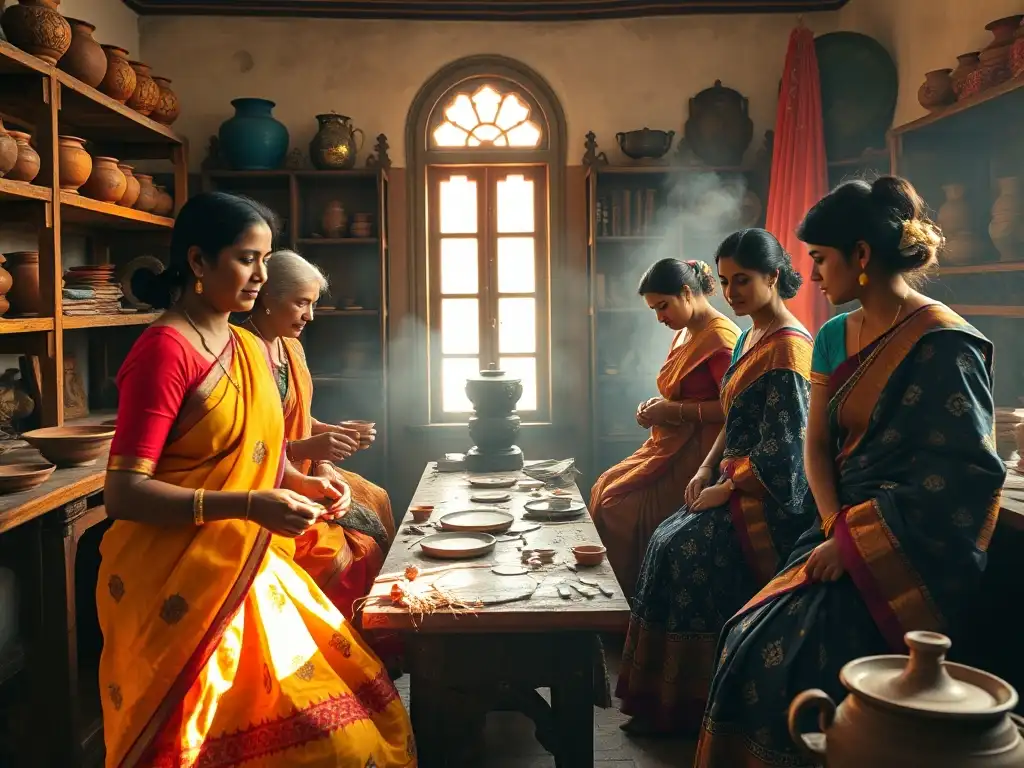
Summary of Contributions and Their Importance
The contributions of women in ancient Indian art and craftsmanship are profound and multifaceted. They played pivotal roles not only as creators but also as custodians of cultural heritage. Women were instrumental in various artistic practices, including pottery, weaving, painting, and metalwork. Their work was often characterized by intricate designs and symbolic motifs that reflected the spiritual and cultural values of their communities.
- Pottery: Women were primarily responsible for the production of pottery, which was essential for both domestic use and trade. The decorative elements on pottery often depicted mythological themes and local flora and fauna, serving as a medium for storytelling.
- Weaving: The art of weaving was predominantly a female domain, with women creating textiles that showcased their skilled craftsmanship. The intricate patterns woven into fabrics, such as sarees and blankets, were often imbued with cultural significance, representing family lineage or local traditions.
- Painting: In regions like Rajasthan and Madhya Pradesh, women engaged in folk painting traditions, such as Warli and Madhubani, which communicated social narratives and historical events through vibrant colors and expressive styles.
The importance of these contributions cannot be overstated. They not only highlight the artistic skills of women but also underscore their roles as vital participants in the economy and social fabric of ancient Indian civilizations. The artworks produced by women have continued to influence modern Indian art, creating a lasting legacy that resonates through generations.
Reflection on Women's Roles in Shaping Art and Culture
Women's roles in ancient Indian art were not merely confined to the act of creation; they extended into the realms of cultural preservation and innovation. Women often served as mentors and educators, passing down artistic techniques and cultural narratives to younger generations. This oral tradition was crucial in maintaining the continuity of art forms and ensuring that the rich heritage of ancient Indian civilization was not lost.
Moreover, women often infused their personal experiences and societal observations into their art, making it a powerful medium for expression. Their unique perspectives allowed for a diverse representation of themes, from daily life to spiritual beliefs, thus enriching the overall tapestry of Indian cultural heritage.
In many cases, the art created by women also carried social commentary, challenging norms and reflecting the shifting dynamics of their roles in society. For instance, the depiction of women in various forms of art often highlighted their strength, resilience, and contributions, thus reasserting their importance in a predominantly patriarchal society.
Ultimately, the legacy of women in ancient Indian art is a testament to their creativity, strength, and influence. By recognizing and celebrating these contributions, we can appreciate the full spectrum of ancient Indian culture and the integral role that women played in shaping it. Their artistry continues to inspire contemporary artists and serves as a reminder of the enduring power of women in the realm of art and craftsmanship.
Call to Action: Celebrating Women's Contributions in Art
Women have played a pivotal role in shaping the artistic landscape of ancient India, contributing not only as creators but also as preservers of cultural heritage. From the intricate designs of textiles to the delicate carvings in stone, their influence is evident throughout various art forms. This section serves as a call to action to celebrate and recognize the vital contributions of women in ancient Indian art.
Encouraging Research and Education on Women in Ancient Indian Art
To truly understand the depth of women's contributions to ancient Indian art, it is essential to foster research and education focused on this often-overlooked aspect of history. Here are several ways to encourage this exploration:
- Academic Programs: Universities and institutions should develop specialized courses that examine the role of women in ancient Indian art. By incorporating this topic into art history curricula, students can gain a nuanced understanding of how gender dynamics influenced artistic expression.
- Collaborative Research Projects: Scholars and historians can undertake collaborative research efforts that focus on uncovering hidden narratives about women artisans, painters, and sculptors. Such projects could utilize archaeological findings, ancient texts, and oral histories to present a more comprehensive account of women's contributions.
- Public Workshops and Exhibitions: Museums and cultural institutions can host workshops and exhibitions that highlight the work of women in ancient Indian art. Interactive sessions can provide hands-on experiences, allowing participants to engage with traditional techniques and appreciate the skills passed down through generations.
- Digital Archives and Resources: Creating online platforms that house digital archives of artworks, artifacts, and scholarly articles related to women in ancient Indian art can significantly broaden access to this knowledge. These resources can serve both educators and the general public, fostering a greater appreciation for the subject.
- Community Involvement: Engaging local communities in discussions about their historical contributions can help uncover stories of women artists that may have been forgotten. Community-driven initiatives can empower individuals to share their heritage and inspire future generations.
By emphasizing research and education on the role of women in ancient Indian art, we can ensure that their legacies are honored and preserved. Understanding their contributions not only enriches our knowledge of history but also inspires contemporary artists and artisans to draw upon these rich traditions.
Recognizing and celebrating the role of women in ancient Indian art is crucial for a complete understanding of our cultural heritage. Through dedicated efforts in research, education, and community engagement, we can illuminate the significant impact these women had on the arts and crafts of ancient India.
Frequently Asked Questions
What was the role of women in ancient Indian art?
Women played a significant role in ancient Indian art, contributing to various forms of craftsmanship such as painting, sculpture, and textile weaving, showcasing their skills and creativity.
How did societal norms affect women's participation in the arts?
Societal norms often restricted women's roles, but many women were able to express their artistic talents within domestic spaces, especially in textile arts and household rituals.
Were there any notable women artists in ancient India?
While specific names are less documented, some texts mention women artists in royal courts, who were known for their talent in painting and decorative arts, reflecting their cultural significance.
How is women's contribution to ancient Indian art recognized today?
Today, there is a growing interest in researching and recognizing the contributions of women, with more exhibitions and studies aimed at highlighting their influence in ancient Indian art.
What materials did women commonly use in their artwork?
Women often utilized natural materials like clay, textiles, and dyes from plants, which were integral to their craftsmanship and decorative arts, showcasing a deep connection with their environment.
Final Reflection: Celebrating the Enduring Legacy of Women in Ancient Indian Art
The contributions of women in ancient Indian art and craftsmanship are not just historical footnotes; they are the very fabric of our cultural heritage. Today, as we navigate a world that often overlooks the vital roles women have played in shaping artistic traditions, it becomes imperative to recognize and honor their legacies. The stories of these women remind us that creativity knows no gender, and their influence continues to resonate in contemporary art forms, inspiring new generations of artists and artisans.
The impact of women in ancient Indian art is profound and far-reaching, shaping not only the aesthetics of their time but also the social and cultural narratives that persist today. Their craftsmanship and artistic expressions were often intertwined with community, spirituality, and identity, highlighting the essential role women played in preserving cultural heritage. As we reflect on this legacy, we are reminded of the words of the renowned artist Anjolie Ela Menon: Art is a reflection of society, and women have always been at the heart of that reflection.
This observation underscores the ongoing influence of women in art, encouraging us to delve deeper into their stories and contributions.
As we conclude this exploration of women in ancient Indian art, I invite you to reflect on the legacies that surround you—both in history and in your own life. Consider how you can honor and amplify the voices of women artists, whether through support, education, or your own creative expressions. Let us carry forward the lessons learned from the past, ensuring that the contributions of women in art are celebrated, recognized, and woven into the narrative of our shared cultural identity. Together, we can craft a future that honors the artistry and resilience of women throughout history.
Unveil the Legacy: Take Action Today!
Thank you for diving into the fascinating world of women's roles in ancient Indian art and craftsmanship! You've uncovered the incredible contributions and impact these remarkable women had on culture and creativity. Now, it's time to explore further and make their legacy resonate in today's world.
Here are a few inspiring actions you can take:
- Start your own artistic journey: Choose a traditional craft or skill you’re passionate about and dedicate time to learn and create. Share your experience on social media to inspire others!
- Join a local crafting community: Connect with individuals who share your interest in art and craftsmanship. Attend workshops or exhibitions that celebrate traditional art forms.
- Spread the knowledge: Share this article with friends or family who are interested in history or art, and encourage discussions about the impact of women in art throughout the ages.
What personal connection do you feel with the legacies left by these incredible women, and how can you celebrate their contributions in your own creative endeavors?