
Why Indian Handicrafts Are the Next Big Thing in Sustainable Business Investments

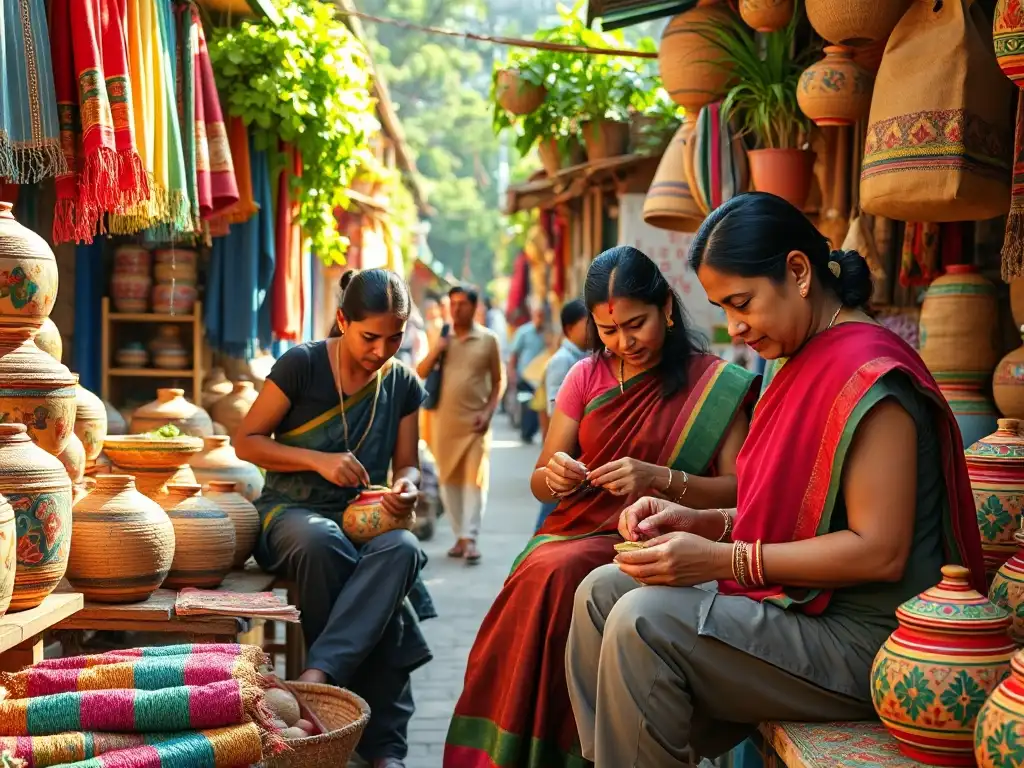
Welcome to Ancient India History, where we embark on a captivating journey through the rich tapestry of ancient Indian civilizations. From the majestic Indus Valley to the illustrious Gupta Empire, we delve into the vibrant culture and profound contributions that shaped our world. In our featured article, "Why Indian Handicrafts Are the Next Big Thing in Sustainable Business Investments," we explore the fascinating intersection of tradition and modernity.
Discover how the timeless artistry of Indian handicrafts is not only preserving heritage but also paving the way for sustainable business growth. Join us as we unravel the stories behind these exquisite creations and uncover the immense potential they hold in today’s investment landscape. Your adventure into the heart of ancient India begins here!
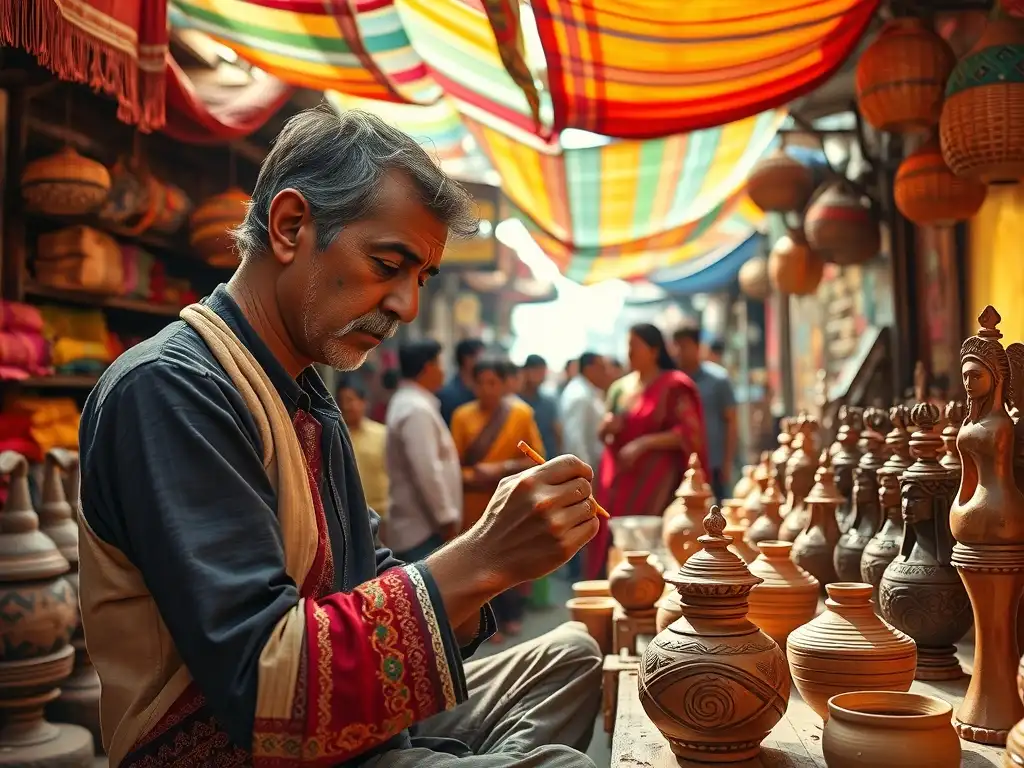
In an era where sustainability and ethical consumption are gaining unprecedented momentum, Indian handicrafts stand out as a beacon of potential for investors seeking to contribute to sustainable business growth. The rich tapestry of Indian handicrafts, woven through centuries of tradition and cultural significance, not only encapsulates the artistic expression and craftsmanship of the region but also embodies a sustainable approach to production and commerce.
As consumers increasingly gravitate towards products that tell a story and support local artisans, the Indian handicraft sector presents a unique opportunity for businesses to align with these values, driving both profitability and positive social impact. This article delves into the intricate world of Indian handicrafts, elucidating their cultural importance, the rise of sustainable business practices, and the economic implications these investments hold.
Understanding Indian Handicrafts and Their Cultural Significance
The Rich Heritage of Indian Handicrafts
Indian handicrafts encompass a vast array of products, from intricately woven textiles and hand-painted pottery to exquisite metalwork and traditional wood carvings. Each region of India boasts its own unique styles, techniques, and materials, reflecting the local culture, history, and traditions. For instance, the vibrant patterns of Madhubani paintings from Bihar tell tales of mythology and nature, while the delicate craftsmanship of Kashmiri Pashmina shawls showcases an art form that has been refined over generations. This diversity not only preserves the rich heritage of Indian art but also fosters a sense of identity and belonging among communities.
Importance of Artisanal Skills in Indian Culture
The artisans behind these creations are often custodians of age-old traditions that have been passed down through generations. Their skills, honed through years of practice and dedication, are integral to the cultural fabric of India. Supporting these artisans through sustainable business investments helps to preserve these invaluable skills and ensures that traditional crafts continue to thrive in a rapidly modernizing world. Moreover, recognizing the cultural significance of these handicrafts fosters respect for the knowledge and experience embedded in these art forms, ultimately enriching the consumer's experience.
The Rise of Sustainable Business Growth in India
Defining Sustainable Business Practices in Handicrafts
Sustainable business practices in the context of Indian handicrafts involve a commitment to ethical sourcing, fair trade, and eco-friendly production techniques. This includes utilizing natural materials, minimizing waste, and ensuring fair wages for artisans. By adopting these practices, businesses not only contribute to environmental conservation but also empower local communities, creating a ripple effect of positive change. The integration of sustainability into business models is increasingly becoming a key differentiator in the marketplace, appealing to conscious consumers who prioritize ethical choices.
Economic Impact of Sustainable Investments in Indian Handicrafts
Investing in the Indian handicraft sector has significant economic implications. According to recent studies, the sector supports millions of artisans and contributes substantially to the national economy. By channeling investments into sustainable practices, businesses can foster job creation, enhance income stability for artisans, and promote regional development. Furthermore, as global demand for sustainable products rises, the potential for growth in the handicraft sector becomes increasingly evident. This dual focus on profitability and social responsibility positions Indian handicrafts as not only a lucrative investment opportunity but also a vehicle for sustainable development.
The unique blend of cultural significance and economic potential makes Indian handicrafts an attractive option for sustainable business investments. As we continue to explore this dynamic sector, the possibilities for growth and innovation are truly limitless.
Key Factors Driving Investment in Indian Handicrafts
The landscape of global business is evolving, with a significant shift towards sustainable practices. Indian handicrafts stand at the forefront of this movement, attracting investments due to several key factors. First and foremost, the cultural richness and diversity of Indian handicrafts offer a unique selling proposition that appeals to both domestic and international markets. Investors are recognizing the potential of these artisanal products not only for their aesthetic value but also for their cultural significance.
Additionally, the growing awareness around sustainability among consumers is driving demand for ethically produced goods. This trend aligns perfectly with Indian handicrafts, which are often made using traditional methods that prioritize environmental stewardship. As investors seek opportunities that resonate with the values of today's consumers, Indian handicrafts emerge as a promising sector for sustainable business growth.
Moreover, government initiatives aimed at promoting traditional crafts and providing financial support to artisans are further enhancing the investment landscape. These initiatives, combined with the resilience and entrepreneurial spirit of the artisans, create a fertile ground for investors looking to align their portfolios with sustainable practices.
Increasing Global Demand for Ethical Products
The global market is increasingly leaning towards ethical consumption, with consumers actively seeking products that are not only unique but also produced with a conscience. Indian handicrafts perfectly fit this mold, as they are often handcrafted by artisans who utilize traditional techniques passed down through generations. This artisanal approach ensures that each piece carries a story, adding to its value in the eyes of ethically-minded consumers.
The rise of eco-consciousness has led to a heightened interest in products that reflect sustainable practices. As people become more aware of the environmental impact of mass production and fast fashion, there is a palpable shift towards supporting brands that prioritize ethical sourcing and craftsmanship. This trend has created a burgeoning market for Indian handicrafts, positioning them as lucrative investment opportunities for businesses that want to align with these values.
Furthermore, the increasing number of certifications and standards for ethical products is helping to build consumer trust. As more brands enter the market with a commitment to sustainability, Indian handicrafts can leverage their authentic heritage to stand out, making them attractive to investors looking to tap into this growing demand.
The Role of E-commerce Platforms in Promoting Handicrafts
E-commerce platforms have revolutionized the way handicrafts are marketed and sold, providing artisans with unprecedented access to global markets. By eliminating traditional barriers to entry, these platforms enable craftsmen from rural areas to showcase their products to a wider audience, thereby increasing their sales opportunities. This shift not only benefits the artisans but also attracts investment as businesses recognize the potential for high returns in a growing market.
Moreover, e-commerce platforms often include features that promote the story behind each product, emphasizing the craftsmanship, materials, and cultural significance. This storytelling aspect resonates with consumers, making them more likely to purchase handicrafts as gifts or personal items. Investors are keen to support businesses that utilize these platforms effectively, as they can enhance market visibility and drive sales.
Additionally, the integration of technology in e-commerce, such as augmented reality to visualize products and AI for personalized recommendations, further enhances the shopping experience. As e-commerce continues to evolve, it opens new avenues for investment in Indian handicrafts, making them a viable option for sustainable business growth.
Unique Features of Indian Handicrafts Contributing to Sustainable Business Growth
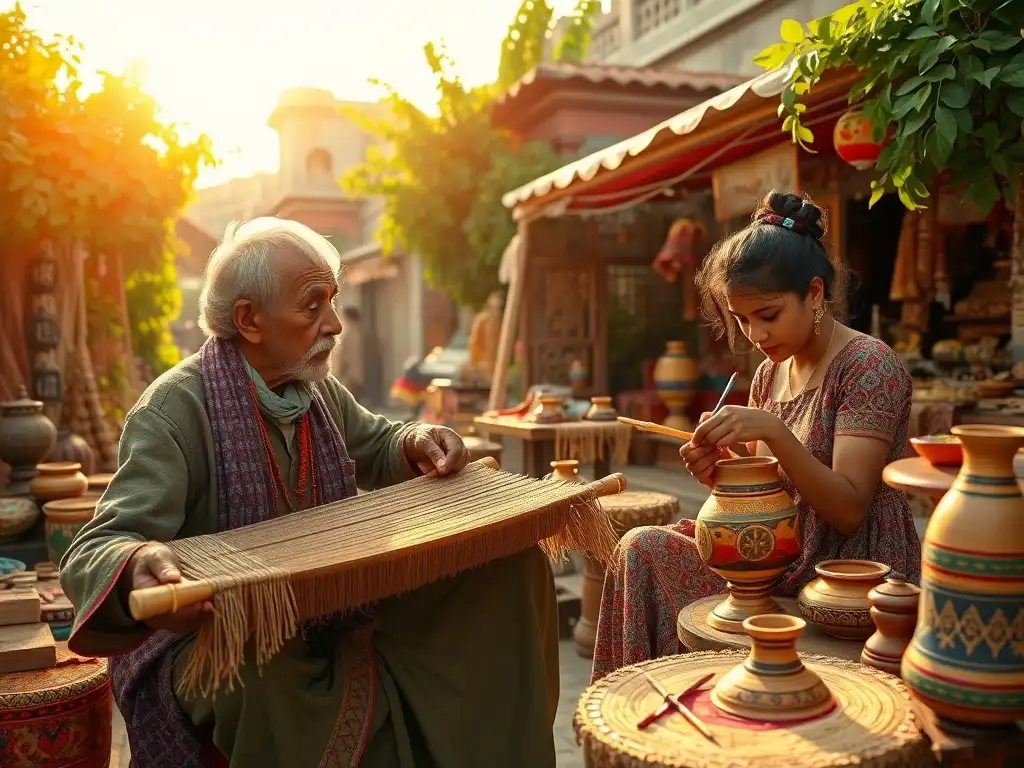
Indian handicrafts possess unique features that not only highlight their cultural heritage but also contribute to sustainable business growth. These features, ranging from the use of eco-friendly materials to the blend of traditional techniques with modern innovations, create a compelling case for investment in this sector.
Eco-Friendly Materials in Indian Handicrafts
Sustainability is at the core of Indian handicrafts, as many artisans use natural, biodegradable materials. From organic cotton and jute to bamboo and clay, these eco-friendly options resonate with a growing consumer base that prioritizes environmental responsibility. The use of such materials not only reduces the carbon footprint associated with production but also ensures that the products are safe for both consumers and the planet.
Moreover, the focus on local sourcing of materials supports the economy and empowers communities. By investing in the use of sustainable materials, businesses can capitalize on the eco-conscious market, promoting the idea that luxury and sustainability can coexist. This emphasis on eco-friendly practices makes Indian handicrafts an attractive option for investors looking to align with global sustainability goals.
Traditional Techniques Versus Modern Innovations
The blend of traditional techniques with modern innovations is a hallmark of Indian handicrafts, offering a unique value proposition in the marketplace. Traditional craftsmanship, often characterized by intricate designs and cultural significance, showcases the skill and artistry of Indian artisans. This heritage is increasingly being appreciated by consumers who value authenticity and uniqueness.
At the same time, innovations in design, production processes, and marketing strategies are enhancing the appeal of these products. For instance, the incorporation of modern aesthetics or the use of technology for better production efficiency helps artisans maintain their cultural roots while reaching contemporary audiences. This adaptability is a key factor in ensuring sustainability within the sector.
Investors are drawn to this dynamic interplay as it not only preserves cultural heritage but also fosters economic growth. By supporting businesses that honor traditional craftsmanship while embracing innovation, investors can participate in a sector poised for sustainable business growth, ensuring profitability while contributing positively to society.
Challenges Faced by the Indian Handicraft Sector
The Indian handicraft sector, while rich in culture and diversity, faces several significant challenges that can hinder its growth and sustainability in the market. One of the primary issues is the inconsistency in product quality, which can affect consumer trust and sales. Additionally, there is a pressing need for skill development among artisans, many of whom lack access to modern techniques and training that could enhance their craft.
The sector also grapples with inadequate marketing strategies, making it difficult for artisans to reach broader audiences and adapt to changing consumer preferences. Addressing these challenges is critical for ensuring that Indian handicrafts can thrive in a competitive global marketplace.
Addressing Quality Control Issues
Quality control is a crucial component for the success of any product, and in the realm of Indian handicrafts, it becomes even more significant. The variability in quality can stem from several factors, including the use of different materials, artisan skill levels, and production practices. To address these issues, the establishment of standardized quality benchmarks is essential.
Initiatives can include regular training sessions for artisans, the development of quality assurance programs, and collaborations with industry experts who can provide guidance on best practices. By focusing on quality, the Indian handicraft sector can build a reputation for excellence, which is vital for attracting both domestic and international buyers.
The Need for Training and Advancement in Skills
The handicraft sector is often characterized by traditional techniques passed down through generations. While this heritage is invaluable, it can also lead to stagnation if artisans do not receive updated training. There is a pressing need to implement training programs focused on contemporary design trends, sustainable practices, and the use of new materials. Workshops and partnerships with design institutions can empower artisans, enabling them to innovate while still honoring their traditional roots. Investing in skill advancement not only enhances the quality of the products but also increases the artisans' earning potential, thereby uplifting entire communities.
Opportunities for Investors in Indian Handicrafts
Despite the challenges, the Indian handicraft sector presents numerous opportunities for investors looking to engage in sustainable business growth. The growing global demand for unique, handcrafted products that emphasize sustainability and ethical sourcing aligns perfectly with the offerings of Indian artisans. By investing in this sector, investors can tap into a market that values authenticity and craftsmanship, all while supporting local economies and preserving cultural heritage.
High Return on Investment (ROI) in Sustainable Handicrafts
Investing in Indian handicrafts not only contributes to sustainable business practices but also offers an attractive return on investment (ROI). As consumers increasingly shift towards sustainable and ethical products, handicrafts that are eco-friendly and responsibly made are gaining traction. According to market analyses, the global handicraft market is projected to grow significantly, with a substantial portion attributed to sustainable products. Investors can benefit from this upward trend by funding artisans and cooperatives that prioritize sustainable practices. Additionally, leveraging e-commerce platforms can further enhance visibility and sales, making investments in this sector more lucrative.
Collaborations with Local Artisans and Cooperatives
Collaborating with local artisans and cooperatives presents a unique opportunity for investors to engage directly with the source of creativity and craftsmanship. These partnerships not only help to ensure fair wages for artisans but also facilitate knowledge sharing and skill enhancement. Investors can play a crucial role by providing resources, training, and market access, which can significantly uplift the artisan community.
Additionally, these collaborations can foster innovation, allowing for the development of new product lines that cater to contemporary market demands while preserving traditional techniques. Such synergy not only benefits the artisans but also enriches the investor's portfolio with culturally significant and sustainable products.
Recommendations for Investing in Indian Handicrafts
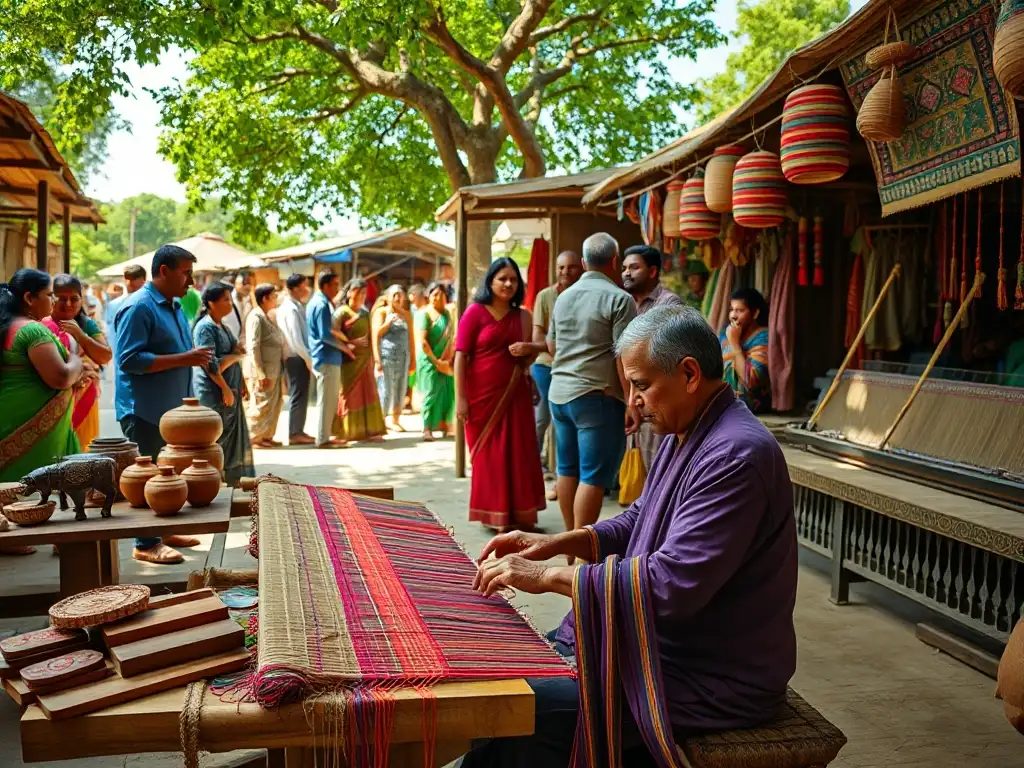
Investing in Indian handicrafts presents a unique opportunity for both financial growth and sustainable business practices. Here are some key recommendations for potential investors:
- Research the Market: Understanding the current trends in Indian handicrafts is crucial. Analyze consumer preferences, popular products, and market demands. Focus on demographics that appreciate artisanal goods, such as eco-conscious consumers.
- Support Artisans: Building relationships with artisans is essential. Consider investing in cooperatives or local artisans directly, which not only fosters community growth but also ensures that your investment directly benefits the creators.
- Focus on Sustainable Practices: Look for businesses that prioritize sustainability in their production processes. This includes using natural materials, reducing waste, and implementing fair labor practices. Sustainability is not just an ethical choice; it also resonates with modern consumers seeking eco-friendly products.
- Diversify Your Portfolio: Indian handicrafts encompass a wide range of products, from textiles to pottery and jewelry. Diversification can mitigate risk and increase your potential for profit. Consider investing in a mix of traditional and contemporary handicrafts to appeal to various market segments.
- Leverage Digital Platforms: Online marketplaces and social media are powerful tools for promoting handicrafts. Invest in businesses that have a strong online presence or look for opportunities to enhance existing platforms, enabling artisans to reach a broader audience.
Top Indian Handicraft Products to Consider for Investment
When considering investments in Indian handicrafts, certain products stand out due to their popularity and market potential:
- Handwoven Textiles: Products like sarees, shawls, and home furnishings made from traditional fabrics such as khadi and cotton are highly sought after. The authenticity of these textiles often attracts conscious consumers.
- Pottery and Ceramics: Handcrafted pottery, especially from regions like Khurja and Kutch, offers unique designs and cultural significance, appealing to both collectors and home decor enthusiasts.
- Wooden Crafts: Intricately carved wooden items, including furniture and decorative pieces from states like Rajasthan and Kerala, showcase skilled craftsmanship and are in demand for their durability and aesthetic appeal.
- Jewelry: Traditional jewelry, especially pieces that incorporate regional craftsmanship, can attract both domestic and international buyers looking for unique fashion statements.
- Metal Crafts: Items made from brass, copper, or silver, including utensils and decorative items, not only reflect Indian heritage but also cater to rising interest in sustainable and eco-friendly products.
How to Identify Sustainable Business Partners in the Handicraft Sector
Identifying sustainable business partners in the handicraft sector requires a thorough evaluation of potential collaborators. Here are steps to guide you:
- Assess Certifications: Look for certifications that indicate adherence to sustainable practices, such as Fair Trade or handloom certifications. These can signify a commitment to ethical production.
- Evaluate Production Methods: Inquire about the production processes used by potential partners. Sustainable practices include using natural materials, minimizing waste, and ensuring fair labor conditions.
- Visit Workshops: Whenever possible, visit artisan workshops to observe operations firsthand. Engaging directly with artisans can provide insights into their working conditions and commitment to sustainability.
- Check Community Impact: Research how potential partners contribute to local communities. Sustainable businesses often invest back into their communities through education, healthcare, and infrastructure support.
- Seek Recommendations: Networking within the handicraft industry can lead to valuable recommendations. Connect with NGOs, local chambers of commerce, or industry associations focused on sustainable practices.
Conclusion: The Future of Indian Handicrafts in Sustainable Business
The future of Indian handicrafts looks promising, particularly as consumers become increasingly aware of sustainability. With a rich heritage and a growing demand for unique, eco-friendly products, the handicraft sector is poised for significant growth.
Long-term Benefits of Investing in Indian Handicrafts
Investing in Indian handicrafts not only yields financial returns but also contributes to social and environmental sustainability. Key benefits include:
- Cultural Preservation: Your investment helps preserve traditional crafts and techniques, ensuring that these cultural legacies are passed down through generations.
- Empowerment of Artisans: Supporting artisans promotes economic independence and empowers communities, leading to improved living standards and sustainable livelihoods.
- Market Resilience: As consumer preferences shift towards sustainable products, handicrafts are likely to gain traction, providing a resilient investment avenue with long-term growth potential.
- Positive Brand Image: Businesses that invest in sustainable practices often enjoy enhanced brand loyalty and reputation, attracting customers who value ethical consumption.
Call to Action for Investors Interested in Sustainable Growth
For investors looking to make a positive impact while achieving sustainable business growth, now is the time to explore opportunities within the Indian handicraft sector. By investing in this vibrant industry, you can play a pivotal role in fostering cultural heritage, supporting local economies, and contributing to a more sustainable future.
Take the first step today by researching potential partners, exploring product offerings, and engaging with artisans to discover the breadth of possibilities within this thriving market. 🌱
Additional Resources for Exploring Indian Handicrafts
The world of Indian handicrafts is rich and varied, offering a profound insight into the cultural heritage and artisanal skills of the region. For those looking to deepen their understanding of this subject, there are numerous resources available that cover everything from historical context to contemporary practices. Below are some recommended avenues for exploration, including books, documentaries, and online platforms.
Recommended Books and Documentaries on Indian Handicrafts
- Books:
- "Crafting a Future: The Story of India's Handicrafts" by Kiran Sethi: This book delves into the intricacies of various handicrafts across India, highlighting the artisans behind the crafts and the socio-economic impact of these traditional skills.
- "Indian Textiles: 5000 Years of Art and Design" by Jennifer Wearden: This comprehensive book provides an overview of India's textile heritage, including detailed discussions on the techniques and materials used in traditional handicrafts.
- "The Art of Indian Handicrafts" by Jaya Jaitly: Jaitly explores the significance of handicrafts in Indian culture and their potential for sustainable business practices, making it a vital read for investors and enthusiasts alike.
- Documentaries:
- "Handcrafted: A Film About the Importance of Indian Handicrafts": This documentary showcases the lives of artisans and the challenges they face in preserving their craft in a rapidly changing world, emphasizing the importance of sustainable practices.
- "The Weavers of the World": Focused on India's vibrant weaving traditions, this film highlights the diverse techniques and the cultural narratives that each craft embodies.
- "The Last Craft": This documentary provides a poignant look into the lives of artisans whose crafts are on the brink of extinction, advocating for the preservation and appreciation of these traditional skills.
Websites and Platforms to Discover More About Indian Artisanal Products
- Online Marketplaces:
- Etsy: Many Indian artisans sell their handcrafted products on Etsy, offering a platform for consumers to purchase unique items directly from the makers. This not only supports sustainable business practices but also helps preserve traditional crafts.
- Craftsvilla: An online marketplace dedicated to Indian handicrafts, Craftsvilla connects artisans with a global audience, promoting sustainable business growth while ensuring fair trade practices.
- Resource Websites:
- The Crafts Council of India: This organization promotes the handicrafts sector and provides resources related to various crafts, artisans, and sustainable practices in the industry.
- India Handicrafts: A comprehensive platform that showcases various handicraft products, provides insights into the artisans' stories, and promotes sustainable business practices within the handicraft sector.
- Social Media and Blogs:
- Instagram: Following hashtags like #IndianHandicrafts and #SupportLocalArtisans can lead to discovering numerous artisans and their crafts. Many artists share their stories and processes, fostering a deeper connection with their work.
- Blogs: Various bloggers focus on Indian handicrafts, sharing insights, DIY tutorials, and interviews with artisans. These blogs often highlight the significance of sustainability in their practices.
Exploring these resources will not only enhance your understanding of Indian handicrafts but also inspire sustainable business investments in this vibrant sector. By engaging with these materials, you can appreciate the cultural richness and economic potential that Indian handicrafts offer.
- Understanding Indian Handicrafts and Their Cultural Significance
- The Rise of Sustainable Business Growth in India
- Key Factors Driving Investment in Indian Handicrafts
- Unique Features of Indian Handicrafts Contributing to Sustainable Business Growth
- Challenges Faced by the Indian Handicraft Sector
- Opportunities for Investors in Indian Handicrafts
- Recommendations for Investing in Indian Handicrafts
- Conclusion: The Future of Indian Handicrafts in Sustainable Business
- Additional Resources for Exploring Indian Handicrafts
Frequently Asked Questions
What makes Indian handicrafts a sustainable business investment?
Indian handicrafts are rooted in traditional techniques and utilize natural materials, making them environmentally friendly. Their cultural significance also adds value, appealing to conscious consumers.
How do Indian handicrafts contribute to the local economy?
Indian handicrafts create employment opportunities for artisans, empowering local communities. This contributes to sustainable economic growth by supporting small businesses and preserving traditional crafts.
What are some popular types of Indian handicrafts?
Popular Indian handicrafts include handwoven textiles, pottery, jewelry, and woodwork. Each region offers unique styles, showcasing the diversity of Indian culture and craftsmanship.
How can consumers support the Indian handicraft industry?
Consumers can support this industry by purchasing authentic handicrafts and promoting fair trade practices. Engaging with local artisans and sharing their stories helps to raise awareness and appreciation.
What role does technology play in promoting Indian handicrafts?
Technology facilitates online marketplaces for artisans, increasing their reach to a global audience. It also helps in marketing and branding, making it easier for consumers to discover and buy unique handicrafts.
Final Reflection: Embracing Indian Handicrafts for Sustainable Business Growth
The resurgence of Indian handicrafts in today's market underscores the urgent need for sustainable business practices. As consumers increasingly prioritize ethical sourcing and environmental responsibility, the unique artistry and cultural significance of Indian handicrafts present a compelling opportunity for sustainable business growth. This movement not only champions traditional craftsmanship but also aligns with a global shift towards sustainability, making it a pivotal moment for both artisans and investors alike.
The impact of Indian handicrafts extends far beyond mere aesthetics; it fosters a sense of community and cultural preservation. By investing in these crafts, we are not only supporting local economies but also preserving the rich heritage that defines them. As Mahatma Gandhi once said, “The best way to find yourself is to lose yourself in the service of others.” This sentiment resonates deeply in the context of Indian handicrafts, where each piece tells a story and contributes to the livelihoods of countless artisans.
As we look to the future, I invite you to reflect on how you can contribute to this movement. Consider supporting Indian handicrafts in your purchasing decisions, advocating for sustainable practices, or even exploring investment opportunities in this vibrant sector. By doing so, you not only enrich your own life with unique, handcrafted items but also play a vital role in promoting sustainable business growth that honors tradition and empowers communities. Together, we can help shape a future where culture and sustainability thrive hand in hand.
Unleash the Power of Sustainable Investments!
Thank you for diving into the fascinating world of Indian handicrafts and exploring their potential in sustainable business investments. Your interest in this topic not only enriches your understanding but also supports a movement that values tradition and innovation.
Now, it’s time to take your passion for sustainable practices further! Here are some actionable steps you can take right now:
- Explore Local Artisans: Visit local markets or online platforms to connect with artisans and invest in their handcrafted products. Your purchase can support their livelihoods and promote sustainability.
- Share Your Findings: Spread the word! Share this article with your network or on social media to inspire others to appreciate and invest in Indian handicrafts.
- Join a Workshop: Participate in a crafts workshop to learn about these traditional techniques firsthand. It’s a unique way to deepen your understanding and support local craftsmanship.
What unique style or piece of Indian handicraft inspires you the most? Consider how you envision contributing to this sustainable movement.