
The Maurya Empire's Approach to Governance: Lessons in Leadership and Administration


Welcome to Ancient India History, where we embark on a fascinating journey through the rich tapestry of ancient Indian civilizations. Dive deep into the Maurya Empire's governance lessons, a pivotal aspect of a legacy that shaped leadership and administration in ways that still resonate today. As we unravel the intricacies of this remarkable empire, you’ll discover insights that not only illuminate the past but also offer valuable lessons for contemporary governance. Curious about how these ancient practices can inspire modern leadership? Read on to explore the profound wisdom of the Maurya Empire!
- Introduction to the Maurya Empire Governance Lessons
- The Political Structure of the Maurya Empire
- Key Principles of Maurya Empire Governance
- Lessons in Leadership from Maurya Empire Rulers
- Administrative Innovations in the Maurya Empire
- Comparing Maurya Empire Governance with Other Ancient Civilizations
- Conclusion: Relevance of Maurya Empire Governance Lessons Today
- References and Further Reading on Maurya Empire Governance
- Frequently Asked Questions
- Final Reflection: Embracing the Maurya Empire's Governance Lessons for Modern Leadership
- Unveil the Leadership Lessons of the Maurya Empire!
Introduction to the Maurya Empire Governance Lessons
The Maurya Empire, one of the most significant ancient Indian empires, provides a wealth of knowledge and insights into effective governance and administration. Spanning from 322 BCE to 185 BCE, this vast empire not only unified the Indian subcontinent but also exemplified a sophisticated political structure that laid the groundwork for future governance in the region.
The lessons derived from the Maurya Empire's approach to leadership and administration resonate even today, offering valuable perspectives on how strategic governance can foster stability, economic prosperity, and cultural advancement. This article delves into the intricacies of the Maurya Empire's governance, highlighting its key principles and practices that continue to influence contemporary leadership paradigms.
Overview of the Maurya Empire
The Maurya Empire emerged in the wake of Alexander the Great's campaigns and the subsequent power vacuum in Northern India. Founded by Chandragupta Maurya, this empire reached its zenith under the leadership of his grandson, Ashoka the Great.
- Key Features of the Maurya Empire:
- Geographical Extent: At its height, the Maurya Empire covered a significant portion of the Indian subcontinent, including present-day India, Pakistan, and parts of Afghanistan.
- Political Structure: The empire was characterized by a centralized form of governance, with a well-defined hierarchy that ensured effective administration across its vast territories.
- Cultural Contributions: The Mauryan period was marked by significant advancements in art, architecture, and philosophy, reflecting a rich cultural tapestry.
Under Ashoka, the empire adopted a unique blend of governance that emphasized moral leadership and welfare policies, fundamentally shaping its administrative practices.
Importance of Governance in Ancient Indian Civilizations
Governance in ancient Indian civilizations was not merely about control and power; it was deeply intertwined with the social, economic, and spiritual fabric of society.
- Key Aspects of Governance:
- Moral Leadership: Emperors like Ashoka exemplified the importance of ethical governance, promoting principles such as non-violence and dharma (righteousness).
- Administrative Efficiency: The Maurya Empire implemented a structured bureaucracy that facilitated efficient tax collection, law enforcement, and public welfare programs.
- Cultural Integration: Effective governance under the Maurya Empire encouraged cultural exchange and integration, fostering a sense of unity among diverse populations.
Understanding these governance lessons from the Maurya Empire not only enriches our knowledge of ancient Indian history but also provides timeless insights applicable to modern leadership and administration practices.
The Political Structure of the Maurya Empire
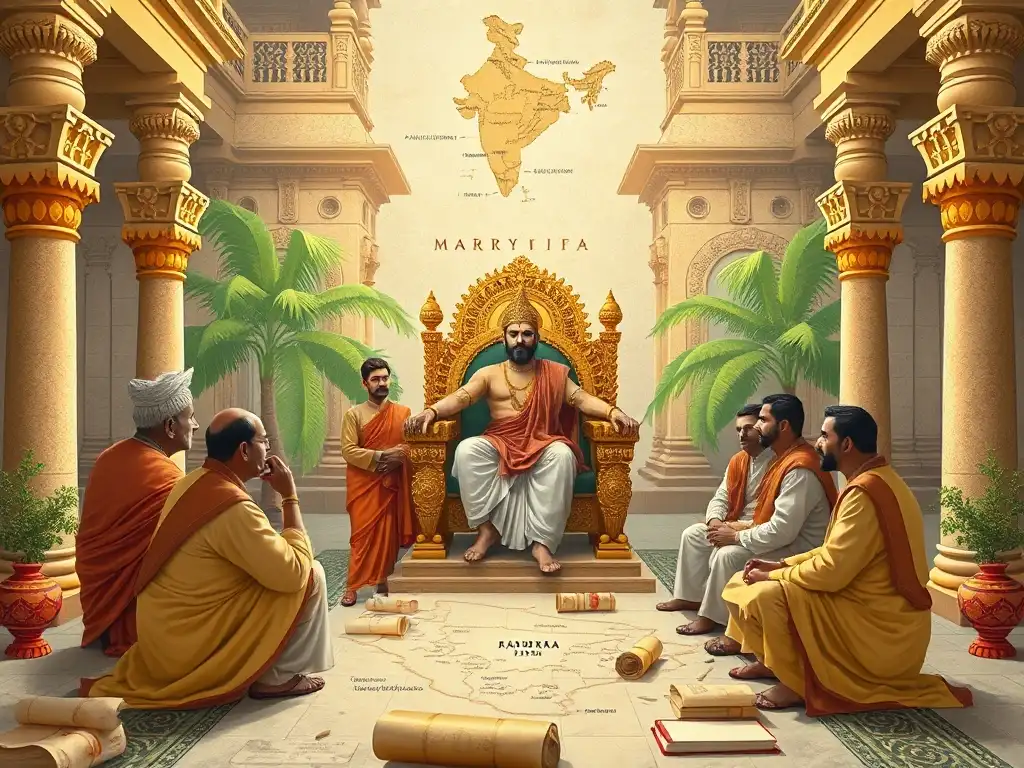
The Maurya Empire, one of the most powerful empires in ancient India, was characterized by a highly organized and centralized political structure. This system of governance allowed for efficient administration and effective control over a vast territory that extended from the northern regions of India to parts of modern-day Afghanistan. The political framework of the Maurya Empire set a precedent for subsequent Indian states and offers valuable insights into governance and leadership.
Centralized Governance Model of the Maurya Empire
The Maurya Empire's governance was marked by a centralized model, which facilitated the consolidation of power and resources. The emperor was the supreme authority, and his decisions were paramount in shaping the empire’s policies and administrative functions. This centralization helped maintain order and unity across diverse regions and cultures.
Key features of this centralized governance model include:
- Administrative Divisions: The empire was divided into provinces, known as Mahajanapadas, each governed by a Rajuka or governor. These governors were responsible for implementing the emperor's policies and maintaining law and order in their territories.
- Standardization of Laws: The Mauryan administration established standardized laws and regulations, which were uniformly enforced across the empire. This legal framework helped in reducing regional disparities and ensuring justice.
- Taxation System: A well-organized taxation system was critical for the empire’s economy. Taxes were collected from agricultural produce, trade, and various crafts, and revenues were directed to the central treasury to fund public welfare and military expenditures.
This centralized approach not only enhanced the efficiency of governance but also allowed the Maurya Empire to respond effectively to internal and external challenges.
Role of the Emperor in Administration
At the helm of the Maurya Empire was the emperor, often regarded as a divine ruler with both political and spiritual authority. The emperor's role in administration was multifaceted and included several responsibilities:
- Supreme Decision-Maker: The emperor held the power to make significant decisions regarding military strategies, foreign relations, and domestic policies. His directives were crucial for maintaining the stability of the empire.
- Symbol of Unity: By embodying the empire's ideals and values, the emperor served as a unifying figure for the diverse populations within his realm. This symbolic role fostered loyalty and allegiance among subjects.
- Patron of Dharma: The Mauryan emperors, particularly Ashoka, were known for promoting Dharma (moral law) as a guiding principle in governance. This commitment to ethical leadership helped in establishing a just society and enhancing the emperor's legitimacy.
- Oversight of Provincial Governance: Emperors maintained direct oversight of provincial governors through regular communication and inspections. This ensured that governors adhered to imperial policies and addressed local grievances effectively.
The emperor's leadership style, characterized by a blend of authority and ethical governance, provides critical lessons in the importance of moral leadership in administration.
Influence of Advisors and Ministers on Governance
The Maurya Empire's governance was not solely reliant on the emperor; it also involved a network of advisors and ministers who played pivotal roles in shaping policies and administrative functions. Their influence can be observed in several areas:
- Council of Ministers: The emperor was supported by a council of ministers known as the Mantriparishad. This council comprised experienced and knowledgeable individuals who provided counsel on various matters, including military, economic, and diplomatic issues.
- Specialized Roles: Different ministers were assigned specific responsibilities, such as finance, agriculture, and law. This specialization allowed for effective management of diverse areas and ensured that the emperor received informed advice.
- Strategic Advisors: Key figures, such as Kautilya (also known as Chanakya), played a significant role in advising the emperor on statecraft and governance. Kautilya's treatise, the Arthashastra, outlines principles of administration, warfare, and economics that were instrumental in shaping the empire’s policies.
- Feedback Mechanisms: Advisors often served as intermediaries between the emperor and the populace, relaying concerns and feedback. This facilitated a more responsive governance approach and helped in addressing the needs of the subjects.
The collaborative governance model of the Maurya Empire highlights the importance of a well-structured advisory system in effective leadership, providing valuable lessons for contemporary governance practices.
The Maurya Empire offers critical governance lessons through its centralized political structure, the pivotal role of the emperor, and the influence of advisors and ministers. These elements combined to create a robust administrative framework that not only ensured stability and prosperity during its time but also left a lasting legacy in the annals of Indian history.
Key Principles of Maurya Empire Governance

The Maurya Empire, one of the largest and most powerful empires in ancient India, established a sophisticated framework of governance that laid the foundation for effective administration in the region. The key principles of Maurya Empire governance reflect a comprehensive approach that emphasized justice, local integration, and economic management. Each of these principles contributed to the stability and longevity of the empire, allowing it to thrive for centuries.
Emphasis on Justice and Law
A cornerstone of the Maurya Empire's governance was its commitment to justice and law. The empire's legal framework was characterized by several key features:
- Codification of Laws: The Mauryas, particularly under Emperor Ashoka, emphasized the importance of codifying laws to ensure uniformity and fairness. Ashoka's edicts, inscribed on pillars and rocks, communicated moral and ethical guidelines to the populace, reinforcing the concept of dharma (righteousness).
- Judicial System: A structured judicial system was put in place, featuring local courts and higher courts to handle various disputes. This system allowed for efficient resolution of conflicts and maintained social order. The presence of trained judges ensured that justice was administered fairly.
- Promotion of Non-Violence: Ashoka's reign marked a significant shift towards non-violence and compassion, influencing the legal and ethical standards of governance. His principles of dhamma encouraged the resolution of disputes through dialogue rather than conflict, fostering a culture of peace.
These elements not only promoted justice within the empire but also reinforced the authority of the state, as citizens viewed the Maurya rulers as protectors of law and order.
Integration of Local Governance Structures
The Maurya Empire recognized the significance of local governance structures and integrated them into the broader administrative framework:
- Decentralization: While the Maurya Empire was highly centralized, local administration was crucial for effective governance. Local governors (known as "Uparikas") were appointed to oversee provinces, allowing for responsiveness to regional issues while maintaining allegiance to the central authority.
- Village Councils: The Mauryas supported the establishment of village councils, which played an essential role in local governance. These councils empowered local communities to participate in decision-making, manage resources, and resolve disputes, fostering a sense of ownership among the populace.
- Cultural Sensitivity: The integration of local governance structures also involved respecting regional customs and practices. This cultural sensitivity helped the Maurya rulers gain the loyalty of diverse populations, facilitating smoother governance across vast territories.
By blending local governance with centralized authority, the Maurya Empire effectively addressed the needs of various communities, enhancing the overall stability of the empire.
Importance of Economic Administration
Economic administration was another critical aspect of Maurya governance, as it directly influenced the prosperity and sustainability of the empire:
- Taxation System: The Maurya Empire implemented a comprehensive taxation system that ensured a steady revenue stream for the state. Taxes were collected on agriculture, trade, and crafts, which provided the necessary funds for public works and military expenditures.
- Trade and Commerce: The empire actively promoted trade by establishing well-maintained road networks and ensuring security for traders. The Maurya rulers recognized the economic potential of trade, facilitating both domestic and international commerce, which further enriched the empire.
- Agricultural Development: Agricultural productivity was prioritized through irrigation projects and the dissemination of agricultural techniques. The state invested in infrastructure that supported farming communities, ensuring food security and economic stability.
These economic strategies not only fortified the Maurya Empire's wealth but also contributed to social welfare, as a prosperous economy provided the means to support education, health, and public services.
The Maurya Empire's governance lessons, characterized by an emphasis on justice, integration of local governance, and robust economic administration, offer valuable insights into effective leadership and administration. By implementing these principles, the Maurya rulers created a cohesive and prosperous empire that left a lasting legacy in ancient Indian history.
Lessons in Leadership from Maurya Empire Rulers
Chandragupta Maurya: The Foundational Leader
Chandragupta Maurya, the founder of the Maurya Empire, established a model of governance that emphasized centralized authority and effective administration. His leadership style can be dissected into several key lessons that are relevant even in contemporary governance:
- Centralization of Power:
- Chandragupta recognized the importance of a strong central government. By consolidating power, he was able to implement policies swiftly and maintain order across the vast territories of his empire. This centralization facilitated uniformity in laws and taxation, which are critical for the stability of any state.
- Strategic Alliances and Military Strength:
- Chandragupta forged strategic alliances, notably with Kautilya (Chanakya), who played a pivotal role in his rise to power. This partnership exemplifies the importance of collaboration and strategic thinking in leadership. His military prowess, demonstrated in conflicts against the Nanda dynasty and Alexander the Great’s remnants, underscores the need for a strong defense and military organization.
- Administrative Reforms:
- The administrative framework laid by Chandragupta was comprehensive. He divided the empire into provinces, each governed by officials who were accountable to the central authority. This hierarchical structure allowed for efficient management and responsiveness to local issues, thereby enhancing the overall governance of the empire.
- Economic Policies:
- Chandragupta implemented policies that stimulated trade and agriculture. He introduced standardized weights and measures, which facilitated commerce. Such economic initiatives not only increased revenue but also improved the quality of life for his subjects, demonstrating that effective governance must prioritize economic stability.
Ashoka the Great: Transformative Leadership and Ethical Governance
Ashoka, the grandson of Chandragupta, is often regarded as one of the most exemplary rulers in Indian history. His reign marked a significant shift towards ethical governance, which can be summarized through several pivotal lessons:
- Emphasis on Dharma:
- Ashoka’s commitment to Dharma (moral law) transformed the nature of governance. He believed that rulers should lead by moral example, advocating for justice, compassion, and non-violence. This approach not only strengthened his legitimacy but also fostered a bond of trust between the ruler and the ruled.
- Promotion of Welfare Programs:
- Ashoka initiated numerous welfare programs aimed at improving the lives of his subjects. He established hospitals, promoted veterinary care, and ensured access to education. This focus on public welfare illustrated how governance could be a tool for social upliftment and not merely a mechanism for control.
- Communication and Engagement:
- The Edicts of Ashoka, inscribed on pillars and rocks across his empire, served as a means of direct communication with the populace. By disseminating his policies and ethical directives publicly, Ashoka engaged with his subjects in a manner that was both transparent and inclusive. This practice of open communication is a vital lesson for contemporary leaders seeking to build trust and accountability.
- Cultural Diplomacy:
- Ashoka’s efforts to spread Buddhism beyond India exemplified the role of cultural diplomacy in governance. By promoting a shared ethical framework, he not only enhanced the prestige of his empire but also fostered peaceful relations with neighboring states. This highlights the importance of soft power in leadership and governance.
The governance lessons from the Maurya Empire, particularly from the leadership of Chandragupta Maurya and Ashoka, emphasize the significance of centralized authority, ethical governance, public welfare, and effective communication. These principles remain relevant today, offering valuable insights for modern leaders in their pursuit of effective governance and societal well-being.
Administrative Innovations in the Maurya Empire

The Maurya Empire, one of the most significant and expansive empires in ancient India, is renowned for its innovative administrative strategies that laid the groundwork for effective governance. The Mauryan rulers, particularly Chandragupta Maurya and his grandson Ashoka, implemented various reforms that not only facilitated efficient administration but also ensured stability and prosperity throughout the empire. This section explores the key administrative innovations that characterized Maurya Empire governance lessons.
Bureaucratic System and Its Efficiency
The Maurya Empire established a highly organized bureaucratic system that was crucial for managing its vast territory. The empire was divided into several provinces, each governed by a provincial governor known as a Uparika. This hierarchical structure allowed for effective governance over diverse regions, each with its unique challenges.
- Centralized Administration: The Mauryan administration was characterized by a centralized approach where major decisions were made at the top levels of government. This allowed for uniformity in laws and policies across the empire.
- Sub-divisions: Provinces were further divided into districts (known as Janapadas), which were managed by local officials. This multi-tiered bureaucratic approach ensured that governance was efficient and that local issues were addressed promptly.
- Merit-based Appointments: The Maurya Empire emphasized merit in appointing officials. Competent individuals were selected based on their skills and knowledge rather than their social status, which enhanced the effectiveness of administration.
The efficiency of this bureaucratic system can be seen in the empire's ability to collect revenue, maintain law and order, and implement policies effectively, which contributed to the Maurya Empire governance lessons.
Use of Spies and Information Networks
Information was critical for the administration of the Maurya Empire, and the use of spies was a key strategy employed by the Mauryan rulers. The famous philosopher and strategist Kautilya, in his treatise Arthashastra, emphasized the importance of intelligence in governance.
- Intelligence Gathering: The Mauryan administration established a network of spies across the empire to gather information about economic conditions, public sentiment, and potential threats. This information was crucial for making informed decisions and formulating policies.
- Preventive Measures: The intelligence network not only provided data on internal affairs but also monitored external threats. This proactive approach helped the Maurya Empire maintain security and stability.
- Public Affairs and Diplomacy: Spies played a significant role in diplomacy as well. They were tasked with gathering intelligence on rival kingdoms and potential allies, aiding the Mauryan rulers in making strategic alliances and decisions.
The use of spies and information networks exemplifies the Maurya Empire governance lessons, showcasing the importance of information in effective administration.
Taxation Policies and Economic Management
The economic prosperity of the Maurya Empire was largely due to its well-structured taxation policies and economic management practices. These policies were designed to support the empire's needs while ensuring the welfare of its citizens.
- Systematic Taxation: The Mauryan Empire implemented a systematic approach to taxation, where taxes were levied on agriculture, trade, and crafts. This diversification of tax sources minimized reliance on a single revenue stream, enhancing economic stability.
- Fair Taxation: The taxation policies were designed to be fair and equitable. The Arthashastra suggests that taxes should not exceed 25% of a farmer's produce, ensuring that the agricultural sector remained viable and productive.
- State-Controlled Trade: The Maurya Empire also established state control over trade routes, which allowed for regulation of trade activities and collection of taxes on goods. This not only increased revenue but also facilitated economic growth.
The effective taxation policies and economic management reflect the Maurya Empire governance lessons, demonstrating how thoughtful economic strategies can lead to prosperity and stability within a vast empire.
Comparing Maurya Empire Governance with Other Ancient Civilizations
Governance in the Gupta Empire
The Gupta Empire, which flourished from approximately 240 CE to 550 CE, is often referred to as the Golden Age of India due to its significant achievements in arts, science, and governance. Unlike the Maurya Empire, which implemented a strong centralized administration under the rule of Chandragupta Maurya and his grandson Ashoka, the Gupta Empire adopted a more decentralized form of governance.
- Administrative Structure: The Gupta rulers maintained a system that allowed regional governors (often referred to as Uparikas) to exercise considerable autonomy. This delegation of power contrasted sharply with the Maurya Empire’s emphasis on a tightly controlled bureaucratic structure, where officials were directly appointed by the emperor and were responsible for maintaining law and order across vast territories.
- Local Governance: Local self-governance was a hallmark of the Gupta administration. Villages enjoyed a significant degree of self-rule, and local councils ( Panchayats) played a crucial role in decision-making. This approach fostered community involvement and accountability, which helped maintain stability but lacked the uniformity seen in the Maurya Empire.
- Merit-Based Appointments: The Gupta administration was known for its focus on meritocracy. Officials were often chosen based on their skills and competence rather than solely on their social status or lineage. This practice, while somewhat present in the Maurya Empire, was more pronounced in the Gupta period, leading to effective governance and administration.
- Cultural Flourishing: The Gupta period saw a rise in cultural and scholarly activities, supported by a relatively free environment for intellectuals and artists. The Maurya Empire, particularly under Ashoka, emphasized moral governance, often inscribing edicts promoting Buddhist principles, which, while noble, limited diverse expressions of culture compared to the Gupta era’s vibrant artistic developments.
Contrasts with Persian and Greek Governance Models
When examining the governance of the Maurya Empire, it is essential to draw comparisons with contemporary Persian and Greek models, which reveal significant differences in administrative philosophies and practices.
- Persian Governance: The Achaemenid Empire, known for its vast stretches across three continents, implemented a sophisticated administrative system characterized by satrapies. Each satrapy was governed by a satrap who had considerable autonomy but reported directly to the emperor. This model allowed for local adaptation of policies but was often marred by issues of loyalty and rebellion. In contrast, the Maurya Empire maintained a more uniform legal and administrative code throughout its territories, emphasizing central authority and direct imperial oversight.
- Greek Governance: The city-states of ancient Greece, particularly Athens, practiced direct democracy, where citizens participated actively in governance. However, this model was limited to free males and excluded large segments of the population, such as women and slaves. The Maurya Empire’s governance, while autocratic, provided a more comprehensive approach to administration by integrating diverse populations under a singular legal framework, as seen in Ashoka’s edicts promoting welfare for all subjects.
- Legal Systems: The Maurya Empire implemented a codified legal system, with laws applicable across the empire, inspired by both local customs and the principles of Dharma. In contrast, Persian law was often a mix of royal decrees and local customs, while Greek city-states varied widely in their legal practices, leading to inconsistencies and conflicts.
- Military Organization: The Maurya Empire had a strong standing army which played a crucial role in maintaining order and defense, a feature that was less prominent in the Persian model, which relied on a network of satraps to manage military affairs. The Greek city-states, on the other hand, often relied on citizen-soldiers, which contributed to their democratic practices but limited their military capabilities on a larger scale.
The governance lessons from the Maurya Empire highlight a centralized, law-based system that prioritized unity and stability, setting it apart from the more decentralized and variable structures of the Gupta, Persian, and Greek civilizations. Each model presents unique insights into the complexities of governance in ancient times, showcasing the Maurya Empire's significant contributions to administrative thought and practice.
Conclusion: Relevance of Maurya Empire Governance Lessons Today

The governance practices of the Maurya Empire, particularly under the reign of Emperor Ashoka, offer timeless lessons that remain relevant in today's political and administrative frameworks. The principles of inclusivity, ethical leadership, and efficient administration can provide modern leaders with insights into effective governance.
Modern Implications of Ancient Governance Practices
The Maurya Empire’s approach to governance centered on a well-structured administrative system, which has several modern implications:
- Inclusivity in Governance:
- The Mauryan administration was known for its inclusivity, as Ashoka implemented policies that aimed at the welfare of all subjects, regardless of caste or social status. This principle emphasizes the importance of representation and the involvement of various societal segments in contemporary governance structures.
- Example: Modern democratic systems that prioritize citizen participation and public feedback mechanisms can draw inspiration from these ancient practices.
- Ethical Leadership:
- Ashoka’s transformation from a conquest-oriented ruler to a promoter of peace and Dharma illustrates the significance of ethical leadership. His edicts, which advocated for non-violence and compassion, highlight how moral values can guide effective governance.
- Application: Current leaders can benefit from adopting ethical frameworks that prioritize the greater good over personal or political gain, fostering trust and integrity in governance.
- Efficient Administrative Structure:
- The Maurya Empire’s bureaucratic efficiency, characterized by a division of labor among officials, ensures that governance is responsive and effective. This model can inform modern administrative practices, emphasizing specialization and accountability within government departments.
- Insight: Implementing clear hierarchies and responsibilities in governance structures can enhance performance and service delivery, mirroring the Mauryan system.
- Focus on Welfare:
- The Mauryan focus on public welfare—demonstrated through Ashoka’s support for healthcare, infrastructure, and education—remains a crucial aspect of governance today. Governments can learn from this commitment to enhance the quality of life for their citizens.
- Example: Government initiatives aimed at healthcare and social welfare programs can be seen as modern reflections of Ashoka's policies.
- Conflict Resolution:
- Ashoka's promotion of diplomacy over warfare serves as a model for resolving conflicts through dialogue rather than violence. This principle is particularly relevant in today's global political climate, where diplomatic negotiations are essential for peace.
- Relevance: Modern leaders can look to these ancient strategies to address contemporary conflicts and foster international cooperation.
Final Thoughts on Leadership and Administration in Ancient India
The governance lessons derived from the Maurya Empire exemplify the profound impact of leadership ethics and administrative efficiency on a civilization's success. The blend of moral authority, bureaucratic organization, and a focus on the welfare of the populace set a remarkable precedent that can still inspire leaders today.
Incorporating these lessons into modern governance models may pave the way for more effective and compassionate leadership. By embracing the principles of the Maurya Empire, contemporary leaders can cultivate societies that prioritize justice, inclusivity, and the holistic well-being of their citizens. The ancient lessons from the Maurya Empire are not merely historical anecdotes; they are a call to action for leaders and administrators to implement practices that resonate with the values of good governance in our time.
References and Further Reading on Maurya Empire Governance
Recommended Books and Articles
-
"The Mauryan Empire" by Romila Thapar
This comprehensive book provides an in-depth analysis of the Maurya Empire's political structure, governance strategies, and the significant impact of its rulers on ancient Indian history. Thapar's work is highly regarded for its scholarly approach and detailed historical context.
-
"A History of Ancient India: From the Earliest Times to the Present" by R. C. Majumdar
This extensive text covers the Maurya Empire within the broader narrative of Indian history. It offers insights into the administrative practices and leadership lessons that emerged during this period.
-
"The Mauryan Administration: A Study of the Role of the Central Government" by D. N. Jha
Jha's work focuses specifically on the governance mechanisms employed by the Maurya Empire, highlighting how these practices laid the groundwork for future administrations in India.
-
"The Arthashastra" by Kautilya (Chanakya)
This ancient treatise on statecraft and military strategy written by Kautilya offers invaluable lessons in governance and leadership. It serves as a primary source for understanding the administrative frameworks that supported the Maurya Empire.
-
"The Decline of the Maurya Empire" by S. R. Sharma
This article examines the factors contributing to the decline of the Maurya Empire, providing insights into the governance challenges faced by the empire as it evolved.
Online Resources for Ancient Indian History
-
Digital South Asia Library (DSAL)
An excellent online resource that offers access to a variety of texts and research materials focused on South Asian history, including the Maurya Empire.
-
The British Library’s India Office Records
This archive provides primary documents and resources that can enhance understanding of the Maurya Empire's governance and administrative practices.
-
Ancient History Encyclopedia
A reliable online platform featuring articles on the Maurya Empire and its governance, with contributions from historians and scholars in the field.
-
Internet Archive
A digital library offering free access to historical texts, many of which cover the Maurya Empire and its administrative systems.
-
Khan Academy: The Mauryan Empire
This educational resource provides engaging video lectures and articles about the Maurya Empire, emphasizing its governance lessons and historical significance.
By exploring these recommended books and online resources, readers can gain a deeper understanding of the governance lessons from the Maurya Empire and their relevance in the context of ancient Indian civilization.
Frequently Asked Questions
What were the key features of governance in the Maurya Empire?
The Maurya Empire's governance was characterized by a centralized administration, a network of provincial governors, and a focus on law and order. This structure allowed for effective control over vast territories.
How did Chandragupta Maurya contribute to governance?
Chandragupta Maurya established the foundation of the Maurya Empire by implementing a bureaucratic system that emphasized efficient tax collection and public welfare. His strategies were crucial in unifying diverse regions under his rule.
What role did Kautilya play in the Maurya Empire's governance?
Kautilya, also known as Chanakya, was a pivotal figure in shaping governance through his treatise, the Arthashastra. This work provided insights into political strategy, economics, and statecraft, influencing governance practices.
What lessons can modern leaders learn from the Maurya Empire?
Modern leaders can glean important lessons in leadership and administration from the Maurya Empire, particularly the importance of strategic planning, resource management, and public engagement in governance.
How did the Maurya Empire ensure stability and security?
The Maurya Empire ensured stability through a combination of military strength, a well-organized administrative framework, and policies that promoted economic prosperity and social welfare, creating a secure environment for its citizens.
Final Reflection: Embracing the Maurya Empire's Governance Lessons for Modern Leadership
The governance lessons of the Maurya Empire resonate powerfully in today's world, reminding us that effective leadership is rooted in a deep understanding of administration and the needs of the people. As we navigate complex societal challenges, the principles established by the Maurya Empire—such as inclusivity, strategic planning, and ethical governance—remain crucial. The enduring relevance of these lessons underscores the timeless nature of effective leadership.
The Maurya Empire's approach to governance has not only shaped historical narratives but continues to influence contemporary discussions on leadership and administration. The emphasis on a well-structured bureaucracy and the importance of moral integrity in leaders are concepts that resonate in our current political and organizational landscapes. As Mahatma Gandhi once said, “The best way to find yourself is to lose yourself in the service of others.” This sentiment echoes the Mauryan philosophy of prioritizing the welfare of the populace, a principle that remains vital for leaders today.
As we reflect on the governance lessons from the Maurya Empire, I invite you to consider how these principles can be applied in your own life and leadership journey. What can you learn from their example to enhance your effectiveness as a leader, whether in your community, workplace, or personal relationships? By embracing these timeless lessons, we can foster a culture of responsible leadership that not only honors the past but also paves the way for a more equitable and prosperous future.
Unveil the Leadership Lessons of the Maurya Empire!
Thank you for exploring the fascinating world of the Maurya Empire's governance with us! You’ve uncovered invaluable insights into effective leadership and administration that can inspire your own journey. Now, it’s time to take action and apply these lessons to your life and community.
Here are a few steps to consider:
- Reflect on Leadership: Identify a leadership quality from the Maurya Empire that resonates with you, and actively practice it this week.
- Engage with Others: Share your insights with friends or colleagues and initiate a discussion on how historical leadership styles can influence modern practices.
- Explore Further: Investigate other historical empires and compare their governance approaches to contemporary leadership strategies.
Which leadership lesson from the Maurya Empire do you believe would be most impactful in today’s world? Share your thoughts below!