
The Indus Valley Civilization: A Hub of Knowledge in the Ancient World

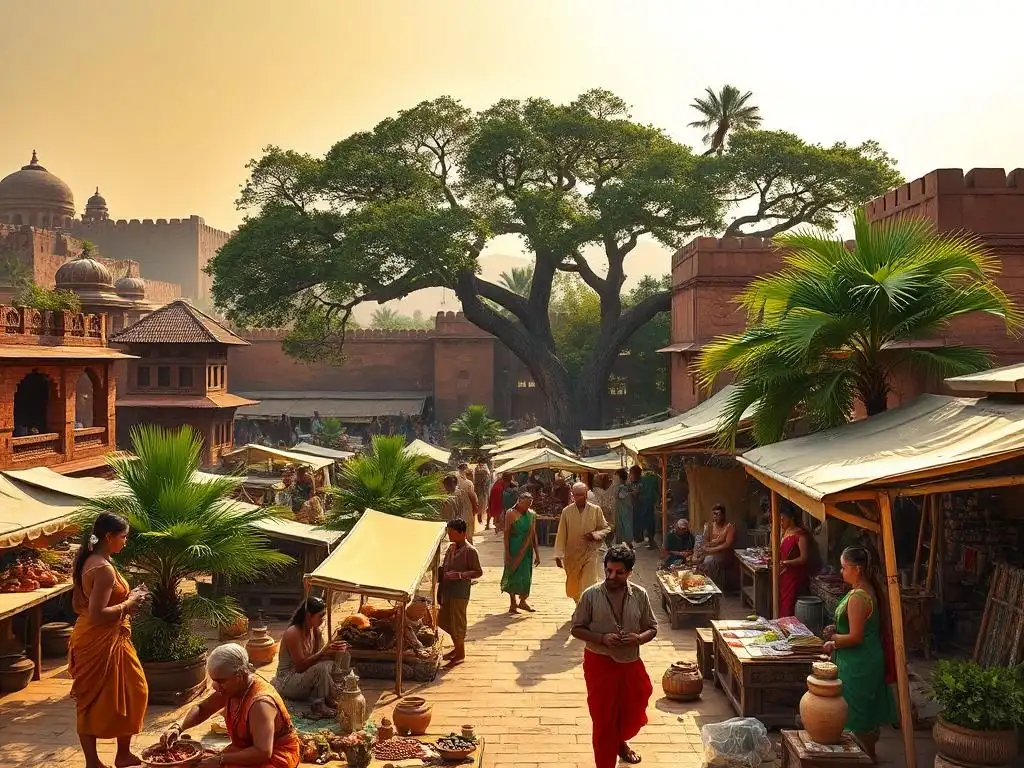
Welcome to Ancient India History, where we embark on a captivating journey through the rich tapestry of India’s past. Dive deep into the Indus Valley Civilization, a remarkable hub of knowledge that laid the groundwork for countless advancements in urban planning, trade, and culture. In our featured article, "The Indus Valley Civilization: A Hub of Knowledge in the Ancient World," we unravel the profound contributions of this ancient society that continue to influence our lives today.
Are you ready to uncover the secrets of this extraordinary civilization? Join us as we explore the remarkable stories that shaped the ancient world!
- Introduction to the Indus Valley Civilization
- Historical Context of the Indus Valley Civilization
- Major Contributions of the Indus Valley Civilization
- Cultural Contributions of the Indus Valley Civilization
- The Legacy of the Indus Valley Civilization
- Conclusion: The Indus Valley Civilization as a Hub of Knowledge
-
Frequently Asked Questions
- What were the major contributions of the Indus Valley Civilization?
- How did the Indus Valley Civilization influence modern society?
- What types of artifacts have been found from the Indus Valley Civilization?
- What role did trade play in the Indus Valley Civilization?
- How did the Indus Valley Civilization contribute to later Indian cultures?
- Final Reflection: The Enduring Legacy of the Indus Valley Civilization
- Unveil the Wonders of Ancient Wisdom!
Introduction to the Indus Valley Civilization
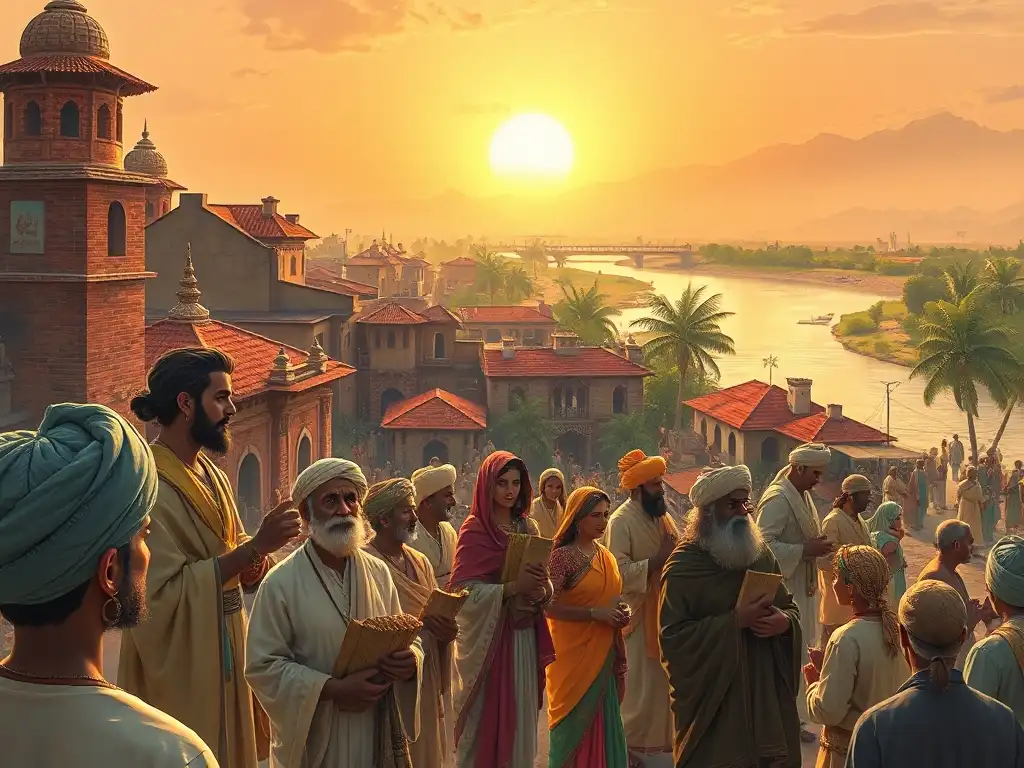
The Indus Valley Civilization (IVC), one of the earliest urban cultures in the world, flourished around 2500 BCE in what is now modern-day Pakistan and northwest India. Renowned for its advanced city planning, sophisticated drainage systems, and remarkable craftsmanship, the IVC stands as a significant testament to the ingenuity of ancient civilizations.
This article delves into the myriad contributions of the Indus Valley civilization, focusing on its technological and scientific advancements that laid the groundwork for future societies. Understanding these contributions not only illuminates the brilliance of the Indus Valley people but also highlights their enduring impact on subsequent generations and cultures.
Overview of the Indus Valley Civilization
The Indus Valley Civilization emerged as a major cultural force in South Asia, spanning a vast area that included key cities like Harappa and Mohenjo-Daro. The civilization reached its zenith around 2600 to 1900 BCE, characterized by its well-planned cities, robust trade networks, and significant agricultural practices.
Key features of the Indus Valley Civilization include:
- Urban Planning: Cities were meticulously laid out in grid patterns, with standardized brick sizes and sophisticated drainage systems that showcased advanced engineering skills.
- Agriculture: The civilization thrived on agriculture, cultivating crops such as wheat, barley, and cotton, which supported a vibrant economy and trade.
- Craftsmanship: The people of the Indus Valley were skilled artisans, producing intricate pottery, jewelry, and seals that provide insights into their culture and daily life.
- Trade Networks: Extensive trade routes connected the IVC to other ancient civilizations, facilitating the exchange of goods and ideas.
The Indus Valley Civilization was a complex society with remarkable achievements that played a crucial role in shaping the ancient world.
Importance of Studying Indus Valley Civilization Contributions
Exploring the contributions of the Indus Valley Civilization is essential for several reasons:
- Technological Innovations: Many of the technological advancements developed during this period, such as urban sanitation and standardized weights and measures, have influenced modern engineering and urban planning.
- Cultural Heritage: The artistic and cultural outputs of the IVC provide valuable insights into the social and religious practices of ancient Indian civilizations. Understanding these aspects helps preserve and appreciate the rich heritage of South Asia.
- Historical Context: Studying the contributions of the IVC allows historians to better understand the evolution of human societies, particularly in the context of trade, governance, and cultural exchange.
- Global Influence: The IVC's innovations and trade networks had implications that extended beyond the Indian subcontinent, influencing other ancient cultures and contributing to the interconnectedness of human civilizations.
The Indus Valley Civilization's contributions are not only remarkable in their own right but also serve as a foundational element in the broader narrative of human development. Through this exploration, we gain a deeper appreciation for the achievements of ancient Indian civilizations and their lasting legacy in the world today.
Historical Context of the Indus Valley Civilization
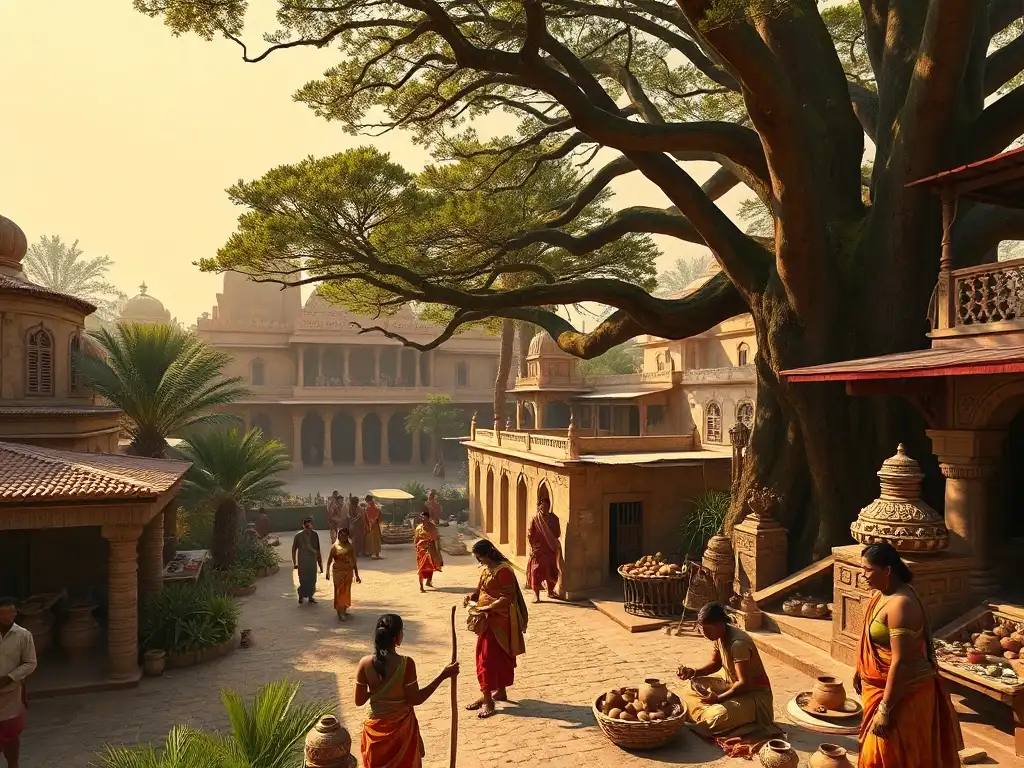
The Indus Valley Civilization (IVC), one of the world's earliest urban cultures, flourished around 2500 BCE to 1900 BCE in the northwestern regions of South Asia, encompassing parts of modern-day Pakistan and northwest India. This civilization is recognized for its advanced urban planning, architecture, and social organization, which significantly contributed to the development of human civilization.
Timeframe and Geography of the Indus Valley Civilization
The Indus Valley Civilization emerged during the Bronze Age, occupying a vast area of approximately 1,250,000 square kilometers. It extended from the easternmost regions of Afghanistan to the western parts of India. The civilization thrived along the banks of the Indus River and its tributaries, benefiting from the fertile floodplains.
The timeline of the IVC can be divided into three primary phases:
- Early Harappan Period (c. 3300–2600 BCE):
- Characterized by the establishment of small villages and trade networks.
- Development of early agricultural practices and pottery styles.
- Mature Harappan Period (c. 2600–1900 BCE):
- Marked by the emergence of well-planned cities, sophisticated drainage systems, and the use of standardized weights and measures.
- Flourishing trade with neighboring regions, which facilitated cultural exchange.
- Late Harappan Period (c. 1900–1300 BCE):
- Gradual decline of urban centers, possibly due to environmental changes and resource depletion.
- Transition to smaller settlements and a shift in cultural practices.
The geographical advantage of the IVC, coupled with its innovative agricultural techniques, allowed it to become a hub of trade and cultural exchange, establishing connections with contemporary civilizations such as Mesopotamia and Egypt.
Key Cities in the Indus Valley Civilization
The Indus Valley Civilization was home to several prominent cities, each showcasing unique urban planning and architectural features. The most notable among them include:
- Harappa:
- One of the first cities discovered in the IVC, Harappa featured a grid-like layout with advanced drainage systems.
- Evidence of granaries, warehouses, and standardized brick sizes indicates a highly organized economy.
- Mohenjo-Daro:
- Renowned for its impressive citadel and the Great Bath, a large public water tank believed to have religious significance.
- The city’s sophisticated urban planning included houses made from baked bricks, wide streets, and a complex drainage system.
- Dholavira:
- Located in present-day Gujarat, Dholavira is known for its water conservation techniques, including reservoirs and step wells.
- The city was strategically designed with a focus on water management, showcasing the civilization's engineering prowess.
- Lothal:
- An important port city, Lothal played a crucial role in maritime trade.
- The city's dockyard, one of the earliest in the world, facilitated trade with distant lands.
The cities of the Indus Valley Civilization were interconnected through a network of trade routes, showcasing a remarkable level of economic and cultural sophistication. The contributions of the IVC in terms of urban planning, trade, and agricultural practices laid a foundation for future civilizations in the Indian subcontinent.
Major Contributions of the Indus Valley Civilization
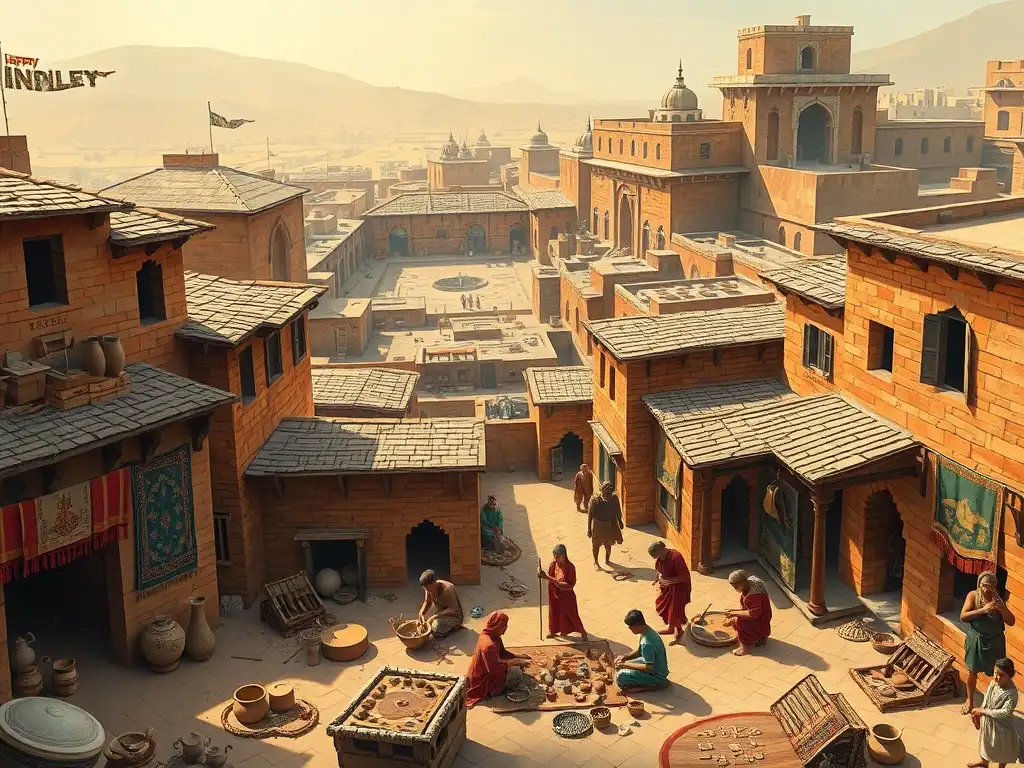
Urban Planning and Architecture
The Indus Valley Civilization (IVC), flourishing around 3300–1300 BCE, is renowned for its remarkable urban planning and architectural prowess. This ancient civilization laid the groundwork for urban development that would influence future generations.
Advanced City Layouts and Infrastructure
One of the most significant contributions of the Indus Valley civilization was its sophisticated city layout. Cities like Harappa and Mohenjo-Daro were meticulously planned, showcasing a grid pattern that maximized space and functionality. Key features of these layouts include:
- Grid Pattern: Streets were organized in a rectangular grid, providing systematic navigation and organization.
- Zoning: The cities exhibited distinct zones for residential, commercial, and industrial activities, reflecting a keen understanding of urban dynamics.
- Drainage Systems: Advanced drainage systems, including brick-lined drains, were integrated into city planning, promoting sanitation and public health.
The attention to urban infrastructure not only facilitated day-to-day activities but also demonstrated a high level of engineering skill and foresight.
Notable Architectural Structures
The architectural achievements of the Indus Valley civilization are evident in their monumental structures. Key highlights include:
- The Great Bath: Located in Mohenjo-Daro, this large public bathing area is one of the earliest known water tanks, indicating the civilization's emphasis on ritual cleanliness and communal activities.
- Granaries: Large granaries discovered at sites such as Harappa suggest efficient agricultural practices and the importance of food storage for trade and sustenance.
- Residential Buildings: Houses were constructed with standardized baked bricks, often featuring multiple rooms, courtyards, and ventilation systems, showcasing advanced residential designs.
These structures not only reveal the architectural style of the era but also provide insights into the social and cultural practices of the Indus Valley people.
Technology and Innovations
The technological advancements of the Indus Valley civilization reflect a society that was not only innovative but also highly skilled in various fields. Their contributions laid a foundation for future technological developments.
Development of Water Management Systems
Water management was a crucial aspect of the Indus Valley civilization, essential for agriculture, sanitation, and trade. Key elements of their water management systems include:
- Well-constructed Wells: The presence of deep wells allowed for efficient water extraction, supporting both domestic needs and agricultural irrigation.
- Drainage Infrastructure: The extensive drainage systems facilitated the removal of wastewater, ensuring hygiene and preventing flooding within urban areas.
- Water Storage Facilities: Large cisterns and reservoirs were constructed to store rainwater, reflecting a sophisticated understanding of hydrology and resource management.
These innovations not only catered to the immediate needs of the population but also demonstrated a sustainable approach to environmental management.
Innovations in Craftsmanship and Manufacturing
The craftsmanship of the Indus Valley civilization is notable for its complexity and variety. The civilization excelled in various manufacturing techniques, including:
- Bead-making: The production of intricately designed beads from semi-precious stones indicates advanced skills in lapidary work.
- Textile Production: Evidence of cotton textiles suggests that the Indus Valley people were among the first to cultivate and weave cotton, marking a significant development in textile technology.
- Metallurgy: The use of metals such as copper and bronze for tools and ornaments illustrates their advanced metallurgical skills.
These innovations highlight the IVC's contributions to art, trade, and economic development, emphasizing their role as a hub of knowledge and technological advancement in the ancient world.
Scientific Advancements
The Indus Valley Civilization (IVC), flourishing around 3300 to 1300 BCE in what is now Pakistan and northwest India, was a remarkable hub of scientific and technological progress. The civilization's contributions laid foundational stones for various fields, showcasing advanced understanding and applications of science, particularly in agriculture, urban planning, and health practices. The meticulous nature of their advancements reflects a sophisticated society that valued knowledge and innovation, setting a precedent for future civilizations.
Understanding of Mathematics and Measurement
The IVC displayed a profound grasp of mathematics, particularly in the realm of measurement and geometry. Archaeological findings suggest that the inhabitants utilized standardized weights and measures, which were critical for trade and construction.
- Weights and Measures: The civilization employed a system of weights made from stone, with standardized units that facilitated trade across vast distances. These weights often came in specific ratios, indicating a developed understanding of mathematical principles.
- Urban Planning: The layout of cities such as Mohenjo-Daro and Harappa exhibits remarkable planning, with streets laid out in grid patterns and buildings constructed with precise measurements. The use of baked bricks, standardized in size, reflects advanced knowledge of geometry and engineering principles.
- Decimal System: Evidence suggests that the Indus Valley people may have used a decimal system, a significant mathematical advancement. This system would have facilitated commerce and trade, enhancing their economic structures.
These mathematical practices not only demonstrate the IVC's capabilities in science and technology but also their influence on future cultures, particularly in the fields of trade and urban development.
Contributions to Medicine and Health Practices
The medical practices of the Indus Valley Civilization are noteworthy for their sophistication and holistic approach to health. Archaeological discoveries reveal a society that prioritized hygiene and health, evident in their urban infrastructure and medicinal practices.
- Public Sanitation: The cities of the IVC featured advanced drainage systems and public baths, highlighting their emphasis on cleanliness. The Great Bath of Mohenjo-Daro is an iconic structure that suggests the importance of ritualistic and public bathing, which likely contributed to better health outcomes.
- Ayurvedic Practices: The foundations of Ayurveda, a traditional system of medicine that is still practiced today, can be traced back to the IVC. The civilization utilized various herbs and plants for medicinal purposes, and there is evidence of surgical techniques and medical tools, indicating a sophisticated understanding of human anatomy and health.
- Diet and Nutrition: The Indus Valley people cultivated a variety of crops, including wheat, barley, and legumes, which contributed to a well-rounded diet. Their agricultural practices also included animal husbandry, which provided additional sources of nutrition and health benefits.
These contributions to medicine and health practices reflect the IVC's comprehensive understanding of wellbeing, integrating their knowledge of the environment and human physiology to foster a healthier society. This legacy continues to influence modern health practices, illustrating the enduring impact of the Indus Valley Civilization on the field of medicine.
Cultural Contributions of the Indus Valley Civilization
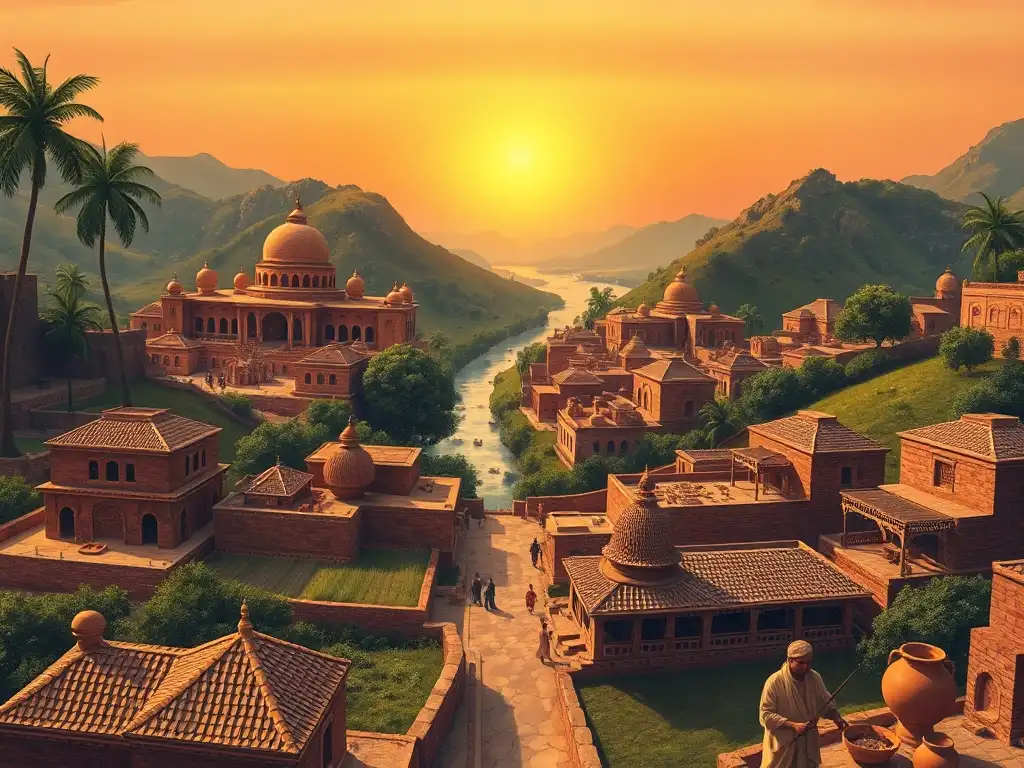
The Indus Valley Civilization (IVC), flourishing from approximately 3300 to 1300 BCE, is renowned not only for its advanced urban planning but also for its remarkable cultural contributions. From artistic expressions to complex communication systems, the IVC laid the groundwork for future civilizations in the Indian subcontinent. This section delves into the cultural contributions of the Indus Valley Civilization, highlighting its art, craftsmanship, and writing system.
Art and Craftsmanship
The artistic endeavors of the Indus Valley Civilization reflect a sophisticated understanding of aesthetics, craftsmanship, and functionality. The IVC artisans were skilled in a variety of crafts, producing a wide range of goods that showcased their creativity and technical prowess.
Pottery and Jewelry Making
One of the most significant contributions of the Indus Valley Civilization is its pottery and jewelry making, which not only served functional purposes but also displayed intricate artistry.
- Pottery: The pottery of the IVC is characterized by its unique shapes, designs, and techniques:
- Red and Black Ware: This pottery featured a distinctive red background with black painted designs, often depicting geometric patterns and motifs inspired by nature.
- Glazed Pottery: Evidence suggests that the IVC artisans experimented with glazing techniques, creating shiny, colorful surfaces that were both visually appealing and durable.
- Jewelry Making: The Indus Valley people were adept at crafting various forms of jewelry using materials like gold, silver, semi-precious stones, and beads:
- Beadwork: They produced elaborate bead necklaces, bracelets, and earrings, often using materials such as carnelian, agate, and lapis lazuli.
- Metalwork: The IVC jewelers showcased their skills in metalwork by creating intricate designs, which were often engraved or inlaid with other materials, enhancing their beauty.
Sculpture and Terracotta Art
Sculpture and terracotta art from the Indus Valley Civilization reveal insights into the societal values and beliefs of the time.
- Sculpture: The IVC produced a variety of sculptures, often depicting human figures and animals:
- Dancing Girl: The famous bronze sculpture known as the "Dancing Girl" is an iconic representation of the artistic talent of the time, showcasing the naturalistic portrayal of the human form.
- Terracotta Figurines: Many small terracotta figurines have been discovered, representing deities, animals, and daily life. These figurines often served as ritual objects or toys.
- Terracotta Art: The use of terracotta in crafting pottery and figurines indicates both artistic and religious significance:
- Miniature Models: Artisans created miniature models of carts, animals, and even architecture, reflecting their understanding of their environment and culture.
- Religious Symbols: Various symbols found on terracotta pieces suggest the presence of ritualistic practices and the importance of spirituality in their daily lives.
Writing System and Communication
The writing system of the Indus Valley Civilization remains one of its most enigmatic contributions, providing insights into their communication methods and societal organization.
Overview of the Indus Script
The Indus script, a collection of symbols and signs, has been the subject of extensive study and debate among historians and archaeologists.
- Characteristics: The script consists of about 400 distinct symbols, which appear on seals, pottery, and other artifacts. Each symbol likely represented a word or concept, although the exact nature of the script remains undeciphered.
- Usage: The symbols are often found inscribed on seals made from steatite, suggesting their use in trade, administration, and possibly as a form of branding for merchants.
Importance of Written Communication in Society
Written communication played a crucial role in the administration and daily life of the Indus Valley Civilization.
- Record Keeping: The use of writing allowed for efficient record-keeping, which was essential for trade transactions, property ownership, and the management of resources.
- Cultural Exchange: The presence of written records facilitated communication not only within the civilization but also with neighboring cultures, promoting cultural exchange and trade.
The cultural contributions of the Indus Valley Civilization, particularly in art, craftsmanship, and writing, highlight a society that valued creativity, communication, and complexity. These advancements not only enriched their own civilization but also laid the foundation for future cultural developments in the Indian subcontinent.
The Legacy of the Indus Valley Civilization
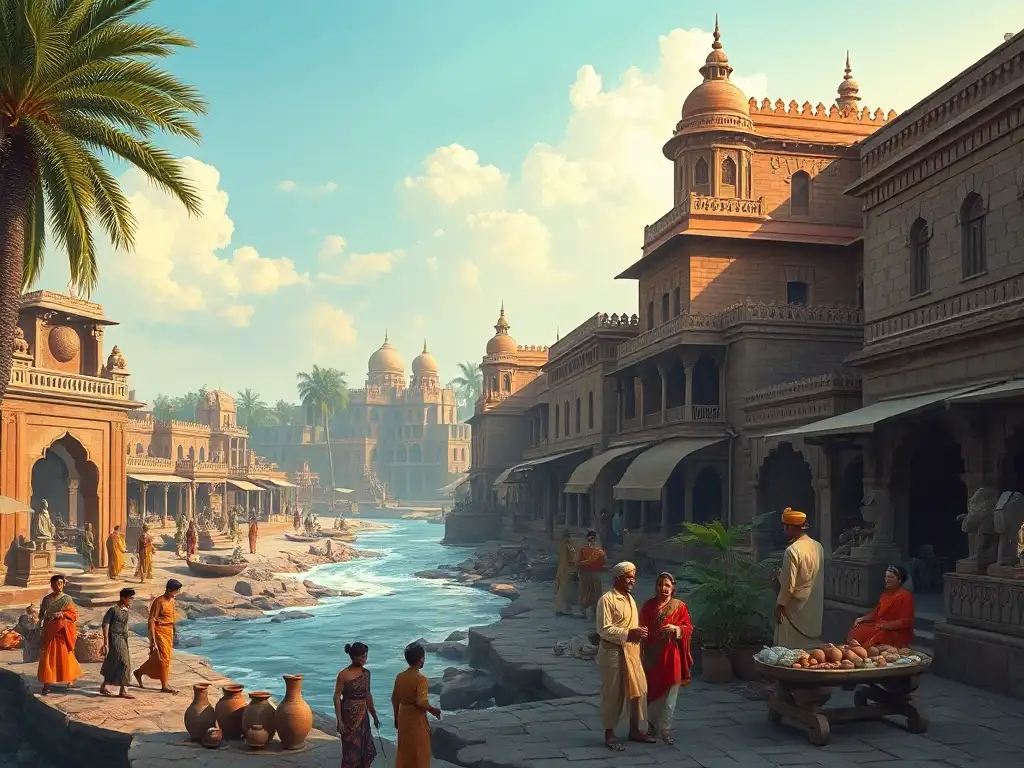
The Indus Valley Civilization (IVC), flourishing around 2500 BCE in what is now Pakistan and northwest India, left an indelible mark on the history of ancient India. It was notable not only for its advanced urban planning and architecture but also for its significant contributions to various fields such as trade, metallurgy, and social organization. The legacy of the IVC is evident in the cultural and technological foundations it laid for subsequent Indian civilizations, influencing their development in profound ways.
Influence on Subsequent Indian Civilizations
The contributions of the Indus Valley civilization were pivotal in shaping the trajectory of later Indian societies. Key areas of influence include:
- Urban Planning and Architecture: The meticulously planned cities of the IVC, such as Mohenjo-Daro and Harappa, showcased sophisticated drainage systems, standardized baked bricks, and grid-like street layouts. These principles of urban design were echoed in later civilizations, paving the way for improved city planning in ancient India.
- Trade Networks: The IVC established extensive trade routes, both inland and maritime, connecting with regions as far as Mesopotamia, Egypt, and the Arabian Peninsula. This system of commerce enabled the exchange of goods, ideas, and technologies, which were absorbed and adapted by subsequent cultures, enhancing economic interconnectivity in the Indian subcontinent.
- Metallurgy and Craftsmanship: The IVC was advanced in metallurgy, particularly in the production of bronze and copper tools. This expertise informed the later crafting techniques seen in the Vedic period and beyond, influencing both agricultural practices and warfare.
- Agricultural Innovations: The civilization’s agrarian practices, particularly their advanced irrigation techniques and crop diversity, set a precedent for agricultural development in later Indian societies. The cultivation of crops like wheat and barley became foundational to Indian agricultural systems.
- Cultural and Religious Practices: The IVC is believed to have influenced the religious and cultural practices of later Indian civilizations, including elements of worship and ritual. The seals and figurines discovered in the IVC suggest a complex belief system that possibly laid the groundwork for later Hindu practices.
Preservation of Knowledge and Cultural Practices
The preservation of knowledge and cultural practices from the Indus Valley civilization played a crucial role in the continuity of Indian civilization. Several aspects highlight this preservation:
- Script and Language: Although the script of the IVC remains undeciphered, its existence suggests a sophisticated level of communication and record-keeping. This emphasis on literacy and documentation likely influenced subsequent languages and scripts in India, fostering a culture that valued knowledge and education.
- Art and Iconography: The artistic motifs and styles found in IVC artifacts, particularly pottery and seals, reflect a rich cultural heritage that was carried forward. Many of these artistic traditions evolved over time but can trace their roots back to the IVC, showcasing a continuity of cultural expression.
- Social Organization: The hierarchical structures seen in the IVC, evidenced by the differentiation in housing and burial practices, inform our understanding of social stratification in later Indian societies. This organization likely influenced governance models that emerged during the Vedic period and beyond.
- Technological Knowledge: The technological innovations of the IVC, such as water management systems and agricultural tools, were vital in ensuring the sustenance of later communities. The adaptation and improvement of these technologies were crucial for the survival and prosperity of subsequent civilizations.
The Indus Valley civilization's contributions were foundational to the development of subsequent Indian civilizations. Through urban planning, trade, metallurgy, and cultural practices, the IVC not only established a legacy that endured but also provided the building blocks for the rich tapestry of Indian history that followed. The preservation of its knowledge and practices ensured that the innovations of the IVC continued to shape the lives of people across generations, solidifying its place as a remarkable hub of knowledge in the ancient world.
Conclusion: The Indus Valley Civilization as a Hub of Knowledge
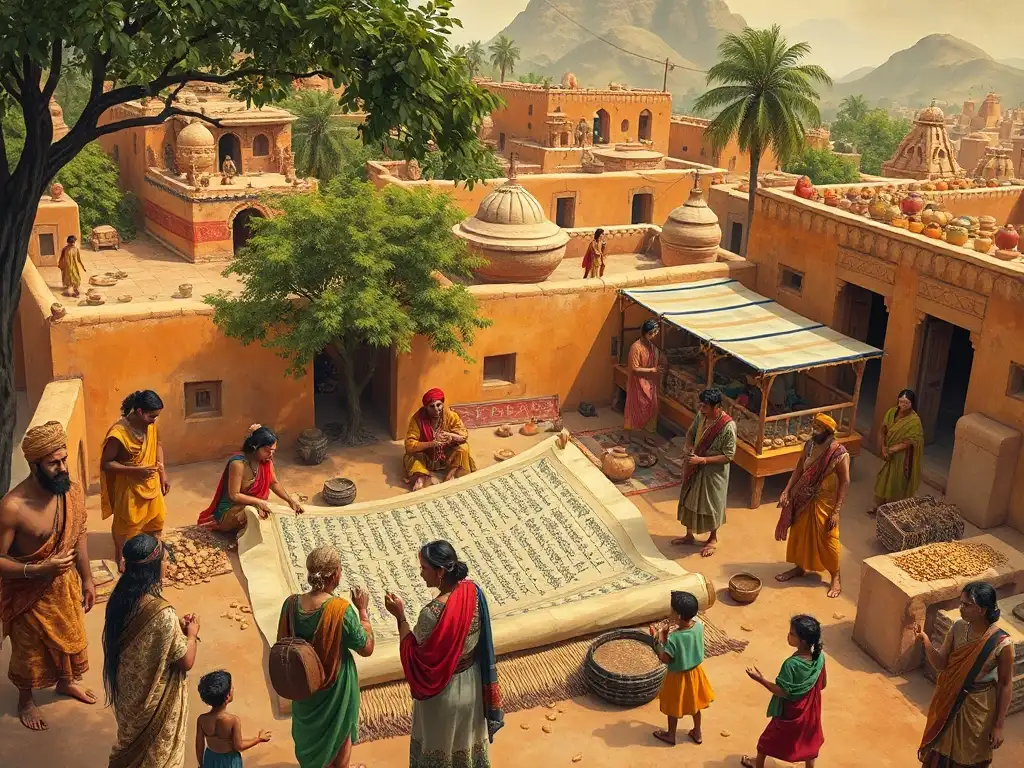
The Indus Valley Civilization (IVC) stands out as a remarkable example of ancient ingenuity and sophistication. Its contributions to various fields, particularly in technology and science, highlight its pivotal role in shaping human understanding and innovation. The civilization, which thrived from approximately 3300 BCE to 1300 BCE, laid down the groundwork for future advancements in urban planning, metallurgy, and trade practices.
Summary of Key Contributions
The contributions of the Indus Valley Civilization can be categorized into several key areas:
- Urban Planning and Architecture:
- The cities of Harappa and Mohenjo-Daro showcased advanced urban planning, with grid-like streets, sophisticated drainage systems, and standardized fired-brick structures.
- Agricultural Innovations:
- The IVC was instrumental in developing agricultural techniques, including irrigation methods that improved crop yields. They cultivated various crops such as wheat, barley, and cotton, demonstrating a sophisticated understanding of agriculture.
- Trade and Economic Systems:
- The civilization established extensive trade networks, both within the Indian subcontinent and with distant regions such as Mesopotamia. The use of standardized weights and measures facilitated trade, showcasing their economic acumen.
- Metallurgy and Craftsmanship:
- The IVC people were adept in metallurgy, producing tools and ornaments from bronze, copper, and precious stones. This skill not only reflects their technological prowess but also their artistic sensibility.
- Writing System:
- While the script of the IVC remains undeciphered, the presence of seals and inscriptions indicates a complex system of communication, suggesting a rich cultural and intellectual life.
The Lasting Impact of the Indus Valley Civilization on Science and Technology
The advancements made by the Indus Valley Civilization have had a profound and lasting impact on subsequent civilizations and modern society.
- Influence on Urban Development:
- The principles of urban planning established by the IVC can be seen in many modern cities. The emphasis on sanitation, public baths, and organized streets laid the foundation for contemporary urban infrastructure.
- Agricultural Practices:
- The agricultural innovations of the IVC, including crop rotation and irrigation, continue to influence farming techniques today, especially in regions with similar climatic conditions.
- Trade Practices:
- The trade routes developed by the IVC set the stage for future economic systems. Their methods of commerce and standardization can be traced through history into modern financial practices.
- Technological Innovations:
- The metallurgical advancements of the Indus Valley have influenced various industries, demonstrating the civilization's role as a precursor to later technological developments in metallurgy and manufacturing.
- Cultural Heritage:
- The artistic and cultural expressions found in the IVC continue to inspire contemporary art and culture in India and beyond, highlighting the civilization's enduring legacy.
The Indus Valley Civilization was not only a hub of knowledge in the ancient world but also a foundational influence on the trajectory of human development. Its contributions in various domains have had a lasting effect, shaping the course of history and leaving an indelible mark on modern society. The legacy of the IVC serves as a testament to the creativity and ingenuity of ancient Indian civilizations.
Frequently Asked Questions
What were the major contributions of the Indus Valley Civilization?
The Indus Valley Civilization is known for its advanced urban planning, sophisticated drainage systems, and innovative trade practices that influenced later cultures.
How did the Indus Valley Civilization influence modern society?
The Indus Valley Civilization laid the groundwork for many urban planning concepts, including grid layouts and public sanitation systems, which are still relevant today.
What types of artifacts have been found from the Indus Valley Civilization?
Archaeologists have discovered terracotta figurines, seals, pottery, and jewelry, showcasing the artistic skills and daily life of this ancient society.
What role did trade play in the Indus Valley Civilization?
Trade was vital to the Indus Valley Civilization, as it facilitated economic growth and cultural exchange with neighboring regions, enhancing their social development.
How did the Indus Valley Civilization contribute to later Indian cultures?
The Indus Valley Civilization influenced subsequent Indian cultures through its writing systems, agricultural practices, and urbanization concepts, shaping the cultural landscape of the region.
Final Reflection: The Enduring Legacy of the Indus Valley Civilization
The contributions of the Indus Valley Civilization remain profoundly relevant today, illuminating the pathways of human innovation and cultural exchange. As we navigate a world increasingly defined by globalization and technological advancement, the ingenuity of this ancient society serves as a reminder of the timeless quest for knowledge and progress. The architectural marvels, advanced urban planning, and sophisticated trade networks established by the Indus Valley people are not just relics of the past; they are foundational elements that continue to shape our modern civilization.
The influence of the Indus Valley Civilization can be seen in various facets of contemporary life, from urban design to trade practices. Their ability to create a thriving society based on cooperation and innovation resonates in our current efforts to build sustainable communities. As historian John Keats once said, "> A thing of beauty is a joy forever." This sentiment captures the essence of the Indus Valley's legacy, reminding us that the beauty of their achievements continues to inspire and inform our own endeavors.
As we reflect on the lessons from the Indus Valley Civilization, let us embrace the spirit of curiosity and collaboration that defined their society. I invite you to explore how the principles of innovation, sustainability, and cultural exchange can be integrated into your own life. Whether through fostering community connections, pursuing knowledge, or advocating for sustainable practices, we each have the power to contribute to a legacy that honors the remarkable achievements of those who came before us. Together, let us build a future that echoes the brilliance of the Indus Valley Civilization.
Unveil the Wonders of Ancient Wisdom!
Thank you for exploring the remarkable depth of the Indus Valley Civilization with us! We hope you’ve discovered the incredible innovations and cultural richness that have shaped our understanding of ancient societies. Now, it’s time to take the next step on your journey of learning and discovery!
- Dive Deeper: Research more about the artifacts and urban planning of the Indus Valley Civilization. You can start by visiting your local library or browsing reputable online resources dedicated to archaeology and ancient history.
- Share Your Insights: Join the conversation! Discuss your findings about the Indus Valley Civilization with friends or on social media, using the hashtag #IndusValleyWisdom to connect with others interested in this fascinating topic.
- Explore Related Civilizations: Expand your horizons by learning about other ancient cultures, such as Mesopotamia or early Egyptian civilization, and see how they interacted and influenced one another throughout history.
What aspects of the Indus Valley Civilization intrigue you the most, and how do you think they’ve influenced modern society? We invite you to share your thoughts in the comments below!