
The Role of Ancient Universities in Promoting Scientific Inquiry


Welcome to Ancient India History, where we embark on a fascinating journey through the remarkable tapestry of ancient Indian civilizations. In this exploration, we delve into the pivotal role of ancient Indian universities and science, uncovering how these institutions became the bedrock of intellectual inquiry and innovation. What secrets lay within the walls of these ancient halls of learning? How did they shape the scientific advancements that continue to influence us today? Join us as we unravel the rich narratives and extraordinary contributions that define this golden era of knowledge. Your adventure into the past begins now!

Introduction to Ancient Indian Universities and Science
The ancient Indian universities are often hailed as the cradle of educational excellence, providing a fertile ground for scientific inquiry and intellectual advancement. From the bustling halls of Nalanda to the revered classrooms of Takshashila, these institutions played a pivotal role in shaping not only the educational landscape of India but also that of the world. The keyword "ancient Indian universities and science" encapsulates the synergy between rigorous academic pursuit and scientific exploration that flourished in these centers of learning.
Through a comprehensive examination of the historical context and contributions of these institutions, we can appreciate how ancient Indian scholars laid the foundation for various scientific disciplines such as mathematics, astronomy, medicine, and philosophy. This article aims to explore the intricate relationship between ancient universities and their role in fostering scientific inquiry, illuminating the profound legacy they left for future generations.
Overview of Ancient Indian Universities
Ancient Indian universities were more than mere educational establishments; they were vibrant centers of knowledge and culture. These institutions attracted students from across the globe, creating a melting pot of ideas and philosophies.
- Nalanda University: Founded in the 5th century CE, Nalanda was one of the first residential universities in the world, accommodating thousands of students and scholars. It specialized in diverse subjects including logic, grammar, philosophy, and medicine.
- Takshashila (Taxila): This university dates back to the 6th century BCE and is often considered one of the earliest centers for higher education. It was known for its rigorous curriculum that included subjects like warfare, politics, and the arts.
- Vikramshila University: Established in the 8th century CE, Vikramshila was known for its emphasis on Buddhist studies and was a significant rival to Nalanda.
These universities were characterized by their unique teaching methodologies and their emphasis on empirical observation and philosophical inquiry, laying the groundwork for modern scientific thought.
Importance of Scientific Inquiry in Ancient India
Scientific inquiry in ancient India was not merely a pursuit of knowledge but an integral part of the cultural ethos. Scholars engaged in systematic studies and experiments, contributing significantly to various fields:
- Mathematics: Ancient Indian mathematicians like Aryabhata and Brahmagupta made notable advancements in algebra and trigonometry.
- Astronomy: The concept of zero and the decimal system were monumental contributions from ancient Indian scholars, revolutionizing the way mathematics was approached globally.
- Medicine: Texts such as the Charaka Samhita and Sushruta Samhita laid the foundation for Ayurveda, emphasizing a scientific approach to health and medicine.
The encouragement of inquiry and debate in these universities fostered a spirit of critical thinking and innovation, which was vital for the progression of science.
Historical Context of Ancient Indian Universities
The Evolution of Educational Institutions in Ancient India
The roots of ancient Indian universities can be traced back to the Vedic period, where informal educational forums emerged around religious and philosophical discussions. As society evolved, so did the need for structured education, leading to the establishment of formal institutions.
- Vedic Schools: Early forms of education were conducted in Gurukuls, where students learned directly from a guru.
- Mahajanapadas: With the rise of city-states around the 6th century BCE, educational institutions began to flourish, often supported by local rulers and wealthy patrons.
- Buddhist Influence: The spread of Buddhism in the 5th century BCE significantly influenced the establishment of universities, as monks sought to disseminate knowledge and philosophy.
This evolution signifies the growing importance of education in society and its role in fostering intellectual growth.
Major Ancient Universities: Nalanda, Takshashila, and Vikramshila
The three major ancient universities—Nalanda, Takshashila, and Vikramshila—each contributed uniquely to the landscape of education and scientific inquiry in ancient India.
| University | Founded | Key Contributions |
|---|---|---|
| Nalanda | 5th century CE | Philosophy, Mathematics, Medicine |
| Takshashila | 6th century BCE | Warfare, Arts, Political Science |
| Vikramshila | 8th century CE | Buddhist Studies, Logic, Philosophy |
These institutions attracted students from various backgrounds, enabling a cross-pollination of ideas that enriched the academic environment. The legacy of these universities continues to inspire modern education systems and scientific thought, underscoring their significance in the history of ancient Indian civilization.
Contributions of Ancient Indian Universities to Science

Ancient Indian universities, particularly those like Nalanda and Taxila, played a pivotal role in the development and promotion of scientific inquiry during their time. These institutions were not merely centers of higher learning; they were vibrant hubs where knowledge from various fields was explored, debated, and expanded upon. Their contributions to science are manifold, spanning disciplines such as mathematics, astronomy, medicine, and philosophy.
The universities facilitated interactions between scholars from diverse backgrounds, allowing for a rich exchange of ideas. This melting pot of intellectual thought led to significant advancements, particularly in areas such as calculus and algebra, where ancient Indian mathematicians like Aryabhata made groundbreaking contributions. Furthermore, the emphasis on empirical observation and experimentation laid the groundwork for the scientific methodologies that would later flourish in different parts of the world.
Curriculum and Fields of Study in Ancient Indian Universities
The curriculum at ancient Indian universities was comprehensive and inclusive, addressing a wide array of disciplines. Students immersed themselves in subjects such as:
- Mathematics: Focusing on arithmetic, geometry, and astronomical calculations.
- Astronomy: Involving celestial studies and the creation of calendars.
- Medicine: Encompassing Ayurveda and surgical techniques.
- Philosophy: Encouraging critical thought and ethical discussions.
The educational approach was holistic, integrating theoretical knowledge with practical applications. This blend ensured that students not only learned existing knowledge but also contributed to the scientific discourse by questioning and expanding upon the teachings of their predecessors.
Notable Scholars and Their Scientific Contributions
Several scholars emerged from ancient Indian universities, leaving an indelible mark on the scientific landscape. Noteworthy figures include:
- Aryabhata: Renowned for his work in mathematics and astronomy, Aryabhata introduced concepts such as zero and the decimal system, revolutionizing numerical representation.
- Brahmagupta: A mathematician who made significant strides in algebra and provided rules for solving quadratic equations.
- Sushruta: Often referred to as the "Father of Surgery," he authored the Sushruta Samhita, a comprehensive text on surgical techniques and procedures.
These scholars not only advanced their respective fields but also inspired future generations of scientists, both in India and across the globe.
The Role of Ancient Universities in Scientific Methodology
The ancient universities of India were instrumental in shaping the scientific methodologies that are foundational to modern science. Their approach to inquiry emphasized observation, experimentation, and critical analysis, elements that are crucial in the scientific process.
Students were encouraged to engage with their environment, conduct experiments, and draw conclusions based on empirical evidence. This hands-on approach fostered a spirit of inquiry that transcended mere rote learning, allowing scholars to develop theories based on their observations and findings.
Promoting Critical Thinking and Rational Inquiry
Critical thinking was a cornerstone of the education system in ancient Indian universities. Scholars were trained to question assumptions, analyze arguments, and assess the validity of different perspectives. This training in rational inquiry was essential for fostering an environment where innovative ideas could flourish.
Debates and discussions were common practices, encouraging students to articulate their thoughts clearly and defend their positions against counterarguments. This emphasis on rational discourse not only enhanced individual critical thinking skills but also contributed to a collective intellectual tradition that valued skepticism and verification.
The Influence of Ancient Universities on Scientific Practices
The influence of ancient Indian universities on scientific practices extended beyond their geographical boundaries. The methodologies and knowledge that emerged from these institutions informed various scientific traditions around the world. For instance, the concept of zero and the decimal system, developed by Indian scholars, became foundational in mathematics globally.
Additionally, the emphasis on empirical research and the systematic study of subjects laid the groundwork for future scientific inquiry and exploration in various cultures. Ancient Indian universities exemplified a model of education that integrated rigorous academic study with practical application, a legacy that continues to inspire modern educational systems today.
Comparative Analysis of Ancient Indian Universities and Their Global Counterparts
Ancient Indian universities, such as Nalanda and Takshashila, played a pivotal role in the promotion of scientific inquiry, much like their contemporaries in Greece and China. While these institutions shared common goals of knowledge dissemination and intellectual pursuit, they each had unique characteristics that distinguished their educational philosophies and methodologies.
One significant aspect of comparison lies in the structure of these universities. Ancient Indian universities often operated as autonomous entities, fostering an environment of intellectual freedom that encouraged debate and discussion among students and scholars. In contrast, Greek universities, notably the Academy founded by Plato, were more focused on specific philosophical tenets. Similarly, Chinese educational systems, heavily influenced by Confucian thought, emphasized moral teachings alongside practical knowledge.
Further, the curriculum in ancient Indian universities was not limited to sciences alone; it encompassed a broad range of subjects, including philosophy, mathematics, astronomy, and medicine. This holistic approach mirrored the breadth of studies found in Chinese educational institutions, which also integrated arts and sciences. However, unlike the rigid structures of Greek education, Indian universities promoted a more fluid exchange of ideas, allowing for interdisciplinary studies that were crucial for scientific advancements.
Similarities with Ancient Greek and Chinese Educational Systems
The ancient universities of India, Greece, and China shared several foundational similarities, especially in their goals of fostering critical thinking and expanding knowledge. All three systems placed a high value on philosophical inquiry, with scholars engaging in dialogues that helped to refine their understanding of the natural world.
For instance, just as the Greeks had institutions like the Lyceum, where Aristotle taught, Indian universities encouraged students to engage with both teachers and peers in an interactive learning environment. This Socratic method of questioning and discussion was mirrored in Indian practices, where debate was considered an essential part of the learning process.
Moreover, both Indian and Chinese educational systems emphasized the importance of moral and ethical education. In ancient India, the pursuit of knowledge was viewed as a means to achieve not only intellectual growth but also spiritual enlightenment. Similarly, Confucian ideals in China stressed the cultivation of virtue alongside knowledge.
Unique Features of Ancient Indian Universities' Approach to Science
One of the unique features of ancient Indian universities was their inclusive approach to scientific inquiry, which was deeply rooted in philosophical and spiritual contexts. Knowledge was perceived not just as a means to an end but as a vital aspect of human existence. This approach facilitated a rich exchange of ideas that transcended mere technical knowledge, allowing for a deeper understanding of the universe and humanity's place within it.
Furthermore, ancient Indian universities were characterized by their emphasis on practical applications of knowledge. For example, the study of medicine at institutions like Nalanda included hands-on training and experimentation, which laid the groundwork for advancements in Ayurveda. The integration of empirical methods with theoretical knowledge was a hallmark of the scientific inquiry conducted in these universities.
Another distinctive feature was the collaborative nature of research and scholarship. Scholars from various regions and backgrounds converged in these universities, contributing to a melting pot of ideas. This diversity not only enriched discussions but also fostered innovation and creativity in scientific endeavors.
Legacy of Ancient Indian Universities in Modern Scientific Inquiry
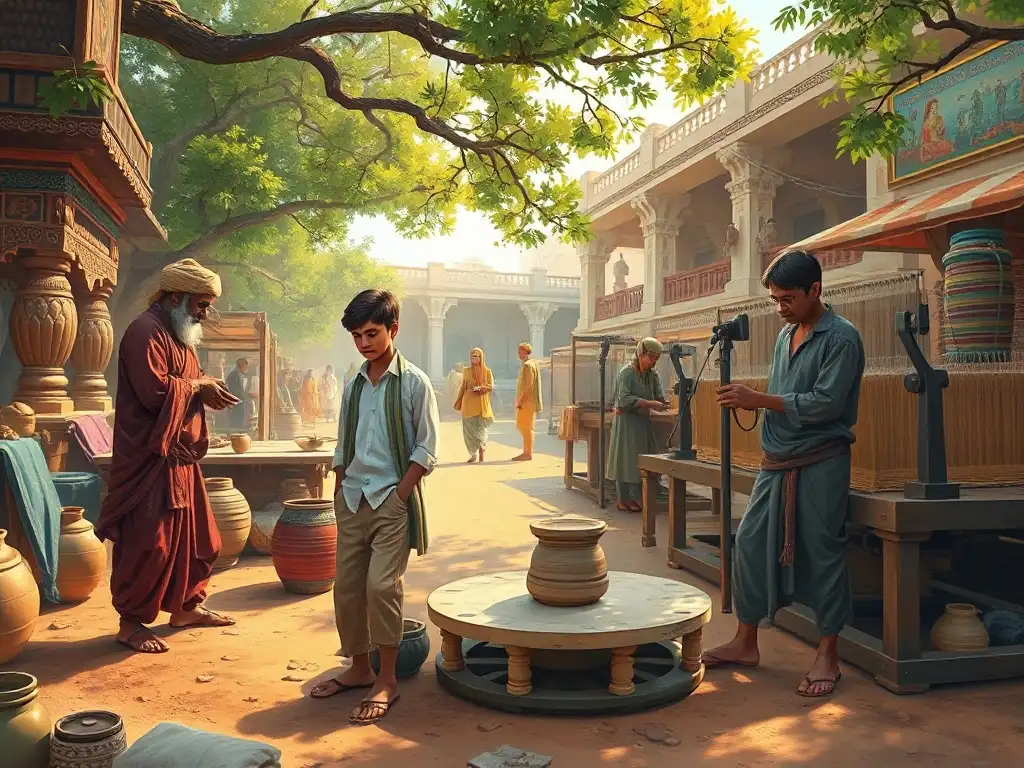
The legacy of ancient Indian universities continues to resonate in contemporary scientific inquiry and educational practices. Their methodologies and philosophies have influenced modern educational frameworks, emphasizing the importance of critical thinking, interdisciplinary study, and the ethical dimensions of knowledge.
Influence on Contemporary Educational Systems
Modern educational systems around the world can trace their roots back to the ideals established by ancient Indian universities. The concept of universities as centers of higher learning that promote intellectual freedom and inquiry is a direct inheritance from these ancient institutions.
Educational reforms in many countries have sought to integrate the holistic approach championed by ancient Indian scholars, encouraging students to explore diverse subjects and fostering a spirit of inquiry that transcends rigid academic boundaries. The focus on collaborative learning environments, much like those at Nalanda and Takshashila, is increasingly reflected in modern pedagogical strategies.
Preservation of Knowledge and Traditions in Science
Ancient Indian universities played a crucial role in the preservation of knowledge and traditions in science, particularly through their extensive libraries and systems of documentation. The meticulous recording of texts and teachings ensured that valuable scientific knowledge was not lost over generations.
Today, this tradition is mirrored in the emphasis on preserving cultural heritage and indigenous knowledge systems within modern academia. Efforts to digitize ancient manuscripts and study traditional sciences, such as Ayurveda and Vedic mathematics, are part of a broader movement to honor and integrate ancient wisdom into contemporary scientific discourse.
The impact of ancient Indian universities on scientific inquiry is profound and enduring, shaping educational practices and preserving knowledge systems that continue to inform modern science and philosophy.
Conclusion: The Enduring Impact of Ancient Indian Universities on Science
The legacy of ancient Indian universities, particularly institutions like Nalanda and Takshashila, has left an indelible mark on the landscape of scientific inquiry. These institutions were not mere centers of learning; they were vibrant hubs of intellectual exchange, where scholars from diverse backgrounds collaborated and contributed to various fields of knowledge, including mathematics, astronomy, medicine, and philosophy. The methodologies and frameworks developed in these ancient universities laid the groundwork for future scientific advancements both in India and around the world.
Through rigorous study and debate, students and scholars at these universities pushed the boundaries of understanding, often integrating empirical observation with philosophical reasoning. This fusion of disciplines fostered an environment ripe for innovation, culminating in significant contributions such as Aryabhata's work in mathematics and astronomy, which influenced subsequent scholars in both Islamic and European traditions. The impact of these ancient universities continues to resonate, as their emphasis on inquiry and critical thinking remains central to modern scientific education.
Reflection on the Importance of Ancient Indian Universities in Today's Scientific Landscape
In contemporary society, the principles established by ancient Indian universities can be seen as foundational to the modern scientific method. The emphasis on rigorous inquiry, peer review, and collaborative learning reflects a continuity of purpose that transcends time. Universities today still strive to create environments where diverse perspectives can converge and lead to groundbreaking discoveries, mirroring the ethos of institutions like Nalanda.
Moreover, as the world faces complex challenges such as climate change, health crises, and technological upheavals, the holistic approach to education championed by these ancient universities can inspire current educational systems. Integrating interdisciplinary studies and fostering critical thinking in students could lead to more comprehensive solutions to contemporary problems, echoing the collaborative spirit of ancient scholars.
Future Research Directions on Ancient Universities and Science
The study of ancient Indian universities and their contributions to science is still in its infancy, and there are several promising avenues for future research. One critical area is the exploration of the specific methodologies employed by scholars at these institutions. Understanding how they approached problems, formulated hypotheses, and conducted experiments could provide valuable insights into the evolution of scientific thought.
Additionally, comparative studies between ancient Indian universities and their contemporaneous counterparts in other cultures, such as the Greek or Chinese systems, could unveil rich dialogues between different traditions of knowledge. Such research could illuminate not only the unique characteristics of ancient Indian scientific inquiry but also how these institutions influenced global thought.
Another vital area for exploration is the role of ancient universities in the preservation and transmission of knowledge. Investigating how texts were copied, annotated, and disseminated can shed light on the mechanisms that ensured the survival of scientific ideas through centuries of political and social upheaval.
Finally, interdisciplinary approaches that incorporate archaeology, anthropology, and history can help reconstruct the lived experiences of students and teachers in these ancient universities, fostering a deeper understanding of their societal roles and contributions to the scientific enterprise.
Through these investigations, the enduring impact of ancient Indian universities on science can be further illuminated, enhancing our appreciation for their historical significance and ongoing relevance.
- Introduction to Ancient Indian Universities and Science
- Overview of Ancient Indian Universities
- Importance of Scientific Inquiry in Ancient India
- Historical Context of Ancient Indian Universities
- Contributions of Ancient Indian Universities to Science
- Curriculum and Fields of Study in Ancient Indian Universities
- The Role of Ancient Universities in Scientific Methodology
- Comparative Analysis of Ancient Indian Universities and Their Global Counterparts
- Legacy of Ancient Indian Universities in Modern Scientific Inquiry
- Conclusion: The Enduring Impact of Ancient Indian Universities on Science
- Reflection on the Importance of Ancient Indian Universities in Today's Scientific Landscape
- Future Research Directions on Ancient Universities and Science
Frequently Asked Questions
What were the ancient Indian universities known for?
Ancient Indian universities, like Nalanda and Takshashila, were renowned for their scholarly excellence and emphasis on diverse fields such as science, mathematics, and philosophy.
How did ancient Indian universities contribute to science?
These universities promoted scientific inquiry by facilitating rigorous research, sharing knowledge, and attracting scholars from across the world, thus laying the foundations for scientific advancements.
What subjects were taught in ancient Indian universities?
Ancient universities offered a wide range of subjects, including astronomy, medicine, mathematics, and literature, encouraging a holistic approach to learning and inquiry.
Who were some notable scholars from ancient Indian universities?
Prominent scholars like Aryabhata and Charaka emerged from these institutions, making significant contributions to mathematics and medicine, respectively, that influenced later developments in science.
How did ancient Indian universities influence modern education?
The curriculum and educational methods developed in ancient Indian universities have shaped modern educational practices, emphasizing critical thinking and the importance of interdisciplinary study.
Final Reflection: The Enduring Legacy of Ancient Indian Universities in Science
The exploration of ancient Indian universities reveals their profound influence on the evolution of scientific inquiry, underscoring their relevance in today's educational landscape. As we navigate an era dominated by rapid technological advancements and a quest for knowledge, the foundational principles established by these institutions remind us that the pursuit of understanding is not a modern phenomenon, but a rich tradition that has shaped human thought for centuries. The wisdom and methodologies cultivated in these ancient centers of learning continue to inspire contemporary scholars and scientists alike.
Clearly, the impact of ancient Indian universities extends far beyond their historical context; they have woven themselves into the very fabric of our cultural and intellectual heritage. The emphasis on inquiry, debate, and holistic education that characterized these institutions has laid the groundwork for modern scientific practices.
As philosopher and educator Rabindranath Tagore once said, "> The highest education is that which does not merely give us information but makes our life in harmony with all existence." This sentiment echoes the essence of ancient universities, which fostered not just knowledge, but a deep connection to the world and a commitment to the betterment of society.
As we reflect on the lessons imparted by these ancient institutions, let us embrace the call to cultivate a spirit of inquiry in our own lives. Consider how you can apply the principles of curiosity, collaboration, and critical thinking in your daily pursuits. Whether through formal education or personal exploration, the legacy of ancient Indian universities serves as a reminder that the quest for knowledge is a lifelong journey. Together, let us honor this legacy by fostering a culture of inquiry that transcends time and continues to inspire future generations.
Explore the Legacy of Ancient Universities and Ignite Your Scientific Curiosity!
Thank you for diving into the fascinating world of ancient universities and their profound impact on scientific inquiry! By exploring their rich history, you've unlocked a treasure trove of knowledge that still resonates today. Now, it's time to harness that inspiration and take action!
- Engage in your own exploration of scientific topics by enrolling in an online course related to the fields that flourished in ancient universities.
- Share your newfound knowledge by discussing these historical ideas with friends or participating in community discussions to keep the spirit of inquiry alive.
- Consider visiting local museums or historical sites that highlight the contributions of ancient scholars, and take a moment to reflect on how their legacy influences contemporary science.
What aspect of ancient scientific inquiry do you find most inspiring, and how can you incorporate those timeless principles into your learning journey today?