
The Survival of Ancient Knowledge: Libraries of Indian Universities

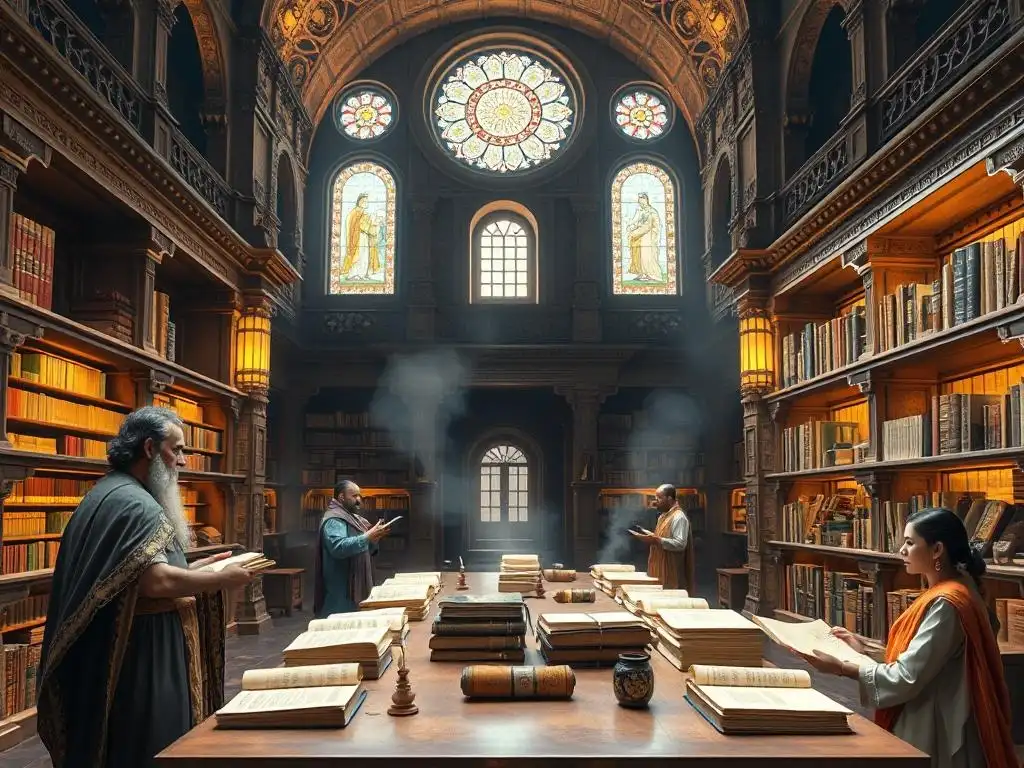
Welcome to Ancient India History, where we embark on a captivating journey through the rich tapestry of India's past! In this exploration, we delve into the remarkable theme of knowledge preservation, focusing on the pivotal role ancient Indian universities played in safeguarding wisdom through centuries. Our featured article, "The Survival of Ancient Knowledge: Libraries of Indian Universities," uncovers the intricate systems that fostered learning and scholarship, shaping the very foundation of education as we know it today.
Are you ready to unlock the secrets of these illustrious institutions and their contributions to global knowledge? Join us as we dive deeper into this fascinating chapter of history!

Introduction to Ancient Indian Universities and Knowledge Preservation
The preservation of knowledge in ancient Indian universities is a remarkable aspect of the rich cultural heritage of India. Institutions like Nalanda, Takshashila, and Vikramshila were not merely educational establishments; they were beacons of learning that attracted scholars from across the globe. These universities played a critical role in the transmission of knowledge, ensuring that the teachings of ancient texts, philosophies, and sciences were meticulously documented and preserved. The libraries within these universities served as vital repositories of wisdom, housing an extensive collection of manuscripts and texts that reflected the intellectual endeavors of their time.
As we explore the libraries of these ancient universities, it's essential to understand their significance in the broader context of knowledge preservation. They were not just stores of books but were vibrant centers of dialogue, debate, and cultural exchange. The knowledge preserved in these libraries has had a lasting impact on various fields, including mathematics, astronomy, medicine, and philosophy, influencing generations of scholars and thinkers.
The Role of Libraries in Ancient Indian Universities
The libraries of ancient Indian universities played a multifaceted role in the academic and cultural life of their communities. They were instrumental in ensuring the continuity of knowledge and fostering an environment conducive to learning and intellectual growth.
Importance of Libraries in Knowledge Transmission
Libraries served as the backbone of knowledge transmission in ancient Indian universities. They were:
- Repositories of Knowledge: Libraries housed a vast array of texts, including sacred scriptures, philosophical treatises, and scientific manuals. This extensive collection facilitated the study and understanding of diverse subjects.
- Centers for Scholarly Collaboration: By bringing together scholars and students, libraries fostered an environment where ideas could be exchanged and developed. This collective intellectual engagement was crucial for the evolution of knowledge.
- Preservation of Ancient Texts: Many ancient texts, some of which might have been lost to time, were safeguarded within these libraries. The meticulous efforts of scribes and scholars ensured that important works were copied, studied, and preserved for future generations.
Libraries as Centers of Learning and Culture
Beyond their role as repositories, libraries in ancient Indian universities were vibrant centers of culture and learning. They served as:
- Cultural Hubs: Libraries often hosted lectures, discussions, and debates on a variety of topics. This dynamic environment enriched the academic experience and encouraged critical thinking.
- Places of Reflection and Study: Scholars utilized library spaces for solitary study, reflection, and contemplation, making these libraries sanctuaries of knowledge where deep intellectual engagement took place.
- Links to Global Scholarship: Ancient Indian universities were known for their connections with international scholars, making libraries vital points of contact for the exchange of ideas and knowledge across cultures.
The libraries of ancient Indian universities were crucial in the preservation and dissemination of knowledge, shaping the intellectual landscape of their time and leaving a profound legacy that continues to inspire contemporary education.
Prominent Ancient Indian Universities and Their Libraries
Ancient India was home to numerous prestigious universities that played a critical role in the preservation and dissemination of knowledge. These institutions were not merely centers of education; they were vibrant hubs of cultural exchange and intellectual growth, housing extensive libraries filled with texts on various subjects, including philosophy, mathematics, astronomy, medicine, and the arts. The libraries of these ancient universities were instrumental in maintaining the legacy of knowledge through systematic preservation techniques, ensuring that the wisdom of the past was accessible to future generations.
Nalanda University: A Beacon of Knowledge
Established in the 5th century CE, Nalanda University emerged as a premier educational institution in ancient India, attracting scholars from across Asia, including China, Korea, Japan, and Tibet. Its library, known as Dharmaganja, was one of the largest in the ancient world, housing thousands of manuscripts written in various languages, including Sanskrit, Pali, and Tibetan. The library was organized meticulously, allowing students and scholars to access texts on diverse subjects ranging from logic and grammar to medicine and metaphysics.
The preservation of knowledge at Nalanda was facilitated through a rigorous system of manuscript copying, where scribes would diligently reproduce texts to ensure their survival. This practice not only preserved the original works but also allowed for the dissemination of knowledge beyond the confines of the university, as copies were sent to different regions. Furthermore, the presence of renowned scholars like Nagarjuna and Aryabhata enriched the intellectual atmosphere, fostering an environment where knowledge could flourish.
Takshashila University: The Cradle of Education
Takshashila, often referred to as Taxila, was one of the earliest universities in the world, dating back to around the 6th century BCE. It served as a melting pot of diverse cultures and ideas, where students could study a wide array of disciplines such as medicine, mathematics, philosophy, and the arts. The university's library, while not as extensively documented as Nalanda's, is believed to have housed a rich collection of texts that played a pivotal role in the education of many prominent figures, including Chanakya, the author of the Arthashastra.
At Takshashila, knowledge preservation was achieved through a combination of oral instruction and written texts. The university employed a unique pedagogical approach that emphasized dialogue and debate, allowing students to engage deeply with the material. This interactive method of learning made knowledge more memorable, while the libraries served as repositories of written works that complemented the oral traditions.
Vikramashila University: A Hub of Buddhist Scholarship
Founded during the reign of the Pala dynasty in the 8th century CE, Vikramashila University was a significant center for Buddhist studies and scholarship. Its library was renowned for its vast collection of Buddhist texts, including treatises on philosophy, ethics, and monastic codes. Scholars from various regions, particularly those engaged in the Mahayana tradition, flocked to Vikramashila to study and contribute to its intellectual legacy.
The preservation of knowledge at Vikramashila was closely linked to its monastic community, which played a crucial role in copying and maintaining manuscripts. Monks dedicated their lives to the study and transmission of texts, ensuring that the teachings of the Buddha and other key scholars were preserved for future generations. This commitment to knowledge preservation was evident in their meticulous copying techniques and the establishment of libraries that served as sanctuaries for ancient wisdom.
Methods of Knowledge Preservation in Ancient Indian Libraries
The libraries of ancient Indian universities employed various methods to ensure the survival and accessibility of knowledge. These techniques were vital in a time when written texts were rare and often vulnerable to loss. The preservation strategies included manuscript copying, the active involvement of scholars and monks, and the use of oral traditions.
Manuscript Copying and Transmission Techniques
One of the primary methods of knowledge preservation in ancient Indian libraries was the meticulous practice of manuscript copying. Scribes played a crucial role in this process, carefully transcribing texts onto palm leaves or birch bark, using natural inks derived from plants. This labor-intensive process ensured that important works were duplicated and could be distributed to different regions.
The transmission techniques also included the practice of creating commentaries and annotations on original texts, which served to enhance understanding and interpretation. Scholars often engaged in collaborative efforts, sharing insights and refining manuscripts to ensure clarity and accuracy. This collaborative spirit fostered a rich tradition of scholarship, where knowledge evolved while remaining rooted in its original sources.
Role of Scholars and Monks in Knowledge Preservation
Scholars and monks were at the forefront of knowledge preservation in ancient Indian universities. They not only engaged in teaching and learning but also took on the responsibility of safeguarding texts and disseminating knowledge. Monks, in particular, played a vital role in copying manuscripts, as they often dedicated their lives to the study and transmission of Buddhist philosophy and teachings.
These individuals formed a network of intellectuals who traveled to different universities, sharing knowledge and resources. Their commitment to preserving texts was evident in their establishment of libraries within monasteries, which acted as repositories of ancient wisdom. The collaborative efforts of these scholars ensured that even during periods of political instability, the legacy of knowledge continued to thrive.
Use of Oral Traditions in Knowledge Transmission
In addition to written texts, oral traditions played a significant role in the transmission of knowledge in ancient India. Storytelling, recitations, and debates were common practices that facilitated learning and engagement with complex ideas. This oral approach was particularly effective in reinforcing memory and encouraging critical thinking among students.
Oral traditions also allowed for the adaptation and contextualization of knowledge, as teachings could be modified to suit different audiences. This dynamic form of knowledge transmission ensured that even as texts were written and copied, the essence of the teachings remained alive through active participation and dialogue. The combination of oral and written methods created a robust system of knowledge preservation that has had a lasting impact on Indian educational systems.
Challenges Faced by Ancient Libraries in Preserving Knowledge

The preservation of knowledge in ancient Indian universities faced numerous challenges that hindered the longevity of their libraries. These challenges were multifaceted, involving external threats, natural calamities, and sociopolitical changes. Understanding these difficulties provides insight into how the knowledge housed within these revered institutions struggled for survival through the ages.
Invasions and Destruction of Libraries
One of the most significant challenges faced by ancient libraries was the frequent invasions that led to the destruction of countless manuscripts and texts. Notable invasions, such as those led by Mahmud of Ghazni in the 11th century, resulted in the looting and burning of libraries, including the renowned library at Nalanda.
This tragic loss was compounded by the lack of systematic documentation of texts, making it difficult to recover what was lost. The destruction caused by these invasions not only obliterated physical texts but also disrupted the transmission of knowledge, as scholars were often killed or forced to flee.
Natural Disasters Impacting Knowledge Preservation
Natural disasters also played a critical role in the degradation of ancient libraries. Earthquakes, floods, and fires could devastate entire regions, leading to the loss of irreplaceable texts and manuscripts. For instance, the great earthquake that struck parts of India could have severely impacted libraries located in vulnerable areas, leading to the collapse of structures that housed valuable knowledge. These events highlighted the fragility of physical collections and the need for more resilient methods of knowledge preservation in antiquity.
The Decline of Ancient Universities and Its Effects on Libraries
The decline of ancient universities, such as Nalanda and Taxila, fundamentally affected the libraries associated with them. As these centers of learning lost their prominence due to various factors, including political instability and the rise of new educational paradigms, the libraries diminished in both importance and resources. The reduction in patronage led to a decline in the preservation efforts of texts, as fewer scholars remained to copy and maintain them. Consequently, the once-vibrant repositories of knowledge became shells of their former selves, contributing to the erosion of ancient wisdom.
The Legacy of Ancient Indian Universities in Modern Times
Despite the challenges and setbacks faced by ancient libraries, the legacy of ancient Indian universities continues to influence contemporary education and scholarship. Their contributions to various fields of knowledge have laid the groundwork for modern academic pursuits.
Influence on Contemporary Education Systems
The educational philosophies and methodologies developed in ancient Indian universities have left an indelible mark on contemporary education systems. Concepts such as holistic education, critical thinking, and interdisciplinary studies can trace their roots back to institutions like Nalanda and Takshashila. The emphasis on dialogue and debate in learning environments is particularly relevant today, encouraging a more participatory approach to education that fosters innovation and creativity.
Preservation Efforts of Ancient Texts in Modern Libraries
In modern times, there has been a concerted effort to revive and preserve the ancient texts that hold significant cultural and historical value. Libraries across India and around the world are increasingly implementing digitization projects to safeguard manuscripts that would otherwise be at risk of deterioration. These efforts not only protect the texts but also make them accessible to a wider audience, ensuring that the knowledge contained within them can continue to inspire future generations.
The Relevance of Ancient Knowledge in Today’s World
The relevance of ancient knowledge in today’s world cannot be overstated. Topics such as sustainable living, holistic medicine, and ethical governance, which were explored in ancient Indian texts, resonate with contemporary global challenges. By studying these ancient works, modern society can glean insights that promote a more sustainable and equitable future. The enduring wisdom of ancient Indian scholars serves as a reminder of the depth and richness of knowledge that transcends time, urging us to appreciate and incorporate these teachings in our modern lives.
Conclusion: The Enduring Impact of Ancient Indian Universities on Knowledge Preservation
The legacy of ancient Indian universities, particularly their libraries, has left an indelible mark on the preservation and dissemination of knowledge throughout the centuries. Institutions such as Nalanda and Takshashila not only served as centers of learning but also acted as custodians of a vast repository of texts, philosophies, and scientific discoveries. The meticulous efforts to catalog, translate, and teach a wide array of subjects ensured that valuable knowledge was not lost to time, allowing future generations to build upon foundational ideas.
The impact of these universities extends beyond their geographical boundaries. They were instrumental in fostering cross-cultural exchanges, attracting scholars from diverse backgrounds, and facilitating the spread of ideas across Asia and beyond. The knowledge preserved in their libraries formed the bedrock of various disciplines, including mathematics, astronomy, medicine, and philosophy. This intellectual heritage can still be traced in contemporary academia, reflecting the enduring significance of ancient Indian educational systems.
Furthermore, the principles of knowledge preservation practiced in these ancient institutions resonate today. Modern educational frameworks often draw inspiration from the holistic approaches of ancient Indian universities, emphasizing interdisciplinary learning and the importance of critical thinking. The revival of interest in traditional knowledge systems and the integration of ancient wisdom into current educational curricula highlight the relevance of these ancient practices in addressing contemporary challenges.
The libraries of ancient Indian universities played a pivotal role in the preservation of knowledge, influencing not only the intellectual landscape of India but also contributing to global knowledge systems. Their enduring legacy continues to inspire educators and scholars, reminding us of the vital importance of safeguarding and sharing knowledge across generations. As we reflect on their contributions, it becomes evident that the spirit of inquiry and preservation established in ancient India remains crucial in our quest for understanding and knowledge today.
- Introduction to Ancient Indian Universities and Knowledge Preservation
- The Role of Libraries in Ancient Indian Universities
- Prominent Ancient Indian Universities and Their Libraries
- Methods of Knowledge Preservation in Ancient Indian Libraries
- Challenges Faced by Ancient Libraries in Preserving Knowledge
- The Legacy of Ancient Indian Universities in Modern Times
- Conclusion: The Enduring Impact of Ancient Indian Universities on Knowledge Preservation
- What role did ancient Indian universities play in knowledge preservation?
- How did libraries in ancient Indian universities contribute to cultural development?
- What types of knowledge were preserved in these ancient libraries?
- How did ancient Indian universities influence the global spread of knowledge?
- Are there any modern parallels to the knowledge preservation practices of ancient Indian universities?
Frequently Asked Questions
What role did ancient Indian universities play in knowledge preservation?
Ancient Indian universities, like Nalanda and Takshashila, served as crucial centers for knowledge preservation, where texts were copied, studied, and shared among scholars.
How did libraries in ancient Indian universities contribute to cultural development?
The libraries housed vast collections of scriptures and literature, fostering an environment of scholarship and intellectual exchange that significantly contributed to cultural development in ancient India.
What types of knowledge were preserved in these ancient libraries?
These libraries preserved various forms of knowledge, including philosophy, mathematics, medicine, and astronomy, reflecting the diverse and rich intellectual heritage of ancient Indian civilizations.
How did ancient Indian universities influence the global spread of knowledge?
By attracting students and scholars from across Asia, ancient Indian universities facilitated the dissemination of knowledge, which influenced educational systems globally and contributed to the exchange of ideas.
Are there any modern parallels to the knowledge preservation practices of ancient Indian universities?
Yes, modern universities continue to emphasize knowledge preservation through digitization, archiving, and research initiatives, echoing the traditions of ancient Indian institutions.
Final Reflection: The Enduring Legacy of Ancient Knowledge Preservation
The preservation of ancient knowledge is not merely a relic of the past; it is a vital thread woven into the fabric of our contemporary society. As we navigate an increasingly digital world, the significance of ancient Indian universities in safeguarding wisdom from centuries ago becomes ever more relevant. The libraries of these institutions serve as sanctuaries of thought, reminding us that the quest for knowledge is timeless and that the lessons of history can illuminate our path forward.
The influence of ancient knowledge on modern education and culture is profound and ongoing. From the philosophical teachings of the Vedas to the scientific advancements documented in ancient texts, the wealth of information preserved in Indian university libraries continues to shape our understanding of the world. As Mahatma Gandhi once said, "> Live as if you were to die tomorrow. Learn as if you were to live forever." This sentiment encapsulates the essence of knowledge preservation; it is not just about storing information but about fostering a culture of continuous learning and intellectual growth.
As you reflect on the themes presented in this article, I invite you to consider how you can contribute to the preservation and appreciation of knowledge in your own life. Seek out the wisdom of the past, engage with the teachings of ancient scholars, and share this knowledge with others. In doing so, you not only honor the legacy of ancient Indian universities but also empower yourself and those around you to build a brighter, more informed future.
Unleash the Power of Ancient Knowledge Today!
Thank you for taking the time to explore the fascinating world of the ancient libraries of Indian universities! By immersing yourself in this rich history, you're not only learning about the past but also discovering ways to preserve and share such vital knowledge with future generations. Now, let's turn this inspiration into action!
- Dive Deeper: Visit a local university library or archive that houses collections related to ancient India. Spend a few hours exploring the available resources to enhance your understanding.
- Share Your Insights: Discuss your findings with friends or on social media. Engaging others can spark conversations that lead to a greater appreciation for our collective heritage.
- Join a Community: Participate in online forums or local groups centered around ancient cultures and libraries. Your contributions can help keep this timeless knowledge alive.
How will you take the first step to connect with the ancient wisdom that has shaped our world? Let’s ignite a conversation!