
How Ancient Indian Universities Influenced Modern University Structures

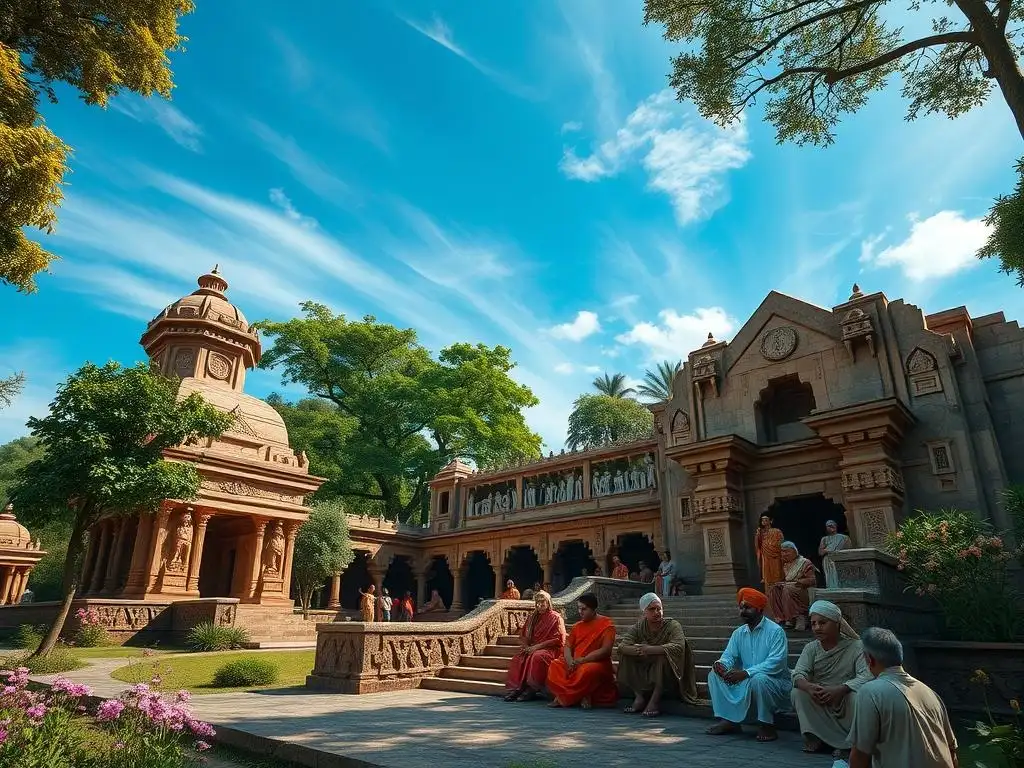
Welcome to Ancient India History, where we embark on a fascinating journey through the vibrant tapestry of ancient Indian civilizations. Here, you will uncover the profound impact of ancient Indian universities on modern educational systems, revealing how the intellectual legacies of the Indus Valley to the Gupta Empire continue to shape today's learning environments. Prepare to dive into a world of knowledge that not only celebrates ancient wisdom but also prompts you to reflect on the roots of contemporary education.
Are you ready to explore how these pioneering institutions laid the groundwork for the universities we know today? Let's delve deeper!
- Introduction to Ancient Indian Universities and Their Impact
- The Structure of Ancient Indian Universities
- Influential Ancient Indian Universities
- The Ancient Indian Universities Impact on Modern Education
- Comparing Ancient and Modern University Structures
- Global Influence of Ancient Indian Universities
- Conclusion: The Lasting Legacy of Ancient Indian Universities
-
Frequently Asked Questions
- What were the main ancient Indian universities?
- How did ancient Indian universities influence modern education?
- What subjects were taught in ancient Indian universities?
- What role did ancient Indian universities play in cultural exchange?
- How did the decline of ancient Indian universities impact education?
- Final Reflection: The Enduring Impact of Ancient Indian Universities
- Unveil the Legacy: Transform Your Learning Experience Today
Introduction to Ancient Indian Universities and Their Impact
Ancient Indian universities, particularly those like Nalanda and Takshashila, played a pivotal role in shaping the educational landscape not only in India but across the globe. These institutions were not mere centers of learning; they were vibrant hubs of intellectual exchange, where scholars from diverse backgrounds gathered to explore a wide range of subjects, including philosophy, mathematics, astronomy, and medicine.
The impact of ancient Indian universities on modern educational structures is profound, as they laid the groundwork for the university systems we recognize today. Their emphasis on critical thinking, debate, and a holistic approach to education continues to resonate in contemporary academic frameworks, highlighting the enduring legacy of these ancient institutions.
Overview of Ancient Indian Universities
The history of ancient Indian universities dates back to several centuries before the common era, with Takshashila often cited as one of the earliest. Established around the 6th century BCE, Takshashila attracted students from various regions, including Persia and Greece, who came to study subjects ranging from grammar to medicinal practices. Following Takshashila, the establishment of Nalanda University in the 5th century CE marked a significant advancement in higher education.
| University | Location | Period | Notable Subjects |
|---|---|---|---|
| Takshashila | Punjab | 6th century BCE | Grammar, Medicine, Philosophy |
| Nalanda | Bihar | 5th century CE | Mathematics, Astronomy, Logic |
| Vikramashila | Bihar | 8th century CE | Buddhist Studies, Philosophy |
These universities functioned not just as educational institutions but also as centers for research and discussion, fostering a spirit of inquiry that attracted scholars from around the world. The curriculum was comprehensive, covering various fields such as:
- Philosophy: Deep exploration of metaphysical questions and ethics.
- Mathematics: Innovations that contributed to the development of algebra and calculus.
- Medicine: Advanced practices in Ayurveda and surgical techniques.
Significance of Education in Ancient Indian Culture
Education in ancient India was deeply intertwined with the cultural and spiritual fabric of society. It was viewed not merely as a means to acquire knowledge but as a path to personal and communal enlightenment. The gurukul system, where students lived with their teachers, emphasized mentorship and holistic development, fostering a strong bond between teachers and students.
The impact of education on ancient Indian society can be summarized through several key aspects:
- Spiritual Development: Education was geared towards self-realization and understanding the universe's mysteries, aligning with the spiritual philosophies prevalent in Indian culture.
- Social Structure: Knowledge was a transformative power that allowed individuals to rise in social status, breaking the rigid caste boundaries that often defined ancient Indian society.
- Cultural Exchange: Ancient Indian universities served as melting pots where ideas from various cultures converged, leading to significant advancements in science, technology, and philosophy.
The ancient Indian universities were more than just centers of learning; they were vital institutions that influenced the educational philosophies and practices of future generations, shaping the very foundation of modern university structures.
The Structure of Ancient Indian Universities
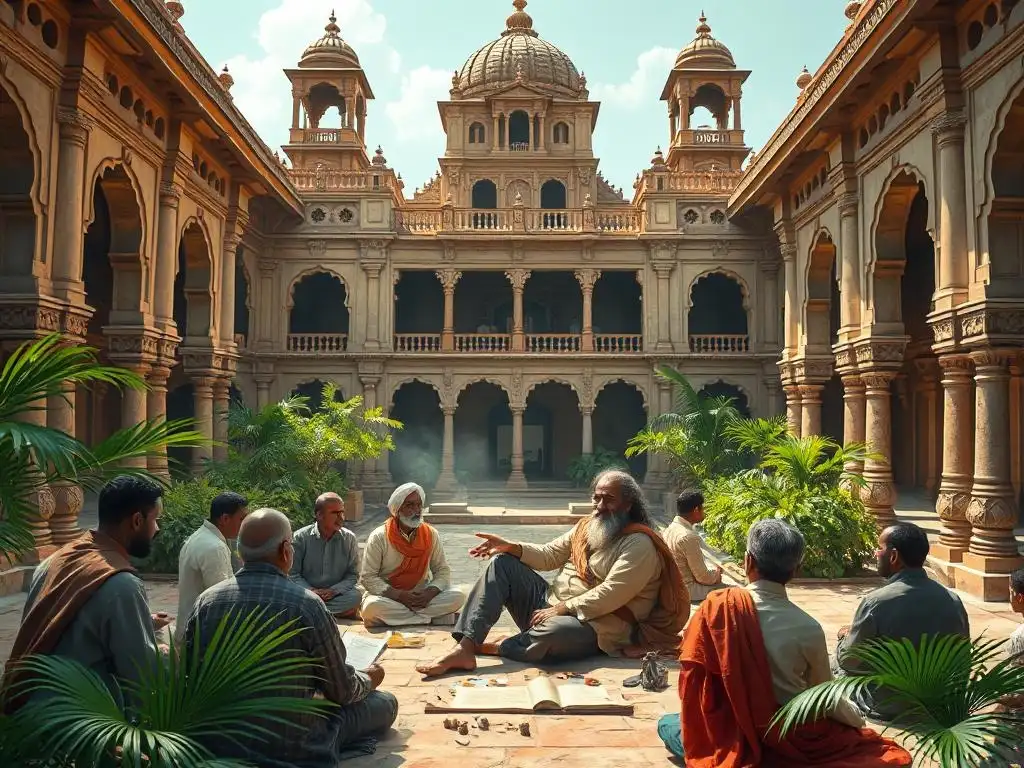
Ancient Indian universities were remarkable institutions that laid the groundwork for the modern educational system. Predominantly established during the early centuries CE, these universities, such as Nalanda and Takshashila, had unique structures that facilitated comprehensive learning and knowledge dissemination.
Key Features of Ancient Indian Universities
Ancient Indian universities were characterized by several distinctive features that contributed to their effectiveness and longevity:
- Decentralized Governance: Unlike modern universities that often operate under a centralized administration, ancient Indian universities were typically governed by a council of scholars. This council was responsible for maintaining academic standards and ensuring that the teachings remained relevant and rigorous.
- Diverse Faculty: These universities attracted scholars from various regions, creating a melting pot of knowledge. Professors often specialized in different disciplines, ranging from philosophy and mathematics to astronomy and medicine, fostering an environment of interdisciplinary learning.
- Residential System: Students lived on campus, often for extended periods, allowing for immersive education. This residential system encouraged camaraderie among students and facilitated continuous learning through discussions and debates outside of formal lectures.
- Flexible Learning Paths: Students had the freedom to choose their subjects based on their interests and career aspirations. This flexibility encouraged a personalized approach to education, enabling students to pursue knowledge that was most relevant to their goals.
Curriculum and Subjects Offered
The curriculum of ancient Indian universities was extensive and diverse, reflecting the rich cultural and intellectual heritage of the time. Key subjects included:
- Philosophy: Central to the curriculum, philosophy encompassed various schools of thought, including Buddhism, Jainism, and Vedanta. Students engaged in critical thinking and debates about ethics, metaphysics, and epistemology.
- Mathematics and Astronomy: Ancient Indian universities were pioneers in these fields. Scholars like Aryabhata and Brahmagupta made significant contributions, teaching concepts such as zero, algebra, and celestial mechanics.
- Medicine: The study of Ayurveda was integral to the curriculum, with students learning herbal medicine, surgery, and health sciences. Texts like the "Sushruta Samhita" are foundational to this discipline.
- Arts and Literature: Students studied classical literature, music, and the visual arts. This comprehensive approach ensured that graduates were well-rounded individuals capable of contributing to various aspects of society.
Admission and Student Life
Admission to ancient Indian universities was often competitive and based on merit. The process typically involved:
- Entrance Examinations: Prospective students were required to demonstrate proficiency in various subjects to gain admission. These exams assessed their knowledge and readiness for advanced studies.
- Mentorship: Upon admission, students were often assigned to a mentor or guru, who guided them throughout their educational journey. This mentorship model fostered close relationships and personalized learning experiences.
Student life in these universities was vibrant and dynamic:
- Cultural Activities: Students participated in various cultural and intellectual activities, including debates, poetry recitations, and festivals. These events promoted a sense of community and enriched the educational experience.
- Discussions and Debates: Regular discussions encouraged critical thinking and the exchange of ideas. Students were often encouraged to challenge established norms, fostering an environment of intellectual freedom.
- Spiritual Practices: Many students engaged in meditation and spiritual practices, reflecting the holistic approach to education prevalent in ancient Indian universities. This focus on personal development complemented academic pursuits, promoting well-rounded individuals.
Ancient Indian universities had a profound impact on the educational landscape, influencing modern university structures through their innovative governance, diverse curricula, and immersive student experiences. Their legacy continues to resonate in contemporary educational practices worldwide.
Influential Ancient Indian Universities
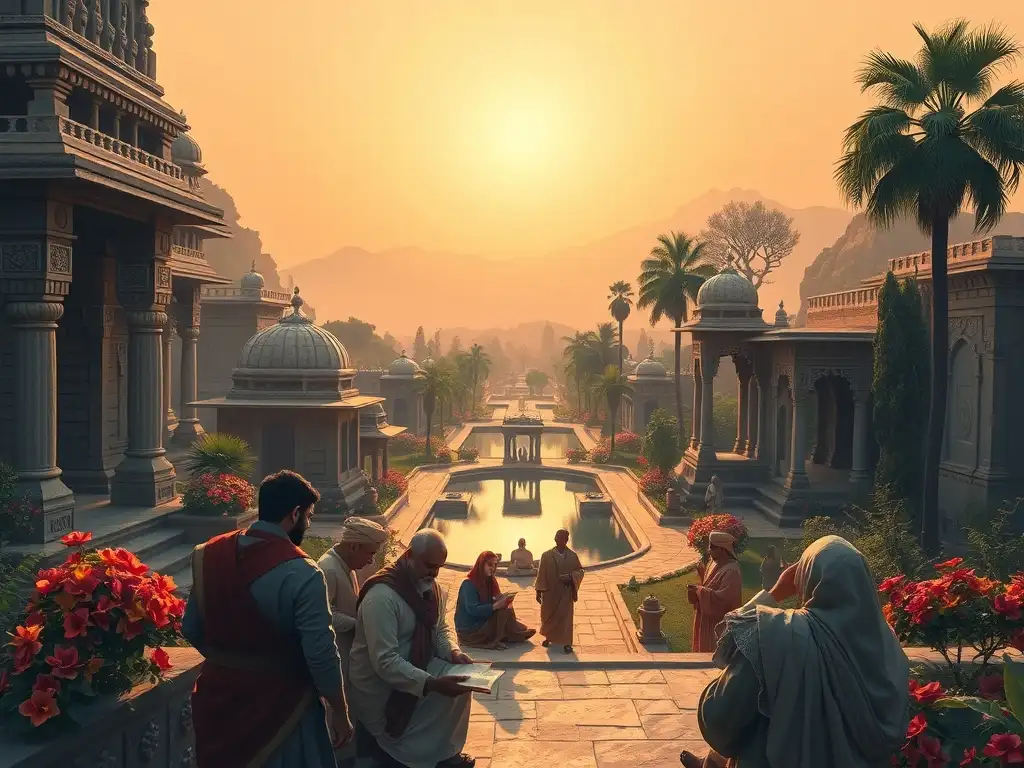
Ancient Indian universities played a pivotal role in shaping educational paradigms that resonate in modern academic institutions around the globe. With their innovative structures, diverse curricula, and emphasis on inquiry and knowledge dissemination, these universities laid the groundwork for higher education as we know it today. Here, we explore three prominent institutions: Nalanda, Takshashila, and Vikramshila, each contributing uniquely to the ancient Indian universities' impact on contemporary education.
Nalanda University: A Model for Future Institutions
Nalanda University, established during the 5th century CE, is often regarded as one of the earliest residential universities in the world.
- Curriculum and Subjects:
- Nalanda offered an extensive range of subjects, including philosophy, astronomy, mathematics, medicine, and languages.
- The curriculum was designed to promote critical thinking and debate, which encouraged scholars to engage deeply with the material.
- Global Influence:
- Students from various regions, including China, Korea, Tibet, Mongolia, and Japan, traveled to Nalanda for education, making it a melting pot of cultures and ideas.
- The impact of Nalanda extended beyond its physical boundaries, influencing educational practices in Asia for centuries.
- Architectural Significance:
- The university complex included numerous temples, monasteries, and libraries, reflecting advanced architectural planning and communal living.
- The layout of Nalanda can be seen echoed in modern university campuses, emphasizing the importance of a conducive learning environment.
Takshashila: Pioneering Global Education
Takshashila, believed to have been founded in the 6th century BCE, is often recognized as one of the first universities in the world to adopt a structured approach to education.
- Diverse Curriculum:
- It offered a wide array of subjects, ranging from the study of Vedas, arts, and sciences to military training and governance.
- This diversity fostered a holistic educational approach, ensuring that students were well-rounded and equipped for various careers.
- International Student Body:
- Takshashila attracted students from diverse geographical locations, promoting cultural exchange and collaboration.
- This model of attracting international students is mirrored in modern universities, which strive to create a global academic community.
- Pedagogical Innovations:
- The emphasis on practical knowledge and experiential learning at Takshashila laid the foundation for modern educational methodologies.
- The use of discussions and debates as learning tools is now a hallmark of many contemporary educational systems.
Vikramshila: Specialized Learning and Research
Founded in the 8th century CE, Vikramshila University was notable for its focus on specialized learning and research, particularly in Buddhist studies.
- Specialized Curriculum:
- Vikramshila offered advanced training in fields such as logic, grammar, and philosophy, making it a center for higher learning.
- The specialization mirrored the modern trend of universities offering focused programs and degrees, catering to specific professional fields.
- Research-Oriented Approach:
- The university promoted research as a core component of education, encouraging scholars to contribute original ideas and findings.
- This focus on research is now integral to contemporary universities, which emphasize innovation and academic inquiry.
- Influence on Buddhist Thought:
- Vikramshila played a critical role in the propagation of Buddhist philosophy, influencing spiritual and academic thought across Asia.
- The legacy of such specialized institutions continues to inspire modern universities to foster niche areas of study and research.
The ancient Indian universities' impact on modern educational systems is profound, with their emphasis on inclusivity, diversity, and specialized knowledge shaping the way contemporary institutions function. These historical models remind us of the rich intellectual heritage that continues to inform and inspire today's educational practices.
The Ancient Indian Universities Impact on Modern Education
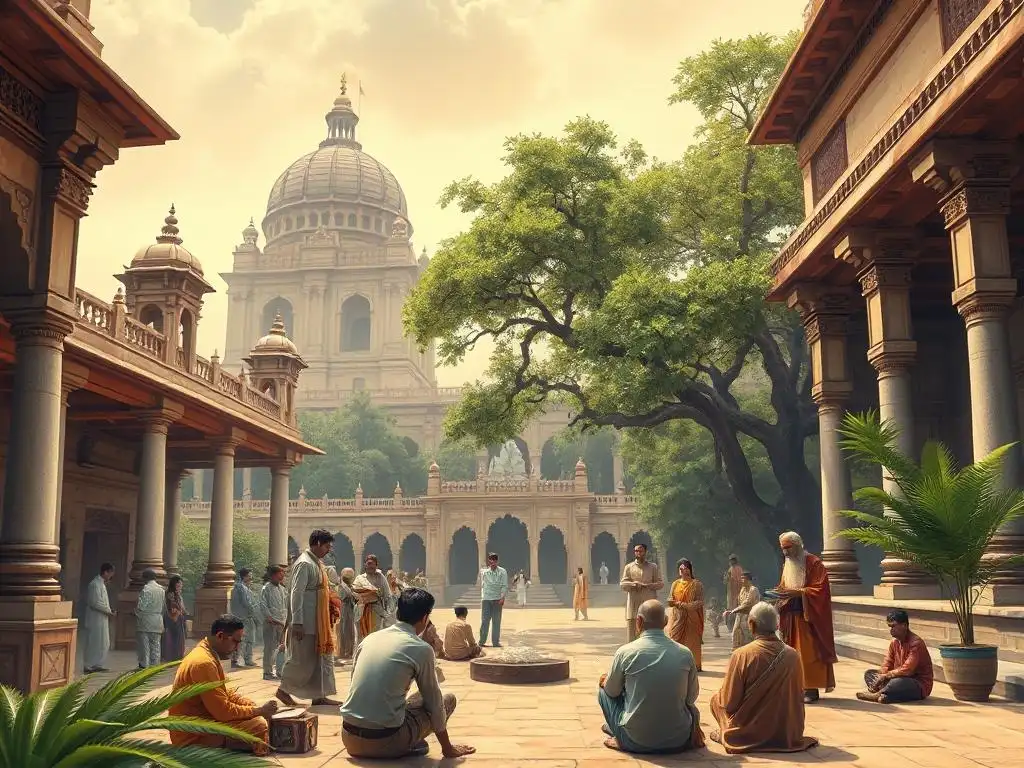
The impact of ancient Indian universities on modern educational systems is profound and multifaceted. These institutions, such as Nalanda and Takshashila, were not merely centers of learning but were pivotal in shaping educational philosophies that resonate in today's universities. Their influence can be seen in various aspects of modern education, from pedagogical techniques to administrative structures.
Adaptations of Ancient Teaching Methods in Contemporary Universities
Ancient Indian universities employed a range of innovative teaching methods that have left a lasting mark on current educational practices. Some of these methods include:
- Guru-Shishya Tradition: This foundational concept emphasized a close relationship between teacher and student. Modern universities have adopted mentorship programs that mimic this personalized approach to learning, ensuring that students receive guidance tailored to their individual needs.
- Interactive Learning: The ancient curriculum was characterized by dialogues and debates. Today, many universities implement Socratic methods and discussion-based learning, fostering critical thinking and active participation among students.
- Practical Application: Ancient universities recognized the importance of applying knowledge practically. This has evolved into experiential learning opportunities in modern education, such as internships and project-based learning, which bridge theoretical concepts with real-world applications.
Influence on University Governance and Administration
The governance structures of ancient Indian universities were sophisticated and often included democratic elements, influencing modern administrative frameworks. Key aspects of this influence include:
- Councils and Committees: Ancient universities often operated under councils made up of scholars and administrators, similar to the governing bodies found in contemporary universities. These councils ensured that decisions were made collaboratively, promoting a sense of community and shared responsibility.
- Autonomy and Decentralization: Many ancient Indian universities enjoyed a degree of independence from governmental control, allowing for flexibility in their operations. This principle of institutional autonomy is echoed today, as many universities advocate for self-governance to encourage innovation and academic freedom.
- Curriculum Development: The ancient practice of community involvement in curriculum development has paved the way for modern universities to engage stakeholders in crafting educational programs that meet societal needs, ensuring relevance and responsiveness in education.
Legacy of Interdisciplinary Studies from Ancient India
One of the most significant contributions of ancient Indian universities was their emphasis on interdisciplinary studies, a concept that remains relevant in today's educational landscape. Key features of this legacy include:
- Holistic Education: Ancient universities integrated various fields of study, such as philosophy, science, and arts, reflecting a comprehensive approach to education. Modern universities are increasingly adopting interdisciplinary programs that encourage collaboration across different academic disciplines, preparing students for complex problem-solving.
- Research and Innovation: The ancient emphasis on inquiry and exploration fostered an environment of research and innovation. Today, this legacy is evident in the promotion of research centers and collaborative projects that transcend traditional academic boundaries, enabling groundbreaking discoveries.
- Cultural Exchange: Ancient Indian universities attracted students from diverse backgrounds, facilitating a rich exchange of ideas and knowledge. This tradition continues in modern universities through international programs and partnerships, enriching the academic experience and fostering global perspectives.
The impact of ancient Indian universities on modern educational systems is significant and pervasive. By adapting teaching methods, influencing governance, and promoting interdisciplinary studies, these institutions have laid the groundwork for contemporary education, fostering an environment that values knowledge, innovation, and cultural exchange.
Comparing Ancient and Modern University Structures
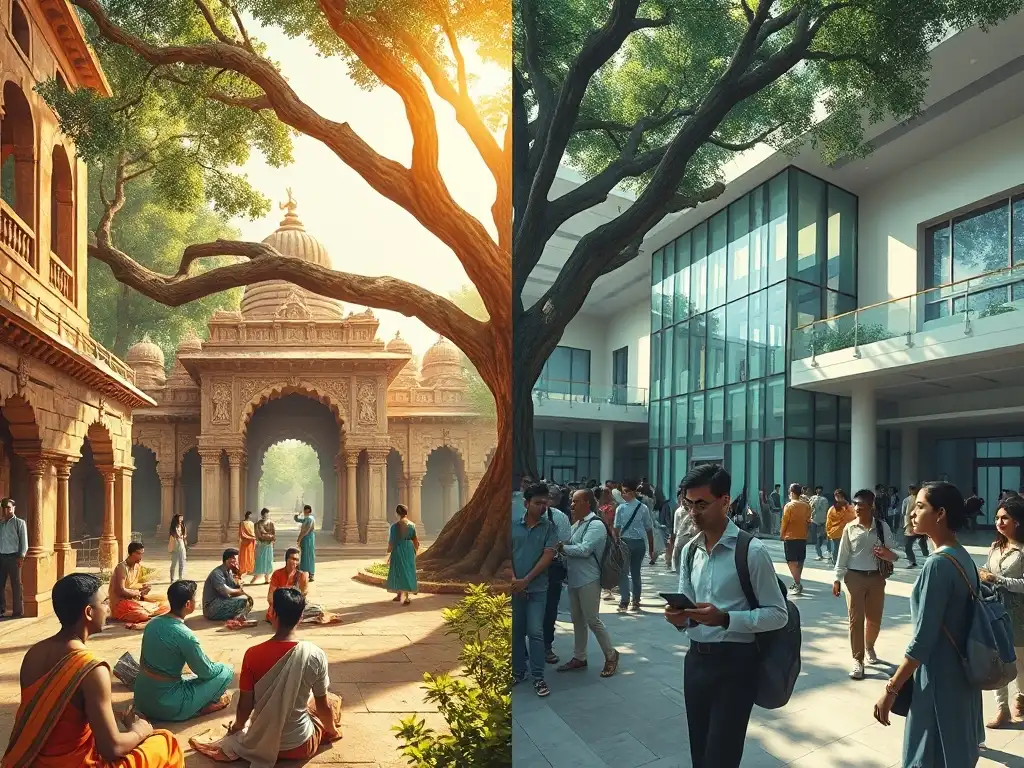
Similarities in Educational Objectives
Ancient Indian universities, such as Nalanda and Takshashila, were established with the primary goal of fostering a deep understanding of various disciplines, much like modern universities today. Both systems aimed to cultivate critical thinking, holistic development, and a sense of ethical responsibility among students.
- Holistic Learning: Ancient universities focused on a broad spectrum of knowledge, including philosophy, medicine, mathematics, and arts. Similarly, modern universities emphasize interdisciplinary education, encouraging students to explore multiple fields and develop a well-rounded worldview.
- Knowledge Dissemination: Both ancient and modern institutions prioritize the dissemination of knowledge through lectures and discussions. Ancient Indian scholars engaged in rigorous debates and dialogues, akin to the seminar-style classes prevalent in contemporary academia.
- Cultivation of Scholars: Both systems aim to produce scholars who can contribute to society. Ancient Indian universities trained individuals not only for personal advancement but also for their roles as leaders and contributors to their communities.
Differences in Curriculum and Methodology
While there are similarities, significant differences exist between ancient Indian universities and modern institutions, particularly in curriculum design and teaching methodologies.
- Curriculum Focus: Ancient Indian universities often had a curriculum rooted in religious and philosophical texts, with a significant emphasis on oral transmission of knowledge. In contrast, modern curricula are more structured and standardized, often incorporating scientific and empirical methodologies alongside traditional subjects.
- Pedagogical Approaches: The methodology in ancient universities was primarily based on the guru-shishya tradition, where learning was personalized and mentorship-oriented. Modern education, however, often relies on a formalized structure, including lectures, examinations, and standardized assessments.
- Research Emphasis: Ancient universities did engage in research, but it was often more philosophical and theoretical. Modern universities prioritize empirical research and evidence-based practices across disciplines, with a strong focus on innovation and practical application.
Evolution of Student Demographics and Accessibility
The demographics of students and accessibility to education have undergone significant transformations from ancient times to the present day.
- Inclusivity: Ancient Indian universities were primarily attended by the elite and those from higher castes, with limited access for marginalized communities. In contrast, modern universities strive for inclusivity, promoting equal access irrespective of socio-economic backgrounds, gender, or ethnicity.
- Global Reach: Ancient Indian universities attracted students from various regions, including China, Tibet, and Southeast Asia. Today, modern universities have a more extensive global reach, with international student exchange programs and online learning platforms that facilitate education across borders.
- Diverse Student Bodies: The student demographic in ancient times was relatively homogenous, while modern universities boast diverse student bodies, reflecting various cultures, perspectives, and experiences. This diversity enriches the learning environment, fostering cross-cultural understanding and collaboration.
While ancient Indian universities laid the groundwork for many educational principles still valued today, the evolution of educational structures has led to significant advancements in curriculum, methodology, and accessibility, shaping the modern university landscape.
Global Influence of Ancient Indian Universities

Spread of Knowledge Across Cultures
Ancient Indian universities, particularly renowned institutions like Nalanda and Takshashila, played a pivotal role in the dissemination of knowledge across Asia and beyond. These universities attracted scholars, students, and intellectuals from various regions, including China, Korea, Japan, and the Middle East. This multicultural environment fostered an exchange of ideas, philosophies, and technologies that significantly influenced the educational frameworks of these regions.
- Multilingual Learning: Ancient Indian universities offered courses in multiple languages, including Sanskrit, Pali, and later, Persian and Arabic. This linguistic diversity facilitated the understanding of complex subjects such as mathematics, medicine, and philosophy among students from different backgrounds.
- Curriculum Diversity: The curriculum at these institutions was extensive, covering subjects like astronomy, mathematics, law, medicine, and philosophy. For instance, the study of medicine at Nalanda included Ayurveda, which later influenced medical practices in places like Tibet and China.
- Cultural Exchanges: The presence of international scholars led to vibrant discussions and debates, which enriched the academic atmosphere. The famous Chinese pilgrim Xuanzang documented his experiences at Nalanda, highlighting the university as a center of Buddhist studies and intercultural dialogue.
The ancient Indian universities were not mere educational institutions; they were melting pots of culture, knowledge, and philosophies that shaped the intellectual landscape of Asia.
Contribution to Global Educational Practices
The impact of ancient Indian universities on modern educational systems is profound and enduring. Their methodologies and structures laid the groundwork for contemporary university systems around the world.
- Structured Learning: The hierarchical organization of ancient Indian universities, where students progressed through different levels of study, mirrors the modern academic structure of undergraduate, graduate, and postgraduate programs. This system ensured a thorough understanding of subjects before advancing to more complex theories.
- Mentorship and Guru-Shishya Tradition: The guru-shishya (teacher-student) relationship emphasized personalized learning and mentorship, which is increasingly recognized in modern educational practices. This tradition fostered deep intellectual engagement and respect for the teacher, which is essential in today’s educational environments.
- Examinations and Accreditation: Ancient Indian universities employed rigorous examination systems to assess student knowledge. This practice of evaluating student performance has evolved into the formalized examinations and accreditation processes we see in universities today.
| Feature | Ancient Indian Universities | Modern Universities |
|---|---|---|
| Structure | Levels of study (Undergrad, Grad) | Hierarchical system |
| Learning Approach | Guru-Shishya relationship | Mentorship and guidance |
| Assessment | Rigorous examinations | Formalized tests and assessments |
The legacy of ancient Indian universities extends beyond their historical context; they have fundamentally influenced the way education is perceived and structured in the modern world. The emphasis on holistic education, interdisciplinary studies, and community engagement continues to resonate in contemporary academic institutions globally.
The impact of ancient Indian universities is a testament to their enduring legacy, shaping not only the educational practices of their time but also laying foundational principles that continue to guide modern universities around the world.
Conclusion: The Lasting Legacy of Ancient Indian Universities
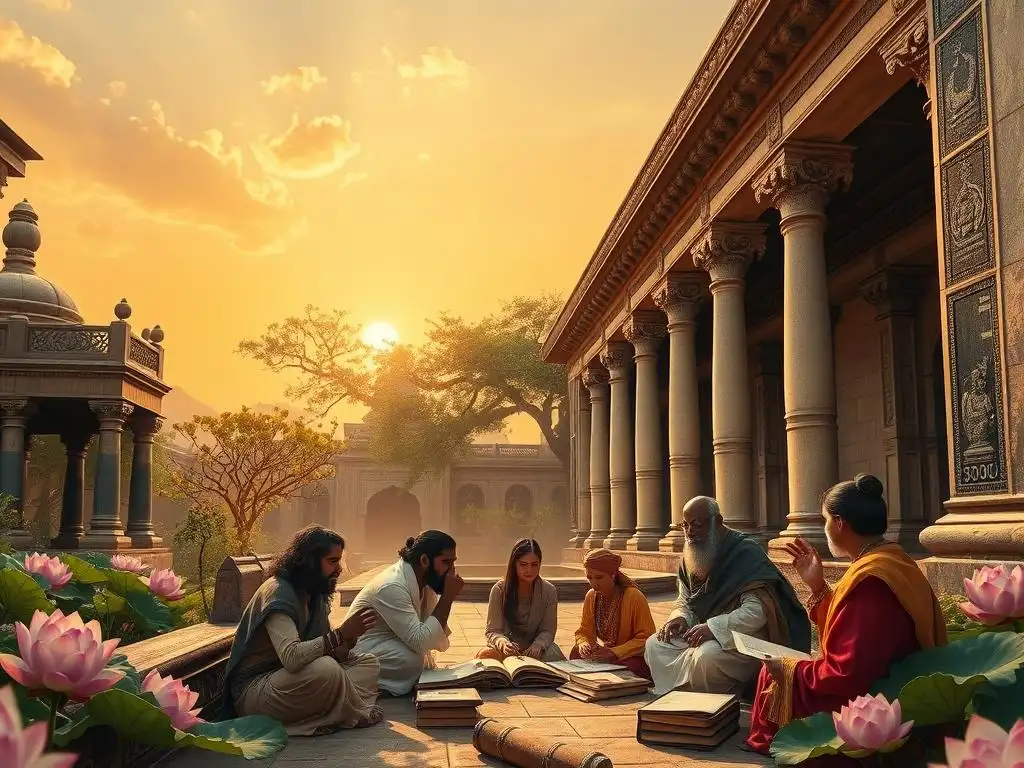
The legacy of ancient Indian universities, particularly institutions like Nalanda and Takshashila, is profound and far-reaching. These centers of learning not only provided education in a diverse array of subjects, such as philosophy, medicine, mathematics, and the arts, but also established a framework for academic rigor and discourse that resonates in today's educational systems. The impact of ancient Indian universities can be observed in several key areas:
- Curriculum Development: Ancient Indian universities emphasized a holistic approach to education, integrating various fields of study. This interdisciplinary model has influenced modern curricula, promoting the idea that knowledge is interconnected.
- Pedagogical Strategies: The Socratic method of questioning and dialogue prevalent in ancient Indian education fostered critical thinking and intellectual engagement. Modern educational practices continue to draw on these methods, encouraging students to analyze and discuss rather than passively receive information.
- Student-Centric Learning: The emphasis on personalized education in ancient universities laid the groundwork for contemporary student-centered learning approaches. This focus on individual needs and learning styles has become a cornerstone of modern pedagogy.
Reflection on the Impact of Ancient Indian Education Systems
The impact of ancient Indian education systems extends beyond the classroom; they shaped societal values and norms that persist today. These institutions were not merely places for academic learning; they were also cultural hubs where students from diverse backgrounds interacted, thereby promoting:
- Cultural Exchange: Students traveled from various regions, fostering a melting pot of ideas and cultures. This exchange contributed to a rich tapestry of knowledge that influenced various fields, including art, science, and philosophy.
- Moral and Ethical Education: Ancient Indian universities incorporated teachings on ethics and morality, emphasizing the importance of character development alongside academic achievement. This dual focus is increasingly being recognized in modern educational discourse.
- Community Contribution: The universities served as centers for social reform, with students often engaging in community service and public discourse. This tradition of societal responsibility continues to be a vital aspect of education systems worldwide.
Future Implications for Education Inspired by Ancient Practices
As we look to the future, the impact of ancient Indian universities offers invaluable lessons for contemporary education. By revisiting and incorporating these time-tested practices, modern educators can enhance learning experiences in several ways:
- Interdisciplinary Approaches: Emphasizing connections between disciplines can lead to more comprehensive understanding and innovation. Schools and universities that adopt this model can prepare students to tackle complex global issues.
- Promoting Dialogue and Debate: Encouraging open discussions and debates can create an environment of critical thinking. Institutions that foster this culture may produce graduates who are better equipped to engage in democratic processes.
- Global Learning Environments: By embracing the multicultural aspect of ancient education, modern universities can create inclusive environments that celebrate diversity and promote global citizenship.
- Integrating Ethics in Curriculum: Incorporating moral and ethical discussions into academic programs can help cultivate responsible citizens who are aware of their impact on society.
The ancient Indian universities have left an indelible mark on the educational landscape, one that continues to inspire and inform current practices. By reflecting on their methodologies and philosophies, modern education systems can evolve to meet the needs of a changing world, ensuring that the spirit of inquiry and learning lives on.
Frequently Asked Questions
What were the main ancient Indian universities?
Ancient Indian universities like Nalanda, Takshashila, and Vikramshila were pivotal in shaping education and scholarship in ancient times.
How did ancient Indian universities influence modern education?
These institutions laid the groundwork for modern university structures by emphasizing curriculum development, scholarly debate, and a diverse array of subjects.
What subjects were taught in ancient Indian universities?
Students studied a variety of disciplines, including philosophy, mathematics, astronomy, and medicine, showcasing the diversity of knowledge in ancient India.
What role did ancient Indian universities play in cultural exchange?
They served as centers of learning where scholars from different regions interacted, fostering significant cultural exchange and the spread of ideas.
How did the decline of ancient Indian universities impact education?
Their decline led to a reduction in scholarly pursuits and a loss of knowledge, creating a gap in the continuity of educational traditions in the region.
Final Reflection: The Enduring Impact of Ancient Indian Universities
The influence of ancient Indian universities on modern educational structures is not just a historical footnote; it is a vital thread woven into the fabric of contemporary academia. As we navigate the complexities of today's educational landscape, it becomes increasingly clear that the foundational principles established by institutions like Nalanda and Takshashila continue to resonate. These ancient centers of learning emphasized critical thinking, interdisciplinary studies, and the pursuit of knowledge for its own sake—values that remain essential in our quest for intellectual growth and societal advancement.
The legacy of these ancient universities extends far beyond their geographical and temporal confines, shaping the cultural and social paradigms of education worldwide. The emphasis on holistic education and the nurturing of diverse perspectives has fostered an environment where innovation and collaboration thrive. As Mahatma Gandhi once said, "> Live as if you were to die tomorrow. Learn as if you were to live forever." This quote encapsulates the spirit of lifelong learning that ancient Indian universities championed, reminding us that the pursuit of knowledge is a continuous journey that enriches our lives and communities.
As we reflect on the profound lessons from ancient Indian universities, I invite you to consider how you can incorporate these timeless principles into your own educational journey. Embrace curiosity, challenge conventional wisdom, and seek knowledge that transcends disciplines. In doing so, you not only honor the legacy of these ancient institutions but also contribute to a future where education serves as a catalyst for personal growth and societal transformation. Let us carry forward the torch of learning ignited by our ancestors, ensuring that the impact of ancient Indian universities continues to illuminate the path for generations to come.
Unveil the Legacy: Transform Your Learning Experience Today
Thank you for embarking on the fascinating journey through the history of ancient Indian universities and their profound influence on modern educational structures! You have gained valuable insights into how these historic institutions laid the groundwork for today’s learning environments. Now, it’s time to take charge of your educational journey and explore further.
Here are some ways you can maximize this knowledge:
- Explore local universities or colleges: Visit their campuses to discover innovative programs that reflect ancient teachings and philosophies.
- Engage with a study group: Connect with fellow enthusiasts to discuss and analyze the principles of education from ancient India and how they relate to contemporary practices.
- Share your newfound knowledge: Start a blog or initiate a discussion on social media to educate others about the significance of these ancient institutions in shaping today’s academia.
Which aspects of ancient Indian universities do you believe would most benefit modern education?