
The Role of Ancient Indian Universities in Promoting Art and Literature

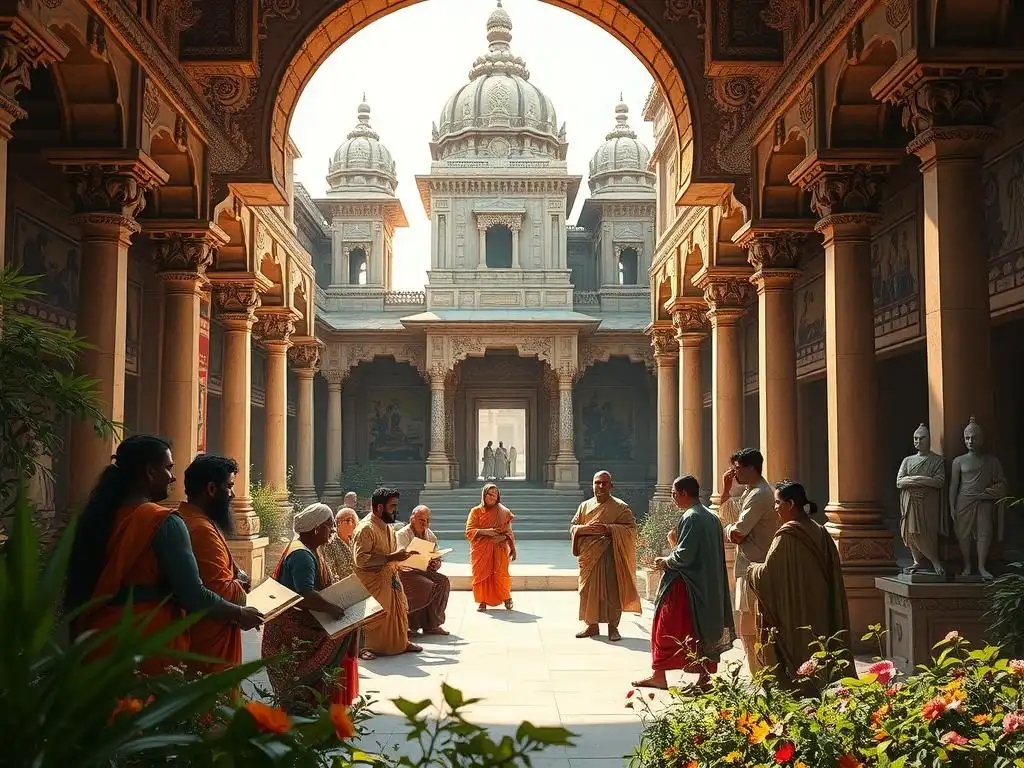
Welcome to Ancient India History, where we embark on a captivating journey through time to unveil the remarkable tapestry of ancient Indian civilizations. In this exploration, we delve into the pivotal role of ancient Indian universities in shaping the realms of art and literature. Have you ever wondered how these institutions influenced creative expression and intellectual thought in their era?
Join us as we uncover the fascinating connections between education and the flourishing of culture, revealing insights that will deepen your appreciation for the rich heritage of ancient India. Dive in and discover the legacies that continue to inspire us today!
- Introduction to Ancient Indian Universities and Their Influence on Art and Literature
- The Historical Context of Ancient Indian Universities
- The Role of Ancient Indian Universities in Promoting Art
- The Role of Ancient Indian Universities in Promoting Literature
- Interconnection Between Art and Literature in Ancient Indian Universities
- Legacy of Ancient Indian Universities in Contemporary Art and Literature
- Conclusion: The Enduring Impact of Ancient Indian Universities on Art and Literature
-
Frequently Asked Questions
- What were the primary ancient Indian universities known for?
- How did ancient Indian universities influence art and literature?
- Who were some notable figures associated with ancient Indian universities?
- What was the role of patronage in ancient Indian universities?
- How did the decline of ancient Indian universities affect art and literature?
- Final Reflection: The Enduring Legacy of Ancient Indian Universities in Art and Literature
- Ignite Your Passion for Ancient Art and Literature!
Introduction to Ancient Indian Universities and Their Influence on Art and Literature
The legacy of ancient Indian universities is not only a testament to the region's intellectual prowess but also a crucial element in the promotion and preservation of art and literature. Institutions such as Nalanda and Takshashila served as vibrant centers of learning, where scholars, artists, and thinkers converged to exchange ideas and cultivate their crafts.
The role these universities played in nurturing artistic expression and literary development cannot be overstated; they were instrumental in shaping the cultural landscape of ancient India and influencing the broader world. This article explores the contributions of ancient Indian universities to art and literature, examining their significance in the context of education and cultural evolution.
Overview of Ancient Indian Universities
Ancient Indian universities, most notably Nalanda and Takshashila, emerged as pioneering institutions of higher learning around the 5th century BCE. These universities were characterized by their diverse curricula, which encompassed a wide range of subjects including philosophy, mathematics, astronomy, medicine, and, crucially, the arts and literature.
- Nalanda University: Founded in the 5th century CE, Nalanda became one of the most renowned universities in the world, attracting scholars from as far as China, Korea, Japan, and Tibet. The university boasted an impressive library, known as Dharmaganja, which housed thousands of manuscripts, making it a hub for literary and artistic endeavors.
- Takshashila University: Established even earlier, around the 6th century BCE, Takshashila offered courses in various subjects, including poetry, drama, and other forms of artistic expression. It was here that the foundations of classical Indian arts and literature were laid.
These institutions not only emphasized theoretical learning but also encouraged practical applications of knowledge, fostering a rich environment where art and literature flourished.
Importance of Education in Ancient India
Education in ancient India was deeply intertwined with the cultural and spiritual fabric of society. It was considered a lifelong pursuit and was vital for personal development and societal progress.
- Cultural Transmission: Ancient universities facilitated the transmission of knowledge across generations, ensuring that artistic traditions and literary works were preserved and enriched over time. Texts such as the Vedas, Upanishads, and epics like Mahabharata and Ramayana were studied and interpreted within these academic settings.
- Artistic Innovation: The collaborative environment of ancient universities spurred artistic innovation. Students and teachers engaged in discussions that inspired new forms of artistic expression, including sculpture, painting, and classical dance. The creative output from these universities had a lasting impact on Indian culture and beyond.
The ancient Indian universities were not merely educational institutions; they were vibrant centers of cultural exchange that played a pivotal role in the evolution of art and literature. Their influence continues to resonate in contemporary society, underscoring the enduring legacy of ancient Indian education.
The Historical Context of Ancient Indian Universities
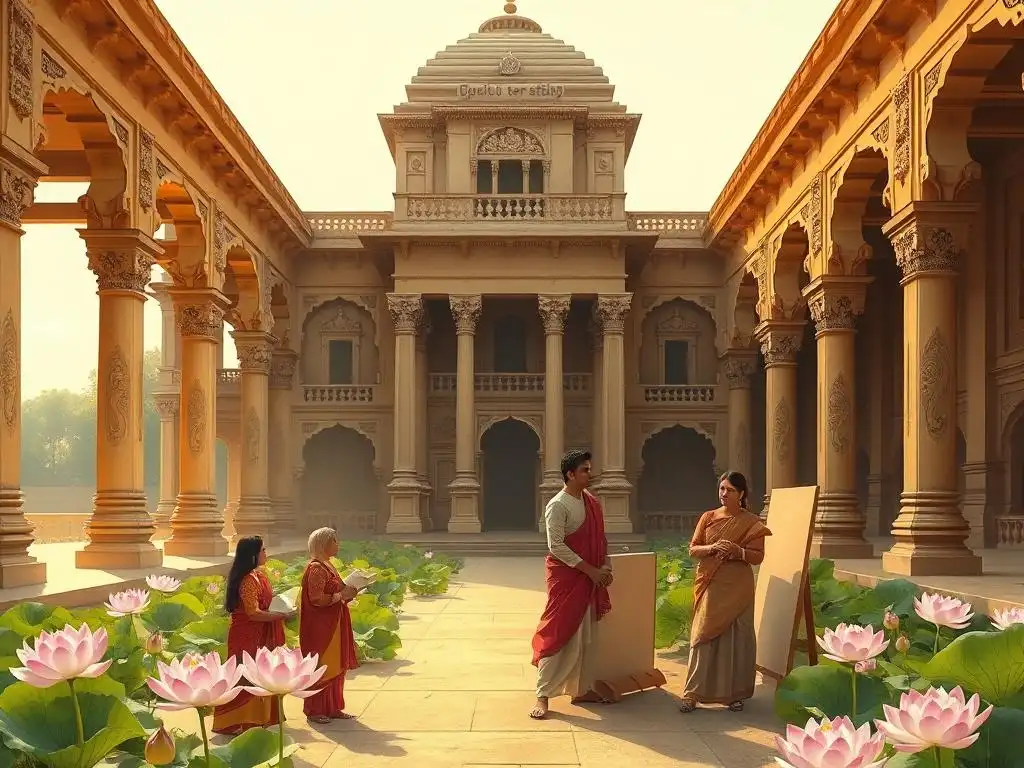
The establishment of ancient Indian universities marked a significant chapter in the educational landscape of the subcontinent. These institutions emerged during a period when intellectual pursuits were highly valued, and the pursuit of knowledge was seen as a noble endeavor. The roots of these universities can be traced back to the Vedic period, where informal centers of learning flourished, eventually evolving into more structured educational entities.
The Emergence of Educational Institutions in Ancient India
The emergence of formal educational institutions in ancient India can be linked to several socio-cultural and religious factors.
- Religious Influence: The spread of Buddhism and Jainism played a pivotal role in the establishment of universities. Monastic schools became centers for learning, where teachings of philosophy, art, and literature were disseminated.
- Cultural Renaissance: The period around the 5th century BCE to the 12th century CE is often referred to as a cultural renaissance, characterized by a flourishing of art, literature, and philosophy. This era saw the rise of educational institutions that aimed to cultivate and preserve this cultural heritage.
- Royal Patronage: Kings and wealthy patrons sponsored the establishment of universities, recognizing their importance in producing scholars, poets, and artists who would contribute to the cultural and intellectual wealth of the empire.
These factors converged to create a vibrant atmosphere for learning, making ancient Indian universities not just centers of education, but also hubs for the promotion of art and literature.
Key Universities: Nalanda, Takshashila, and Vikramshila
Among the most notable ancient Indian universities, Nalanda, Takshashila, and Vikramshila stand out for their contributions to art and literature.
- Nalanda University:
- Established in the 5th century CE, Nalanda became a beacon of learning and attracted students from across Asia.
- It was renowned for its comprehensive curriculum that included subjects like grammar, philosophy, and logic, alongside arts and literature.
- The university produced eminent scholars such as Xuanzang and Dharmakirti, who significantly contributed to the philosophical and literary canon.
- Takshashila (Taxila):
- Dating back to around the 6th century BCE, Takshashila was one of the earliest known universities in the world.
- The university offered a wide range of subjects, including the arts, sciences, and military strategy, attracting students from far and wide.
- Takshashila was instrumental in creating a cultural exchange, fostering literature that blended various influences.
- Vikramshila University:
- Founded in the 8th century CE by King Dharmapala, Vikramshila was a significant center for Buddhist studies.
- This university emphasized the study of arts alongside religious texts, making substantial contributions to the literary and artistic heritage of ancient India.
- Scholars from Vikramshila produced critical texts that laid the foundation for future generations of artists and writers.
These universities not only advanced the education of their time but also served as catalysts for the flourishing of art and literature, influencing generations of thinkers and creators in ancient India and beyond. Their legacies continue to inspire contemporary education systems and cultural practices.
The Role of Ancient Indian Universities in Promoting Art
Introduction to Artistic Endeavors in Ancient India
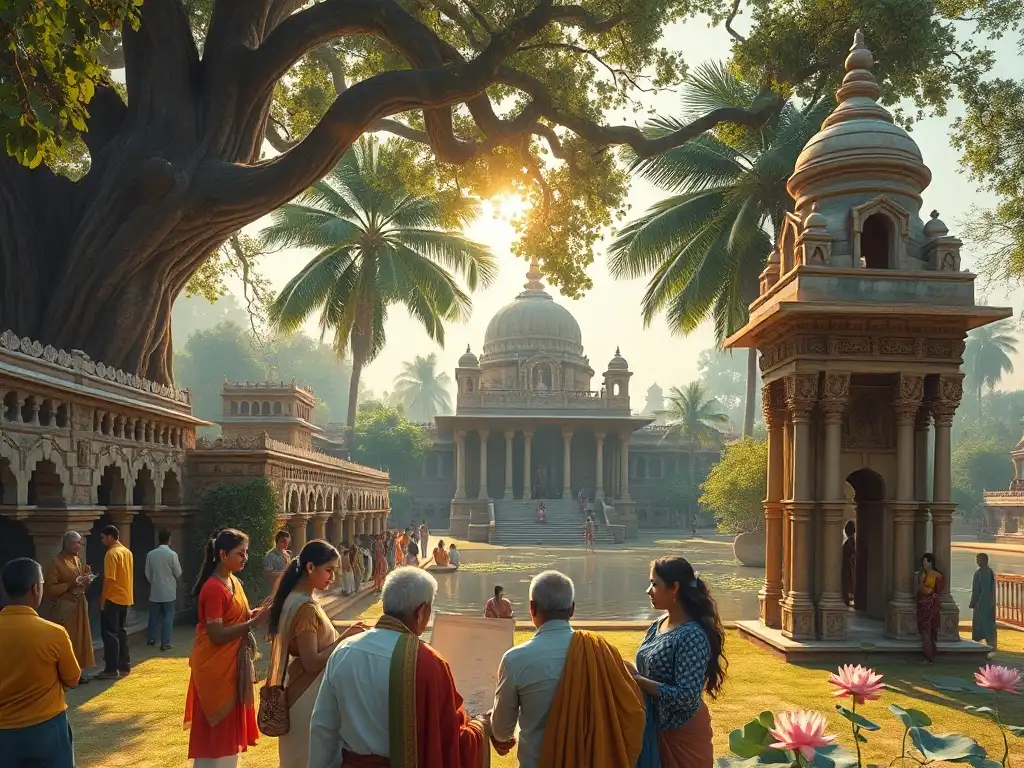
Ancient India was a cradle of artistic innovation, where diverse forms of art flourished due to the confluence of culture, religion, and philosophy. Art was not merely a form of expression but also a significant aspect of daily life, imbued with spiritual and symbolic meanings. Ancient Indian universities, particularly renowned institutions like Nalanda and Takshashila, played a pivotal role in nurturing and promoting these artistic pursuits. These centers of learning attracted scholars, artists, and thinkers, fostering an environment ripe for creativity and intellectual exchange.
The study of art in ancient India encompassed various disciplines including literature, music, dance, and visual arts. The educational frameworks established in universities were instrumental in preserving and advancing these art forms. As students immersed themselves in subjects ranging from philosophy to aesthetics, they also contributed to the cultural tapestry that defined Indian civilization.
Contribution of Universities to Visual Arts
The ancient Indian universities significantly influenced various aspects of visual arts, including sculpture, architecture, and painting. They served as hubs for artistic training and innovation, promoting a culture where art was revered and meticulously studied.
Sculpture and Architecture
Sculpture in ancient India reached remarkable heights, with universities offering specialized training in techniques and aesthetics. In the context of universities, students learned the principles of proportion, symbolism, and iconography, which were essential for creating intricate sculptures. Notable examples of sculptural excellence include the Buddhist stupas and temples, where stone carvings depicted narratives from religious texts, showcasing the symbiotic relationship between art and spirituality.
Architectural marvels, such as the Ajanta and Ellora caves, reflect the application of advanced techniques taught in ancient universities. These structures, adorned with exquisite sculptures, demonstrate how education in architecture was crucial for the realization of monumental works. Students engaged in the study of geometry, materials, and structural integrity, leading to innovations that would influence architectural practices for centuries.
Painting and Manuscript Illustration
Painting and manuscript illustration also thrived in ancient Indian universities, where art was often linked to literature and religious texts. Universities provided a platform for artists to collaborate with poets and scholars, leading to the creation of richly illustrated manuscripts that combined visual and literary art forms.
The Miniature paintings that emerged during this period exemplify the fusion of artistic styles and themes. These artworks often depicted court scenes, mythological narratives, and everyday life, showcasing the diverse cultural influences present in ancient India. Students trained in color theory, composition, and storytelling techniques, resulting in vibrant paintings that conveyed complex ideas and emotions.
In addition, the preservation of literary works through illustrations was vital in ancient universities. Manuscript illustration not only enhanced the aesthetic appeal of texts but also aided in the dissemination of knowledge. The beautifully illustrated Buddhist texts and Sanskrit scriptures stand as testaments to the commitment of ancient Indian universities in promoting both art and literature, ensuring that these cultural treasures could be appreciated by future generations.
Ancient Indian universities played an integral role in promoting art and literature, providing a fertile ground for creativity and scholarship. Through their contributions to visual arts, these institutions not only nurtured the artistic talents of their students but also enriched the cultural heritage of ancient India, leaving a lasting legacy that continues to inspire today.
Influence of Ancient Indian Universities on Performing Arts
Ancient Indian universities, particularly Nalanda and Takshashila, played a pivotal role in shaping the performing arts, serving as vibrant centers of learning that attracted scholars, artists, and practitioners from diverse regions. These institutions provided a conducive environment for the exchange of ideas and knowledge, fostering creativity and innovation in various artistic domains. The universities offered structured programs that integrated theoretical knowledge with practical training, ensuring that the art forms were preserved and evolved over time.
The patronage from royal families and affluent merchants further enhanced the cultural milieu surrounding these universities, allowing them to become hubs for artistic experimentation. The synthesis of different regional styles and influences led to the flourishing of performing arts, which were not only a means of entertainment but also served as vehicles for spiritual expression and social commentary.
Dance and Theatre Traditions
Dance and theatre in ancient India were deeply intertwined with religious and cultural practices, and ancient universities played a crucial role in their development. Institutions like Nalanda offered specialized training in various dance forms such as Bharatanatyam, Kathak, and Odissi, which were often performed during temple rituals and festivals. The universities provided a platform for aspiring dancers to learn from accomplished gurus, ensuring the transmission of techniques, storytelling methods, and cultural significance.
Theatrical performances, known as Natya, were integral to the curriculum in these universities. The ancient text "Natya Shastra" by Bharata Muni, a comprehensive treatise on performing arts, was studied extensively. It outlined the principles of drama, stagecraft, and the emotional expressions (Rasa) essential for captivating audiences. Students engaged in practical performances that brought together poetry, music, and dance, thereby enriching the cultural tapestry of their time. This blend of disciplines not only entertained but also imparted moral and philosophical lessons, keeping the rich traditions of Indian storytelling alive.
Music Education and Development
Music education in ancient Indian universities was highly sophisticated, focusing on both the theoretical and practical aspects of music. The study of ragas and talas formed the foundation of musical training, with students exploring the emotional and spiritual dimensions of music through rigorous practice and performance. Institutions like Nalanda and Takshashila attracted musicians and scholars who contributed to the evolution of Hindustani and Carnatic music.
Courses often included the study of ancient texts such as "Sama Veda" and "Natya Shastra," which provided insights into musical composition, rhythm, and melody. Students were encouraged to experiment and innovate, leading to the development of new styles and genres within Indian classical music. Furthermore, the universities hosted various musical festivals and competitions, allowing students to showcase their talents and gain recognition.
The emphasis on music education extended beyond mere performance; it was seen as a means of personal and spiritual development, with students often using music as a tool for meditation and philosophical exploration. This holistic approach ensured that music not only flourished as an art form but also maintained its significance in religious and cultural practices throughout ancient India.
The Role of Ancient Indian Universities in Promoting Literature
Development of Classical Literature in Ancient India
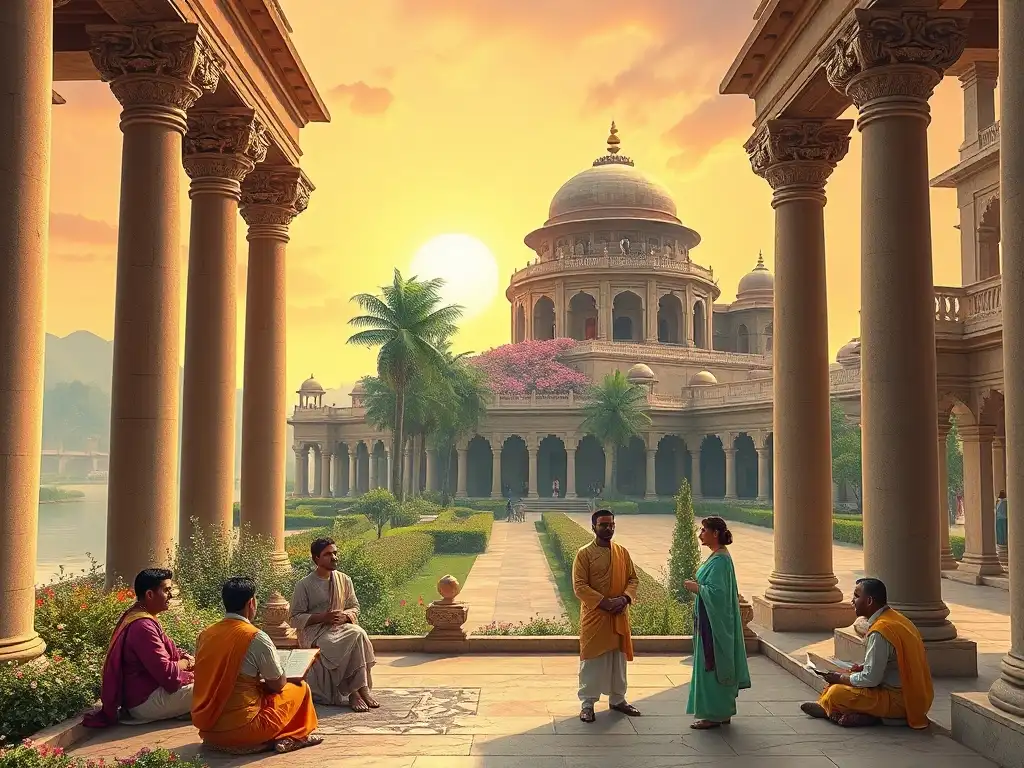
The development of classical literature in ancient India can be traced back to the Vedic period, where sacred texts were composed in Sanskrit. The evolution from Vedic hymns to classical literature was significantly influenced by the establishment of ancient Indian universities such as Nalanda and Takshashila. These institutions served as hubs where scholars gathered to study, discuss, and refine literary forms.
Key Contributions:
- Sanskrit Language: The universities played a crucial role in standardizing and promoting Sanskrit, which became the primary medium for literary expression.
- Genres: Various literary genres emerged, including poetry, drama, and prose, facilitated by the scholarly environment of these institutions.
The flourishing of classical literature in ancient India can be closely associated with the patronage of kings and the support of the universities, which fostered a vibrant literary culture.
Contribution of Universities to Literary Works
Ancient Indian universities significantly contributed to the creation and preservation of literary works that reflect the intricate tapestry of Indian culture, philosophy, and spirituality. They served not only as educational institutions but also as cultural repositories that nurtured creativity and critical thought.
Epic Poetry and Prose
Epic poetry is one of the most notable contributions of ancient Indian literature. Universities like Nalanda became centers for composing and studying epic texts such as the Mahabharata and the Ramayana.
- Epic Narrative: These epics are characterized by their grand narratives, complex characters, and moral dilemmas.
- Cultural Values: They encapsulate essential cultural values and provide insights into the societal norms of the time.
In addition to poetry, prose literature also thrived. Scholars produced extensive commentaries on various subjects, including philosophy, ethics, and politics, further enriching the literary landscape.
Contributions to Sanskrit Literature
Sanskrit literature flourished in ancient Indian universities, leading to the creation of a diverse range of texts.
- Dramatic Works: Renowned playwrights, such as Kalidasa, emerged from these institutions, contributing significantly to the field of drama with works like Shakuntala and Vikramorvasiyam.
- Philosophical Texts: The universities were instrumental in the development of philosophical texts, where scholars engaged in dialogues and debates, leading to significant works in Nyaya, Mimamsa, and Vedanta traditions.
The preservation and innovation in Sanskrit literature were largely due to the intellectual environment fostered by ancient Indian universities, which encouraged the blending of artistic expression with scholarly inquiry.
Through their profound impact on literature, ancient Indian universities not only shaped the literary heritage of India but also contributed to a broader understanding of art and culture in the ancient world. The legacy of their contributions continues to resonate in contemporary literary studies.
Impact on Regional Languages and Dialects
Ancient Indian universities played a crucial role in the development and preservation of regional languages and dialects. The intellectual atmosphere fostered by these institutions encouraged scholars to engage with their local languages, facilitating a rich tapestry of literature that reflected the diversity of India's cultural landscape.
The emphasis on vernacular education allowed for the creation of literary works that were accessible to a broader audience, transcending the limitations of Sanskrit, which was predominantly used by the elite. This shift not only preserved various regional dialects but also enriched them by incorporating elements from other languages and cultures encountered by scholars. The universities became centers for linguistic studies, where students and teachers alike explored the nuances of dialects such as Tamil, Telugu, Bengali, and Kannada, leading to a flourishing of literature in these languages.
Moreover, the interaction among students from different regions contributed to the blending and borrowing of linguistic features, which further diversified the literary output. This environment fostered creativity, allowing regional languages to evolve and adapt, ensuring that they remained relevant and vibrant throughout the centuries.
Promotion of Vernacular Literature
The promotion of vernacular literature was one of the hallmark achievements of ancient Indian universities. Recognizing the importance of making literature accessible to the common people, these institutions encouraged the writing and dissemination of texts in local languages. Scholars and poets were motivated to compose works that resonated with the experiences and cultural contexts of their communities, thereby fostering a sense of identity and belonging.
University curricula often included the study of regional texts alongside classical works, creating a balanced approach to literature that valued both tradition and innovation. Notable literary movements emerged during this period, which saw the rise of poets and playwrights who articulated the philosophies, struggles, and aspirations of their societies through their vernacular works.
For instance, the Bhakti movement, which emphasized devotion to a personal god, was significantly bolstered by the works of poets writing in local languages. This movement not only enriched spiritual literature but also democratized access to literary expression, allowing people from various backgrounds to engage with philosophical and theological ideas.
Notable Literary Figures from Ancient Indian Universities
Several prominent literary figures emerged from the halls of ancient Indian universities, leaving an indelible mark on the landscape of art and literature. These scholars and poets not only contributed to their respective languages but also influenced the broader literary traditions of India.
- Kalidasa: Often hailed as one of the greatest Sanskrit poets and dramatists, Kalidasa's works, including "Shakuntala" and "Meghaduta," exemplify the beauty of classical literature. His ability to weave nature, emotion, and mythology into his narratives set a high standard for literary expression.
- Bhasa: A playwright from the early centuries of the Common Era, Bhasa is credited with several plays that are foundational to Indian theater. His works often explored themes of love, conflict, and morality, and remain influential in contemporary performances.
- Tulsidas: A key figure in the Bhakti movement, Tulsidas composed the epic poem "Ramcharitmanas" in Awadhi, which made the story of Lord Rama accessible to the masses. His contributions to vernacular literature were instrumental in shaping religious and cultural identity in North India.
- Bhartrihari: Known for his poetic prowess, Bhartrihari’s "Shatakatraya" (the three hundred verses) reflect profound philosophical insights and explore themes of love, morality, and the transient nature of life.
These literary figures, among many others, were products of the vibrant educational environment fostered by ancient Indian universities. Their works not only enriched the literary heritage of India but also served as a bridge connecting various cultural and linguistic groups, highlighting the integral role of education in the promotion of art and literature in ancient India.
Interconnection Between Art and Literature in Ancient Indian Universities
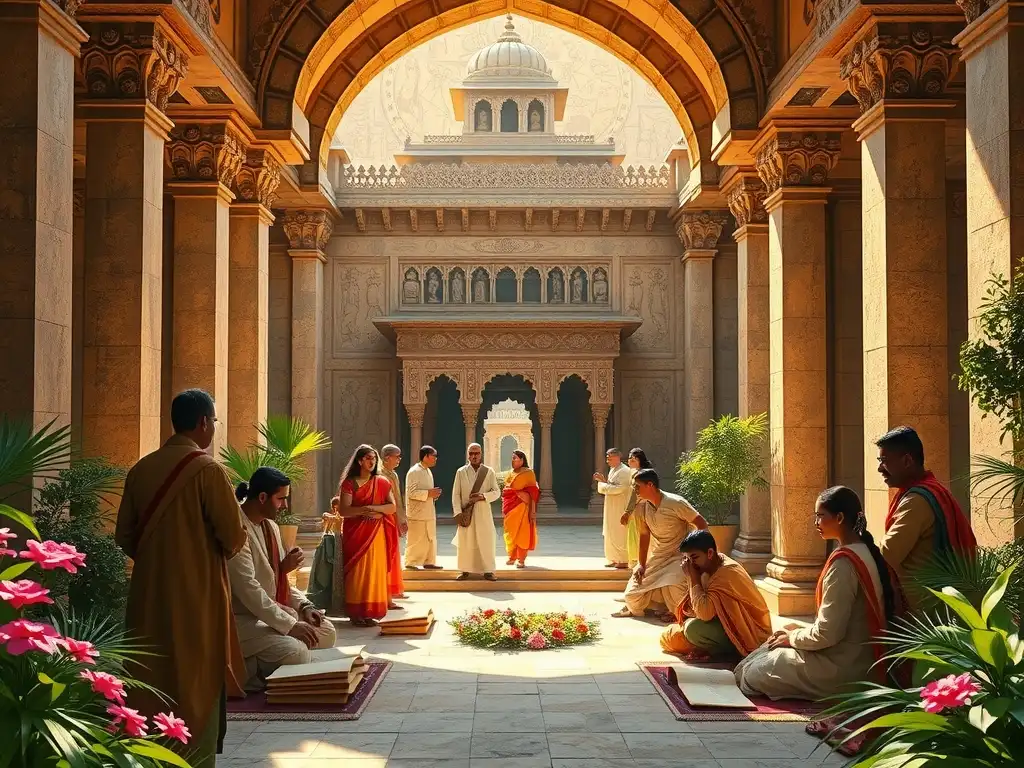
The vibrant tapestry of ancient Indian universities was woven with threads of art and literature, creating a rich interconnection that flourished during the classical period. These institutions were not merely centers of learning; they were cultural hubs where poetry, drama, sculpture, and painting coalesced, reflecting the diverse expressions of human creativity.
The synergy between art and literature is evident in the way ancient Indian scholars approached education. Universities like Nalanda and Takshashila emphasized a holistic curriculum that encouraged students to explore multiple disciplines. This interdisciplinary focus fostered an environment where artistic and literary pursuits were not seen as separate entities but as complementary forces that enriched the cultural landscape.
Collaborative Efforts Between Artists and Writers
In ancient Indian universities, artists and writers often collaborated to create works that transcended individual disciplines. This partnership was crucial in producing epic narratives, dramatic performances, and visual arts that resonated with audiences.
- Epic Poetry and Visual Arts: Many literary works, such as the Mahabharata and Ramayana, were not only written but also depicted through sculptures and paintings. Artists would create visual representations of key scenes from these epics, enhancing the narrative's reach and impact.
- Drama and Performance Art: The tradition of Natya Shastra, attributed to Bharata Muni, serves as a prime example of this collaboration. It combines elements of literature, dance, and music, leading to the development of various performance arts that highlighted literary themes.
- Workshops and Symposia: Ancient universities often hosted workshops where poets and artists could present their work, receive feedback, and collaborate on new projects. These gatherings facilitated a vibrant exchange of ideas and techniques that enriched both art forms.
The collaborative spirit among artists and writers in ancient Indian universities played a pivotal role in the evolution of cultural practices, leaving a lasting legacy that continues to inspire contemporary art and literature.
Influence of Literature on Artistic Expressions
The influence of literature on artistic expressions in ancient India is profound and multifaceted. Literary themes inspired a wide array of artistic creations, shaping the aesthetic vision of the time.
- Symbolism and Themes: Many artworks were imbued with themes derived from literature, such as love, heroism, and spirituality. For instance, the intricate carvings found in temples often depict scenes from famous literary texts, serving to convey moral and ethical lessons.
- Narrative Art: The art of storytelling was not confined to written texts. Artists would illustrate stories through murals and frescoes, allowing viewers to engage with the narrative visually. This interactive aspect of art helped to disseminate literary themes to a broader audience.
- Cultural Preservation: Literature also played a crucial role in preserving cultural identities. By documenting historical events and societal values, literary works inspired artists to capture these narratives through various art forms, ensuring that the heritage of ancient Indian civilizations endured through generations.
Ancient Indian universities served as fertile grounds for the interplay between art and literature. The collaborative efforts between artists and writers, alongside the profound influence of literature on artistic expressions, contributed to a rich cultural legacy that continues to be celebrated in contemporary society.
Legacy of Ancient Indian Universities in Contemporary Art and Literature
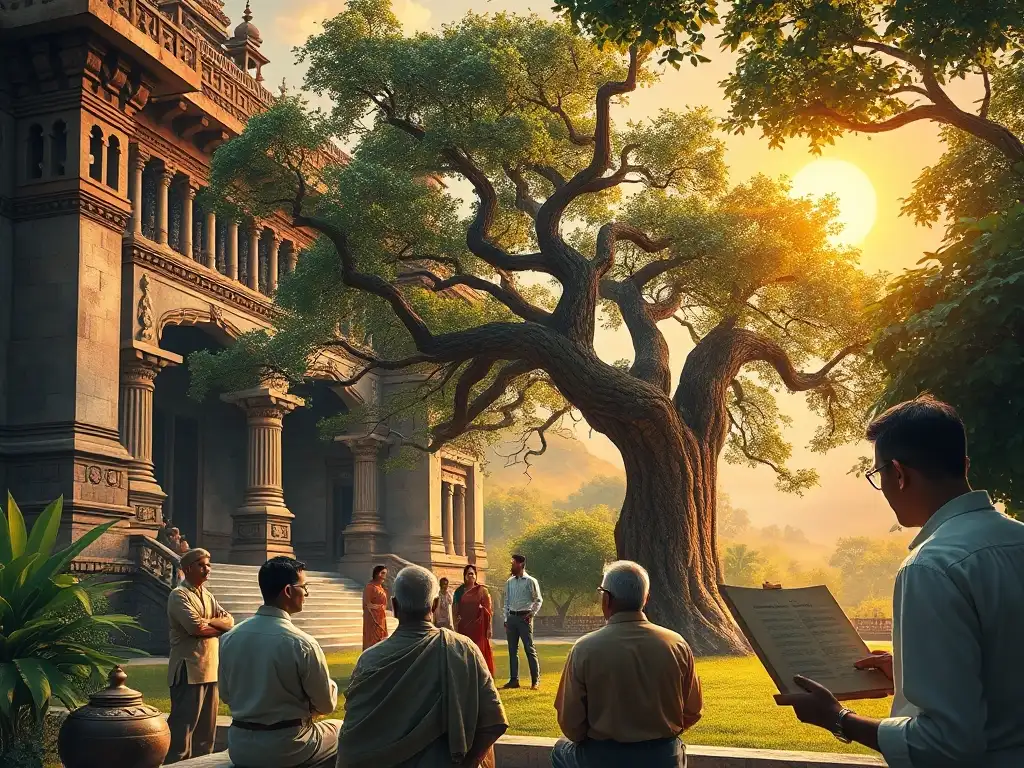
The legacy of ancient Indian universities, such as Nalanda and Taxila, has profoundly influenced contemporary art and literature in India. These institutions fostered an environment of intellectual growth, where art and literary pursuits were not only encouraged but also celebrated. The teachings and practices developed in these universities have transcended time, leaving a lasting imprint on modern cultural expressions.
Continuing Influence on Modern Indian Art Forms
Ancient Indian universities served as melting pots of diverse artistic styles and philosophies. The curriculum often included a blend of visual arts, music, dance, and performance, which nurtured many artists who would go on to shape Indian art. For instance, the Gandhara school of art, which emerged in the region around Taxila, exemplified a fusion of Indian and Greco-Roman artistic traditions. This blending is evident in the intricate sculptures of Buddha, which continue to inspire contemporary artists.
- Key Features of Influence:
- Integration of Styles: The amalgamation of various art forms led to the creation of distinctive regional styles that are still prevalent today.
- Spiritual Themes: Many modern artists draw upon spiritual and philosophical themes rooted in ancient texts, reflecting the ongoing reverence for the teachings from universities like Nalanda.
- Revivalist Movements: The revival of ancient art forms, such as Madhubani painting and Warli art, is rooted in the pedagogical methods of ancient universities, emphasizing traditional techniques and themes.
In contemporary India, the influence of ancient universities is visible in art festivals and exhibitions that celebrate traditional art forms while also encouraging innovation. Artists often cite the teachings of ancient scholars as foundational to their work, ensuring that the rich heritage of Indian art continues to thrive.
Revival of Ancient Literary Traditions
The literary contributions of ancient Indian universities have paved the way for a revival of classical literature and forms in modern times. The vast corpus of texts produced in these institutions, including poetry, drama, and philosophical treatises, continues to serve as a source of inspiration for writers and scholars.
- Influential Texts: Works such as Kalidasa's "Shakuntala" and the Mahabharata remain central to Indian literature, influencing countless adaptations and reinterpretations.
- Reinterpretation of Classical Themes: Contemporary writers often revisit ancient narratives, infusing them with modern sensibilities while retaining their original essence. For example, authors like Devdutt Pattanaik have made ancient myths accessible to contemporary audiences through retellings that resonate with today's societal issues.
- Literary Festivals and Academia: The growing popularity of literary festivals in India showcases the revival of interest in ancient literary traditions. These events often feature discussions, workshops, and performances that engage with the rich tapestry of Indian literary history.
The revival of ancient literary traditions is not only about preserving the past but also about reimagining it for future generations. By intertwining ancient wisdom with contemporary contexts, modern writers and scholars honor the contributions of ancient Indian universities and their lasting impact on art and literature.
The legacy of ancient Indian universities continues to shape the landscape of modern art and literature, nurturing a vibrant cultural heritage that remains relevant today. The influence of these esteemed institutions is palpable in both the visual arts and literary expressions, ensuring that the rich traditions of ancient India endure and evolve in contemporary society.
Conclusion: The Enduring Impact of Ancient Indian Universities on Art and Literature
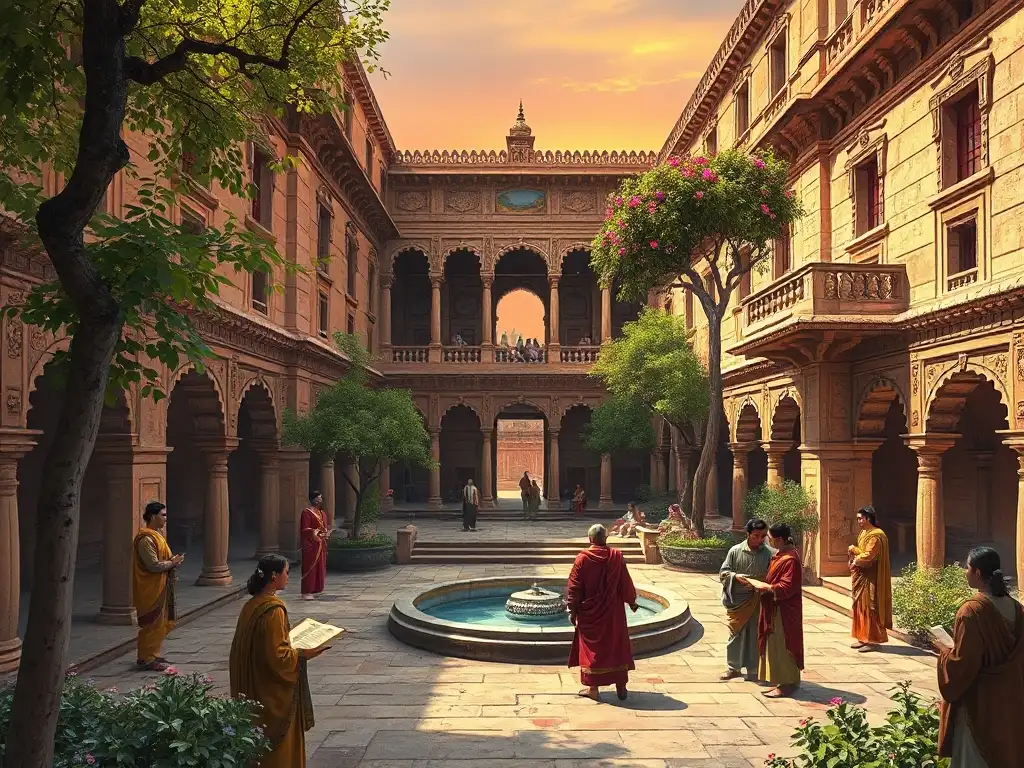
Summary of Key Contributions
Ancient Indian universities, particularly renowned institutions like Nalanda and Takshashila, played a pivotal role in fostering a rich environment for art and literature. These centers of learning were not merely academic institutions; they were vibrant cultural hubs where diverse forms of expression flourished.
- Promotion of Literary Works:
- Sanskrit Literature: Universities were instrumental in the development and preservation of Sanskrit literature. Texts such as the Mahabharata and Ramayana were studied and interpreted extensively, leading to a rich tradition of storytelling.
- Poetry and Drama: The study of poetry, particularly works by Kalidasa and Bhasa, was central to university curricula. The performance of plays and dramas encouraged creative expression and theatrical arts.
- Artistic Endeavors:
- Visual Arts: Ancient Indian universities facilitated the study of various art forms, including sculpture and painting. This led to the production of exquisite art pieces, many of which adorned temples and public spaces.
- Architecture: The architectural styles developed during this period, influenced by teachings from these universities, contributed significantly to the visual landscape of ancient India, as seen in monuments like the Ajanta and Ellora caves.
- Cultural Exchange:
- International Students: Institutions like Nalanda attracted scholars from various regions, including China and Tibet. This cultural exchange enriched the arts and literature, leading to a synthesis of ideas and artistic styles across borders.
Reflection on the Importance of Preserving Ancient Knowledge
The contributions of ancient Indian universities to art and literature are not just artifacts of the past; they are essential to understanding the cultural foundations of modern India. Preserving this ancient knowledge is crucial for several reasons:
- Cultural Identity: The arts and literature from ancient times form a core part of India's cultural identity. Understanding these contributions helps in appreciating the shared heritage that shapes contemporary society.
- Inspiration for Future Generations: The works produced in ancient times continue to inspire modern artists and writers. By studying these texts and art forms, new generations can draw inspiration for their own creative endeavors.
- Academic Research: There is a growing interest in the academic study of ancient Indian literature and art. Scholars can benefit from the preservation of these works, leading to new interpretations and discoveries that can enrich our understanding of history.
The ancient Indian universities not only advanced education but also significantly contributed to the realms of art and literature. Their legacies continue to resonate today, highlighting the importance of preserving this rich heritage for future generations to explore and appreciate.
Frequently Asked Questions
What were the primary ancient Indian universities known for?
Ancient Indian universities like Nalanda and Takshashila were renowned for their contributions to art and literature, offering a rich curriculum that included various subjects and disciplines.
How did ancient Indian universities influence art and literature?
These universities served as cultural hubs, attracting scholars and artists, which facilitated the exchange of ideas and promoted the advancement of literary and artistic traditions in ancient India.
Who were some notable figures associated with ancient Indian universities?
Prominent scholars such as Aryabhata and Vātsyāyana emerged from these institutions, making significant contributions to mathematics, astronomy, and literature, which enriched the cultural landscape.
What was the role of patronage in ancient Indian universities?
Patronage from royalty and wealthy individuals was crucial in supporting these universities, enabling them to flourish as centers for art and literature through funding and resources.
How did the decline of ancient Indian universities affect art and literature?
The decline led to a reduction in scholarly activity and artistic patronage, which caused a significant impact on the development and preservation of artistic and literary traditions in subsequent centuries.
Final Reflection: The Enduring Legacy of Ancient Indian Universities in Art and Literature
The profound influence of ancient Indian universities on the realms of art and literature remains remarkably relevant today. As we navigate a world increasingly driven by technology and globalization, the timeless principles of creativity, critical thinking, and cultural appreciation fostered in these ancient institutions continue to resonate. The artistic and literary masterpieces that emerged from these centers of learning not only shaped Indian culture but also contributed significantly to the global tapestry of human expression.
The legacy of these universities is not merely historical; it actively shapes our cultural and social landscape. From the intricate sculptures of the Gupta period to the poetic verses of Kalidasa, the art and literature cultivated in these ancient institutions serve as a testament to the richness of human creativity. As we reflect on this heritage, we are reminded of the words of Rabindranath Tagore: The highest education is that which does not merely give us information but makes our life in harmony with all existence.
This harmony, rooted in the arts and literature, is a vital force that continues to inspire contemporary creators and thinkers.
As you ponder the lessons from the remarkable history of ancient Indian universities, consider how you can incorporate their values into your own life. Embrace creativity, seek knowledge, and appreciate the beauty of diverse expressions. Whether through engaging with literature, exploring artistic endeavors, or fostering a deeper understanding of cultural heritage, each of us has the power to contribute to this ongoing legacy. Let us carry forward the spirit of inquiry and creativity that these ancient institutions exemplified, ensuring that the arts and literature continue to thrive for generations to come.
Ignite Your Passion for Ancient Art and Literature!
Thank you for diving into the fascinating world of ancient Indian universities and their remarkable contributions to art and literature! We hope you found inspiration in the rich history we've explored together. Now, it’s time to take that inspiration and turn it into action.
- Join a local art or literature group to discuss and celebrate the legacies of ancient cultures— connect with fellow enthusiasts and share your insights!
- Visit a museum or library that features ancient Indian artifacts or texts— experience the art and literature firsthand and engage with the stories behind them.
- Create your own piece of art or write a short story inspired by ancient themes— let your creativity flow and contribute to the ongoing legacy of cultural storytelling!
Which ancient Indian poet or artist inspires you the most, and in what ways do you plan to incorporate their influence into your own creative work? We invite you to share your thoughts below!