
Ancient Indian Universities and Their Contributions to Medicine

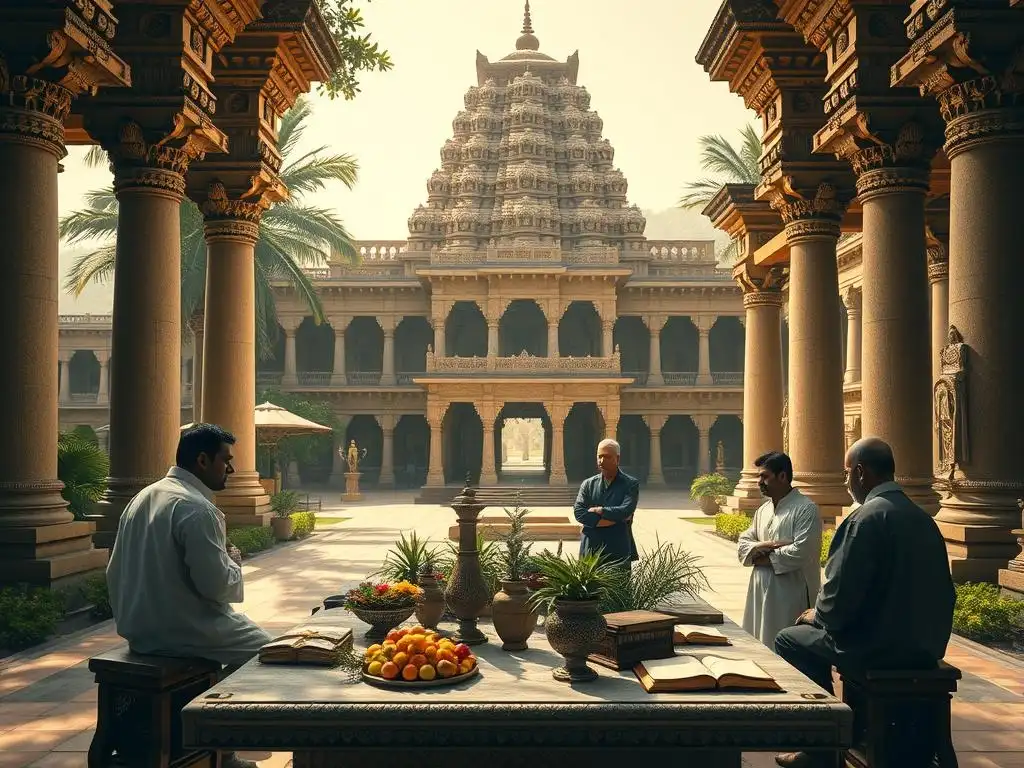
Welcome to Ancient India History, where we embark on a fascinating journey through the vibrant tapestry of ancient Indian civilizations. This week, we delve into the remarkable contributions of ancient Indian universities to the field of medicine. Discover how these centers of learning not only shaped the intellectual landscape of their time but also laid the groundwork for medical practices that resonate even today. Are you ready to uncover the secrets of ancient knowledge and its lasting impact on modern medicine? Dive in and explore the extraordinary legacy that continues to inspire scholars and practitioners alike!
- Introduction to Ancient Indian Universities and Medicine Contributions
- Historical Context of Ancient Indian Universities
- Contributions of Ancient Indian Universities to Medicine
- Notable Medical Practices and Innovations
- Impact of Ancient Indian Universities on Global Medicine
- Legacy of Ancient Indian Universities in Modern Medicine
- Conclusion: The Enduring Impact of Ancient Indian Universities on Medicine
-
Frequently Asked Questions
- What were the primary ancient Indian universities focused on medicine?
- How did ancient Indian universities impact the field of medicine?
- What contributions did ancient Indian universities make to Ayurvedic medicine?
- Who were some notable figures in ancient Indian medicine associated with these universities?
- How do the contributions of ancient Indian universities compare to modern medical education?
- Final Reflection: The Enduring Legacy of Ancient Indian Universities in Medicine
- Unlock the Secrets of Ancient Wisdom!
Introduction to Ancient Indian Universities and Medicine Contributions
The ancient Indian universities, renowned for their academic excellence, played a pivotal role in shaping the educational landscape of the subcontinent. Institutions like Nalanda and Takshashila were not merely centers of learning; they were vibrant hubs of knowledge, attracting scholars from across the globe. Among the myriad subjects studied, medicine held a prominent place, reflecting the civilization's profound understanding of health and wellness.
This article delves into the significant contributions of ancient Indian universities to the field of medicine, highlighting their innovative practices, influential texts, and lasting impact on both Indian and global medical traditions. By exploring the interplay between education and medicine in these ancient institutions, we can appreciate the legacy they left behind, emphasizing their relevance in today's world.
Overview of Ancient Indian Universities
Ancient Indian universities, particularly Nalanda and Takshashila, were established between the 5th century BCE and the 12th century CE, serving as beacons of knowledge for centuries. These institutions were characterized by:
- Diverse Curriculum: Subjects ranged from philosophy, astronomy, and mathematics to medicine, showcasing a holistic approach to education.
- International Students: Scholars from regions such as China, Korea, Japan, Tibet, and Southeast Asia traveled to these universities, fostering cross-cultural exchange.
- Renowned Scholars: Notable figures such as Aryabhata, Charaka, and Sushruta emerged from these institutions, contributing significantly to various fields, especially medicine.
The legacy of these universities is evident in their structured educational systems and the emphasis on empirical observation, which laid the groundwork for future advancements in various disciplines.
Importance of Medicine in Ancient Indian Education
Medicine was not merely an academic subject in ancient Indian universities; it was a vital aspect of life and culture. The significance of medicine in the educational framework can be understood through various perspectives:
- Integration of Knowledge: Medicine was taught alongside other disciplines, emphasizing the interconnectedness of science, philosophy, and ethics. This integration facilitated a comprehensive understanding of health.
- Innovative Practices: Ancient universities produced groundbreaking works, such as the Sushruta Samhita and Charaka Samhita, which laid the foundations for surgery and Ayurveda. These texts encompassed various treatments, surgical techniques, and herbal remedies, demonstrating advanced medical knowledge for their time.
- Holistic Healing Approaches: The emphasis on holistic health in ancient Indian medicine promoted preventive care, lifestyle management, and mental well-being, which are increasingly recognized in modern medicine.
- Cultural Significance: Medicine in ancient India was intertwined with spirituality and philosophy, influencing not only healthcare practices but also societal values and beliefs regarding health.
The contributions of ancient Indian universities to medicine are profound and far-reaching, echoing through centuries of medical practice and education. Understanding this rich history enhances our appreciation of the sophisticated medical systems that originated in ancient India and their continuing relevance today.
Historical Context of Ancient Indian Universities
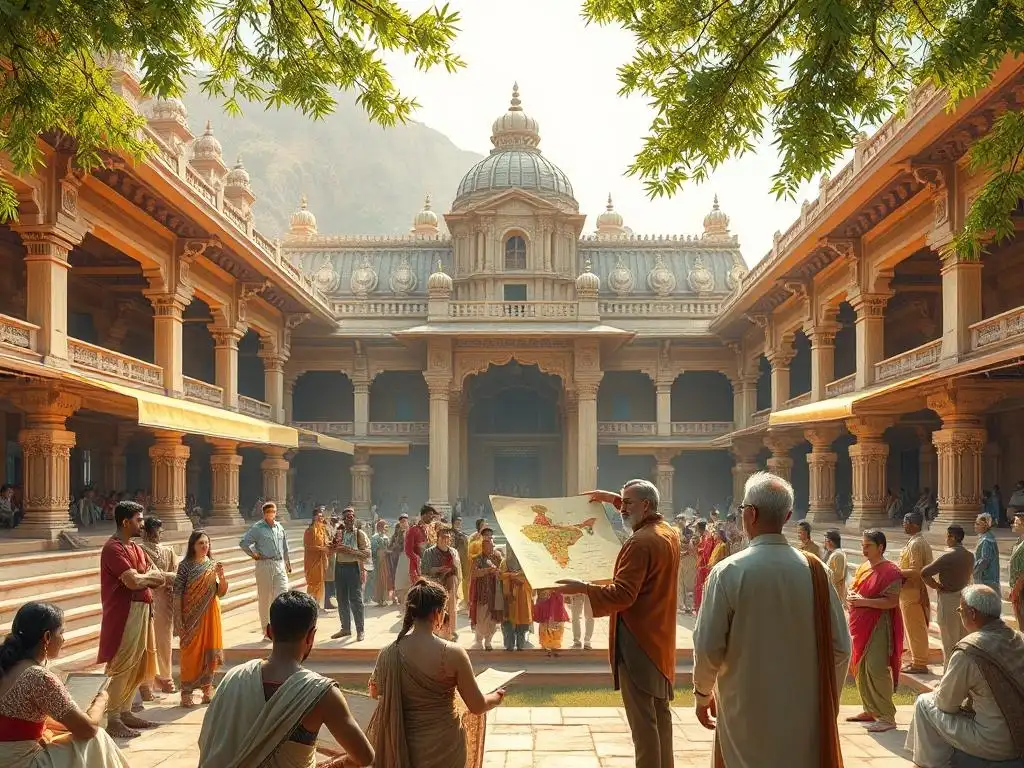
The emergence of ancient Indian universities marks a significant chapter in the history of education, reflecting a unique blend of knowledge, culture, and societal values. These institutions not only facilitated the pursuit of learning but also played a crucial role in the dissemination of medical knowledge and practices. The roots of higher education in India can be traced back to the Vedic period, where learning was primarily oral and revolved around religious and philosophical texts.
By the time of the Maurya and Gupta empires, the concept of universities evolved into structured institutions that attracted students from various parts of the world. This was a period characterized by advancements in various fields, including medicine, which was deeply intertwined with philosophy, spirituality, and practical knowledge. Ancient Indian universities became centers for the exchange of ideas and methodologies, significantly influencing the medical practices of their time.
The Rise of Universities in Ancient India
The advent of ancient Indian universities can be attributed to several factors, including the patronage of rulers, the quest for knowledge among the populace, and the synthesis of diverse cultural influences. The establishment of universities during this period resulted in the creation of a structured curriculum that encompassed a wide range of subjects, including medicine.
- Patronage and Support: Rulers like Ashoka and later Gupta emperors recognized the importance of education and actively supported the establishment of universities. They provided funding, resources, and protection, allowing scholars to thrive.
- Curriculum Development: The curriculum in these universities was comprehensive and included various disciplines. In medicine, the study of Ayurveda, surgery, and herbal medicine was prominent, reflecting the rich tradition of healing practices in ancient India.
- Cultural Exchange: Ancient Indian universities attracted students from regions such as Central Asia, Tibet, and Southeast Asia, fostering an environment of cultural exchange. This diversity contributed to the evolution of medical knowledge, as students brought different perspectives and practices to the institutions.
Major Ancient Indian Universities: A Brief Overview
Ancient Indian universities were not merely educational institutions but hubs of intellectual and cultural activities. Here’s a look at some of the most prominent universities and their contributions to medicine:
Nalanda University
Nalanda University, founded in the 5th century CE, is perhaps the most renowned ancient Indian university. It was a center of learning that attracted scholars from across Asia, including China, Korea, and Japan.
- Curriculum: The university offered comprehensive courses in various fields, including medicine, where students studied texts such as the Sushruta Samhita and Charaka Samhita, which focused on surgical techniques and the principles of Ayurveda.
- Contributions to Medicine: Nalanda scholars made significant contributions to the understanding of anatomy, surgical procedures, and medicinal plants. The blending of philosophical thought with practical medicine at Nalanda laid the foundation for advanced medical practices.
Takshashila University
Takshashila, or Taxila, is one of the oldest known universities in the world, dating back to the 6th century BCE. It served as a vital educational hub for several centuries.
- Diverse Curriculum: The university offered a diverse curriculum, which included subjects such as medicine, astronomy, and military science, reflecting the multifaceted nature of ancient Indian education.
- Medical Contributions: Takshashila is known for its early contributions to the field of surgery and the study of herbal medicine. Prominent scholars, such as Charaka, are believed to have studied and taught here, enhancing the medical knowledge that would influence generations to come.
Vikramshila University
Founded in the 8th century CE by the Pala king Dharmapala, Vikramshila was another significant center for learning in ancient India, specializing in various fields, including medicine.
- Focus on Practical Medicine: The curriculum at Vikramshila emphasized practical applications of medical knowledge, preparing students for real-world challenges in healthcare.
- Influential Texts: Scholars at Vikramshila contributed to the advancements in Ayurvedic texts and practices, further refining surgical techniques and medicinal formulations that were rooted in ancient Indian traditions.
The contributions of ancient Indian universities to medicine are a testament to the rich intellectual heritage of the time. By integrating practical knowledge with philosophical inquiry, these institutions laid the groundwork for future advancements in medical science, influencing both contemporary practices and future generations of scholars.
Contributions of Ancient Indian Universities to Medicine
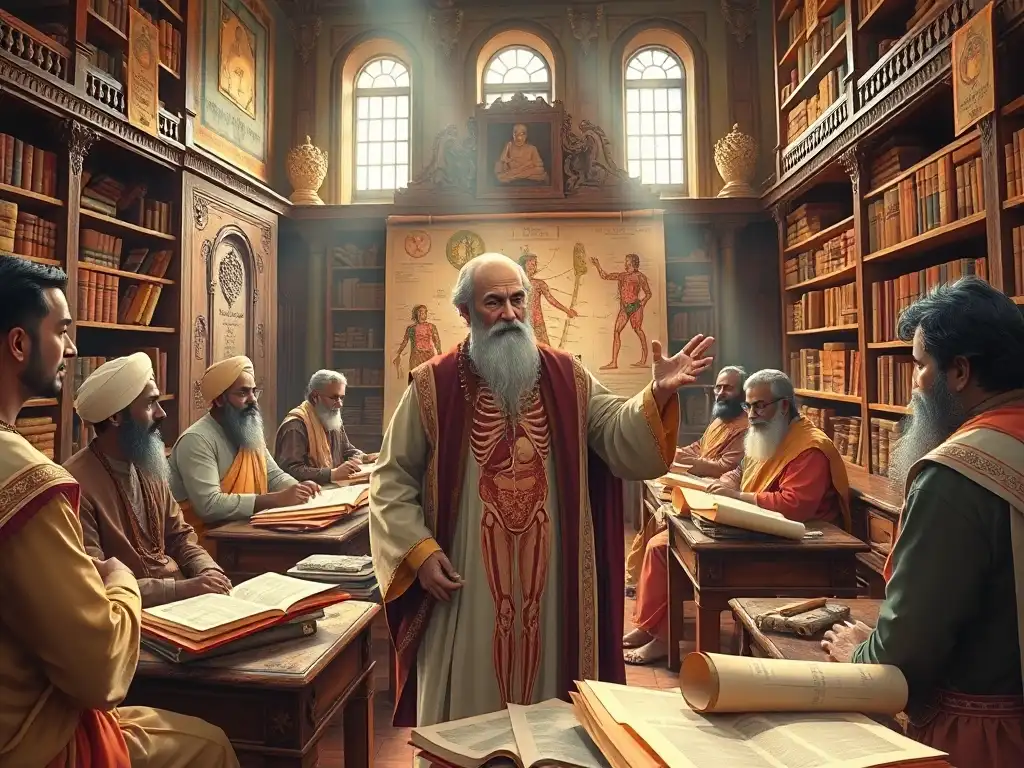
Ancient Indian universities played a pivotal role in the development of medicine, significantly influencing medical practices not only in India but also across the globe. Institutions like Nalanda and Vikramashila were not merely educational establishments; they were vibrant centers of research and learning that contributed immensely to the field of medicine. The curricula included extensive studies in Ayurveda, surgery, and pharmacology, reflecting a sophisticated understanding of health and disease.
Development of Medical Education in Ancient India
The roots of medical education in ancient India can be traced back to the Vedic period, where the foundations of Ayurveda were laid. By the time of the great universities, this knowledge had evolved into structured educational programs.
- Ayurveda as a Discipline:
- Ayurveda, meaning "the science of life," formed the basis of medical education. It emphasized a holistic approach to health, integrating physical, mental, and spiritual well-being.
- Formal Training:
- Medical education was not only theoretical but also practical. Students engaged in the study of herbs, surgical techniques, and patient care under the guidance of experienced practitioners.
- Influence of Universities:
- Universities like Nalanda and Vikramashila attracted scholars from various regions, fostering an environment of intellectual exchange that enriched medical knowledge.
Ancient Indian universities established a systematic approach to medical education, which included the study of anatomy, pathology, and treatment methodologies. This laid the groundwork for future medical advancements.
Prominent Medical Texts and Scholars
The contributions of ancient Indian universities to medicine are encapsulated in the texts and works of renowned scholars. Two of the most significant texts are the Charaka Samhita and the Sushruta Samhita, which have been foundational in the field of Ayurveda.
Charaka Samhita
The Charaka Samhita, attributed to the sage Charaka, is one of the oldest and most comprehensive texts on Ayurveda.
- Content Overview:
- It covers a wide range of topics, including diagnosis, treatment, and the principles of preventive healthcare. The text emphasizes the importance of diet, lifestyle, and mental health in maintaining wellness.
- Innovative Concepts:
- Charaka introduced concepts like the dosha system, which categorizes individuals based on body types and their predispositions to certain diseases. This personalized approach to medicine is still relevant today.
- Legacy:
- The Charaka Samhita has had a lasting impact on Ayurvedic practices, serving as a reference for practitioners and scholars throughout the centuries.
Sushruta Samhita
The Sushruta Samhita, attributed to Sushruta, is another cornerstone of ancient medical literature, primarily focusing on surgery.
- Surgical Techniques:
- This text is remarkable for its detailed descriptions of surgical procedures, including rhinoplasty (reconstruction of the nose), cataract surgery, and the treatment of fractures. Sushruta’s methods are considered advanced for their time.
- Innovative Instruments:
- The Sushruta Samhita also discusses various surgical instruments, many of which were made from bronze and iron, showcasing the technological advancements of ancient Indian civilization.
- Educational Value:
- This text not only serves as a manual for practitioners but also highlights the educational practices of the time, illustrating how surgical knowledge was disseminated through rigorous training of students in ancient universities.
The contributions of ancient Indian universities to medicine, as exemplified by these texts and their authors, underscore the advanced state of medical knowledge in ancient India. The emphasis on a holistic understanding of health and the systematic approach to medical education established a legacy that continues to influence contemporary practices.
Integration of Medicine with Philosophy and Spirituality
Ancient Indian universities were not merely centers of academic learning; they were integral to the philosophical and spiritual fabric of society. The curriculum often blended medicine with various philosophical and spiritual teachings, creating a holistic approach to health and well-being. This integration can be seen prominently in the teachings of Ayurveda, the ancient Indian system of medicine, which emphasizes balance in the body, mind, and spirit.
Ayurveda: The Medical Philosophy
Ayurveda, rooted in ancient Indian texts such as the Vedas and Upanishads, is a prime example of this integration. It views health as a state of equilibrium among three doshas (vital energies) - Vata, Pitta, and Kapha. Ancient Indian universities, like Nalanda and Takshashila, played a pivotal role in disseminating this knowledge, where scholars explored not only the physical aspects of medicine but also the philosophical implications of health and disease.
- Philosophical Teachings: The teachings often included discussions on the nature of life, consciousness, and the universe. This philosophical underpinning provided a deeper understanding of the human condition, influencing medical practices and patient care.
Spiritual Practices in Healing
In addition to theoretical knowledge, spiritual practices were also woven into medical training. Traditional healing methods frequently involved rituals, meditation, and the chanting of mantras, believed to enhance the efficacy of treatments. This spiritual aspect not only aimed at treating physical ailments but also sought to heal emotional and psychological issues.
- Mind-Body Connection: The emphasis on mental well-being reflects the belief that a sound mind contributes to a healthy body. Universities taught that emotional balance was essential for effective healing, highlighting the interconnectedness of mental and physical health.
The Role of Teachers and Gurus
Teachers and gurus in ancient Indian universities were not just instructors; they were spiritual guides. They played an essential role in mentoring students, instilling not only medical knowledge but also ethical and moral values. This mentorship was crucial in shaping the practitioners of medicine, ensuring that they approached their profession with compassion and a sense of duty.
- Ethics in Medicine: The ethical dimension of medical practice was often discussed in conjunction with spiritual teachings, emphasizing the importance of serving humanity and alleviating suffering. This holistic education produced not only skilled physicians but also wise and compassionate healers.
Conclusion
The integration of medicine with philosophy and spirituality in ancient Indian universities established a unique framework that influenced the development of medical practices. By viewing health as a multidimensional concept that encompasses physical, mental, and spiritual well-being, these universities made significant contributions to the field of medicine that resonate even today. This holistic approach set ancient Indian medical systems apart from many contemporary practices, underscoring the profound legacy of ancient Indian universities in the realm of medicine.
Notable Medical Practices and Innovations

The ancient Indian universities, particularly those like Nalanda and Taxila, were not only centers of learning in philosophy, mathematics, and literature but also played a crucial role in advancing medical practices. These institutions were instrumental in the development of holistic healing systems that integrated physical, mental, and spiritual health. The contributions of ancient Indian universities to medicine can be categorized into several notable practices and innovations that have influenced healthcare systems globally.
Ayurvedic Practices and Their Significance
Ayurveda, often referred to as the "science of life," is one of the oldest medical systems in the world, originating in ancient India. It emphasizes a holistic approach to health, focusing on the balance of mind, body, and spirit. The teachings of Ayurveda were systematically documented in ancient texts, such as the Charaka Samhita and the Sushruta Samhita, which were pivotal in the curriculum of ancient Indian universities.
Key Concepts of Ayurveda:
- Tridosha Theory: Ayurveda is based on the concept of three doshas—Vata, Pitta, and Kapha—which represent different bodily functions. Each individual has a unique balance of these doshas, and maintaining this balance is crucial for good health.
- Panchakarma: This detoxification process involves five therapeutic measures aimed at cleansing the body of toxins, which is essential for restoring health and vitality.
- Diet and Nutrition: Ayurveda emphasizes the importance of diet tailored to an individual’s constitution, promoting the use of whole foods and spices which enhance digestion and overall health.
The significance of Ayurvedic practices extends beyond ancient times; it has influenced modern wellness trends and continues to be practiced globally, reaffirming its relevance in contemporary medicine.
Surgical Techniques and Instruments Used
Ancient Indian universities were also renowned for their contributions to surgery, particularly through the works of Sushruta, often called the "father of surgery." His extensive writings detailed various surgical techniques and instruments that laid the foundation for modern surgical practices. Sushruta’s methods were not only innovative but also remarkably advanced for their time.
Noteworthy Surgical Techniques:
- Rhinoplasty: Sushruta is credited with performing one of the earliest forms of plastic surgery, particularly reconstructive surgery of the nose, using a technique that involved grafting skin from the forehead.
- Cataract Surgery: Techniques for cataract extraction were developed, showcasing the advanced understanding of human anatomy and surgical procedures.
- Anesthesia: The use of natural substances like soma and other herbal concoctions to induce anesthesia during surgical procedures illustrates the depth of knowledge in ancient Indian medicine.
Instruments Developed:
- Scalpels: Sushruta designed various types of scalpels adapted for different surgical needs, showcasing the precision required in ancient surgical practices.
- Forceps and Hooks: Specialized instruments were created for specific procedures, indicating a sophisticated approach to surgery and patient care.
The surgical innovations from ancient Indian universities not only highlight the advanced medical knowledge of the time but also their lasting influence on the field of surgery today.
Herbal Medicine and Natural Remedies
The use of herbal medicine and natural remedies was another significant aspect of ancient Indian medical practices. Universities served as hubs for the study and cultivation of medicinal plants, contributing to a rich tradition of herbal healing.
Key Aspects of Herbal Medicine:
- Pharmacopoeia: Ancient texts cataloged a wide range of herbs and their medicinal properties, including plants like Tulsi (Holy Basil), Ashwagandha, and Turmeric, which were used for their healing properties.
- Preparation Methods: Various methods for preparing herbal medicines, such as decoctions, powders, and pastes, were developed to maximize the efficacy of the herbs.
- Holistic Treatment: Herbal remedies were often combined with dietary recommendations and lifestyle changes, reflecting the holistic approach of Ayurveda.
Significance of Herbal Medicine:
The understanding and application of herbal medicine in ancient India have had a profound impact on holistic health practices worldwide. Today, many modern pharmaceuticals are derived from the active compounds found in these ancient herbs, underscoring their historical significance and potential for contemporary medicine.
The contributions of ancient Indian universities to medicine are vast and multifaceted, encompassing practices that have shaped healthcare throughout history and continue to resonate in modern medical systems. The legacy of these universities, particularly in the fields of Ayurveda, surgery, and herbal medicine, remains a vital part of the narrative of ancient Indian civilization and its enduring influence on global health practices.
Impact of Ancient Indian Universities on Global Medicine
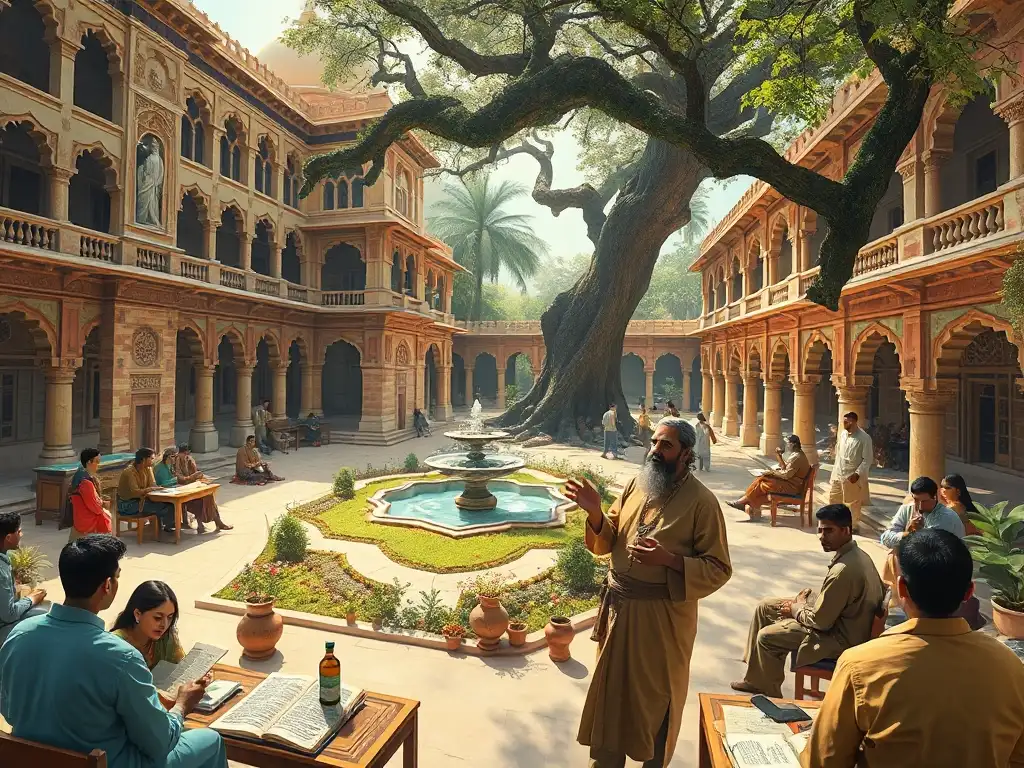
Influence on Neighboring Civilizations
Ancient Indian universities, particularly institutions like Nalanda and Taxila, played a pivotal role in shaping medical knowledge across Asia. These universities were not merely centers of learning; they were vibrant hubs where scholars from various regions convened to exchange ideas and knowledge. The presence of students and teachers from places such as Tibet, China, Mongolia, and Persia facilitated a rich cross-cultural dialogue that significantly influenced medical practices in these neighboring civilizations.
- Curriculum and Subjects Offered:
- The curriculum at these universities included subjects such as Ayurveda, surgery, and pharmacology.
- Prominent texts like the Sushruta Samhita and the Charaka Samhita were studied and taught, which later became foundational in various medical traditions throughout Asia.
- Notable Scholars:
- Figures such as Sushruta, known as the "father of surgery," and Charaka, a pioneer in Ayurveda, emerged from these institutions. Their works were translated and integrated into the medical systems of nearby cultures, particularly influencing Tibetan and Chinese medicine.
- Cultural Exchange:
- The establishment of these universities led to a significant cultural exchange. For instance, the Tibetan medical system incorporates many Ayurvedic principles, which can be traced back to the teachings from Indian universities.
- The exchange fostered a spirit of inquiry and experimentation in medicine, leading to advancements in surgical techniques and herbal medicine that were adopted and adapted by neighboring cultures.
Transmission of Medical Knowledge to the West
The influence of ancient Indian universities extended beyond Asia and into the realms of Western medicine. The transmission of medical knowledge from India to the West occurred through various routes, including trade, exploration, and the translation of texts.
- Trade Routes and Cultural Interactions:
- The Silk Road and other trade routes facilitated not only the exchange of goods but also ideas. Scholars traveling these routes brought back knowledge of Indian medical practices, which began to influence Greek and Roman medicine.
- The integration of Ayurvedic concepts into Greco-Roman medicine can be seen in the writings of influential figures such as Galen and Hippocrates, who may have been exposed to Indian texts and ideas.
- Translation of Texts:
- Important medical texts from ancient India were translated into Arabic and Latin during the medieval period, making this knowledge accessible to scholars in Europe.
- The Sushruta Samhita and Charaka Samhita, among others, were translated and studied, leading to the incorporation of Indian surgical techniques and herbal remedies into Western medical practices.
- Legacy of Ancient Knowledge:
- The medical contributions from ancient Indian universities laid the groundwork for various medical systems that developed in the West. Concepts such as holistic healing and the importance of natural remedies can be traced back to Ayurvedic principles.
- The enduring legacy is observed in modern medicine's renewed interest in alternative and complementary therapies, echoing the teachings of ancient Indian scholars.
The impact of ancient Indian universities on global medicine is profound and multifaceted. Through their influence on neighboring civilizations and the transmission of knowledge to the West, these institutions not only advanced medical understanding in their time but also laid the foundations for future medical practices across the globe. The contributions of ancient Indian universities to the field of medicine continue to resonate today, highlighting their significance in the historical narrative of health and healing.
Legacy of Ancient Indian Universities in Modern Medicine

Continuing Influence of Ayurveda and Traditional Practices
Ancient Indian universities, particularly those like Nalanda and Takshashila, played a pivotal role in shaping medical knowledge and practices that have continued to influence modern medicine. One of the most significant contributions from these institutions is Ayurveda, a holistic system of medicine that emphasizes balance within the body and harmony with nature.
Core Principles of Ayurveda
Ayurveda is built on several foundational principles, including:
- Tridosha Theory: The concept that three doshas—Vata, Pitta, and Kapha—govern physiological and psychological functions in the body.
- Panchamahabhuta: The idea that all matter is composed of five elements (earth, water, fire, air, and ether), which are essential for understanding health and disease.
- Prakriti: Each individual's unique constitution, which determines their health and susceptibility to various ailments.
The teachings of Ayurveda were systematically documented in ancient texts such as the Charaka Samhita and the Sushruta Samhita, which are still referenced in contemporary Ayurvedic practice. These texts not only describe herbal remedies and surgical techniques but also advocate for lifestyle modifications, dietary recommendations, and preventive care.
Recognition of Contributions in Contemporary Medical Education
The contributions of ancient Indian universities to medicine are increasingly acknowledged in modern educational settings. Many contemporary medical schools and universities across the globe are incorporating elements of traditional medicine into their curricula. This integration is a response to the growing recognition of the value of holistic and integrative approaches to health.
Examples of Integration
- Curricular Development: Institutions like the All India Institute of Medical Sciences (AIIMS) have begun to include courses on Ayurvedic medicine, aiming to provide students with a comprehensive understanding of both conventional and traditional medical practices.
- Research Initiatives: Collaborative research efforts are being undertaken to study the efficacy of Ayurvedic treatments, often leading to peer-reviewed publications that validate ancient practices through scientific methodologies.
- Global Conferences: Events focusing on integrative medicine are increasingly featuring discussions on Ayurvedic principles, showcasing how ancient wisdom can complement modern healthcare.
The acknowledgment of ancient Indian medical contributions is not only a matter of preserving history but also a recognition of the potential for these practices to enhance contemporary medical education and patient care. By bridging the gap between ancient knowledge and modern science, we can foster a more holistic approach to health that respects and utilizes the wisdom of our ancestors.
Conclusion: The Enduring Impact of Ancient Indian Universities on Medicine

The legacy of ancient Indian universities, particularly in the realm of medicine, has left a profound impact that continues to resonate in contemporary practices. Institutions like Nalanda and Takshashila were not merely centers of learning but were also vibrant ecosystems of knowledge that nurtured medical scholars and practitioners. These universities were pivotal in the development of early medical texts, practices, and holistic approaches that emphasized the integration of physical, spiritual, and mental well-being.
Reflection on Ancient Wisdom and Modern Practices
The medical systems that flourished in ancient India, notably Ayurveda and Siddha, were deeply rooted in the philosophical and scientific inquiries encouraged by these universities. Ancient texts such as the Sushruta Samhita and the Charaka Samhita emerged from these scholarly pursuits, offering insights into surgical techniques, herbal medicine, and holistic health practices.
- Ayurveda: This ancient system of medicine emphasizes balance among body, mind, and spirit. It draws from extensive observations and experiences documented in ancient universities, laying the groundwork for modern integrative health practices.
- Surgery and Anesthesia: Sushruta, often referred to as the "father of surgery," detailed surgical procedures and the use of anesthesia, showcasing the advancements made in ancient India that parallel modern surgical practices.
The holistic approaches promoted by these ancient institutions are increasingly relevant today as the world seeks to integrate traditional knowledge with modern medical practices. The emphasis on prevention, lifestyle, and mental health found in ancient Indian texts is gaining recognition in contemporary healthcare frameworks.
Call to Preserve and Promote Ancient Medical Knowledge
In light of the significant contributions that ancient Indian universities made to the field of medicine, it is imperative to preserve and promote this invaluable knowledge.
- Educational Initiatives: Modern educational institutions should incorporate ancient medical texts into their curricula to educate new generations about the depth of India's medical heritage.
- Research and Documentation: Ongoing research should aim to document and validate ancient practices, integrating them into current medical discourse. This will not only enrich the medical community but also foster a greater understanding of holistic health approaches.
- Cultural Awareness: Increasing awareness about these ancient systems through workshops, seminars, and publications can help bridge the gap between traditional and modern medicine.
By embracing and promoting the wisdom of ancient Indian universities, we can cultivate a richer understanding of health that honors both the past and the future. It is through this synthesis that we can unlock the full potential of ancient medical knowledge and its application in today's world.
Frequently Asked Questions
What were the primary ancient Indian universities focused on medicine?
Ancient Indian universities like Nalanda and Takshashila were renowned for their medical education and research, significantly contributing to the development of Ayurveda and other medical practices.
How did ancient Indian universities impact the field of medicine?
These institutions provided a platform for scholarly exchange, fostering advancements in medical knowledge and practices, which influenced both local and global medical traditions.
What contributions did ancient Indian universities make to Ayurvedic medicine?
Ancient universities were pivotal in preserving and expanding Ayurvedic texts, developing new treatments, and training practitioners who would later disseminate this knowledge across Asia.
Who were some notable figures in ancient Indian medicine associated with these universities?
Prominent scholars like Charaka and Sushruta emerged from these universities, making significant contributions to surgical techniques and herbal medicine that are still referenced today.
How do the contributions of ancient Indian universities compare to modern medical education?
The foundational principles established by ancient Indian universities, such as holistic approaches to health and the integration of theoretical and practical learning, continue to influence modern medical education globally.
Final Reflection: The Enduring Legacy of Ancient Indian Universities in Medicine
The contributions of ancient Indian universities to the field of medicine are not just relics of the past; they are foundational pillars that continue to shape modern medical practices and philosophies. As we navigate the complexities of contemporary healthcare, it becomes increasingly clear that the wisdom and innovations birthed in these ancient institutions hold significant relevance today. The profound understanding of holistic health and the emphasis on preventive care that emerged from these universities challenge us to rethink our current approaches to wellness and healing.
The influence of these ancient centers of learning extends far beyond their historical context; they have woven themselves into the very fabric of our cultural and social landscapes. The teachings of figures like Charaka and Sushruta resonate in modern medical practices, reminding us of the importance of integrating traditional knowledge with contemporary science. The greatest medicine of all is teaching people how not to need it.
This quote encapsulates the essence of ancient Indian medical philosophy, urging us to embrace a more comprehensive view of health that prioritizes education and prevention over mere treatment.
As we reflect on the lessons from ancient Indian universities, let us take a moment to consider how we can incorporate these timeless principles into our lives. Whether through adopting holistic health practices, advocating for integrative medicine, or simply fostering a deeper understanding of our own well-being, we each have the power to carry forward this legacy. I invite you to explore these teachings, engage with your health in a more meaningful way, and contribute to a future where the wisdom of the past informs the innovations of tomorrow.
Unlock the Secrets of Ancient Wisdom!
Thank you for diving into the fascinating world of ancient Indian universities and their remarkable contributions to medicine. You've discovered the rich heritage of knowledge that has shaped healthcare systems through the ages. Now, it’s time to take that knowledge further!
Here are a few impactful actions you can consider:
- Explore a Local Library or Museum: Visit a nearby library or museum to uncover more about ancient medical texts and practices that have influenced modern medicine.
- Join a Discussion Group: Connect with individuals or communities who share an interest in ancient history and medical traditions through online platforms.
- Share Your Insights: Write a post or share your newfound knowledge on social media using the hashtag #AncientMedicine to inspire others to learn!
What aspect of ancient Indian medicine fascinates you the most, and how do you think it can influence today’s healthcare practices?