
The Role of Ancient Indian Texts in Preserving Surgical Knowledge


Welcome to Ancient India History, where we embark on a captivating journey through the rich tapestry of ancient Indian civilizations. In our featured article, we delve into the intriguing world of ancient Indian surgical texts, uncovering how these remarkable documents have not only preserved invaluable medical knowledge but also shaped the evolution of surgical practices. Prepare to explore the profound contributions of ancient scholars and the legacy they left behind. Join us as we unveil the secrets of the past and inspire your curiosity about the remarkable history of science and medicine in India.
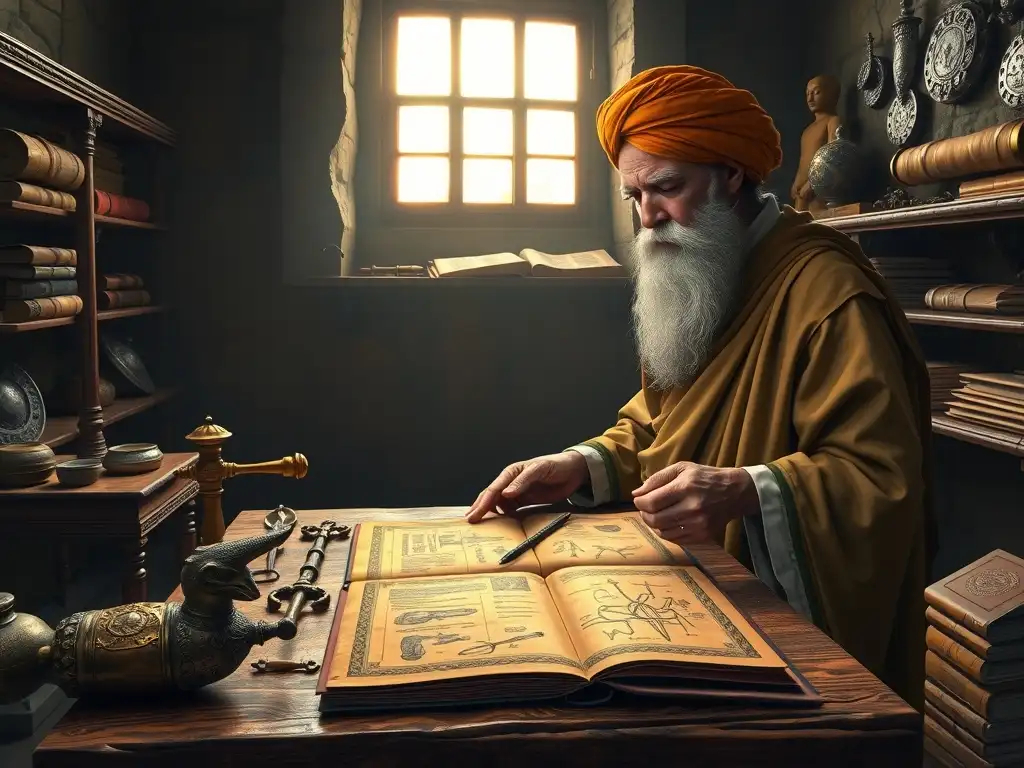
The preservation of surgical knowledge in ancient India is a testament to the rich tapestry of medical practices and philosophies that flourished across the subcontinent. Ancient Indian surgical texts, such as the Sushruta Samhita and the Ashṭanga Hridaya, provide invaluable insights into the medical practices of the time, showcasing a sophisticated understanding of anatomy, surgical techniques, and patient care.
These texts not only serve as historical documents but also as a bridge connecting modern medicine to its ancient roots. By exploring the role of these texts, we can appreciate how they contributed to the advancement of surgical knowledge and their enduring legacy in the field of medicine.
Introduction to Ancient Indian Surgical Texts
Ancient Indian surgical texts are a remarkable legacy of medical knowledge that has been passed down through generations. These texts encompass a wide array of topics, including surgical techniques, herbal remedies, and medical ethics. The most notable among them is the Sushruta Samhita, attributed to the ancient surgeon Sushruta, which is often regarded as one of the earliest comprehensive texts on surgery. It meticulously details various surgical procedures, from simple wound management to complex operations like cataract removal.
Overview of Surgical Practices in Ancient India
Surgical practices in ancient India were characterized by a blend of empirical knowledge and philosophical approaches. Surgeons were well-versed in anatomy and physiology, often performing surgeries with remarkable precision. Noteworthy procedures included:
- Surgical Operations: Techniques for suturing, incision, and even plastic surgery, such as rhinoplasty.
- Instruments: The use of various surgical instruments, many of which are still in use today, albeit in modernized forms.
- Medicinal Preparations: An extensive understanding of herbal medicine and its application in surgical recovery and pain management.
The texts served not only as instructional manuals but also as repositories of accumulated wisdom, emphasizing the importance of practice, observation, and ethical considerations in medicine.
Importance of Textual Preservation in Medicine
The preservation of ancient Indian surgical texts holds immense significance for several reasons:
- Cultural Heritage: These texts represent a crucial part of India's cultural identity and intellectual heritage, reflecting the advanced state of medical knowledge in ancient times.
- Continuity of Knowledge: They ensure that valuable medical knowledge is not lost to time, allowing for its study and application in contemporary practices.
- Interdisciplinary Insights: The integration of surgery with philosophy, ethics, and spirituality in these texts offers a holistic view of medicine, contributing to a broader understanding of healthcare.
Historical Context of Ancient Indian Surgical Knowledge
Understanding the historical context of ancient Indian surgical knowledge requires an exploration of the major civilizations that contributed to its development. These civilizations laid the groundwork for sophisticated medical practices that were documented and preserved through their texts.
The Evolution of Medicine in Ancient Indian Civilizations
The evolution of medicine in ancient Indian civilizations can be traced back to the Indus Valley Civilization, where early practices of medicine and surgery began to take shape. Over time, several key developments occurred:
- Influence of Ayurveda: The emergence of Ayurveda as a holistic system of medicine significantly influenced surgical practices, emphasizing balance, wellness, and preventive care.
- Integration of Various Disciplines: Medicine evolved through the integration of various disciplines, including philosophy, spirituality, and cultural practices, leading to a unique approach to healthcare.
Key Civilizations Contributing to Surgical Practices
Several key civilizations played a pivotal role in shaping ancient Indian surgical practices:
- Indus Valley Civilization: Evidence of early surgical techniques and medical practices can be traced back to this civilization, showcasing advanced urban planning and public health systems.
- Maurya and Gupta Empires: These empires marked a golden age of science and medicine, with significant advancements recorded in surgical texts that emphasized empirical observation and systematic experimentation.
Ancient Indian surgical texts not only document the medical practices of their time but also provide a foundation for understanding the evolution of surgery as a discipline. Their preservation is crucial for appreciating the historical context of surgical knowledge and its relevance in modern medicine.
Prominent Ancient Indian Surgical Texts
The preservation of surgical knowledge in ancient India is largely attributed to a few seminal texts that have stood the test of time. These texts not only document surgical techniques but also reflect the philosophical and ethical considerations of medicine during their respective periods. Among the most significant of these texts are the Sushruta Samhita and the Charaka Samhita, which collectively provide a comprehensive understanding of ancient Indian surgical practices. Additionally, other texts like the Ashtanga Hridaya and Bhava Prakasha contribute valuable insights into the medical understandings of the time.
Overview of the Sushruta Samhita
The Sushruta Samhita, attributed to the ancient surgeon Sushruta, is one of the foundational texts of Ayurveda and surgical science. Dating back to around 600 BCE, it is often referred to as the "Mother of Surgery." The text is renowned for its detailed descriptions of surgical techniques, anatomy, and medical ethics. Sushruta emphasizes the importance of observation and experience in surgical practice, advocating for a systematic approach to diagnosis and treatment.
The Sushruta Samhita is divided into several sections, with the most notable being the Sharira Sthana (anatomy), Chikitsa Sthana (therapeutics), and Kalpa Sthana (surgical procedures). It includes over 120 surgical procedures ranging from plastic surgery to orthopedics, with specific techniques for cataract surgery and rhinoplasty. Furthermore, Sushruta's work also highlights the significance of hygiene and patient care, which are crucial aspects of modern surgical practices.
Insights from the Charaka Samhita
While the Sushruta Samhita focuses primarily on surgical techniques, the Charaka Samhita complements it by providing an in-depth understanding of internal medicine and the holistic approach to health. Compiled around the same time as the Sushruta Samhita, it is attributed to the sage Charaka and serves as a crucial text in Ayurvedic medicine.
The Charaka Samhita emphasizes the importance of a balanced diet, lifestyle, and psychological well-being in maintaining health. It contains detailed discussions on the principles of diagnosis, treatment methodologies, and the management of various diseases. The text also addresses the ethical responsibilities of physicians and the importance of doctor-patient relationships, underlying the significance of compassion and empathy in medical practice.
Together, these two texts form the cornerstone of ancient Indian medical science, illustrating the interconnection between surgical and non-surgical treatments in promoting overall health.
Other Notable Texts and Their Contributions
Apart from the Sushruta and Charaka Samhitas, several other texts contribute to our understanding of ancient Indian surgical practices. The Ashtanga Hridaya, compiled by the sage Vagbhata, merges the insights from both previous texts while adding its own interpretations and methodologies. It serves as a crucial reference for both surgical and medicinal practices in Ayurveda.
Similarly, the Bhava Prakasha, authored by Bhavamisra in the 16th century, provides extensive insights into herbal medicine and surgical techniques, reflecting the evolving nature of medical knowledge in ancient India. These texts collectively highlight the rich tapestry of ancient Indian surgical knowledge, illustrating the depth of understanding and methodologies developed by ancient practitioners.
Techniques and Procedures Documented in Ancient Texts
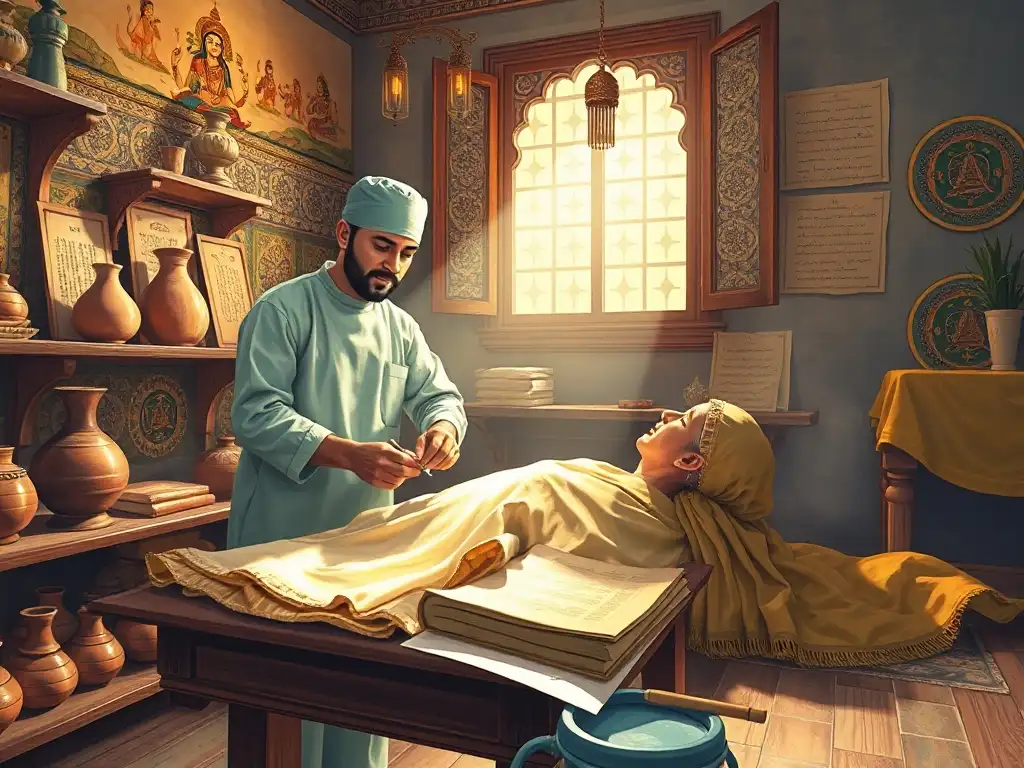
The ancient Indian surgical texts document a wide array of techniques and procedures that showcase the advanced level of medical knowledge in ancient India. These texts serve as a guide to various surgical practices, offering insights into the methods used, the instruments required, and the philosophical underpinnings of surgical interventions.
Surgical Instruments Described in Ancient Indian Texts
The Sushruta Samhita offers a comprehensive inventory of surgical instruments, detailing their specific uses and the materials from which they were made. Among the instruments described are:
- Scalpels: Used for making incisions in the skin.
- Forceps: Employed for grasping and holding tissues during surgery.
- Catheters: Used for draining fluids from the body.
- Cautery tools: For coagulating blood and preventing excessive bleeding.
Sushruta emphasized the importance of the quality and precision of these instruments, which were often crafted from metals such as bronze, gold, and silver. The detailed instructions on manufacturing and using these instruments highlight the sophisticated level of surgical practice in ancient India.
Common Surgical Procedures and Their Significance
The ancient Indian surgical texts document numerous procedures, many of which are still relevant in modern medicine. Some of the most notable procedures include:
- Rhinoplasty (Nasal Reconstruction): This advanced surgical technique aimed at reconstructing the nose, often after injuries or deformities, demonstrates the early understanding of cosmetic surgery.
- Cataract Surgery: The technique described involves the removal of cataracts through a procedure known as couching, showcasing an early awareness of ophthalmic surgery.
- Hernia Repair: Ancient texts provide guidelines on hernia surgeries, reflecting an understanding of abdominal conditions.
These surgical procedures not only illustrate the technical skills of ancient Indian surgeons but also indicate the ethical considerations regarding patient care and the significance of restoring health and functionality, which remain central to modern surgical practices.
The Influence of Ancient Indian Surgical Texts on Modern Medicine
Ancient Indian surgical texts, notably the Sushruta Samhita and Charaka Samhita, have significantly influenced modern medicine. These texts were not only comprehensive manuals of surgery and medicine but also encompassed a philosophical approach to health and well-being. Their teachings on anatomy, surgical techniques, and medicinal herbs laid the groundwork for numerous practices still in use today. The meticulous descriptions of surgical procedures, such as cataract surgery and cesarean sections, showcase a sophisticated understanding of human anatomy and pathology that resonates with contemporary surgical methods.
Moreover, the holistic approach emphasized in these texts—recognizing the interconnectedness of body, mind, and spirit—has also found a place in modern practices, particularly in the growing fields of integrative and alternative medicine. The emphasis on patient care and ethical considerations, rooted in ancient texts, continues to inspire present-day medical professionals, fostering a more compassionate approach to healthcare.
Translations and Interpretations of Ancient Texts
The translation and interpretation of ancient Indian surgical texts have played a crucial role in their preservation and relevance. During the colonial period, scholars began translating these texts into European languages, making them accessible to a broader audience. Notable translations include those by G. D. K. Sharma and R. N. Sharma, which provided insights into the original Sanskrit terminology and concepts.
These translations have sparked interest among modern medical practitioners and researchers, leading to a resurgence of interest in ancient surgical techniques. However, it is essential to approach these texts with care, as interpretations can vary, and the context in which they were written must be understood. Contemporary scholars often collaborate with historians and medical professionals to ensure accurate interpretations, bridging the gap between ancient practices and modern understanding.
Impact on Contemporary Surgical Practices
The impact of ancient Indian surgical texts is evident in several contemporary surgical practices. Techniques described in these texts, such as the use of surgical instruments like scalpels, forceps, and sutures, have evolved but remain foundational to modern surgery. For instance, the principles of aseptic technique and the importance of precision in surgical procedures can be traced back to ancient practices.
Furthermore, certain surgical methods, such as rhinoplasty and lithotomy, are direct descendants of techniques detailed in the Sushruta Samhita. The text's detailed anatomical descriptions and surgical protocols have been referenced in medical curricula, demonstrating their lasting significance in surgical education and practice.
Bridging Ancient Knowledge and Modern Techniques
Bridging ancient knowledge and modern techniques involves integrating traditional wisdom with contemporary medical practices. This synthesis can enhance surgical outcomes and patient care. For example, the use of herbal medicines, as documented in ancient texts, is gaining traction in modern medicine, particularly in pain management and wound healing.
Additionally, multidisciplinary approaches that combine insights from ancient texts with cutting-edge technology are becoming more common. Surgeons are now exploring how ancient techniques can be adapted alongside modern tools, such as laparoscopic surgery, to improve efficiency and patient recovery times. This fusion of knowledge not only enriches the medical field but also honors the historical contributions of ancient Indian scholars.
Conclusion: The Legacy of Ancient Indian Surgical Texts
The legacy of ancient Indian surgical texts is profound, as they offer a rich repository of knowledge that continues to inform and inspire modern medicine. Their detailed observations and techniques have transcended time, proving invaluable in the evolution of surgical practices. By understanding and integrating the wisdom of these texts, contemporary practitioners can enhance their skills and broaden their perspectives on health and healing.
The Continued Relevance of Ancient Wisdom in Modern Medicine
The continued relevance of ancient wisdom in modern medicine is evident in the growing appreciation for holistic approaches to health, which were central to ancient Indian medical practices. Concepts such as Ayurveda, which emphasizes balance and natural remedies, are increasingly being integrated into contemporary healthcare systems. This recognition of the value of ancient wisdom reflects a shift towards more comprehensive care that addresses not just physical ailments but also mental and emotional well-being.
Moreover, the ethical considerations and patient-centered philosophies rooted in ancient texts are guiding modern medical ethics, emphasizing compassion and respect in healthcare delivery. As modern medicine evolves, the lessons learned from ancient surgical texts remain crucial, reminding practitioners of the importance of a balanced approach to health.
Future Directions for Research in Ancient Indian Surgical Knowledge
Future research directions in ancient Indian surgical knowledge hold significant potential. Scholars are encouraged to delve into the historical context of these texts, exploring how cultural, social, and philosophical factors shaped ancient medical practices. Additionally, interdisciplinary research that combines insights from history, medicine, and anthropology can yield a deeper understanding of how ancient practices can influence modern techniques.
Moreover, there is a pressing need for further comparative studies between ancient methods and contemporary practices to identify effective techniques that can be revitalized. As interest in integrative medicine grows, the exploration of ancient surgical texts can provide valuable guidance for developing innovative approaches to healthcare that respect tradition while embracing modern advancements. This ongoing research not only honors the contributions of ancient Indian civilizations but also enriches the future of medical science.
- Introduction to Ancient Indian Surgical Texts
- Historical Context of Ancient Indian Surgical Knowledge
- Prominent Ancient Indian Surgical Texts
- Techniques and Procedures Documented in Ancient Texts
- The Influence of Ancient Indian Surgical Texts on Modern Medicine
- Conclusion: The Legacy of Ancient Indian Surgical Texts
Frequently Asked Questions
What are ancient Indian surgical texts?
Ancient Indian surgical texts refer to historical manuscripts that document surgical techniques and medical practices in ancient India, often attributed to notable physicians like Sushruta and Charaka.
Who was Sushruta and why is he significant?
Sushruta was an ancient Indian physician known as the "Father of Surgery." His work, the Sushruta Samhita, is one of the earliest texts to describe surgical procedures and instruments.
How did these texts influence modern medicine?
Ancient Indian surgical texts contributed significantly to medical knowledge, including techniques like plastic surgery and anesthesia, which influenced both Eastern and Western medical practices.
What was the impact of the Gupta Empire on surgical knowledge?
During the Gupta Empire, there was a notable advancement in various fields, including medicine, leading to the compilation and preservation of surgical texts that enriched the medical knowledge of the time.
How can I access these ancient texts today?
Many ancient Indian surgical texts are available in libraries, online databases, and through academic institutions that focus on historical medical literature. Some may also be found translated into modern languages.
Final Reflection: The Enduring Legacy of Ancient Indian Surgical Texts
The profound wisdom encapsulated in ancient Indian surgical texts remains incredibly relevant today, as we continue to seek knowledge from our past to inform modern medical practices. These texts not only serve as historical records but also as guiding principles that highlight the intricate relationship between ancient practices and contemporary medicine. The insights gleaned from these writings remind us that the pursuit of knowledge is a timeless endeavor, transcending generations and cultures.
The influence of ancient Indian surgical texts extends far beyond their historical context; they have shaped the very foundations of surgical practices and medical ethics that we uphold today. The meticulous observations and techniques documented in these texts continue to inspire and inform modern practitioners, fostering a deeper appreciation for the art of surgery. As the renowned surgeon Sushruta once stated, A surgeon should be able to see the body as a whole, understanding the interplay of its parts.
This perspective not only emphasizes the importance of holistic care but also encourages us to respect the wisdom of those who came before us.
As we reflect on the significance of these ancient texts, I invite you to consider how the lessons they impart can be integrated into your own life and practice. Embrace the wisdom of the past as a source of inspiration for innovation in the present.
Whether you are a medical professional, a student, or simply someone interested in the evolution of knowledge, let the teachings of ancient Indian surgical texts guide you in your journey. Together, we can honor this legacy and continue to build upon it, ensuring that the invaluable insights of our ancestors are not lost but rather celebrated and utilized for the betterment of society.
Unveil the Secrets of Ancient Surgical Wisdom!
Thank you for diving into the fascinating world of ancient Indian texts and their invaluable contributions to surgical knowledge. We hope you've discovered how these timeless resources continue to influence modern medicine and inspire curiosity about our rich historical heritage. Now, it's time to take your learning further!
Here are some exciting ways to engage with this incredible knowledge:
- Explore ancient texts: Visit your local library or utilize online resources to read translations of Ayurvedic and surgical texts, such as the Sushruta Samhita. Discover the techniques and practices that have shaped historical medicine.
- Join a community of enthusiasts: Connect with online forums or local history groups dedicated to the study of ancient medical practices. Share your insights and learn from others who are equally passionate about this subject!
- Experiment with knowledge: Reflect on how principles from ancient surgical practices can inspire modern healthcare innovations. Consider writing a blog post or journal entry to explore your thoughts on this fascinating intersection.
What aspect of ancient surgical practices amazes you the most, and how do you think it can contribute to shaping the future of medicine today?