
The Spiritual Practices of the Upanishads: The Philosophical Core of Yoga

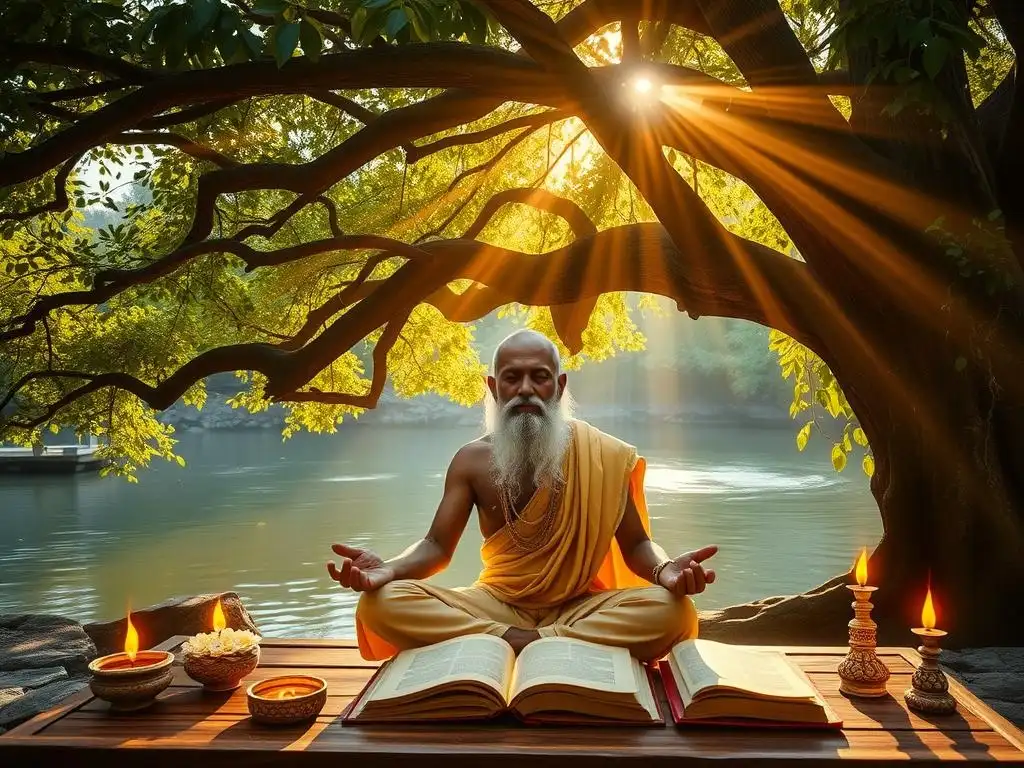
Welcome to Ancient India History, where we embark on an enlightening journey through the rich tapestry of India's past. Dive deep into the spiritual practices of the Upanishads, which not only shaped the philosophical core of yoga but also continue to resonate in today's wellness landscape. What wisdom do these ancient texts hold, and how can they influence your spiritual journey? Join us as we unravel the profound insights that have transcended time, inviting you to explore the intricate connections between culture, spirituality, and wellness in ancient Indian civilization. Your adventure into the heart of India’s heritage begins here!

Introduction to the Spiritual Practices of the Upanishads
The Upanishads, a collection of ancient Indian texts, serve as a cornerstone of Hindu philosophy and spirituality, offering profound insights into the nature of existence and the self. Emerging from the Vedic traditions, these texts delve into the intricate relationship between the individual soul (Atman) and the universal spirit (Brahman).
The spiritual practices outlined within the Upanishads are not merely rituals; they represent a quest for ultimate knowledge and liberation (moksha) that has influenced countless generations. By exploring themes such as meditation, self-inquiry, and ethical living, the Upanishads provide a philosophical foundation that is essential for understanding yoga's deeper dimensions.
Historical Context of the Upanishads
The Emergence of the Upanishads in Ancient India
The Upanishads emerged during a transformative period in ancient India, approximately between the 8th and 4th centuries BCE. This era marked a shift from the ritualistic practices of the Vedic texts towards introspective and philosophical inquiry. As society evolved, scholars and sages began to seek answers to existential questions, leading to the composition of these texts.
- Vedic Roots: The Upanishads are rooted in the earlier Vedas, which primarily focused on rituals and hymns. The transition to philosophical discourse in the Upanishads indicates a growing emphasis on personal spirituality.
- Sage Contributions: Renowned sages such as Yajnavalkya and Shankara played pivotal roles in shaping Upanishadic thought, emphasizing direct experience of the divine over mere ritualistic practices.
This historical backdrop is crucial to understanding the spiritual practices found within the Upanishads, as they reflect the evolving consciousness of ancient Indian society.
Key Philosophical Themes in the Upanishads
The Upanishads encompass various philosophical themes, each contributing to the understanding of yoga and spiritual practices. Some of the key concepts include:
- The Nature of Reality: The distinction between the empirical world (Maya) and the ultimate reality (Brahman) is a central theme. The Upanishads encourage seekers to transcend illusion and realize their true nature.
- Meditation and Self-Realization: The practice of meditation (Dhyana) is emphasized as a means to attain self-realization. Texts advocate for quieting the mind to explore the depths of consciousness.
- Ethics and Dharma: The Upanishads underscore the importance of living in accordance with Dharma, or moral order, as a foundation for spiritual growth. Ethical living is seen as essential for attaining higher states of consciousness.
These themes not only highlight the philosophical core of the Upanishads but also lay the groundwork for the spiritual practices that would ultimately shape the evolution of yoga. The insights gained from these ancient texts continue to resonate in contemporary spiritual practices, making the Upanishads a vital part of the study of yoga and wellness.
Core Spiritual Practices Derived from the Upanishads
The Upanishads, a collection of ancient Indian texts that form the philosophical foundation of Hinduism, emphasize various spiritual practices aimed at attaining self-realization and understanding the nature of reality. These practices are often intertwined with the development of yoga as a holistic discipline. Some of the core spiritual practices derived from the Upanishads include meditation, the use of mantras, ethical living, and the pursuit of dharma. Each of these practices plays a vital role in fostering a deeper connection to the self and the universe, guiding practitioners toward spiritual enlightenment.
Meditation and Mindfulness Practices
Meditation is a central spiritual practice highlighted in the Upanishads, which promotes introspection and self-awareness. The texts describe dhyana, or concentrated meditation, as a means to quiet the mind and attain a state of inner peace. This practice is not merely about achieving tranquility; it is also a pathway to realizing the unity of the individual self ( Atman) with the universal consciousness ( Brahman).
Mindfulness, closely related to meditation, encourages practitioners to engage fully with the present moment. The Upanishads advocate for a mindful approach to daily life and spiritual practices, emphasizing the importance of awareness in every action. By cultivating mindfulness, individuals can transcend the distractions of the mind and connect with their true essence.
The Role of Mantras and Chanting
Mantras, sacred sounds or phrases, are integral to the spiritual practices of the Upanishads. The repetition of these sounds, known as japa, is believed to have transformative effects on the mind and spirit. Mantras serve as tools for focusing the mind during meditation and help create a vibrational connection with the divine.
Chanting, particularly the recitation of Om, is considered the primordial sound representing the ultimate reality. Through chanting, practitioners align themselves with the cosmic vibration, facilitating a deeper spiritual experience. The Upanishads suggest that engaging in these vocal practices not only purifies the mind but also elevates the practitioner toward higher states of consciousness.
Ethical Living and Dharma
Ethical living is a fundamental aspect of the teachings found in the Upanishads. The texts emphasize the importance of living in accordance with dharma, or righteous duty, which encompasses moral and ethical conduct. Upholding dharma fosters harmony within oneself and the greater community, laying the groundwork for spiritual growth.
The principles of truthfulness, non-violence, and compassion are pivotal in guiding individuals on their spiritual journey. By adhering to these ethical guidelines, practitioners of the Upanishads can cultivate a positive mindset and create an environment conducive to spiritual development. This ethical framework is essential in the practice of yoga, where the alignment of actions with higher values enhances the overall spiritual experience.
The Influence of Upanishadic Philosophy on Yoga
The Upanishads have profoundly influenced the evolution of yoga, shaping its philosophical underpinnings and practices. As a spiritual and philosophical system, yoga seeks to integrate the insights of the Upanishads into practical applications for personal and spiritual growth. This synthesis has led to a holistic approach to yoga that encompasses physical, mental, and spiritual dimensions.
The Connection Between Yoga and Upanishadic Thought
The connection between yoga and Upanishadic thought is evident in the shared emphasis on self-realization and the pursuit of truth. The Upanishads articulate concepts such as moksha (liberation) and samadhi (higher states of consciousness), which resonate deeply within yogic practices. Both disciplines encourage practitioners to explore the nature of the self and the universe, fostering a journey toward enlightenment.
Moreover, the philosophical discussions in the Upanishads about the nature of consciousness, existence, and the relationship between the individual and the cosmos enrich the practice of yoga. This philosophical foundation allows practitioners to approach yoga not merely as a physical exercise but as a profound spiritual journey.
Integrating Upanishadic Wisdom into Contemporary Yoga Practices
In contemporary yoga, integrating Upanishadic wisdom enhances the depth and purpose of practice. Modern yogis often draw inspiration from the teachings of the Upanishads to cultivate a more profound understanding of their practice. This integration may include the use of meditation techniques, mindful awareness, and ethical considerations in daily life.
Yoga instructors and practitioners can enrich their classes by incorporating teachings from the Upanishads, such as the significance of dharma and the transformative power of mantras. By embracing these ancient teachings, contemporary yoga can evolve into a holistic practice that honors its roots while addressing the needs of modern practitioners seeking spiritual fulfillment. This synthesis of ancient wisdom and contemporary practice creates a vibrant space for personal growth and collective spiritual awakening.
Common Misconceptions About Upanishadic Spiritual Practices
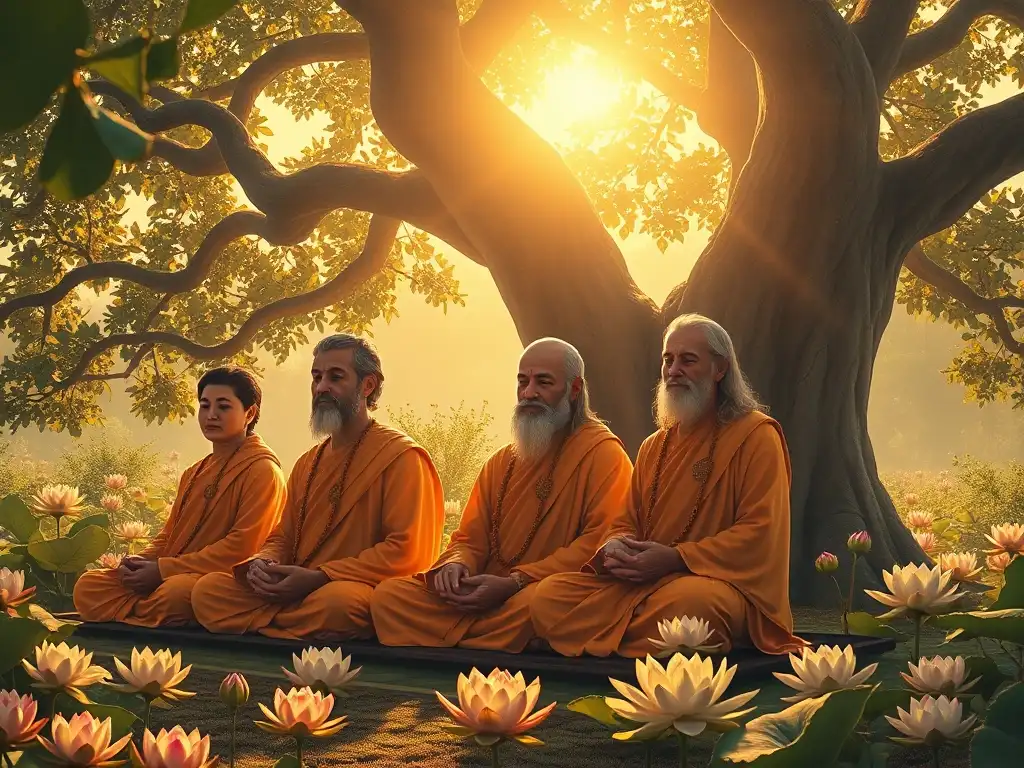
The Upanishads, revered as the philosophical backbone of Hinduism, are often misunderstood in contemporary discussions regarding spirituality and yoga. Many misconceptions surround their teachings, leading to a skewed interpretation of their profound spiritual practices. Here, we will explore some of the prevalent myths and clarify the true essence of Upanishadic spirituality.
Debunking Myths Surrounding the Upanishads
One common misconception is that the Upanishads promote asceticism to the exclusion of worldly life. While ascetic practices are indeed discussed, the Upanishads also emphasize the importance of living a balanced life. They advocate for a path that harmonizes material existence with spiritual growth, illustrating that true enlightenment can be sought while engaging with the world.
Another myth is that the Upanishads are solely religious texts, detached from philosophical inquiry. In reality, they are rich philosophical treatises that encourage critical thinking, self-inquiry, and dialogue about the nature of reality. They explore concepts like Brahman (the ultimate reality) and Atman (the individual soul), urging practitioners to seek a deeper understanding of existence beyond mere dogma.
Moreover, some believe that the teachings of the Upanishads are only relevant to a select group of ascetics or scholars. However, these ancient texts offer insights applicable to all individuals, regardless of background or lifestyle. Their teachings encourage personal exploration and the pursuit of self-knowledge, making them accessible to anyone interested in spiritual growth.
The Reality of Practicing Upanishadic Teachings Today
In today's fast-paced world, the spiritual practices of the Upanishads remain remarkably relevant. Modern practitioners are increasingly drawn to these teachings as they seek balance and meaning in their lives. The core principles of meditation, self-reflection, and ethical living outlined in the Upanishads can be integrated into contemporary practices of yoga and wellness.
Many yoga schools incorporate Upanishadic philosophy into their curricula, emphasizing concepts such as mindfulness and the interconnectedness of all beings. This integration helps practitioners cultivate a deeper understanding of themselves and their relationship with the universe. Workshops and retreats focusing on the teachings of the Upanishads are also gaining popularity, providing participants with the opportunity to immerse themselves in these timeless practices.
Furthermore, the Upanishads encourage individuals to question and explore their beliefs, fostering a culture of inquiry that aligns well with modern spiritual trends. This philosophical approach empowers practitioners to develop personalized spiritual practices that resonate with their unique life experiences.
Conclusion: The Lasting Impact of Upanishadic Spiritual Practices
The spiritual practices of the Upanishads have left an indelible mark on the landscape of yoga and philosophy. Their emphasis on self-inquiry, understanding of the nature of reality, and the pursuit of enlightenment continues to inspire individuals around the world. As more people engage with these ancient teachings, the Upanishads serve not only as a historical reference but as a living tradition that encourages exploration and growth.
In essence, the practices outlined in the Upanishads challenge us to look beyond superficial understandings of spirituality and delve into the profound depths of existence. They remind us that the journey of self-discovery is eternal, and the wisdom contained within these texts is as essential today as it was thousands of years ago. By embracing the teachings of the Upanishads, we can cultivate a more meaningful and spiritually enriched life.
Further Reading and Resources
To deepen your understanding of the spiritual practices of the Upanishads and their influence on yoga, a variety of resources are available that cover both historical context and philosophical interpretations. Below are recommended books, articles, and online resources that can provide valuable insights into this profound subject.
Books
- “The Upanishads: A New Translation” by Eknath Easwaran
- This translation offers a clear and accessible interpretation of the Upanishads, making ancient texts relevant for modern readers. Easwaran's commentary provides context and explanations that enhance understanding.
- “The Essence of the Upanishads: A Key to Indian Philosophy” by Swami Satchidananda
- Swami Satchidananda distills the core teachings of the Upanishads, linking them to the practice of yoga and meditation. His insights foster a deeper appreciation for the spiritual practices outlined in these texts.
- “The Yoga Sutras of Patanjali” by Sri Swami Sivananda
- While primarily focused on the Yoga Sutras, Sivananda draws parallels to the Upanishadic teachings, highlighting their philosophical foundations in yoga practice.
Articles and Journals
- “Philosophical Foundations of Yoga in the Upanishads”: This article explores the philosophical dimensions found within the Upanishads and their relevance to contemporary yoga practice. Available in various academic journals, it provides a scholarly perspective on the topic.
- “The Role of Meditation in the Upanishads”: This insightful piece discusses how meditation is depicted in the Upanishads and its significance in spiritual development. Look for this in yoga and philosophy journals.
Online Resources
- The Internet Sacred Text Archive: This website hosts a collection of translations and interpretations of the Upanishads along with other sacred texts from various traditions, providing access to primary sources.
- Yoga International: This platform offers a range of articles, videos, and courses on yoga philosophy, including in-depth explorations of the Upanishads and their teachings on meditation and spiritual practice.
- YouTube Lectures: Numerous scholars and practitioners have shared lectures on the spiritual practices of the Upanishads. Look for talks by renowned figures such as Dr. David Frawley or Swami Sarvapriyananda, who elucidate the teachings in an engaging manner.
Conclusion
Engaging with these resources will not only broaden your understanding of the spiritual practices of the Upanishads but also enhance your overall yoga practice. Whether you prefer reading, listening, or watching, there is a wealth of information available to guide your exploration of this profound philosophical tradition.
- Introduction to the Spiritual Practices of the Upanishads
- Historical Context of the Upanishads
- Core Spiritual Practices Derived from the Upanishads
- The Influence of Upanishadic Philosophy on Yoga
- Common Misconceptions About Upanishadic Spiritual Practices
- Conclusion: The Lasting Impact of Upanishadic Spiritual Practices
- Further Reading and Resources
Frequently Asked Questions
What are the Upanishads?
The Upanishads are ancient Indian texts that form the philosophical foundation of Hinduism, exploring concepts like Brahman (ultimate reality) and Atman (soul).
How do the Upanishads influence yoga?
The Upanishads provide a philosophical framework for yoga, emphasizing meditation, self-realization, and the interconnectedness of individual consciousness and the universe.
What are some key spiritual practices described in the Upanishads?
The Upanishads emphasize practices like meditation, contemplation, and self-inquiry, which are essential for attaining spiritual enlightenment and understanding the nature of reality.
How do the Upanishads relate to other ancient Indian texts?
The Upanishads complement other texts such as the Vedas and Bhagavad Gita, deepening the understanding of spirituality, ethics, and the pursuit of truth.
Why are the spiritual practices of the Upanishads relevant today?
Their teachings on self-awareness, mindfulness, and the search for inner peace continue to resonate in modern spiritual and wellness practices, making them timeless and relevant.
Final Reflection: Embracing the Spiritual Practices of the Upanishads
The spiritual practices of the Upanishads resonate profoundly in today's world, where the quest for inner peace and understanding is more critical than ever. As we navigate the complexities of modern life, the wisdom encapsulated in these ancient texts offers a guiding light, reminding us that the journey inward is just as vital as our outward pursuits. The Upanishads teach us that true knowledge transcends the material, urging us to seek a deeper connection with ourselves and the universe around us.
The influence of the Upanishads extends far beyond their historical context; they continue to shape our cultural and social landscapes. Their teachings inspire countless individuals to explore meditation, mindfulness, and self-inquiry, fostering a collective awakening. As we embrace these practices, we find ourselves part of a larger tapestry of spiritual seekers striving for enlightenment. The Upanishads are not just texts; they are a call to awaken to the divine within us.
This ongoing dialogue between ancient wisdom and contemporary life highlights the timeless relevance of these spiritual practices.
As you reflect on the insights gained from the spiritual practices of the Upanishads, I invite you to consider how you can incorporate these teachings into your daily life. Take a moment to pause, breathe, and connect with your inner self. Whether through meditation, contemplation, or simply being present in the moment, allow the wisdom of the Upanishads to guide you on your journey. Embrace the opportunity to deepen your understanding of yourself and the world, and let this ancient philosophy inspire you to live with intention and purpose.
Embrace Your Inner Wisdom Today!
Thank you for diving into the profound teachings of the Upanishads! You've gained valuable insights into the philosophical foundations of yoga and its spiritual practices, which can enrich your daily life. Now, it’s time to take those insights off the page and into your heart.
Here are some actions you can consider:
- Start a daily meditation practice inspired by the principles of the Upanishads. Dedicate just 5-10 minutes each day to connect with your inner self.
- Join a local or online yoga class that emphasizes the philosophical aspects of the practice for a deeper understanding and community connection.
- Share your learnings with friends or family. Host a discussion group to explore the relevance of the Upanishads in today's world together.
Which aspect of the Upanishads resonates with you the most, and how will you integrate it into your daily life?