
The Origins of Yoga: Tracing Its Roots in Ancient Indian History

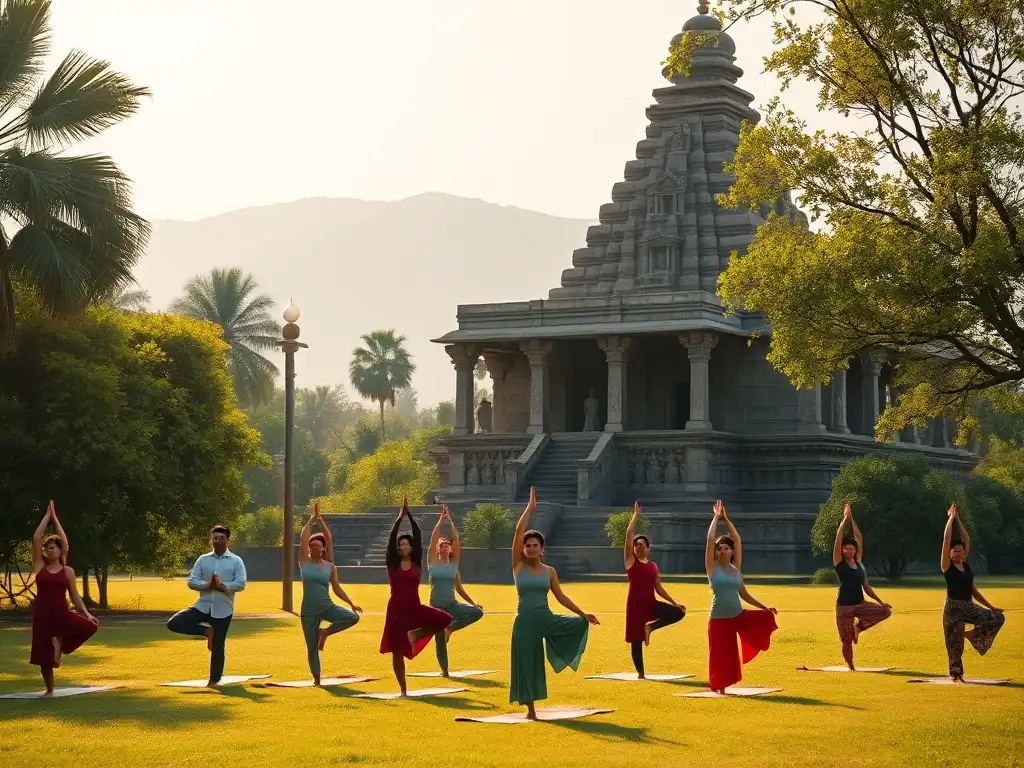
Welcome to Ancient India History, where we embark on an enlightening journey through the rich tapestry of ancient Indian civilizations. Delve into the captivating story of the history of yoga in India, as we trace its roots from the serene banks of the Indus Valley to the philosophical depths of the Gupta Empire. This exploration not only unveils the spiritual and cultural significance of yoga but also invites you to discover how these ancient practices continue to influence modern wellness. Are you ready to unlock the secrets of a tradition that has transcended time? Let’s begin!
- Introduction to the History of Yoga in India
- Ancient Texts and Scriptures: Foundations of Yoga
- The Evolution of Yoga Practices in Ancient India
- Historical Context: The Spiritual Landscape of Ancient India
- Yoga's Journey Through Time: From Ancient to Modern
- The Philosophical Underpinnings of Yoga in Ancient Texts
- Conclusion: The Lasting Legacy of the History of Yoga in India
- Frequently Asked Questions
- Final Reflection: Embracing the Ancient Wisdom of Yoga
- Embrace Your Journey: Deepen Your Connection with Yoga!
Introduction to the History of Yoga in India
The history of yoga in India is a profound tapestry woven with spiritual, philosophical, and cultural threads that reflect the rich heritage of ancient Indian civilizations. From its nascent stages in the Indus Valley Civilization to its flourishing during the Gupta Empire, yoga has evolved into a multifaceted practice with deep roots in Indian philosophy and spirituality.
This article aims to trace the origins of yoga, exploring its historical context, development, and significance within the broader scope of ancient Indian culture. By understanding the history of yoga in India, we can appreciate how this ancient discipline has influenced not only Indian society but also the global landscape of wellness and spirituality.
Understanding Yoga: A Brief Overview
Yoga, derived from the Sanskrit word "yuj," meaning to unite or join, encompasses a variety of practices aimed at harmonizing the mind, body, and spirit. Historically, it serves as a system of philosophy that promotes self-discipline, meditation, and ethical living. There are several forms of yoga that emerged over the centuries, including:
- Raja Yoga: The path of meditation and mental discipline.
- Karma Yoga: The path of selfless action.
- Bhakti Yoga: The path of devotion and love for the divine.
- Jnana Yoga: The path of knowledge and wisdom.
The earliest references to yoga can be found in ancient texts such as the Vedas and the Upanishads, where it was viewed as a means to achieve spiritual enlightenment. These texts laid the groundwork for various yogic philosophies, which were further elaborated in the Yoga Sutras of Patanjali, a seminal work that codified the practice and provided a systematic approach to attaining the ultimate goal of yoga: moksha or liberation.
The Significance of Yoga in Ancient Indian Culture
Yoga holds immense significance in ancient Indian culture, serving as a bridge between the material and the spiritual worlds. Its importance can be illustrated through several key aspects:
- Spiritual Development: Yoga was primarily seen as a means of self-realization and spiritual growth. The practice guided individuals toward understanding their true nature and connection to the universe.
- Philosophical Framework: The principles of yoga were intertwined with the philosophical teachings of Hinduism, Buddhism, and Jainism, influencing various aspects of life, including ethics, meditation, and lifestyle choices.
- Cultural Practices: Yoga was not just a personal endeavor; it permeated into communal practices, rituals, and festivals, reinforcing social bonds and collective spirituality.
- Health and Well-being: The holistic approach of yoga emphasized physical health, mental clarity, and emotional stability, which were essential for maintaining harmony in life.
The history of yoga in India is deeply rooted in its ancient civilizations, shaping the spiritual and cultural ethos of the time. As we delve deeper into this fascinating subject, we will uncover the various threads that contribute to yoga's enduring legacy and its relevance in today's world.
Ancient Texts and Scriptures: Foundations of Yoga
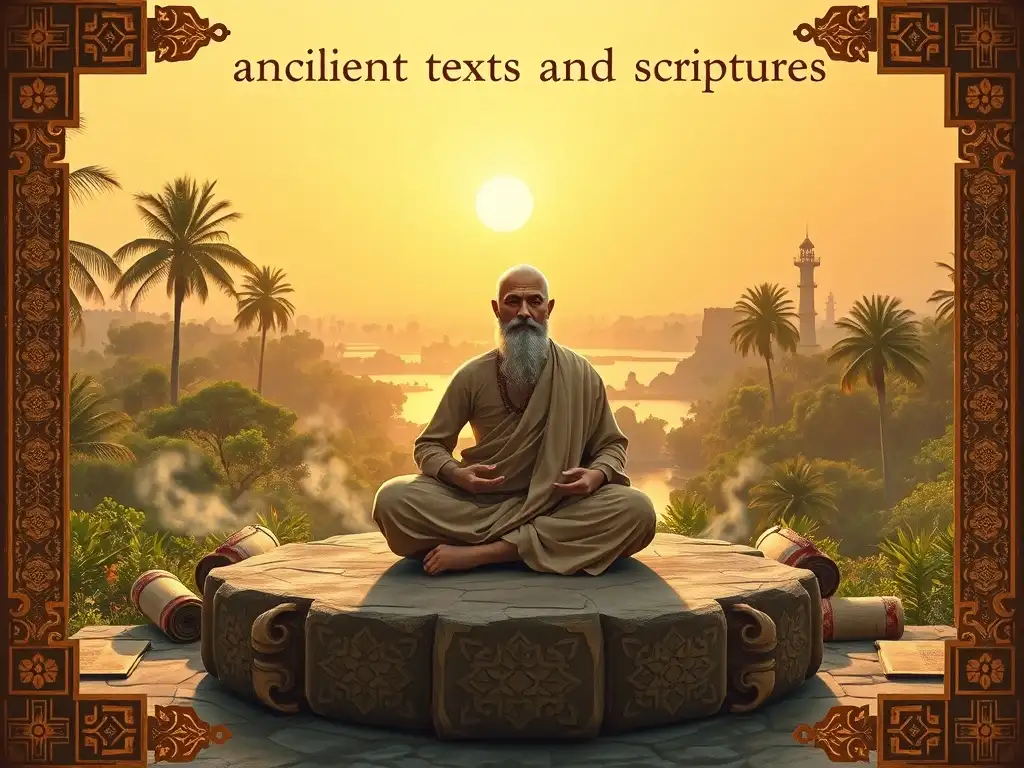
The history of yoga in India is deeply rooted in ancient texts and scriptures that provide invaluable insights into its development and philosophy. These texts not only outline the practices and techniques associated with yoga but also explore its spiritual significance. The foundational texts of yoga include the Vedas, Upanishads, and the Bhagavad Gita, each contributing uniquely to the understanding of yoga's purpose and practice.
The Vedas: Earliest References to Yoga
The Vedas, composed around 1500-500 BCE, are among the oldest sacred texts of India and serve as the cornerstone of Hindu philosophy. These texts are primarily hymns and rituals dedicated to various deities, but they also contain the earliest references to yoga. The term "yoga" itself is derived from the Sanskrit root yuj, which means "to unite" or "to join."
- Rigveda: The Rigveda, one of the four Vedas, contains hymns that refer to the concept of meditation and contemplation, laying the groundwork for yoga practice.
- Yajurveda and Samaveda: These texts emphasize ritualistic practices and chantings, which can be seen as early forms of yoga, focusing on harmonizing body and mind through disciplined practice.
The Vedas highlight the importance of tapas (austerity) and samadhi (a state of meditative consciousness), which are essential elements in the practice of yoga. Thus, the Vedas not only establish the roots of yoga but also emphasize the spiritual quest for union with the divine.
The Upanishads: Philosophical Insights on Yoga
Following the Vedic period, the Upanishads emerged around 800-400 BCE, marking a significant evolution in the philosophical understanding of yoga. These texts delve deeper into the nature of reality, the self (Atman), and the ultimate reality (Brahman), presenting yoga as a means to attain spiritual knowledge and liberation (Moksha).
- Concept of Atman and Brahman: The Upanishads discuss the relationship between the individual self (Atman) and the universal self (Brahman), advocating for practices that unite them through yoga.
- Meditative Practices: The Upanishads introduce various meditative techniques and the concept of dhyana (meditation) as essential practices for self-realization.
In essence, the Upanishads frame yoga as a profound spiritual discipline, emphasizing internal exploration and the quest for truth. They advocate for a holistic approach that integrates ethical living, meditation, and self-inquiry, which are vital for achieving enlightenment.
The Bhagavad Gita: Yoga as a Path to Enlightenment
The Bhagavad Gita, composed around the 2nd century BCE, is a critical text that synthesizes the teachings of the Vedas and Upanishads. It presents yoga not just as a physical practice but as a comprehensive philosophy for living a balanced life. The Gita introduces various paths of yoga, each catering to different temperaments and inclinations.
- Karma Yoga: The path of selfless action, emphasizing the importance of duty and service without attachment to results.
- Bhakti Yoga: The path of devotion, focusing on surrendering to a higher power and cultivating a loving relationship with the divine.
- Jnana Yoga: The path of knowledge, promoting self-inquiry and wisdom as means to realize the truth of existence.
The Bhagavad Gita illustrates that yoga is a practical approach to achieving inner peace and fulfillment, guiding individuals toward self-realization and enlightenment. Its teachings have had a lasting impact on the history of yoga in India and continue to inspire practitioners around the world today.
The ancient texts and scriptures of India form the bedrock of yoga's history, offering profound insights into its purpose, practice, and philosophy. Understanding these foundational texts is essential for anyone seeking to explore the rich and diverse history of yoga in India.
The Evolution of Yoga Practices in Ancient India
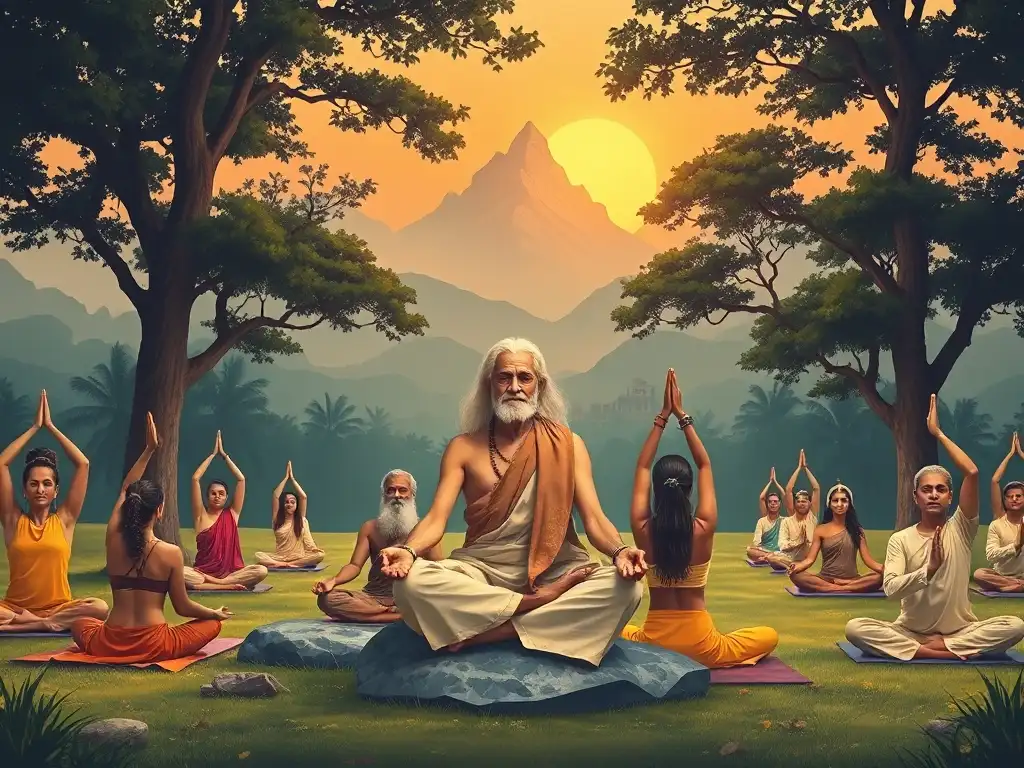
The history of yoga in India is a profound journey that reflects the evolution of spiritual practices and philosophical thought. This evolution can be divided into three main phases: Pre-Classical Yoga, Classical Yoga, and the emergence of various schools of yoga. Each phase encapsulates unique practices, texts, and ideologies that have significantly influenced not only Indian culture but also global wellness traditions.
Pre-Classical Yoga: Rituals and Early Practices
Pre-Classical Yoga dates back to the Indus Valley Civilization (c. 3300–1300 BCE), where evidence suggests the practice of meditation and physical postures. Archaeological findings, such as seals depicting figures in meditative poses, indicate that early yogic practices were closely tied to rituals and a deep reverence for nature.
- Vedic Rituals: The Vedic texts (c. 1500–500 BCE) form the foundational literature for early yoga. These texts emphasize rituals (yajnas) that involved offerings to deities. The focus was on achieving harmony with the cosmos, reflecting the early yogic aim of aligning the individual with the universal.
- Tao of Breath: Early practices also included breath control (pranayama), which is highlighted in the Upanishads (c. 800–400 BCE). The Upanishads introduce the idea of prana (life force) and its significance in spiritual development, thereby laying the groundwork for more structured practices.
- Meditative Techniques: The concept of meditation (dhyana) began to take shape during this period. Early ascetics, known as sadhus, practiced meditation to attain higher states of consciousness, often retreating to forests and caves for solitude and contemplation.
Classical Yoga: The Yoga Sutras of Patanjali
The emergence of Classical Yoga is primarily associated with the compilation of the Yoga Sutras by Patanjali around the 2nd century BCE. This text is pivotal in providing a systematic approach to yoga, consolidating various practices into a cohesive philosophy.
-
Eight Limbs of Yoga: Patanjali outlines the Ashtanga (Eight Limbs) of yoga, which include:
- Yama (ethical restraints)
- Niyama (observances)
- Asana (postures)
- Pranayama (breath control)
- Pratyahara (withdrawal of senses)
- Dharana (concentration)
- Dhyana (meditation)
- Samadhi (state of bliss)
This framework promotes a holistic approach to personal development, emphasizing both physical and spiritual growth.
-
Philosophical Foundations: The Yoga Sutras integrate concepts from Samkhya philosophy, including the dualism between purusha (consciousness) and prakriti (matter). This philosophical backdrop enhances the understanding of yoga as a means to transcend the material world.
-
Influence and Legacy: The impact of Patanjali's work on the history of yoga in India is profound. The Yoga Sutras have influenced numerous subsequent texts and schools, serving as a reference point for both practitioners and scholars.
Different Schools of Yoga: Advaita, Bhakti, and Karma Yoga
As yoga practices matured, distinct schools emerged, each contributing unique perspectives and methodologies to the overall landscape of yoga.
- Advaita Yoga: Rooted in the non-dualistic philosophy of Advaita Vedanta, this school emphasizes the unity of the self (atman) with the ultimate reality (Brahman). The practice of self-inquiry and meditation aims to dissolve the illusion of separateness, leading to liberation (moksha).
- Bhakti Yoga: This school focuses on devotion and love for a personal deity. Bhakti Yoga encourages practitioners to cultivate a deep emotional connection through prayers, chants, and rituals. The emphasis on surrender and devotion fosters a communal spirit, making it a popular practice among diverse populations.
- Karma Yoga: Known as the path of selfless action, Karma Yoga teaches the importance of performing one's duty without attachment to the results. This school highlights that every action, performed with the right intention, can lead to spiritual growth and liberation.
The interplay between these schools reflects the rich tapestry of the history of yoga in India, showcasing how different philosophies and practices can coexist and complement one another. As yoga continues to evolve, its ancient roots remain a vital part of its identity, offering invaluable insights into the quest for spiritual understanding and well-being.
Historical Context: The Spiritual Landscape of Ancient India
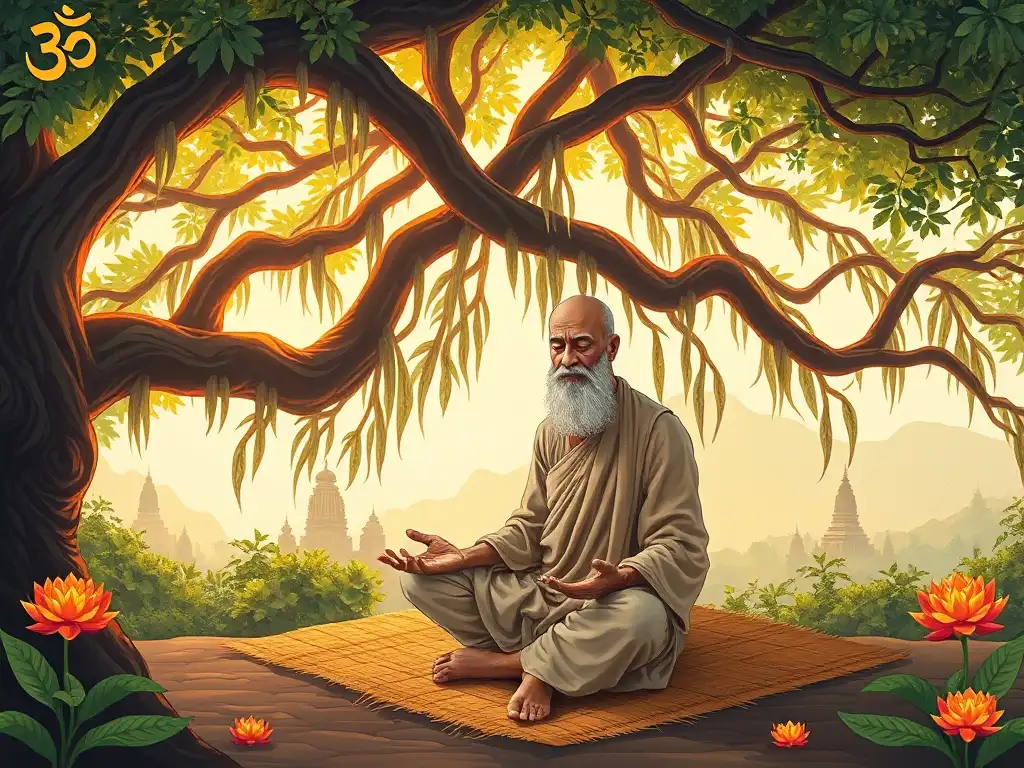
Ancient India was a tapestry of diverse spiritual traditions and philosophies, which created a fertile ground for the development of practices such as yoga. The interplay between various belief systems, including Vedic traditions, asceticism, and later religious movements, shaped the essence of yoga as we understand it today.
This historical context is crucial for understanding the evolution of yoga, as it reflects the society's quest for self-realization, mental discipline, and spiritual enlightenment. The spiritual landscape of ancient India was characterized by a profound respect for nature, meditation, and an intrinsic connection to the cosmos. The collective practices and teachings from this era contributed significantly to what we now refer to as the history of yoga in India.
The Indus Valley Civilization: Early Evidence of Yoga Practices
The Indus Valley Civilization, flourishing around 2500 BCE, is one of the earliest urban cultures in the world, located in what is now Pakistan and northwest India. Archaeological findings indicate that this civilization had a complex social structure and a rich spiritual life.
- Seals and Figurines: Numerous seals and figurines have been discovered, depicting figures in postures reminiscent of yoga asanas. Notably, the "Pashupati Seal" portrays a seated figure with an antlered headdress, often interpreted as an early representation of a yogic practitioner or a deity associated with meditation.
- Urban Planning and Sacred Spaces: The cities of the Indus Valley, such as Mohenjo-Daro and Harappa, were meticulously planned with public baths and ritual centers, suggesting a community engaged in spiritual and cleansing practices that could be linked to the early forms of yoga.
The evidence from this period highlights that the seeds of yoga philosophy, emphasizing meditation and bodily control, were potentially sown during this ancient civilization's flourishing.
The Influence of Buddhism and Jainism on Yoga Philosophy
As ancient Indian society evolved, so did its spiritual philosophies. The emergence of Buddhism and Jainism around the 6th century BCE introduced new dimensions to the practice and philosophy of yoga.
- Buddhism: Founded by Siddhartha Gautama (the Buddha), Buddhism emphasized mindfulness, meditation, and ethical living. The concept of "Dhyana" (meditative absorption) became a fundamental aspect of Buddhist practice. This focus on mental clarity and the cultivation of a still mind influenced the meditative practices found in yoga.
- Jainism: Jainism, with its emphasis on asceticism and non-violence (Ahimsa), also contributed to the development of yoga. The Jains advocated for rigorous self-discipline and control over the body, aligning closely with the yogic principles of renunciation and detachment.
Both these philosophies enriched the historical narrative of yoga in India, providing a framework for ethical living and mental discipline that became integral to yogic practices.
The Gupta Empire: The Golden Age of Yoga Development
The Gupta Empire, spanning from approximately 320 to 550 CE, is often referred to as the "Golden Age" of India, marked by significant achievements in art, science, and philosophy. This era saw the formalization and codification of yoga practices.
- Literary Contributions: Texts such as the "Yoga Sutras of Patanjali," composed during this period, laid down the foundational principles of yoga philosophy. Patanjali's work introduced the concept of the eight limbs of yoga (Ashtanga), outlining a comprehensive path to spiritual liberation.
- Integration of Practices: During the Gupta period, yoga began to integrate more systematically with other spiritual traditions, including Shaivism and Vaishnavism. This syncretism led to the development of various schools of yoga, each emphasizing different aspects of practice, such as Bhakti (devotion), Karma (action), and Jnana (knowledge).
The Gupta Empire's contributions to the evolution of yoga were instrumental in shaping its philosophical underpinnings, ensuring its legacy as a profound spiritual discipline that continues to resonate today.
The historical context of ancient India reveals a rich tapestry of spiritual exploration that laid the groundwork for the evolution of yoga. From the early practices in the Indus Valley to the philosophical integrations during the Gupta period, the history of yoga in India is a testament to the enduring quest for understanding the self and the universe.
Yoga's Journey Through Time: From Ancient to Modern
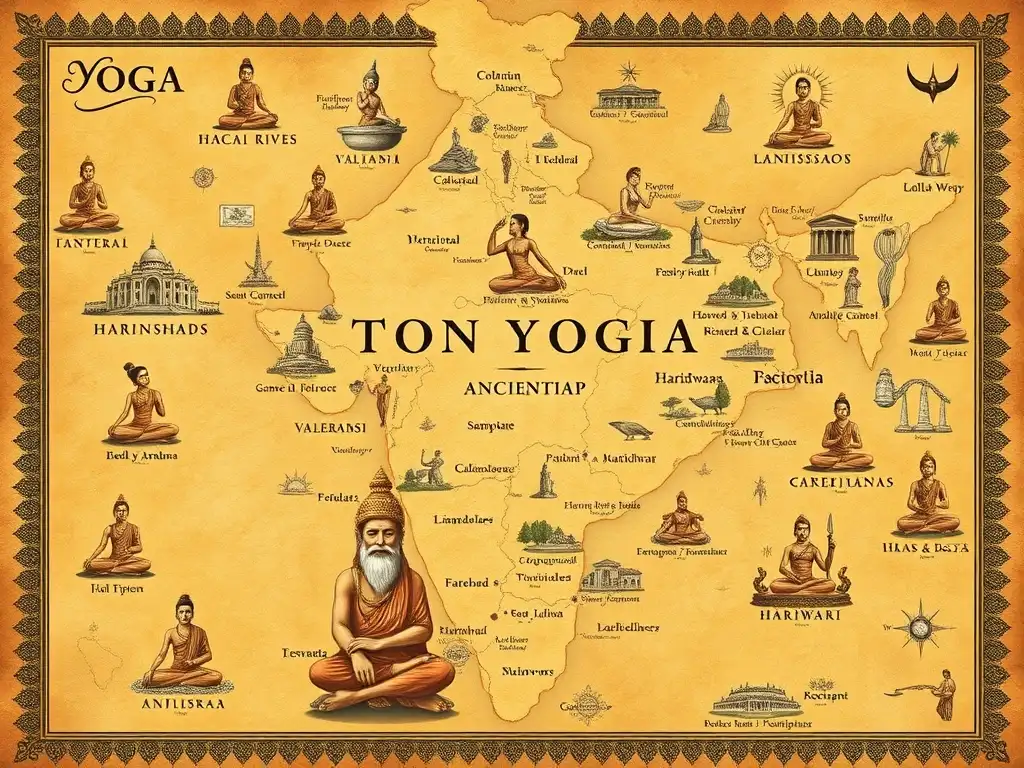
Yoga's evolution spans thousands of years, intertwining with the cultural, philosophical, and spiritual tapestry of ancient India. The history of yoga in India begins with the earliest texts, like the Vedas, and progresses through various philosophical schools, each contributing to the multifaceted nature of yoga as we understand it today. This journey is marked by significant transitions influenced by historical events, societal changes, and the adaptation of practices that reflect the dynamic essence of yoga.
The Transition of Yoga in Medieval India
During the medieval period, yoga underwent transformative changes, particularly with the emergence of various schools of thought such as Shaivism, Vaishnavism, and Tantric traditions. The Yoga Sutras of Patanjali, compiled around the 2nd century BCE, established a systematic approach to yoga, emphasizing the eight limbs of yoga (Ashtanga). This text not only provided a philosophical framework but also influenced many subsequent texts and practices.
- Key Developments:
- Bhakti Movements: The rise of devotional practices integrated yoga with personal devotion (bhakti) to deities, fostering a more accessible understanding of yoga for the masses.
- Tantric Influence: Tantra introduced practices that emphasized the connection between the physical and spiritual, incorporating rituals and meditative practices that expanded the traditional views of yoga.
- Hatha Yoga: By the late medieval period, Hatha yoga emerged, focusing on physical postures (asanas) and breath control (pranayama), laying the groundwork for modern yoga practices.
The synthesis of these diverse influences highlighted yoga’s adaptability, allowing it to resonate with varying philosophical ideologies and societal needs.
Colonial Influence: Yoga's Adaptation in the 19th Century
The British colonial period marked a significant turning point for the history of yoga in India. As Western ideas began to permeate Indian society, yoga practitioners sought to redefine and adapt their practices to align with the changing cultural landscape.
- Key Influences:
- Reform Movements: Influential figures like Swami Vivekananda and Sri Aurobindo played pivotal roles in reinterpreting yoga to align with modern ideals, emphasizing its philosophical underpinnings and spiritual significance.
- Integration of Western Practices: The introduction of physical culture movements in the West prompted Indian yogis to incorporate elements of Western fitness, leading to a more physical approach to yoga.
- Establishment of Yoga Schools: The late 19th and early 20th centuries saw the establishment of numerous yoga schools and ashrams, such as the Krishnamacharya School, which sought to teach traditional yoga while also appealing to contemporary audiences.
This period laid the foundation for a synthesized approach to yoga, blending traditional practices with modern sensibilities, ultimately leading to its global appeal.
The Global Spread of Yoga: From India to the West
The latter half of the 20th century marked the explosion of yoga into the global consciousness, transforming it from a localized Indian practice into a worldwide phenomenon. This transition was facilitated by several key developments:
- Cultural Exchange: The 1960s and 70s brought an influx of Western interest in Eastern philosophies, spirituality, and wellness practices. Notable figures like B.K.S. Iyengar and Patanjali traveled to the West, teaching and sharing Indian yoga practices.
- Commercialization of Yoga: The integration of yoga into fitness culture led to the establishment of numerous studios and certification programs, making yoga more accessible to a broader audience.
- Diverse Styles and Variations: A plethora of yoga styles emerged, each emphasizing different aspects of the practice, such as Vinyasa, Ashtanga, and Power Yoga, catering to diverse preferences and lifestyles.
As a result, yoga has evolved into a multifaceted practice enjoyed by millions globally, often stripped of its traditional spiritual context but retaining elements of its rich heritage from the history of yoga in India.
Yoga's journey is a testament to its enduring nature and adaptability, reflecting the intricate interplay between tradition and modernity across the ages.
The Philosophical Underpinnings of Yoga in Ancient Texts
The history of yoga in India is deeply intertwined with the philosophical frameworks that shaped ancient Indian thought. Yoga is not merely a physical practice; it encapsulates a comprehensive way of life that seeks the union of the individual self with the universal consciousness. This union is articulated through various philosophical concepts that are foundational to understanding yoga's evolution.
Key Concepts: Dharma, Karma, and Moksha
The three central concepts of Dharma, Karma, and Moksha serve as the philosophical pillars upon which the practice of yoga is built.
- Dharma:
- Dharma refers to the moral law or duty that governs an individual's life. It is the guiding principle that determines ethical behavior and responsibilities within society. In the context of yoga, understanding one’s Dharma is crucial for personal growth and spiritual development. The Bhagavad Gita, a seminal text in Indian philosophy, emphasizes the importance of performing one's duty without attachment to the results, which is a key principle in yoga practice.
- Karma:
- Karma signifies the law of cause and effect, where every action has consequences. This principle encourages individuals to engage in righteous actions (good karma) to attain spiritual elevation. The practice of yoga, particularly through meditation and mindfulness, cultivates awareness of one's thoughts and actions, promoting a life aligned with positive karma. As practitioners engage in yoga, they learn to act with intention, thus shaping their karmic legacy.
- Moksha:
- Moksha is the ultimate goal of yoga and refers to liberation from the cycle of birth, death, and rebirth (samsara). It represents the realization of one's true nature and the dissolution of the ego. Ancient texts like the Upanishads explore the path of yoga as a means to attain Moksha, emphasizing self-realization and unity with the divine. This pursuit of liberation drives the aspirant to practice yoga diligently, fostering a deeper understanding of existence.
The interplay of these concepts forms a philosophical framework that guides yoga practitioners toward spiritual enlightenment and ethical living.
The Role of Meditation and Asanas in Ancient Yoga Practices
Meditation and asanas (postures) are integral components of the history of yoga in India, each serving distinct yet complementary purposes in the pursuit of spiritual growth.
- Meditation:
- Meditation is a cornerstone of yoga, providing a means to quiet the mind and explore inner consciousness. In ancient traditions, meditation was often practiced in conjunction with philosophical inquiry. Texts like the Yoga Sutras of Patanjali delineate various meditation techniques, such as Dhyana (focused meditation) and Samadhi (state of meditative absorption), essential for attaining higher states of awareness.
- Asanas:
- While asanas are commonly associated with physical postures, their significance extends into the realm of spiritual practice. Ancient texts suggest that asanas were developed to prepare the body for prolonged meditation, allowing practitioners to maintain focus and stillness. The Hatha Yoga Pradipika, a classical text on Hatha Yoga, details numerous postures aimed at enhancing physical health, flexibility, and concentration.
By integrating meditation and asanas, ancient yoga practitioners cultivated a holistic approach to their spiritual journey. This dual practice not only advanced physical well-being but also fostered mental clarity and emotional stability, essential for deeper spiritual exploration.
The philosophical underpinnings of yoga, rooted in the concepts of Dharma, Karma, and Moksha, alongside the practices of meditation and asanas, illustrate the profound depth of ancient yoga traditions. This rich history continues to inspire modern practitioners as they navigate their own paths toward self-discovery and enlightenment.
Conclusion: The Lasting Legacy of the History of Yoga in India
The history of yoga in India is not just a story of physical practices; it embodies a profound philosophical system that has shaped Eastern thought for centuries. From its origins in the ancient Indus Valley civilization, through the Vedic period, and into the classical era with texts like the Yoga Sutras of Patanjali, yoga has evolved, yet its core principles remain relevant today. The integration of meditation, ethical living, and physical discipline reflects a holistic approach to health and wellness that resonates with contemporary lifestyles.
The teachings of ancient Indian sages have influenced various aspects of life, including spirituality, medicine, and education. As yoga practices continue to spread globally, the essence of this ancient discipline serves as a bridge to understanding not only the human body and mind but also the interconnectedness of all beings. The legacy of yoga is a testament to the enduring wisdom of ancient Indian cultures and their contributions to global wellness.
The Relevance of Ancient Yoga Philosophy in Modern Times
The principles of ancient yoga philosophy hold significant relevance in our fast-paced modern world. Practices such as mindfulness and meditation, which are foundational to yoga, are increasingly recognized for their benefits in stress management and mental health. The Yoga Sutras of Patanjali, written over 2,000 years ago, outline techniques for calming the mind and achieving inner peace, which are more pertinent than ever in today's society plagued by anxiety and distraction.
Moreover, the ethical precepts of yoga, known as the Yamas and Niyamas, provide a moral framework that can guide individuals in their daily lives. Concepts such as non-violence (Ahimsa), truthfulness (Satya), and contentment (Santosha) resonate deeply with many contemporary ethical discussions, from environmental sustainability to social justice. By embracing these ancient teachings, individuals can cultivate a more harmonious existence that honors both personal and collective well-being.
In addition, the historical context of yoga enriches the practice. Understanding its roots allows practitioners to engage with yoga on a deeper level, fostering a sense of connection to a long lineage of wisdom. This awareness can transform how one approaches yoga, moving beyond mere physical postures to a comprehensive lifestyle that incorporates spirituality, community, and self-awareness.
Encouraging Further Exploration: Books and Resources on Ancient Yoga History
For those interested in delving deeper into the history of yoga in India, numerous resources are available that explore its rich tapestry. Here are some recommended books and materials:
- "The Yoga Sutras of Patanjali" - A foundational text that outlines the philosophy and practice of yoga.
- "Light on Yoga" by B.K.S. Iyengar - A comprehensive guide that combines the physical practice with philosophical insights.
- "The Heart of Yoga: Developing a Personal Practice" by T.K.V. Desikachar: - This book presents the principles of yoga in a practical and accessible way.
- "Yoga: The Spirit and Practice of Moving into Stillness" by Erich Schiffmann: - An exploration of yoga's deeper meanings and practices beyond the physical.
Online Resources:
- Yoga Journal - Offers articles and resources on both the practice and philosophy of yoga.
- The Yoga Institute - Features a variety of educational content on the history and development of yoga.
- Institute of Yogic Sciences - Conducts courses and provides publications focused on ancient yoga teachings.
Engaging with these texts and resources can deepen one’s understanding of the historical foundations of yoga and its evolution, enriching both personal practice and broader discussions about wellness and spirituality.
Frequently Asked Questions
What is the history of yoga in India?
The history of yoga in India dates back over 5,000 years, originating in the Indus Valley Civilization. It encompasses various philosophies and practices that have evolved through centuries.
How did ancient Indian civilizations contribute to the development of yoga?
Ancient Indian civilizations, particularly the Vedic and Upanishadic traditions, laid the groundwork for yoga. They emphasized spiritual practices and meditation, which are essential components of yoga today.
What role did the Gupta Empire play in the evolution of yoga?
During the Gupta Empire, yoga became more systematized, with texts like the Yoga Sutras of Patanjali emerging. This period is often referred to as the Golden Age of Yoga, where practices became more codified.
Are there different styles of yoga that trace back to ancient India?
Yes, there are several styles of yoga, including Hatha, Raja, and Bhakti, that have their roots in ancient practices. Each style focuses on different aspects of physical and spiritual development.
How is the history of yoga in India relevant today?
The history of yoga in India is essential for understanding its philosophical foundations and various practices. Today, it continues to influence many aspects of wellness and spirituality around the world.
Final Reflection: Embracing the Ancient Wisdom of Yoga
The history of yoga in India is not just a tale of ancient practices; it is a profound journey that continues to resonate in our modern lives. As we explore the rich tapestry of yoga's origins, we uncover the timeless principles that have shaped not only individual well-being but also collective consciousness. In an era marked by rapid change and increasing stress, the teachings of yoga offer a sanctuary of peace and a pathway to self-discovery.
Culturally and socially, yoga has transcended its roots to become a global phenomenon, influencing countless lives across the world. Its principles of mindfulness, balance, and unity are more relevant than ever as we navigate the complexities of contemporary existence. As the renowned yogi B.K.S. Iyengar once said, Yoga does not just change the way we see things, it transforms the person who sees.
This transformation is a testament to yoga's enduring impact, reminding us that its essence is not confined to the mat but extends into every facet of our lives.
As you reflect on the insights shared in this article, I invite you to consider how the ancient wisdom of yoga can be woven into your daily routine. Take a moment to breathe, to connect with your inner self, and to embrace the journey of self-improvement. Whether through a simple practice of mindfulness or a deeper exploration of yoga's philosophies, let the history of yoga in India inspire you to cultivate harmony within and around you. The path is yours to tread, and the benefits await those who dare to embark on it.
Embrace Your Journey: Deepen Your Connection with Yoga!
Thank you for exploring the fascinating origins of yoga with us! We hope you found inspiration in the rich history and transformative benefits of this ancient practice. Now, it's time to take that inspiration and make it your own.
Here are some actionable steps you can take today:
- Start a daily yoga practice: Commit to just 10 minutes each day to connect with yourself and foster the mind-body relationship that yoga embodies.
- Dive deeper into yoga’s history: Read insightful books or explore reputable online resources to discover how yoga can positively impact your life and the lives of those around you.
- Share your journey: Participate in community classes or online groups, where you can connect with fellow yoga enthusiasts to exchange experiences and grow together.
How has learning about the history of yoga influenced your personal practice? We invite you to share your thoughts and inspire others!