
The Symbolic Meaning of Colors in Indian Festivals and Celebrations

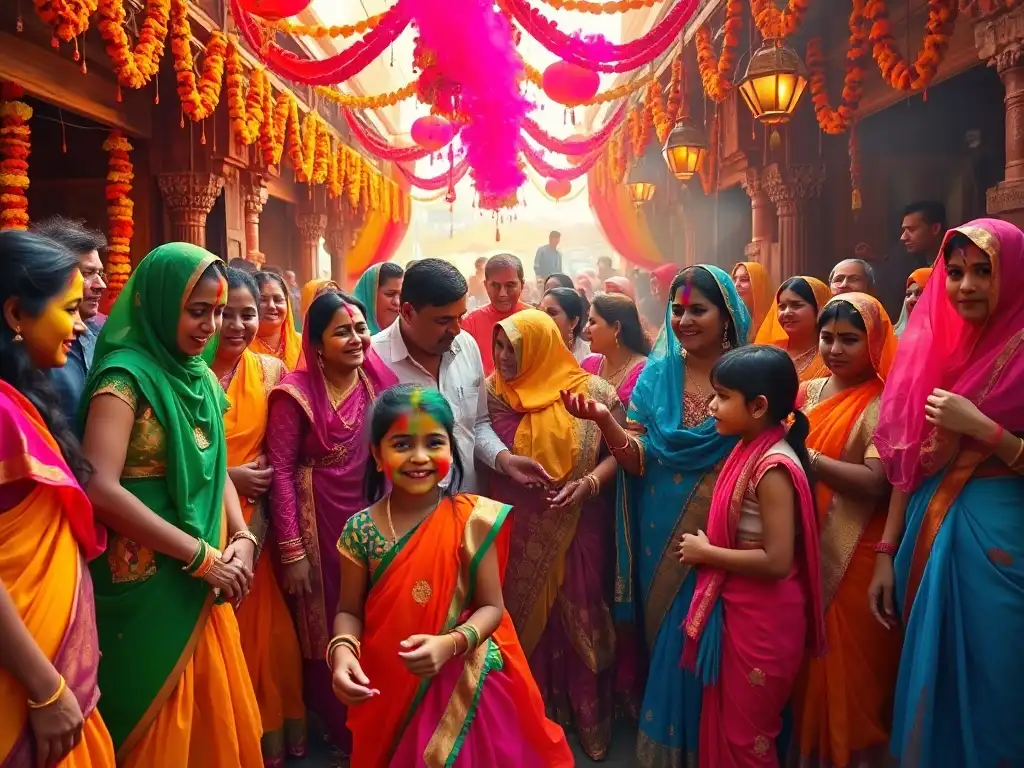
Welcome to Ancient India History, where we journey through the vibrant tapestry of India's past! Today, we delve into the symbolic meaning of colors in Indian festivals and celebrations, a topic that reflects the rich cultural heritage and traditions that have shaped this magnificent civilization. Have you ever wondered why certain colors are revered during festivals? Join us as we uncover the fascinating connections between hues and heritage, illuminating the significance behind the vibrant celebrations that continue to captivate hearts and minds. Get ready to explore a kaleidoscope of traditions that beckon you to discover more!
Introduction to Colors in Indian Festivals
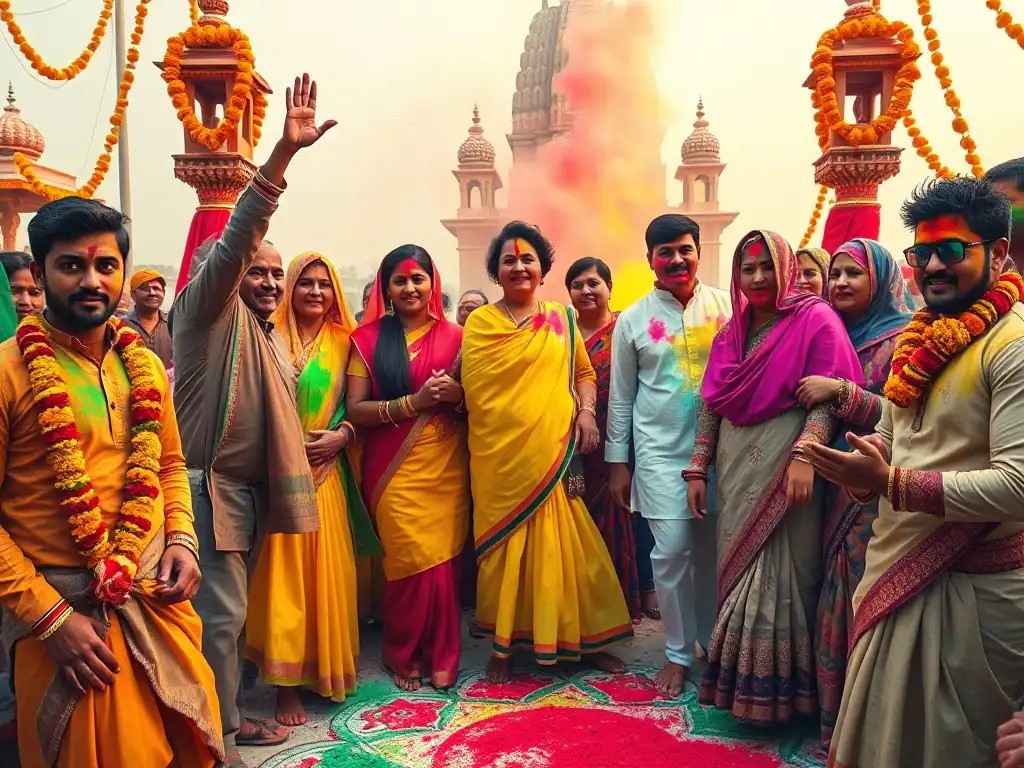
Colors play a pivotal role in the vibrant tapestry of Indian festivals, serving as a medium to express emotions, beliefs, and cultural values. Each hue is imbued with symbolic meanings that resonate deeply with the traditions and philosophies of ancient Indian civilizations. From the joyous splashes of color during Holi to the serene whites of Diwali, understanding the significance of these colors enriches our appreciation of Indian cultural practices and celebrations. This exploration into the colors in Indian festivals unveils the profound connections between the vibrant palette of colors and the spiritual and communal dimensions of these joyous occasions.
Overview of Indian Festivals and Their Significance
India is renowned for its multitude of festivals, each reflecting unique cultural narratives and social values. Some of the most celebrated festivals include:
- Diwali: The Festival of Lights, symbolizing the victory of light over darkness.
- Holi: The Festival of Colors, celebrating the arrival of spring and the triumph of good over evil.
- Navratri: A nine-night festival dedicated to the worship of the goddess Durga.
These festivals not only mark significant religious observances but also foster community bonding, cultural expression, and a sense of belonging among participants. Each festival is a rich tapestry of rituals, music, dance, and, most importantly, colors that convey profound meanings.
Importance of Colors in Cultural Practices
Colors are not merely aesthetic; they hold deep cultural significance in Indian traditions. They are often associated with various emotions, values, and beliefs. For instance:
- Red: Symbolizes love, prosperity, and fertility, commonly seen in weddings and auspicious occasions.
- Yellow: Represents knowledge and learning, often associated with the harvest festival of Pongal.
- Green: Signifies life and fertility, frequently used during festivals celebrating nature.
By understanding the importance of colors, we can appreciate how they enhance the spiritual and emotional experiences of festivals, creating a visual symphony that resonates with the participants.
Historical Context of Colors in Indian Traditions
The use of colors in Indian festivals is deeply rooted in the historical and cultural contexts of the region. Ancient texts and traditions provide insight into the symbolic meanings assigned to various colors, influencing modern celebrations.
Ancient Texts and Color Symbolism
Various ancient texts, including the Vedas and Upanishads, delve into the significance of colors. For instance, the Vedic texts often mention colors in the context of rituals and offerings. Each color is associated with specific deities and energies, reflecting the cosmic order and spiritual truths.
- Blue: Often associated with Lord Krishna, representing divinity and cosmic nature.
- White: Symbolizes purity and peace, often used in mourning rituals.
These texts reveal how color symbolism has been integral to spiritual practices and their evolution over centuries.
Influence of Religion on Color Usage in Festivals
Religion significantly influences color usage in Indian festivals. Different faiths interpret colors in varied ways, enhancing the diversity of celebrations:
- Hinduism: Colors like saffron and white symbolize purity and renunciation, as seen in festivals like Makar Sankranti.
- Islam: Green, representing paradise, is prominent during Eid celebrations.
- Sikhism: Bright colors signify joy and community, especially during Baisakhi.
This religious diversity contributes to the rich palette of colors observed during festivals, each reflecting unique spiritual meanings and cultural practices.
By understanding the historical context and religious influences on color symbolism, we can appreciate how these meanings continue to shape the festivals celebrated in contemporary India.
Major Colors Celebrated in Indian Festivals
Colors play a vital role in Indian festivals, acting as a means of expression and a vehicle for conveying cultural values and emotions. Each hue carries its own distinct significance, reflecting the traditions and beliefs of various communities across the subcontinent. The vibrancy of festivals is often highlighted through the use of colors, which symbolize a range of concepts from prosperity to spirituality. The major colors celebrated in Indian festivals include red, yellow, green, blue, and white, each with its unique symbolism and significance.
Red: Symbolism and Significance
Red is a color of great importance in Indian culture, representing love, passion, and power. It is often associated with auspiciousness and is prominently featured in many festivals, including weddings and religious ceremonies. In Hinduism, red symbolizes the goddess Durga, embodying strength and femininity. During festivals like Holi, red powders and colors are used to celebrate joy and unity among communities. The vibrant shade also signifies fertility and prosperity, making it a favored choice for decorations and attire during celebrations.
Yellow: Joy, Prosperity, and Spirituality
Yellow is celebrated as a color of happiness and prosperity, often linked to the harvest season. In many festivals, including Basant Panchami, yellow is worn to honor the goddess Saraswati, symbolizing knowledge and learning. The color is also associated with the sun, representing warmth and positivity. Yellow signifies the beginning of new ventures and is commonly used in decorations, sweets, and clothing during celebrations. Its bright and cheerful essence adds to the festive atmosphere, embodying a spirit of joy and optimism.
Green: Nature, Fertility, and Renewal
Green embodies the essence of nature, fertility, and renewal, making it a significant color during various Indian festivals. This hue symbolizes growth and abundance, reflecting the agricultural heritage of the country. Festivals like Pongal and Makar Sankranti celebrate the harvest, and green is often incorporated into traditional attire and decorations. Additionally, green is associated with life and vitality, making it a fitting color for celebrations that honor the earth and its bounty. The use of green in festivals promotes a sense of harmony with nature and the environment.
Blue: Divinity and Protection
Blue represents divinity and protection, often associated with Lord Krishna, a beloved deity in Hindu mythology. This color symbolizes the infinite sky and the ocean, embodying the themes of depth and stability. During festivals like Janmashtami, which celebrates the birth of Krishna, blue is prominently featured in decorations, attire, and traditional art. The color also signifies peace and tranquility, contributing to the spiritual essence of festivals. By incorporating blue, celebrants seek blessings for protection and divine guidance during their festivities.
White: Purity and Peace
White is a color that signifies purity, peace, and simplicity in Indian culture. It is often worn during religious ceremonies and rituals, representing cleanliness and spiritual clarity. In festivals like Raksha Bandhan, white is commonly used in the attire of sisters who tie protective threads around their brothers' wrists. The color also plays a significant role in mourning rituals, symbolizing respect and reverence. During festivals, the use of white in decorations and offerings creates an atmosphere of serenity, emphasizing the peaceful aspects of celebration.
Regional Variations in Color Usage
The symbolism and significance of colors in Indian festivals can vary greatly from one region to another. Each state has its unique traditions and interpretations of colors, influenced by local customs, beliefs, and cultural practices. Understanding these regional variations enriches our appreciation of the diverse tapestry of Indian festivals.
North Indian Festivals and Color Significance
In North India, colors like red and yellow take center stage during festivals such as Holi and Diwali. The vibrant reds symbolize love and passion, while yellows evoke joy and celebration. Holi, known as the festival of colors, features a myriad of hues being thrown in the air, emphasizing the spirit of unity and togetherness. During Diwali, red and gold dominate the festivities, representing prosperity and wealth.
South Indian Festivals and Their Color Traditions
South Indian festivals often incorporate colors that reflect the region's lush landscape and rich agricultural practices. Green, symbolizing fertility and growth, is prevalent during festivals like Pongal, celebrating the harvest. Yellow, representing joy, is also commonly used, particularly in decorations and traditional attire. The use of vibrant colors in rangoli (decorative patterns) is a hallmark of South Indian celebrations, enhancing the festive atmosphere.
East Indian Celebrations and Color Symbolism
In East India, colors are deeply intertwined with cultural and religious significance. For instance, during Durga Puja, red and yellow symbolize the power of the goddess Durga, while green signifies nature and fertility. The festivities are characterized by elaborate decorations featuring these colors, creating a vibrant and joyous atmosphere. The use of colors in traditional attire during these celebrations reflects the cultural heritage and artistic expressions of the region.
West Indian Festivals and Unique Color Practices
West Indian festivals, particularly those in Gujarat and Maharashtra, showcase unique color practices. Navratri, a festival dedicated to the goddess Durga, involves wearing different colors each day, each symbolizing a specific aspect of the goddess. For example, red represents strength, while blue signifies peace. The vibrancy of colors during these festivals is matched by energetic dance forms, further amplifying the celebratory spirit. The use of colors in this region reflects both religious significance and local customs, creating a rich tapestry of traditions.
The Role of Colors in Specific Indian Festivals
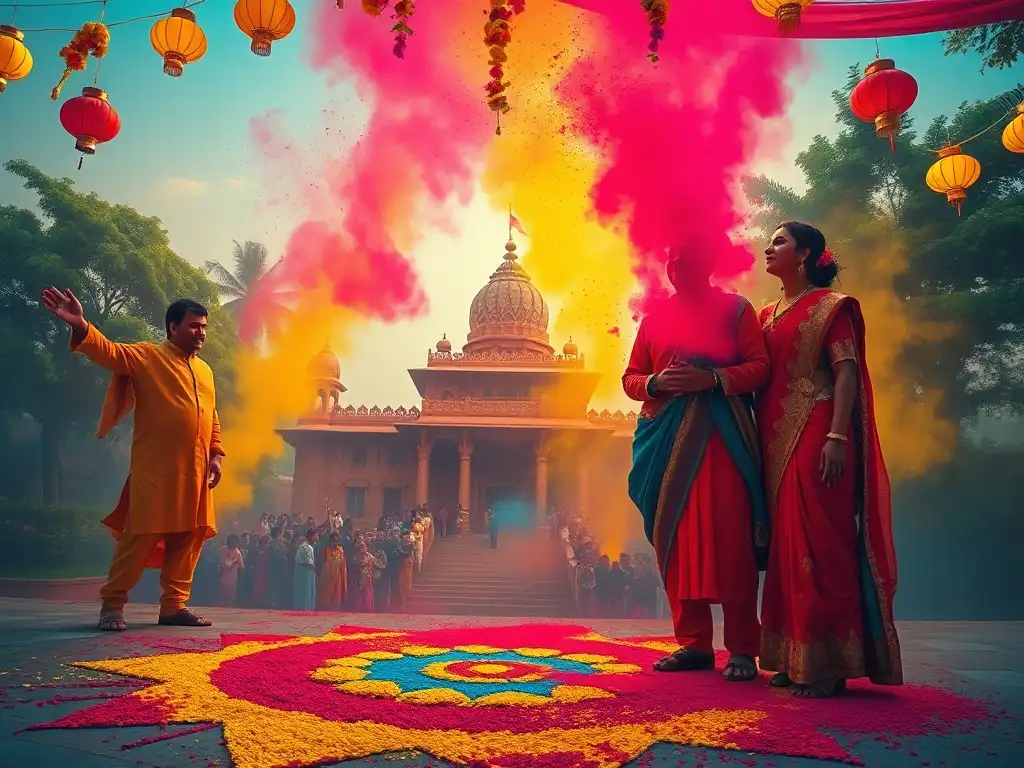
Colors play a pivotal role in the vibrant tapestry of Indian festivals, symbolizing various emotions, spiritual beliefs, and cultural narratives. Each festival is characterized by specific color palettes that not only enhance the visual appeal but also carry profound meanings that resonate deeply with participants. Understanding the significance of these colors offers insights into the cultural fabric of India, demonstrating how they contribute to the overall festive experience.
Holi: The Festival of Colors
Holi, often referred to as the "Festival of Colors," is celebrated with great enthusiasm across India and among Indian communities worldwide. This festival marks the arrival of spring and the victory of good over evil. The colors used during Holi—vibrant shades of red, yellow, green, blue, and pink—are more than mere entertainment; they symbolize various themes such as love, joy, and the renewal of life.
- Red represents passion and love, often associated with the divine love of Radha and Krishna.
- Yellow signifies knowledge and learning, reflecting the warmth of the sun.
- Green denotes growth and fertility, celebrating nature's bounty.
- Blue symbolizes the divine, representing Lord Krishna himself.
During Holi, participants throw colored powders (gulal) and water at each other, creating a lively atmosphere that fosters friendship and community spirit. This act of playfulness transcends social barriers, allowing people from different backgrounds to come together and celebrate.
Diwali: The Festival of Lights
Diwali, celebrated as the "Festival of Lights," epitomizes the victory of light over darkness and knowledge over ignorance. While the illumination of oil lamps (diyas) is a hallmark of this festival, colors also play a significant role in its celebration.
- Gold and yellow evoke prosperity and wealth, as they are associated with Goddess Lakshmi, the deity of fortune.
- Orange reflects warmth and invites positivity into homes.
- Red is prominent in decorative items and clothing, symbolizing love and auspiciousness.
During Diwali, homes are adorned with colorful rangoli designs at the entrances, made from colored powders, flowers, and grains. These vibrant patterns not only beautify the surroundings but also serve as a welcoming gesture for guests and deities.
Navratri: The Celebration of Goddess Durga
Navratri is a nine-night festival dedicated to the worship of Goddess Durga. Each day of Navratri is associated with a specific color that corresponds to the different forms of the goddess being worshipped. This color system adds a unique dimension to the celebrations.
- Day 1: Yellow represents the goddess Shailputri, symbolizing joy and happiness.
- Day 2: Green is associated with Brahmacharini, signifying growth and prosperity.
- Day 3: Grey represents Chandraghanta, indicating strength.
- Day 4: Orange relates to Kushmanda, symbolizing energy and enthusiasm.
The vibrant colors worn during the festival reflect devotion and reverence, while the traditional dances and music further enhance the festive spirit. The use of colors creates an ambiance of celebration, fostering unity among participants as they come together to honor the divine feminine.
Impact of Colors on Festivities and Community Bonding
The colors associated with Indian festivals not only enhance the visual spectacle of the celebrations but also play a critical role in fostering community bonding and cultural identity. They serve as a medium through which shared values and beliefs are expressed, creating a sense of belonging among participants.
How Colors Enhance Festive Atmosphere
Colors significantly contribute to the overall festive atmosphere, transforming ordinary spaces into vibrant settings of celebration. The visual stimulation provided by bright colors can evoke joy and excitement, making the festivities more memorable.
- Psychological Impact: Bright colors like red and yellow stimulate feelings of happiness and enthusiasm. Studies have shown that colors can influence mood and behavior, enhancing the overall experience of celebrations.
- Cultural Significance: Each color carries inherent meanings and associations that enrich the festivities, allowing participants to connect more deeply with the cultural narratives being celebrated.
The collective experience of being surrounded by vivid colors during festivals fosters a sense of unity and shared joy, strengthening community ties.
Colors as a Means of Cultural Expression
In India, colors are more than just aesthetic choices; they are powerful symbols of cultural identity and expression. Through the use of colors in festivals, communities convey their beliefs, traditions, and values.
- Artistic Expressions: Colors manifest in various forms, including traditional attire, decorations, and artistic expressions like rangoli and paintings, each telling a story of cultural heritage.
- Cultural Identity: The specific colors associated with different festivals contribute to the rich diversity of Indian culture, allowing communities to express their unique identities while also celebrating the shared heritage of the country.
In essence, colors in Indian festivals serve as a canvas upon which the rich cultural narratives of the nation are painted, fostering a sense of pride and belonging among its people.
Conclusion: The Lasting Legacy of Colors in Indian Festivals
The vibrant colors featured in Indian festivals are more than mere visual spectacles; they encapsulate deep cultural meanings and historical significance. From the vivid saffron of Holi to the serene white of Diwali, each hue speaks to the values and beliefs intrinsic to Indian society. These colors foster a sense of unity among diverse communities, acting as a thread that binds individuals together in celebration. The legacy of colors in Indian festivals is not only celebrated through tradition but is also passed down through generations, ensuring that the cultural narrative remains alive and relevant.
Reflection on the Cultural Importance of Colors
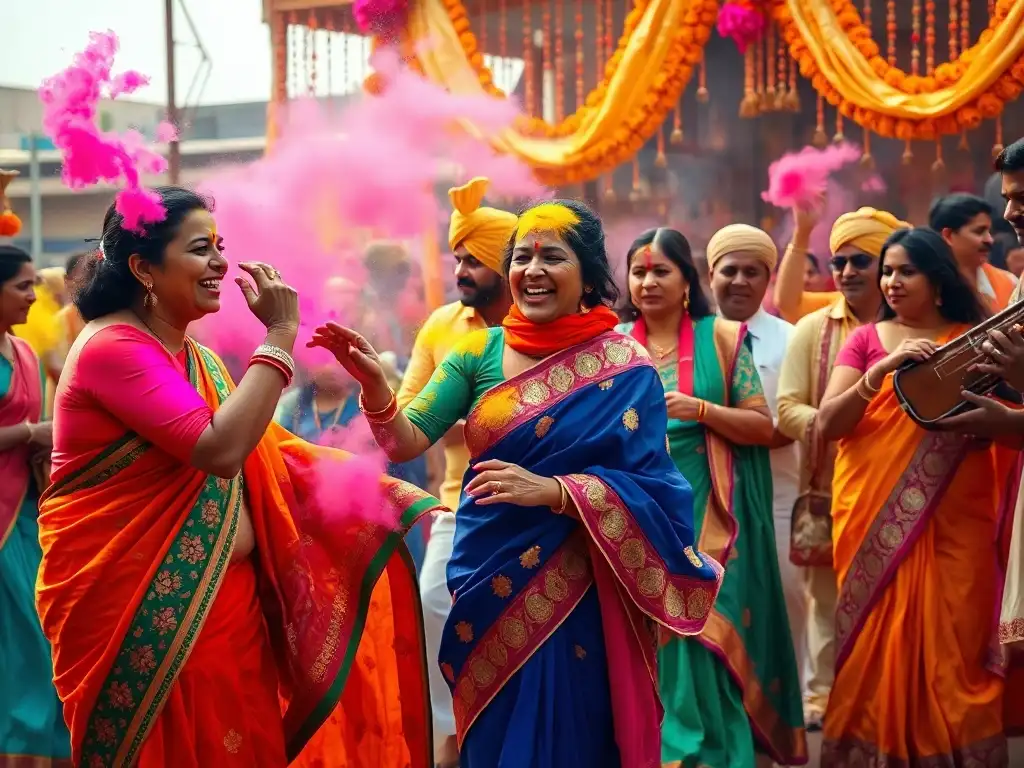
Colors in Indian festivals reflect the rich tapestry of the nation’s history, spirituality, and cultural diversity. For instance, red symbolizes prosperity and fertility, often seen in weddings and auspicious ceremonies. Green, representing life and renewal, plays a vital role during festivals like Eid and Baisakhi. Each color is imbued with layered meanings that resonate with the collective memory of communities, reinforcing social bonds and shared identities. This cultural significance of colors transcends the visual aspect and becomes a medium for expressing emotions, beliefs, and traditions, thus enriching the celebratory experience.
Future of Color Symbolism in Indian Celebrations
As India continues to evolve, so does the interpretation of color symbolism in its festivals. The infusion of modern influences can lead to new meanings and representations of traditional colors. For instance, younger generations may adopt contemporary palettes while still honoring traditional hues, thereby creating a fusion that reflects current societal trends.
Additionally, global interactions may introduce new colors and interpretations into Indian celebrations, expanding the spectrum of symbolism. This evolution presents an opportunity to keep the essence of Indian culture alive while adapting to changing times, ensuring that colors in Indian festivals remain dynamic and relevant for future generations.
References and Further Reading on Colors in Indian Festivals
Suggested Books and Articles
- "Colors of India: A Cultural Study": by Priya Sharma - This book delves into how colors shape the cultural practices in India, including festivals.
- "The Significance of Colors in Indian Rituals" - An insightful article that explores the meanings behind various colors used in Indian traditions.
- "Festival Colors: Their Meaning and Importance": by Ramesh Gupta - This publication offers a comprehensive analysis of color symbolism in Indian festivities.
Online Resources for Exploring Color Symbolism in Indian Culture
- Cultural India: This website provides a detailed overview of Indian festivals, including the significance of colors in each celebration.
- The India Forum: A platform that discusses various aspects of Indian culture, including articles on the role of colors in festivals.
- India Today: Festival Special: An online section dedicated to the exploration of India's diverse festivals, highlighting the importance of colors and their meanings.
In exploring the rich tapestry of colors in Indian festivals, one uncovers not just a visual celebration but a profound narrative of tradition, identity, and communal harmony.
- Introduction to Colors in Indian Festivals
- Historical Context of Colors in Indian Traditions
- Major Colors Celebrated in Indian Festivals
- Regional Variations in Color Usage
- The Role of Colors in Specific Indian Festivals
- Impact of Colors on Festivities and Community Bonding
- Conclusion: The Lasting Legacy of Colors in Indian Festivals
- Reflection on the Cultural Importance of Colors
- Future of Color Symbolism in Indian Celebrations
- References and Further Reading on Colors in Indian Festivals
- What is the significance of colors in Indian festivals?
- How do colors vary across different Indian festivals?
- Are there any specific colors associated with major Indian festivals?
- How do colors influence the atmosphere of celebrations in India?
- Can the meanings of colors in Indian festivals change over time?
Frequently Asked Questions
What is the significance of colors in Indian festivals?
Colors hold deep symbolic meanings in Indian festivals, representing various emotions, virtues, and natural elements. They enhance the celebratory spirit and connect participants to cultural heritage and traditions.
How do colors vary across different Indian festivals?
Each festival has its own unique color palette; for instance, red symbolizes love during weddings, while yellow represents prosperity during Makar Sankranti. This diversity showcases the rich cultural tapestry of India.
Are there any specific colors associated with major Indian festivals?
Yes, specific colors are often associated with major festivals; for example, green for Eid, orange for Diwali, and white for Lohri. These colors are used in decorations and attire, emphasizing their cultural significance.
How do colors influence the atmosphere of celebrations in India?
Colors greatly influence the mood and ambiance of celebrations, creating a vibrant and joyous atmosphere. They evoke feelings of happiness, unity, and togetherness among people participating in the festivities.
Can the meanings of colors in Indian festivals change over time?
Yes, the meanings of colors can evolve with changing cultural contexts and societal norms. New interpretations may arise, reflecting contemporary values and beliefs, while still honoring traditional symbolism.
Final Reflection: The Vibrant Essence of Colors in Indian Festivals
Colors in Indian festivals are not merely aesthetic choices; they embody deep cultural significance and emotional resonance. As we navigate through a world increasingly influenced by globalization, the rich tapestry of colors that adorn Indian celebrations serves as a reminder of our diverse heritage and the stories that each hue tells. The interplay of colors during these festivities not only enhances the visual splendor but also fosters a sense of unity and belonging among communities, making it a vital aspect of our collective identity.
Celebrations like Holi, Diwali, and Eid showcase how colors can transcend mere decoration to become powerful symbols of hope, joy, and renewal. The way colors are used in these festivals reflects the values and traditions that have been passed down through generations, influencing our social fabric. As Mahatma Gandhi once said, "A nation's greatness is measured by how it treats its weakest members." In this context, the vibrant colors of Indian festivals remind us of our responsibility to honor and uplift one another, celebrating our shared humanity through the lens of cultural expression.
As you reflect on the significance of colors in Indian festivals, I invite you to consider how these lessons can be applied in your own life. What colors resonate with your personal experiences, and how can you incorporate the spirit of celebration into your everyday interactions? Let the vibrant hues of these festivals inspire you to embrace diversity, foster connections, and create moments of joy in your community. By doing so, we can ensure that the legacy of these colorful celebrations continues to thrive, enriching our lives and those of future generations.
Embrace the Vibrancy of Colors!
Thank you for taking the time to explore the rich tapestry of colors in Indian festivals. You've uncovered the secret meanings behind these hues and how they enhance our celebrations. Now, embrace that knowledge and let it inspire your own life!
Here are some empowering actions you can take:
- Incorporate Color Meaning: Choose a color that resonates with you for your next celebration. Whether it’s a family gathering or a personal milestone, let that color reflect the emotions you wish to convey.
- Share with Friends: Host a color-themed gathering where you and your friends can learn and celebrate the meanings of colors together. Share insights from this exploration to deepen the experience!
- Explore Further: Dive into the history of various cultural traditions and their symbolic colors. This knowledge can enhance your appreciation for diverse customs and festivals.
What color do you feel embodies your spirit, and how do you use it to enhance your celebrations? We invite you to share your thoughts below!