
The Spirit of Giving: Charitable Acts During Indian Festivals

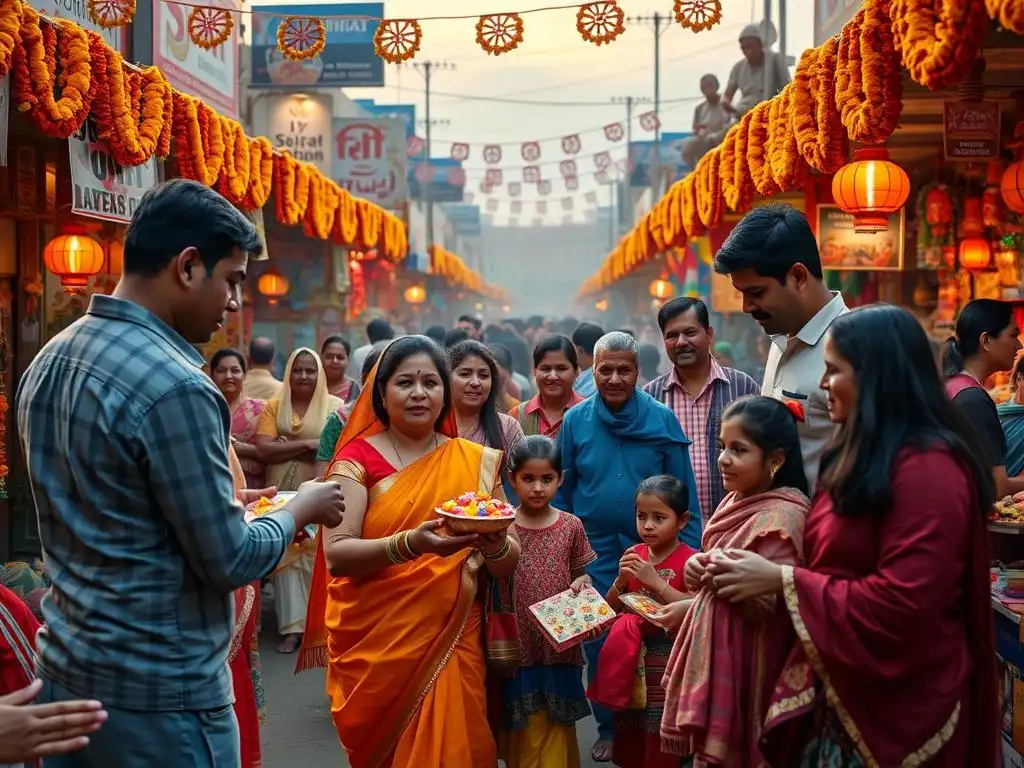
Welcome to Ancient India History, where we invite you to journey through the vibrant tapestry of India's rich past. In our latest article, "The Spirit of Giving: Charitable Acts During Indian Festivals," we delve into the heartwarming traditions that celebrate generosity and kindness across various festivals. Have you ever wondered how the ancient customs of giving have shaped the way we celebrate today?
Join us as we uncover the profound significance of charitable acts in Indian festivals and explore the cultural heritage that continues to inspire millions. Your adventure into the depths of ancient Indian civilization starts here—let's unravel the stories that bind us together!
Introduction to Charitable Acts in Indian Festivals
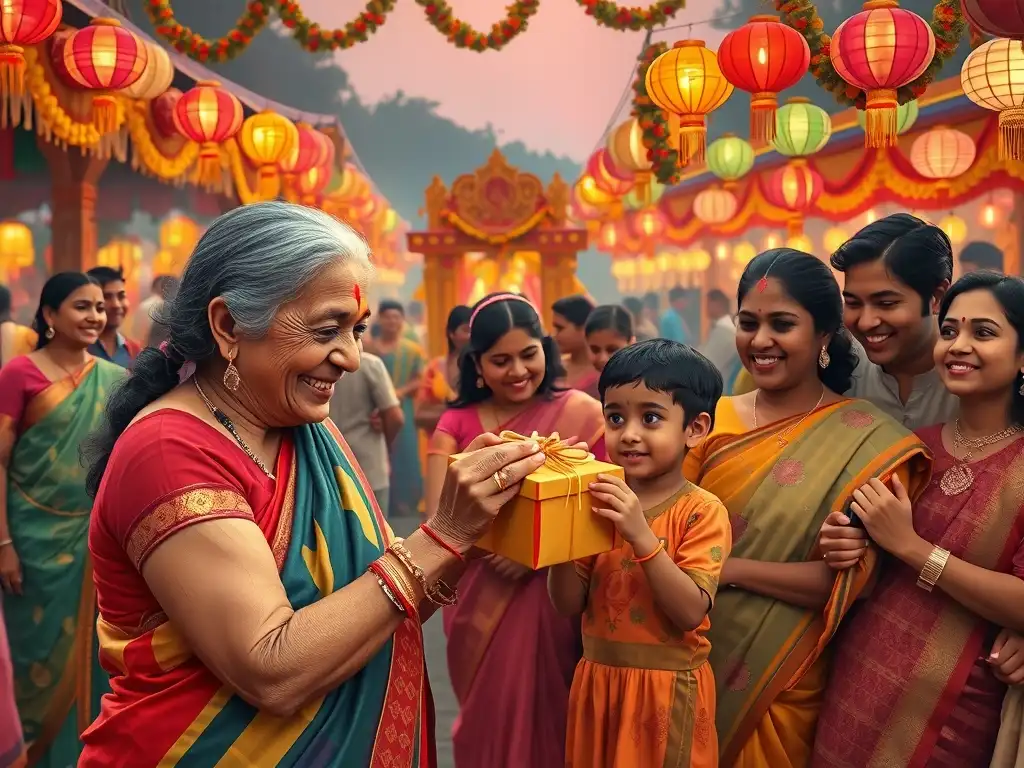
In the vibrant tapestry of Indian culture, charitable acts during festivals hold a significant place, embodying the spirit of generosity and compassion. These acts are not merely rituals but represent a profound connection between individuals and their communities, transcending economic, social, and religious barriers.
Festivals in India, such as Diwali, Eid, and Pongal, are occasions where the act of giving takes center stage, reinforcing bonds among people and fostering a sense of belonging. Charitable acts in Indian festivals serve as a reminder of the collective responsibility to uplift those in need, showcasing the values of altruism and empathy ingrained in the Indian ethos.
Importance of Charitable Acts in Indian Culture
Charitable acts are woven into the fabric of Indian culture, reflecting the philosophical and moral underpinnings of society. The concept of 'Daan' (giving) is deeply embedded in Hindu scriptures, emphasizing the significance of sharing wealth and resources. This tradition extends to various communities and religions across India, fostering unity and understanding.
Some key aspects of charitable acts in Indian culture include:
- Cultural Significance: Festivals are viewed as an opportunity to give back to the community, reinforcing the idea that prosperity should be shared.
- Social Responsibility: Engaging in charitable acts reflects a commitment to social welfare, encouraging individuals to support those less fortunate.
- Spiritual Growth: The act of giving is often linked to spiritual well-being, believed to purify the giver and bring blessings in return.
Overview of Major Indian Festivals Celebrating Charity
Several Indian festivals are celebrated with a focus on charitable acts, highlighting the importance of generosity. Here are some notable examples:
| Festival | Description | Charitable Activities |
|---|---|---|
| Diwali | The festival of lights, symbolizing the victory of light over darkness. | Distribution of sweets and food to the underprivileged, donations to orphanages. |
| Eid | A significant Islamic festival marking the end of Ramadan. | Giving 'Zakat' (almsgiving), sharing meals with the needy. |
| Pongal | A harvest festival celebrated in Tamil Nadu. | Cooking and sharing traditional meals with the less fortunate. |
| Navratri | A nine-night festival dedicated to the worship of the goddess Durga. | Organizing community feasts and donating to local charities. |
Historical Context of Charitable Acts in Indian Festivals
The practice of charitable giving during festivals is not a modern phenomenon; it has roots that can be traced back to ancient Indian civilizations. Understanding this historical context provides insight into how these traditions have evolved over time.
Ancient Traditions of Giving in Indian Civilizations
Historically, ancient Indian societies emphasized the importance of charity, which was often linked to social status and moral obligation. The Vedic texts, for instance, extolled the virtues of 'Dharma' (righteousness) and 'Daan', advocating for the need to support those in need. During significant festivals, communities would gather to contribute to collective causes, such as building temples, supporting sages, or aiding the impoverished.
Influence of Religion on Charitable Practices
Religion has played a pivotal role in shaping charitable practices in India. Different faiths, including Hinduism, Buddhism, Jainism, and Islam, advocate for altruism and community service, especially during festivals. Each religion brings its unique customs and beliefs regarding charity, contributing to a rich mosaic of giving practices.
For instance, the concept of 'Seva' (selfless service) in Sikhism emphasizes serving others, particularly during the festival of Guru Nanak Jayanti, where free meals (Langar) are served to all, regardless of background. Similarly, the Islamic principle of 'Zakat' mandates charitable giving, especially during Eid, reinforcing the community's moral obligation to support one another.
Charitable acts in Indian festivals are a reflection of the cultural, historical, and religious fabric of the nation, embodying the spirit of giving that is integral to Indian society.
Major Indian Festivals Associated with Charitable Acts
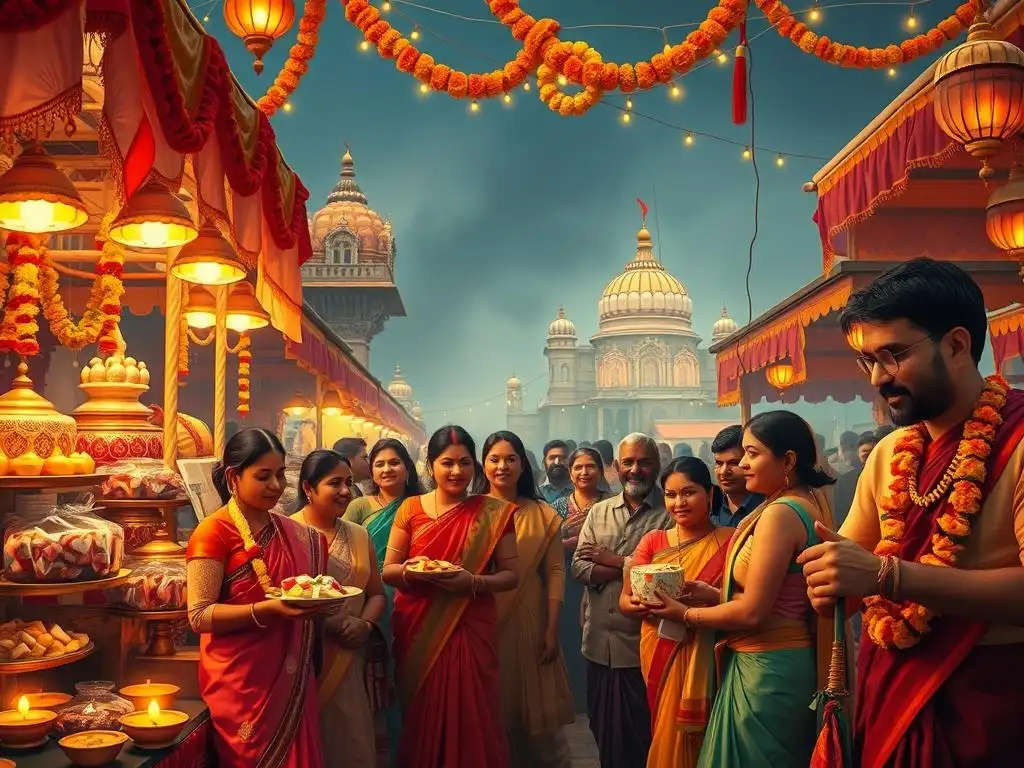
India's rich tapestry of festivals is deeply intertwined with the spirit of giving and charity. Each major celebration not only marks significant cultural and religious events but also emphasizes the importance of sharing and helping those in need. Here are some of the major Indian festivals that highlight charitable acts:
Diwali: The Festival of Lights and Generosity
Diwali, known as the Festival of Lights, is one of the most celebrated festivals in India. It symbolizes the victory of light over darkness and good over evil. During this festival, people engage in various charitable acts, including:
- Distribution of Sweets and Gifts: Many families prepare special sweets and snacks to share with neighbors and those less fortunate. This act of sharing fosters community bonds and spreads joy.
- Donations to Temples and Charities: It is common for individuals to donate money or food to temples and charitable organizations during Diwali. This tradition reflects a commitment to social welfare and the betterment of society.
- Lighting Diyas for the Needy: Some people light additional diyas (oil lamps) in honor of the less fortunate, symbolizing hope and the belief that everyone deserves to experience the festival's light.
Pongal: A Harvest Festival Emphasizing Gratitude
Pongal is a harvest festival primarily celebrated in Tamil Nadu, marking the end of the harvest season. It is a time to express gratitude to nature and the agricultural community. Charitable acts during Pongal include:
- Sharing the Harvest: Families prepare a special dish called 'Pongal' and often share it with neighbors and those in need. This act reinforces community ties and fosters a sense of togetherness.
- Gifts for Farmers: Many people give gifts, such as clothes or food, to farmers and laborers who have contributed to the harvest. This gesture acknowledges their hard work and dedication.
- Community Feasts: In many villages, large community feasts are organized, inviting everyone to partake in the celebration, especially those who may be less fortunate.
Holi: Celebrating Joy and Giving Back
Holi, the festival of colors, is celebrated with exuberance across India. While the festival is known for its playful spirit, it also carries a significant message of unity and giving. Charitable acts associated with Holi include:
- Distributing Colored Powder and Sweets: People often prepare and distribute sweets and natural colors to children and those in need, promoting inclusivity and joy.
- Community Clean-Up Drives: In recent years, many communities have organized clean-up drives post-Holi to help those affected by the celebration's aftermath, emphasizing responsibility and care for the environment.
- Support for Underprivileged Children: Many organizations run special programs during Holi to ensure that underprivileged children can celebrate the festival with colors and joy, highlighting the importance of giving back.
Eid: A Festival of Sacrifice and Generosity
Eid, particularly Eid al-Fitr, is a significant Islamic festival that follows the month of Ramadan. It is a time of celebration and reflection, emphasizing the importance of charity. Charitable acts during Eid include:
- Zakat and Fitrana: Muslims are required to give a portion of their income as Zakat (charity) and Fitrana (a special charity given before Eid prayers) to help the needy. This practice ensures that everyone can partake in the festivities.
- Community Feasts: Families often prepare large meals and invite neighbors, friends, and less fortunate individuals to join the celebrations, reinforcing community bonds and hospitality.
- Gifts of Clothing and Food: It is customary to provide gifts of clothing and food to the underprivileged, ensuring that everyone can celebrate Eid with dignity.
Modern Interpretations of Charitable Acts During Festivals
In recent years, the approach to charitable acts during Indian festivals has evolved significantly. Modern interpretations reflect changing societal values and the influence of technology.
The Rise of Social Initiatives and Charity Organizations
The increased awareness of social issues has led to the emergence of numerous charity organizations that actively promote giving during festivals. These organizations often:
- Organize Fundraising Events: Many charities host events during major festivals to raise funds for various causes, from education to healthcare.
- Promote Volunteerism: Festivals are often used as an opportunity to encourage volunteerism, where individuals can contribute their time and resources to help those in need.
- Highlight Causes through Campaigns: Social media campaigns during festivals raise awareness about pressing issues, encouraging people to donate or volunteer.
How Technology is Influencing Charitable Giving
The digital age has transformed the way people engage in charitable acts during festivals. Technology plays a crucial role in:
- Online Fundraising Platforms: Websites and apps enable easy donations to various causes, making it convenient for individuals to contribute during festival seasons.
- Social Media Awareness: Social media platforms are widely used to spread awareness about charitable initiatives, allowing for greater outreach and engagement.
- Crowdfunding for Causes: Many individuals and organizations use crowdfunding to support specific charitable projects during festivals, tapping into the collective effort of the community.
The spirit of giving during Indian festivals is a beautiful blend of tradition, culture, and modernity, highlighting the importance of charity in fostering a compassionate and caring society.
The Impact of Charitable Acts on Society
Charitable acts during Indian festivals play a pivotal role in shaping the social fabric of communities. These acts of generosity not only address immediate needs but also foster a sense of unity and cooperation among individuals. When people come together to support the less fortunate, they strengthen the bonds that hold communities together, creating a network of support that transcends individual differences.
Moreover, the impact of charitable acts extends beyond the immediate beneficiaries. Communities often witness a ripple effect, where acts of kindness inspire others to contribute, creating a culture of giving. This collective spirit enhances social cohesion and reinforces values such as empathy and altruism, making charitable acts a cornerstone of societal well-being.
Strengthening Community Bonds Through Giving
Charitable acts during festivals are essential for strengthening community bonds. In many Indian traditions, festivals serve as platforms for individuals to come together, share resources, and support one another. For instance, during Diwali, many families donate food, clothes, and money to those in need, reinforcing the idea of "Vasudhaiva Kutumbakam," or the world as one family.
These communal efforts often involve local organizations and volunteers, creating opportunities for interaction and collaboration among diverse groups. Initiatives like community kitchens or clothing drives during festivals not only meet immediate needs but also foster a spirit of teamwork and collective responsibility. As people join hands to uplift others, they forge lasting relationships that enhance community resilience.
The Role of Charitable Acts in Preserving Cultural Heritage
Charitable acts are deeply intertwined with India’s cultural heritage. Many festivals have a historical context that emphasizes the importance of giving and supporting the underprivileged. For instance, during the festival of Pongal, the practice of sharing the first harvest reflects gratitude and generosity towards nature and the community. This act is not just a ritual; it preserves the values and teachings passed down through generations.
Furthermore, by participating in charitable activities, individuals help maintain the cultural significance of these festivals. They ensure that the spirit of giving remains alive, linking past traditions with contemporary practices. This preservation of cultural heritage through charity not only honors ancestors but also teaches younger generations the importance of compassion and community service.
Conclusion: The Enduring Spirit of Giving in Indian Festivals
The enduring spirit of giving during Indian festivals highlights the intrinsic values of compassion and generosity deeply rooted in Indian culture. These charitable acts serve as a reminder of the collective responsibility towards those who are less fortunate. Festivals, therefore, become not just occasions for celebration but also opportunities to reflect on the importance of community and the welfare of all.
Reflection on the Importance of Charity in Contemporary Times
In contemporary society, where individualism often prevails, the spirit of charity during festivals remains crucial. It encourages a return to values that prioritize collective well-being over personal gain. As communities face various socio-economic challenges, charitable acts during festivals can significantly impact those in need, reinforcing the idea that everyone has a role to play in uplifting society.
This reflection on charity also urges individuals to consider sustainable giving practices, ensuring that their contributions yield long-term benefits rather than merely addressing immediate needs. By focusing on education, health, and empowerment, charitable acts can contribute to breaking the cycle of poverty, thereby fostering a more equitable society.
Encouraging Future Generations to Embrace Charitable Practices
To ensure the continuity of charitable practices, it is essential to engage and inspire future generations. Educating children about the importance of giving during festivals can instill a sense of responsibility and compassion early on. Schools and community organizations can play a vital role by organizing events that encourage participation in charitable activities.
Additionally, leveraging technology and social media can amplify the message of giving, making it more relatable and accessible to younger audiences. By integrating charitable acts into the celebration of festivals, we can foster a culture of generosity that transcends time, ensuring that the spirit of giving remains a vibrant part of Indian traditions for generations to come.
- Introduction to Charitable Acts in Indian Festivals
- Importance of Charitable Acts in Indian Culture
- Overview of Major Indian Festivals Celebrating Charity
- Historical Context of Charitable Acts in Indian Festivals
- Major Indian Festivals Associated with Charitable Acts
- Modern Interpretations of Charitable Acts During Festivals
- The Impact of Charitable Acts on Society
- Conclusion: The Enduring Spirit of Giving in Indian Festivals
- What are some examples of charitable acts during Indian festivals?
- Why are charitable acts significant during festivals?
- How do different Indian festivals promote charitable giving?
- Are there specific organizations that focus on charitable acts during festivals?
- How can individuals participate in charitable acts during festivals?
Frequently Asked Questions
What are some examples of charitable acts during Indian festivals?
During various Indian festivals, people engage in donations, distribute food to the needy, and participate in community service. These acts reflect the spirit of generosity and compassion inherent in Indian culture.
Why are charitable acts significant during festivals?
Charitable acts during festivals symbolize the unity and compassion of communities, reinforcing social bonds. They also help to spread joy and support those less fortunate, enhancing the overall festive spirit.
How do different Indian festivals promote charitable giving?
Festivals like Diwali and Eid emphasize sharing wealth, encouraging individuals to donate clothes, food, or money to charitable organizations. These practices promote social responsibility and raise awareness about community needs.
Are there specific organizations that focus on charitable acts during festivals?
Yes, many non-profit organizations in India organize events during festivals to facilitate charitable giving. They often coordinate activities such as food drives, health camps, and educational programs aimed at helping disadvantaged groups.
How can individuals participate in charitable acts during festivals?
Individuals can participate by volunteering with local charities, donating items or funds, or simply spreading awareness about the importance of giving back during festivals. Engaging in these acts reinforces the values of compassion and community support.
Final Reflection: The Enduring Legacy of Charitable Acts in Indian Festivals
The spirit of giving is not just a tradition; it is a vital thread woven into the fabric of Indian festivals, reminding us of our shared humanity. As we celebrate these vibrant occasions, the emphasis on charitable acts becomes increasingly relevant in today’s world, where social divides and economic disparities are more pronounced than ever. The essence of these festivals lies in fostering compassion and generosity, urging us to reflect on how we can contribute positively to our communities.
Cultural practices rooted in charity during Indian festivals have the power to transform lives and inspire collective action. The acts of giving, whether through food, clothing, or financial support, resonate deeply within our society, creating a ripple effect of kindness and solidarity. As Mahatma Gandhi once said, “The best way to find yourself is to lose yourself in the service of others.” This sentiment encapsulates the ongoing influence of charitable acts, reminding us that our contributions, no matter how small, can lead to meaningful change.
As we move forward, I invite you to embrace the spirit of giving in your own life. Consider how you can incorporate charitable acts into your celebrations, not just during festivals but throughout the year. Reflect on the impact you can make within your community and challenge yourself to be a beacon of hope and generosity. Together, let us honor the rich tradition of charitable acts in Indian festivals and ensure that their legacy continues to thrive, inspiring future generations to give selflessly and uplift those around them.
Embrace the Spirit of Giving Today!
Thank you for joining us on this journey through the beautiful intertwining of charity and tradition during Indian festivals. You've discovered the profound impact that small acts of kindness can have on our communities and culture. Now is your chance to bring that spirit of giving into action!
Take the first step towards making a difference with these simple yet meaningful actions:
- Start a new tradition: Organize a donation drive within your community or family to support a local charity.
- Share your story: Spread awareness about your charitable acts on social media and encourage others to join in, using the hashtag #SpiritOfGiving.
- Volunteer your time: Engage with local organizations during the festival season to participate in community service and help spread joy.
What charitable act do you plan to embrace this festival season, and how will you inspire others to join you in making a positive impact?