
The Role of Inscriptions in Shaping Ancient Indian Cosmology

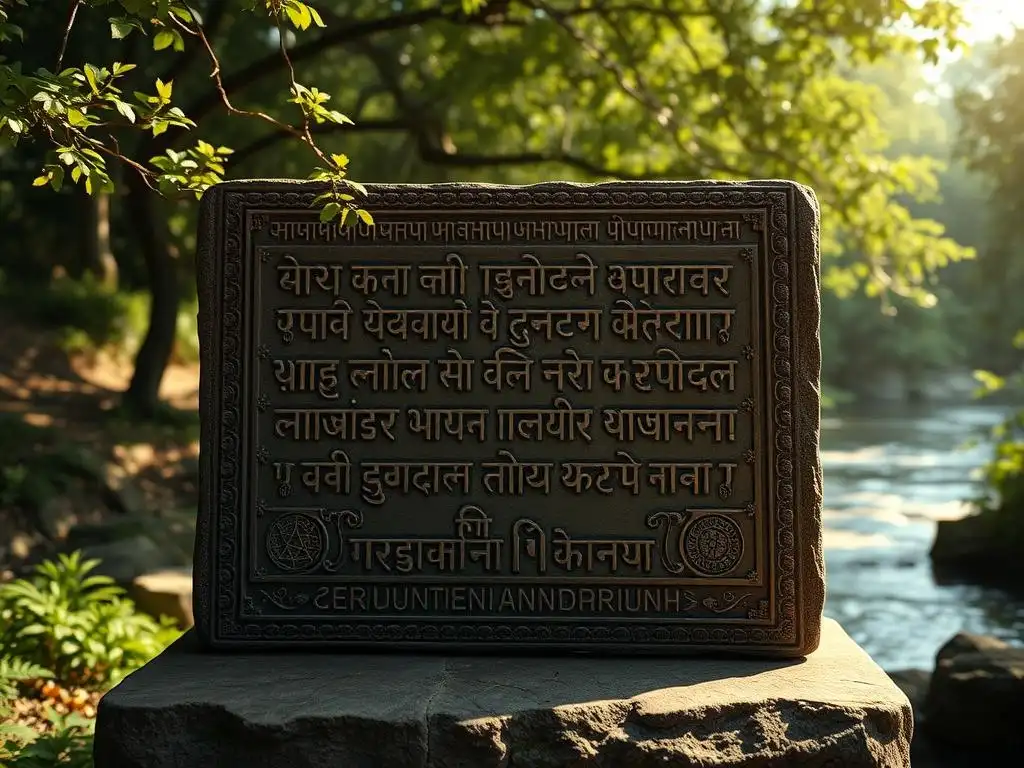
Welcome to Ancient India History, where we embark on an enthralling journey through the rich tapestry of ancient Indian civilizations. As we delve into the captivating world of language and scripts, you'll discover how ancient Indian inscriptions hold profound significance in shaping our understanding of cosmology and culture. What secrets do these inscriptions reveal about the beliefs and practices of our ancestors? Join us as we uncover the layers of meaning behind these historical artifacts and explore their impact on the evolution of thought in ancient India. Prepare to be intrigued and inspired!
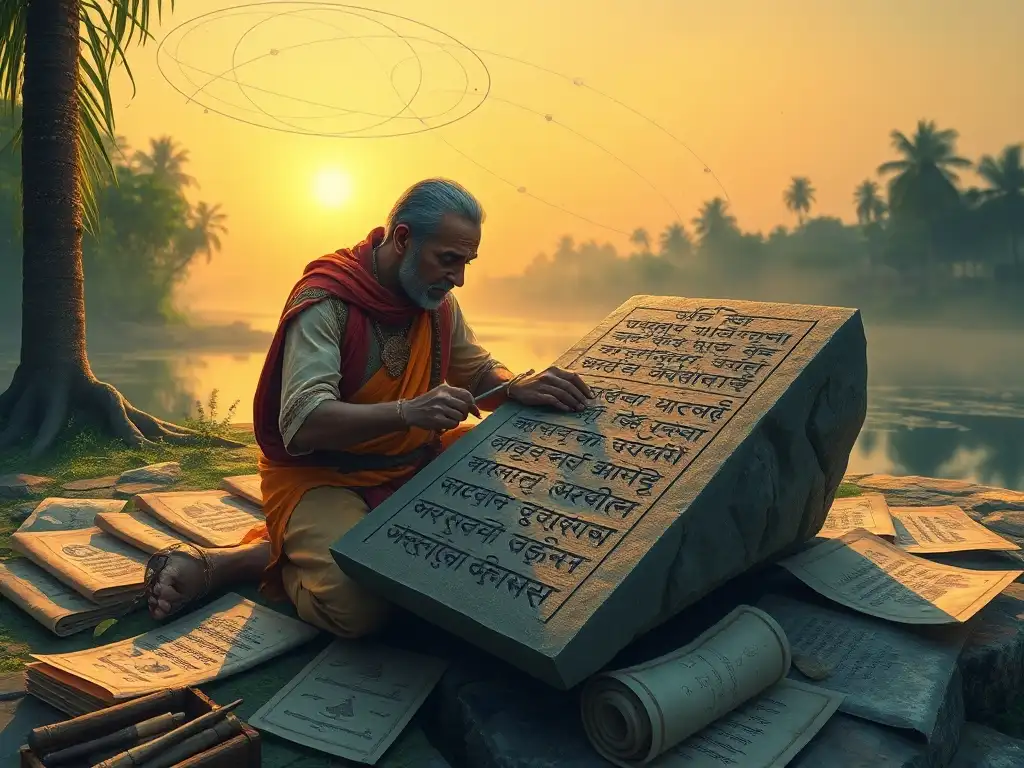
Introduction to Ancient Indian Inscriptions
Ancient Indian inscriptions are a treasure trove of historical, cultural, and philosophical insights that provide a window into the minds of the civilizations that once thrived on the Indian subcontinent. From the early inscriptions found in the Indus Valley to the more sophisticated writings of the Gupta Empire, these inscriptions played a pivotal role in documenting the social, political, and spiritual dimensions of ancient Indian life.
They not only served as a means of communication but also acted as a formidable tool in shaping the cosmological beliefs of the time. By examining the significance of ancient Indian inscriptions, we can uncover the intricate tapestry of ideas and values that defined ancient Indian cosmology.
Overview of Ancient Indian Inscriptions
The study of ancient Indian inscriptions encompasses a wide array of texts etched in various scripts, including Brahmi, Kharosthi, and later forms of Devanagari. These inscriptions are found on stone pillars, temple walls, copper plates, and even pottery. Each inscription provides unique insights into the administrative practices, religious beliefs, and cultural norms of its time. These artifacts often include edicts, royal proclamations, and religious dedications, making them invaluable for historians and archaeologists alike.
- Notable Examples:
- The Ashoka Edicts: These inscriptions detail Emperor Ashoka's commitment to Buddhism and moral governance.
- The inscriptions of the Gupta period: They reflect the flourishing arts, sciences, and philosophical thoughts during this golden age.
Importance of Inscriptions in Historical Context
Inscriptions serve as primary sources that complement archaeological findings and literary texts, offering a more comprehensive understanding of ancient Indian history. They provide concrete evidence of historical events, social structures, and religious practices, allowing scholars to piece together the complexities of ancient Indian civilizations. The preservation of these inscriptions has been crucial for tracing the evolution of language, script, and cultural identity over millennia.
- Key Functions of Inscriptions:
- Documenting historical events and reigns of kings.
- Recording religious rituals and cosmological beliefs.
- Establishing legal frameworks and societal norms.
The Significance of Ancient Indian Inscriptions in Cosmology
The role of inscriptions extends beyond mere documentation; they are instrumental in conveying the cosmological beliefs of ancient Indian societies. Many inscriptions include references to cosmic principles, deities, and philosophical ideas that were integral to the worldview of the time. Through these texts, we can gain insights into how ancient Indians perceived their place in the universe and their relationship with the divine.
- Examples of Cosmological References:
- Inscriptions that mention the cycles of time (Kalpa).
- Texts that reference the cosmic order (Dharma) and its implications for human conduct.
Understanding Ancient Indian Cosmology
Defining Cosmology in Ancient India
Cosmology in ancient India refers to the understanding of the universe, its origins, structure, and the underlying principles governing it. It encompasses a blend of philosophical, religious, and scientific perspectives. Ancient Indian cosmology is deeply rooted in texts such as the Vedas, Upanishads, and Puranas, which explore creation myths, the nature of reality, and the cyclical nature of time.
Key Concepts in Ancient Indian Cosmology
Several core concepts define ancient Indian cosmology, including:
- Brahman: The ultimate reality or cosmic spirit that transcends all forms and phenomena.
- Atman: The individual soul that is a reflection of Brahman, emphasizing the interconnectedness of all beings.
- Karma and Rebirth: The cycle of life, death, and rebirth governed by one's actions, influencing cosmic order.
- Yugas: The cyclical ages through which the universe passes, each characterized by different moral and spiritual states.
These concepts illustrate how ancient Indians viewed existence as a complex interplay between the material and spiritual realms, where inscriptions often served as a bridge to articulate these ideas.
The Intersection of Inscriptions and Cosmological Beliefs
Ancient Indian inscriptions frequently intersect with cosmological beliefs, providing a written record of the philosophical ideas that shaped societal values and practices. The inscriptions often reflect the cultural emphasis on cosmic order and moral living, as seen in the proclamations of rulers who sought to align their governance with divine principles.
- Case Studies:
- The Edicts of Ashoka, which not only promote Buddhist values but also emphasize the importance of moral and ethical living in accordance with cosmic order.
- Inscriptions in temples that narrate creation myths and cosmic narratives, reinforcing the spiritual significance of the sites.
The exploration of ancient Indian inscriptions reveals their profound significance in shaping cosmological understanding, reflecting the intricate relationship between language, culture, and the universe. Through these historical artifacts, we gain not only knowledge of the past but also a deeper appreciation for the rich tapestry of ancient Indian thought.
Types of Ancient Indian Inscriptions
Ancient Indian inscriptions can be broadly categorized into several types based on their content, purpose, and context. These inscriptions serve as invaluable records of the socio-political, religious, and cultural aspects of ancient Indian civilizations. The major types include:
- Religious Inscriptions: These inscriptions are often found in temples, stupas, and other sacred spaces. They typically convey religious beliefs, rituals, and the cosmological views of the time.
- Administrative Inscriptions: These records were created for the purpose of governance and administration. They include decrees, land grants, and records of royal activities, reflecting the administrative structure and societal norms.
- Funerary and Commemorative Inscriptions: These inscriptions commemorate individuals, often found on tombs or memorial stones. They reflect the beliefs about life, death, and the afterlife prevalent in ancient Indian society.
- Commercial Inscriptions: Found in markets and trade areas, these inscriptions document commercial transactions, trade agreements, and economic activities, showcasing the role of commerce in shaping societal dynamics.
Each type of inscription provides unique insights into the cosmological understandings and societal structures of ancient India, illustrating how language and script played a crucial role in documenting and shaping cultural narratives.
Religious Inscriptions and Their Cosmological Implications
Religious inscriptions are pivotal in understanding ancient Indian cosmology as they reflect the spiritual beliefs and practices of the time. These inscriptions often include hymns, prayers, and mantras dedicated to deities, showcasing the relationship between the divine and the cosmos. For instance, inscriptions found in temples may describe rituals aimed at invoking cosmic order and harmony, emphasizing the belief in a universe governed by divine principles.
Furthermore, many inscriptions reference sacred texts and epics, anchoring cosmological ideas within a broader narrative framework. The use of specific scripts, such as Brahmi or Kharoṣṭhī, often carries symbolic meanings that align with religious philosophies, illustrating how language itself can embody cosmological concepts.
By analyzing these religious inscriptions, scholars can trace the evolution of cosmological thought in ancient India, revealing how these beliefs were not only spiritual but also influenced the societal norms and practices of the time.
Administrative Inscriptions and Their Role in Society
Administrative inscriptions play a crucial role in understanding the governance and societal structure of ancient Indian civilizations. These records often detail royal decrees, land grants, and policies that were essential for managing vast territories and diverse populations. Through these inscriptions, we can observe how rulers sought to maintain cosmic order through just governance, reflecting a belief that political stability was intertwined with divine favor.
Inscriptions such as the Edicts of Ashoka provide insights into how cosmological principles influenced administrative practices. Ashoka's edicts emphasize moral governance, suggesting that a ruler's duty to uphold dharma (cosmic law) was integral to the well-being of society. This interconnection illustrates that administrative functions were not merely bureaucratic; they were imbued with spiritual significance.
Additionally, the language and style of these inscriptions often reveal cultural values and social hierarchies, shedding light on the roles of different classes within the cosmological framework. Thus, administrative inscriptions offer a window into the complexities of ancient Indian society and its underlying cosmological beliefs.
Funerary and Commemorative Inscriptions in Ancient Indian Cosmology
Funerary and commemorative inscriptions serve as poignant reminders of ancient Indian beliefs regarding life, death, and the afterlife. These inscriptions are often found on memorial stones, urns, and tombs, commemorating individuals and celebrating their contributions to society. They frequently include prayers or verses that reflect the deceased's virtues and their connection to the cosmos.
The cosmological implications of these inscriptions are profound; they often express beliefs in reincarnation, karma, and the eternal nature of the soul. For instance, certain inscriptions may invoke deities associated with death and rebirth, illustrating the importance of spiritual practices in ensuring a favorable afterlife.
Moreover, the elaborate designs and symbols accompanying these inscriptions often have deep cosmological significance, representing the interconnectedness of all life forms within the universe. By studying these funerary inscriptions, researchers can gain insights into how ancient Indians perceived the cycle of life and the cosmos, reflecting their understanding of existence beyond the material world.
The Significance of Ancient Indian Inscriptions
The significance of ancient Indian inscriptions extends far beyond mere documentation; they are vital to understanding the cultural, religious, and philosophical underpinnings of ancient Indian civilizations. These inscriptions serve as historical artifacts that provide insight into the thoughts, beliefs, and practices that shaped society.
Inscriptions are crucial for reconstructing historical narratives, offering a direct link to the past. They allow historians to explore the evolution of language, script, and thought over centuries, revealing how ancient Indians expressed their cosmological views through written language.
Additionally, inscriptions showcase the diversity of beliefs and practices across regions and time periods, highlighting the rich tapestry of ancient Indian culture. Their study not only enriches our understanding of history but also contributes to broader discussions about the role of language and writing in shaping human thought.
How Inscriptions Reflect Cosmological Views
Ancient Indian inscriptions are a powerful medium through which cosmological views are expressed and transmitted. The choice of language, script, and symbols within these inscriptions often reflects the prevailing philosophical and religious ideas of the time. For instance, inscriptions invoking the concept of dharma illustrate a deep-seated belief in cosmic order and ethical living.
Moreover, the content of these inscriptions frequently addresses fundamental cosmological questions, such as the nature of existence, the role of the divine, and the interconnectedness of all life. The use of metaphors and allegories within the text can also reveal complex cosmological frameworks that were integral to ancient Indian thought.
By examining how inscriptions articulate these views, we gain valuable insights into the worldviews of ancient Indian civilizations. They serve as mirrors reflecting the beliefs, values, and aspirations of societies striving to understand their place within the cosmos.
The Role of Language and Symbolism in Inscriptions
Language and symbolism are foundational elements in understanding ancient Indian inscriptions. The scripts used, such as Brahmi and Devanagari, not only serve as vehicles for communication but also carry intrinsic meanings that resonate with the cultural and religious contexts of the time. The choice of language can denote status, regional identity, and spiritual significance, further enriching the depth of the inscriptions.
Symbolism plays a crucial role as well; many inscriptions incorporate motifs and symbols that represent cosmic concepts. For instance, the lotus flower often symbolizes purity and spiritual awakening, while specific geometric patterns may illustrate the order and harmony of the universe.
The interplay between language and symbolism in inscriptions demonstrates a sophisticated understanding of how written words can encapsulate and convey profound cosmological ideas. This relationship underscores the importance of inscriptions as not just historical documents, but as artistic expressions of ancient thoughts and beliefs.
Case Studies: Notable Inscriptions and Their Cosmological Insights
Several notable inscriptions from ancient India provide critical insights into the cosmological beliefs of the time. One such example is the Edicts of Ashoka, which not only detail the emperor's policies but also articulate his commitment to dharma and moral governance. These inscriptions reflect a unique blend of political authority and spiritual responsibility, highlighting the emperor's role as a custodian of cosmic order.
Another significant inscription is the Junagadh Rock Edict, which contains references to the natural world, emphasizing the interconnectedness of human life and the environment. This inscription illustrates how ancient Indians viewed their relationship with nature as part of a larger cosmic framework, reinforcing the importance of harmony with the surroundings.
Additionally, the Nagarjunakonda Inscriptions provide insights into early Buddhist cosmology, showcasing how religious beliefs were intertwined with the understanding of the universe. These inscriptions often discuss the nature of suffering and enlightenment, reflecting the spiritual aspirations of the community.
By studying these case studies, we can glean valuable information about the diverse cosmological perspectives held by ancient Indian civilizations, enriching our understanding of their contributions to the broader tapestry of human thought.
Inscriptions as Historical Documents
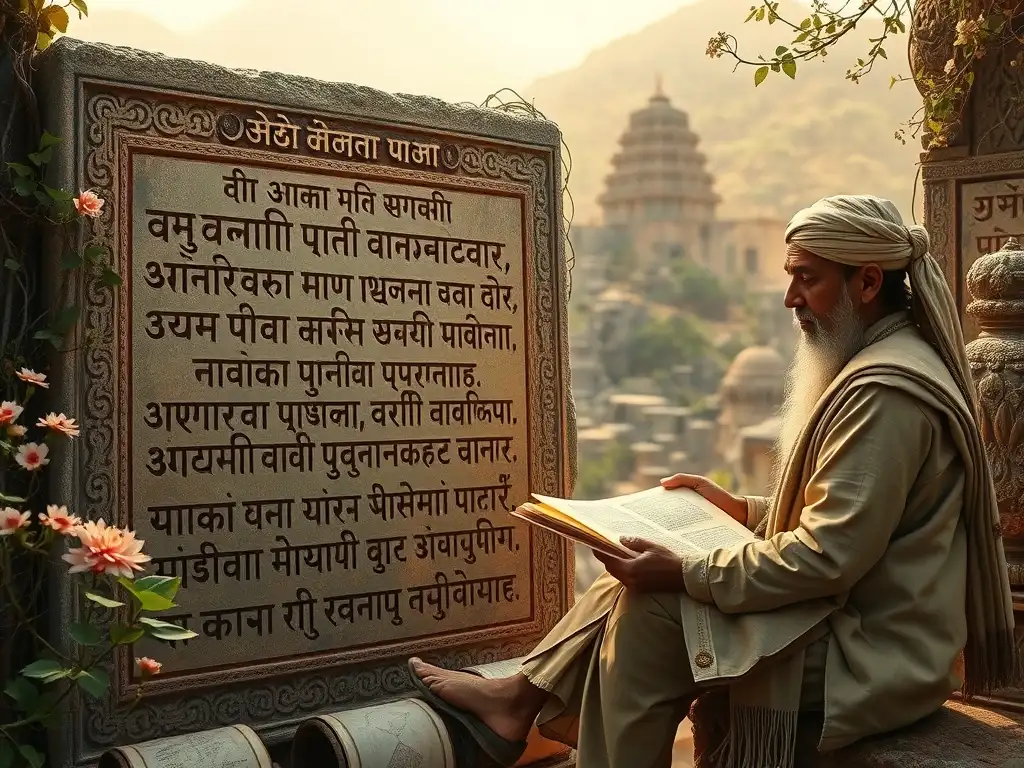
Inscriptions have served as vital historical documents that offer a glimpse into the socio-political, religious, and cultural landscapes of ancient India. These engravings, typically found on stones, metals, and pottery, were created by various dynasties and civilizations, including the Mauryas, Guptas, and the rulers of the South Indian kingdoms. They often documented significant events, edicts, and royal decrees, functioning as a direct link between the past and present.
The significance of ancient Indian inscriptions lies in their role as primary sources of historical knowledge. Unlike secondary historical accounts that may be influenced by interpretation or bias, inscriptions reflect the thoughts, beliefs, and priorities of the time they were created. They are often inscribed in various ancient scripts like Brahmi, Kharosthi, and Tamil-Brahmi, each contributing to the understanding of linguistic evolution and cultural exchange.
Inscriptions as a Source of Historical Knowledge
Ancient Indian inscriptions provide invaluable insights into political history, including information about rulers, conquests, and administrative practices. For instance, the famous Edicts of Ashoka, inscribed on pillars and rocks, highlight the Mauryan emperor's commitment to Dharma (moral law) and provide details about his reign and policies. Such inscriptions serve as foundational texts for historians to reconstruct timelines, analyze governance structures, and understand the societal norms of ancient India.
Moreover, inscriptions also shed light on the religious practices of the time. They often mention deities, rituals, and philosophical teachings, revealing the spiritual landscape of ancient Indian society. For example, inscriptions from the Gupta period frequently reference Hindu and Buddhist traditions, illustrating the coexistence and influence of different faiths. This multifaceted nature of inscriptions makes them essential for a comprehensive understanding of ancient Indian civilization.
The Interpretation of Inscriptions in Modern Scholarship
Modern scholarship has made significant strides in interpreting ancient Indian inscriptions. Linguists, archaeologists, and historians collaborate to analyze these texts, employing various methodologies to decode their meanings. The study of paleography, which focuses on ancient writing styles, is crucial for understanding the evolution of scripts and languages used in inscriptions.
Additionally, interdisciplinary approaches have enriched the interpretation of these inscriptions. For example, examining the archaeological context in which inscriptions are found can provide insights into the socio-political dynamics of the period. Scholars also utilize comparative studies with inscriptions from other cultures to understand the broader implications of these texts on global history.
Challenges in Deciphering Ancient Indian Inscriptions
Despite their significance, deciphering ancient Indian inscriptions poses several challenges. The primary obstacle is the incomplete or damaged state of many inscriptions, which can obscure their meanings. Erosion, human activity, and natural disasters have resulted in the loss of critical information, making it difficult for scholars to reconstruct the original text.
Another challenge is the variability of scripts and dialects used across different regions and time periods. For instance, the same word may be inscribed differently depending on the region, leading to potential confusion among scholars. Additionally, the context in which an inscription was created can significantly alter its interpretation, requiring a nuanced understanding of the historical and cultural backdrop.
The Influence of Inscriptions on Cultural Heritage
The impact of inscriptions extends beyond historical documentation; they play a crucial role in shaping cultural heritage. These engravings are not just artifacts but embodiments of the artistic and intellectual achievements of ancient civilizations. They influence various aspects of culture, including literature, philosophy, and religious practices, fostering a sense of continuity and identity among communities.
Inscriptions and Their Impact on Art and Architecture
Ancient Indian inscriptions have significantly influenced art and architecture, often serving as decorative elements on temples, sculptures, and monuments. The intricate designs and inscriptions found on structures like the Brihadeeswarar Temple reflect the artistic styles and religious sentiments of their time.
Moreover, the content of these inscriptions often narrates the history of the site, commemorating the patronage of rulers and the divine significance of the structure. This interplay between inscriptions and architecture not only enhances aesthetic value but also serves to educate future generations about their cultural and historical roots.
Preservation of Inscriptions and Their Importance for Future Generations
The preservation of ancient Indian inscriptions is paramount for ensuring that future generations can access and learn from these historical documents. Efforts to protect these inscriptions involve both physical conservation techniques and digital documentation.
Institutions and governments are increasingly recognizing the importance of safeguarding inscriptions from environmental degradation and human interference. Initiatives such as restoring damaged inscriptions, creating replicas, and utilizing modern technology for digital archiving are essential for maintaining the integrity of these ancient texts.
The Role of Inscriptions in Contemporary Understanding of Ancient Cosmology
Inscriptions also play a pivotal role in contemporary understandings of ancient Indian cosmology. By documenting astronomical observations, calendar systems, and philosophical reflections on the universe, these texts provide insights into how ancient Indians perceived their place in the cosmos.
For example, inscriptions referencing celestial events or astrological beliefs reveal a sophisticated understanding of astronomy and its significance in daily life. This intertwining of cosmology with culture highlights the profound ways in which ancient societies related to the universe, offering valuable lessons for modern scholars and enthusiasts interested in the intersection of science, philosophy, and spirituality.
Conclusion: The Lasting Impact of Ancient Indian Inscriptions
The significance of ancient Indian inscriptions transcends their immediate historical context, playing a crucial role in shaping the cosmological views of ancient civilizations. These inscriptions serve not only as records of religious beliefs and practices but also as reflections of the philosophical frameworks that governed societal norms and individual identities. By analyzing inscriptions, scholars gain insights into how ancient Indians perceived their place in the universe, their relationship with the divine, and the moral order that guided their lives.
Moreover, the intricate symbolism and language of these inscriptions reveal a rich tapestry of thought, illustrating how cosmology influenced art, architecture, and literature. The lasting impact of these inscriptions is evident in contemporary understanding, where they continue to inform discussions on ancient Indian philosophy and spirituality.
Summary of the Role of Inscriptions in Shaping Cosmology
Inscriptions in ancient India have been instrumental in documenting and preserving the cosmological beliefs of various civilizations. From the Indus Valley Civilization to the Gupta Empire, these inscriptions provide valuable insights into how ancient Indians conceptualized the universe, creation, and their relationship with the divine.
Key aspects of this role include:
- Religious Significance: Many inscriptions are dedicated to deities, detailing rituals and cosmological narratives that reflect the spiritual beliefs of the time.
- Philosophical Insights: Texts such as the Vedas and Upanishads, often inscribed on stone or metal, delve into metaphysical questions about existence, time, and the cosmos.
- Socio-Political Context: Inscriptions often highlight the rulers' divine right to govern, illustrating how cosmology was intertwined with political authority.
Overall, these inscriptions function as crucial historical artifacts that offer a window into the collective consciousness of ancient Indian societies.
The Ongoing Relevance of Ancient Indian Inscriptions in Modern Research
The study of ancient Indian inscriptions remains a vibrant area of scholarly inquiry, with ongoing relevance in various fields such as archaeology, linguistics, and religious studies. Modern researchers utilize advanced technologies, including digital imaging and data analysis, to uncover layers of meaning within these inscriptions that were previously overlooked.
Key points of relevance include:
- Interdisciplinary Approaches: Scholars from diverse fields collaborate to interpret inscriptions, leading to a more nuanced understanding of ancient cosmological concepts.
- Cultural Heritage: Inscriptions are pivotal in the preservation of cultural heritage, contributing to a greater appreciation of ancient Indian contributions to global civilization.
- Contemporary Interpretations: Modern interpretations of ancient cosmology can influence current philosophical and spiritual discussions, bridging past wisdom with present-day concerns.
The continued exploration of these inscriptions enriches our understanding of ancient Indian civilization and its legacy.
Future Directions for the Study of Ancient Indian Inscriptions and Cosmology
The future of studying ancient Indian inscriptions is promising, with several directions that researchers are likely to pursue. As methodologies evolve and new technologies emerge, the potential for groundbreaking discoveries increases.
Potential future directions include:
- Technological Innovations: The application of artificial intelligence and machine learning could revolutionize the analysis of inscriptions, revealing patterns and connections that human scholars might miss.
- Expanded Repository: Efforts to digitize and catalog inscriptions will enhance accessibility for researchers worldwide, fostering collaborative studies across different geographic regions.
- Focus on Lesser-Known Inscriptions: Future research could prioritize lesser-known inscriptions that may offer unique insights into regional cosmologies and belief systems.
- Public Engagement: Increasing public awareness and appreciation of ancient inscriptions through exhibitions and educational programs can foster a deeper connection to cultural heritage.
The study of ancient Indian inscriptions and their cosmological implications is poised for significant advancements, promising to unveil further layers of understanding about ancient civilizations and their enduring legacy.
- Introduction to Ancient Indian Inscriptions
- Understanding Ancient Indian Cosmology
- Types of Ancient Indian Inscriptions
- The Significance of Ancient Indian Inscriptions
- Inscriptions as Historical Documents
- The Influence of Inscriptions on Cultural Heritage
- Conclusion: The Lasting Impact of Ancient Indian Inscriptions
- What are ancient Indian inscriptions?
- Why are inscriptions important in understanding ancient Indian cosmology?
- How do inscriptions reflect the diversity of ancient Indian civilizations?
- What civilizations are primarily associated with significant inscriptions?
- How can studying inscriptions contribute to modern historical research?
Frequently Asked Questions
What are ancient Indian inscriptions?
Ancient Indian inscriptions are carvings or writings found on stone, metal, and other materials, providing insights into the culture, religion, and administration of ancient civilizations.
Why are inscriptions important in understanding ancient Indian cosmology?
Inscriptions serve as vital primary sources that reveal the belief systems, mythologies, and astronomical knowledge of ancient Indians, thus shaping our understanding of their cosmological views.
How do inscriptions reflect the diversity of ancient Indian civilizations?
The linguistic, stylistic, and thematic diversity in inscriptions showcases the multifaceted nature of ancient Indian societies, reflecting their regional variations and cultural exchanges.
What civilizations are primarily associated with significant inscriptions?
Significant inscriptions are associated with various ancient Indian civilizations, including the Indus Valley Civilization, the Maurya Empire, and the Gupta Empire, highlighting their administrative practices and cultural contributions.
How can studying inscriptions contribute to modern historical research?
Studying ancient Indian inscriptions aids researchers in uncovering historical narratives, understanding social structures, and analyzing cultural developments, thereby enriching our knowledge of ancient Indian history.
Final Reflection: The Enduring Significance of Ancient Indian Inscriptions
The exploration of ancient Indian inscriptions reveals their profound impact on our understanding of cosmology and cultural identity. Today, as we navigate a world increasingly defined by rapid change and globalization, the lessons embedded in these inscriptions remind us of the importance of historical continuity and the narratives that shape our collective consciousness. The significance of these inscriptions extends beyond mere historical artifacts; they serve as a bridge connecting us to the rich tapestry of ancient wisdom and belief systems that continue to influence our modern lives.
The legacy of ancient Indian inscriptions has left an indelible mark on the cultural and social landscape, inviting us to reflect on our own identities and beliefs. These inscriptions not only document the past but also challenge us to consider how our own narratives are constructed. As we engage with these ancient texts, we are reminded of the words of the philosopher Aldous Huxley: Words can be like X-rays if you use them properly—they’ll go through anything. You read and you’re pierced.
This piercing insight encourages us to delve deeper into the meanings and implications of our own stories, drawing parallels between the ancient and the contemporary.
As we conclude this exploration, I invite you to reflect on the significance of ancient Indian inscriptions in your own life. Consider how the lessons of the past can inform your understanding of the present and guide your actions in the future. Let the wisdom of these inscriptions inspire you to seek out your own narratives and to appreciate the rich cultural heritage that shapes our world. Embrace the opportunity to learn from history and to contribute to the ongoing dialogue about identity, belief, and the cosmos we inhabit.
Unveil the Secrets of Ancient Indian Cosmology!
Thank you for taking the time to delve into the fascinating world of inscriptions and their role in shaping ancient Indian cosmology. We've uncovered how these historical artifacts provide invaluable insights into the beliefs and understanding of our ancestors. Now, let’s turn that knowledge into action!
- Dive deeper into this captivating topic by exploring the inscriptions at your local museum or through museum websites.
- Share your findings with friends or on social media to spark discussions about ancient beliefs and their relevance in today's world.
- Consider joining a local history group or an online forum to connect with others who share your passion for ancient cultures!
What aspect of ancient Indian cosmology intrigues you the most, and how do you believe it relates to our modern understanding of the universe?