
The Use of Herbal Remedies in Ancient Indian Surgical Practices

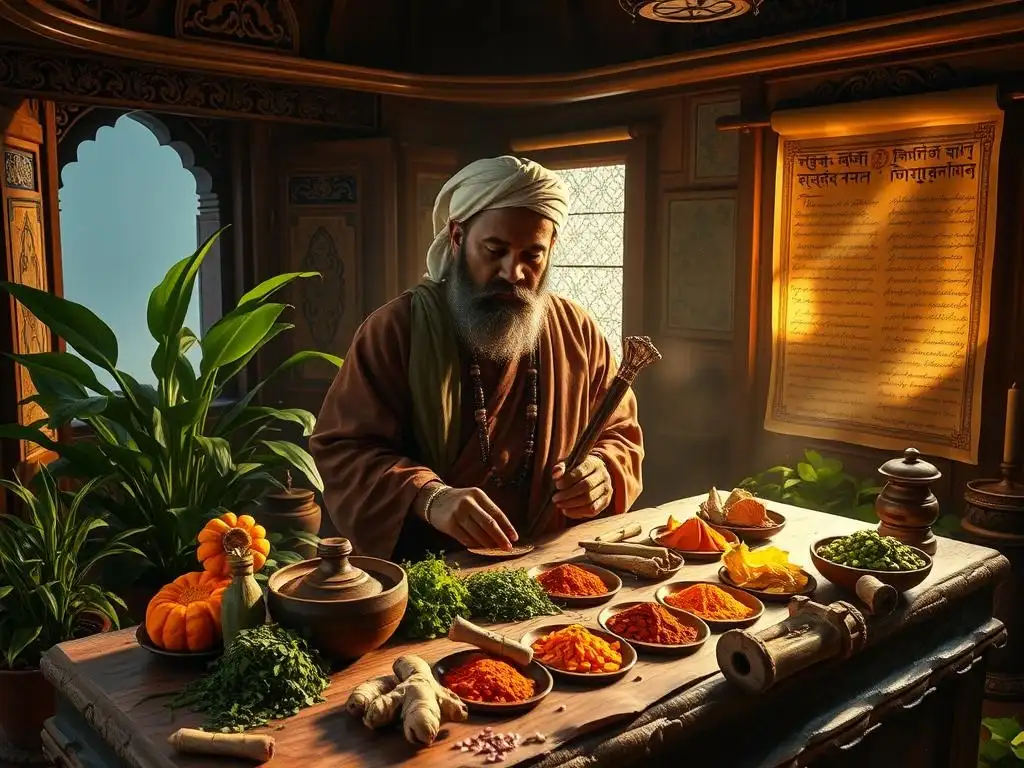
Welcome to Ancient India History, where we delve deep into the rich tapestry of civilizations that shaped one of the world's oldest cultures. In this exploration, we shine a light on the fascinating world of herbal remedies in ancient India, particularly their pivotal role in surgical practices. Discover the wisdom of ancient healers who skillfully blended nature with medicine, utilizing plants and herbs to treat ailments and enhance surgical outcomes.
As you embark on this journey, prepare to uncover the secrets of a time when the boundaries of medicine were defined by the natural world. What ancient remedies could still hold relevance today? Join us to find out!

Introduction to Herbal Remedies in Ancient India
The exploration of herbal remedies in ancient India reveals a fascinating tapestry woven from the threads of traditional medicine, spirituality, and practical healing. Ancient Indian civilizations, notably from the Indus Valley to the Gupta Empire, exhibited profound knowledge of medicinal plants and their applications in surgery and healing. This rich heritage not only paved the way for advancements in surgical techniques but also laid the foundation for holistic health practices that resonate even in contemporary medicine.
In ancient texts, the integration of herbal remedies with surgical procedures highlights a unique approach to healthcare, where the physical and metaphysical aspects of healing were acknowledged and utilized. This article delves into the intricate relationship between herbal remedies and surgical practices in ancient India, shedding light on their significance, historical context, and the key texts that document these practices.
Overview of Ancient Indian Medicine
Ancient Indian medicine, primarily documented in texts like the Sushruta Samhita and Charaka Samhita, reflects a sophisticated understanding of the human body and its ailments. The practice of medicine in ancient India was not merely a craft but a science rooted in observation and experience.
- Key Features of Ancient Indian Medicine:
- Holistic Approach: Ancient Indian practitioners emphasized the balance of body, mind, and spirit.
- Natural Remedies: Utilization of plants, minerals, and animal products for therapeutic purposes.
- Surgical Techniques: Advanced practices such as suturing, incision, and cauterization were documented.
Herbal remedies played a crucial role in this medical landscape, serving not only as treatments for ailments but also as preventive measures. The knowledge of various herbs and their properties was meticulously compiled, ensuring that the legacy of this ancient wisdom persisted through generations.
Significance of Herbal Remedies in Healing
The importance of herbal remedies in ancient Indian surgical practices cannot be overstated. These natural solutions were integral to the healing process, offering both physical and psychological benefits to patients.
- Benefits of Herbal Remedies:
- Pain Management: Certain herbs acted as analgesics, providing relief during and after surgical procedures.
- Antiseptic Properties: Many herbal solutions were employed to prevent infection, showcasing an understanding of hygiene long before modern practices were established.
- Promoting Recovery: Herbal concoctions were often used to enhance the body’s healing response post-surgery.
The emphasis on herbal remedies reflects an intricate understanding of pharmacognosy that ancient Indian physicians possessed, making their contributions to surgical practices both innovative and effective.
Historical Context of Surgery in Ancient India
The history of surgery in ancient India is a testament to the ingenuity and skill of its practitioners. From rudimentary practices to sophisticated surgical techniques, ancient Indian surgeons laid the groundwork for modern surgical methods.
Development of Surgical Techniques in Ancient Civilizations
Surgery in ancient India underwent significant evolution, characterized by a combination of empirical knowledge and theoretical understanding. Ancient texts reveal that surgeons were not only skilled in surgical procedures but also well-versed in anatomy and physiology.
- Notable Surgical Techniques Developed:
- Suturing: Techniques for closing wounds using various materials.
- Cauterization: Use of heat to control bleeding and prevent infection.
- Stone Surgery: Procedures to remove bladder stones, showcasing advanced surgical skills.
These developments underscore the depth of knowledge possessed by ancient Indian surgeons and their commitment to advancing medical practices.
Key Texts Documenting Surgical Practices
Several key texts serve as invaluable resources for understanding ancient Indian surgical practices. Among them, the Sushruta Samhita stands out as a comprehensive guide to surgery.
- Key Texts:
- Sushruta Samhita: Often regarded as the foundational text of surgery, detailing techniques and medicinal plants used in procedures.
- Charaka Samhita: Complementary to surgical practices, focusing on internal medicine and holistic healing.
These texts not only document surgical techniques but also emphasize the role of herbal remedies, illustrating a profound connection between surgery and natural healing practices.
As we delve deeper into the specific practices and remedies, it becomes evident that the legacy of herbal remedies in ancient Indian surgical techniques is both rich and enduring, influencing modern medicine and surgical practices worldwide.
Types of Herbal Remedies Used in Surgical Practices

Herbal remedies have been a fundamental aspect of surgical practices in ancient India, reflecting the deep integration of nature and medicine in Indian culture. Various types of herbal remedies were utilized, each serving specific purposes during surgical interventions. These remedies can be broadly categorized into three main types:
- Antiseptics and Disinfectants: Many herbs were employed for their antiseptic properties to prevent infections during and after surgical procedures. For instance, Turmeric (Curcuma longa) and Neem (Azadirachta indica) were commonly used due to their antimicrobial and anti-inflammatory effects.
- Pain Management: To alleviate pain, herbal concoctions containing ingredients like Ginger (Zingiber officinale) and Peppermint (Mentha piperita) were often administered. These herbs have natural analgesic properties, making them effective during procedures.
- Wound Healing Agents: After surgery, specific herbs were utilized to promote healing. Aloe Vera (Aloe barbadensis) and Gotu Kola (Centella asiatica) were popular choices, known for their ability to enhance tissue regeneration and reduce scar formation.
Common Herbs and Their Medicinal Properties
Ancient Indian medical texts, such as the Sushruta Samhita, detail a variety of herbs used in surgical practices, highlighting their medicinal properties:
- Turmeric (Curcuma longa): Known for its powerful anti-inflammatory and antiseptic qualities, turmeric was used to cleanse wounds and prevent infections.
- Neem (Azadirachta indica): This herb has strong antibacterial and antifungal properties, making it a go-to remedy for treating wounds and skin infections.
- Ginger (Zingiber officinale): Apart from its culinary uses, ginger served as a natural analgesic, helping to relieve pain post-surgery when administered as a tea or paste.
- Aloe Vera (Aloe barbadensis): Renowned for its soothing effects, aloe vera gel was applied to wounds to promote healing and reduce inflammation.
- Gotu Kola (Centella asiatica): Used to speed up recovery, gotu kola is known for its ability to enhance collagen production and improve skin health.
Preparation and Application of Herbal Remedies
The preparation of herbal remedies in ancient Indian surgical practices involved meticulous processes to ensure efficacy and safety. Common methods included:
- Decoctions: Herbs were boiled in water to extract their medicinal properties. This concentrated liquid was often used for both internal consumption and external application.
- Pastes and Poultices: Fresh herbs were ground into a paste and applied directly to wounds. This method ensured that the active compounds were delivered directly to the affected area.
- Infusions: Dried herbs were steeped in hot water to create herbal teas that patients would drink for internal healing and pain relief.
- Oils and Salves: Certain herbs were infused into oils, which were then used for massages or applied to surgical sites to aid in the healing process.
The Role of Herbal Remedies in Surgical Procedures
Herbal remedies played a crucial role in enhancing the efficacy of surgical procedures in ancient India. They were integral not only in preparation for surgery but also in the recovery phase. Their multifaceted applications helped ensure the overall success of surgical interventions.
Pre-Surgical Practices: Herbal Preparations for Patients
Before undergoing surgery, patients were often treated with specific herbal preparations aimed at preparing their bodies. These practices included:
- Detoxification: Herbs like Triphala, a blend of three fruits, were used to cleanse the digestive system, ensuring that patients were in optimal health before surgery.
- Nervine Tonics: Herbal concoctions made from herbs such as Ashwagandha (Withania somnifera) were administered to reduce anxiety and stress, promoting mental clarity and physical readiness.
- Immuno-boosting Agents: Certain herbs, like Echinacea, were utilized to enhance the immune response, reducing the risk of post-surgical infections.
Post-Surgical Care: Herbal Remedies for Recovery
After surgical procedures, herbal remedies continued to play a vital role in the recovery process. Key practices included:
- Pain Relief: Herbal teas made from ginger or peppermint were commonly prescribed to manage post-operative pain effectively.
- Wound Care: Herbal pastes made from turmeric and neem were applied to surgical sites to promote healing and prevent infection.
- Nutritional Support: Patients were encouraged to consume nutrient-rich herbal soups and broths to support recovery and replenish lost strength.
Case Studies of Successful Herbal Applications in Surgery
Numerous historical case studies demonstrate the successful application of herbal remedies in ancient Indian surgical practices:
- Sushruta's Surgical Techniques: Sushruta, often referred to as the "father of surgery," documented various surgical procedures in his texts, highlighting the use of herbal remedies as integral to surgical success. His techniques for cataract removal and rhinoplasty included the use of herbal anesthetics and antiseptics.
- Wound Healing: In ancient texts, several case studies illustrate how patients with severe lacerations treated with turmeric and neem showed remarkable recovery rates, significantly reducing the risk of infection and scarring.
- Pain Management: Historical accounts reveal that soldiers in ancient India who received ginger-infused preparations experienced less pain and quicker recovery times after surgical treatments for battle wounds.
These examples underscore the profound impact of herbal remedies in ancient Indian surgical practices, showcasing the innovative use of nature’s resources to enhance medical outcomes.
Comparison of Herbal Remedies and Modern Surgical Practices

The use of herbal remedies in ancient India has a profound historical significance, particularly when juxtaposed with modern surgical practices. Ancient Indian medical texts, such as the Sushruta Samhita, detail an array of surgical procedures and herbal treatments that were employed to address various ailments and injuries. While modern surgical techniques often rely on advanced technology and synthetic medications, the principles of holistic healing and natural remedies remain integral to many contemporary practices, especially in complementary and alternative medicine.
Herbal remedies were used not only for their medicinal properties but also for their ability to enhance the body’s natural healing processes. They often served as adjuncts to surgical interventions, promoting better recovery and reducing the risk of infection. In contrast, modern practices emphasize precision and efficiency, utilizing advanced surgical tools and techniques that allow for minimally invasive procedures and quicker recoveries. Despite these differences, both approaches share a common goal: to restore health and improve the quality of life for patients.
Effectiveness of Herbal Remedies vs. Synthetic Alternatives
The effectiveness of herbal remedies compared to synthetic alternatives is a topic of ongoing research and debate. Ancient practitioners relied heavily on their empirical knowledge of plants and their healing properties, often observing the effects of treatments over generations. Many herbal remedies, such as turmeric and neem, have been validated by modern science for their anti-inflammatory and antimicrobial properties, supporting their historical use in surgical practices.
In contrast, synthetic alternatives are designed to target specific biological pathways, often providing rapid relief from symptoms or conditions. However, these can come with side effects and potential long-term consequences that herbal remedies might avoid. The debate continues regarding the balance between efficacy and safety, as well as the importance of integrating traditional knowledge with modern pharmacology to develop treatments that harness the best of both worlds.
The Integration of Traditional Knowledge in Modern Medicine
The integration of traditional knowledge, such as that found in the use of herbal remedies in ancient India, into modern medicine is increasingly recognized as an essential aspect of holistic healthcare. As healthcare professionals seek to provide comprehensive care, the incorporation of herbal medicine into treatment plans can enhance patient outcomes.
Many hospitals and clinics are beginning to acknowledge the value of traditional practices, especially in managing chronic conditions where conventional medicine may fall short. This integration not only respects the historical context and cultural significance of herbal remedies but also fosters an environment of collaboration between different healing modalities. The future of medicine may well depend on the ability to bridge these two worlds, combining the wisdom of ancient practices with the advancements of modern science.
Challenges and Limitations of Herbal Remedies in Ancient Surgery
Despite the rich tradition of herbal remedies in ancient Indian surgical practices, several challenges and limitations were inherent to their use. Understanding these obstacles provides insight into the evolution of medical practices and the transition to modern methodologies.
Availability and Accessibility of Herbal Resources
One significant challenge was the availability and accessibility of herbal resources. In ancient India, the effectiveness of treatment often depended on the local flora, which could vary significantly from region to region. Some herbs were rare or grew only in specific climates, limiting their use and potentially impacting treatment outcomes.
Moreover, the knowledge required to identify, harvest, and prepare these herbs was often passed down through generations, making it less accessible to the broader population. This limitation could hinder effective treatment, especially in remote areas where practitioners might not have had access to the necessary resources or knowledge.
Knowledge Transmission and Its Impact on Practices
The transmission of knowledge regarding herbal remedies and surgical practices posed another challenge. In ancient India, much of this knowledge was oral, passed down through apprenticeships and familial lines. The reliance on oral traditions meant that important information could be lost, diluted, or misinterpreted over time, leading to variations in practice that could affect efficacy.
Furthermore, as societies evolved and new influences emerged, traditional practices sometimes faced challenges from alternative medical systems or were overshadowed by modern techniques. This evolution necessitated a reevaluation of ancient practices and the importance of maintaining a comprehensive understanding of both historical and contemporary medical knowledge. The impact of this knowledge transmission on practices demonstrates the need for a structured approach to preserving and promoting effective herbal remedies in the context of surgical procedures.
Conclusion: The Legacy of Herbal Remedies in Ancient Indian Surgery
The use of herbal remedies in ancient Indian surgical practices has left a profound legacy that continues to resonate through both traditional and modern medicine. Ancient texts like the Sushruta Samhita not only documented surgical techniques but also emphasized the importance of herbal medicine in promoting healing and recovery.
These practices demonstrate a comprehensive understanding of the human body and its ailments, showcasing the sophisticated medical knowledge possessed by ancient Indian physicians. The meticulous documentation of various herbs, their properties, and applications reflects a deep-rooted belief in the healing power of nature, which has been a cornerstone of Indian medicine for centuries.
The legacy of these herbal remedies is evident in the enduring practices of Ayurveda, where natural ingredients remain integral to health and wellness. As contemporary medicine explores holistic approaches, the principles derived from ancient Indian surgical practices offer valuable insights into integrative health strategies. This rich heritage not only informs modern practitioners but also inspires ongoing exploration into the therapeutic potentials of herbal medicine, highlighting the need to respect and revitalize these ancient traditions.
Lasting Influence on Modern Ayurvedic Practices
Modern Ayurvedic practices owe much to the foundational principles laid out in ancient texts. The incorporation of herbal remedies into Ayurvedic treatments emphasizes a personalized approach to health, considering the unique constitution of each patient. For example, herbs like turmeric ( Curcuma longa), known for its anti-inflammatory properties, are frequently used in both ancient and modern remedies, showcasing continuity in practice.
Furthermore, the integration of herbal formulations into contemporary wellness regimes reflects an increasing recognition of their efficacy. Ayurvedic practitioners today often draw on the historical context of herbal uses, employing a blend of ancient wisdom and modern scientific understanding. This synergy not only enhances the credibility of Ayurveda but also reinforces the relevance of traditional herbal remedies in addressing contemporary health challenges.
The Importance of Preserving Traditional Knowledge
Preserving traditional knowledge of herbal remedies is crucial for several reasons. First, it ensures the survival of cultural heritage, which is woven into the fabric of communities that have relied on these practices for generations. Second, the documentation and transmission of this knowledge can lead to the discovery of new medicinal applications, as many herbs used in ancient practices have yet to be fully explored or understood in a modern context.
Moreover, as global interest in alternative medicine grows, safeguarding these practices allows for a responsible and informed approach to their application. This preservation not only benefits the communities that practice these traditions but also contributes to global health initiatives focused on sustainability and natural healing methods.
Future Research Directions
The exploration of herbal remedies in ancient Indian surgical practices opens up exciting avenues for future research. Investigating the pharmacological properties of these herbs through modern scientific methods can lead to the validation and potential integration of traditional remedies into contemporary medical practices.
Potential for Integrating Herbal Remedies in Contemporary Medicine
The integration of herbal remedies into contemporary medicine presents a significant opportunity to enhance therapeutic options. As healthcare systems increasingly recognize the value of holistic approaches, there is potential for collaborations between herbalists and medical professionals to develop comprehensive treatment plans.
Research into the efficacy and safety of specific herbal remedies can pave the way for their inclusion in clinical settings, particularly for conditions where conventional treatments may fall short. For instance, chronic pain management and inflammatory disorders could benefit from the inclusion of herbal formulations backed by scientific evidence, thus expanding the therapeutic arsenal available to healthcare practitioners.
Importance of Scientific Studies on Ancient Practices
Scientific studies on ancient practices play a pivotal role in bridging the gap between traditional knowledge and modern medicine. Rigorous research can validate the historical claims associated with herbal remedies, thereby fostering greater acceptance within the medical community.
Furthermore, understanding the mechanisms by which these herbs operate can lead to the discovery of novel compounds and therapeutic agents. By applying contemporary research methodologies to ancient practices, there is a potential not only to revitalize traditional knowledge but also to innovate modern pharmacology, creating a harmonious blend of past and present in the pursuit of health and healing.
- Introduction to Herbal Remedies in Ancient India
- Overview of Ancient Indian Medicine
- Significance of Herbal Remedies in Healing
- Historical Context of Surgery in Ancient India
- Types of Herbal Remedies Used in Surgical Practices
- Common Herbs and Their Medicinal Properties
- Preparation and Application of Herbal Remedies
- The Role of Herbal Remedies in Surgical Procedures
- Comparison of Herbal Remedies and Modern Surgical Practices
- Challenges and Limitations of Herbal Remedies in Ancient Surgery
- Conclusion: The Legacy of Herbal Remedies in Ancient Indian Surgery
- Future Research Directions
- What were the primary herbal remedies used in ancient Indian surgical practices?
- How did ancient Indian texts contribute to the knowledge of herbal remedies?
- Were herbal remedies in ancient India scientifically validated?
- Did the use of herbal remedies vary by region in ancient India?
- How do ancient Indian herbal remedies influence modern medicine?
Frequently Asked Questions
What were the primary herbal remedies used in ancient Indian surgical practices?
Ancient Indian surgeons utilized a variety of herbal remedies including turmeric, neem, and ginger for their antiseptic and anti-inflammatory properties.
How did ancient Indian texts contribute to the knowledge of herbal remedies?
Ancient texts like the Sushruta Samhita and Charaka Samhita documented extensive uses of herbal remedies in surgery and medicine, highlighting their significance in healing practices.
Were herbal remedies in ancient India scientifically validated?
While ancient herbal remedies were based on empirical observations, many of these practices have been validated through modern scientific research, confirming their effectiveness.
Did the use of herbal remedies vary by region in ancient India?
Yes, the use of herbal remedies often varied by region, influenced by local flora, cultural practices, and the traditions of different communities across ancient India.
How do ancient Indian herbal remedies influence modern medicine?
Many herbal remedies from ancient India continue to be used in Ayurveda and have inspired modern pharmacological research, contributing to the development of new medications and treatments.
Final Reflection: The Enduring Legacy of Herbal Remedies in Ancient India
The exploration of herbal remedies in ancient Indian surgical practices reveals a profound connection between nature and medicine that remains relevant today. As we navigate a world increasingly dominated by synthetic solutions, the wisdom of our ancestors offers invaluable insights into holistic healing. The significance of these remedies transcends time, reminding us that the natural world holds potent solutions for our ailments, both physical and spiritual.
Cultural and social landscapes have been deeply influenced by the practices of ancient Indian medicine, where herbal remedies were not merely treatments but integral components of a broader philosophy of health. The intertwining of spirituality and healing in these practices fosters a sense of community and continuity, emphasizing the importance of balance in our lives. > “The greatest medicine of all is teaching people how not to need it.” This quote resonates deeply with the principles of ancient Indian healing, encouraging us to seek harmony with nature and ourselves.
As we reflect on the lessons from ancient Indian surgical practices, I invite you to embrace the wisdom of herbal remedies in your own life. Consider how you can integrate natural solutions into your wellness routine, fostering a deeper connection with the earth and its gifts. Let the knowledge of our ancestors inspire you to explore the healing potential that lies within the plants around us, and in doing so, honor a legacy that has shaped human health for millennia.
Unveil the Power of Ancient Healing!
Thank you for delving into the fascinating world of herbal remedies used in historical surgical practices. Your interest not only enriches your understanding of history but also connects you to timeless wisdom that can influence modern healing approaches. Now, let’s take actionable steps to further explore and embrace this remarkable legacy!
- Dive deeper into the realm of herbal remedies by researching local plants and their benefits that could enhance your lifestyle.
- Share your insights with a friend or on social media to spark discussions about the significance of traditional practices in today’s world.
- Join a local workshop or online course focused on herbal medicine to connect with like-minded individuals eager to expand their knowledge.
Which ancient healing practice resonates with you the most, and how do you envision incorporating it into your daily life?