
How Ancient Indian Surgeons Managed Postoperative Care


Welcome to Ancient India History, where we embark on a fascinating journey through the rich tapestry of ancient Indian civilizations. Delve into the extraordinary world of ancient Indian surgical practices and discover how skilled surgeons of the past not only performed intricate procedures but also pioneered innovative methods for managing postoperative care. What secrets did they hold that contributed to their remarkable success in medicine? Join us as we unveil these captivating stories and explore the profound impact of ancient Indian contributions to the fields of science and medicine. Your adventure into the depths of history begins here!
- Introduction to Ancient Indian Surgical Practices
- Historical Context of Surgical Practices in Ancient India
- Principles of Postoperative Care in Ancient Indian Surgical Practices
- Techniques Employed in Postoperative Care
- Patient Management After Surgery
- Case Studies of Successful Postoperative Care
- Conclusion: The Legacy of Ancient Indian Surgical Practices
- References and Further Reading on Ancient Indian Surgical Practices
-
Frequently Asked Questions
- What were some common surgical practices in ancient India?
- How did ancient Indian surgeons manage postoperative care?
- What was the significance of the Sushruta Samhita?
- Were there any specific instruments used in ancient Indian surgeries?
- How did the cultural context influence surgical practices in ancient India?
- Final Reflection: The Enduring Legacy of Ancient Indian Surgical Practices
- Transform Your Understanding of Surgical Care in Ancient India!
Introduction to Ancient Indian Surgical Practices
The field of surgery in ancient India is a remarkable testament to the ingenuity and skill of early Indian medical practitioners. By examining ancient Indian surgical practices, we can uncover the sophisticated techniques and methodologies that were employed to address a variety of medical issues, including surgical interventions.
This article delves into how ancient Indian surgeons managed postoperative care, shedding light on the comprehensive approaches they utilized to ensure the best outcomes for their patients. Through the analysis of historical texts and archaeological findings, we aim to bring to light the significance of these practices and their enduring impact on modern medicine.
Overview of Ancient Indian Medicine and Surgery
Ancient Indian medicine, primarily encapsulated in the Ayurveda system, was a holistic approach that emphasized the balance of body, mind, and spirit. The practice of surgery, known as Shalya Tantra, was one of the eight branches of Ayurveda and was highly regarded in Indian society.
- Key Components of Ancient Indian Surgery:
- Surgical Techniques: Ancient texts like the Sushruta Samhita detail various surgical procedures, such as excision of tumors, fracture management, and even plastic surgery (like rhinoplasty).
- Instruments Used: Indian surgeons utilized a range of specialized instruments made from materials like bronze and steel, showcasing advanced metallurgical skills.
- Philosophy of Healing: The principles of Ayurveda guided surgical practices, focusing on restoring balance and utilizing natural remedies to aid recovery.
The surgical advancements made by ancient Indian practitioners were significant enough to influence medical practices beyond the Indian subcontinent, contributing to the global understanding of surgery.
Importance of Postoperative Care in Ancient Indian Surgery
Postoperative care was an essential aspect of ancient Indian surgical practices, reflecting a deep understanding of patient recovery and the prevention of complications.
- Key Aspects of Postoperative Care:
- Dietary Regimen: Ancient texts prescribe specific diets post-surgery, emphasizing easy-to-digest foods and herbal remedies to boost recovery.
- Wound Care and Healing: Techniques for managing wounds included the use of antiseptic substances derived from plants, which aided in preventing infections.
- Holistic Healing Practices: Ancient Indian surgeons often recommended not just physical care but also mental and spiritual support, understanding that a patient's emotional state could impact their recovery.
The meticulous attention to postoperative care in ancient times illustrates a sophisticated understanding of patient management, setting standards that resonate in modern surgical practices today. By exploring these practices, we gain valuable insights into the rich tapestry of ancient Indian medicine and its contributions to the field of surgery.
Historical Context of Surgical Practices in Ancient India
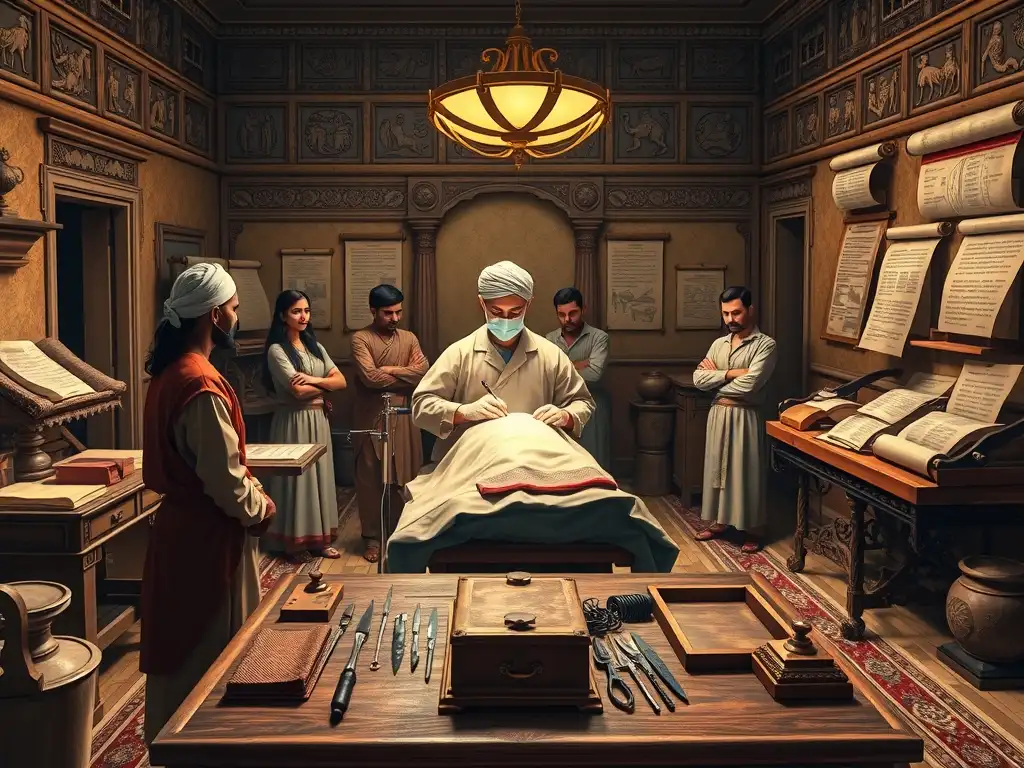
Surgical practices in ancient India can be traced back to the Indus Valley Civilization (circa 2600-1900 BCE), where evidence of advanced urban planning and healthcare systems has been found. The significance of surgery was deeply embedded in the culture, and this is reflected in various ancient texts and practices that highlighted the importance of medical knowledge.
By the time of the Vedic period (1500-500 BCE), the understanding of medicine and surgery began to take a more formal shape, integrating spiritual and naturalistic approaches. This period saw the emergence of Ayurveda, a holistic medical system that emphasized balance in the body and was an essential contributor to ancient Indian surgical practices.
One of the most notable texts, the Sushruta Samhita, attributed to the ancient surgeon Sushruta, is often regarded as the foundational scripture for surgery in ancient India. This text, written around 600 BCE, outlines various surgical techniques, tools, and postoperative care methods that were revolutionary for their time. The emphasis on aseptic techniques, anesthesia, and patient recovery strategies illustrated the advanced understanding of surgical practices.
Moreover, various other texts such as the Charaka Samhita also contributed significantly to the medical knowledge of the time, detailing the principles of Ayurveda and the management of patient care. The combination of these texts provides a rich historical context for understanding how ancient Indian surgical practices were developed and implemented.
Key Texts on Ancient Indian Surgical Techniques
Several key texts serve as pillars of ancient Indian surgical practices, providing invaluable insights into the methodologies and philosophies of the time.
- Sushruta Samhita
- Authorship: Attributed to Sushruta, known as the 'father of surgery.'
- Content: Detailed over 1,120 conditions, surgical techniques, and over 300 surgical instruments.
- Postoperative Care: Emphasized the importance of cleanliness, diet, and lifestyle adjustments for patient recovery.
- Charaka Samhita
- Focus: Primarily Ayurvedic medicine, but also discusses surgical interventions and their implications.
- Principles: Addresses the importance of balancing doshas (body energies) for effective healing.
- Ashtanga Hridaya
- Overview: A synthesis of the Sushruta and Charaka Samhitas.
- Contribution: Offers insights into various surgical techniques and their applications, emphasizing the holistic approach to health.
- Vagbhata's Ashtanga Sangraha
- Highlight: A comprehensive guide on medical practices including surgery, emphasizing the interconnectedness of bodily systems.
These texts not only document surgical techniques but also reflect the philosophical underpinnings of ancient Indian medicine, focusing on the welfare of the patient and the significance of holistic healing.
Notable Ancient Indian Surgeons and Their Contributions
Ancient India was home to several prominent surgeons whose contributions shaped the field of surgery and medicine.
- Sushruta
- Contributions: Renowned for his pioneering work in surgery, particularly in plastic surgery and procedures such as rhinoplasty (reconstruction of the nose).
- Legacy: His emphasis on surgical ethics and the need for proper training in surgery set the foundation for future generations of medical practitioners.
- Charaka
- Influence: While primarily recognized as a physician, Charaka's teachings on surgical practices influenced the understanding of preoperative and postoperative care.
- Approach: Advocated for the comprehensive assessment of patients, considering their physical and psychological well-being.
- Jivaka
- Background: A contemporary of the Buddha, Jivaka was known for his surgical skills and his role as a physician to royal families.
- Innovations: Credited with developing various surgical techniques and emphasizing the importance of herbal remedies in patient recovery.
- Vagbhata
- Impact: His texts synthesized earlier medical knowledge and introduced new concepts in surgery and medicine.
- Focus: He highlighted the importance of diet and lifestyle in the healing process, showcasing a holistic approach to surgery.
These surgeons not only advanced the field of surgery but also contributed to the development of medical ethics and patient care practices, laying the groundwork for modern surgical techniques and philosophies. Their legacies endure in contemporary practices, reflecting the sophistication of ancient Indian surgical practices.
Principles of Postoperative Care in Ancient Indian Surgical Practices
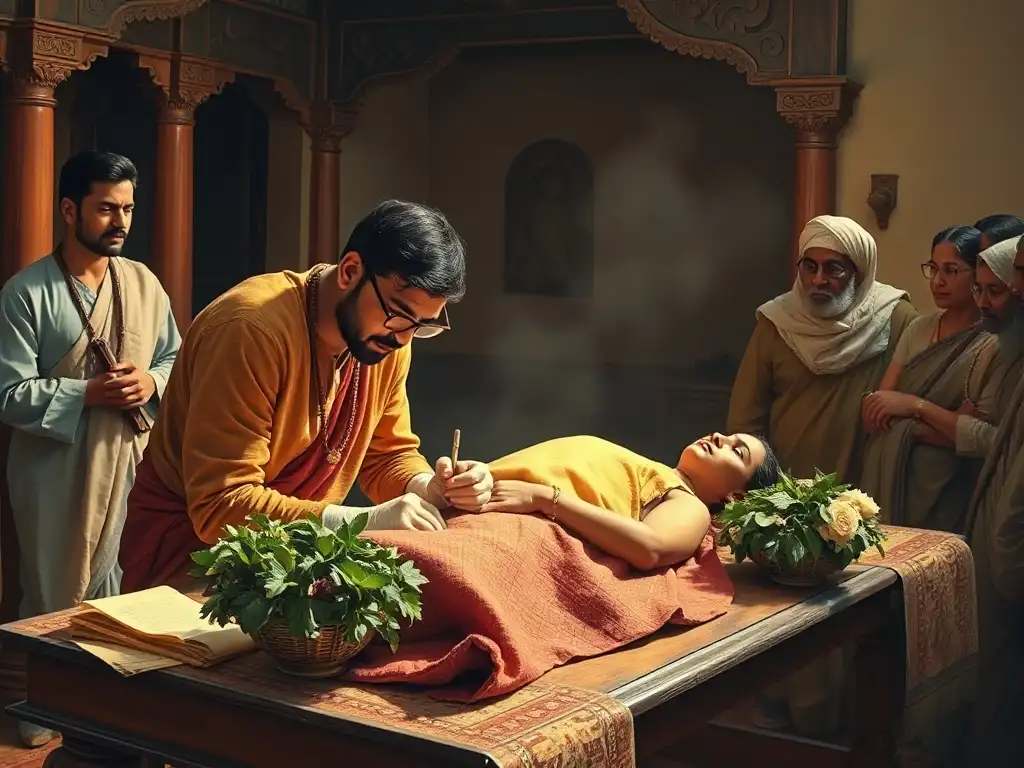
Understanding the Concept of Postoperative Care
Postoperative care in ancient Indian surgical practices, rooted in the rich tradition of Ayurveda, emphasized the holistic well-being of patients. This concept was not merely about wound management but extended to the physical, mental, and spiritual health of the individual. Ancient texts, such as the Sushruta Samhita, detail various strategies employed by surgeons to ensure optimal recovery after surgical interventions.
- Holistic Approach: Ancient Indian surgeons recognized the interconnectedness of body, mind, and spirit. This led to the incorporation of dietary recommendations, herbal remedies, and yoga for mental tranquility in postoperative care.
- Hygiene and Sanitation: Cleanliness was paramount. Surgeons employed rigorous sanitation practices, ensuring that tools and environments were sterile to prevent infections. The use of antiseptic herbs, like turmeric and neem, was common to promote healing and ward off infection.
- Monitoring and Follow-Up: Ancient texts suggest that patient monitoring was a critical component of care. Surgeons often scheduled follow-up visits to assess healing progress, address complications, and modify treatment plans as necessary.
- Pain Management: Pain relief was achieved through a combination of herbal medicines and physical therapies. This not only alleviated discomfort but also facilitated better recovery outcomes.
Goals of Postoperative Care in Ancient Indian Surgery
The goals of postoperative care in ancient Indian surgical practices were multifaceted, focusing on enhancing recovery and preventing complications. These objectives were integral to the overall philosophy of Ayurveda, which seeks balance and health.
- Promoting Healing: The primary goal was to facilitate swift and effective healing of surgical wounds. This involved using appropriate herbal pastes and oils to nourish the tissues and stimulate regeneration.
- Preventing Infection: Ancient surgeons aimed to minimize the risk of infection through meticulous wound care, including the application of natural antiseptics and regular cleaning of the surgical site.
- Restoring Balance: Maintaining the body's doshas (Vata, Pitta, and Kapha) was crucial. Postoperative care included dietary adjustments and lifestyle changes aimed at restoring balance within the body, which was believed to be essential for recovery.
- Enhancing Patient Comfort: Ensuring that patients were comfortable and mentally at ease was a priority. This included pain management strategies, the use of soothing herbal concoctions, and practices like meditation to address anxiety and promote relaxation.
- Educating the Patient: Educating patients about signs of complications and the importance of adhering to follow-up care was essential. This empowered patients to take an active role in their recovery, leading to better outcomes.
The principles and goals of postoperative care in ancient Indian surgical practices reflect a sophisticated understanding of health and healing. The integration of physical, mental, and spiritual care underscores the advanced nature of ancient Indian medicine and its relevance in the history of surgical practices.
Techniques Employed in Postoperative Care

Herbal Remedies and Their Applications
Ancient Indian surgeons utilized a variety of herbal remedies to aid in postoperative care, leveraging the rich biodiversity of the Indian subcontinent. These herbal treatments were not merely supplementary; they formed a critical component of the healing process. Some of the notable herbs and their applications included:
- Turmeric (Curcuma longa): Known for its anti-inflammatory properties, turmeric was often applied topically or consumed in food. Its active compound, curcumin, is recognized for promoting wound healing and reducing infection risk.
- Neem (Azadirachta indica): Renowned for its antiseptic qualities, neem leaves were used in poultices to clean wounds and prevent infections. The bitter taste also contributed to overall health by cleansing the body.
- Aloe Vera: Frequently employed for its soothing and healing properties, aloe vera was applied directly to the skin to promote faster recovery from surgical procedures.
- Ginger (Zingiber officinale): Often used to alleviate nausea and improve digestion, ginger was a common part of the postoperative diet to ensure patients maintained their strength during recovery.
The application of these herbs was often guided by an understanding of their properties as outlined in ancient texts, such as the Sushruta Samhita, which remains a cornerstone of ancient Indian surgical practices.
Dietary Guidelines for Postoperative Patients
Diet played a pivotal role in the recovery of patients following surgery in ancient Indian medicine. Surgeons often prescribed specific dietary guidelines to ensure optimal healing. Key aspects of these guidelines included:
- High-Protein Foods: To facilitate tissue repair, foods rich in protein such as lentils, beans, and dairy products were emphasized. These foods were believed to aid in building strength and promoting recovery.
- Easily Digestible Meals: The consumption of light, easily digestible foods was encouraged to prevent gastrointestinal distress post-surgery. Common recommendations included rice, khichdi (a mixture of rice and lentils), and soups.
- Hydration: Maintaining hydration was critical, and herbal teas made from ginger or chamomile were often recommended to soothe the stomach and ensure adequate fluid intake.
- Avoiding Certain Foods: Patients were advised to avoid spicy or heavy foods that could cause discomfort or hinder the healing process. This included items like fried foods and excessive sugars.
These dietary recommendations were not arbitrary; they were based on the belief that food is not only a source of nourishment but also a means to restore balance and health within the body.
Role of Cleanliness and Hygiene in Recovery
Cleanliness and hygiene were paramount in ancient Indian surgical practices, reflecting a sophisticated understanding of their importance in postoperative care. Ancient texts emphasized several principles that guided surgeons and caregivers:
- Sterilization of Surgical Tools: Before performing any surgery, tools were meticulously cleaned and often treated with herbal solutions to ensure they were free from contaminants.
- Wound Care: Postoperative wounds were regularly cleaned using herbal antiseptics to prevent infection. The application of clean, breathable dressings was essential to promote healing.
- Environment: Surgical procedures were ideally conducted in clean, well-ventilated spaces. The belief was that a pure environment contributed significantly to the patient's recovery.
- Personal Hygiene: Caregivers were instructed to maintain strict personal hygiene, including regular washing of hands and the use of clean clothing when attending to patients.
The emphasis on hygiene was not just a practical measure but also rooted in the spiritual and philosophical beliefs of the time, where cleanliness was seen as a path to health and well-being.
The techniques employed in postoperative care during ancient Indian surgical practices were comprehensive, integrating herbal remedies, dietary guidelines, and strict hygiene protocols to enhance recovery and promote overall health.
Patient Management After Surgery
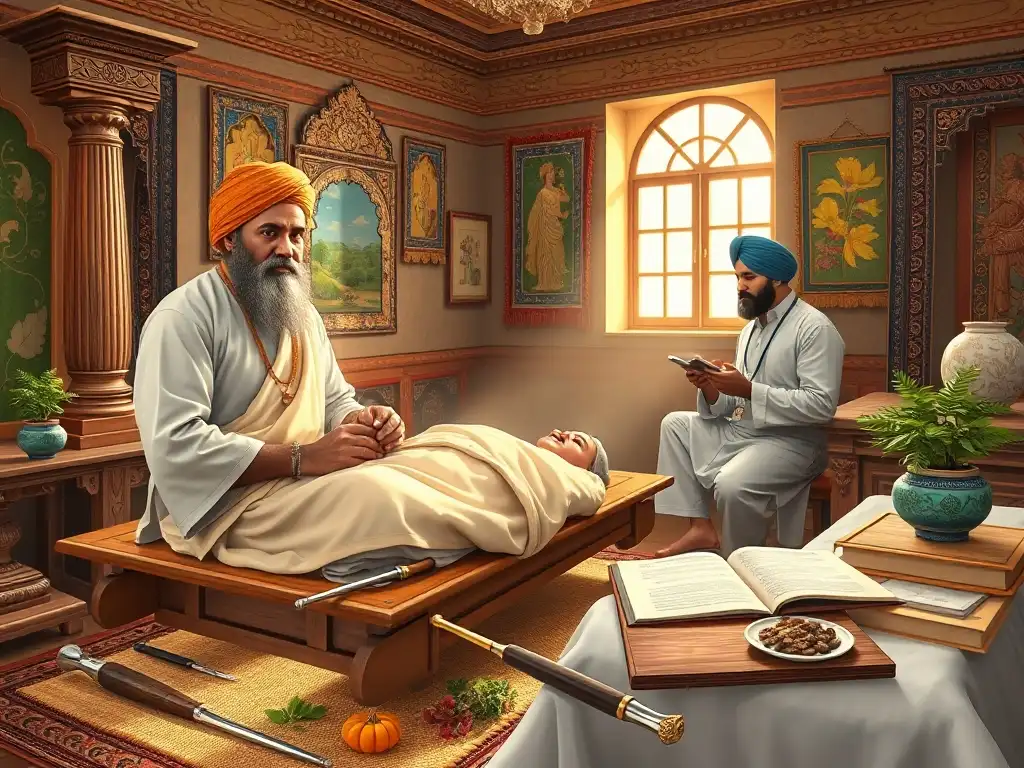
In ancient Indian surgical practices, patient management after surgery was a crucial aspect that played a significant role in ensuring successful recovery. The methodologies adopted by ancient surgeons were sophisticated and reflected a deep understanding of human anatomy and physiology, as well as the psychological needs of the patient.
Observation and Monitoring Techniques
Ancient Indian surgeons utilized a variety of observation and monitoring techniques to ensure postoperative patients were recovering properly. They employed the following methods:
- Regular Physical Examinations: Surgeons conducted daily check-ups to monitor vital signs, such as pulse and temperature, which were indicators of the patient's health status.
- Wound Inspection: The surgical site was meticulously inspected for signs of infection or improper healing. Any unusual discharge or inflammation was noted and addressed promptly.
- Pulse Diagnosis: A significant aspect of ancient Indian medicine was the practice of pulse diagnosis (Nadi Pariksha). Surgeons interpreted various pulse characteristics to gain insights into the patient's overall health and the effectiveness of the surgery.
In addition to these techniques, ancient texts such as the Sushruta Samhita provide elaborate descriptions of how ancient surgeons would monitor the mental state of patients, acknowledging the importance of psychological well-being in recovery.
Assessing Complications and Risks
Understanding and mitigating complications were fundamental to the postoperative care of patients. Ancient Indian surgeons were trained to recognize potential risks and act swiftly when complications arose. Key aspects of their approach included:
- Identifying Symptoms of Complications: Surgeons were skilled in recognizing symptoms such as fever, excessive bleeding, or severe pain, which indicated complications like infections or poor healing.
- Preventive Measures: Techniques such as herbal applications and dietary recommendations were prescribed to strengthen the patient's immune system and promote healing. Specific herbs, like turmeric and neem, were often used due to their antibacterial properties.
- Risk Assessment: Surgeons assessed each patient's individual risk based on factors like age, general health, and the complexity of the procedure. This personalized approach allowed for tailored care plans to mitigate risks.
The combination of vigilant assessment and innovative preventive measures helped ancient Indian surgeons manage risks effectively, leading to improved patient outcomes.
Interaction with Patients: Communication and Support
Effective communication was an integral part of postoperative care in ancient India. Surgeons engaged in meaningful interactions with their patients to foster an environment of trust and support. This included:
- Informed Consent: Before surgery, patients were thoroughly educated about the procedure, expected outcomes, and potential risks, ensuring they were well-informed and comfortable with their choices.
- Emotional Support: Ancient surgeons recognized the psychological impact of surgery and provided emotional reassurance. They often involved family members in the recovery process to create a supportive environment.
- Postoperative Instructions: Detailed guidance was given regarding care after surgery, including advice on physical activity, dietary restrictions, and signs of complications to watch for at home.
This holistic approach not only addressed the physical aspects of recovery but also attended to the emotional and psychological needs of patients, reflecting the comprehensive nature of ancient Indian surgical practices.
Ancient Indian surgical practices reveal a profound understanding of patient management that resonates even in contemporary medical care, showcasing the timeless importance of holistic healing and patient support.
Case Studies of Successful Postoperative Care

Notable Examples from Ancient Texts
Ancient Indian surgical practices are well-documented in texts such as the Sushruta Samhita and Caraka Samhita, which offer a wealth of information about postoperative care. These texts illustrate various techniques and methodologies employed by ancient surgeons to ensure successful recoveries.
- Sushruta Samhita: A Comprehensive Guide
- Sushruta, often regarded as the "father of surgery," emphasized the importance of postoperative care in his writings. He categorized different types of surgical procedures and the corresponding care required for each.
- For instance, the Sushruta Samhita outlines detailed protocols for managing wounds, including the use of herbal pastes and ointments to prevent infection and promote healing.
- Role of Herbal Remedies
- Ancient texts frequently mention the use of specific herbs known for their medicinal properties.
- Turmeric (Curcuma longa) was commonly used for its anti-inflammatory and antiseptic qualities, while Aloe vera was applied to soothe and expedite healing in postoperative patients.
- Dietary Regulations
- Postoperative care also included dietary recommendations tailored to the surgical procedure performed.
- Patients were often advised to consume easily digestible foods to support recovery. For example, a diet rich in grains, legumes, and broths was encouraged to strengthen the body post-surgery.
Outcomes of Effective Postoperative Care Practices
The outcomes of effective postoperative care practices in ancient India were significant, leading to higher rates of recovery and reduced complications.
- Reduction in Infection Rates
- The meticulous attention to cleanliness and use of antiseptic herbs contributed to lower infection rates. Ancient surgical techniques, combined with effective postoperative care, allowed many patients to recover without severe complications.
- Improved Healing Times
- Evidence from ancient texts indicates that patients experienced improved healing times due to the holistic approach adopted by ancient surgeons. By incorporating physical, dietary, and medicinal aspects into postoperative care, surgeons ensured a comprehensive recovery process.
- Patient Satisfaction and Trust
- The emphasis on care and recovery fostered a strong patient-surgeon relationship. Patients who received attentive postoperative care often expressed greater satisfaction, which in turn encouraged more individuals to seek surgical intervention for various ailments. This trust in ancient Indian surgical practices contributed to the advancement of medical techniques and knowledge in the region.
- Historical Impact
- The successful outcomes of these practices not only improved individual patient health but also had a broader impact on the evolution of surgical techniques in ancient India. The principles established during this time influenced later medical practices and contributed to the legacy of ancient Indian medicine.
The careful management of postoperative care in ancient India, as documented in key texts, significantly enhanced surgical outcomes and laid the groundwork for future advancements in surgical practices. The integration of herbal remedies, dietary considerations, and a focus on patient well-being reflects a sophisticated understanding of medicine that continues to be recognized today.
Conclusion: The Legacy of Ancient Indian Surgical Practices
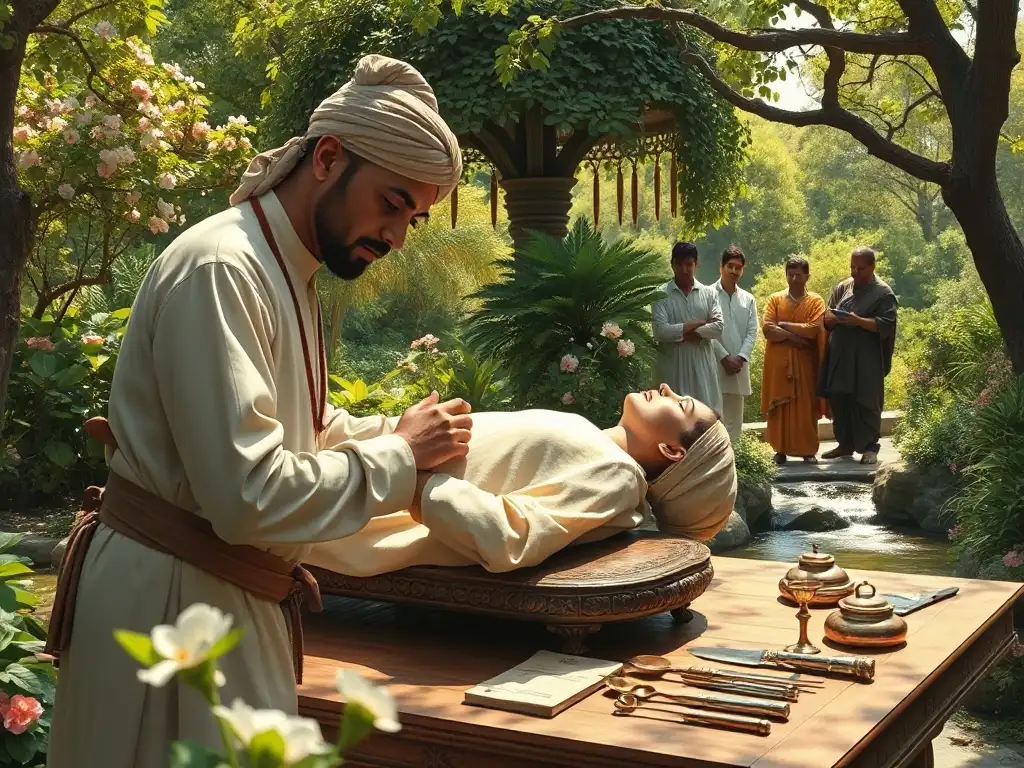
The legacy of ancient Indian surgical practices is profound, showcasing a sophisticated understanding of medicine and human anatomy that has influenced various aspects of modern medicine. Ancient texts such as the Sushruta Samhita, attributed to the father of surgery, Sushruta, provide invaluable insights into surgical techniques and postoperative care that continue to resonate in contemporary practices. The meticulous methods and philosophies outlined in these texts not only highlight the technical skills of ancient Indian surgeons but also their holistic approach to patient care.
Influence on Modern Surgical Techniques and Postoperative Care
Ancient Indian surgical practices have left an indelible mark on modern surgical techniques. The principles of asepsis, careful wound management, and the use of herbal medicines for postoperative care are rooted in ancient wisdom. For instance, Sushruta emphasized the importance of cleanliness and sanitation, which aligns closely with today's surgical protocols.
Several specific techniques introduced by ancient Indian surgeons have been adopted or adapted in modern medicine. These include:
- Rhinoplasty (Nasal Reconstruction): Sushruta's description of rhinoplasty is considered one of the earliest forms of reconstructive surgery and has influenced contemporary plastic surgery practices.
- Surgical Instruments: The detailed descriptions of various surgical instruments used by Sushruta have parallels in today’s surgical tools, illustrating a remarkable continuity in surgical practice.
- Postoperative Care Regimens: Ancient texts detail postoperative care, including dietary recommendations and herbal treatments aimed at promoting healing and preventing infections. Modern practices still incorporate similar principles, emphasizing nutrition and care in recovery.
| Ancient Technique | Modern Equivalent | Description |
|---|---|---|
| Rhinoplasty | Cosmetic Surgery | Restoration of nasal structure |
| Use of Herbal Medicines | Phytotherapy | Employing plants for healing and infection control |
| Suturing Techniques | Modern Stitching/Stapling | Techniques for closing wounds |
| Aseptic Principles | Aseptic Surgical Techniques | Emphasis on cleanliness to prevent infection |
Continuing Relevance of Ancient Wisdom in Surgery
The principles established by ancient Indian surgeons remain relevant in today's medical field. The holistic approach to health, which integrates physical, mental, and emotional well-being, is increasingly recognized in contemporary medicine.
Modern practitioners are now looking back to ancient texts for inspiration in fields such as:
- Ayurveda: The traditional system of medicine in India still informs many aspects of surgical procedures and postoperative care, promoting a comprehensive approach to healing.
- Mind-Body Connection: The ancient understanding of the connection between mind and body has found its way into modern practices, including the use of meditation and mindfulness in recovery.
- Natural Remedies: The resurgence of interest in natural and herbal remedies for postoperative care reflects a continuing appreciation for ancient wisdom.
Ancient Indian surgical practices not only laid the groundwork for various surgical techniques but also emphasized the importance of holistic care. As modern medicine evolves, it increasingly recognizes the value of these ancient insights, ensuring that the legacy of ancient Indian surgeons continues to influence the field of surgery for generations to come.
References and Further Reading on Ancient Indian Surgical Practices
Suggested Texts and Resources for In-Depth Study
To gain a comprehensive understanding of ancient Indian surgical practices, several key texts and resources are invaluable. These works not only document the techniques employed by ancient surgeons but also provide insights into the medical philosophies and cultural contexts of the time. Here are some essential readings:
-
Sushruta Samhita:
Often regarded as the foundational text of ancient Indian surgery, this text, attributed to Sushruta, details numerous surgical procedures, including methods for postoperative care. It includes descriptions of various surgical instruments and techniques, emphasizing the importance of hygiene and patient care.
-
Charaka Samhita:
This seminal text focuses more on medicine and treatment rather than surgery but is essential for understanding the holistic approach to health in ancient India. It discusses the principles of Ayurveda, which were integral to surgical practices, including the importance of diet and lifestyle in recovery.
-
Ayurveda: The Ancient Indian Science of Healing by Dr. David Frawley:
This modern interpretation of Ayurvedic principles delves into how ancient medical practices, including surgery, were influenced by a holistic view of health and wellness.
-
History of Medicine in India by Dr. K. R. K. Rao:
This comprehensive work explores the evolution of medical practices in India, including a detailed examination of surgical techniques and postoperative care in ancient times.
-
Ancient Indian Medicine: A Comprehensive Study by Dr. R. S. Bhatia:
This book provides an in-depth look at various aspects of ancient Indian medicine, including surgical practices, emphasizing the cultural, philosophical, and practical elements involved in patient care.
Online Resources for Learning More About Ancient Medicine
In addition to traditional texts, a wealth of online resources can provide further insights into ancient Indian surgical practices. Here are some recommended platforms and websites:
-
Digital Library of India:
This online repository offers access to a vast collection of ancient texts, including the Sushruta Samhita and Charaka Samhita. Scholars and enthusiasts can explore these texts for free, providing a direct glimpse into ancient surgical knowledge.
-
Ancient Medicine:
A website dedicated to the study of medical practices throughout history, featuring articles and research papers focused on ancient Indian medicine and surgery.
-
Ayurveda Institute:
This institute offers webinars, articles, and courses on Ayurveda, including its surgical applications. It's a great resource for anyone looking to understand the relationship between Ayurvedic principles and surgical techniques.
-
Google Scholar:
A powerful tool for finding academic papers and studies related to ancient Indian surgical practices. Searching for specific terms such as "ancient Indian surgery" or "Sushruta" can yield numerous scholarly articles for further exploration.
-
YouTube Channels:
Several educational channels provide lectures and documentaries on ancient Indian medicine and surgery, making the subject accessible to a broader audience. Look for channels focused on history, archaeology, and medicine.
By engaging with these texts and resources, readers can deepen their understanding of how ancient Indian surgeons managed postoperative care and the broader context of surgical practices in ancient India.
Frequently Asked Questions
What were some common surgical practices in ancient India?
Ancient Indian surgeons practiced advanced techniques such as suturing, cauterization, and organ removal. These practices were documented in texts like the Sushruta Samhita, highlighting their expertise in surgery.
How did ancient Indian surgeons manage postoperative care?
Postoperative care in ancient India involved herbal remedies, dietary regulations, and spiritual practices to ensure patient recovery. Surgeons emphasized hygiene and rest as vital components of the healing process.
What was the significance of the Sushruta Samhita?
The Sushruta Samhita is a foundational text in ancient Indian medicine, detailing surgical techniques, instruments, and procedures. It showcases the scientific approach to surgery and the emphasis on patient care.
Were there any specific instruments used in ancient Indian surgeries?
Yes, ancient Indian surgeons utilized a variety of surgical instruments, including scalpels, forceps, and needles. These tools were meticulously crafted to facilitate precision during surgical procedures.
How did the cultural context influence surgical practices in ancient India?
Cultural beliefs and spiritual practices deeply influenced ancient Indian surgical techniques. The integration of Ayurveda with surgery emphasized a holistic approach, focusing not just on physical health but also on the mind and spirit.
Final Reflection: The Enduring Legacy of Ancient Indian Surgical Practices
The intricate methods of postoperative care employed by ancient Indian surgeons reveal a profound understanding of medicine that resonates with today's healthcare practices. As we navigate the complexities of modern medicine, the wisdom of these ancient practices serves as a reminder that the roots of surgical excellence are deeply embedded in history. The meticulous attention to patient care and recovery not only highlights the sophistication of ancient Indian surgical practices but also underscores the timeless nature of compassion in medicine.
The influence of ancient Indian surgical practices extends beyond historical curiosity; it continues to shape our cultural and social understanding of health and healing. The principles of holistic care and the emphasis on patient well-being remain relevant in contemporary discussions about healthcare.
As we reflect on these practices, we can appreciate the words of the ancient sage Sushruta, who stated, “The physician should not only be skilled in surgery but also possess a deep understanding of the human condition.” > This quote encapsulates the essence of a physician's role, reminding us that the art of healing transcends mere technical skill.
As we consider the lessons from ancient Indian surgeons, I invite you to reflect on how these principles can be integrated into your own life and practice. What can you learn from their commitment to patient care and holistic healing? Embrace the opportunity to honor this legacy by fostering compassion and understanding in your interactions with others, whether in healthcare or everyday life. Let us carry forward the spirit of these ancient practices, ensuring that the wisdom of the past continues to inspire a brighter, more empathetic future in medicine and beyond.
Transform Your Understanding of Surgical Care in Ancient India!
Thank you for diving into the fascinating world of ancient Indian surgery! We hope you’ve gained valuable insights into how skilled surgeons of the past managed postoperative care with exceptional proficiency. Now, it’s time to take that knowledge into action!
Here’s how you can explore further:
- Delve Deeper: Research the various techniques employed by ancient Indian surgeons and their influence on modern surgical practices. Libraries and online databases are excellent resources to expand your understanding!
- Share Your Knowledge: Engage in discussions about your newfound insights with friends or share them on social media. Inspire others to appreciate the significant advancements in healthcare throughout history!
- Join the Conversation: Participate in forums or communities dedicated to historical medicine. Connect with fellow enthusiasts and exchange your thoughts and findings!
What aspect of ancient surgical practices intrigues you the most, and how do you believe it influences today’s medical techniques?