
Ancient Inscriptions and Their Impact on Modern Indian Identity

Welcome to Ancient India History, where we embark on a fascinating journey through the rich tapestry of ancient Indian civilizations. From the enigmatic Indus Valley to the illustrious Gupta Empire, our exploration unveils the profound contributions that have shaped modern India. In our featured article, we delve into the significance of ancient Indian inscriptions, uncovering the stories etched in stone that continue to resonate with our contemporary identity.
Prepare to be intrigued as we reveal how these inscriptions not only document history but also illuminate the cultural legacy that enriches our present. Join us as we unravel the past, and discover why these ancient artifacts matter now more than ever!
- Introduction to Ancient Indian Inscriptions and Their Significance
- Historical Context of Ancient Indian Inscriptions
- Types of Ancient Indian Inscriptions and Their Significance
- Deciphering Ancient Indian Inscriptions
- The Role of Inscriptions in Shaping Modern Indian Identity
- Conclusion: The Lasting Impact of Ancient Indian Inscriptions
- References for Further Reading on Ancient Indian Inscriptions
- Frequently Asked Questions
- Final Reflection: The Enduring Significance of Ancient Indian Inscriptions
- Uncover Your Connection: Dive Into Ancient Insights!
Introduction to Ancient Indian Inscriptions and Their Significance
The study of ancient Indian inscriptions offers a profound insight into the rich tapestry of India's historical legacy, culture, and societal evolution. These inscriptions, engraved on stone, metal, and other materials, serve as critical primary sources that provide valuable information about the political, religious, and economic conditions of ancient civilizations. From the Indus Valley Civilization through the Gupta Empire, inscriptions illuminate the thoughts and achievements of past societies, revealing not only their administrative practices and legal frameworks but also their artistic expressions and spiritual beliefs.
Understanding the significance of ancient Indian inscriptions is crucial for comprehending how these historical artifacts contribute to the modern Indian identity. They are not merely relics of the past; rather, they are essential links that connect contemporary India with its ancient roots. This article delves into the importance of these inscriptions, the historical context they provide, and the key terms and concepts associated with their study, shedding light on how they shape our understanding of Indian culture and heritage.
Overview of Ancient Indian Inscriptions
Ancient Indian inscriptions date back thousands of years, with the earliest examples found in the Indus Valley Civilization around 2500 BCE. These inscriptions often utilized scripts such as Brahmi and Kharosthi, which were pivotal in the development of writing in the Indian subcontinent.
Key features of ancient inscriptions include:
- Material: Inscriptions were carved on various surfaces, including stone, metal, clay, and wood.
- Languages: They were written in multiple languages, reflecting the linguistic diversity of ancient India.
- Themes: Common themes include royal edicts, religious texts, trade records, and commemorative messages.
The study of these inscriptions provides insights into the administrative practices, social structures, and cultural contexts of ancient Indian civilizations, making them invaluable resources for historians and archaeologists alike.
Importance of Inscriptions in Understanding Indian History
Inscriptions play a pivotal role in reconstructing the narrative of Indian history for several reasons:
- Primary Sources: They serve as firsthand accounts of historical events, offering direct evidence of the thoughts, beliefs, and practices of ancient people.
- Cultural Insights: Inscriptions reflect the cultural milieu of their time, including religious practices, societal norms, and artistic expressions.
- Chronological Framework: They help establish timelines for historical events, contributing to a more precise understanding of India's past.
- Political Context: Many inscriptions document royal decrees and administrative decisions, providing insights into governance and political dynamics.
By studying these inscriptions, researchers can piece together a more comprehensive picture of ancient Indian society, its evolution, and its lasting influence on modern India.
To thoroughly understand the significance of ancient Indian inscriptions, it's essential to familiarize oneself with several key terms and concepts:
- Epigraphy: The study of inscriptions, their characteristics, and their historical context.
- Paleography: The study of ancient handwriting and scripts, crucial for deciphering inscriptions.
- Transcription: The process of converting inscriptions into modern scripts for easier study and analysis.
- Iconography: The visual imagery and symbols used in inscriptions, often revealing religious and cultural meanings.
These terms form the foundation of the field of epigraphy, enabling scholars to analyze and interpret ancient inscriptions effectively. Understanding these concepts is vital for appreciating the significance of ancient Indian inscriptions in shaping both historical narratives and contemporary identity.
Historical Context of Ancient Indian Inscriptions
Evolution of Inscriptions in Ancient India
The evolution of inscriptions in ancient India reflects the socio-political and cultural dynamics of the time. Inscriptions began as rudimentary markings, often serving practical purposes such as trade and administration. Over time, they evolved into complex forms of communication that documented historical events, religious beliefs, and royal decrees. The earliest inscriptions can be traced back to the Indus Valley Civilization (circa 2500-1900 BCE), where symbols were inscribed on seals, indicating a form of record-keeping and communication.
By the Mauryan Empire (circa 322-185 BCE), inscriptions became more sophisticated, featuring the Brahmi script, which enabled the dissemination of ideas and edicts across vast territories. This period saw the emergence of rock edicts, which communicated the philosophy and policies of rulers like Emperor Ashoka. The significance of these inscriptions lies in their ability to convey messages to a literate public, thereby influencing social norms and governance.
The Gupta Empire (circa 320-550 CE) marked another pivotal moment in the history of inscriptions, characterized by the flourishing of art and literature. Inscriptions from this period not only documented royal achievements but also celebrated religious and cultural milestones, further embedding the significance of inscriptions into the identity of the Indian civilization. The continuity of inscriptions from these periods illustrates their role in shaping the historical narrative and cultural identity of India.
Major Civilizations and Their Inscriptions
The significance of ancient Indian inscriptions can be best understood through the lenses of major civilizations that contributed to their development. Each civilization left a distinct mark through its inscriptions, reflecting its unique ideology, governance, and cultural achievements.
Indus Valley Civilization Inscriptions
The Indus Valley Civilization is notable for its seals, which feature a variety of symbols and motifs that remain undeciphered. These seals, often made of steatite, were used for trade and ceremonial purposes. The inscriptions on these seals suggest a complex society engaged in commerce, religion, and possibly governance. The significance of these inscriptions lies not only in their artistic value but also in their role as a precursor to later forms of writing in India. The undeciphered nature of these inscriptions continues to intrigue researchers, highlighting the civilization's mysterious aspects and its potential impact on subsequent writing systems.
Mauryan Empire Inscriptions
The Mauryan Empire is particularly renowned for its rock edicts, the most famous of which were issued by Emperor Ashoka. These inscriptions were carved on rocks and pillars throughout the empire, delivering messages about moral conduct, governance, and the promotion of Buddhism. The edicts are significant for several reasons:
- Political Communication: They served as a means for the emperor to communicate directly with his subjects, establishing a sense of unity and shared values.
- Cultural Impact: The promotion of Buddhist principles through these inscriptions contributed to the spread of Buddhism across Asia.
- Historical Documentation: They provide invaluable insights into the administrative practices and societal values of ancient India.
The rock edicts stand as a testament to the sophisticated use of inscriptions for governance and cultural dissemination during the Mauryan period.
Gupta Empire Inscriptions
The Gupta Empire, often referred to as the "Golden Age of India," produced a rich heritage of inscriptions that celebrated both royal accomplishments and cultural achievements. Inscriptions from this period often included:
- Temple Inscriptions: These inscriptions provided information about patronage, rituals, and local histories, enhancing our understanding of religious practices.
- Literary References: Many inscriptions referenced famous literary works and poets of the time, indicating a flourishing cultural environment.
The significance of Gupta inscriptions lies in their dual role as historical records and cultural artifacts. They reflect the empire's emphasis on art, literature, and religion, cementing its legacy in the broader narrative of ancient Indian history. The inscriptions not only document the achievements of the Gupta rulers but also contribute to the understanding of the period's influence on modern Indian identity.
Types of Ancient Indian Inscriptions and Their Significance
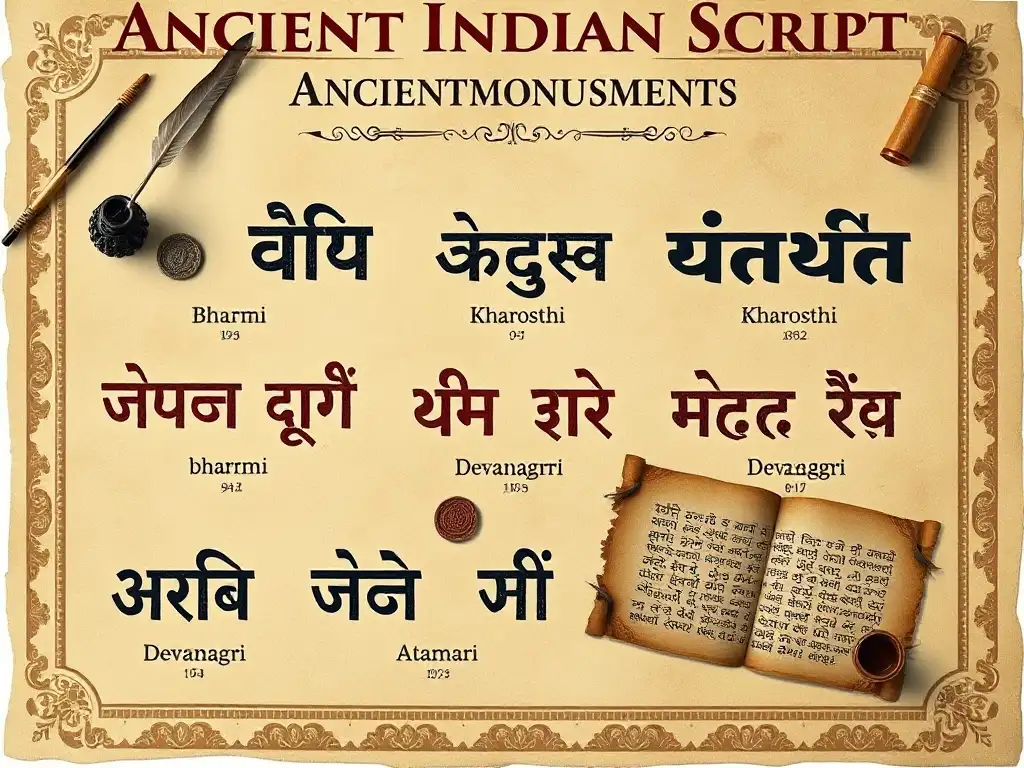
Ancient Indian inscriptions serve as crucial artifacts that shed light on the diverse aspects of historical, cultural, and political life in ancient India. They are classified into various types based on the materials used, the contexts in which they were created, and their purposes. Understanding these inscriptions is vital for grasping their significance in shaping modern Indian identity. Here we explore three major types of ancient inscriptions: stone inscriptions, copper plate inscriptions, and inscriptions on coins.
Stone Inscriptions and Their Cultural Impact
Stone inscriptions are among the most enduring forms of ancient Indian inscriptions, often created on monuments, pillars, and temples. These inscriptions typically convey royal edicts, religious decrees, and commemorative messages, reflecting the socio-political climate of their times.
- Cultural Narratives: Many stone inscriptions contain historical narratives that document the achievements of kings, battles won, and the patronage of arts and religion. For instance, the Edicts of Ashoka, inscribed during the reign of Emperor Ashoka (c. 268-232 BCE), promote Buddhist values and ethics, showcasing how rulers utilized inscriptions to influence societal norms.
- Religious Significance: Stone inscriptions often served religious purposes, dedicating temples or altars to deities. The Brahmi script, used in many of these inscriptions, provides insight into the linguistic evolution in India and the spread of Buddhism and Jainism.
- Artistic Expression: The craftsmanship involved in creating stone inscriptions reflects the artistic styles prevalent at the time. The intricate carvings and the choice of locations illustrate the importance of preserving cultural heritage, which continues to resonate with modern Indian identity.
Copper Plate Inscriptions and Administrative Significance
Copper plate inscriptions emerged as a significant administrative tool during the early medieval period, particularly from the 4th century CE onwards. These inscriptions were typically used for land grants and official records.
- Land Grants and Economic Control: Copper plates often documented land grants by rulers to temples or individuals, establishing the economic framework of ancient society. These grants played a central role in agricultural development and the management of resources, which are foundational aspects of modern Indian economy.
- Political Alliances: Many copper plate inscriptions reveal alliances between dynasties through marriage or military agreements. The Chola and Gupta dynasties, for example, used copper plates to record alliances that would impact political dynamics in the region.
- Legal Frameworks: The inscriptions also included legal stipulations, which provided insight into the governance systems in ancient India. By understanding these legal frameworks, modern scholars can trace the evolution of administrative practices that still influence contemporary governance.
Inscriptions on Coins and Their Economic Relevance
Inscriptions on ancient coins provide a unique perspective on the economic and political landscape of ancient India. These inscriptions typically feature the names and titles of rulers, deities, and symbols reflecting the culture of the time.
- Trade and Commerce: Coins with inscriptions indicate the economic practices of ancient Indian civilizations. For instance, the punch-marked coins from the Mauryan period not only facilitated trade but also symbolized the standardization of currency, which is crucial for understanding modern financial systems.
- Political Propaganda: Coins served as a medium for political propaganda, with inscriptions that conveyed messages about the ruler’s power and legitimacy. The use of imagery and inscriptions on coins helped foster a sense of unity and identity among the populace, influencing modern perceptions of national heritage.
- Cultural Exchange: The inscriptions on coins also reflect the cultural exchanges that occurred through trade routes. The presence of various scripts and symbols on coins indicates the interaction between different cultures, which has shaped the multicultural fabric of modern India.
The significance of ancient Indian inscriptions extends beyond mere historical records; they are vital to understanding the cultural, economic, and political dynamics that have shaped modern Indian identity. By studying these inscriptions, we gain valuable insights into the rich tapestry of ancient Indian civilization and its enduring legacy.
Deciphering Ancient Indian Inscriptions
Methods of Reading and Interpreting Inscriptions
Reading and interpreting ancient Indian inscriptions is a complex process that requires a multidisciplinary approach. Scholars utilize various methods to decode the languages, scripts, and contexts of these inscriptions. Here are some key methodologies:
- Paleography: This is the study of ancient writing systems and their development over time. By analyzing the shapes and forms of letters, epigraphists can trace the evolution of scripts such as Brahmi and Kharosthi. For instance, the transition from Brahmi to Devanagari can be observed through careful paleographic analysis.
- Linguistic Analysis: Understanding the languages used in inscriptions, such as Sanskrit, Prakrit, and Tamil, is crucial. Linguists study the vocabulary, grammar, and syntax of these ancient languages to interpret the meaning accurately. The use of glossaries and dictionaries from ancient texts aids in this process.
- Contextual Examination: The context in which an inscription is found can provide significant clues to its interpretation. Scholars consider the archaeological site, associated artifacts, and historical references to understand the significance of the inscription. For example, inscriptions found in temples often relate to religious practices, while those in forts might pertain to political events.
- Comparative Studies: By comparing inscriptions from different regions and time periods, researchers can identify patterns and common themes. This comparative approach helps in understanding the broader historical and cultural narratives of ancient India.
- Digital Tools: With advancements in technology, digital tools such as 3D imaging and GIS (Geographic Information Systems) are increasingly used to analyze inscriptions. These tools help in creating detailed visual representations and spatial analyses, enhancing our understanding of their significance.
Challenges in Understanding Ancient Scripts
Despite the advancements in epigraphy, several challenges persist in understanding ancient Indian inscriptions:
- Fragmentation of Inscriptions: Many inscriptions are found in fragments, making it difficult to reconstruct the complete message. This incompleteness can lead to misinterpretations or gaps in historical knowledge.
- Variability in Scripts: Variations in scripts across different regions and time periods can complicate the reading process. For instance, the same script may evolve differently in different geographical locations, leading to inconsistencies.
- Cultural Context: The cultural and religious nuances embedded in inscriptions can pose interpretative challenges. Understanding references to local deities, rituals, or socio-political structures requires in-depth knowledge of the respective culture.
- Language Evolution: Languages change over time, and meanings of words may shift. Words that were once common in ancient texts may not have direct equivalents in modern languages, requiring scholars to decipher context-specific meanings.
- Condition of Inscriptions: Weathering, erosion, and vandalism can severely affect the legibility of inscriptions. Techniques such as chemical analysis and photogrammetry are often employed to enhance visibility, but they may not always yield clear results.
Contributions of Epigraphy to Indian History
Epigraphy has made significant contributions to our understanding of ancient Indian history. Here are some notable impacts:
- Chronology Establishment: Inscriptions provide critical chronological markers that help establish timelines for historical events. For example, the inscriptions of Ashoka the Great are pivotal in dating the Mauryan Empire and understanding its expansion.
- Cultural Insights: Through inscriptions, scholars gain insights into the social, political, and economic structures of ancient societies. They reveal information about kingship, administration, trade, and societal norms. For instance, the inscriptions from the Gupta period highlight advancements in art, literature, and science.
- Religious Practices: Many inscriptions contain references to rituals, religious texts, and deities, shedding light on the spiritual landscape of ancient India. The study of these inscriptions helps trace the evolution of religious beliefs and practices over time.
- Language and Literature Development: Inscriptions serve as key evidence for the development of languages and literary traditions in ancient India. They reveal the use of Sanskrit in administrative contexts and the emergence of regional languages.
- Identity Formation: The study of inscriptions plays a crucial role in understanding the formation of regional and national identities in India. They provide a connection to the past that influences modern cultural and historical narratives, contributing to the ongoing discourse on what it means to be Indian today.
The significance of ancient Indian inscriptions extends beyond mere historical records; they are vital to understanding the complexities of India's past and the formation of its modern identity. The study of these inscriptions continues to enrich our knowledge of ancient civilizations, their contributions, and their legacies.
The Role of Inscriptions in Shaping Modern Indian Identity
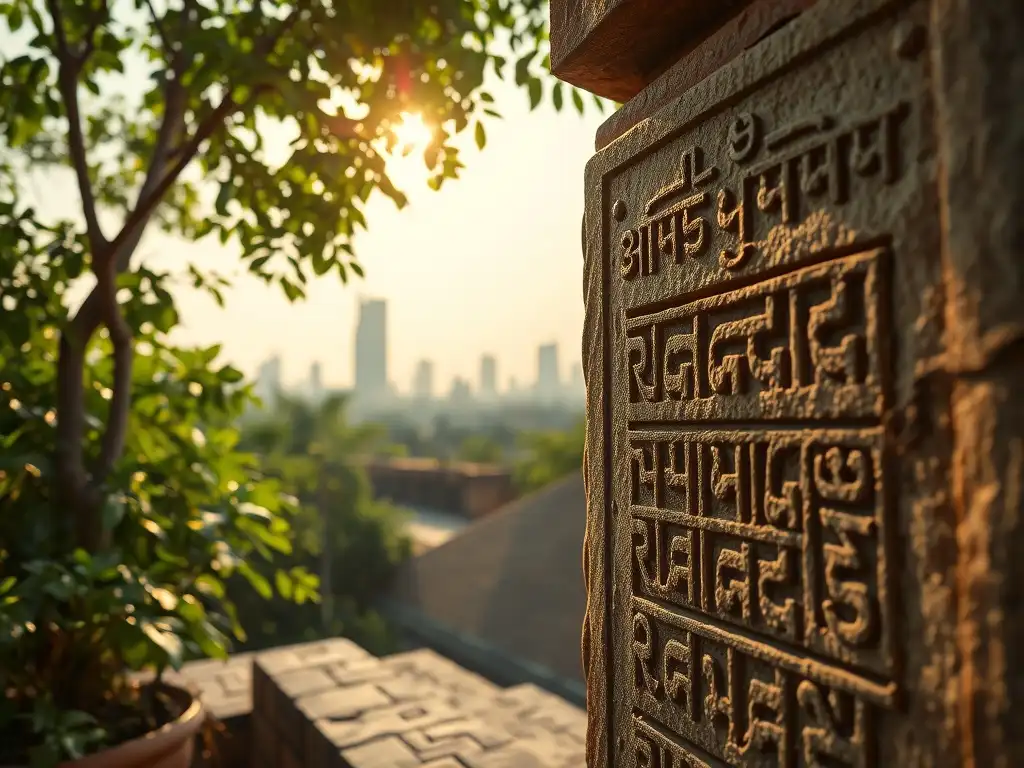
How Ancient Inscriptions Reflect Cultural Heritage
Ancient Indian inscriptions serve as a vital link between the past and the present, providing insights into the cultural heritage of various civilizations. These inscriptions, etched on stone, copper plates, and other materials, encapsulate the values, beliefs, and practices of ancient societies. By studying these engravings, modern scholars can reconstruct the socio-political and economic landscapes that shaped early Indian civilization.
- Multilingual Nature: Many inscriptions, such as those from the Mauryan and Gupta periods, reflect the linguistic diversity of ancient India. For instance, the use of Prakrit, Sanskrit, and regional languages in inscriptions demonstrates the coexistence of multiple cultures and dialects.
- Religious Context: Inscriptions often contain religious texts, prayers, or edicts that highlight the spiritual life of the time. Temples, stupas, and other religious sites bear inscriptions that reveal the significance of deities and rituals in daily life, emphasizing their role in shaping communal identity.
- Artistic Expression: The artistry involved in the creation of inscriptions—ranging from intricate carvings to elaborate script—also reflects the cultural aesthetics of the time. This artistic heritage influences contemporary Indian art forms and practices, serving as a source of inspiration for modern artists.
Influence of Inscriptions on National Identity
The significance of ancient Indian inscriptions extends beyond cultural heritage; they play a crucial role in shaping modern national identity. As India emerged as an independent nation, the exploration of its ancient inscriptions became a means to forge a cohesive identity rooted in its historical legacy.
- Symbol of Unity: Inscriptions from diverse regions and periods symbolize the unity of India’s cultural fabric. They showcase the shared historical experiences that contribute to a collective national identity, transcending regional differences.
- Historical Narratives: The narratives embedded in inscriptions have been instrumental in constructing a historical consciousness. They provide a sense of belonging and continuity, allowing modern Indians to connect with their ancient past.
- Revival of Pride: The rediscovery and interpretation of ancient inscriptions have led to a revival of pride in India’s rich history. This pride fosters a sense of responsibility towards preserving cultural heritage for future generations.
Case Studies of Specific Inscriptions that Impact Modern Identity
Ashoka's Edicts and Their Contemporary Relevance
One of the most significant collections of ancient Indian inscriptions is the Edicts of Ashoka, dating back to the 3rd century BCE. These edicts, inscribed on pillars and rocks across the Indian subcontinent, convey messages of morality, non-violence, and social welfare.
- Universal Values: Ashoka’s emphasis on dharma (moral law) and compassion resonates with contemporary values, making these edicts relevant even today. They serve as reminders of the ethical foundations that can guide modern society.
- Cultural Symbol: Ashoka's lion capital, derived from these edicts, is now the national emblem of India, symbolizing the country’s commitment to non-violence and unity. This enduring symbol reinforces the connection between ancient principles and modern governance.
The Role of Inscriptions in Regional Identity Formation
Inscriptions have also played a pivotal role in shaping regional identities throughout India. Local inscriptions often reflect the unique cultural and historical narratives of specific areas.
- Regional Languages and Scripts: Inscribed texts in regional languages such as Tamil, Kannada, and Bengali highlight the linguistic diversity within India. These inscriptions foster a sense of pride in regional heritage and contribute to local identity formation.
- Historical Claims: Inscriptions documenting the achievements of local rulers and dynasties bolster regional pride and connect communities to their historical narratives. They serve as evidence of cultural continuity and the significance of local traditions in the broader Indian context.
Ancient Indian inscriptions hold immense significance in shaping modern Indian identity. They not only reflect the rich cultural heritage of the past but also influence contemporary values and regional identities, establishing a deep-rooted connection between ancient civilizations and the modern nation.
Conclusion: The Lasting Impact of Ancient Indian Inscriptions
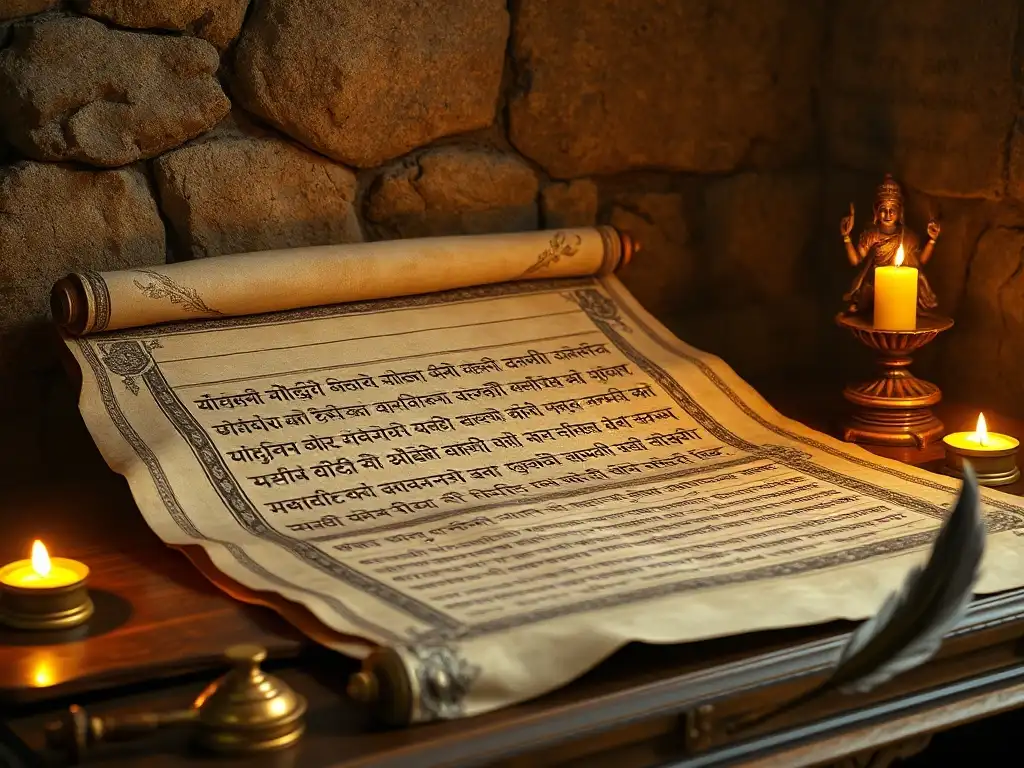
The study of ancient Indian inscriptions offers profound insights into the cultural, social, and political fabric of early Indian civilizations. These inscriptions serve not merely as historical artifacts but as living testimonies that have shaped the modern Indian identity. Their significance extends beyond mere documentation; they reflect the values, beliefs, and achievements of the societies that created them, influencing contemporary understanding of heritage and identity.
Summary of the Inscriptions' Significance to Indian Identity
Ancient Indian inscriptions provide a window into the past, revealing the complexity of Indian civilization through various lenses. They encompass a wide range of subjects, from royal edicts to religious texts, showcasing the diversity of languages and scripts used throughout history. Key aspects of their significance include:
- Cultural Continuity: Inscriptions often illustrate the continuity of cultural practices and beliefs from ancient times to the present. The recurring themes of dharma, governance, and community welfare resonate in modern Indian society, emphasizing the importance of these values.
- Linguistic Heritage: The evolution of languages and scripts, as seen in inscriptions, contributes to the rich tapestry of Indian linguistic heritage. The study of these inscriptions aids in understanding the development of languages like Sanskrit, Prakrit, and regional dialects, which are integral to India's identity.
- Political Authority and Governance: Many inscriptions are royal decrees that reflect the political landscape of their time. The way rulers articulated their authority through inscriptions informs modern perspectives on governance, power dynamics, and legal traditions in India.
- Religious and Philosophical Insights: Inscriptions also illuminate the religious and philosophical thoughts prevalent during various periods. They document the patronage of different religions, which has led to India's pluralistic society. This diversity is a cornerstone of modern Indian identity.
- Artistic Expression: The artistry and craftsmanship associated with inscriptions reveal the aesthetic values of ancient societies. The intricate designs and carvings not only capture historical moments but also represent a cultural identity that continues to thrive in contemporary art forms.
The significance of ancient Indian inscriptions is multifaceted, playing a crucial role in shaping and reinforcing the modern Indian identity.
Future Research Directions in the Study of Inscriptions
The field of epigraphy and the study of ancient Indian inscriptions are ripe for further exploration. As technology advances and methodologies evolve, several promising avenues for future research emerge:
- Digital Epigraphy: The integration of digital tools in the study of inscriptions can enhance accessibility and analysis. Projects that digitize inscriptions and employ machine learning for pattern recognition can provide deeper insights into linguistic evolution and cultural connections.
- Cross-Disciplinary Approaches: Collaborations between historians, archaeologists, linguists, and anthropologists can yield a more holistic understanding of inscriptions. By considering the broader archaeological context, researchers can better interpret the significance of inscriptions within their historical frameworks.
- Regional Studies: Focusing on regional variations in inscriptions can highlight local identities and practices. Comparative studies can reveal how different regions interacted, shared ideas, and contributed to the overall tapestry of ancient Indian civilization.
- Public Engagement and Education: Increasing public awareness of ancient inscriptions through exhibitions, educational programs, and community workshops can foster a deeper appreciation of cultural heritage. Engaging the public in research initiatives can also encourage grassroots preservation efforts.
- Interdisciplinary Analysis of Material Culture: Investigating inscriptions alongside other forms of material culture, such as pottery, architecture, and artifacts, can provide insights into the daily lives of ancient people and how these inscriptions influenced their social dynamics.
The significance of ancient Indian inscriptions is multifaceted, impacting modern identity and providing a rich field for future research. As we delve deeper into these ancient texts, we continue to uncover the layers of history that shape the present and inform our collective understanding of what it means to be part of the Indian heritage.
References for Further Reading on Ancient Indian Inscriptions
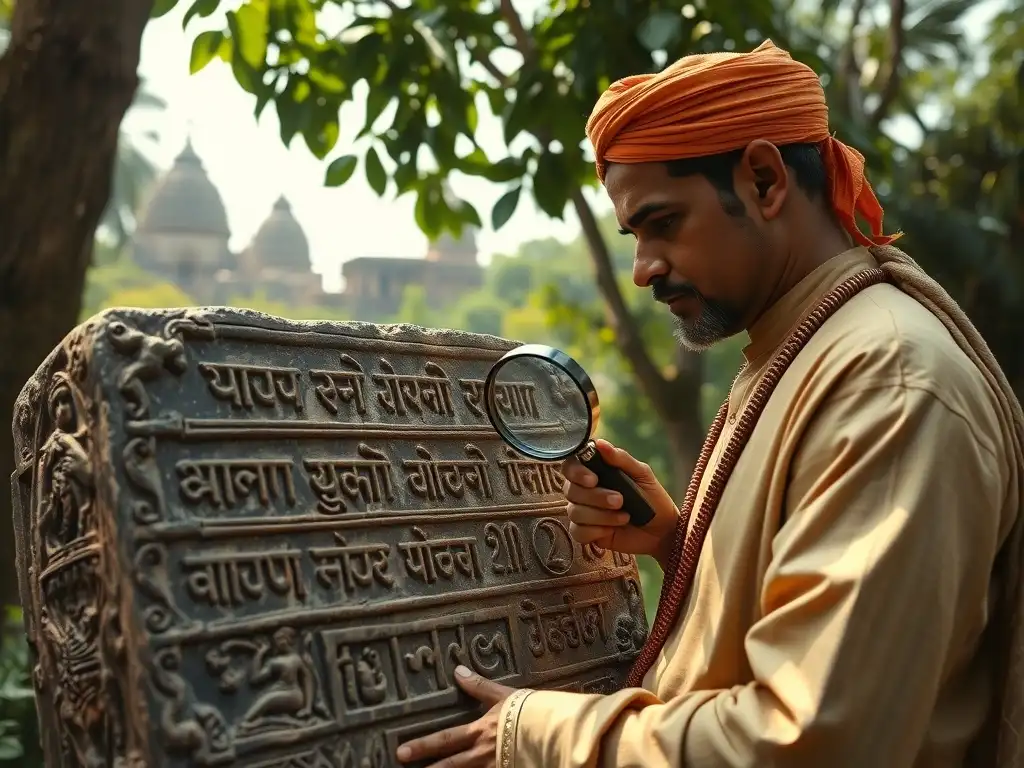
Recommended Books and Articles
-
"The Archaeology of Ancient Indian Inscriptions" by Ravi K. Sinha
This comprehensive work explores the methods and tools used in the study of ancient inscriptions, along with case studies of notable finds. Sinha discusses the significance of these inscriptions in understanding social and political dynamics in ancient India.
-
"Inscriptions of Ashoka" by Richard Salomon
Salomon provides an in-depth analysis of the edicts of Ashoka, detailing their historical context and significance. The book highlights how Ashoka's inscriptions reflect his governance philosophy and the spread of Buddhism.
-
"Ancient Indian Epigraphy" by A. K. Narain
This book examines the evolution of epigraphy in India, covering various dynasties and the scripts used. Narain's work is critical for understanding how inscriptions have shaped modern perceptions of ancient Indian identity.
-
"The Inscriptions of the Gupta Empire" by R. K. Sharma
Focusing on the Gupta period, this article discusses the inscriptions that emerged during this golden age of Indian history. It analyzes their impact on cultural and political development.
-
"Script and Society in Ancient India" by Meera Kumar
Kumar’s article explores the relationship between scripts, like Brahmi and Kharosthi, and the societies that used them. It highlights how inscriptions serve as vital documents for reconstructing ancient Indian life.
Online Resources and Archives for Ancient Inscriptions
-
The Epigraphical Society of India
This organization maintains a repository of ancient Indian inscriptions and provides access to various publications and research related to epigraphy. Their website includes digitized images and translations of significant inscriptions.
-
Digital South Asia Library
A comprehensive resource that includes a variety of ancient texts and inscriptions from the Indian subcontinent. The library offers searchable databases and digital archives for researchers and enthusiasts alike.
-
The Archaeological Survey of India (ASI)
ASI's website features a collection of inscriptions along with detailed reports and archaeological findings. It serves as an invaluable resource for studying ancient Indian history and culture.
-
International Association of Sanskrit Studies
This organization provides access to research papers and articles that delve into the significance of ancient inscriptions in understanding Sanskrit literature and its influence on modern Indian identity.
-
Ancient Inscriptions Archive (AIA)
AIA hosts a vast collection of images and transcriptions of ancient inscriptions from various regions of India. The site offers tools for researchers to analyze and interpret these historical documents.
By engaging with these resources, readers can gain a deeper understanding of the ancient Indian inscriptions significance and their enduring impact on contemporary Indian culture and identity.
Frequently Asked Questions
What are ancient Indian inscriptions?
Ancient Indian inscriptions are texts engraved on stone, metal, or other materials that provide valuable insights into the social, political, and cultural life of ancient civilizations.
Why are ancient Indian inscriptions significant?
These inscriptions hold tremendous significance as they serve as primary historical sources, offering evidence of languages, scripts, and societal norms that shaped ancient Indian history.
How do ancient inscriptions impact modern Indian identity?
Ancient inscriptions contribute to the formation of modern Indian identity by preserving the diverse cultural heritage and historical narratives that continue to influence contemporary society.
What languages are commonly found in ancient Indian inscriptions?
The most prevalent languages in ancient inscriptions include Sanskrit, Prakrit, and Tamil, reflecting the linguistic diversity of India through its history.
How can one access ancient Indian inscriptions today?
Many ancient Indian inscriptions are accessible through archaeological sites, museums, and digital archives, allowing scholars and the public to explore their cultural significance and historical context.
Final Reflection: The Enduring Significance of Ancient Indian Inscriptions
The exploration of ancient Indian inscriptions reveals their profound impact on modern Indian identity, reminding us that our past is intricately woven into the fabric of our present. As we navigate a rapidly changing world, these inscriptions serve as a bridge connecting us to our rich heritage, offering insights into our cultural roots and the values that shape our society today. The significance of these ancient texts is not merely historical; they are a living testament to the resilience and continuity of Indian identity.
The influence of ancient inscriptions extends beyond mere historical documentation; they resonate deeply within the cultural and social landscape of contemporary India. These inscriptions encapsulate the philosophies, languages, and artistic expressions of our ancestors, fostering a sense of belonging and pride in our diverse heritage. As noted by historian Romila Thapar, The past is not a dead weight; it is a resource that can be drawn upon to shape the future.
This perspective highlights the ongoing relevance of these inscriptions in fostering a collective identity that honors our ancestors while embracing modernity.
As we reflect on the lessons imparted by ancient Indian inscriptions, I invite you to consider how these insights can inspire your own journey. Embrace the richness of your heritage and let it inform your identity and actions in the present. By acknowledging the significance of our past, we can cultivate a deeper understanding of ourselves and our place in the world, ultimately shaping a future that honors both tradition and progress.
Uncover Your Connection: Dive Into Ancient Insights!
Thank you for taking the time to explore the profound influence of ancient inscriptions on modern Indian identity! By delving into this rich history, you've gained a deeper understanding of how the past shapes our present and future. Now, let's take those insights and turn them into action!
- Engage with your community: Share your newfound knowledge by discussing it with friends or joining a local history group. Spark conversations that celebrate our heritage!
- Explore further: Visit a nearby museum or historical site that highlights ancient India. Experiencing these artifacts in person can deepen your appreciation for their significance!
- Document your thoughts: Write a personal reflection or a blog post on how ancient inscriptions resonate with your identity today. Your perspective can inspire others to explore their own roots!
How do you feel ancient history plays a role in shaping your identity? Let’s come together to share our stories and insights!