
The Role of Chanting and Mantras in Buddhist Practice

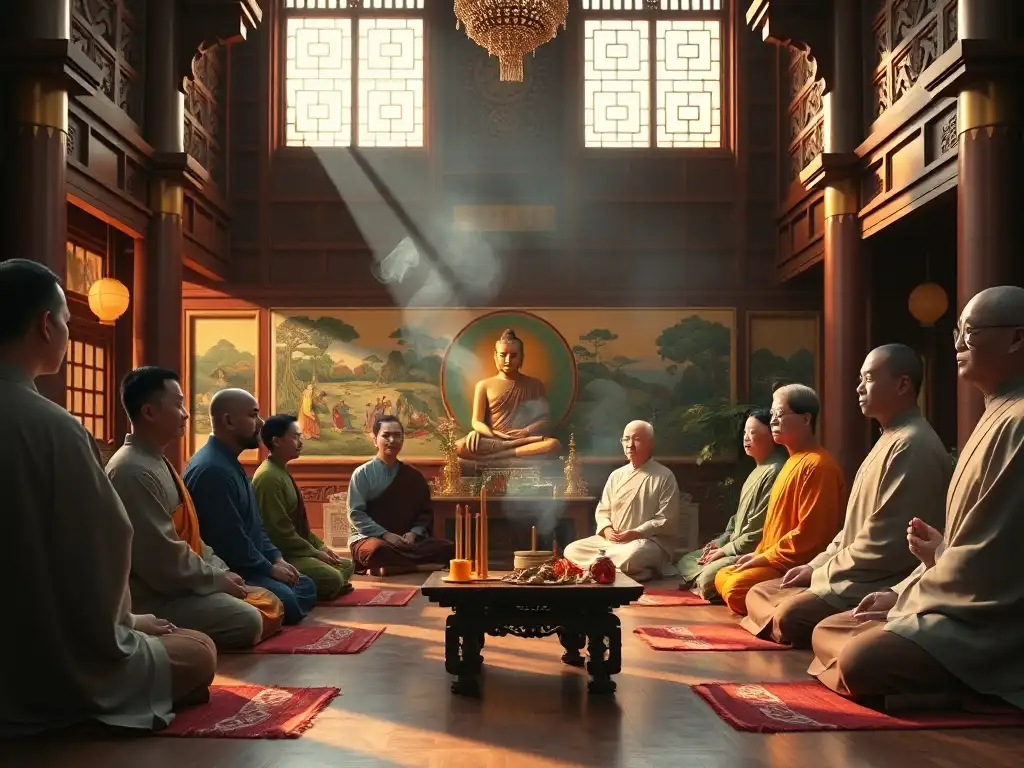
Welcome to Ancient India History, where we embark on a captivating journey through the rich tapestry of India's past! Here, you will uncover the profound significance of Buddhist chanting and mantras, essential practices that echo the spiritual essence of ancient Indian religions. As we delve into the intricate world of Buddhist practices, prepare to be intrigued by the powerful connections between sound, spirituality, and cultural heritage.
Join us as we explore how these ancient traditions continue to resonate through time, inviting you to discover the profound impact they have on both history and modern spirituality. Ready to unlock the secrets of mindfulness and devotion? Let’s begin!
Introduction to Buddhist Chanting and Mantras
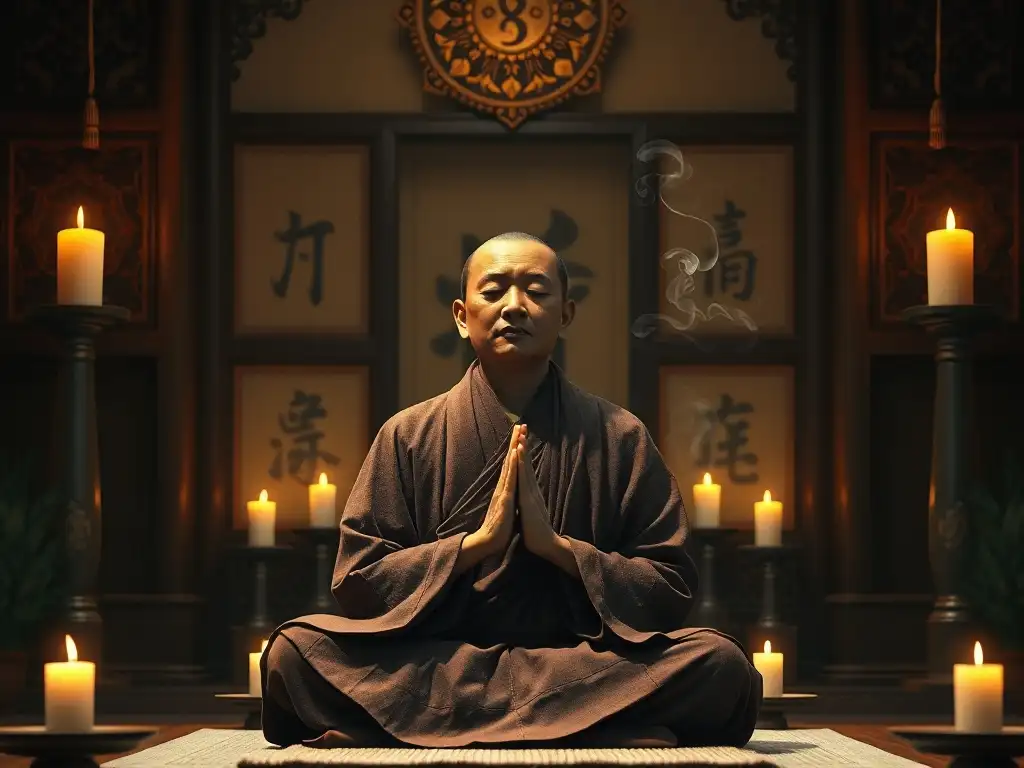
Buddhist chanting and mantras play a pivotal role in the spiritual practices of Buddhism, serving as tools for meditation, devotion, and the realization of deeper truths. These practices, deeply rooted in the traditions of ancient Indian religions, reflect the rich tapestry of beliefs that have evolved over millennia. Through the repetition of sacred sounds and phrases, practitioners engage with the spiritual world, fostering mindfulness, concentration, and a sense of community. Understanding the significance of chanting and mantras is essential for grasping the broader context of Buddhist teachings and their impact on both individual devotees and the collective cultural heritage.
Definition of Buddhist Chanting
Buddhist chanting involves the rhythmic repetition of specific texts or phrases, often in the form of sutras or prayers. This practice is not merely vocal expression; it is a profound spiritual exercise aimed at developing focus and elevating one's consciousness. Chanting can take various forms, from communal recitations in monasteries to personal practices at home. Each chant serves a unique purpose, whether it be invoking blessings, expressing gratitude, or seeking enlightenment. The melodic quality of the chants often enhances their meditative effect, allowing practitioners to immerse themselves fully in the experience.
Overview of Mantras in Buddhism
Mantras are sacred sounds or phrases that hold significant spiritual power in Buddhist practice. Often derived from ancient languages such as Sanskrit or Pali, these syllables are believed to encapsulate profound truths and energies. When recited, mantras serve multiple purposes, including protection, healing, and the cultivation of compassion. Some well-known mantras, like "Om Mani Padme Hum," are widely recognized for their transformative qualities. The repetition of mantras is not only a meditative exercise but also a means of connecting with the divine, tapping into the universal consciousness that permeates existence.
Historical Context of Buddhist Chanting and Mantras
Understanding the historical context of Buddhist chanting and mantras is essential in appreciating their significance within the broader framework of Buddhism. The origins of these practices can be traced back to the early teachings of the Buddha and the rich traditions of ancient Indian religions that preceded Buddhism.
Origins of Chanting in Ancient Indian Religions
The practice of chanting has roots in ancient Indian religious traditions, where it was employed as a method of invoking deities and fostering spiritual connection. Vedic texts, which predate Buddhism, emphasized the power of sound and recitation, laying the groundwork for subsequent practices in various Indian spiritual paths. This early emphasis on sound reflects a universal belief in the transformative power of words and their ability to influence the material and spiritual world.
The Evolution of Mantras in Buddhist Tradition
As Buddhism emerged and evolved, the use of mantras took on unique characteristics that distinguished them from earlier practices. The Buddha himself is said to have used certain phrases and teachings that later became mantras within the Buddhist tradition. Over time, different schools of Buddhism, such as Tibetan and Zen, adopted and adapted these practices, creating a diverse array of mantras that reflect their specific teachings and cultural contexts. This evolution illustrates the dynamic nature of Buddhist practice, showcasing how ancient traditions were integrated and transformed to meet the spiritual needs of practitioners across generations.
The Purpose of Chanting and Mantras in Buddhism
Chanting and the use of mantras are integral components of Buddhist practice, serving multiple purposes that enhance both spiritual development and community cohesion. The primary purpose of chanting is to facilitate a deeper connection with the teachings of the Buddha. Through the repetition of sacred phrases and texts, practitioners can internalize the principles of Buddhism, such as compassion, mindfulness, and wisdom. This process helps to cultivate a sense of reverence and devotion, creating a sacred atmosphere that fosters spiritual engagement.
Moreover, chanting acts as a form of meditation, allowing individuals to focus their minds and attune their hearts. By concentrating on the vibrations and meanings of the words, practitioners can transcend ordinary thoughts, leading to a state of mindfulness and presence. This practice can also serve as a tool for purification, helping to cleanse negative emotions and thoughts, thus promoting a more peaceful state of being. Ultimately, the purpose of chanting and mantras is to support the path to enlightenment by deepening one’s spiritual practice, enhancing mental clarity, and fostering a sense of community among practitioners.
Spiritual Benefits of Buddhist Chanting
The spiritual benefits of Buddhist chanting are profound and multifaceted. One significant advantage is the cultivation of inner peace and tranquility. The rhythmic nature of chanting helps calm the mind, allowing practitioners to connect with their inner selves and the teachings of the Buddha. This peaceful state is conducive to spiritual growth and self-discovery, as individuals can more deeply reflect on their experiences and beliefs.
Chanting also aids in the development of positive qualities such as compassion and loving-kindness. As practitioners repeat mantras related to these virtues, they reinforce their commitment to embodying these qualities in daily life. This practice not only nurtures personal growth but also extends to the community, encouraging harmony and collective well-being.
Additionally, the spiritual act of chanting can serve as a form of devotion and surrender to the teachings of the Buddha. By engaging in this practice, individuals reaffirm their commitment to the Buddhist path, enhancing their sense of belonging within the tradition. This connection often leads to increased faith and motivation, propelling practitioners further along their spiritual journeys.
Psychological Effects of Reciting Mantras
The psychological effects of reciting mantras in Buddhist practice are noteworthy, as they can significantly impact mental well-being. Research has shown that repetitive chanting can reduce anxiety and stress levels. The act of focusing on a mantra can redirect attention away from negative thought patterns, fostering a sense of calm and stability. This is particularly beneficial in today’s fast-paced world, where distractions and stressors are prevalent.
Moreover, reciting mantras can promote mindfulness, which is essential for mental clarity and emotional regulation. By anchoring the mind in the present moment through the repetition of sacred phrases, practitioners can develop greater awareness of their thoughts and feelings. This mindfulness practice can lead to improved emotional resilience, enabling individuals to respond to challenges with greater equanimity.
Furthermore, the communal aspect of chanting can enhance psychological well-being. Engaging in collective chanting fosters a sense of belonging and connectedness among practitioners, reducing feelings of loneliness and isolation. This shared experience can strengthen social bonds and create a supportive environment conducive to personal growth and healing.
Role of Chanting in Meditation Practices
Chanting plays a significant role in meditation practices within Buddhism, serving as both a preparatory and integrative tool. Before entering a meditative state, practitioners often engage in chanting to center their thoughts and prepare their minds for deeper contemplation. This initial focus on the sound and meaning of the chants helps to quiet the mental chatter that can distract from meditation.
During meditation, chanting can serve as a focal point, allowing practitioners to maintain their attention and deepen their practice. The vibrational quality of the chants can create a serene atmosphere, enhancing the overall meditative experience. Many practitioners find that incorporating chanting into their meditation routine not only enhances their focus but also facilitates a profound sense of connection to the teachings and the community.
Additionally, chanting can be used as a form of mantra meditation, where the repetition of specific phrases becomes the primary object of concentration. This practice can lead to altered states of consciousness, providing insights and a deeper understanding of the self and the nature of reality. Overall, chanting enriches meditation practices, making them more accessible and profound.
Different Types of Buddhist Chanting
Buddhist chanting is diverse, with various forms and traditions that reflect the rich tapestry of Buddhist practice across cultures. Each tradition has its unique style and purpose, contributing to the overall practice of Buddhism.
Chanting in Theravada Buddhism
In Theravada Buddhism, chanting is often associated with the Pali Canon, the earliest collection of Buddhist scriptures. Practitioners typically chant suttas (discourses) and specific mantras, such as the "Metta Sutta," which emphasizes loving-kindness. The chanting is performed in Pali, and it is common to recite these texts during ceremonies, meditation sessions, and daily practices.
The purpose of chanting in Theravada Buddhism is to reinforce the teachings of the Buddha and to develop mindfulness and concentration. It also serves as a means of paying homage to the Buddha and the community of monks, creating a sense of continuity with the tradition. Furthermore, chanting is often accompanied by ritual practices, enhancing the overall spiritual experience.
Chanting in Mahayana Buddhism
Mahayana Buddhism encompasses a wide variety of chanting practices, often focusing on the bodhisattva ideal and the aspiration to attain enlightenment not only for oneself but for all beings. One of the most recognizable forms of chanting in this tradition is the "Avalokiteshvara mantra" (Om Mani Padme Hum), which embodies compassion and is believed to invoke the blessings of the bodhisattva Avalokiteshvara.
Chanting in Mahayana Buddhism is often communal and is a significant part of religious ceremonies and rituals. The collective aspect of chanting fosters a sense of unity among practitioners and strengthens their commitment to the bodhisattva path. Additionally, it serves as a reminder of the interconnectedness of all beings, reinforcing the Mahayana focus on altruism and compassion.
Distinctions Between Tibetan and Zen Chanting
Tibetan and Zen Buddhism offer distinct approaches to chanting, each rooted in their unique cultural contexts and philosophical underpinnings. Tibetan chanting often incorporates elaborate rituals and is characterized by the use of mantras, such as those associated with deities and bodhisattvas. The chanting is typically accompanied by instruments like bells and drums, creating a rich auditory experience aimed at invoking spiritual energies.
In contrast, Zen chanting tends to be more straightforward and minimalist. Zen practitioners often focus on the recitation of short phrases or sutras, such as the "Heart Sutra," emphasizing direct experience and simplicity. The chanting is often integrated into zazen (seated meditation), serving as both a form of meditation and a means of expressing gratitude and devotion.
While both Tibetan and Zen chanting aim to deepen spiritual practice and foster mindfulness, their methods and cultural expressions reflect the diversity of Buddhist traditions. Each approach offers unique insights and benefits, contributing to the rich landscape of Buddhist chanting practices.
The Significance of Specific Mantras
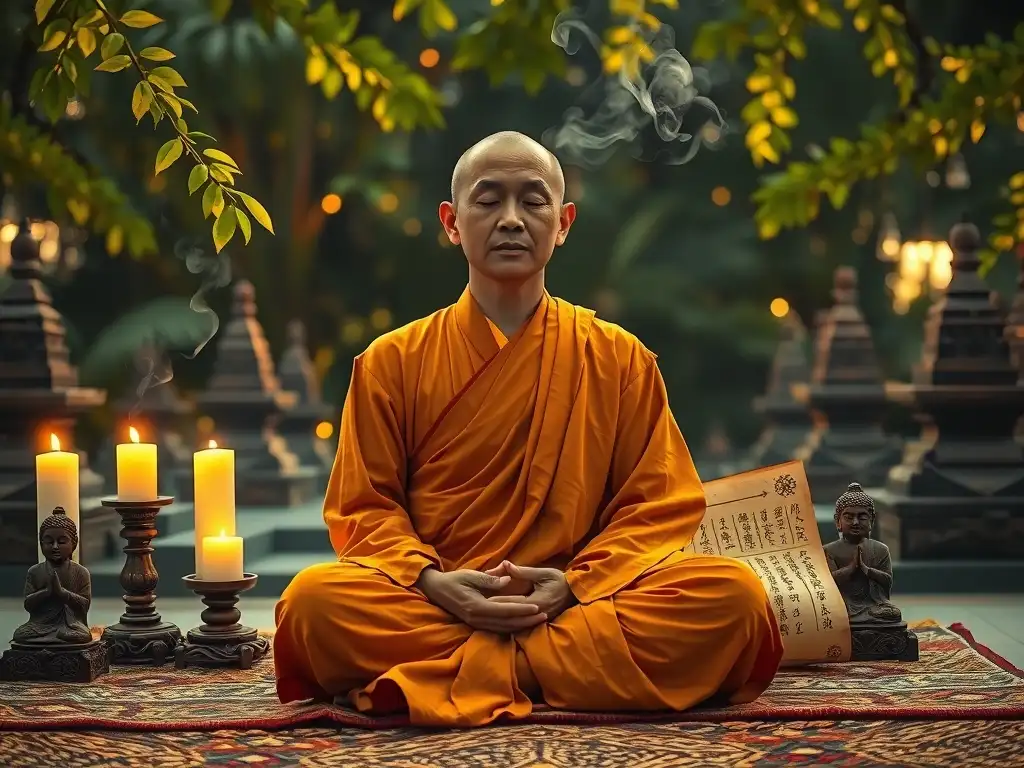
In Buddhism, mantras hold profound significance, serving as tools for meditation, focus, and spiritual development. Each mantra encapsulates unique meanings and energies that practitioners believe can help connect them to the divine, deepen their understanding of the teachings, and facilitate inner peace. The recitation of these mantras not only aids in personal practice but also acts as a means of preserving and transmitting the teachings of the Buddha. The repetitive nature of chanting allows practitioners to enter a meditative state, promoting mindfulness and a sense of community among followers.
The Om Mani Padme Hum Mantra
The mantra "Om Mani Padme Hum" is one of the most revered in Tibetan Buddhism. Often translated as "The jewel is in the lotus," it symbolizes the union of wisdom and compassion. Each syllable is believed to purify the mind and body while invoking the blessings of Avalokiteshvara, the bodhisattva of compassion. Practitioners chant this mantra to cultivate compassion and alleviate suffering for themselves and others. The mantra’s rhythmic nature is also thought to resonate with the vibrations of the universe, enhancing its spiritual efficacy.
The Heart Sutra and Its Chanting Importance
The Heart Sutra is considered one of the most profound texts in Mahayana Buddhism, encapsulating the essence of the Buddha's teachings on emptiness and the nature of reality. Its mantra, "Gate Gate Paragate Parasamgate Bodhi Svaha," which translates to "Gone, gone, gone beyond, gone completely beyond, awakening, so be it," is frequently chanted to remind practitioners of the transient nature of existence and the attainment of enlightenment. Chanting the Heart Sutra is believed to help dissolve attachments and foster a deep understanding of the nature of suffering, thus playing a crucial role in one's spiritual journey.
Other Notable Mantras and Their Meanings
In addition to the Om Mani Padme Hum and the Heart Sutra, there are several other notable mantras in Buddhist practice:
- Namo Amitabha Buddha: This mantra is chanted by Pure Land Buddhists to express devotion to Amitabha Buddha and to seek rebirth in the Pure Land.
- Tayatha Om Bekanze Bekanze Maha Bekanze Radza Samudgate Soha: This mantra is associated with healing and is often recited for physical and spiritual healing, invoking the qualities of the Medicine Buddha.
- Om Tare Tuttare Ture Soha: This mantra is dedicated to Tara, the female bodhisattva of compassion and action, and is believed to provide protection and remove obstacles.
Each of these mantras serves a unique purpose and reflects the diverse practices and beliefs within Buddhism.
The Role of Chanting in Buddhist Rituals and Ceremonies
Chanting is an integral part of Buddhist rituals and ceremonies, serving as a means to invoke blessings, mark significant life events, and create a sense of community among practitioners. The act of chanting transforms individual practice into a collective experience, reinforcing shared beliefs and intentions. Whether in temples, during festivals, or within monastic settings, chanting brings a rhythmic and spiritual quality that enhances the overall atmosphere of devotion and reverence.
Chanting in Daily Practices
For many Buddhists, chanting is a daily practice that helps establish a routine of mindfulness and reflection. Individuals may choose to chant specific mantras or sutras during morning or evening rituals, allowing them to begin or end their day with a focus on their spiritual path. This daily chanting nurtures a sense of connection to the teachings of the Buddha and serves as a reminder of one’s commitment to ethical living and compassion.
The Use of Mantras in Buddhist Festivals
Buddhist festivals often feature communal chanting as a highlight of the celebrations. During important events, such as Vesak (Buddha Day) or Losar (Tibetan New Year), chanting serves to invoke blessings for the community and to commemorate significant moments in the life of the Buddha. These gatherings create a vibrant atmosphere where practitioners can experience the collective energy generated by group chanting, reinforcing their shared beliefs and intentions.
Significance of Chanting in Monastic Life
In monastic settings, chanting is a fundamental practice that shapes the daily lives of monks and nuns. It is incorporated into various rituals, including morning and evening prayers, meditation sessions, and special ceremonies such as ordinations. Chanting reinforces the monastic community's commitment to the teachings of the Buddha and serves as a form of discipline and mindfulness. The repetitive nature of these chants cultivates a sense of harmony and focus, allowing monastics to deepen their spiritual practice and contribute to the preservation of Buddhist teachings for future generations.
How to Practice Buddhist Chanting and Mantras
Buddhist chanting and mantras are integral components of spiritual practice, facilitating meditation, focus, and connection to the teachings of the Buddha. Engaging in chanting helps practitioners cultivate mindfulness and maintain a sense of calm and clarity. Here’s a guide on how to effectively practice Buddhist chanting and mantras.
Guidelines for Beginners in Chanting
- Choose the Right Environment: Select a quiet and peaceful space where you can focus without distractions. This could be a dedicated meditation room, a corner of your home, or even a serene outdoor setting.
- Start with Simple Mantras: For those new to chanting, begin with simple mantras like "Om" or "Buddho" (the Buddha's name). These are easy to remember and recite, allowing you to build confidence.
- Use a Repetition System: Establish a routine by deciding how many times you will chant a mantra. Beginners might start with repetitions of 7, 21, or 108 times, using a mala (prayer beads) to keep count.
- Focus on the Meaning: As you chant, reflect on the meaning of the mantra. Understanding its significance can deepen your connection and enhance your practice.
- Incorporate Breath Awareness: Synchronize your chanting with your breath. Inhale deeply before starting, and let your breath flow naturally as you recite the mantra.
Tips for Effective Mantra Recitation
- Clear Articulation: Pronounce each syllable clearly and with intention. This clarity enhances your focus and allows the energy of the mantra to resonate fully.
- Use a Steady Rhythm: Maintain a consistent pace while chanting. A steady rhythm can facilitate deeper concentration and create a meditative atmosphere.
- Visualize: As you chant, envision the qualities you wish to cultivate—compassion, wisdom, or peace. Visualization can amplify the effectiveness of the mantra.
- Join a Group: Consider joining a chanting group or community. Chanting with others can enhance the experience, creating a shared energy and connection.
- Record Your Progress: Keep a journal to reflect on your chanting experiences. Recording your thoughts can help track your spiritual growth and insights.
Creating a Personal Chanting Practice
- Set Intentions: Begin by defining your goals for chanting. Whether seeking peace, healing, or deeper understanding, having a clear intention provides direction.
- Establish a Routine: Consistency is key. Set aside a specific time each day for your chanting practice to cultivate discipline and commitment.
- Personalize Your Mantras: Explore different mantras and find those that resonate with you. Personal connection to a mantra can enhance its effectiveness.
- Incorporate Rituals: Consider adding personal rituals to your practice, such as lighting incense or creating a small altar. These elements can create a sacred space that enhances your focus.
- Be Patient and Flexible: Understand that spiritual growth takes time. Allow yourself to evolve in your practice, adjusting your routine and methods as needed.
Conclusion: The Impact of Chanting and Mantras on Buddhist Practitioners
Chanting and mantra recitation hold profound significance in Buddhist practice, serving as tools for meditation, mindfulness, and spiritual development. The repetitive nature of chanting allows practitioners to enter a state of tranquility and focus, fostering a deeper connection with their path.
Reflection on the Cultural Importance of Chanting
Chanting is not only a personal practice but also a cultural tradition within Buddhism. It has been passed down through generations, preserving teachings and fostering a sense of community among practitioners. The communal aspect of chanting reinforces shared beliefs and values, creating a strong cultural identity among Buddhists.
The Continued Relevance of Mantras in Modern Buddhism
In contemporary Buddhism, the relevance of mantras remains strong. As practitioners navigate the complexities of modern life, chanting provides a refuge of peace and clarity. The accessibility of mantra practice, whether through apps, online resources, or community gatherings, ensures that this ancient tradition continues to thrive, offering spiritual nourishment and guidance to a new generation of practitioners.
- Introduction to Buddhist Chanting and Mantras
- Historical Context of Buddhist Chanting and Mantras
- The Purpose of Chanting and Mantras in Buddhism
- Different Types of Buddhist Chanting
- The Significance of Specific Mantras
- The Role of Chanting in Buddhist Rituals and Ceremonies
- How to Practice Buddhist Chanting and Mantras
- Conclusion: The Impact of Chanting and Mantras on Buddhist Practitioners
Frequently Asked Questions
What is the significance of chanting and mantras in Buddhism?
Chanting and mantras play a crucial role in Buddhist practice, serving as tools for meditation, focus, and spiritual development. They help practitioners connect with Buddhist teachings and cultivate mindfulness.
How do mantras contribute to meditation?
Mantras are often repeated during meditation to help clear the mind and enhance concentration. This repetition fosters a deeper state of awareness and can lead to a transformative experience.
Are there specific chanting traditions within Buddhism?
Yes, there are various chanting traditions across different Buddhist schools, such as Tibetan Buddhism’s use of Sanskrit mantras and Zen Buddhism’s focus on short phrases or verses. Each tradition emphasizes different aspects of spiritual practice.
Can anyone practice Buddhist chanting?
Absolutely! Buddhist chanting is open to everyone, regardless of their background. It can be a powerful way to explore Buddhism and experience its benefits, such as inner peace and mindfulness.
What are some popular Buddhist mantras used in practice?
Some widely recognized Buddhist mantras include "Om Mani Padme Hum" and "Namo Amituofo." Each mantra has its own meaning and significance, often related to compassion and spiritual enlightenment.
Final Reflection: The Transformative Power of Buddhist Chanting and Mantras
The practice of Buddhist chanting and mantras is not merely a ritual; it serves as a profound pathway to mindfulness and spiritual awakening in today's fast-paced world. As we navigate the complexities of modern life, the simplicity and depth of these practices remind us of the importance of grounding ourselves in the present moment. The resonance of each chant and mantra echoes the timeless wisdom of Buddhism, offering solace and clarity amidst the chaos.
The influence of Buddhist chanting and mantras extends far beyond the confines of traditional practice; it permeates our cultural and social landscapes, inviting individuals to explore their inner selves. Many have found that these practices foster a sense of community and connection, transcending geographical and cultural boundaries. As the Dalai Lama once said, The purpose of our lives is to be happy.
In this light, chanting and mantras become tools not just for personal peace but for collective harmony, encouraging a shared journey toward happiness and understanding.
As you reflect on the role of chanting and mantras in your own life, consider how these practices can enrich your daily experiences. I invite you to explore the transformative potential of these sacred sounds, allowing them to guide you toward greater awareness and compassion. Embrace the opportunity to incorporate Buddhist chanting and mantras into your routine, and witness how they can illuminate your path, fostering a deeper connection with yourself and the world around you.
Transform Your Mind: Embrace the Power of Chanting
Thank you for exploring the profound impact of chanting and mantras in Buddhist practice with us! Your interest in this transformative topic highlights the potential for cultivating mindfulness and inner peace in your life. Now, let’s turn that curiosity into action!
- Start your day with a personal mantra; select one that resonates with your spirit and repeat it during your morning routine to set a positive tone for the day.
- Join a local meditation group or an online community where you can practice chanting in unison, enhancing your understanding and connection with others on a similar journey.
- Share your experiences with friends or on social media; inviting others to participate in this journey can foster meaningful discussions around mindfulness and spirituality.
What personal mantra will you explore today that could unlock new dimensions of tranquility in your life?