
Exploring Gupta Theater: Drama and Performance in Ancient India

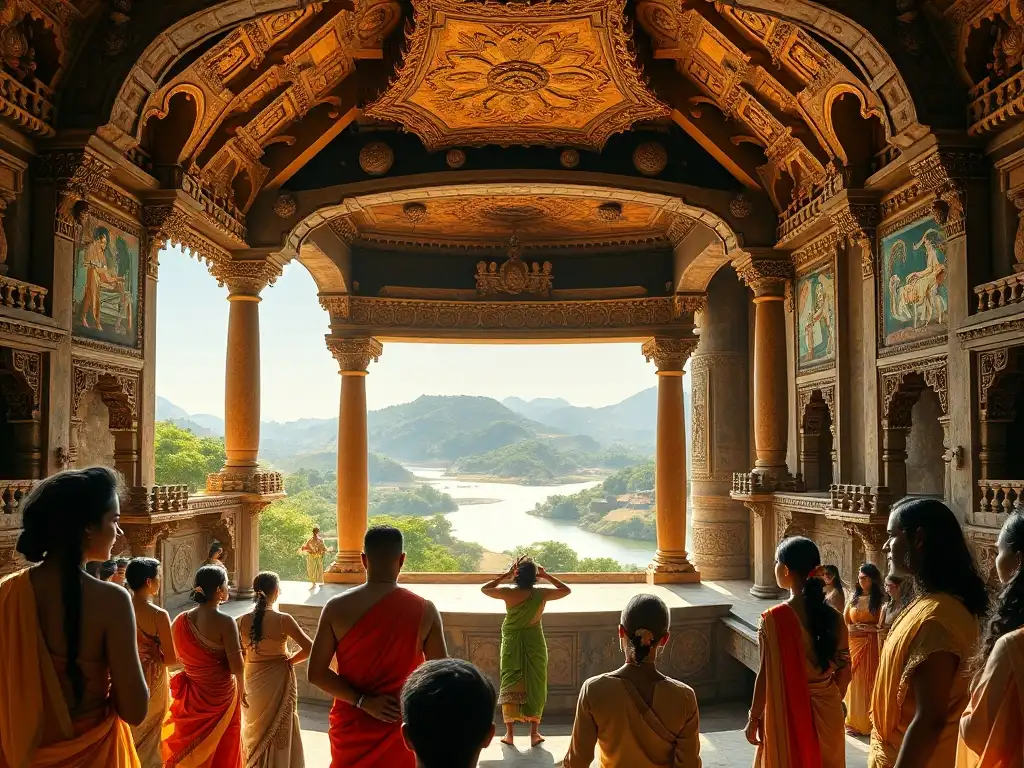
Welcome to Ancient India History, where we embark on a fascinating journey through time to uncover the rich tapestry of India's past. Dive into our latest exploration of the Gupta Empire theater history, an era that blossomed with dramatic arts and vibrant performances. Discover how this golden age shaped cultural expressions that resonate even today. As you delve deeper, prepare to be captivated by the stories of theater and drama that flourished during this remarkable period. Join us in unraveling the threads of history that connect us to the creativity and innovation of ancient Indian civilizations!
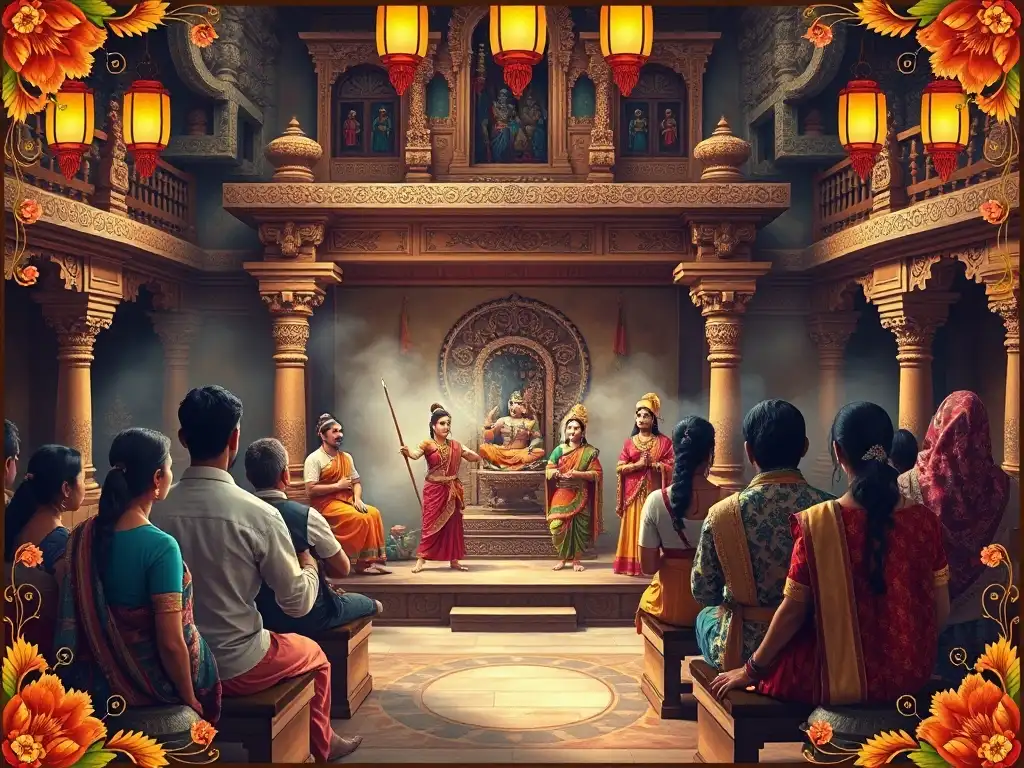
Introduction to Gupta Empire Theater History
The Gupta Empire, often hailed as the "Golden Age" of ancient India, is renowned for its remarkable advancements in various fields, including art, science, and philosophy. Among the many cultural achievements of this era, theater played a significant role in shaping the social and artistic landscape of the time.
This article delves into the history of Gupta Empire theater, exploring its roots, evolution, and the profound impact it had on the cultural fabric of ancient Indian society. As we journey through the rich tapestry of drama and performance during this period, we will uncover the intricate connections between theater, religion, and daily life, highlighting how these performances served as a mirror reflecting the complexities of Gupta society.
Overview of the Gupta Empire's Cultural Landscape
The Gupta period, spanning approximately from 320 to 550 CE, marked a flourishing of cultural and intellectual pursuits. The empire's rulers were great patrons of the arts, fostering an environment where literature, sculpture, and performance could thrive. This era saw the emergence of sophisticated forms of drama, with plays often based on mythological and historical themes.
- Key Features of Gupta Culture:
- Patronage of Arts: The Gupta emperors supported various art forms, leading to a renaissance in literature and performance.
- Religion and Philosophy: The intertwining of theater with religious themes provided audiences with not just entertainment but also moral and philosophical lessons.
- Cultural Exchange: The Gupta Empire was a melting pot of ideas from different regions, enriching the theatrical tradition and its themes.
Importance of Theater in Ancient Indian Society
Theater in the Gupta Empire served as more than just a source of entertainment; it was an essential component of societal engagement and cultural identity.
- Functions of Theater:
- Education and Morality: Plays often conveyed moral stories, educating the audience about dharma (duty) and ethical living.
- Community Cohesion: Public performances fostered a sense of community, bringing together individuals from various social strata.
- Religious Significance: Many theatrical performances were tied to religious festivals and rituals, reinforcing cultural beliefs and traditions.
Historical Context of Gupta Theater
Evolution of Drama and Performance in India
The roots of Indian theater can be traced back to ancient texts such as the Natya Shastra, written by Bharata Muni around the 2nd century BCE. This foundational work laid the groundwork for the performance arts, detailing the techniques of acting, music, and dance that would later flourish during the Gupta period.
- Development Stages:
- Pre-Gupta Theater: Early forms of drama in India were heavily influenced by folk traditions and religious rituals.
- Gupta Innovations: The Gupta Empire saw the introduction of more structured plays, characterized by complex narratives and character development.
Key Influences Leading to the Gupta Theater Movement
Several factors contributed to the flourishing of theater during the Gupta Empire:
- Patronage by Rulers: Gupta kings, such as Chandragupta II, were enthusiastic supporters of the arts, commissioning plays and performances.
- Cultural Syncretism: The merging of local traditions with influences from other cultures, particularly from trade routes, enriched the theatrical repertoire.
- Literary Contributions: Poets and playwrights, such as Kalidasa, emerged during this time, elevating the quality and popularity of theatrical works.
Through this exploration of Gupta theater history, we gain valuable insights into how drama and performance not only entertained but also educated and unified the people of ancient India, leaving a lasting legacy that continues to influence Indian culture today.
Major Themes in Gupta Theater
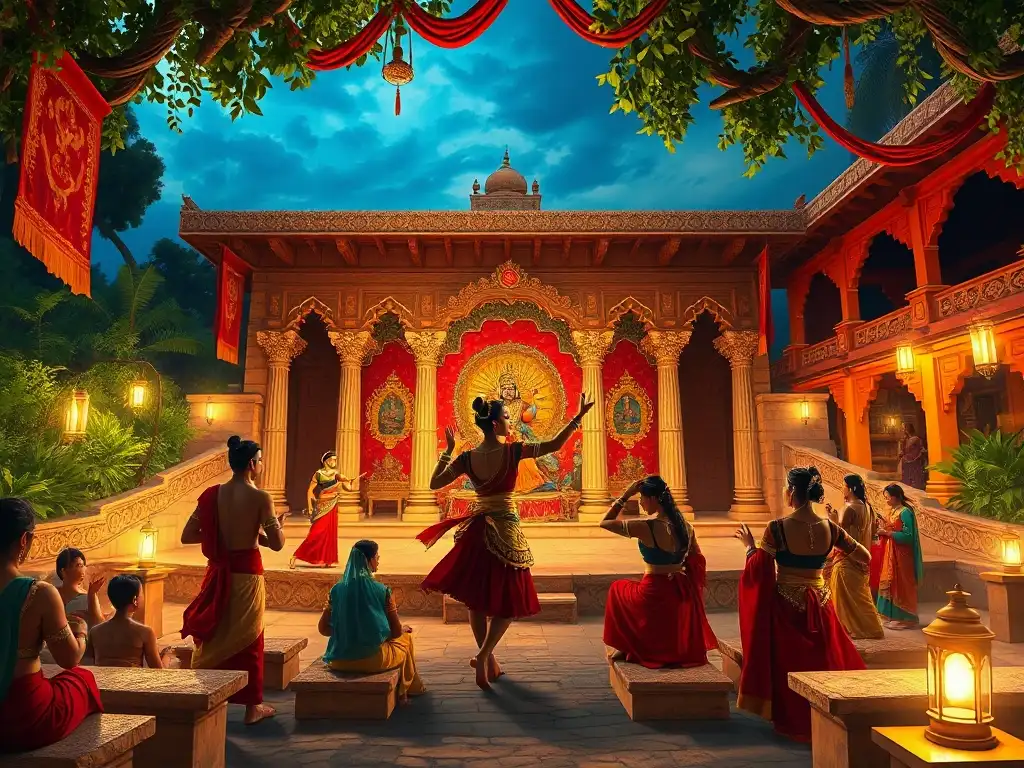
Gupta theater is renowned for its rich tapestry of themes that reflect the societal, religious, and cultural dynamics of ancient India. The plays produced during this period often tackled multifaceted issues, intertwining human emotions with profound philosophical inquiries. Major themes that emerged include religious and mythological narratives, social commentary, romance, and moral dilemmas. These themes not only entertained but also served as vehicles for conveying deeper moral and ethical lessons, showcasing the complexities of human relationships and societal structures.
Religious and Mythological Themes
Religious and mythological themes are central to Gupta theater, significantly influenced by the rich tapestry of Hindu epics and scriptures. The plays often drew on stories from the Mahabharata and Ramayana, weaving in divine characters and moral conflicts. This genre served not only to entertain but also to educate audiences about spiritual values and ethical living.
For instance, plays such as Kalidasa's Mālavikāgnimitra highlight the divine influence on human affairs and the importance of dharma (duty). The portrayal of gods and goddesses, as well as mythological tales, offered insights into the cultural beliefs of the time. These performances were typically staged during religious festivals, merging entertainment with devotion, and allowing the audience to engage with their cultural heritage on a spiritual level.
Social Commentary and Satire in Gupta Plays
Social commentary and satire are prominent features of Gupta theater, reflecting the complexities and contradictions of contemporary society. Playwrights employed humor and wit to critique social norms, politics, and human behavior, often addressing issues such as corruption, class disparities, and moral decay.
For example, Bhasa’s plays frequently depicted the struggles of the common man against societal injustices, using irony to highlight the absurdities of life. Through characters that represent different strata of society, Gupta theater provided a platform for critical reflection, encouraging audiences to question and analyze their own lives and societal structures. This blend of comedy and serious reflection made the themes resonate deeply with the audience, offering both entertainment and food for thought.
The Role of Love and Romance in Gupta Dramas
Love and romance are pivotal themes in Gupta theater, often depicted with a rich emotional depth that underscores the complexities of human relationships. These plays explored various aspects of love—romantic, familial, and divine—often portraying the joys and sorrows that accompany passionate relationships.
Kalidasa's works, particularly Shakuntala, exemplify this theme, beautifully illustrating the trials and tribulations of love, alongside the nature of desire and longing. The depiction of love in Gupta theater was not just about romantic entanglements; it also served to explore broader societal issues, such as marriage customs, loyalty, and the intersection of personal desires with societal expectations. This exploration of love allowed audiences to connect with the characters on a personal level, making the performances relatable and emotionally impactful.
Prominent Playwrights and Their Contributions
The Gupta Empire was home to several remarkable playwrights whose contributions significantly shaped the landscape of ancient Indian theater. Their works not only enriched the cultural fabric of the time but also laid the foundation for future generations of dramatists. Among these, Kalidasa and Bhasa stand out as towering figures who brought profound depth and artistry to Sanskrit drama.
Kalidasa: The Master of Sanskrit Drama
Kalidasa is widely regarded as one of the foremost playwrights in the history of Sanskrit literature. His mastery of language, coupled with a deep understanding of human emotions, enabled him to create timeless works that resonate even today.
His plays, such as Abhijñānaśākuntalam (The Recognition of Shakuntala), showcase intricate character development and poetic beauty, often blending elements of romance, nature, and the divine. Kalidasa’s contributions extend beyond drama; his poetry and lyrical compositions have also had a lasting impact on Indian literature. His ability to weave complex narratives with rich thematic depth emphasizes the sophistication of Gupta theater.
Bhasa: Pioneer of Ancient Indian Theater
Bhasa is another pivotal figure in Gupta theater, often hailed as the pioneer of ancient Indian drama. His works are characterized by their innovative plot structures and exploration of diverse themes, including heroism, love, and societal issues.
Bhasa's plays, such as Svapnavasavadatta and Pancharatra, are notable for their engaging dialogues and dynamic character arcs. He is credited with establishing a distinct style that paved the way for future playwrights, incorporating elements of realism and emotional complexity. Bhasa’s influence is evident in the way subsequent dramatists approached their craft, making him a cornerstone of Gupta theater history.
Other Notable Figures in Gupta Theater
In addition to Kalidasa and Bhasa, several other playwrights contributed to the vibrant theatrical landscape of the Gupta Empire. These figures, although less well-known, played crucial roles in shaping the art form.
For instance, playwrights like Harsha and Vishakhadatta explored themes of politics and ethics, often incorporating historical figures and events into their narratives. Their works enriched the genre by introducing elements of historical drama and complex character interactions. The collective contributions of these playwrights not only diversified the themes explored in Gupta theater but also ensured its evolution, leaving a lasting legacy that continues to be celebrated in modern Indian culture.
Theatrical Forms and Styles in the Gupta Empire
The Gupta Empire, known for its remarkable advancements in culture and art, also saw the flourishing of various theatrical forms and styles. During this period, theater not only served as a medium for entertainment but also as a platform for social commentary and philosophical exploration. Theatrical performances were often characterized by their integration of storytelling, music, and dance, reflecting the rich tapestry of Gupta society.
One of the predominant forms of theater in the Gupta period was Natya Shastra, an ancient treatise on performing arts composed by Bharata Muni. This work laid the foundation for classical Indian drama, emphasizing the importance of rasa (emotional flavor) and bhava (mood), which became crucial components in the development of theatrical styles. The Gupta theater was marked by its sophisticated characterizations and intricate plot structures, often drawing from epics and mythology.
Another notable aspect was the emergence of Sanskrit drama, which became highly popular. Playwrights like Kalidasa and Bhasa contributed to this genre, producing enduring works that blended poetic language with dramatic action. These plays were often performed in royal courts or public festivals, showcasing the cultural richness of the Gupta period.
Types of Performances: From Classical to Folk
Gupta theater encompassed a diverse range of performances, from classical to folk traditions. Classical performances were characterized by their adherence to the Natya Shastra principles, often featuring elaborate stories from Hindu epics like the Mahabharata and Ramayana. These tales were performed by skilled actors who depicted a wide array of characters, including gods, heroes, and mythical beings, engaging the audience through dramatic dialogue and emotive expressions.
In contrast, folk performances were more informal and reflected the daily lives and struggles of the common people. These performances often included local myths, humorous anecdotes, and social issues, making them relatable and engaging for the audience. Folk theater utilized simple props and costumes, relying heavily on improvisation and audience interaction to enhance the experience.
The blending of classical and folk elements enriched the theatrical landscape of the Gupta Empire, allowing for a vibrant exchange of ideas and styles. This diversity not only appealed to different segments of society but also facilitated the preservation and evolution of cultural narratives across generations.
The Role of Music and Dance in Gupta Theater
Music and dance were integral components of Gupta theater, enhancing the emotional depth and aesthetic appeal of performances. The use of musical instruments such as the veena, mridangam, and flute added a rich auditory layer to the theatrical experience. Compositions were carefully crafted to align with the mood of the play, often drawing upon classical ragas to evoke specific emotions.
Dance, too, played a crucial role in storytelling. Various classical dance forms, such as Bharatanatyam and Kathak, were often incorporated into plays, allowing actors to convey feelings and narrative elements through movement. These performances exemplified the seamless integration of various art forms, creating a holistic theatrical experience that captivated audiences.
Additionally, the choreography was meticulously designed to complement the dialogue, with movements that echoed the themes and emotions presented on stage. This synergy between music, dance, and drama not only enriched the theatrical performance but also reinforced the cultural identity of the Gupta Empire.
The Audience and Their Role in Gupta Theater
The audience's role in Gupta theater was multifaceted, encompassing both passive observation and active engagement. The theater was a communal space where individuals from various social classes came together to share in the experience of storytelling and performance. This unity fostered a sense of cultural identity and pride, as audiences were not merely spectators but participants in the artistic expression of their time.
Social Classes and Their Engagement with Theater
In the Gupta Empire, theater attracted a wide range of social classes, from royalty to commoners. The elite often attended performances in royal courts, where they enjoyed lavish productions complete with intricate costumes and elaborate stagecraft. These performances served not only as entertainment but also as a means for the ruling class to reinforce their status and showcase their patronage of the arts.
Conversely, folk theater engaged the lower classes, providing them with relatable narratives that reflected their everyday lives and struggles. These performances were often held in public spaces and festivals, making them accessible to all. The interaction between different social classes during these performances highlighted the democratic nature of Gupta theater, where stories transcended social barriers and resonated with a diverse audience.
The Influence of Audience Reactions on Performances
Audience reactions played a significant role in shaping theatrical performances during the Gupta Empire. Actors often relied on the immediate feedback from the audience to adjust their performances, enhancing the interactive nature of the theater. Laughter, applause, or even silence could influence the pacing and emotional delivery of scenes, creating a dynamic exchange between performers and spectators.
Moreover, the audience's engagement was crucial in determining the success of a performance. Positive reception could lead to repeat performances or adaptations of a play, while negative reactions might prompt alterations or even the discontinuation of a production. This responsiveness underscored the importance of audience involvement in the theatrical ecosystem of the Gupta Empire, highlighting how performances were not just scripted events but living dialogues shaped by collective experiences and emotions.
The Decline of Gupta Theater
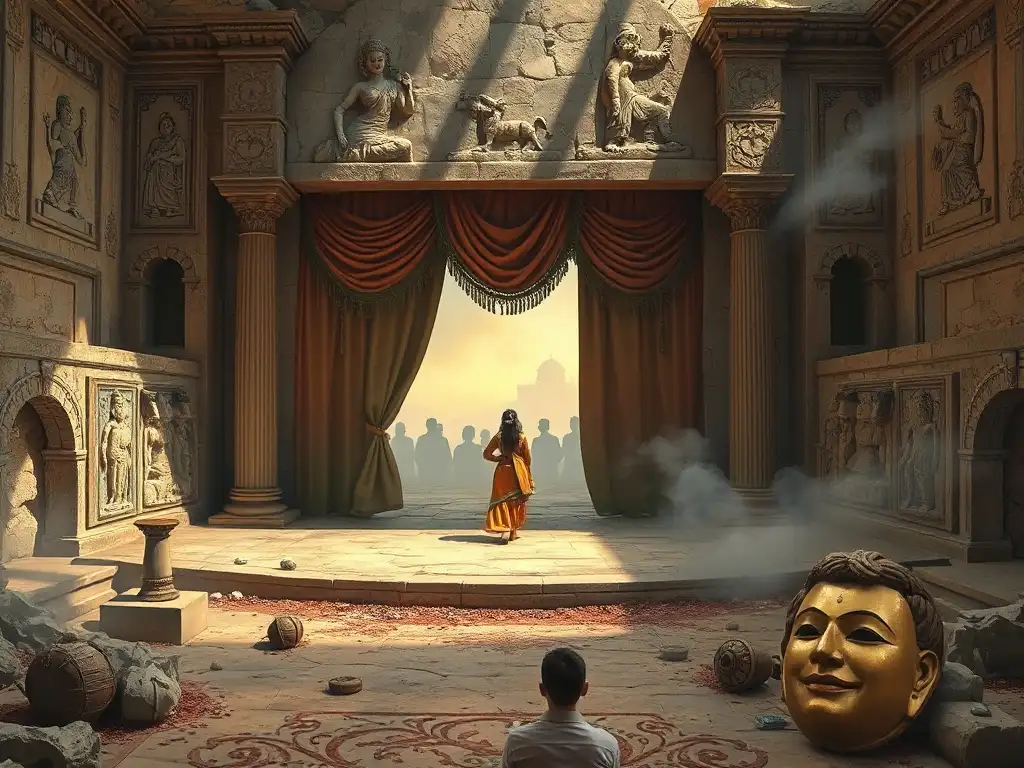
The decline of Gupta theater marks a significant shift in the cultural landscape of ancient India during the later Gupta period. This decline was not abrupt but rather a gradual process influenced by various socio-political, economic, and cultural factors. The flourishing of theater and drama that characterized the early Gupta Empire began to wane due to a combination of internal and external pressures.
Factors Leading to the Decline of Drama in the Later Gupta Period
Several factors contributed to the decline of drama during the later Gupta period, including:
- Political Instability: As the Gupta Empire faced invasions and internal strife, the political instability disrupted the patronage that was essential for the arts, including theater. The weakening of royal support diminished opportunities for artists and performers.
- Economic Challenges: The economic downturn, characterized by reduced trade and agricultural productivity, adversely affected the funding available for cultural endeavors. With fewer resources, theaters struggled to maintain their grandeur and attract audiences.
- Cultural Shifts: The rise of new religious movements and philosophies, such as Bhakti and later the influence of Islam, began to overshadow traditional forms of art, including theater. These new ideologies often emphasized different modes of expression, leading to a decline in the popularity of Gupta-era dramas.
- Changing Audience Preferences: As society evolved, audiences became more inclined toward various forms of entertainment, such as religious festivals and folk performances. This shift in preference contributed to a decrease in the attendance and support for formal theater productions.
The Transition to Other Cultural Forms
As Gupta theater began to decline, the cultural landscape of India saw a transition to other forms of artistic expression. Notably, the following developments emerged:
- Folk Performances: Local storytelling traditions and folk dramas gained popularity. These performances were more accessible and resonated with the common people, as they often featured themes familiar to the audience.
- Religious Festivals: The incorporation of drama within religious celebrations became a vital aspect of cultural life. Dramatic elements were integrated into rituals and festivals, allowing for the preservation of theatrical traditions in a new context.
- Literary Developments: The decline of staged theater did not signify the end of dramatic literature. Poets and playwrights continued to write, although their works often shifted toward literature that emphasized philosophical and devotional themes.
Legacy of Gupta Theater in Modern India
The legacy of Gupta theater continues to resonate in modern India, influencing various aspects of the performing arts. Its contributions to drama, literature, and performance set the foundation for later developments in Indian theater.
Influence of Gupta Theater on Contemporary Indian Drama
Contemporary Indian drama owes much to the foundations laid by Gupta theater. Key influences include:
- Narrative Structures: The narrative techniques and character archetypes established during the Gupta period can still be observed in modern theatrical works. Many playwrights draw upon the rich storytelling traditions that originated in this era.
- Themes and Motifs: The exploration of moral dilemmas, love, and duty found in Gupta dramas has become a staple in contemporary plays. Modern dramatists often reimagine these themes, reflecting the ongoing relevance of Gupta theatrical traditions.
- Performance Styles: Certain performance styles and techniques, such as the use of music and dance, have their roots in Gupta theater. These elements continue to enrich the diversity of Indian theater today.
Preservation and Revival of Gupta Theater Traditions
Efforts to preserve and revive the traditions of Gupta theater are gaining momentum in contemporary India. Some initiatives include:
- Theater Festivals: Various festivals celebrating ancient Indian theater incorporate Gupta-era plays and styles, reintroducing these traditions to modern audiences. Such events foster appreciation for the historical significance of Gupta theater.
- Academic Research and Documentation: Scholars are increasingly focusing on Gupta theater, conducting research, and publishing works that highlight its importance in Indian cultural history. This academic interest contributes to the preservation of knowledge about the era's theatrical practices.
- Workshops and Training Programs: Institutions are organizing workshops aimed at teaching traditional Gupta performance techniques, ensuring that these art forms are passed down to future generations. These initiatives help to keep the vibrant spirit of Gupta theater alive.
While the Gupta theater experienced decline, its legacy endures in various forms of modern Indian drama and performance, ensuring that its rich history continues to inspire and influence contemporary culture.
Conclusion: The Significance of Gupta Empire Theater History
The theater of the Gupta Empire represents a pivotal chapter in the history of ancient Indian culture, revealing profound insights into the social, political, and spiritual life of the time. The period marked a flourishing of artistic expression and intellectual thought, laying groundwork that would influence future generations. Through various performance arts, including drama, dance, and music, the Gupta Empire showcased the complexities of human emotions and societal roles, reflecting the values and traditions of its people.
Understanding Gupta Empire theater history is crucial not only for appreciating the cultural richness of ancient India but also for recognizing its influence on subsequent artistic movements. This era's emphasis on storytelling, character development, and stagecraft set standards that reverberated through the annals of Indian performance arts and beyond. The integration of elements such as elaborate costumes, intricate choreography, and musical scores underscored a sophisticated approach to theater that resonated with audiences and shaped their perceptions of beauty and morality.
Reflection on the Cultural Contributions of Gupta Theater
The cultural contributions of Gupta theater are manifold, offering a unique lens through which we can view the civilization's priorities and innovations. The performances often drew from historical tales, mythology, and folklore, which not only entertained but also educated audiences on moral and ethical dilemmas. This tradition of storytelling served as a means of preserving history and cultural identity, fostering a sense of unity among diverse communities.
Moreover, the emergence of notable playwrights, such as Bhasa and Kalidasa, during this period highlighted the intellectual vibrancy of the Gupta Empire. Their works introduced themes of love, duty, and the divine, blending poetic language with dramatic expression. This rich tapestry of narratives not only enriched the cultural fabric of ancient India but also laid the groundwork for the development of modern Indian literature and theater.
The involvement of the royal patronage in theatrical productions further illustrates the significance of Gupta theater in society. Kings and nobility often supported the arts, recognizing their power to reinforce social order and promote cultural ideals. This patronage enabled the flourishing of diverse art forms, contributing to a robust cultural heritage that continues to be celebrated today.
The Lasting Impact of Ancient Indian Performance Arts on World Culture
The legacy of Gupta Empire theater extends far beyond the geographical boundaries of ancient India, influencing various global artistic traditions. As Indian merchants and travelers ventured across continents, they brought with them not only goods but also cultural practices, including traditional forms of performance arts.
One of the most notable contributions is the influence of Sanskrit dramas on the development of theater in Southeast Asia. Countries such as Indonesia and Cambodia adopted elements of Indian drama, integrating them into local traditions and giving rise to unique forms of performance that are still celebrated today. The intricate dance forms, storytelling techniques, and thematic content from Gupta theater have thus left an indelible mark on the cultural landscapes of these regions.
Additionally, the philosophical and aesthetic principles found in Gupta performance arts have resonated with Western theatrical traditions. Concepts such as rasa (emotional flavor) and dhvani (suggestive meaning) have influenced literary movements, inspiring playwrights and theorists alike. The exploration of human emotions and existential themes in Gupta dramas paved the way for a more profound understanding of character development and narrative structure in global literature.
The theater of the Gupta Empire represents a remarkable fusion of artistry, philosophy, and cultural identity that continues to inspire and shape the world of performance arts today. Its rich history serves as a testament to the enduring power of storytelling and the universal quest for understanding the human experience.
- Introduction to Gupta Empire Theater History
- Overview of the Gupta Empire's Cultural Landscape
- Importance of Theater in Ancient Indian Society
- Historical Context of Gupta Theater
- Major Themes in Gupta Theater
- Prominent Playwrights and Their Contributions
- Theatrical Forms and Styles in the Gupta Empire
- The Audience and Their Role in Gupta Theater
- The Decline of Gupta Theater
- Legacy of Gupta Theater in Modern India
- Conclusion: The Significance of Gupta Empire Theater History
Frequently Asked Questions
What is the significance of the Gupta Empire theater history?
The Gupta Empire theater history is significant as it represents a peak in dramatic arts and performative traditions in ancient India, contributing to cultural richness and artistic expression during this era.
How did the Gupta Empire influence modern Indian theater?
The Gupta Empire established foundational theatrical forms, styles, and techniques that continue to influence modern Indian theater, showcasing themes of mythology, morality, and social issues.
What types of performances were popular during the Gupta period?
During the Gupta period, popular performances included dramas, dance, and musical shows, often drawing on religious and historical narratives that entertained and educated audiences.
Who were the key figures in Gupta theater?
Key figures included playwrights and poets like Kalidasa, whose works epitomized Gupta theater's sophistication, blending poetry, dance, and music into compelling performances.
What role did religion play in Gupta theater?
Religion played a crucial role in Gupta theater by providing themes, characters, and moral lessons that resonated with audiences, often depicting stories from Hindu epics and mythology.
Final Reflection: The Enduring Legacy of Gupta Empire Theater
The exploration of Gupta Empire theater history reveals not only the artistic brilliance of ancient India but also its profound impact on contemporary performance arts. The intricate narratives, vibrant performances, and rich cultural expressions that flourished during this era continue to resonate in today’s theatrical practices, reminding us of the timeless nature of storytelling and the universal human experience. As we delve into the past, we uncover a treasure trove of inspiration that shapes our understanding of drama and performance in the modern world.
The influence of Gupta theater extends beyond mere entertainment; it has woven itself into the very fabric of cultural identity and social discourse. The themes of love, valor, and morality depicted in ancient plays still find relevance in contemporary narratives, encouraging audiences to reflect on their own lives and societies. As noted by the renowned scholar, “Theater is the mirror of society, reflecting its values, struggles, and aspirations.” > This insight emphasizes the importance of understanding our artistic heritage as we navigate the complexities of modern life.
As you reflect on the lessons from Gupta theater, consider how these ancient stories can inspire your own journey. Embrace the power of performance in your life, whether through creative expression, community engagement, or personal storytelling. Let the legacy of the Gupta Empire remind you that art is not just a reflection of our world but a catalyst for change and connection. Engage with the narratives that shape your identity and contribute to the ongoing dialogue of culture and creativity.
Unveil the Legacy of Gupta Theater Today!
Thank you for exploring the captivating world of Gupta Theater! We hope you’ve gained insights into the artistry and influence of drama in ancient India. Now that you’re inspired by this rich cultural heritage, it’s time to take action and delve deeper.
Here are a few steps you can take to enhance your understanding of this fascinating subject:
- Visit a local historical museum or cultural center to discover exhibits on ancient Indian theater and performance.
- Join a community or online group focused on ancient arts—discuss and share your newfound knowledge with others who share your passion.
- Write a short play or performance piece inspired by the themes of Gupta Theater—unleash your creativity and bring ancient narratives to life!
What aspect of Gupta Theater resonated with you the most, and how will you incorporate its lessons into your creative endeavors?