
The Interplay of Politics and Trade in Ancient India

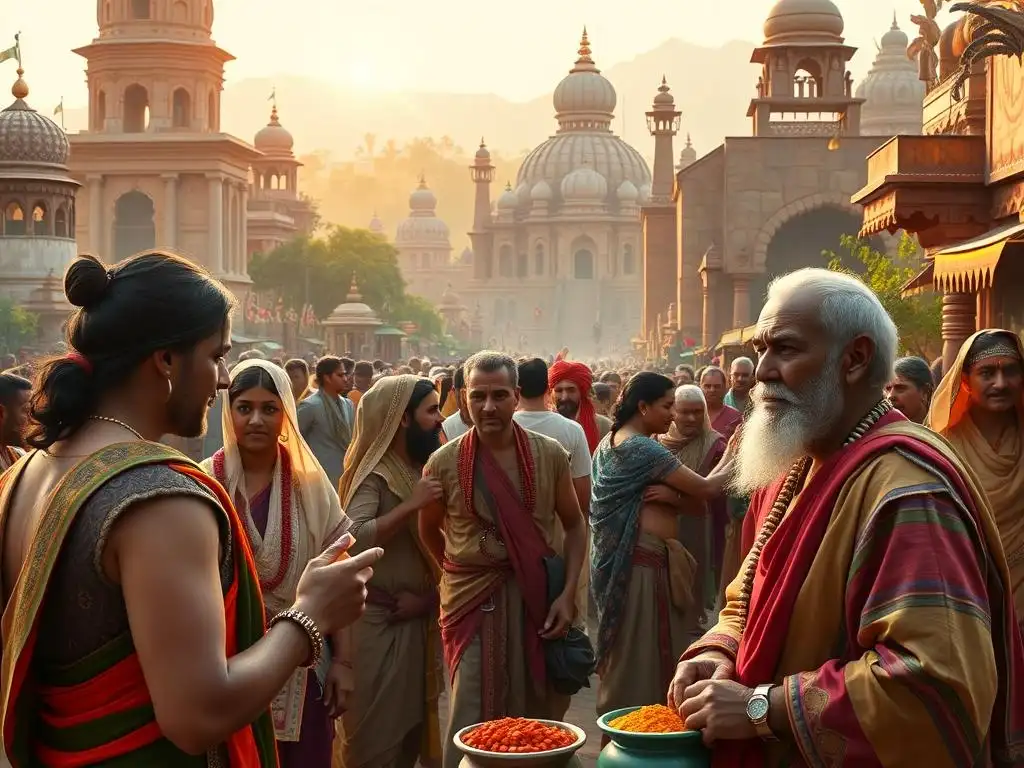
Welcome to Ancient India History, where we embark on a journey through time to uncover the rich tapestry of civilizations that shaped the subcontinent. In our featured article, "The Interplay of Politics and Trade in Ancient India," we delve into the intricate connections between governance and commerce, revealing how these two forces propelled ancient societies to greatness.
As you explore the fascinating dynamics of trade routes and political power from the Indus Valley to the Gupta Empire, prepare to uncover insights that will spark your curiosity and deepen your understanding of this remarkable era. Join us as we unravel the stories that define ancient India's legacy!
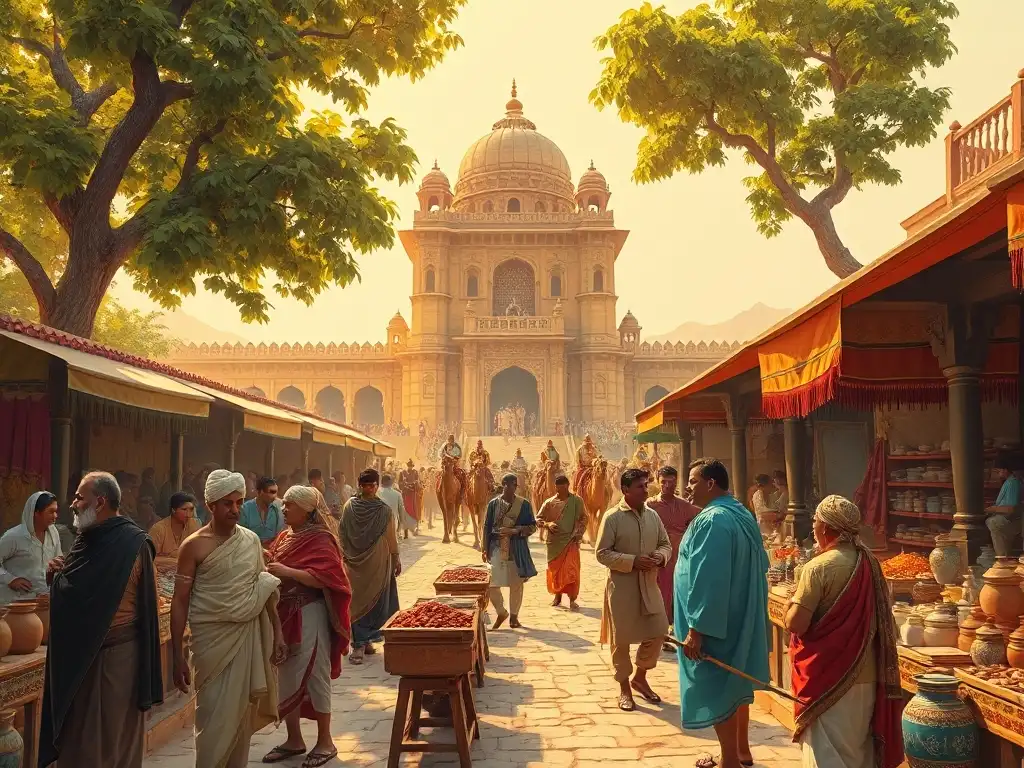
The intricate relationship between politics and trade in ancient India is a fascinating subject that reveals how these two essential facets of society influenced each other throughout history. From the bustling marketplaces of the Indus Valley Civilization to the thriving trade routes established under the Gupta Empire, the dynamics of commerce and governance played a pivotal role in shaping the cultural and economic landscape of ancient Indian civilizations.
Understanding this interplay not only provides insight into the evolution of ancient India but also highlights how trade routes, political structures, and key cities contributed to the prosperity and stability of the region.
Introduction to Politics and Trade in Ancient India
The evolution of politics and trade in ancient India reflects a complex tapestry of interactions that spanned millennia. Political entities, ranging from small kingdoms to vast empires, established frameworks that facilitated trade, while the economic needs of these societies often influenced political decisions. The significance of these interactions can be observed through a closer examination of various ancient Indian civilizations.
Overview of Ancient Indian Civilizations
Ancient India was home to numerous civilizations, each contributing uniquely to the region's political and economic development:
- Indus Valley Civilization (c. 3300–1300 BCE): Known for its advanced urban planning and trade networks, this civilization laid the foundation for future economic activities in the region.
- Maurya Empire (c. 322–185 BCE): With rulers like Ashoka, this empire expanded trade connections, both domestically and internationally.
- Gupta Empire (c. 320–550 CE): Often referred to as the "Golden Age" of India, the Gupta period saw significant advancements in science, art, and trade.
The interactions among these civilizations led to a rich cultural exchange, facilitated by trade and political alliances.
Importance of Trade in Ancient Indian Society
Trade was not merely an economic activity; it was integral to the social and cultural fabric of ancient Indian society. Here are some key points highlighting its importance:
- Economic Growth: Trade stimulated local economies, leading to the growth of cities and urban centers.
- Cultural Exchange: Through trade, ideas, art, and religion were exchanged, enriching the cultural landscape of the region.
- Political Power: Control over trade routes often translated into political power, as rulers sought to dominate lucrative markets.
The interplay of these factors illustrates how trade served as a catalyst for both economic prosperity and political stability in ancient India.
Political Structures Influencing Trade
Political structures in ancient India were crucial in shaping trade dynamics. The support and regulation provided by various rulers played a significant role in facilitating commerce:
- Royal Patronage: Kings often provided protection for traders, ensuring safe passage along trade routes.
- Taxation Policies: Trade tariffs and taxes were implemented to generate revenue for states, influencing trade practices.
- Diplomatic Relations: Alliances established between different kingdoms often led to the opening of new trade routes and markets.
These political structures created an environment conducive to trade, demonstrating the integral role of governance in economic activities.
Historical Context of Trade in Ancient India
Understanding the historical context of trade in ancient India involves examining the various trade routes and their significance, as well as the cities that emerged as major trade hubs.
Major Trade Routes in Ancient India
Several key trade routes emerged throughout ancient India, connecting it to distant lands:
- Silk Road: This vital route facilitated trade between India and Central Asia, allowing for the exchange of silk, spices, and other goods.
- Maritime Trade Routes: The Indian Ocean trade network enabled direct maritime connections to Southeast Asia, Africa, and the Middle East.
These routes not only enhanced trade but also fostered cultural exchanges that shaped the region's history.
Key Trading Cities and Their Political Significance
Certain cities rose to prominence as major trading hubs, each with unique political significance:
- Taxila: Known for its strategic location along trade routes, Taxila became a center for commerce and education.
- Pataliputra: As the capital of the Maurya Empire, it played a crucial role in facilitating trade and political administration.
- Kannauj: This city became a significant trade center during the Gupta period, influencing both trade and politics in northern India.
The political significance of these cities underscores the interconnectedness of trade and governance in ancient India, illustrating how economic activities were often intertwined with political power.
Political Systems and Their Influence on Trade
The political landscape of ancient India played a crucial role in shaping trade practices and economic interactions. With a variety of political systems, including monarchies and republics, the governance structures influenced how trade was conducted, regulated, and supported. The intricate relationship between politics and trade in ancient India is exemplified by the policies of rulers, the establishment of trade routes, and the involvement of the state in facilitating commerce.
Trade in ancient India was not merely an economic activity; it was deeply intertwined with political power and authority. Kings and rulers often saw trade as a means to enhance their wealth and influence, leading to the establishment of favorable conditions for merchants and traders. This dynamic between politics and trade was vital for the economic prosperity of various regions, allowing for the exchange of goods, culture, and ideas across vast distances.
The Role of Monarchical Systems in Trade
Monarchical systems significantly influenced trade practices in ancient India. Rulers often implemented policies that encouraged trade by establishing trade routes, providing protection for merchants, and offering incentives for the exchange of goods. For example, during the Mauryan Empire, Emperor Ashoka promoted trade by improving infrastructure, such as roads and ports, which facilitated easier movement for traders.
Monarchs also played a crucial role in regulating trade. They imposed taxes on goods, which contributed to state revenues while also ensuring the protection of local economies. The establishment of marketplaces within cities, often under the patronage of the king, provided a centralized location for trade, allowing for increased economic activity. Furthermore, the political stability provided by strong monarchies often attracted traders from distant lands, further enriching the local economy and expanding trade networks.
The Impact of Republics on Trade Practices
In contrast to monarchies, ancient Indian republics, known as "Mahajanapadas," had a distinct impact on trade practices. These republics were characterized by collective governance and often featured a council of representatives. The decentralized nature of power in republics fostered a competitive environment that encouraged trade and commerce.
Republics often maintained their own trade policies, which could lead to innovative practices and the establishment of new trade routes. The emphasis on collective decision-making allowed for a more inclusive approach to trade, where merchants had a voice in economic matters. For instance, the republic of Lichchhavi is known to have facilitated trade by promoting the rights of merchants and ensuring their protection, thus enhancing trade practices within their territory.
Moreover, the trade interactions among various republics often resulted in the formation of alliances, which were beneficial for economic growth. These alliances allowed for the exchange of goods and ideas, creating a vibrant trade culture that was distinct from the more centralized approaches of monarchies.
Trade Goods and Political Power
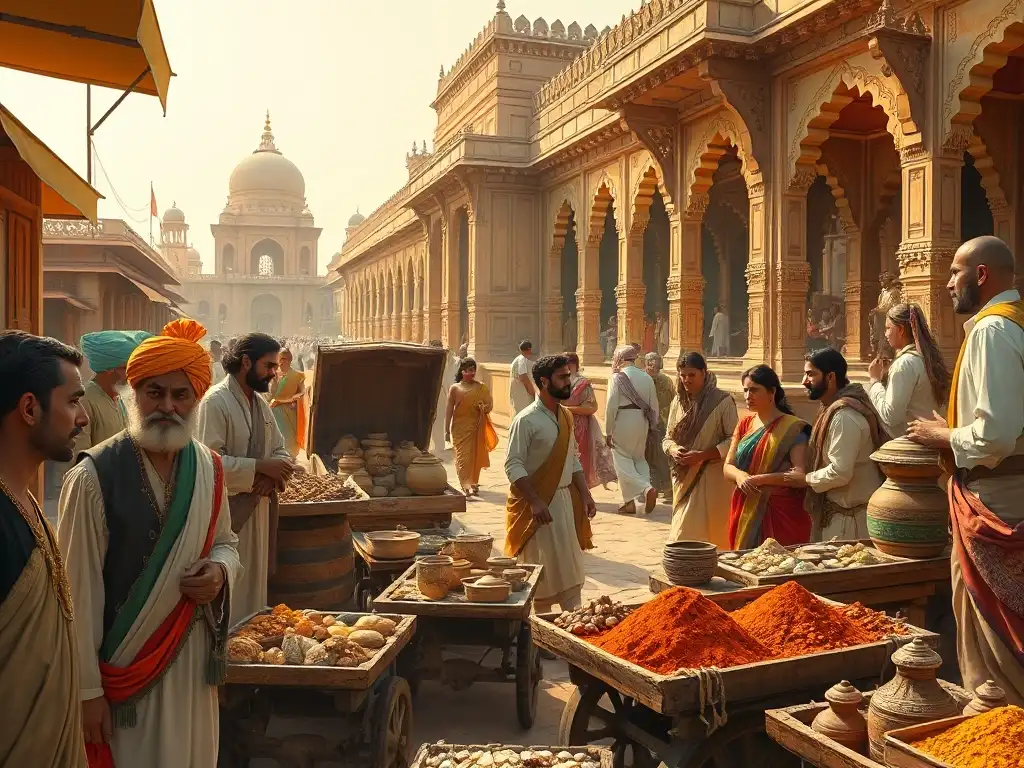
The exchange of goods in ancient India was not only an economic activity but also a means of exerting political power. The control over trade goods allowed rulers and political entities to influence their standing among peers and within the international arena. Commodities traded often reflected the wealth and power of a state, and control over these goods could significantly enhance a polity's influence.
Key Commodities Traded in Ancient India
Ancient India was known for its rich variety of trade goods, which included spices, textiles, precious stones, and metals. Spices such as black pepper and cardamom were highly sought after, making them valuable commodities on trade routes extending to the Mediterranean and beyond. Textiles, particularly silk and cotton, were also prominent in trade, with regions like Gujarat and Bengal becoming centers for textile production.
Additionally, precious stones like diamonds, rubies, and emeralds were traded extensively, often being linked to the wealth of royal courts. The trade of metals, including gold and silver, was crucial for both economic and political reasons, as these resources were often used to mint coins, which facilitated trade and commerce.
The significance of these commodities extended beyond economics; they represented the power and prestige of the ruling classes. Control over the production and trade of these goods enhanced the political authority of rulers and allowed them to engage in diplomatic relations through the exchange of luxury items.
How Trade Goods Influenced Political Alliances
The trade of goods played a pivotal role in shaping political alliances in ancient India. Goods were often used as leverage in diplomatic negotiations, with rulers exchanging valuable commodities to secure alliances or to strengthen ties with other states. For example, the Mauryan Empire's control over trade routes enabled it to engage in alliances with distant regions, thus enhancing its political power.
Furthermore, the demand for specific trade goods could lead to strategic partnerships. Rulers would often align themselves with regions that produced sought-after commodities, creating a network of alliances based on mutual economic interests. This not only facilitated trade but also solidified political power through shared economic goals.
The interplay between trade and politics in ancient India underscores the complexity of their relationship. The political systems in place guided trade practices, while the trade of goods influenced political dynamics, creating a rich tapestry of economic and political interactions that shaped the history of ancient Indian civilizations.
Conflicts and Cooperation: The Dual Nature of Politics and Trade
The relationship between politics and trade in ancient India was characterized by a complex interplay of conflicts and cooperation. This dual nature significantly influenced the socio-economic landscape of the region, shaping not only local economies but also international relations. Trade routes that traversed the subcontinent, such as the Silk Road and the Spice Route, served as conduits for goods, ideas, and cultural exchanges. However, these routes also became battlegrounds for power struggles among various kingdoms and empires.
As kingdoms expanded their territories, they sought control over lucrative trade routes. This often led to military confrontations, as seen in the conflicts between the Mauryan and the Greek empires. The quest for dominance over trade not only prompted wars but also necessitated alliances, as competing states recognized the need for cooperation to secure their economic interests. Thus, while trade was a catalyst for conflict, it also fostered diplomatic relationships aimed at mutual benefit.
Trade Wars and Their Political Consequences
Trade wars in ancient India emerged when competing kingdoms or empires sought to monopolize trade in specific commodities. For instance, the competition for control over the spice trade led to conflicts among South Indian kingdoms, which were rich in spices sought after by foreign traders. Such trade wars often had profound political consequences, reshaping alliances and rivalries.
The imposition of tariffs and trade restrictions was a common strategy employed by rulers to assert control over trade. These measures sometimes sparked retaliation from affected states, leading to prolonged conflicts. The political ramifications were significant, as these wars could destabilize regions, prompting shifts in power dynamics and leading to the rise or fall of kingdoms. Additionally, the need for military resources to engage in trade wars often diverted attention and resources away from other essential governance functions, causing internal strife.
Diplomatic Relations and Trade Agreements
Diplomatic relations played a crucial role in facilitating trade in ancient India. Many kingdoms sought to establish trade agreements that would enhance their economic interests while maintaining peace. These agreements often included mutual non-aggression pacts and favorable trade terms, which allowed for the unhindered flow of goods across borders.
One prominent example is the relationship between the Mauryan Empire and the Hellenistic kingdoms. Diplomatic envoys were sent to negotiate trade terms, which resulted in increased commerce between India and the Mediterranean world. Such agreements not only benefited the economies involved but also fostered cultural exchanges, enhancing the richness of ancient Indian civilization.
Moreover, the establishment of trading ports along the coasts, such as those in Gujarat and Kerala, exemplified how political stability and diplomatic efforts could encourage trade. These ports became melting pots of cultures, where local and foreign traders interacted, further intertwining politics and trade.
Conclusion: The Lasting Impact of Politics and Trade in Ancient India
The interplay of politics and trade in ancient India left an indelible mark on its history. The intricate relationships forged through trade not only facilitated economic prosperity but also laid the groundwork for cultural and political exchanges that shaped the subcontinent.
Summary of Political and Trade Interactions
The dynamics of politics and trade in ancient India were characterized by a constant negotiation between conflict and cooperation. While trade often sparked rivalries and wars, it also prompted diplomatic efforts that fostered peace and economic growth. The historical patterns of trade interactions reveal a nuanced understanding of how ancient societies navigated their political landscapes in pursuit of economic benefits.
Legacy of Ancient Trade Practices on Modern India
The legacy of ancient trade practices continues to influence modern India. The routes established in antiquity laid the foundation for contemporary trade networks, and the cultural exchanges initiated through these routes have contributed to India's rich diversity. Modern India's economic policies reflect a historical awareness of the importance of trade and diplomacy, echoing practices from its ancient past.
Final Thoughts on the Importance of Politics and Trade in Ancient Indian History
Understanding the interplay of politics and trade in ancient India is crucial for appreciating the complexities of its history. These interactions not only shaped the economies of ancient kingdoms but also their cultural and political identities. Today, as India continues to engage in global trade, the lessons from its ancient past remain relevant, highlighting the timeless significance of diplomacy and economic cooperation.
- Introduction to Politics and Trade in Ancient India
- Historical Context of Trade in Ancient India
- Political Systems and Their Influence on Trade
- Trade Goods and Political Power
- Conflicts and Cooperation: The Dual Nature of Politics and Trade
- Conclusion: The Lasting Impact of Politics and Trade in Ancient India
Frequently Asked Questions
What were the main political systems in ancient India?
Ancient India had various political systems, including monarchies, republics, and city-states. The Maurya and Gupta empires are notable examples of centralized political power.
How did trade influence politics in ancient India?
Trade networks played a crucial role in shaping political alliances and economic power. Leaders often controlled trade routes to enhance their influence and wealth, impacting governance.
What were the key trade routes in ancient India?
The Silk Road and the Maritime routes connected India with Persia, China, and other regions. These routes facilitated the exchange of goods, culture, and political ties.
How did ancient Indian civilizations contribute to global trade?
Ancient Indian civilizations were known for their textiles, spices, and metals, which were highly sought after in global markets. This commerce significantly impacted international relations and economies.
What role did religion play in ancient Indian trade and politics?
Religion often influenced trade practices and political decisions. Temples acted as economic centers, while religious leaders sometimes held substantial political power, shaping both trade and governance.
Final Reflection: The Enduring Legacy of Politics and Trade in Ancient India
The intricate relationship between politics and trade in ancient India continues to resonate in today's global landscape. The dynamics of governance and commerce that shaped ancient civilizations have laid the groundwork for modern economies and political systems. Understanding this interplay not only enriches our historical perspective but also highlights the timeless nature of these interactions. As we navigate contemporary challenges, the lessons from ancient India remind us that the fusion of political strategy and trade is fundamental to societal progress.
Culture and society are inextricably linked to the economic and political frameworks established in ancient times. The influence of trade routes, such as the Silk Road, and the political alliances formed through commerce have had lasting impacts on cultural exchanges and societal development. As we reflect on this, we can appreciate how these ancient practices have evolved yet remain relevant. Trade is a bridge between cultures, and politics is the foundation upon which that bridge stands.
This quote encapsulates the essence of how intertwined these elements are, shaping not just economies but also the very fabric of society.
As we look to the future, let us take a moment to reflect on how the lessons of ancient India can inspire our actions today. Consider how you can apply the principles of collaboration and strategic thinking in your own life, whether in business, community engagement, or personal relationships. The past offers us invaluable insights; it is our responsibility to harness these lessons to foster a more interconnected and harmonious world. Embrace the spirit of ancient India, where politics and trade were not merely transactional but a means to cultivate relationships and build a thriving society.
Unveil the Connections of Politics and Trade in Ancient India!
Thank you for diving into the fascinating interplay of politics and trade in ancient India! Your curiosity has unlocked a treasure trove of insights into how these forces shaped one of the world's oldest civilizations. Now, let's take that inspiration and channel it into action.
- Explore further: Dive into the trade routes of ancient India. Research key commodities such as spices, textiles, and precious metals that fueled interactions and influenced local political dynamics.
- Engage with others: Share your newfound knowledge! Discuss the roles of political influences in trade with friends or online communities interested in historical studies.
- Join the conversation: Reflect on the legacy of these ancient practices. Consider how political and trade relationships continue to shape our world today.
What connections do you see between the trade practices of ancient India and modern globalization? Let's discuss!