
Dive Deep into the Puranic Tales: Myths, Legends, and Truths

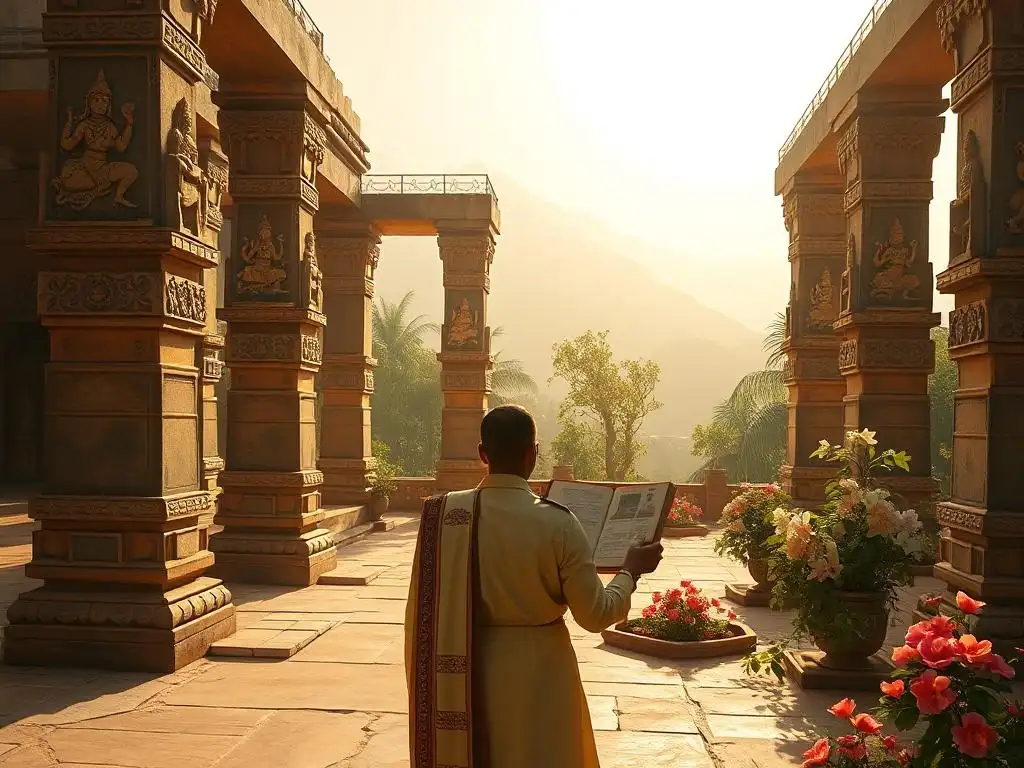
Welcome to Ancient India History, where we embark on a fascinating journey through the rich tapestry of ancient Indian civilizations. In our latest exploration, we delve into the Puranic tales of ancient India, uncovering the myths, legends, and truths that have shaped the cultural landscape of this vibrant region. These narratives not only reflect the spiritual essence of the time but also offer profound insights into the values and beliefs that guided society.
Join us as we unravel these captivating stories, sparking your curiosity to learn more about the literary treasures that lie beyond the epics. Your adventure into the depths of history starts here!
Introduction to Puranic Tales of Ancient India
The Puranic tales of ancient India represent a fascinating tapestry woven from the threads of mythology, history, and spirituality. These narratives, enshrined in the Puranas, not only entertain but also serve as vital sources of cultural and religious knowledge. As we explore these tales, we encounter a world where gods, heroes, and sages interact, revealing profound truths about life, morality, and the universe.
The richness of these stories offers insight into the beliefs and values that shaped ancient Indian civilization, making them essential to understanding the broader historical context of India. Through this article, we will navigate the depths of these Puranic narratives, examining their origins, significance, and the key figures that populate them.
Understanding Puranas and Their Significance
The Puranas are a genre of ancient Indian literature that encompass a wide range of texts, traditionally categorized into eighteen major Puranas. Each Purana serves distinct purposes, including cosmology, mythology, theology, and rituals. They are not merely historical accounts but rather compilations that reflect the socio-political landscape, religious practices, and cultural ethos of their times.
- Key Features of Puranas:
- Cosmological Accounts: Descriptions of the creation and structure of the universe.
- Genealogies of Gods and Heroes: Lineages that trace divine and royal ancestry.
- Moral and Ethical Teachings: Stories that convey lessons on dharma (duty/righteousness).
- Cultural Practices: Insights into ancient rituals, festivals, and traditions.
The Puranas hold significant importance in the context of Hinduism, as they provide narratives that help worshippers understand and relate to the divine. They bridge the gap between the epic tales of the Mahabharata and Ramayana and the lived experiences of devotees, making them integral to the preservation of ancient Indian culture.
Overview of the Myths and Legends within the Puranic Texts
The myths and legends encapsulated in the Puranas depict a variety of themes ranging from cosmic battles between good and evil to tales of divine incarnations. These stories often serve to explain natural phenomena, societal norms, and moral dilemmas. Some key narratives include:
- The Churning of the Ocean (Samudra Manthan): A tale of cooperation between gods and demons to obtain the nectar of immortality.
- The Birth of Ganesha: The story of how the elephant-headed god came into being, emphasizing themes of devotion and parental love.
- The Avatars of Vishnu: The various incarnations of Lord Vishnu, including Rama and Krishna, which illustrate the concept of divine intervention in human affairs.
These tales resonate with audiences across generations, offering not just entertainment but also philosophical reflections on life’s journey.
Historical Context of Puranic Tales
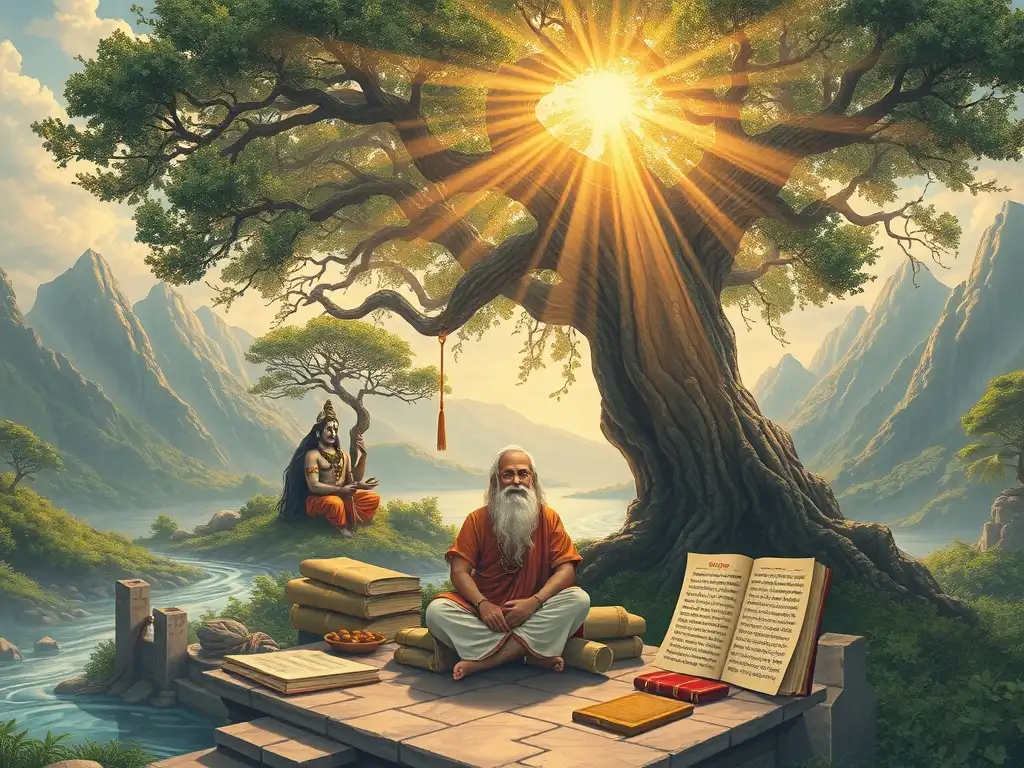
To fully appreciate the depth of Puranic tales, it is crucial to understand their historical context. The Puranas emerged during a time of significant cultural and religious transformation in ancient India, reflecting the evolving beliefs and practices of society.
The Origin and Development of Puranic Literature
The origins of Puranic literature can be traced back to the early centuries of the Common Era, with influences from Vedic texts, folk traditions, and regional narratives. Over time, these texts evolved, incorporating local deities and customs, making them accessible to a wider audience. The development of the Puranas paralleled the rise of Hinduism as a dominant religious force, with the texts serving to unify diverse beliefs under a common framework.
Key Historical Figures in the Puranic Narratives
The Puranas are populated by a myriad of historical and mythological figures whose stories have had lasting impacts on Indian culture. Some of the most notable figures include:
- Vyasa: Traditionally credited as the compiler of the Puranas and the Mahabharata, Vyasa is central to the preservation of ancient Indian literature.
- Brahma, Vishnu, and Shiva: The Hindu trinity (Trimurti) whose stories are intricately woven into Puranic narratives, providing insights into the nature of divinity and creation.
These figures not only embody the ideals of their respective traditions but also reflect the moral and ethical dilemmas faced by society throughout history. As we delve deeper into the Puranic tales, we uncover a rich legacy that continues to shape the cultural landscape of India today.
Major Themes in Puranic Tales
The Puranic tales of ancient India are rich in themes that explore the universe, morality, and the divine. These narratives not only serve as religious texts but also reflect the cultural and philosophical ethos of the time. The major themes include creation myths, the role of deities, moral lessons, and the interplay between good and evil. These themes provide a framework for understanding the complexities of life and the universe, offering insights into the human condition through allegorical storytelling.
Creation Myths and Cosmology in Puranas
Creation myths in the Puranas serve as foundational narratives that explain the origins of the universe, humanity, and the divine order. One prominent theme is the concept of Brahman, the ultimate reality, which manifests in various forms. For instance, the Vishnu Purana describes the creation of the universe through the cosmic being Vishnu, who takes the form of Narayana and lies in the cosmic ocean.
The Puranas also introduce the cyclical nature of time through the concept of kalpas (ages), signifying eternal cycles of creation, preservation, and dissolution. Each kalpa is further divided into four yugas (epochs), which illustrate the moral decline of humanity over time. These cosmological frameworks provide a profound understanding of the ancient Indian worldview, emphasizing the transient yet eternal nature of existence.
Deities and Divine Interventions in Puranic Stories
Deities play a central role in Puranic tales, often depicted as larger-than-life characters who intervene in the affairs of humans and the cosmos. Each deity embodies specific qualities and powers, reflecting diverse aspects of life and nature. For example, Vishnu is characterized as the preserver who descends to earth in various avatars—such as Rama and Krishna—to restore dharma (cosmic order) whenever it is threatened.
Additionally, divine interventions often come in the form of miraculous events or personified natural phenomena. These interventions highlight the relationship between the divine and the human, portraying gods as protectors and avengers. The tales serve not only to entertain but also to instill devotion and morality, encouraging adherents to align their lives with the principles exemplified by these deities.
Moral Lessons and Philosophical Insights from Puranic Tales
The Puranic tales are rich with moral lessons and philosophical insights that guide individuals in their daily lives. Central to these teachings is the concept of dharma, or righteous living, which emphasizes the importance of duty and ethical conduct. Many stories illustrate the consequences of straying from dharma, often leading to chaos and suffering.
Philosophically, the Puranas delve into existential questions concerning the nature of reality, the self, and the ultimate purpose of life. Themes of karma (action and consequence) and moksha (liberation from the cycle of birth and death) are frequently explored, encouraging readers to reflect on their actions and spiritual paths. Through allegory and symbolism, the Puranic tales offer profound insights into the nature of existence, promoting a quest for truth and understanding.
Exploring Notable Puranic Tales
The Puranas contain a wealth of stories that have shaped the spiritual and cultural landscape of ancient India. Each Purana offers unique narratives, teachings, and characters that reflect the diversity of Indian thought and belief. Below are notable Puranic tales that exemplify the richness of this literature.
The Vishnu Purana: Myths of Preservation and Protection
The Vishnu Purana is one of the most significant texts within the Puranic tradition, focusing on the themes of preservation and protection. It narrates the ten avatars of Vishnu, known as the Dashavatara, each representing a crucial intervention in the world. From the fish avatar that saves humanity from a great flood to the lion-man avatar, Narasimha, who protects his devotee Prahlada, these tales emphasize Vishnu's role as the protector of dharma.
Additionally, the Vishnu Purana contains cosmological and genealogical accounts that trace the origins of various deities and dynasties, reinforcing the interconnectedness of the universe. Through these myths, readers are encouraged to recognize the presence of the divine in times of peril and the importance of faith in overcoming adversity.
The Shiva Purana: Legends of Transformation and Destruction
The Shiva Purana explores the duality of creation and destruction through the lens of Lord Shiva, one of the principal deities in Hinduism. This text presents various legends, including the story of Shiva's marriage to Parvati, which symbolizes the union of masculine and feminine energies.
Transformation is a recurring theme, as Shiva embodies the cyclical nature of existence, demonstrating that destruction is often a precursor to renewal. The tales illustrate Shiva's role as the ascetic and the god of dance ( Nataraja), highlighting the balance between renunciation and engagement with the world. Through these narratives, the Shiva Purana teaches that embracing change is essential for growth and enlightenment.
The Devi Bhagavata Purana: The Feminine Divine in Puranic Tales
The Devi Bhagavata Purana stands out as a text that celebrates the feminine divine, presenting the goddess as the ultimate reality. This Purana narrates the exploits of various goddesses, particularly Durga, who embodies strength, courage, and compassion.
The text recounts the mythological battle between the goddess and the buffalo demon Mahishasura, symbolizing the victory of good over evil. The Devi Bhagavata Purana emphasizes the importance of reverence for the feminine and the role of women in society, portraying goddesses as protectors and nurturers. Through its teachings, this Purana inspires devotion and respect for the feminine aspects of divinity, enriching the spiritual landscape of ancient India.
Myths vs. Realities in Puranic Narratives

The Puranic tales of ancient India are often characterized by a blend of mythological elements and historical narratives. These tales serve as a rich repository of cultural heritage, intertwining the divine with the mundane. While many aspects of these stories carry spiritual significance, discerning the line between myth and reality can be complex.
In the Puranas, gods and legendary figures are depicted with superhuman abilities, engaging in epic battles, and imparting moral lessons. However, the narratives also reflect the socio-political context of the times they were written. Thus, while the events may not adhere to historical accuracy, they encapsulate the values, beliefs, and traditions of ancient Indian society. Understanding this interplay helps readers appreciate the Puranic tales not just as myths but as reflections of the realities of ancient life.
Common Misconceptions about Puranic Tales
One prevalent misconception about the Puranic tales is that they are purely fictional stories devoid of any historical basis. In reality, many tales are deeply rooted in historical contexts, with characters and events that may have been inspired by actual occurrences. Another common misunderstanding is the idea that all Puranas convey a single, unified message. In fact, different Puranas may present varying perspectives and interpretations of similar themes, reflecting regional beliefs and practices.
Moreover, some readers may assume that the tales are strictly religious texts. While they certainly serve a spiritual purpose, the Puranas also function as historical accounts, moral guides, and cultural commentaries. This multidimensional nature of the Puranic narratives is critical to grasping their significance in ancient Indian civilization.
The Historical Truth Behind the Legends
Exploring the historical truth behind the legends contained in the Puranic tales often requires a nuanced approach. Scholars have noted that certain events, locations, and characters in the Puranas may correspond to real historical figures and events, albeit embellished through the lens of mythology. For example, the Mahabharata and the Ramayana, while epic narratives, also reference significant historical conflicts and dynasties.
Archaeological discoveries, such as those from the Indus Valley Civilization, provide insights into the cultural and societal frameworks that likely influenced Puranic narratives. Additionally, the historical context during which these texts were composed, particularly during the Gupta Empire, reveals how political dynamics and cultural exchanges shaped the stories. Therefore, while the Puranic tales may not always align with historical fact, they encapsulate the essence of the societal realities of their time.
The Influence of Puranic Tales on Indian Culture
The impact of Puranic tales on Indian culture is profound and multifaceted. These narratives have permeated various aspects of society, influencing art, literature, festivals, and rituals. The themes and characters from the Puranas have become integral to the cultural identity of India, shaping not only religious practices but also social norms and moral values.
One of the most significant aspects of the influence of Puranic tales is their ability to convey complex philosophical ideas through engaging narratives. The stories often serve as allegories for ethical dilemmas and human experiences, making them relatable across generations. Consequently, the Puranas continue to resonate with contemporary audiences, affirming their enduring legacy.
Puranic Tales in Art and Literature
Puranic tales have significantly influenced the realms of art and literature throughout Indian history. Artists and writers have drawn inspiration from these narratives to create a wide array of works, ranging from intricate sculptures to classic poetry. For instance, the depiction of divine figures such as Vishnu and Shiva in temple sculptures often draws directly from Puranic descriptions, showcasing their attributes and mythological exploits.
In literature, the Puranas have inspired countless retellings and adaptations, allowing for the exploration of themes such as duty, righteousness, and devotion. The stories provide a rich canvas for poets and playwrights, resulting in a vibrant tradition of storytelling that reflects the moral and philosophical underpinnings of Indian culture. This artistic engagement with Puranic tales enables the narratives to evolve while maintaining their core essence.
The Role of Puranic Narratives in Festivals and Rituals
Puranic narratives play a crucial role in shaping the festivals and rituals celebrated across India. Many Hindu festivals are rooted in the stories narrated in the Puranas, reflecting the significance of these tales in the spiritual practices of devotees. For example, the celebration of Diwali is linked to the return of Lord Rama to Ayodhya, as described in the Ramayana, marking the triumph of good over evil.
Rituals often incorporate elements from Puranic tales, such as the recitation of specific verses or the reenactment of scenes from the narratives. This integration emphasizes the importance of the Puranas in fostering a sense of community and shared belief among practitioners. Furthermore, the stories serve as a means of education, imparting moral lessons and cultural values to younger generations during festival celebrations, thus ensuring the continued relevance of Puranic tales in contemporary society.
Conclusion: The Lasting Legacy of Puranic Tales in Ancient India
The Puranic tales of ancient India represent a rich tapestry of mythology, spirituality, and cultural identity that has significantly influenced Indian civilization. These narratives are not merely stories but are imbued with philosophical teachings, moral values, and cosmic insights that resonate through the ages. From their intricate depictions of gods and goddesses to the lessons embedded within their narratives, the Puranas serve as a bridge connecting the past to the present, offering insights into the cultural psyche of ancient India.
The legacy of the Puranic tales extends beyond their literary significance. They have shaped various aspects of Indian life, including art, architecture, dance, and theater. Temples adorned with sculptures depicting scenes from these tales stand as testimonies to their enduring influence. Festivals and rituals rooted in Puranic stories continue to be celebrated across the subcontinent, ensuring that the wisdom and teachings of these ancient texts remain alive in contemporary society.
In essence, the Puranic tales are a vital component of the collective memory of ancient India, encapsulating the ethos of a civilization that valued storytelling as a means of imparting wisdom and understanding the cosmos. Their lasting legacy is a testament to the power of narrative in shaping cultures and guiding moral conduct, providing a framework for understanding the complexities of life and existence.
Reflections on the Importance of Puranic Literature
Puranic literature holds a unique place in the canon of ancient Indian texts, offering insights into the societal norms, religious practices, and philosophical inquiries of the time. Unlike the Vedas, which are primarily ritualistic and philosophical, the Puranas provide a more accessible narrative form that engages readers with stories that are both entertaining and instructive. They serve as a crucial source of historical information, revealing the socio-political landscape of ancient India through the lens of mythology and legend.
These texts are essential for understanding the evolution of Hindu thought and practice. They document the emergence of various deities and the complexities of their relationships, reflecting the dynamic nature of religious beliefs in ancient India. Furthermore, Puranic literature often addresses themes of creation, destruction, and rebirth, mirroring the cyclical nature of life and the universe, which is a core tenet of Hindu philosophy.
In addition, the Puranas have played a significant role in the preservation of oral traditions. Their stories have been passed down through generations, adapting to local customs and languages, thereby enriching the cultural diversity of India. This adaptability showcases the universality of the themes presented in these tales and their relevance to human experiences across different contexts.
Encouraging Further Exploration of Puranic Tales of Ancient India
For those intrigued by the Puranic tales of ancient India, the journey of exploration is both enriching and enlightening. The stories encapsulate a wealth of knowledge, from moral lessons to esoteric philosophies, making them worthy of deeper study. Scholars and enthusiasts alike are encouraged to delve into these texts, as they offer valuable insights into the spiritual and cultural foundations of Indian civilization.
To facilitate this exploration, readers can engage with various resources, including translations, commentaries, and academic studies that shed light on the significance of these narratives. Participating in discussions, workshops, or lectures on Puranic literature can also foster a greater appreciation for their complexity and relevance.
Additionally, exploring regional adaptations and interpretations of Puranic tales can provide fascinating perspectives on how these narratives have evolved and integrated into local cultures. This broadening of scope not only enhances understanding but also celebrates the diversity inherent in the Puranic tradition.
The Puranic tales of ancient India are a treasure trove of wisdom and creativity. By encouraging further exploration, we can ensure that these narratives continue to inspire and inform future generations, preserving the rich legacy of ancient Indian literature for years to come.
- Introduction to Puranic Tales of Ancient India
- Understanding Puranas and Their Significance
- Overview of the Myths and Legends within the Puranic Texts
- Historical Context of Puranic Tales
- Major Themes in Puranic Tales
- Exploring Notable Puranic Tales
- Myths vs. Realities in Puranic Narratives
- The Influence of Puranic Tales on Indian Culture
- Conclusion: The Lasting Legacy of Puranic Tales in Ancient India
Frequently Asked Questions
What are Puranic tales in ancient India?
Puranic tales are ancient narratives that encompass myths, legends, and cosmological stories, providing insights into the cultural and spiritual life of ancient Indian civilizations.
How do Puranic tales contribute to our understanding of ancient Indian culture?
These tales serve as a vital source of historical and cultural knowledge, reflecting the values, beliefs, and social structures of ancient Indian societies.
Are there specific themes commonly found in Puranic tales?
Yes, common themes include creation myths, heroic adventures, divine interventions, and moral lessons, which highlight the moral and ethical frameworks of ancient Indian thought.
How do researchers study the Puranic tales?
Researchers analyze textual evidence, archaeological findings, and comparative mythology to explore the historical context and significance of these tales in ancient India.
Can Puranic tales be considered historical documents?
While they contain elements of historical truth, Puranic tales are primarily mythological and should be interpreted as cultural artifacts rather than strict historical records.
Final Reflection: Embracing the Wisdom of Puranic Tales
The Puranic tales of ancient India are not just relics of the past; they are vibrant narratives that resonate with our contemporary lives. In a world increasingly driven by technology and rapid changes, these timeless stories remind us of the enduring values of morality, duty, and the interconnectedness of all beings. They serve as a bridge between the ancient and the modern, urging us to reflect on our own lives and the choices we make in a complex society.
The influence of Puranic tales extends far beyond their historical context; they continue to shape our cultural and social landscapes. These narratives have inspired countless generations, fostering a sense of identity and belonging among diverse communities. As we navigate the challenges of the present, we can draw strength from the lessons embedded in these myths and legends. The stories we tell shape the world we live in.
This quote encapsulates the profound impact of these tales, reminding us that our narratives are powerful tools for understanding ourselves and our place in the universe.
As you reflect on the Puranic tales and their relevance today, consider how these ancient stories can guide your own journey. Take a moment to explore the values and lessons they impart, and think about how you can integrate this wisdom into your daily life. Whether through acts of kindness, a commitment to truth, or a deeper understanding of your own purpose, let the richness of these tales inspire you to create a meaningful narrative of your own. The past is not merely a memory; it is a source of enlightenment that can illuminate our path forward.
Unleash the Power of Puranic Wisdom!
Thank you for taking the time to explore the captivating world of Puranic tales with us! Your journey through these myths and legends uncovers profound truths that can enrich your understanding of ancient teachings. Now, it's time to take action and dive even deeper into this fascinating realm!
- Engage with the Stories: Choose a Puranic tale that resonates with you and read it again, reflecting on its lessons.
- Join the Conversation: Share your thoughts or favorite stories in the comments below, and connect with fellow enthusiasts eager to discuss these timeless narratives.
- Spread the Knowledge: Share this article with friends or on social media, inviting others to explore the enchanting world of Puranic lore!
As you embark on this exploration, ask yourself: What insights can we gain from these ancient stories to apply in our modern lives? Let's dive in together!