
Unraveling the Mysteries of Sangam Literature: Common Themes and Motifs

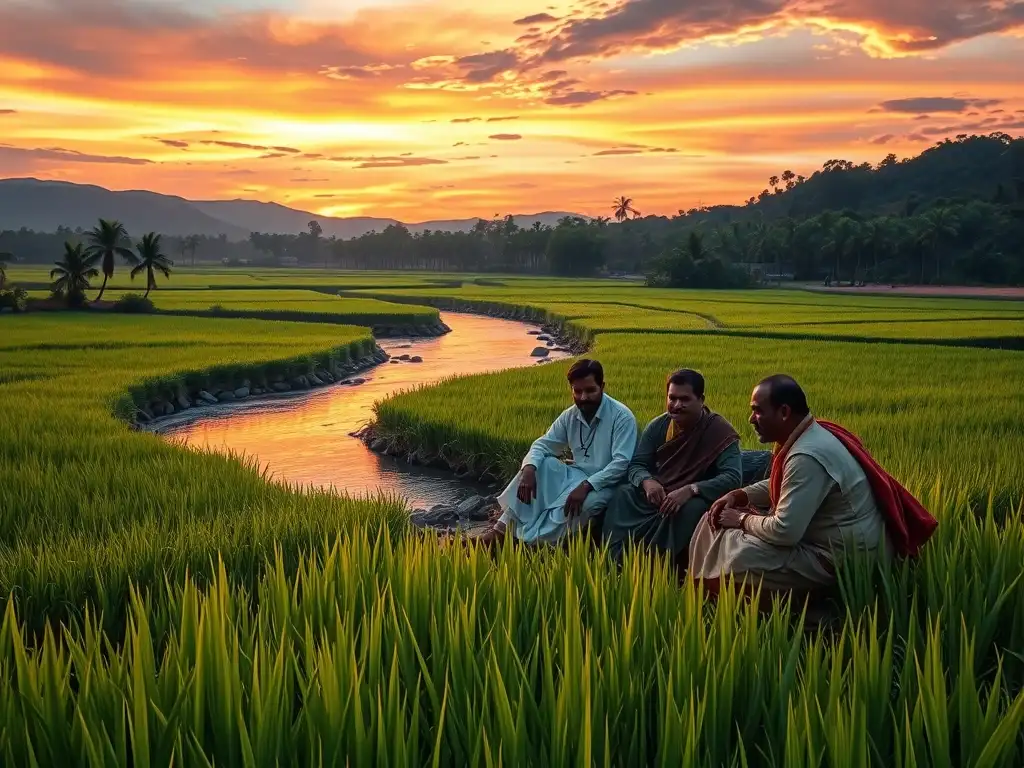
Welcome to Ancient India History, where we embark on an enlightening journey through time to uncover the rich tapestry of ancient Indian civilizations. In our featured article, "Unraveling the Mysteries of Sangam Literature: Common Themes and Motifs," we delve into the captivating world of Sangam literature, exploring its profound themes and motifs that echo through the ages. What secrets lie within these poetic verses? Join us as we decode the cultural significance and artistic brilliance that define this literary treasure. Your adventure into the depths of ancient wisdom begins here—let's explore together!
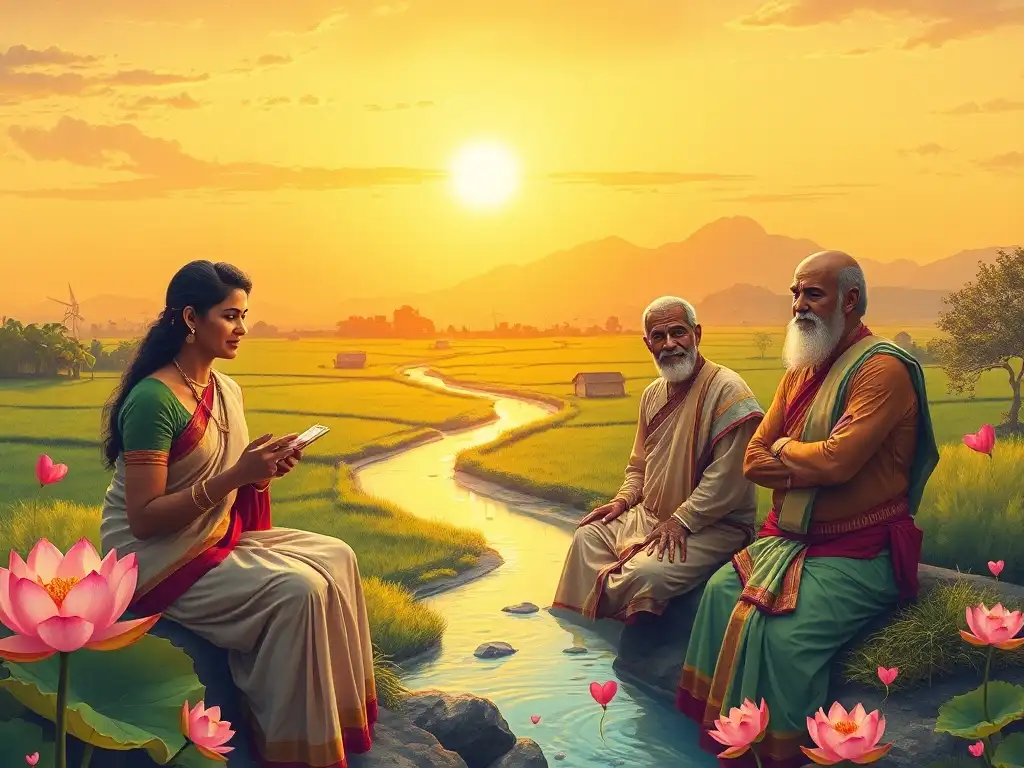
Introduction to Sangam Literature
Sangam literature, a treasure trove of ancient Tamil poetry, stands as one of the most significant cultural legacies of South India, encapsulating the ethos of early Tamil civilization. This literary corpus, composed between 300 BCE and 300 CE, offers a remarkable glimpse into the social, political, and emotional landscapes of the time.
Sangam literature themes and motifs reflect not only the rich tapestry of human experiences but also the deep connection between people and their environment. As we delve into the common themes and motifs of Sangam literature, we uncover the profound insights it provides into ancient Tamil society and its enduring influence on contemporary culture.
Overview of Sangam Literature
Sangam literature is characterized by its exquisite poetic forms and diverse genres, including akam (interior) and puram (exterior) poetry. The akam poems often explore personal emotions, particularly those related to love and relationships, while the puram poems address themes of heroism, valor, and societal values. This body of work was produced by a group of poets over multiple gatherings, known as Sangams, which were held in ancient Tamil Nadu. The richness of Sangam literature lies in its ability to weave the personal with the political, the emotional with the societal, creating a multidimensional understanding of life in ancient India.
Historical Context and Significance
The historical backdrop of Sangam literature is rooted in the Tamil kingdoms that flourished in South India during the early centuries of the Common Era. The political landscape was marked by dynamic trade routes, cultural exchanges, and interactions with neighboring civilizations. This vibrant environment fostered a flourishing of arts and literature, with the Sangam poets drawing inspiration from both their surroundings and the sociopolitical currents of their time. The significance of this literature extends beyond mere artistic expression; it serves as a vital historical document that sheds light on the customs, beliefs, and values of ancient Tamil society.
Importance of Themes and Motifs in Sangam Literature
The themes and motifs in Sangam literature are crucial for understanding the human condition as perceived by the poets of the time. They provide insight into the motivations, aspirations, and challenges faced by individuals and communities. By examining these literary elements, we can appreciate how the poets articulated universal truths through their verses, creating a lasting impact on subsequent generations. The exploration of themes such as love, nature, and valor not only highlights the cultural milieu of ancient Tamil Nadu but also resonates with contemporary readers, making Sangam literature a timeless treasure.
Common Themes in Sangam Literature
As we explore the common themes in Sangam literature, we encounter a rich array of motifs that reflect the complexities of human experiences and emotions. Each theme serves as a lens through which we can better understand the values and beliefs that shaped ancient Tamil culture.
Love and Relationships
One of the most prominent themes in Sangam literature is love, intricately woven into the fabric of its poetry. The poets often depict various facets of love, such as:
- Romantic Love: Exploring the passionate connection between lovers, often characterized by longing and separation.
- Friendship: Celebrating camaraderie and loyalty among friends, highlighting the importance of social bonds.
- Parental Love: Reflecting the deep affection and sacrifices made by parents for their children.
The emotional depth and complexity of relationships are captured through vivid imagery and metaphors, allowing readers to experience the intensity of human connections.
Nature and Landscape
Nature plays a vital role in Sangam literature, serving as both a backdrop and a character in its own right. The poets skillfully describe the diverse landscapes of Tamil Nadu, including:
- Rivers and Mountains: Symbolizing beauty and strength, often associated with love stories.
- Seasons: Representing the cyclical nature of life and emotions, with the changing seasons mirroring human experiences.
- Flora and Fauna: Highlighting the connection between humanity and the natural world, emphasizing the importance of ecological harmony.
Nature is not merely a setting; it is intricately tied to the emotions and experiences of the characters, enhancing the overall narrative.
Heroism and Valor
The valor of heroes is another central theme in Sangam literature, where poets celebrate the bravery and courage of warriors. Key aspects include:
- Epic Battles: Depictions of heroic feats in warfare, showcasing the valor and honor associated with battle.
- Loyalty and Duty: Emphasizing the moral values of loyalty to one’s king, family, and community.
- Cultural Identity: Reflecting the pride and sense of belonging to the Tamil identity through tales of heroism.
Through these portrayals, Sangam literature provides valuable insights into the ideals of bravery and honor that were revered in ancient Tamil society.
By unraveling these themes and motifs, we gain a deeper understanding of the literary richness of Sangam literature and its relevance to both historical and contemporary contexts.
Motifs Found in Sangam Literature
Sangam literature, a treasure trove of ancient Tamil poetry, is rich with motifs that reflect the societal values, emotions, and environment of the time. Prominent motifs such as love, valor, nature, and social life are intricately woven into the fabric of these poems. These motifs serve not only to embellish the poetry but also to convey deeper philosophical and cultural meanings.
The Concept of ‘Aham’ and ‘Puram’
One of the central motifs in Sangam literature is the dichotomy of ‘Aham’ and ‘Puram’.
- ‘Aham’ refers to the inner world of love and personal emotions, primarily focusing on romantic relationships and the nuances of love between individuals. The portrayal of love in ‘Aham’ often explores the joys and sorrows associated with the beloved, encompassing themes of longing, separation, and union.
- Conversely, ‘Puram’ deals with the external world, encompassing themes of valor, heroism, and the duties of a warrior. It reflects the social responsibilities and communal interactions, highlighting the significance of honor, ethics, and the warrior code.
This duality illustrates the balance between personal desires and societal obligations, offering readers insight into the complexities of human experiences during that era.
The Role of Time and Seasons
Time and seasons play a significant role in Sangam literature, often serving as metaphors for the emotions and experiences of the characters. The changing seasons—particularly the monsoon—are vividly depicted and are often linked to the moods and emotions of love.
- The spring season symbolizes joy and renewal, frequently associated with the blossoming of love.
- Conversely, the rainy season often evokes feelings of longing and melancholy, reflecting the pain of separation from a beloved.
These seasonal motifs not only enhance the emotional depth of the poetry but also underscore the intricate relationship between nature and human sentiment, illustrating how the environment can mirror the internal states of individuals.
Symbolism of Festivals and Rituals
Festivals and rituals are prominent symbols in Sangam literature, representing the cultural and spiritual life of the Tamil people. They are often depicted as significant events in the community where themes of unity, devotion, and celebration are explored.
- Festivals are linked to agricultural cycles, reflecting the agrarian lifestyle of ancient Tamil society and emphasizing the importance of nature in their lives.
- Rituals associated with worship and tradition further signify the community's beliefs and values, illustrating the interconnectedness between spirituality and daily life.
These motifs highlight the cultural richness of the period, providing insights into the collective identity and practices of the ancient Tamils.
Cultural Reflections in Sangam Literature
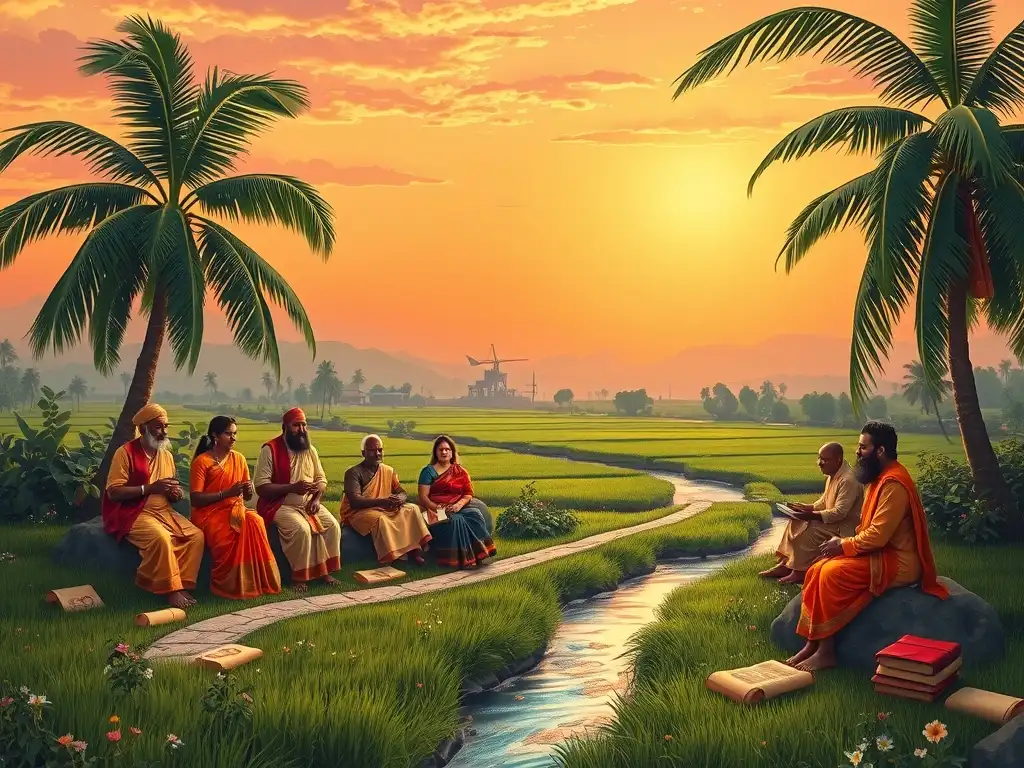
Sangam literature is not merely an artistic expression; it also serves as a reflection of the social and cultural dynamics of ancient Tamil society. Through its diverse themes and motifs, the literature offers valuable insights into social hierarchies, gender roles, and community structures.
Social Hierarchies and Class Structures
Sangam poetry vividly illustrates the social hierarchies and class structures prevalent in ancient Tamil society. The literature presents a society that is stratified into various classes, including warriors, merchants, and agriculturists, each with distinct roles and responsibilities.
- The depictions of kings and warriors in ‘Puram’ poetry often emphasize valor, heroism, and the moral obligations of leadership, reflecting the significance of martial prowess and governance.
- In contrast, the ‘Aham’ poems often highlight the lives of common people, their struggles, and their emotional experiences, providing a more nuanced understanding of everyday life across different social strata.
This portrayal of social dynamics underscores the interconnectedness of individuals within the broader societal framework, illustrating how personal identities are shaped by class and social roles.
Gender Roles and Representation
Gender roles and representation in Sangam literature are complex and multifaceted. The poetry often reflects the societal norms and expectations regarding gender during that era.
- Women are depicted in various roles, from the devoted lover yearning for her beloved to strong figures asserting agency in their relationships. While some poems celebrate female beauty and virtue, others challenge conventional gender norms by portraying women as articulate and powerful.
- The literature explores themes of love and desire from both male and female perspectives, offering a more balanced representation of gender dynamics.
These portrayals reveal the evolving views on gender and relationships in ancient Tamil society, providing insight into the cultural attitudes toward femininity and masculinity during the Sangam period.
Conclusion: The Enduring Legacy of Sangam Literature
Sangam literature stands as a monumental testament to the richness of ancient Tamil civilization, encapsulating a variety of themes and motifs that resonate through time. Its poetic expressions, deeply rooted in the cultural and social fabric of early South India, reflect the complexities of human emotions, nature, and societal values.
The legacy of Sangam literature is not merely confined to historical texts but continues to influence contemporary literature, art, and cultural practices. The vivid imagery and emotional depth found in these poems underscore the timeless nature of human experiences, making Sangam literature an essential study for understanding both the past and the present.
Impact on Subsequent Literature and Culture
The influence of Sangam literature extends far beyond its time, shaping the trajectory of Tamil literature and inspiring generations of poets, writers, and thinkers. The thematic elements of love, valor, ethics, and nature found in Sangam works laid the groundwork for later literary traditions in Tamil and beyond. Notably, the concepts of "Akam" (interior, personal space) and "Puram" (exterior, public space) introduced in Sangam poetry have become essential frameworks in analyzing Tamil literature.
Furthermore, the cultural practices and social norms depicted in these texts have had a lasting impact on Tamil culture, influencing everything from folk traditions to classical arts such as dance and music. The celebration of nature and the human experience in Sangam poetry has permeated various aspects of Tamil life, reinforcing the interconnectedness of literature and culture in shaping identity.
Continuing Relevance of Themes and Motifs in Modern Context
The themes and motifs present in Sangam literature remain relevant in today's world, resonating with contemporary audiences. The exploration of love and longing, the celebration of nature, and the reflections on ethical conduct continue to find expression in modern literature, films, and music.
For instance, the emotional depth portrayed in Sangam poetry often mirrors the complexities of modern relationships, while the reverence for nature speaks to current environmental concerns. Scholars and artists alike are revisiting these ancient texts to draw inspiration and to highlight the timelessness of human emotions and societal issues. As a result, Sangam literature not only offers a window into ancient Tamil civilization but also serves as a source of ongoing dialogue about the human condition in a rapidly changing world.
Further Reading on Sangam Literature Themes and Motifs
For those interested in delving deeper into the themes and motifs of Sangam literature, numerous texts and resources provide valuable insights. These works explore the cultural, historical, and literary significance of Sangam poetry, enriching the reader's understanding of its enduring legacy.
Recommended Texts and Resources
- "The Sangam Poems" by A. K. Ramanujan: A seminal translation that captures the essence of the original texts, offering readers a glimpse into the poetic beauty and thematic richness of Sangam literature.
- "Sangam Literature: An Introduction": by S. Ramasamy: This book provides a comprehensive overview of the historical context, themes, and cultural significance of Sangam literature.
- "A History of Tamil Literature" by M. V.enkatasubha Iyer: This work discusses the evolution of Tamil literature, with a significant focus on the Sangam period and its lasting impact.
Key Scholars and Works on Sangam Literature
- K. A. Nilakanta Sastri: Renowned for his historical analyses of Tamil literature, his works provide essential context for understanding Sangam literature's place in Indian history.
- K. S. Murugan: His research on thematic elements in Sangam poetry has contributed to a deeper understanding of its cultural relevance.
- R. S. Venkatesan: Known for his critical surveys of Sangam literature, he offers insights into the literary devices and motifs that characterize these texts.
These resources are invaluable for gaining a more profound appreciation of Sangam literature's themes and motifs, fostering a connection between ancient and modern narratives. By engaging with these texts, readers can better understand how the intricacies of ancient Tamil life continue to inform contemporary thought and creativity.
- Introduction to Sangam Literature
- Common Themes in Sangam Literature
- Motifs Found in Sangam Literature
- Cultural Reflections in Sangam Literature
- Conclusion: The Enduring Legacy of Sangam Literature
- Further Reading on Sangam Literature Themes and Motifs
Frequently Asked Questions
What is Sangam literature?
Sangam literature refers to a collection of ancient Tamil texts composed between 300 BCE and 300 CE, showcasing the rich cultural and literary traditions of early South India.
What are the main themes of Sangam literature?
The main themes include love (akam), war (puram), nature, and heroism, which reflect the complex emotions and societal values of that era.
How does Sangam literature depict love?
Sangam literature presents love through intimate and nuanced portrayals, often exploring the emotional journeys of lovers, highlighting the joys and sorrows of romantic relationships.
What motifs are commonly found in Sangam literature?
Common motifs include nature imagery, metaphors of seasons, and symbolism of the landscape, which serve to enhance the emotional depth and cultural context of the poems.
Why is Sangam literature significant in Indian history?
Sangam literature is significant as it provides insight into the social, political, and economic life of ancient Tamil society, showcasing its literary excellence and cultural heritage that influences contemporary Tamil literature.
Final Reflection: Embracing the Timeless Themes of Sangam Literature
The exploration of Sangam literature themes and motifs resonates profoundly in today's world, as it reveals the intricate tapestry of human emotions and experiences that transcend time. In an era where we often find ourselves disconnected from our roots, the rich narratives and universal themes found in Sangam literature remind us of our shared humanity. These ancient texts not only provide insight into the culture of the Tamil people but also serve as a mirror reflecting our own lives, struggles, and aspirations.
Sangam literature continues to shape our cultural and social landscape, influencing art, poetry, and even modern storytelling. The themes of love, valor, and the beauty of nature found in these texts are not merely relics of the past; they are vibrant threads woven into the fabric of contemporary expression. As the poet Kaniyan Poongundran once said, The world is a garden, and we are its flowers.
This sentiment encapsulates the enduring relevance of Sangam literature, reminding us that the emotions and experiences captured in these works are as applicable today as they were centuries ago.
As you reflect on the themes and motifs of Sangam literature, consider how they can inspire your own life and creativity. Take a moment to explore the depths of your emotions and experiences, and let the wisdom of these ancient texts guide you in your journey. Whether through writing, art, or simply in your daily interactions, embrace the lessons of love, resilience, and connection that Sangam literature offers. By doing so, you not only honor the past but also enrich your present and future, fostering a deeper understanding of yourself and the world around you.
Unveil the Depths of Sangam Literature Today!
Thank you for diving into the fascinating world of Sangam literature! You’ve uncovered the rich themes and motifs that have shaped ancient Tamil culture. Now, it’s your turn to take action and deepen your engagement with this extraordinary literary heritage.
Here’s how you can continue your journey:
- Explore more: Dive into additional resources or books about Sangam literature to broaden your understanding. Consider visiting a local library or exploring online archives dedicated to ancient Indian texts.
- Share your insights: Discuss your favorite themes from this literature with friends or family. Spark conversations about how these ancient works still resonate in contemporary society!
- Connect with the community: Join online forums or social media groups focused on Indian literature to exchange ideas and learn from others who share your passion for Sangam and ancient texts.
What theme from Sangam literature resonates with you the most, and how do you see it reflected in today’s world? Let's keep the conversation going!