
The Influence of Ancient Indian Textiles on Global Fashion Trends

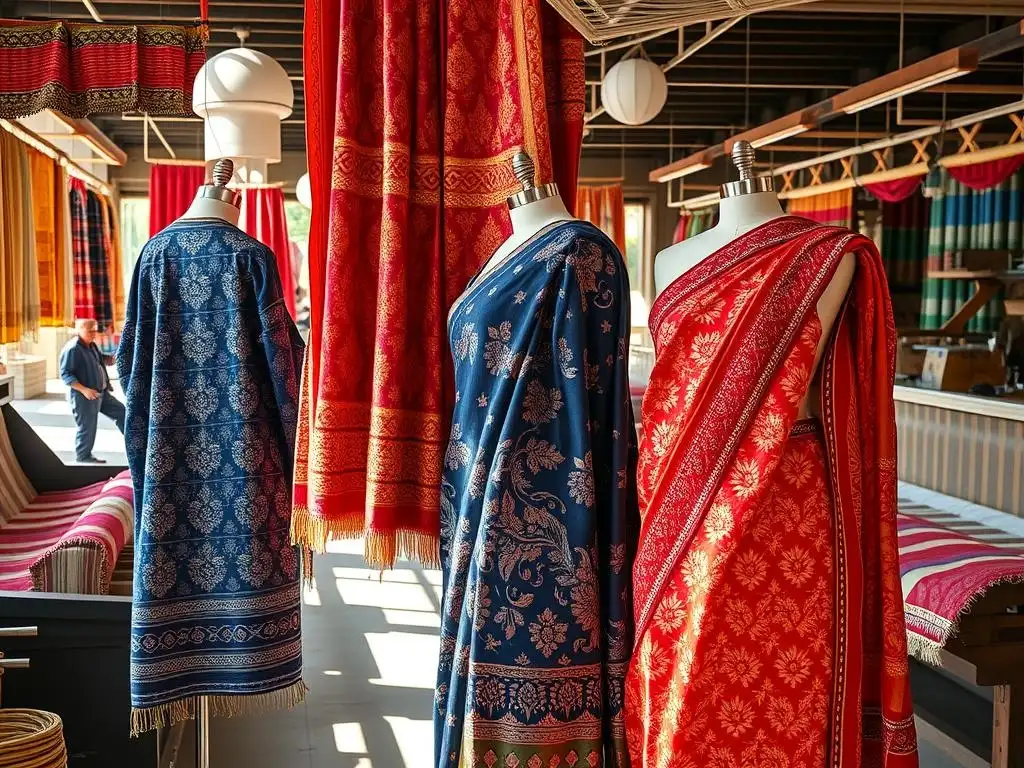
Welcome to Ancient India History—your gateway to exploring the rich tapestry of India's past! Here, we delve into the fascinating realm of ancient Indian textiles influence, revealing how these timeless creations have shaped global fashion trends. From the intricate weaves of the Indus Valley to the luxurious fabrics of the Gupta Empire, each thread tells a story that transcends time and geography. Are you ready to uncover the secrets behind these exquisite textiles and their lasting impact on contemporary styles? Dive in and let the journey begin!
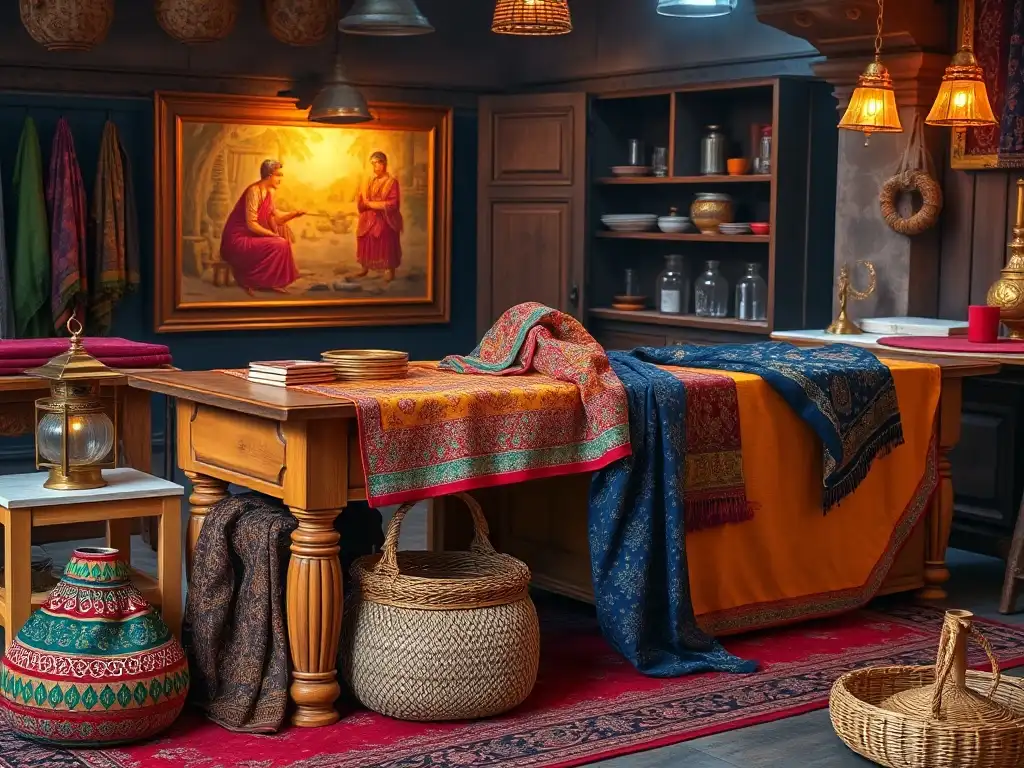
Introduction to Ancient Indian Textiles Influence
The rich tapestry of ancient Indian textiles offers a fascinating glimpse into the cultural heritage and artistic prowess of one of the world's oldest civilizations. From the intricate weaves of the Indus Valley to the exquisite craftsmanship during the Gupta Empire, these textiles not only served practical purposes but also played a significant role in shaping the aesthetic sensibilities of various cultures worldwide.
The influence of ancient Indian textiles can be observed in the vibrant colors, elaborate patterns, and unique techniques that have inspired fashion trends across the globe. As we delve deeper into this topic, we will uncover how these traditional textiles have transcended time and geography, leaving an indelible mark on global fashion.
Historical Context of Ancient Indian Textiles
Ancient Indian textiles are not merely artifacts of the past; they are a testament to the ingenuity and creativity of a civilization that thrived for millennia. The history of these textiles is intertwined with trade routes, cultural exchanges, and technological advancements. Indian textiles were highly sought after in international markets, often referred to as "woven wonders" that captured the imagination of traders and consumers alike. The evolution of these textiles reflects the social, economic, and artistic developments within Indian society, making it essential to understand their historical context to appreciate their global influence fully.
Origins of Indian Textiles: A Journey Through Time
The origins of Indian textiles can be traced back to the Indus Valley Civilization (c. 3300–1300 BCE), where evidence of cotton cultivation and weaving techniques has been discovered. Archaeological findings, including spinning tools and remnants of dyed fabrics, suggest that the people of this ancient civilization had a sophisticated understanding of textile production. As time progressed, various dynasties and empires, such as the Maurya and Gupta Empires (c. 322 BCE–550 CE), continued to innovate and expand textile production, introducing new materials and techniques that would influence both local and global fashion trends.
- Key Events in Textile History:
- The establishment of trade routes connecting India with regions such as the Middle East, Africa, and Southeast Asia.
- The introduction of silk weaving techniques from China, which were adapted and transformed into unique Indian styles.
- The flourishing of regional textile traditions, such as Banarasi silks, Kanchipuram sarees, and Ajrak block prints, each with their distinctive characteristics.
Key Materials Used in Ancient Indian Textiles
Ancient Indian textiles were renowned for their diverse range of materials, each contributing to the unique qualities and aesthetics of the finished products.
- Cotton: The backbone of ancient Indian textiles, cotton was extensively cultivated and woven into various forms, making it accessible and versatile.
- Silk: Considered a luxury material, silk was primarily produced in regions like Bengal and was highly prized for its sheen and softness.
- Wool: Used in colder regions, woolen textiles showcased intricate patterns and were often dyed with natural pigments.
- Linen: Though less common, linen was utilized, particularly in specific geographic areas, showcasing the adaptability of ancient textile artisans.
The combination of these materials, along with advanced dyeing techniques and intricate weaving patterns, contributed to the global appeal of ancient Indian textiles, which continue to inspire contemporary fashion designers today.
The Artistry of Ancient Indian Weaving Techniques
The artistry of ancient Indian weaving techniques is a testament to the rich cultural heritage and craftsmanship that flourished in the subcontinent. Various regions in India developed unique weaving styles that not only served functional purposes but also conveyed artistic expressions. Techniques such as handloom weaving, which dates back thousands of years, highlight the intricate skills of artisans who employed traditional methods passed down through generations.
Key weaving techniques include:
- Bandhani: A tie-dye technique that creates vibrant patterns and colors.
- Ikats: A method where the yarn is dyed before weaving, resulting in blurred, intricate designs.
- Kalamkari: Hand-painted or block-printed cotton textiles, often depicting mythological tales and motifs.
These techniques have significantly influenced textile production globally, inspiring artists and designers to incorporate Indian aesthetics into their work.
Traditional Weaving Techniques and Their Global Impact
Traditional weaving techniques from ancient India have played a crucial role in shaping global textile practices. The meticulous craftsmanship that defines these methods has inspired countless artisans worldwide. For instance, the use of natural dyes and sustainable practices prevalent in Indian textiles has garnered attention in contemporary fashion, where there is a growing demand for eco-friendly materials.
The global impact of these techniques can be seen in:
- Sustainable Fashion Movements: Modern designers are increasingly adopting traditional Indian methods to create environmentally conscious collections.
- Cultural Revivals: Regions outside India are reviving ancient weaving methods, blending them with local designs to create hybrid textile forms.
- Art Exhibitions: International exhibitions often showcase Indian textiles, highlighting their intricate techniques and rich history, inspiring a new generation of designers.
The fusion of ancient Indian weaving techniques with global trends continues to redefine fashion, making it a vital aspect of contemporary artistry.
Iconic Patterns and Motifs in Ancient Indian Textiles
Ancient Indian textiles are renowned for their vibrant patterns and intricate motifs that tell stories of culture, nature, and mythology. Each region has its own signature designs, often reflecting the local flora and fauna, social customs, or religious beliefs.
Some iconic patterns and motifs include:
- Paisley: Originating from the Persian influence, it became a staple in Indian textiles and is widely recognized in global fashion.
- Lotus and Peacock Designs: Common in many traditional textiles, these motifs symbolize purity and beauty in Indian culture.
- Geometric Patterns: Found in various textiles, these designs often represent the cosmos and have been adopted extensively in modern graphic design.
The enduring appeal of these patterns has led to their incorporation into contemporary fashion, illustrating the timelessness of ancient Indian aesthetics.
Cross-Cultural Exchanges: Ancient Indian Textiles in the World
Cross-cultural exchanges have significantly influenced the spread and adaptation of ancient Indian textiles across the globe. As trade routes expanded, textiles became a medium of cultural exchange, introducing new techniques and styles to various regions.
The Silk Route: A Catalyst for Textile Exchange
The Silk Route served as a crucial connector between East and West, facilitating not only trade in silk and spices but also the exchange of textiles and weaving techniques. Ancient Indian textiles, characterized by their vibrant colors and intricate designs, were highly sought after by traders and travelers alike.
Through this route, Indian textiles influenced:
- Persian designs: The integration of Indian motifs in Persian garments enriched their textile heritage.
- Chinese silk production: Techniques from Indian weavers influenced Chinese textile practices, leading to a blend of styles.
- Roman fashion: Textiles from India reached Rome, where they were admired for their quality and craftsmanship, impacting local fashion sensibilities.
The Silk Route exemplifies how ancient Indian textiles transcended geographical boundaries, leaving an indelible mark on global textile traditions.
Influences on Western Fashion: A Historical Perspective
The influence of ancient Indian textiles on Western fashion is both profound and multifaceted. As European countries began to engage with India through trade during the colonial period, they were introduced to the rich tapestry of Indian fabrics, which inspired many aspects of Western design.
Notable influences include:
- Chintz: Block-printed cotton fabrics from India became immensely popular in Europe during the 17th and 18th centuries, influencing interior design and clothing styles.
- Sari Silhouettes: The draped silhouette of the sari inspired Western designers, leading to the adoption of similar draping techniques in various fashion collections.
- Brocade and Embroidery: The intricate gold and silver thread work seen in Indian textiles influenced Western couture, leading to the incorporation of lavish embroidery in high fashion.
Through these historical exchanges, ancient Indian textiles have shaped not only the aesthetics of Western fashion but also contributed to a broader understanding of textile arts across cultures. The legacy of these textiles continues to resonate in contemporary fashion, showcasing the enduring influence of ancient craftsmanship.
Modern Interpretations of Ancient Indian Textiles
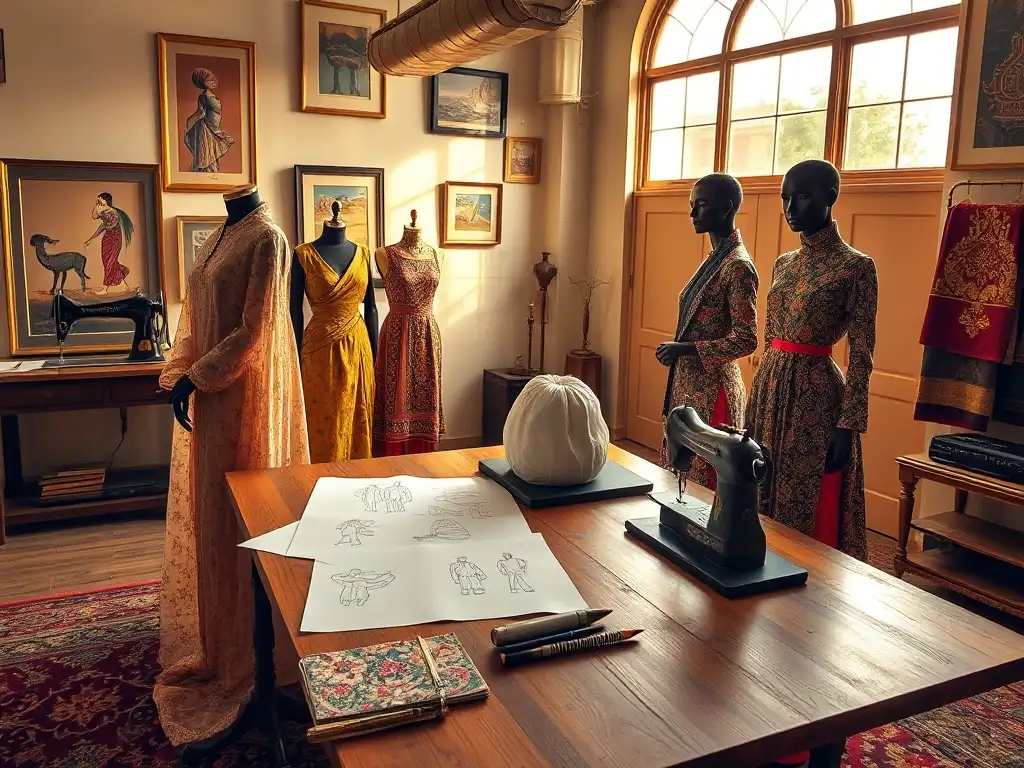
The legacy of ancient Indian textiles continues to shape contemporary fashion, creating a unique blend of tradition and modernity. Designers around the world are increasingly drawing inspiration from the rich history of textiles such as silk, cotton, and wool, which have been crafted in India for centuries. These fabrics not only showcase intricate craftsmanship but also tell stories of cultural heritage and regional diversity.
Modern interpretations often incorporate traditional motifs and techniques into contemporary silhouettes, allowing ancient designs to resonate with today's fashion sensibilities. For instance, the revival of block printing and handwoven fabrics has seen a resurgence in popularity, leading to a new appreciation for artisanal craftsmanship. Many brands are now integrating ancient Indian weaving styles, such as ikat or khadi, into their collections, emphasizing the beauty of imperfection and individuality that these methods often yield.
Moreover, the influence of ancient Indian textiles is evident in color palettes and patterns that reflect the vibrancy of Indian culture. Bold colors and intricate designs, once reserved for traditional garments, are now prevalent in casual wear, evening gowns, and accessories, showcasing how ancient techniques can be adapted for modern lifestyles.
Contemporary Designers Celebrating Ancient Techniques
Numerous contemporary designers are at the forefront of celebrating ancient Indian textile techniques, ensuring that the artistry of the past is not forgotten. Notable figures such as Anita Dongre, Sabyasachi Mukherjee, and Ritu Kumar have made significant contributions to this revival.
- Anita Dongre is known for her sustainable fashion approach, often using handloom fabrics and traditional crafts. Her collections feature exquisite embroidery techniques such as zardozi and gota patti, which highlight the skills of local artisans.
- Sabyasachi Mukherjee seamlessly blends classic Indian aesthetics with modern silhouettes, utilizing textiles like Banarasi silk and intricate hand-embroidery, which have deep historical roots. His work not only showcases the beauty of ancient textiles but also brings them to a global audience.
- Ritu Kumar, a pioneer in Indian fashion, has dedicated her career to reviving traditional crafts and textiles. Her commitment to preserving ancient techniques while innovating them for contemporary wear has led to a greater appreciation for the craftsmanship of Indian textiles on the global stage.
These designers, among others, are not just creating garments; they are narrating stories and preserving the cultural legacy of ancient India, thus influencing global fashion trends.
Sustainable Fashion: Lessons from Ancient Techniques
Ancient Indian textiles provide a wealth of lessons for the modern sustainable fashion movement. Traditionally, Indian textiles were crafted using locally sourced materials, natural dyes, and environmentally friendly processes. This sustainable approach is gaining traction as contemporary consumers become increasingly aware of the environmental impact of fast fashion.
Key elements of ancient techniques that align with sustainable practices include:
- Natural Dyes: Many ancient Indian textiles utilized dyes derived from plants, minerals, and insects, which are biodegradable and non-toxic. This practice not only minimizes environmental harm but also supports biodiversity.
- Handloom Weaving: The handloom industry in India has been a cornerstone of textile production for centuries. This labor-intensive method not only provides employment to local artisans but also reduces carbon footprints associated with industrial textile manufacturing.
- Slow Fashion Principles: The meticulous craftsmanship involved in ancient textiles promotes a slow fashion ethos, encouraging consumers to value quality over quantity. By investing in well-made, timeless pieces, consumers can counteract the disposable culture prevalent in contemporary fashion.
As the fashion industry shifts towards more sustainable practices, the lessons learned from ancient Indian textiles offer a blueprint for creating a more ethical and environmentally conscious approach to clothing.
Conclusion: The Enduring Influence of Ancient Indian Textiles
The influence of ancient Indian textiles on global fashion trends is profound and enduring. These textiles are not just historical artifacts; they embody a rich cultural narrative that continues to inspire and captivate designers and consumers alike. As we explore the modern interpretations and celebrate the techniques of contemporary designers, we recognize the importance of preserving these traditions for future generations.
The growing emphasis on sustainability and ethical fashion practices has further amplified the relevance of ancient textiles in today’s fashion landscape. By honoring the craftsmanship and artistry of the past, the fashion industry can cultivate a deeper appreciation for cultural heritage while promoting sustainable practices.
The legacy of ancient Indian textiles is woven into the fabric of global fashion, reminding us that style and sustainability can coexist. As we move forward, the insights gleaned from these rich traditions will undoubtedly continue to influence and shape the future of fashion. 🌏✨
Call to Action: Explore More About Ancient Indian Textiles
The rich tapestry of ancient Indian textiles has left an indelible mark on global fashion trends, influencing styles, techniques, and aesthetics across centuries. To fully appreciate this legacy, we invite you to delve deeper into the fascinating world of traditional Indian textiles. Here are some ways you can explore this captivating subject further:
- Research Historical Techniques: Discover the intricate techniques that ancient Indian artisans utilized, such as weaving, dyeing, and printing. Understanding these methods not only highlights the skill involved but also reveals how they have influenced contemporary textile practices around the globe.
- Study Regional Variations: Each region in India boasts unique textile traditions. From the vibrant Bandhani of Gujarat to the elegant Kanchipuram silks of Tamil Nadu, explore how geography and culture shaped the textiles produced in various parts of the country.
- Examine Iconic Textiles: Take a closer look at iconic textiles like Khadi, which played a crucial role in the Indian independence movement, or the luxurious brocades of Varanasi. These textiles not only tell stories of their time but also continue to inspire modern designers.
- Engage with Modern Interpretations: See how contemporary designers are reinterpreting ancient Indian textiles to create innovative fashion statements. By blending traditional techniques with modern aesthetics, they keep the legacy alive while pushing the boundaries of fashion.
- Visiting Museums and Exhibitions: Plan visits to museums and exhibitions dedicated to textiles and fashion. Many institutions showcase collections that highlight the historical significance and craftsmanship of ancient Indian textiles.
- Participate in Workshops: Consider participating in workshops that focus on traditional textile techniques. These hands-on experiences provide insight into the artistry behind ancient textiles and foster a deeper appreciation for this cultural heritage.
By exploring these avenues, you can gain a richer understanding of how ancient Indian textiles have influenced global fashion trends and continue to do so today. Join us in celebrating this enduring legacy and its relevance in the modern world!
- Introduction to Ancient Indian Textiles Influence
- Historical Context of Ancient Indian Textiles
- The Artistry of Ancient Indian Weaving Techniques
- Cross-Cultural Exchanges: Ancient Indian Textiles in the World
- Modern Interpretations of Ancient Indian Textiles
- Conclusion: The Enduring Influence of Ancient Indian Textiles
- Call to Action: Explore More About Ancient Indian Textiles
- What are the main contributions of ancient Indian textiles to global fashion?
- How did the Indus Valley Civilization impact textile production?
- What role did the Gupta Empire play in the development of textiles?
- How have ancient Indian textiles been preserved through history?
- What are some modern fashion trends inspired by ancient Indian textiles?
Frequently Asked Questions
What are the main contributions of ancient Indian textiles to global fashion?
Ancient Indian textiles introduced intricate weaving techniques, vibrant colors, and unique patterns that have significantly influenced global fashion trends throughout history.
How did the Indus Valley Civilization impact textile production?
The Indus Valley Civilization is known for its advanced techniques in cotton weaving, which laid the foundation for future textile production in India and influenced global fabric trade.
What role did the Gupta Empire play in the development of textiles?
During the Gupta Empire, there was a flourishing of arts and crafts, including the production of exquisite silks and embroidered fabrics, which became highly sought after in international markets.
How have ancient Indian textiles been preserved through history?
Many ancient Indian textiles have been preserved through traditional craftsmanship, oral traditions, and the cultural significance attached to various textile arts, ensuring their legacy continues.
What are some modern fashion trends inspired by ancient Indian textiles?
Today, modern fashion designers often draw inspiration from ancient Indian textiles, incorporating block prints, tie-dye techniques, and rich embroidery styles into contemporary collections.
Final Reflection: The Timeless Influence of Ancient Indian Textiles
The impact of ancient Indian textiles on contemporary fashion is more relevant today than ever, as we witness a resurgence of interest in sustainable and culturally rich practices. The intricate craftsmanship and vibrant patterns that have stood the test of time serve as a reminder of the deep-rooted traditions that continue to inspire modern designers. In a world increasingly driven by fast fashion, the appreciation for the artistry of ancient textiles offers a refreshing perspective on how we can embrace heritage while innovating for the future.
The influence of ancient Indian textiles extends far beyond mere aesthetics; it shapes cultural narratives and fosters a sense of identity in a globalized world. As we navigate the complexities of modern fashion, these textiles remind us of the stories woven into every thread. Fashion is the armor to survive the reality of everyday life.
– Bill Cunningham. This quote encapsulates the essence of how ancient Indian textiles not only serve as a form of expression but also as a means of connecting with our roots and understanding our place within the broader tapestry of global culture.
As we reflect on the lessons imparted by ancient Indian textiles, let us challenge ourselves to incorporate these values into our own lives. Consider how you can honor tradition while embracing innovation, whether through your personal style or your support for sustainable practices. By doing so, we not only pay homage to the artisans of the past but also pave the way for a more conscious and culturally aware future in fashion.
Unleash the Timeless Beauty of Ancient Textiles!
Thank you for exploring the fascinating world of ancient Indian textiles and their lasting impact on global fashion trends. You've gained a deeper appreciation for the intricate artistry and cultural significance woven into each fabric. Why not take this inspiration to the next level?
Here are some exciting actions you can take right now:
- Discover local artisans or designers who incorporate traditional Indian textile techniques into contemporary fashion. Support their work and bring a piece of heritage into your wardrobe!
- Share this article with friends or on social media to spark a conversation about the richness of ancient textiles and their modern applications.
- Create a style mood board inspired by the colors, patterns, and textures of ancient Indian textiles. Use it as a guide for your next fashion project or home decor!
Which ancient textile technique do you think would make a comeback in today's fashion scene? Let’s discuss!